
Agra, India
What to Do in Agra in 3 Days: The Taj at Dawn, Mughal Forts, and a Quieter Masterpiece
A dawn-to-dusk walking log through the three monuments that make Agra worth the detour from Delhi.
TL;DR
Three days to see the Taj twice, climb a red-sandstone fort, and find the marble jewel box almost nobody photographs.
- The Taj Mahal glowing amber at sunset, then pearl-white at dawn
- Agra Fort's audience halls where emperors ruled Hindustan
- Itimad-ud-Daulah, the Baby Taj, with its inlaid marble lattice
- Mughlai lunch of slow-cooked korma and warm sheermal bread
- Rooftop chai at first light with the dome filling your view
Have this trip planned in 60 seconds
We built the Agra, India itinerary that pairs with this guide, day-by-day with verified venues and one-tap booking links. Free to adopt, edit however you want.
The First Hour: From the Station to the Taj Ganj Lanes
Auto-rickshaw horns, the smell of frying jalebi, and somewhere past the rooftops a white dome you keep trying to spot.
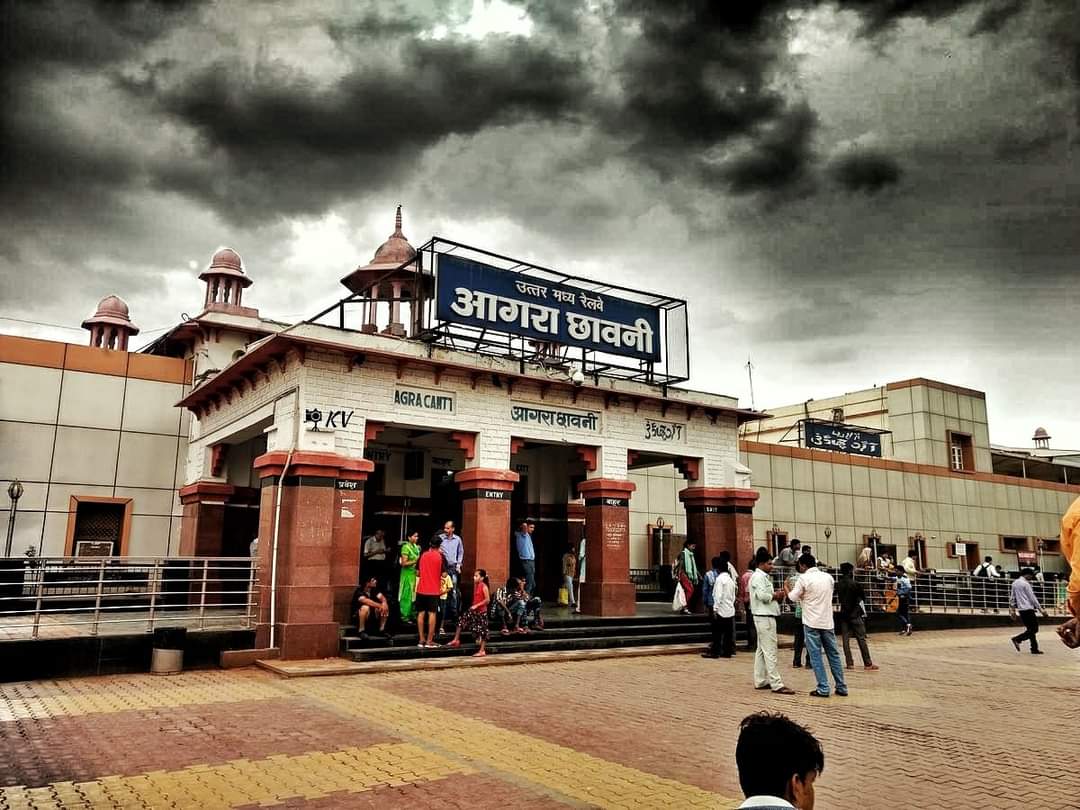
Most people arrive at Agra Cantt railway station on a morning train from Delhi, roughly two to three hours south. The station is a scrum of porters and prepaid taxi counters, so a pre-booked private car is the gentlest way to land. It drops you in Taj Ganj, the knot of narrow lanes that presses right up against the monument's south gate.
Drop your bags, and step out. The lanes here are low-slung and friendly, carpet shops, marble-inlay workshops, a chai stall every twenty paces. You are a five-minute walk from one of the most photographed buildings on earth, and nobody around you seems in a hurry about it.
Use the afternoon to settle in. The real show starts when the light softens.
Sunset at the Taj, When the Marble Turns the Color of Honey
As the sun drops, the white marble warms through cream to apricot to a deep rose, and the crowds go quiet almost all at once.
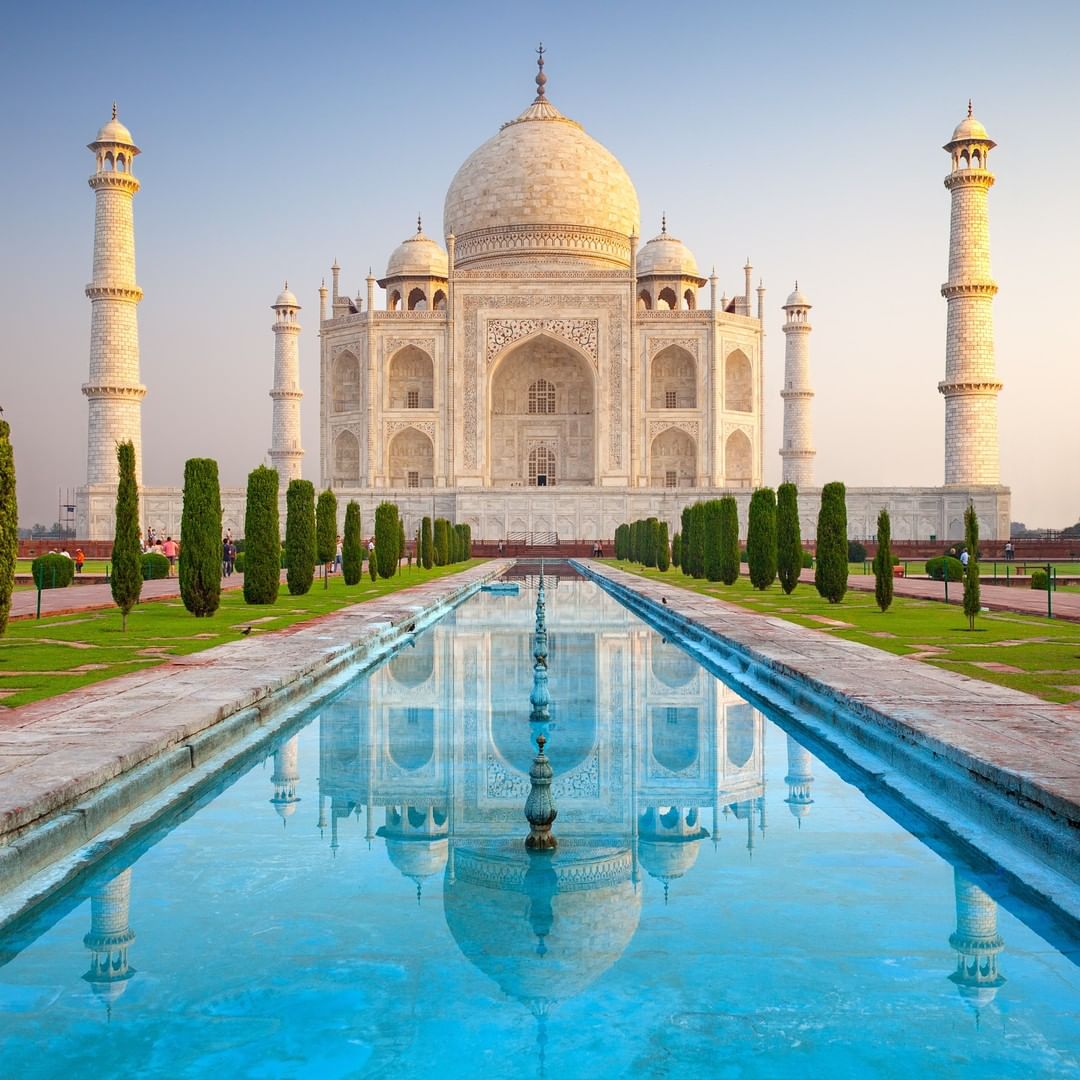
Enter through the great red gateway and the Taj reveals itself the way its builders intended: framed in a dark archway, perfectly centered, impossibly symmetrical. Walk the long reflecting pool slowly. The closer you get, the more you notice the marble is not plain at all, it is inlaid with flowers of carnelian, jasper, and lapis, each petal a separate sliver of stone.
Late afternoon is the kinder visit. The midday glare flattens everything; the low sun gives the dome depth and that famous shifting color. Give yourself a full ninety minutes and don't rush the platform. Entry for foreign visitors runs around 1,100 rupees (about 13 USD), with a small extra ticket if you want to step inside the mausoleum itself.
The Archaeological Survey of India closes the complex on Fridays, so plan your days around that. Shoes come off or get covered at the plinth; keep socks handy.
Rooftop Chai Before the Sun Is Up
A ginger-laced chai steaming in your hands, the lanes still dark below, and the dome catching the very first grey light of the day.
Taj Ganj is full of small rooftop cafes, and their reason for existing is this one moment. Climb up before dawn, order chai and maybe eggs, and watch the Taj emerge from the morning haze while the city is still asleep.
This is also your free morning to breathe. After the second Taj visit (more on that next), the afternoon is yours: browse the marble-inlay workshops where artisans still cut stone flowers by hand, hunt for a block-printed scarf, or simply nap off the early start.
A rooftop breakfast with a view like this costs almost nothing, a few hundred rupees, and sets the whole day's pace.
Sunrise at the Taj, the Version You'll Keep
Pearl-white against a pale sky, mist still on the Yamuna river behind it, and a reflecting pool so still the whole thing doubles.
If you see the Taj once at sunset, see it again at sunrise. The light is cooler and cleaner, the crowds are thinner at the gate opening, and the marble glows a soft luminous white before the day heats up. The two visits feel like two different buildings.
Buy a fresh ticket for the morning, the same one doesn't cover two entries. Gates open around sunrise, so queue in the half-dark and you'll be inside as the first rays hit the dome. The reflecting pool at this hour gives you the mirror shot everyone hopes for.
From here, Agra's other Mughal giant is a short drive away, and the morning is the right time to tackle it.
Agra Fort, a Walled City of Red Sandstone and Marble
Massive ochre ramparts, cool marble audience halls, and from the far balcony a distant glimpse of the Taj across the river bend.
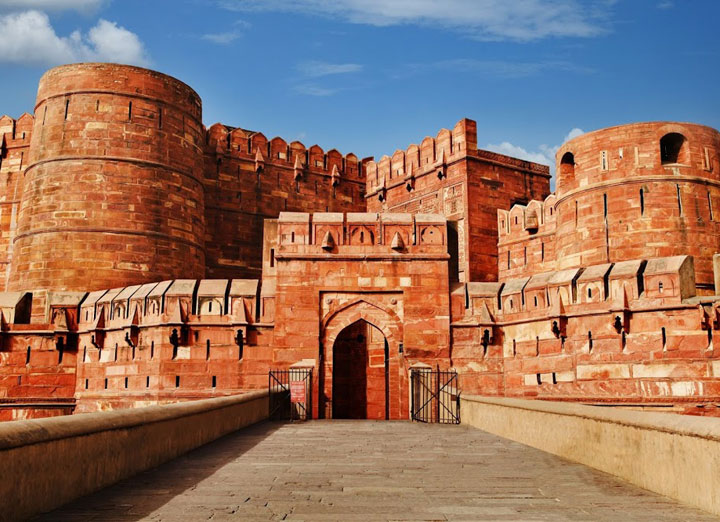
Two and a half kilometers upriver stands Agra Fort, a fortified palace-city that served as the Mughal seat of power long before the Taj was built. The outer walls are brute red sandstone, but step through and you find a sequence of courtyards, water channels, and delicate marble pavilions.
Find the Diwan-i-Am, the hall of public audience, and the smaller Diwan-i-Khas where the emperor met his inner court. Walk to the octagonal tower where, legend says, Shah Jahan spent his final years gazing at the tomb he built for his wife, a pale shape shimmering downstream.
Entry is around 650 rupees (about 8 USD) for foreign visitors. Give it a couple of unhurried hours; the scale sneaks up on you. Pair it with a Mughlai lunch afterward, slow-braised korma, smoky kebabs, and warm sheermal bread, the cuisine this city perfected.
Itimad-ud-Daulah, the Marble Jewel Box Almost No One Visits
Lacy marble screens throwing lattice shadows across the floor, inlaid flowers in every surface, and hardly another traveler in sight.
On the quieter east bank of the Yamuna sits Itimad-ud-Daulah, nicknamed the Baby Taj. It was finished decades before the Taj Mahal and is widely read as its rehearsal in stone: the first Mughal tomb built entirely of white marble, the first to use the inlaid pietra dura technique that would later cover its famous cousin.
What makes it special is the intimacy. The whole structure is small enough to take in at once, and the marble screens, carved so finely they look like woven cloth, are at eye level where you can actually study them. On most mornings you'll have the garden nearly to yourself.
Go on your last morning before heading out. It's the detail-lover's monument, and it rewards slow looking in a way the crowded Taj rarely lets you.
The Ride Out: Back to Delhi or On to Jaipur
Suitcase in the boot, one last look at a white dome over the rooftops, and the highway unspooling north.
Agra sits at a neat corner of India's Golden Triangle, so leaving is easy. A private transfer back to Agra Cantt puts you on fast Delhi-bound trains, and many travelers continue by road to Jaipur, roughly four to five hours southwest, often stopping at the ghost city of Fatehpur Sikri along the way.
Three days is genuinely enough here. You've seen the Taj in two lights, walked an imperial fort, and found the quiet masterpiece most itineraries skip.
If you want the whole thing mapped out hour by hour, the curated Agra heritage itinerary linked on this page lays out exactly these stops with timings and transfers already sorted.
Ready to book?
Book the rest of Agra, India
Handpicked partner searches, dates pre-filled. Pricing is identical to going direct — the partner shares a small commission with Tabi so this guide stays free.
Frequently asked
Is it worth seeing the Taj Mahal twice, at both sunset and sunrise?
Yes, and most people who do it say it was the highlight. At sunset the marble warms to honey and rose; at sunrise it glows a cool pearl-white with mist still on the river and far fewer people at the gate. The two visits genuinely feel like two different buildings. Note you'll need a separate ticket for each entry.
How many days do you need in Agra?
Three days is the sweet spot. It gives you two Taj Mahal visits in different light, a couple of unhurried hours at Agra Fort, and a quiet morning at Itimad-ud-Daulah, without the exhausting dawn-to-dusk cram of a single day trip. One full day works only if the Taj is your sole goal.
What day is the Taj Mahal closed?
The Taj Mahal is closed to visitors every Friday for prayers at the on-site mosque. Plan your Agra days so your Taj visits fall on any other day of the week. Agra Fort and Itimad-ud-Daulah remain open on Fridays.
How do you get from Delhi to Agra?
Fast trains run from Delhi to Agra Cantt station in roughly two to three hours and are the most comfortable option. Many travelers also arrive by road as part of the Golden Triangle loop with Jaipur. From Agra Cantt, a pre-booked private car to Taj Ganj saves you the station taxi scrum.
What food should you try in Agra?
Agra is Mughlai country, so look for slow-cooked kormas, rich kebabs, and warm sheermal and naan breads. Save room for the city's famous petha, a translucent sweet made from ash gourd, sold in shops all over town. A sit-down Mughlai lunch after visiting Agra Fort is a local classic.
Skip the planning
Your Agra, India trip, ready to go
Adopt the day-by-day itinerary we built to match this guide. Every stop is a real place, every booking link is validated. Free forever, no card needed.
Open the Agra, India itinerary