
Athens, Greece
Athens in 5 Days: Acropolis, Market Chaos, and the Sounion Sunset Drive
A sensory stroll through ancient ruins, modern neighborhoods, and the salty edge of the Athenian Riviera.
TL;DR
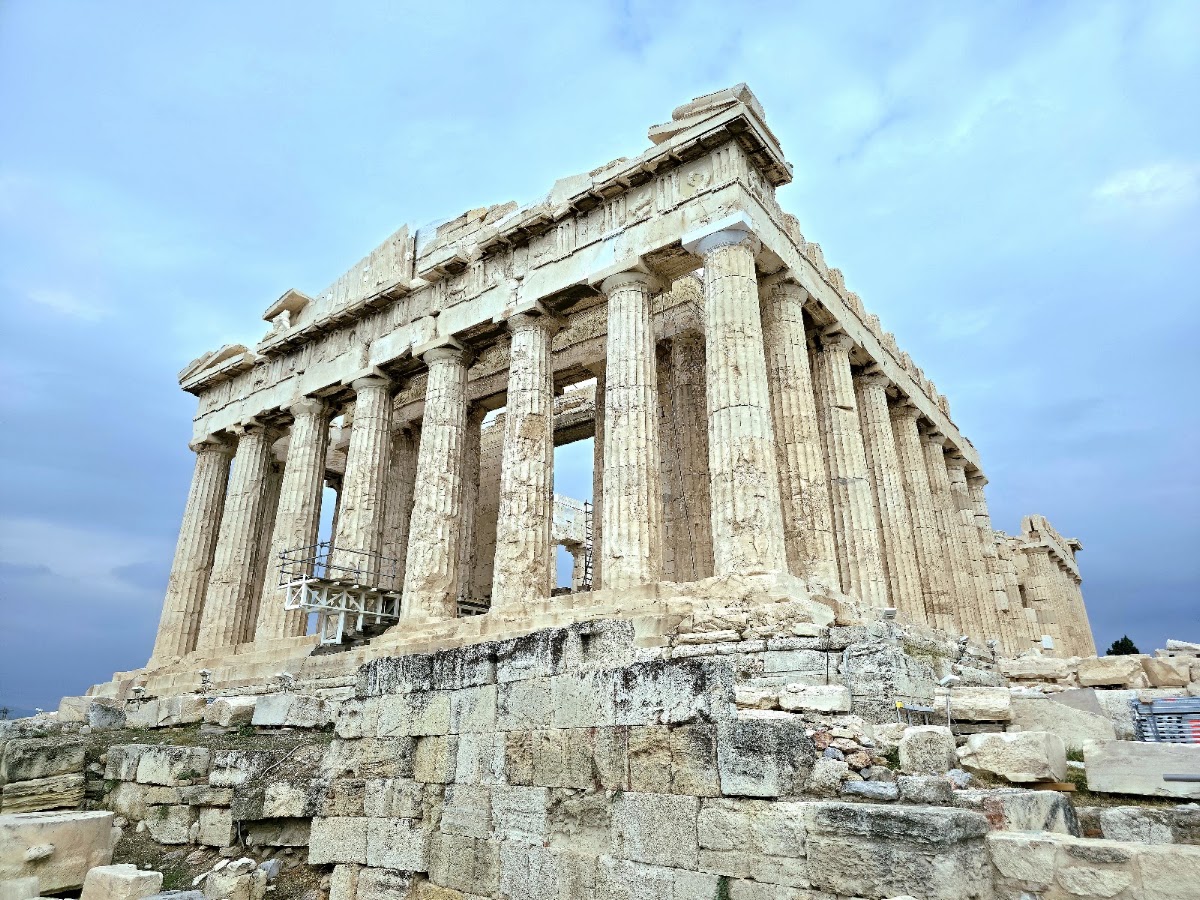
From the Parthenon at dawn to the Temple of Poseidon at sunset, Athens is a city that hits you in the senses.
- Monastiraki Flea Market, where the smell of grilled souvlaki and the clatter of antiques overlap
- Anafiotika, a Cycladic village tucked under the Acropolis cliffs, silent and whitewashed
- Lykavittos Hill at golden hour, the entire city spreading out below you
- Vouliagmeni Beach, cold turquoise water against hot limestone
- Cape Sounion, waves crashing below the Temple of Poseidon as the sun drops into the sea
Have this trip planned in 60 seconds
We built the Athens, Greece itinerary that pairs with this guide, day-by-day with verified venues and one-tap booking links. Free to adopt, edit however you want.
Sunrise at the Parthenon
The marble columns catch the first light, glowing honey against a sky that's still lavender.
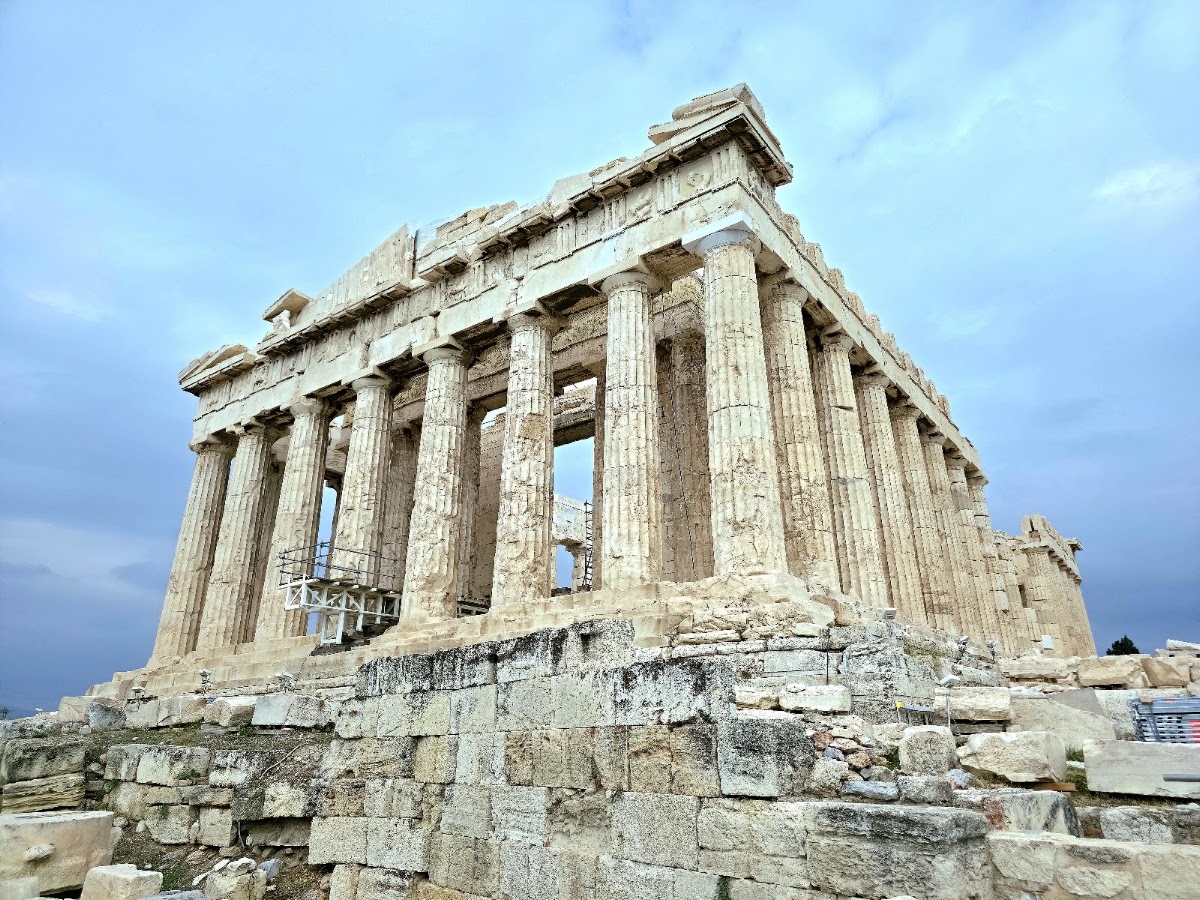
You climb the Sacred Way, the same path ancient processions took. The Propylaea gates frame the Parthenon ahead, and the stone is warm under your hands. By 8 a.m. the crowds are thin, and you can hear your own footsteps echo.
Look south over the city: hills of white buildings tumble to the sea. This is the view that has greeted travelers for 2,500 years. A sunrise ticket (tickets.culture.gov.gr) lets you beat the heat and the queues.
The Acropolis Museum's Glass Floor
You're walking on the ancient city itself, the excavation site visible through glass under your feet.
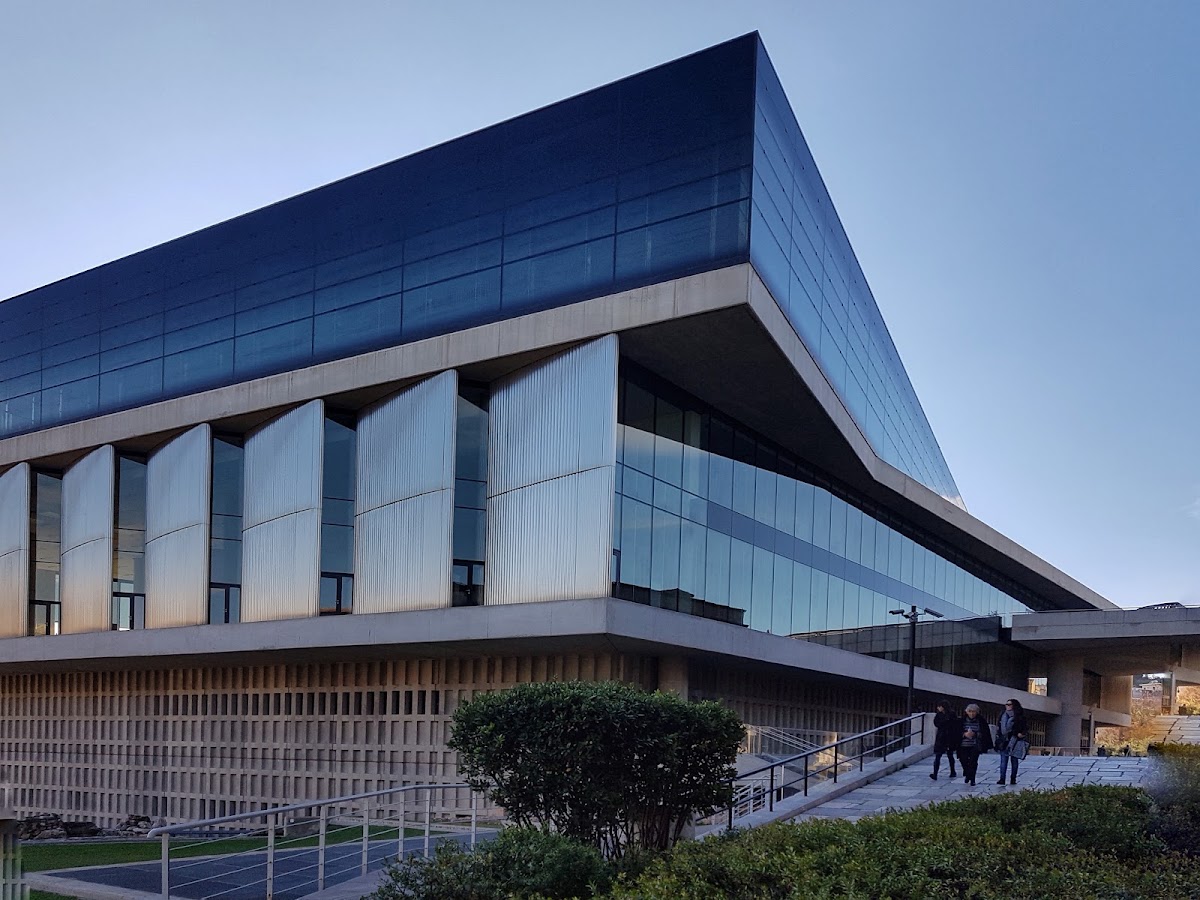
Inside the museum, the floor is transparent. Beneath your shoes lie the foundations of ancient Athenian houses, streets, and drainage pipes. The Parthenon gallery on the top floor arranges the friezes in their original positions, matching the temple you just climbed.
Don't miss the fallen Korai statues, their faces still smiling. The museum café has a terrace with a direct view of the Acropolis, perfect for a mid-morning coffee.
Monastiraki: Souvenirs and Grilled Pork
The flea market spills onto the square, a jumble of old coins, vintage cameras, and the sizzle of souvlaki from Mitropoleos.
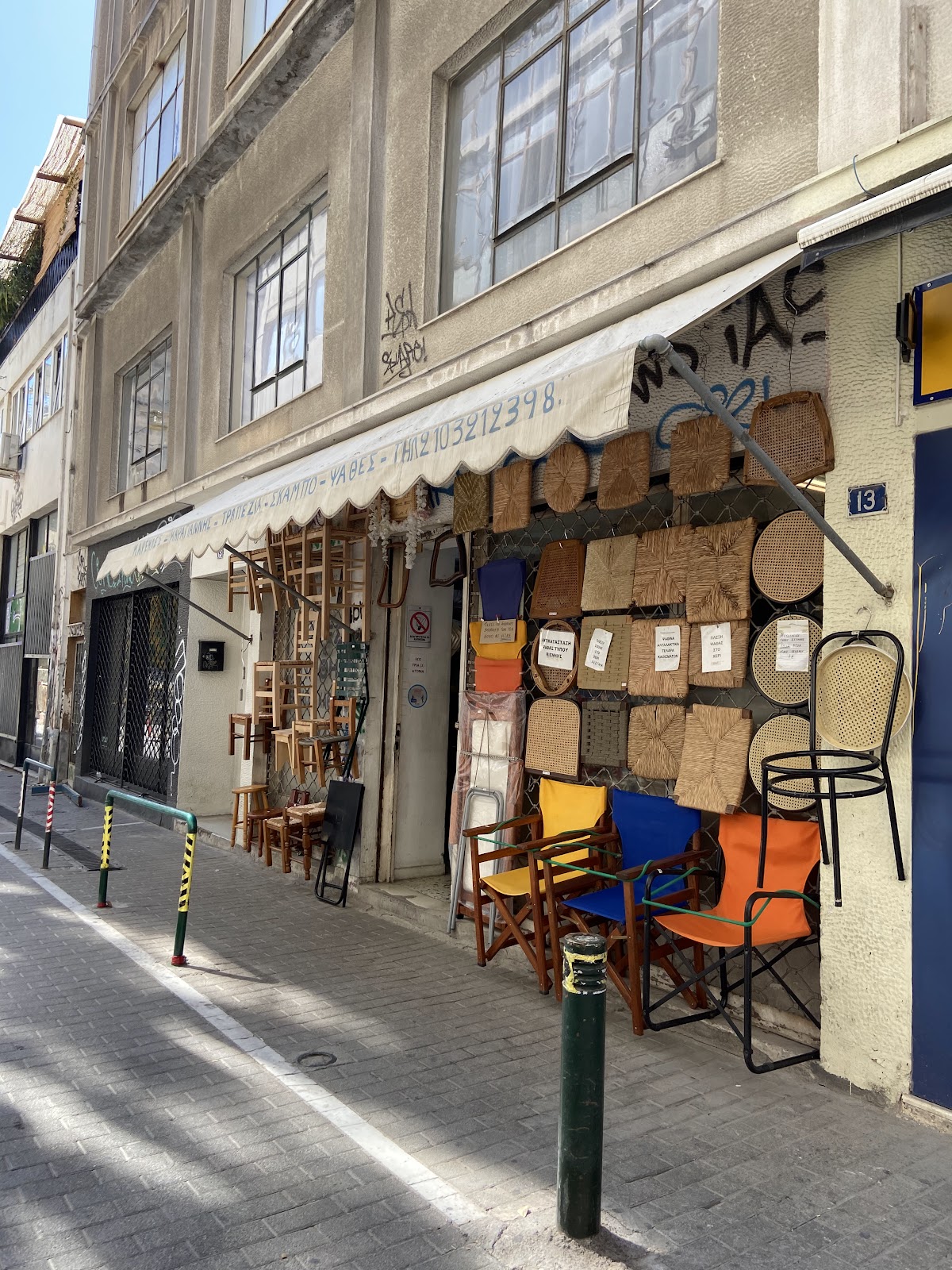
You dive into the chaos of Monastiraki. Vendors sell Turkish coffee sets, worn books, and rebellion-era vinyl. Weave through Pittaki and Ifestou streets, where the antiques are stacked floor to ceiling. Then follow the smell of charred meat to Mitropoleos for a souvlaki wrap: pork, tzatziki, tomato, and a handful of fries tucked into warm pita.
From the square, the Acropolis looms overhead like a guardian watching the market's commotion.
Anafiotika, the White Village on the Hill
This pocket of Plaka looks like a Cycladic island, narrow alleys, bougainvillea, and silence only broken by a distant cat's bell.
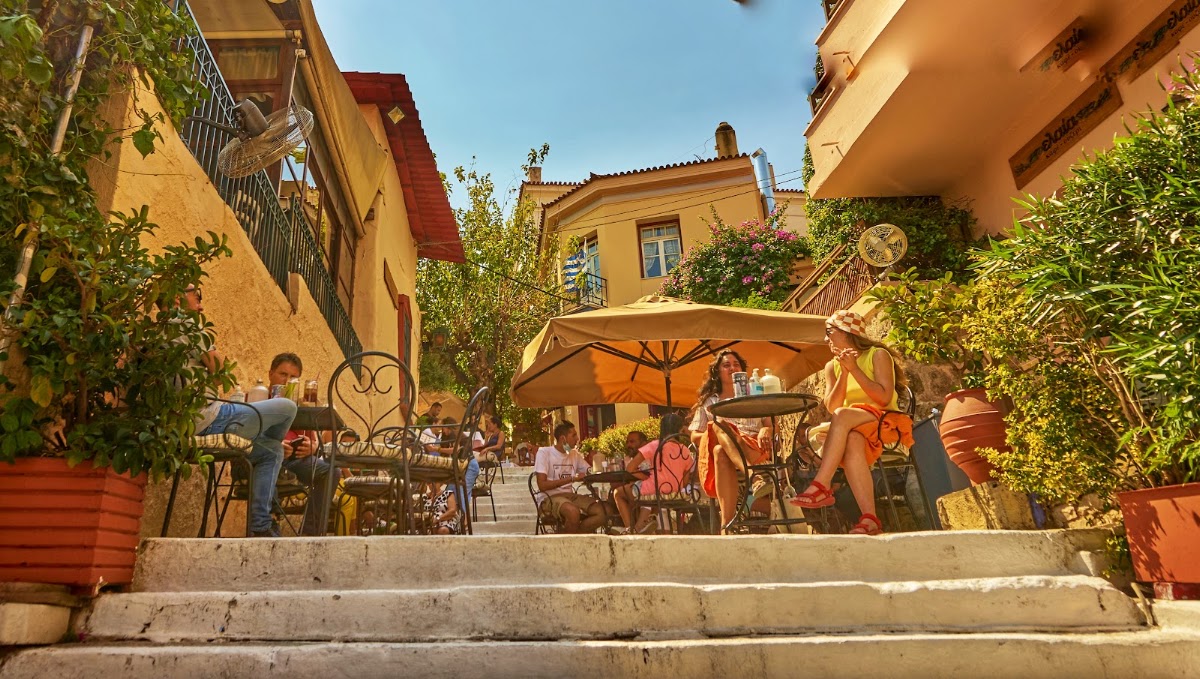
Tucked under the Acropolis's northeastern rock, Anafiotika was built by workers from Anafi island in the 19th century. Tiny white houses, blue doors, and flowering jasmine line cobbled lanes so tight that only one person can pass.
Walk up the path to Agios Symeon rock. From here, the Acropolis wall looks like a natural cliff, and the only sound is wind rustling through pines. It feels like a secret even though it's two blocks from the tourist crowds.
Lykavittos Hill at Golden Hour
From the top, the Acropolis is a little model, the Saronic Gulf a silver band, and the city hums below like a beehive.
The funicular climbs steeply from Kolonaki, but the walk up through pine trees is half the pleasure. At 277 meters, Lykavittos is the highest point in central Athens. The chapel of Agios Georgios sits on the peak, whitewashed and simple.
Settle on a bench facing west. As the sun drops, the Acropolis turns amber, the sea catches orange, and the city lights begin to twinkle. This is the view that makes you understand why Athens is called the City of the Violet Crown.
National Archaeological Museum: The Artifacts That Began the World
The Antikythera mechanism sits in a glass case, a 2,000-year-old computer that changes how you see history.
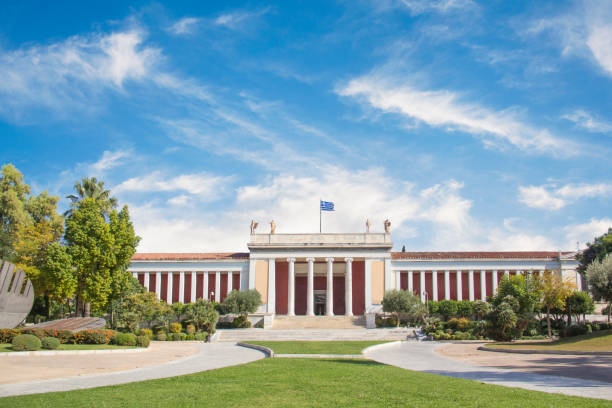
Room after room of marble, bronze, and gold. The Mask of Agamemnon shines under spotlights. The bronze statue of Poseidon (or Zeus) is poised to throw his weapon. But the star is the Antikythera mechanism, a corroded bronze gear system that calculated astronomical positions. It looks like something from a steampunk novel, not a Roman shipwreck.
Plan three hours minimum. The museum's atrium café is a quiet place to let the millennia sink in before heading back to modern Athens.
Athenian Riviera: Vouliagmeni to Sounion
The sea is impossibly clear, the hot springs of Lake Vouliagmeni warming your skin before you drive south to watch the sun extinguish at the Temple of Poseidon.
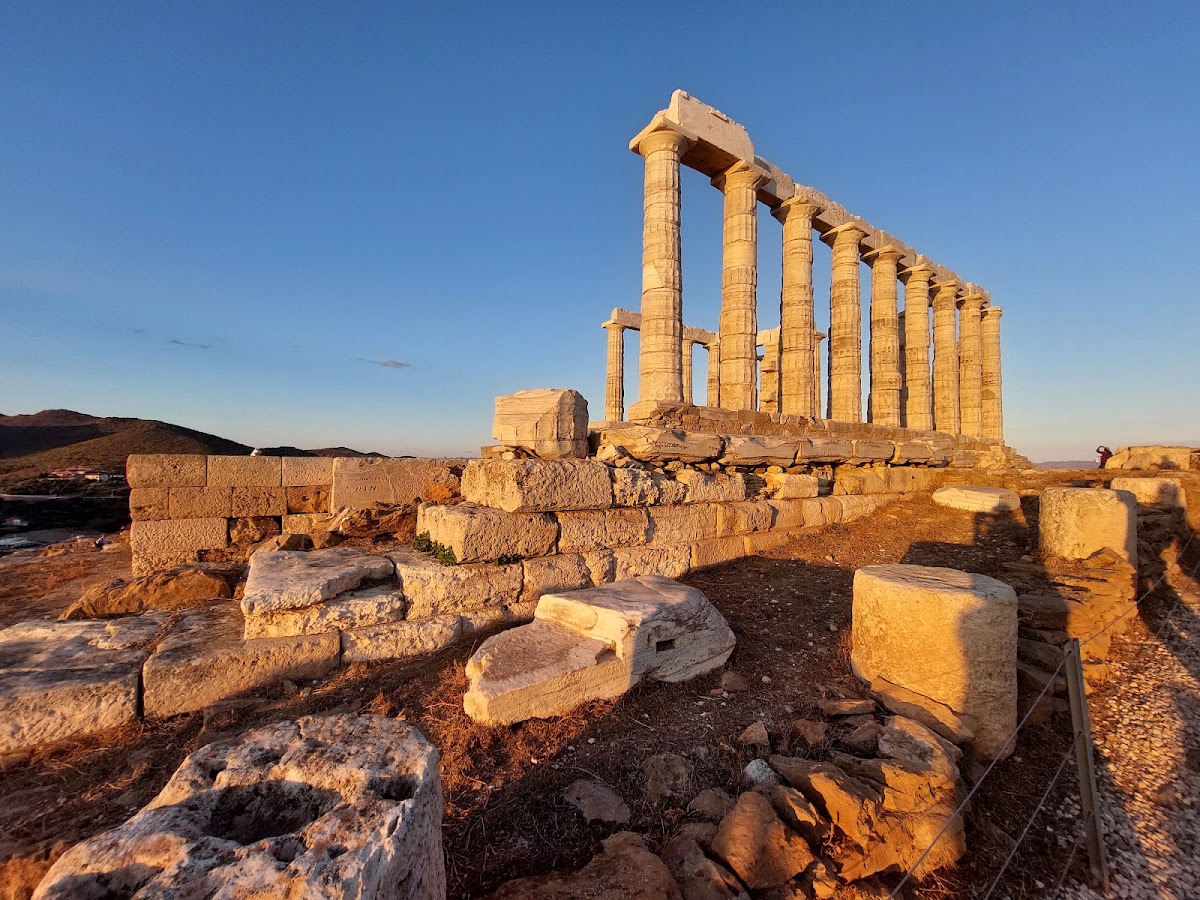
Start at Vouliagmeni Beach or the adjacent Thermal Lake, where spa waters meet the sea in a turquoise lagoon. Swim in the brackish, mineral-rich water while tiny Garra rufa fish nibble your feet. Then follow the coastal road south, past Glyfada and Varkiza, the road hugging cliffs above coves.
At Cape Sounion, the Temple of Poseidon sits on a bluff overlooking the Aegean. Late afternoon is perfect: the wind lifts your hair, the marble columns frame the sun, and the sea below is wrinkled silver. This is the same view Lord Byron carved his name into (look for it on the temple base).
Farewell at Syntagma and the Panathenaic Stadium
The Evzones march in slow motion at the Tomb of the Unknown Soldier, their pom-pom shoes and kilts a living piece of history.
Syntagma Square pulses with city life: politicians, tourists, and coffee drinkers. The changing of the guard happens every hour on the hour. The Evzones' movements are precise and surreal, like a mechanical ballet.
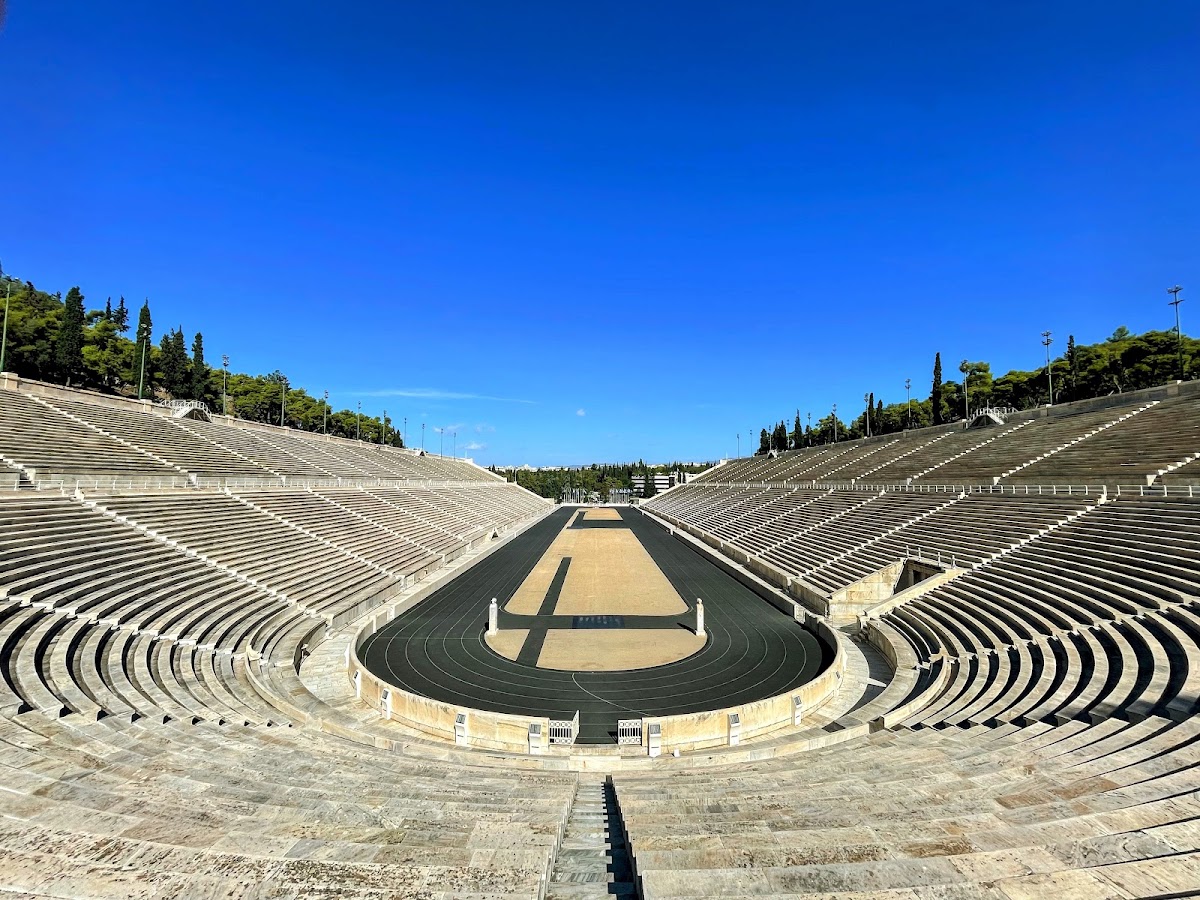
A ten-minute walk through the National Garden brings you to the Panathenaic Stadium, entirely built of white Pentelic marble. It hosted the first modern Olympics in 1896. You can stand on the track where sprinters ran, and imagine the roar of the crowd. End your trip with a farewell lunch in Pangrati, a quiet neighborhood with tavernas serving moussaka and grilled octopus under grapevines.
Ready to book?
Book the rest of Athens, Greece
Handpicked partner searches, dates pre-filled. Pricing is identical to going direct — the partner shares a small commission with Tabi so this guide stays free.
Frequently asked
When is the best time to visit Athens?
Spring (March to May) and autumn (September to November) offer mild weather and fewer crowds. Summer is hot and packed, but the island day trips are stunning. Winter sees rain but also lower prices and empty sites.
Do I need to book Acropolis tickets ahead?
Yes, especially in peak season. Book a skip-the-line ticket online to save hours. The official site is tickets.culture.gov.gr, but resellers like GetYourGuide also offer timed slots.
How do I get to Cape Sounion from Athens?
Drive south along the coast (about 1.5 hours) or take a KTEL bus from Athens. Many day tours combine a swim at Vouliagmeni with sunset at the Temple of Poseidon.
What's the best neighborhood for food in Athens?
Psyrri for tavernas and live music, Exarcheia for budget-friendly and creative cuisine, and Kolonaki for upscale dining. Plaka is touristy but still fun if you pick a rooftop spot.
Is Athens safe at night?
Generally yes. Areas like Plaka, Monastiraki, and Koukaki are lively and safe. Avoid Omonia Square late at night. Standard city caution applies.
Skip the planning
Your Athens, Greece trip, ready to go
Adopt the day-by-day itinerary we built to match this guide. Every stop is a real place, every booking link is validated. Free forever, no card needed.
Open the Athens, Greece itinerary