
Bali, Indonesia
Bali in 7 Days: Temples, Rice Terraces, and the Sunset You'll Remember
A sensory journey through Bali's most iconic landscapes, from cliffside Kecak dances to dawn over Mount Batur.
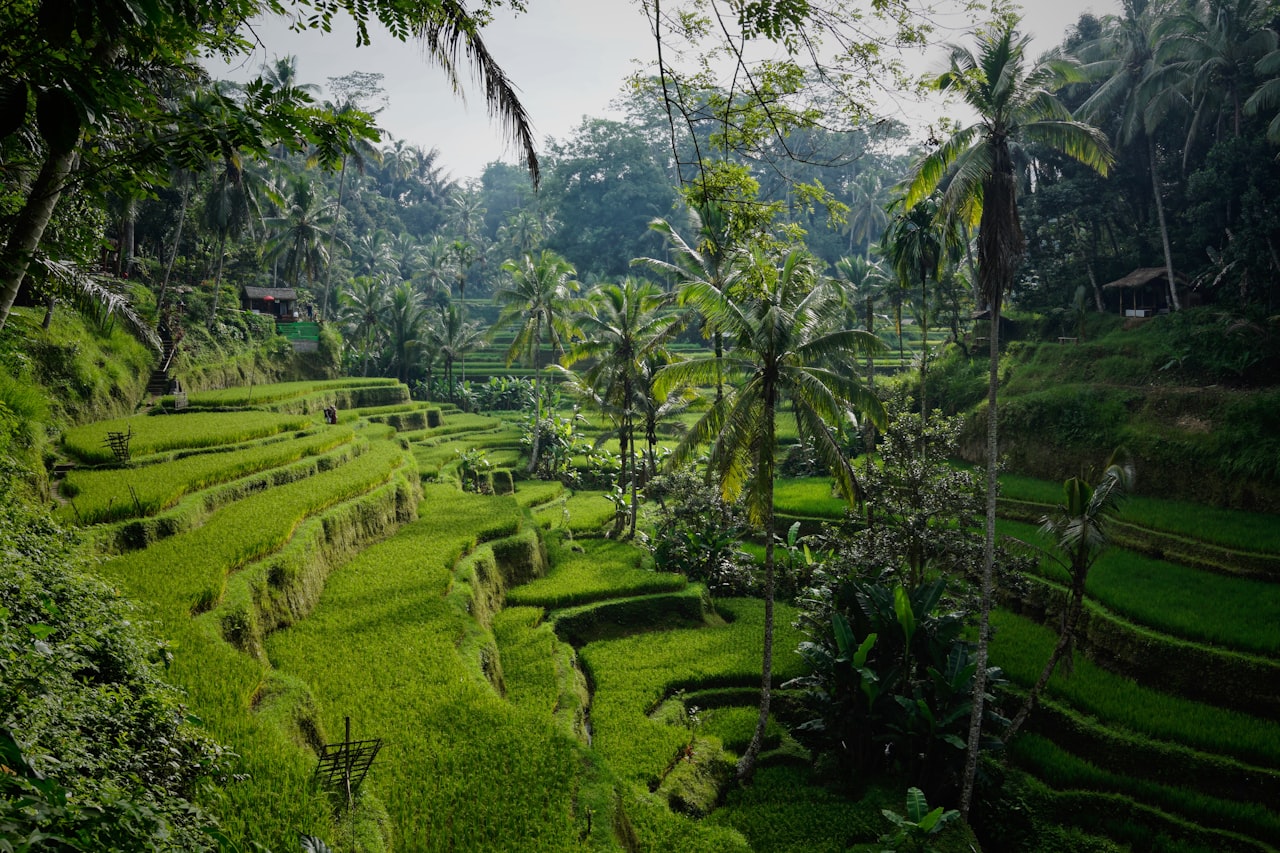
Photo by Niklas Weiss on Unsplash
TL;DR
Bali hits you in waves: the scent of incense and frangipani, the crash of the Indian Ocean on limestone cliffs, the green of terraced rice flowing down ancient hillsides. You will wander temple courtyards at sunset, eat grilled fish with sand between your toes, and wake before sunrise for a volcano trek that feels like walking into a postcard.
- Seminyak Beach Club Sunset: Watch the sky turn orange over the Indian Ocean from a beanbag on the sand.
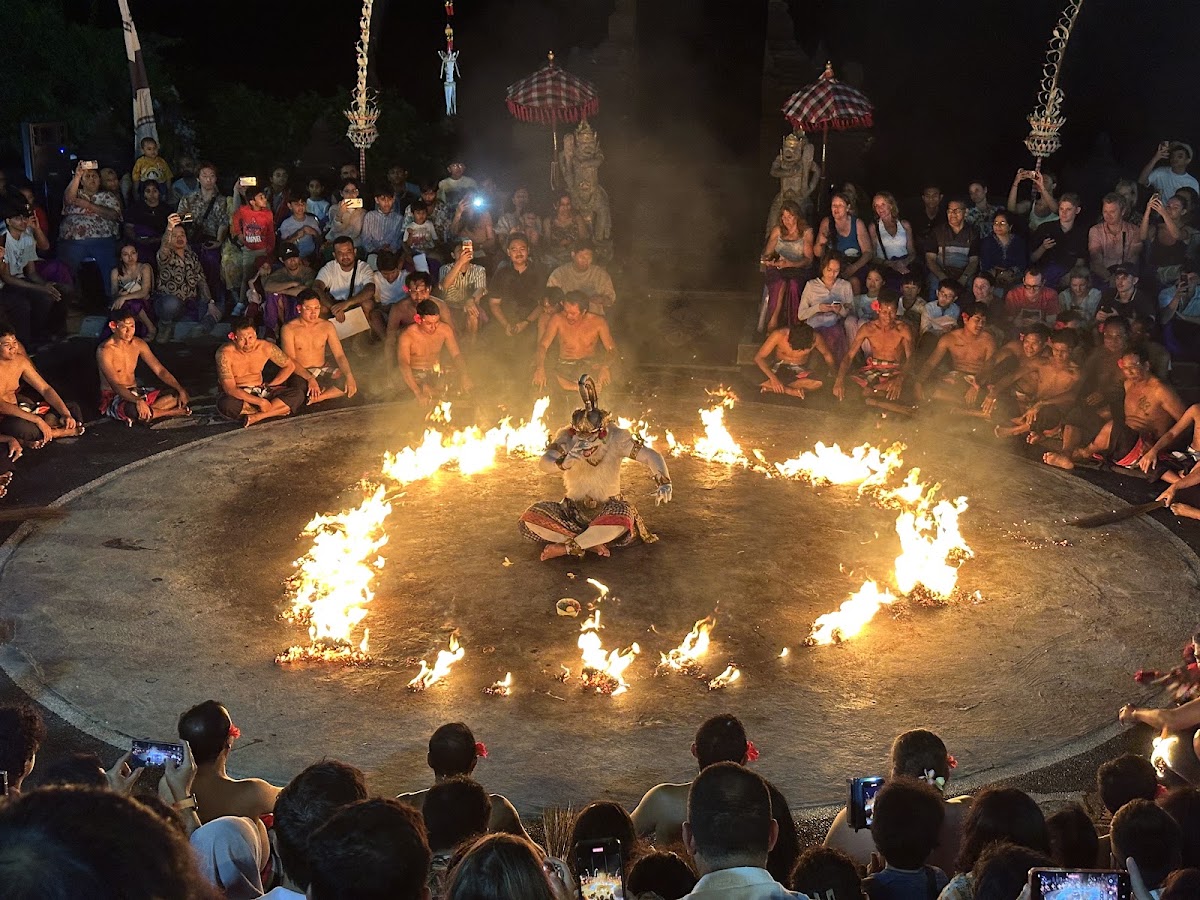
- Uluwatu Kecak Fire Dance: A hypnotic chorus at the cliff's edge as the sun melts into the sea.
- Tegallalang Rice Terraces: Endless green staircases carved into the hillside, with a lunch table dangling over the paddies.
- Sacred Monkey Forest: Playful long-tailed macaques leaping through temple ruins in Ubud's cool jungle.
- Mount Batur Sunrise Trek: Standing above the clouds at 1,717 meters, watching the sun paint Bali gold.
Have this trip planned in 60 seconds
We built the Bali, Indonesia itinerary that pairs with this guide, day-by-day with verified venues and one-tap booking links. Free to adopt, edit however you want.
Sunset Drinks on Seminyak Sand
The first thing you notice is the salt on your skin and the thrum of a DJ set warming up as the sky turns peach.
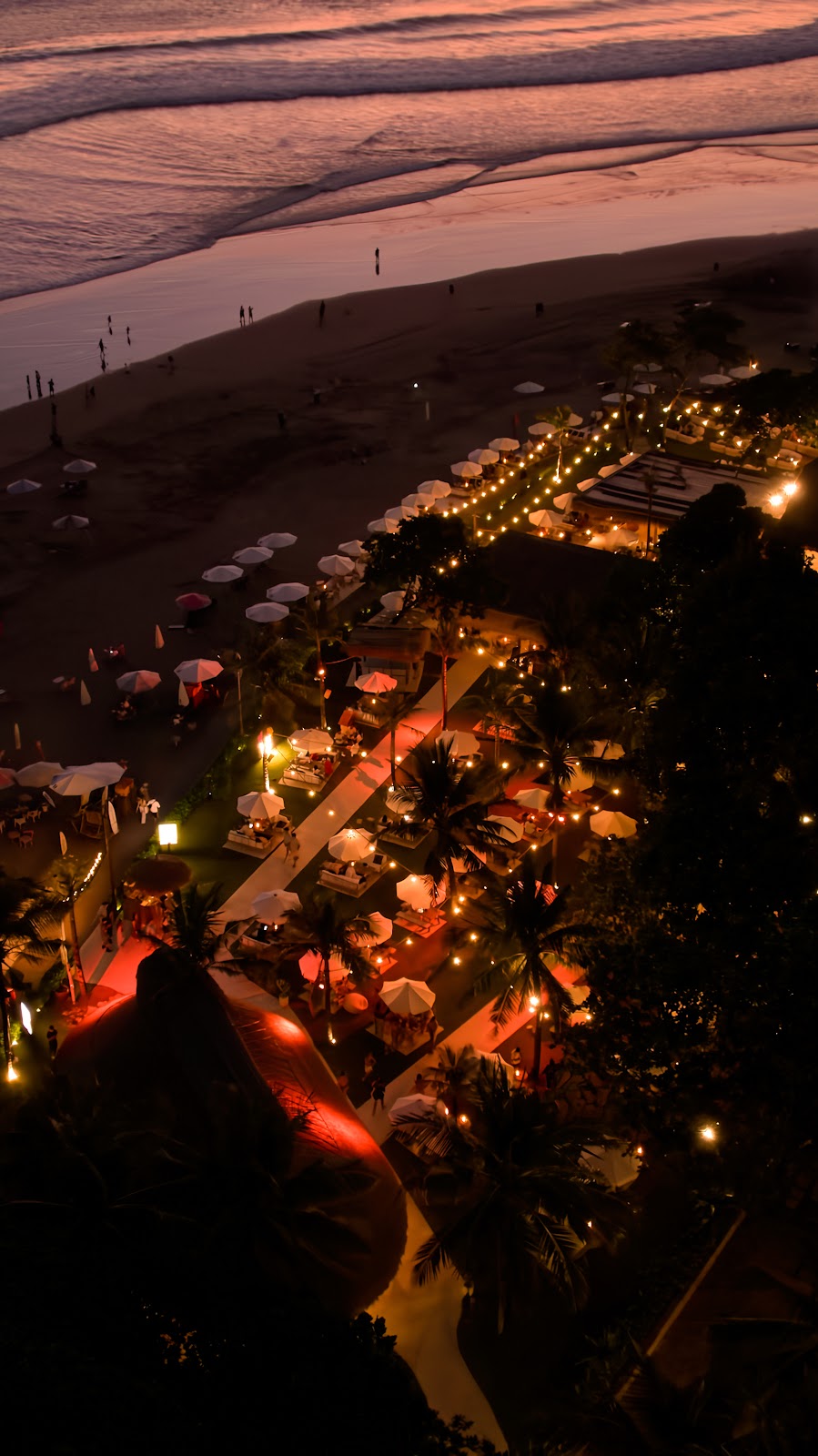
You land at Ngurah Rai, grab a Gojek, and within 30 minutes you are on Jalan Kayu Aya in Seminyak. The beach clubs here spill right onto the sand: beanbags, daybeds, and a crowd that came for the sunset show. Order a Bintang or a fresh coconut, kick off your sandals, and watch the surfers catch their last waves against the orange horizon. This is your welcome to Bali.
For dinner, walk five minutes north to Jalan Petitenget. A dozen warungs serve nasi campur and satay under fairy lights. The vibe is casual, the air thick with grilled chicken and sambal. No reservations needed. Just pull up a plastic chair and eat.
The Cliff Temple Where Monkeys Steal Sunglasses
The path along the clifftop is narrow; on one side the Indian Ocean crashes 70 meters below, on the other a troupe of long-tailed macaques eyes your bag.
Pura Luhur Uluwatu sits on a limestone cliff jutting into the ocean. You walk the perimeter trail as the sun drops, stopping at every viewpoint. The temple itself is ancient and small, but the setting is everything. Keep your sunglasses in your pocket. The monkeys here are expert thieves.
As dusk falls, you make your way to the amphitheater on the southern edge. The Kecak dance begins: 50 bare-chested men chanting "chak-chak-chak" in a circle, reenacting the Ramayana. The story unfolds behind them as the sky bleeds red and purple. No instruments. Just voices, fire, and the ocean roar. It is ancient theater with the best backdrop on earth.
Tanah Lot at Golden Hour
The temple sits on a black-rock islet, completely surrounded by water at high tide, the waves spraying the base as the sky catches fire.
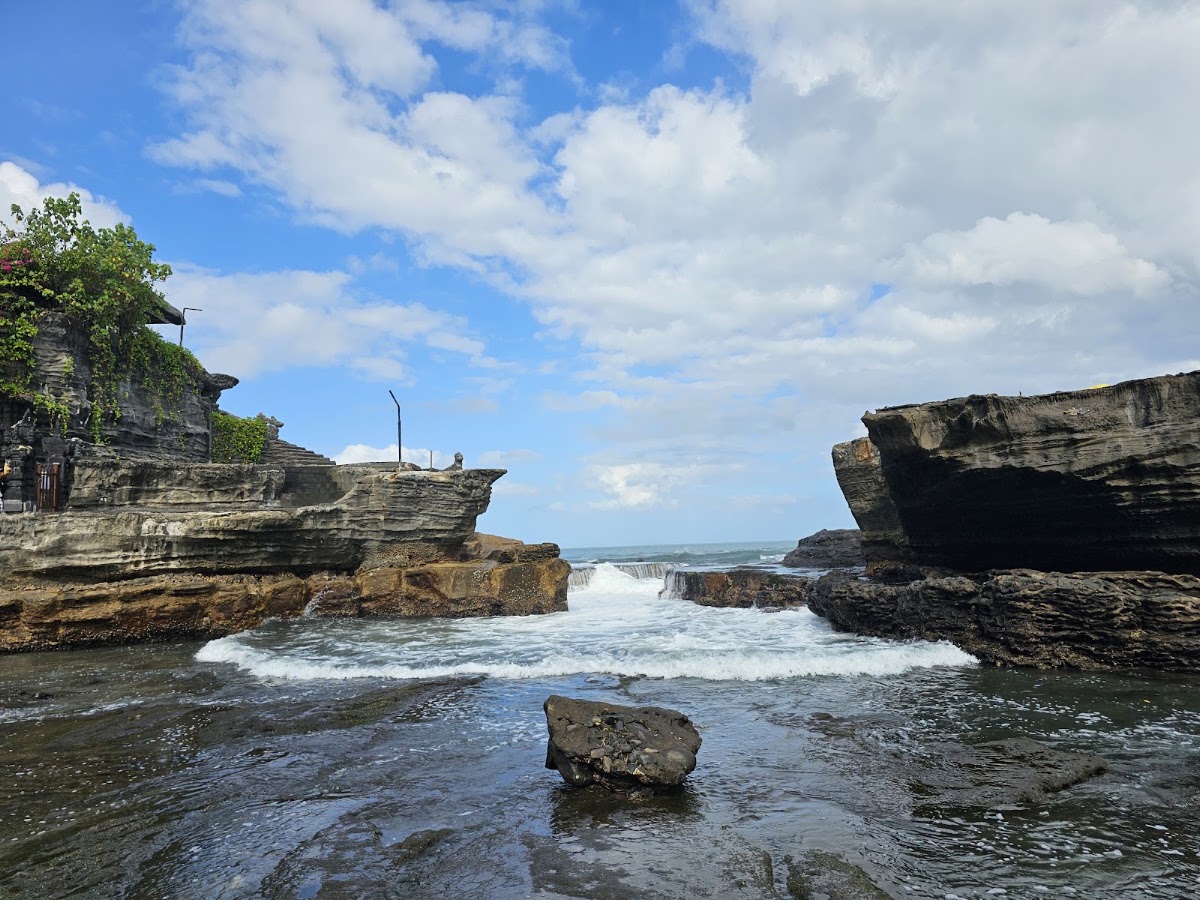
On your way from Seminyak to Ubud, you stop at Tanah Lot. It is one of Bali's most photographed temples, and for good reason. You cross a sandbar (or wade) to reach the base of the rock. The offshore silhouette against the sunset is the shot everyone has seen, but standing there as the tour buses thin out feels entirely yours.
Grab a coconut from a stall along the cliff path and find a spot on the rocks. The sea breeze picks up. A priest blesses visitors with holy water and rice grains. The whole scene is hypnotic. You stay until the last sliver of sun disappears and the temple lights flicker on.
The Rice Terraces That Look Like Green Pancakes
From the ridge cafe, you look down a valley where rice paddies descend in narrow terraces, each one catching the light differently, like a staircase to the center of the earth.
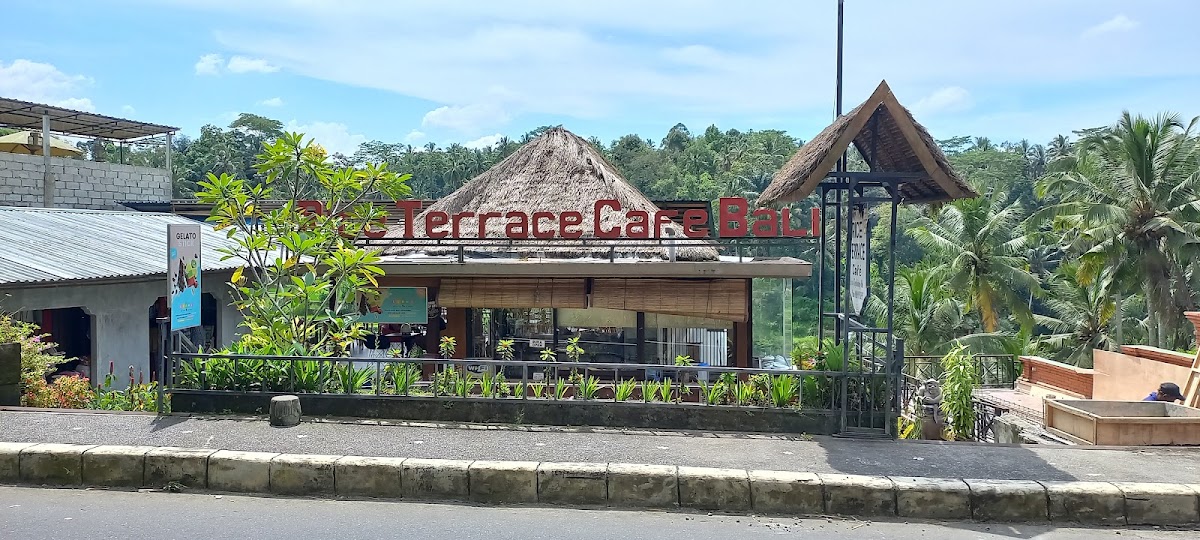
Tegallalang is the most famous rice terrace in Bali, and it earns the hype. You park on the main road and walk down into the valley through the paddies. The irrigation system, subak, has been here since the 9th century. Young rice glows chartreuse; older stalks bend golden.
Several hanging cafes serve lunch right over the edge. You sit on a platform with your feet dangling, eating nasi goreng with a view that makes every bite taste better. The breeze carries the smell of wet earth and blossoms. Below, farmers in conical hats work the terraces by hand, as they have for a thousand years.
Monkey Business in Ubud's Ancient Jungle
A long-tailed macaque sits on a stone wall, grooming her baby, while another leaps from a temple spire to grab a banana from a tourist's hand.
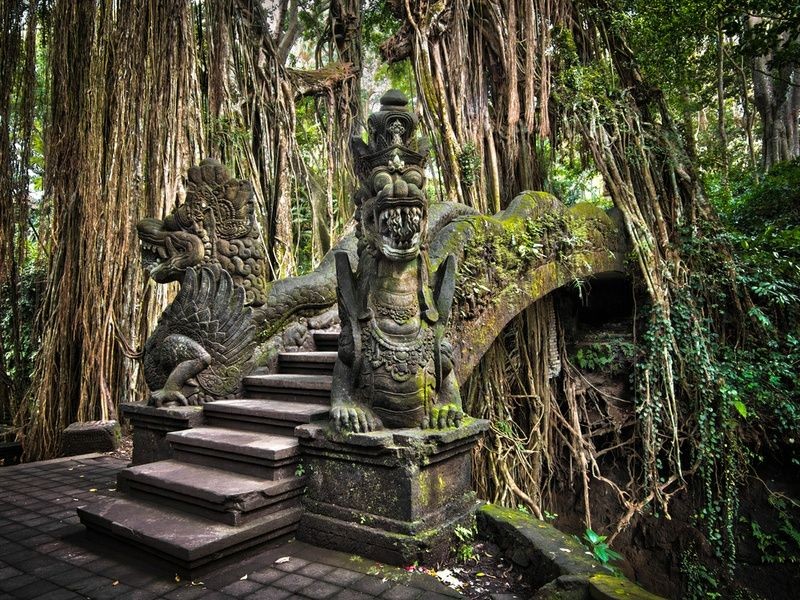
The Sacred Monkey Forest Sanctuary is a 12-hectare forest of towering banyan trees, mossy statues, and three Hindu temples. The macaques are everywhere: swinging on vines, splashing in the creek, stealing unsecured bags. You walk the shaded paths, stepping over roots and fallen frangipani.
Do not bring plastic bags or visible food. The monkeys are bold, but they are also habituated and generally gentle. Stay on the paths and watch. The moment a baby monkey looks at you with those amber eyes, you understand why this forest has been protected for centuries. It feels like a dream of Bali before the world found it.
Purification in the Holy Spring
The water pours from stone spouts into a pool where Balinese Hindus, wrapped in sarongs, dip their heads one by one, eyes closed, lips moving in prayer.
Tirta Empul is a working water temple built around a natural spring that has flowed for over a thousand years. You rent a sarong and enter the courtyard. Two rectangular pools are fed by 30 spouts, each representing a different blessing. Local families and tourists alike line up to submerge themselves, starting at the first spout and moving down the row.
You do not have to participate to feel the gravity of the place. Walk the outer corridors past stone shrines and frangipani trees. The air is cool and damp, the sound of water constant. It is one of the most serene spots in Bali, and it costs only 50,000 IDR (around $3) to enter.
Breakfast Above the Clouds on Mount Batur
At 5:30 AM, the headlamp beam catches only the boots of the person in front of you. The trail is steep volcanic scree. The sky begins to pale.
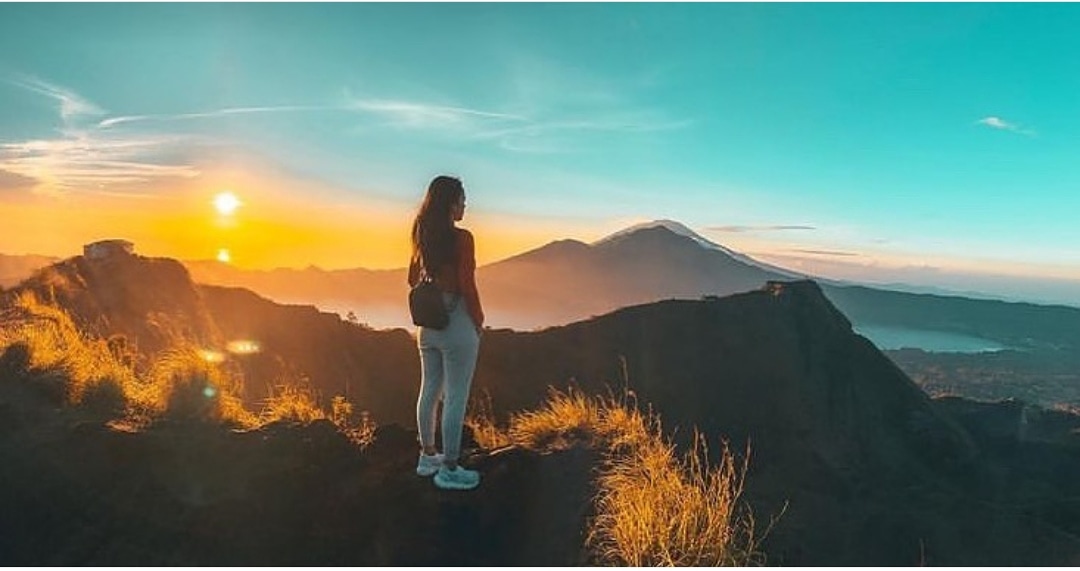
The Mount Batur sunrise trek starts before dawn. A guide picks you up from Ubud around 1:30 AM and drives you to the trailhead at Kintamani. The hike takes about two hours: steep in places, but doable for anyone with moderate fitness. You climb through pine forest, then onto exposed black volcanic rock.
At the summit, 1,717 meters above sea level, your guide boils water for coffee and sets out banana sandwiches. You sit on a rock facing east as the clouds below catch fire. The sun rises behind Gunung Agung, Bali's highest peak. The crater lake, Lake Batur, glows silver. You eat breakfast with the whole island spread at your feet. This is the moment that makes the 3 AM wake-up worth it.
The Last Night on Bali's Soulful Strip
Jalan Raya Ubud at night smells like clove cigarettes, sizzling babi guling, and incense from a hundred temples.
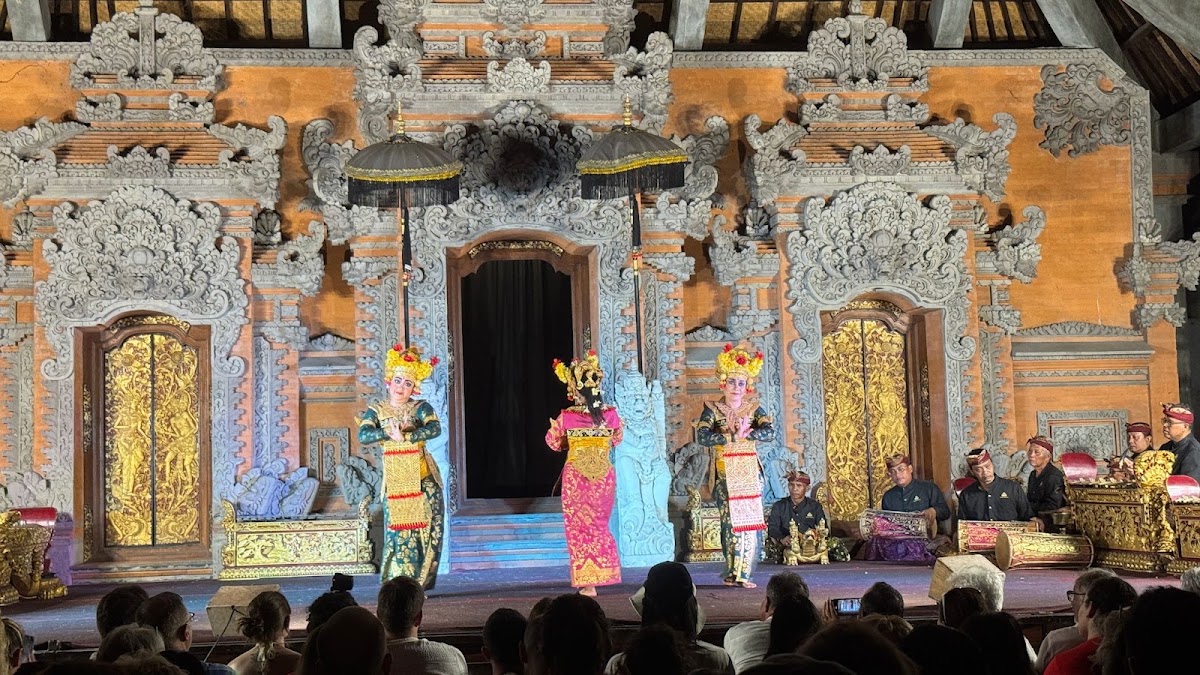
After the volcano, you return to Ubud for your final evening. Jalan Raya Ubud and Jalan Hanoman are lined with warungs and restaurants. The babi guling (spit-roasted suckling pig) at Ibu Oka is legendary: crispy skin, juicy meat, a heap of lawar and sambal on the side. Grab a seat on a wooden bench and eat with your hands.
Walk off dinner at the Ubud Palace courtyard. Most nights there is a Legong dance performance under the stars. The dancers move in slow, precise gestures, their gold crowns catching the lamplight. It is a soft farewell. Tomorrow you fly home, but the sound of gamelan will follow you for weeks.
Ready to book?
Book the rest of Bali, Indonesia
Handpicked partner searches, dates pre-filled. Pricing is identical to going direct — the partner shares a small commission with Tabi so this guide stays free.
Frequently asked
Do I need a visa for Bali as a US or EU citizen?
US and most EU citizens get a free 30-day visa on arrival (VOA) at Ngurah Rai Airport, renewable once for another 30 days. You need a passport valid for at least 6 months and proof of onward travel. The fee is 500,000 IDR (about $33) for some nationalities; check the latest on Indonesia's official immigration portal (imigrasi.go.id).
What is the best way to get around Bali in 7 days?
Ride-hailing apps like Gojek and Grab work well for short trips in Seminyak and Ubud. For longer routes (Seminyak to Ubud, or to Uluwatu and Tanah Lot), hire a private driver for the day. Expect 400,000-500,000 IDR ($27-$33) for 8 hours. Avoid renting a scooter unless you are an experienced rider; Balinese traffic is chaotic.
When is the best time to visit for good weather?
April to October is the dry season: blue skies, low humidity, and calm seas. July and August are peak tourist months. November to March brings rain and higher surf on southern beaches, but prices drop. Even in the wet season, mornings are often clear with afternoon showers.
What should I wear to visit temples?
You must cover your shoulders and knees. Sarongs and sashes are often available to rent at temple entrances (10,000-20,000 IDR). Avoid wearing shoes inside temple courtyards. A light scarf is useful for covering up quickly.
Is the Kecak dance at Uluwatu worth booking in advance?
The show runs daily at 6 PM (seasonal). Tickets cost 100,000-150,000 IDR ($7-$10) for the dance, plus the Uluwatu Temple entrance fee (50,000 IDR). Book a combo ticket online via GetYourGuide or ask your hotel to reserve. Arrive by 5 PM to get a good seat on the amphitheater benches.
Skip the planning
Your Bali, Indonesia trip, ready to go
Adopt the day-by-day itinerary we built to match this guide. Every stop is a real place, every booking link is validated. Free forever, no card needed.
Open the Bali, Indonesia itinerary