
Beirut, Lebanon
What to Do in Beirut in 4 Days: Mosques, Museums, and the Mediterranean
A walking log through a city that tastes like olive oil, saltwater, and resilience.
TL;DR
From the blue dome of Mohammad Al-Amin to the bullet-scarred walls of Beit Beirut, this 4-day walk through Beirut tastes like olive oil, saltwater, and hope.
- Walk from the Corniche to Zaitunay Bay, where the Mediterranean breeze mixes with grilled fish.
- Stand beneath the towering columns of the National Museum, where Phoenician glass still glows.
- Sip arak in Mar Mikhaël, where derelict buildings hide the city's best bars.
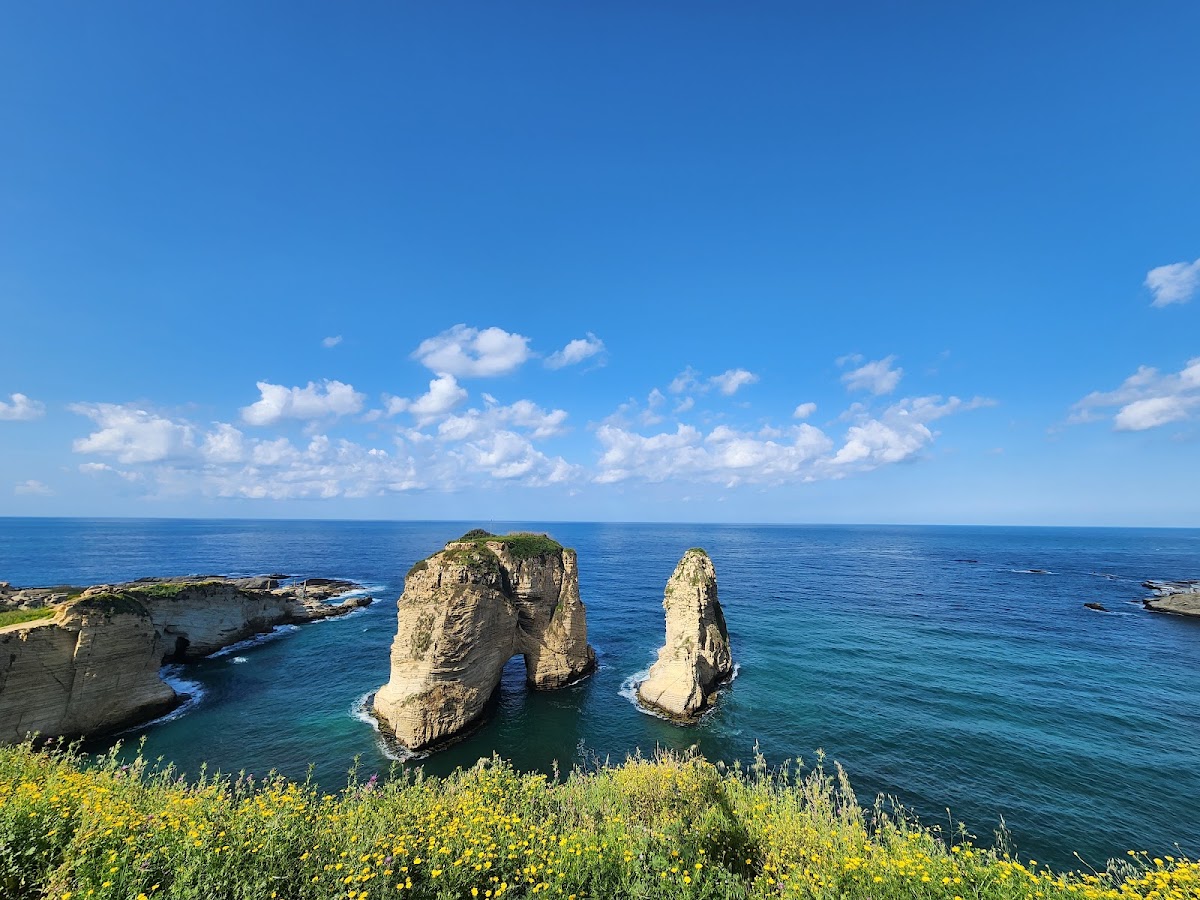
- Watch the sunset at Raouche Rock, the sea stacks that frame the coast.
- Eat lunch in Dbayeh, where the catch of the day arrives on a bed of rice.
Have this trip planned in 60 seconds
We built the Beirut, Lebanon itinerary that pairs with this guide, day-by-day with verified venues and one-tap booking links. Free to adopt, edit however you want.
Salt Air and Jasmine: The Drive from the Airport
The first thing you notice stepping out of the terminal is a wall of warm air that smells like sea salt and jasmine.
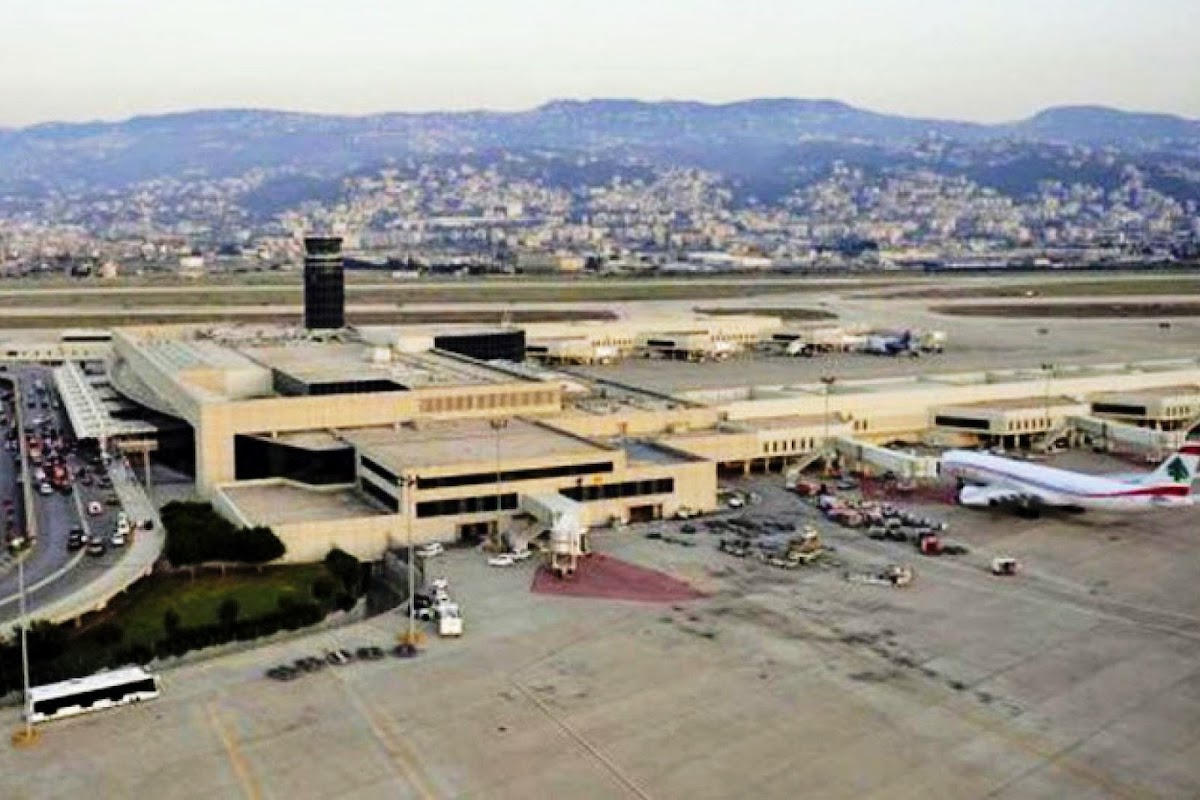
The taxi swings onto the coastal highway, and the Mediterranean glitters on your left. Within 15 minutes you see the Corniche, the palm-lined promenade that hugs the bay. The skyline is a jagged mix of old stone, new glass, and bilboards in Arabic, French, and English. You are not in another Middle Eastern city. You are in Beirut.
The Blue Dome That Anchors Downtown
The blue dome of the Mohammad Al-Amin Mosque glows against the afternoon sun, and the call to prayer echoes between restored stone facades.
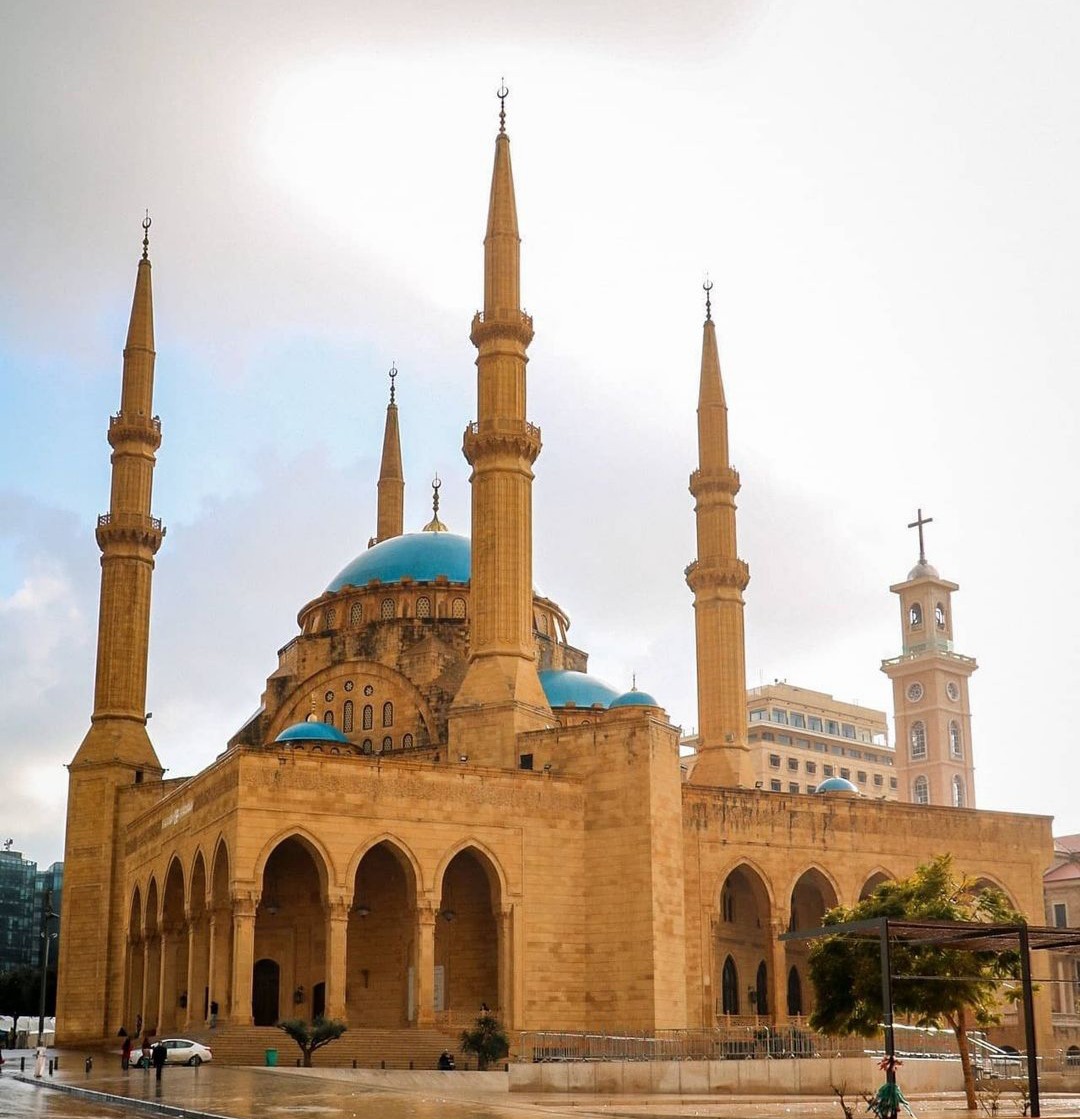
Downtown Beirut is a phoenix. The area was devastated in the civil war, then rebuilt with a mix of Ottoman-inspired arcades and glassy boutiques. The mosque sits at the heart of it, its four minarets visible from almost everywhere. Walk the perimeter and listen for the mix of church bells and muezzin. On Martyrs' Square, a few steps away, bullet holes still pock the statues.
Phoenician Glass and War Scars at the National Museum
Stone sarcophagi and Phoenician glass catch the light in a museum that survived years of war.
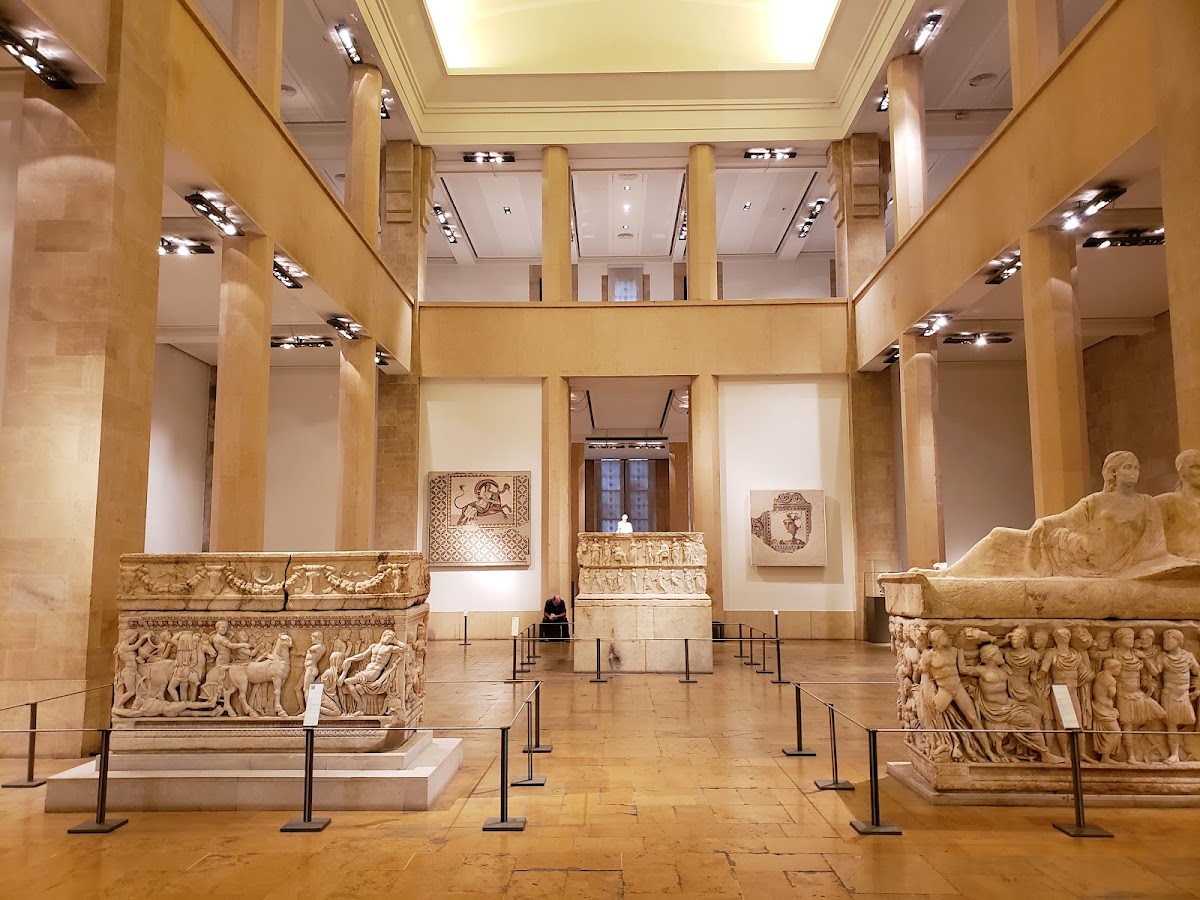
The National Museum of Beirut sits in the Badaro district, a modernist building that took shrapnel during the civil war. The ground floor is a timeline from prehistory to the Ottoman era. The highlight is the collection of Phoenician glassware: delicate, iridescent bottles that look like they were blown yesterday. Upstairs, a bullet-riddled room still shows the line of the Green Line that once divided the city. Allow 90 minutes.
A 19th-Century Mansion Turned Art Space
Inside a 19th-century mansion, contemporary art hangs beside Ottoman-era tiles, and then you walk out into Gemmayzeh's lunch buzz.
The Sursock Museum is a short taxi ride from downtown. The building is a restored palace with arched windows, a marble staircase, and a courtyard garden. The permanent collection is a mix of Lebanese modern art from the 1960s and 1970s. After an hour, step outside into Gemmayzeh's narrow streets. The air fills with the smell of grilled meat, garlic, and fresh mint, the signal that lunch is near.
Polished Souks and a Salt-Spray Marina
Beirut Souks are polished marble and designer glass, but Zaitunay Bay's boardwalk smells like grilled fish and sea spray.
The souks are a modern reimagining of a traditional market, with international brands and Lebanese designer boutiques. Head through the arcades until you reach Zaitunay Bay, where yachts bob in the marina and restaurants spill onto wooden decks. Grab a table and order mezze: hummus, fattoush, and a glass of local wine. The sun sets behind the mountains, and the city lights begin to sparkle.
Mar Mikhaël After Dark: Neon, Arak, and Concrete
In Mar Mikhaël, derelict buildings hide speakeasies, and the only light comes from neon signs and candlelit tables.
Mar Mikhaël is the nightlife district where post-war grit meets creative energy. The street is lined with former warehouses converted into bars and restaurants. Sit at an outdoor table and order a plate of raw kibbeh or grilled halloumi. The crowd is young, loud, and dressed well. The arak flows, and the conversation turns from politics to art to love. Stay late.
Pigeon Rocks and a Seaside Lunch in Dbayeh
Pigeon Rocks stand like ancient gatekeepers off the coast, and a short drive north brings you to a seaside table where the catch of the day is still wriggling.
Raouche Rock (Pigeon Rocks) is Beirut's most iconic landmark: two massive sea stacks that rise from the Mediterranean. The best view is from the Cornside promenade, just south of the city center. After taking in the scene, drive 20 minutes north to the Dbayeh fishing harbor. The seafood restaurants here serve grilled red snapper, shrimp, and the local specialty, samke harra (spiced fish with rice and nuts).
Bullet-Pocked Walls and a Morning Coffee
Beit Beirut's bullet-pocked walls tell a story of civil war, but the rooftop cafe in Gemmayzeh serves coffee that tastes like hope.
Beit Beirut is a former residential building that became a sniper's nest during the war. Now it is the Museum of Memory, preserving the physical traces of conflict. The facade is still riddled with bullet holes and shrapnel marks. Inside, photographs and personal objects document daily life during the war. After an hour of heavy history, walk to a traditional Lebanese café in Gemmayzeh. Order a Turkish coffee with cardamom and a piece of knefeh. The bitterness of the coffee balances the sweetness of the cheese pastry.
Ready to book?
Book the rest of Beirut, Lebanon
Handpicked partner searches, dates pre-filled. Pricing is identical to going direct — the partner shares a small commission with Tabi so this guide stays free.
Frequently asked
Is it safe to travel to Beirut?
Most areas frequented by tourists are safe, but always check your government's travel advisories. The curated itinerary focuses on stable neighborhoods: Downtown, Achrafieh, Gemmayzeh, Mar Mikhaël, and Raouche. Avoid the southern suburbs and areas near the Syrian border.
What is the best time to visit Beirut?
Spring (March to May) and fall (September to November) offer mild temperatures and fewer crowds. Summer (June to August) is hot and humid but lively with festivals. Winter (December to February) is cooler and rainy, but hotel prices drop.
Do I need a visa for Lebanon?
Citizens of many countries, including the US, UK, Canada, and most EU nations, receive a free visa on arrival at Beirut Airport for up to 30 days. Check the Lebanese Ministry of Tourism website for the latest updates.
What should I wear in Beirut?
Beirut is relatively liberal. Casual clothing is fine, but cover shoulders and knees when entering mosques or churches. In the evening, locals dress up for dinner and nightlife. No issues with swimwear on the beach.
Can I use credit cards in Beirut?
Yes, major credit cards are accepted in hotels, restaurants, and shops. However, smaller establishments and taxis prefer cash in Lebanese pounds (LBP) or US dollars. ATMs are widely available. Note that the Lebanese pound has experienced heavy fluctuation; check the current exchange rate before your trip.
Skip the planning
Your Beirut, Lebanon trip, ready to go
Adopt the day-by-day itinerary we built to match this guide. Every stop is a real place, every booking link is validated. Free forever, no card needed.
Open the Beirut, Lebanon itinerary