
Boston, United States
What to Do in Boston in 4 Days: The Freedom Trail, Harvard, and the North End You'll Come Back For
A picture-first walk through Boston's red-brick history, its river-crossed college town, and the pasta street where the night gets loud.
TL;DR
Four days of walking a compact city that packs revolution, Rembrandt, and cannoli into a few square miles you can cover on foot.
- Follow the red-brick Freedom Trail from Boston Common to Faneuil Hall
- Cross the river to Harvard Yard and rub John Harvard's shoe
- Eat cannoli at 10pm on a loud North End sidewalk
- Stand nose-to-canvas with Monet at the Museum of Fine Arts
- Ride the harbor ferry out to a Civil War fort on an island
Have this trip planned in 60 seconds
We built the Boston, United States itinerary that pairs with this guide, day-by-day with verified venues and one-tap booking links. Free to adopt, edit however you want.
The Red Line You Follow With Your Feet
A double stripe of red brick runs straight down the middle of the sidewalk, and once you spot it you cannot stop following it.
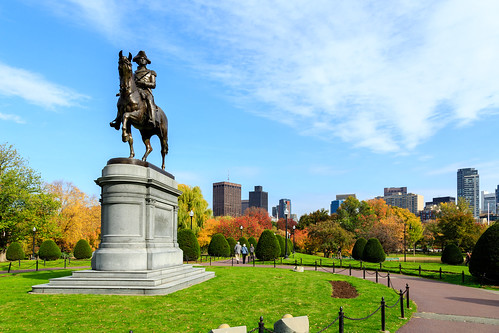
Start on Boston Common, the oldest public park in the country, where dog walkers and college kids sprawl on the grass under the gold dome of the State House. Look down. That red line set into the pavement is the Freedom Trail, and it threads 2.5 miles past 16 sites tied to the American Revolution.
You can do the first stretch on your own, no ticket, no schedule. It rolls past the Granary Burying Ground (Paul Revere and John Hancock are here, headstones leaning like old teeth) and the Old State House, where the Declaration was first read to a crowd from the balcony.
Give yourself a slow afternoon. The whole point is to drift, not march. Coffee in one hand, red line under your shoes.
Faneuil Hall, and the Guide Who Makes 1770 Feel Like Last Tuesday
A man in a tricorn hat leans on a wooden rail and asks the crowd, in dead earnest, whether they would have thrown the tea.
For day two, pick up the full Freedom Trail with a guide starting near Faneuil Hall, the red-brick meeting house that colonists called the Cradle of Liberty. The costumed storytellers here are theatrical in the good way; they know their dates cold and they know how to hold a sidewalk.
From Faneuil the trail runs on toward the North End and the harbor, past Paul Revere's actual house (built around 1680, the oldest in downtown Boston) and the Old North Church, where two lanterns hung in the steeple on the night of the ride.
A guided walk runs roughly $30-40 for about 90 minutes. Worth it for the connective tissue between the sites; the trail makes so much more sense as one story told out loud.
Across the River, Where the Ivy Actually Grows
You step through a wrought-iron gate and the traffic noise just drops away, replaced by the crunch of gravel paths and the shade of trees older than the buildings.
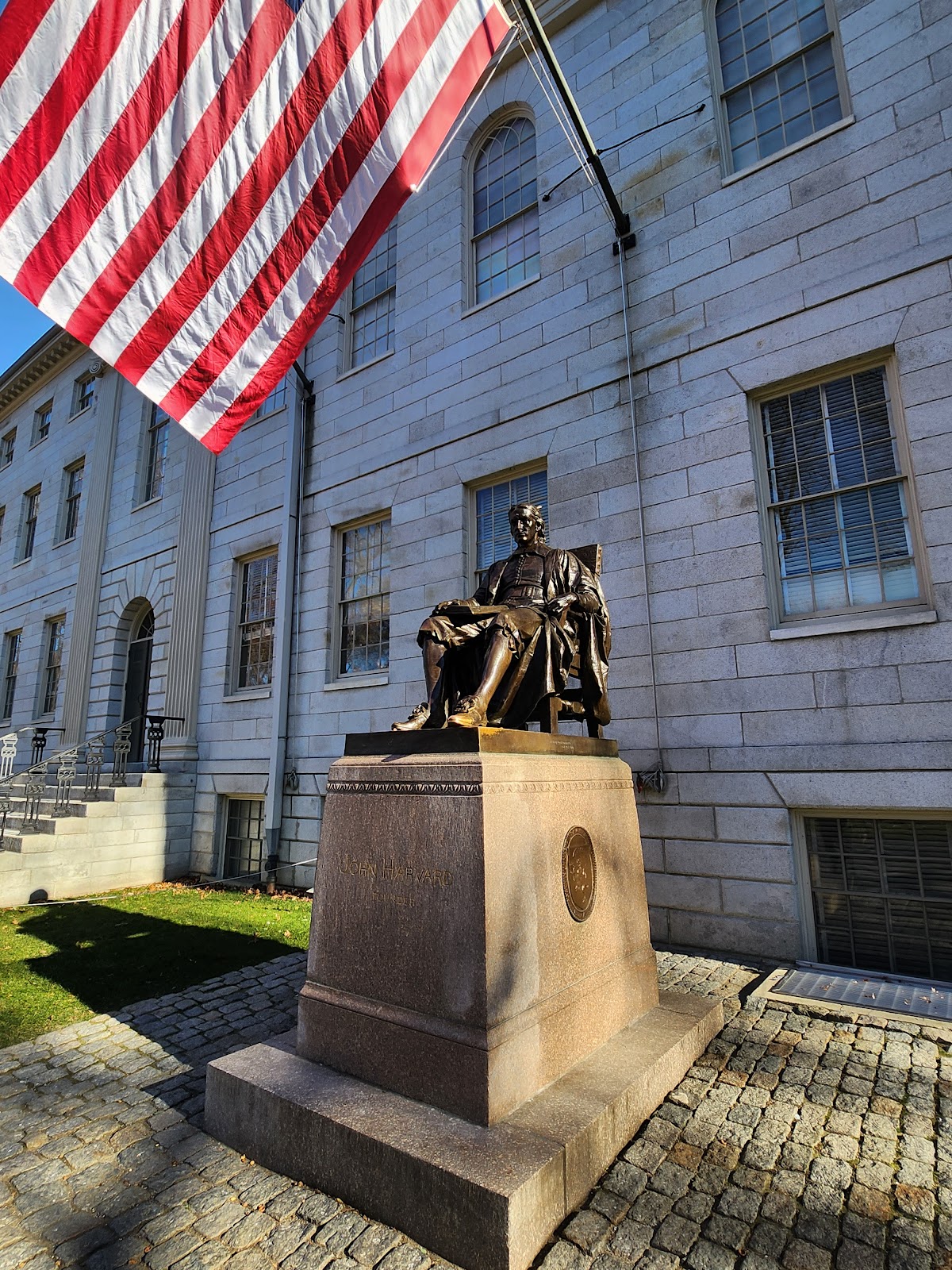
Hop the Red Line subway across the Charles to Cambridge and get off at Harvard Square. Harvard Yard sits right there, the grassy quad ringed by Georgian brick dorms and the marble columns of Widener Library.
The student-led campus tours are the fun ones, full of gossip and legend. You will hear about the John Harvard statue and its famously misleading plaque (the Statue of Three Lies), and you will watch a queue of visitors line up to rub the toe of his shoe for luck. It gleams gold from a century of hands.
Spill out into Harvard Square afterward for bookshops and a coffee. The whole area hums with the specific energy of a college town that has been one for almost 400 years.
Cannoli at 10pm on Hanover Street
The whole street smells like garlic, tomato, and warm sugar, and every doorway spills out laughter and the clink of wine glasses.
Come hungry to the North End, Boston's Italian quarter, and let dinner run long. Hanover Street is the spine of it, lined end to end with red-sauce trattorias, marble-counter bakeries, and old men playing cards behind fogged-up windows.
The eternal debate is where to get your cannoli. Two legendary bakeries sit almost across from each other, both with lines out the door well after dark, and honestly you should just try both and pick a side. The shells are piped to order so the crunch is real.
Reservations help at the popular spots, but half the joy is wandering until a menu in a window pulls you in. This neighborhood is made for that.
Nose to Nose With a Monet
You round a corner in a quiet gallery and there it is, a haystack glowing in the light, close enough that you can see every brushstroke.
Day three goes slow and indoor. The Museum of Fine Arts is one of the great collections in the country, and it never feels frantic the way the big New York museums can. You can stand alone in front of a Rembrandt and just look.
The Impressionist rooms are the crowd favorite (the MFA has one of the largest Monet holdings outside France), but do not skip the Art of the Americas wing or the ancient Egyptian galleries. General admission runs around $27, and your ticket is good for two visits in a ten-day window if you want to split it up.
The MFA is huge. Pick two or three wings, sit on the benches, and let the rest go. You are not here to speed-walk past masterpieces.
A Ferry to a Fort in the Harbor
The city skyline shrinks behind the wake, gulls wheel overhead, and then a low granite fort rises out of an island that feels a hundred miles from downtown.
Grab a quick lunch at Quincy Market first, the long glass-roofed food hall behind Faneuil Hall where clam chowder in a bread bowl is basically the law. Then walk down to the waterfront for the Boston Harbor Islands ferry.
The short crossing to Georges Island drops you at Fort Warren, a Civil War-era stone fort you can wander freely, ducking through dark powder magazines and climbing up to ramparts with wide-open harbor views. There is a resident ghost story (the Lady in Black) that the rangers love to tell.
Round-trip ferry fares run roughly $25 for adults. Check the seasonal schedule before you go, since sailings thin out sharply outside the summer months.
Gas Lamps and Cobblestones on Beacon Hill
The sun drops, the gas lamps flicker on one by one, and a narrow cobbled lane of ivy-draped brick townhouses glows like a film set.
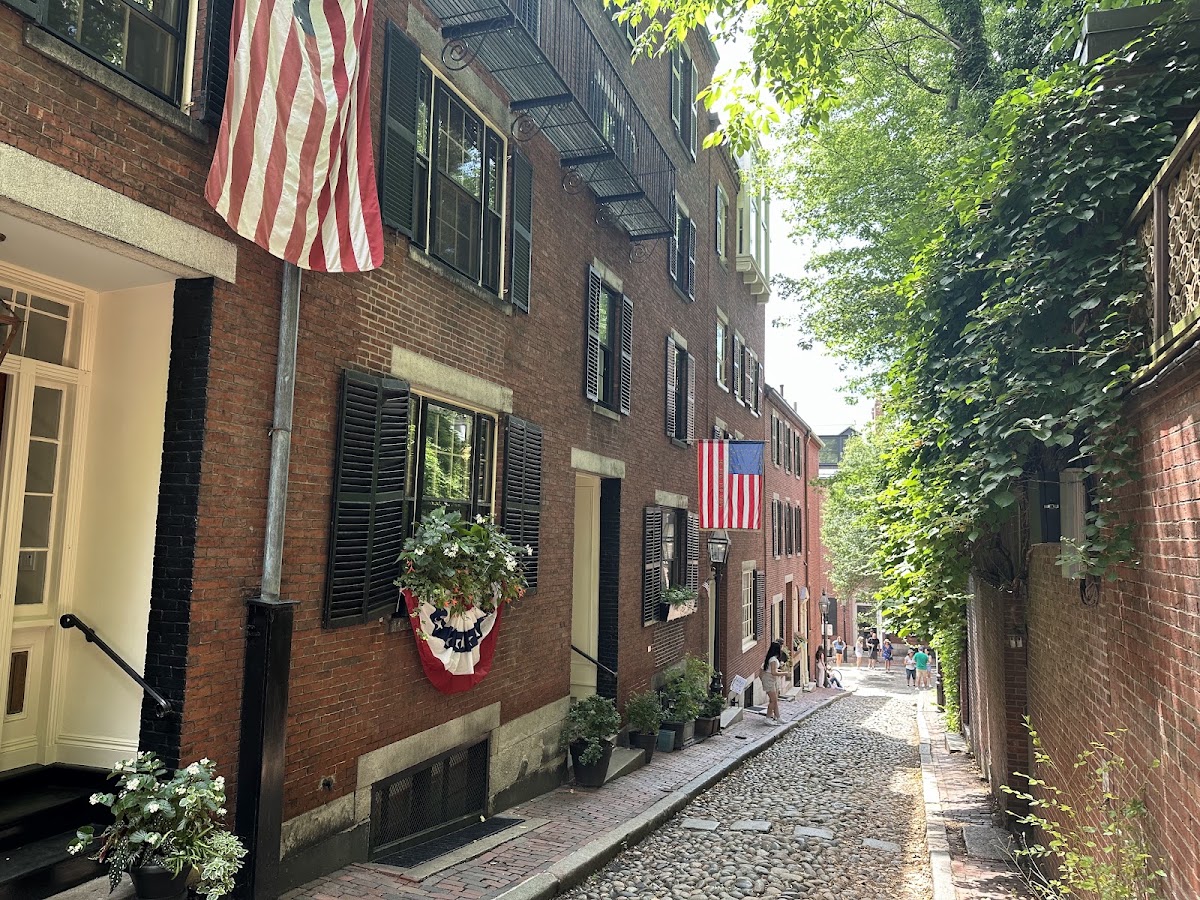
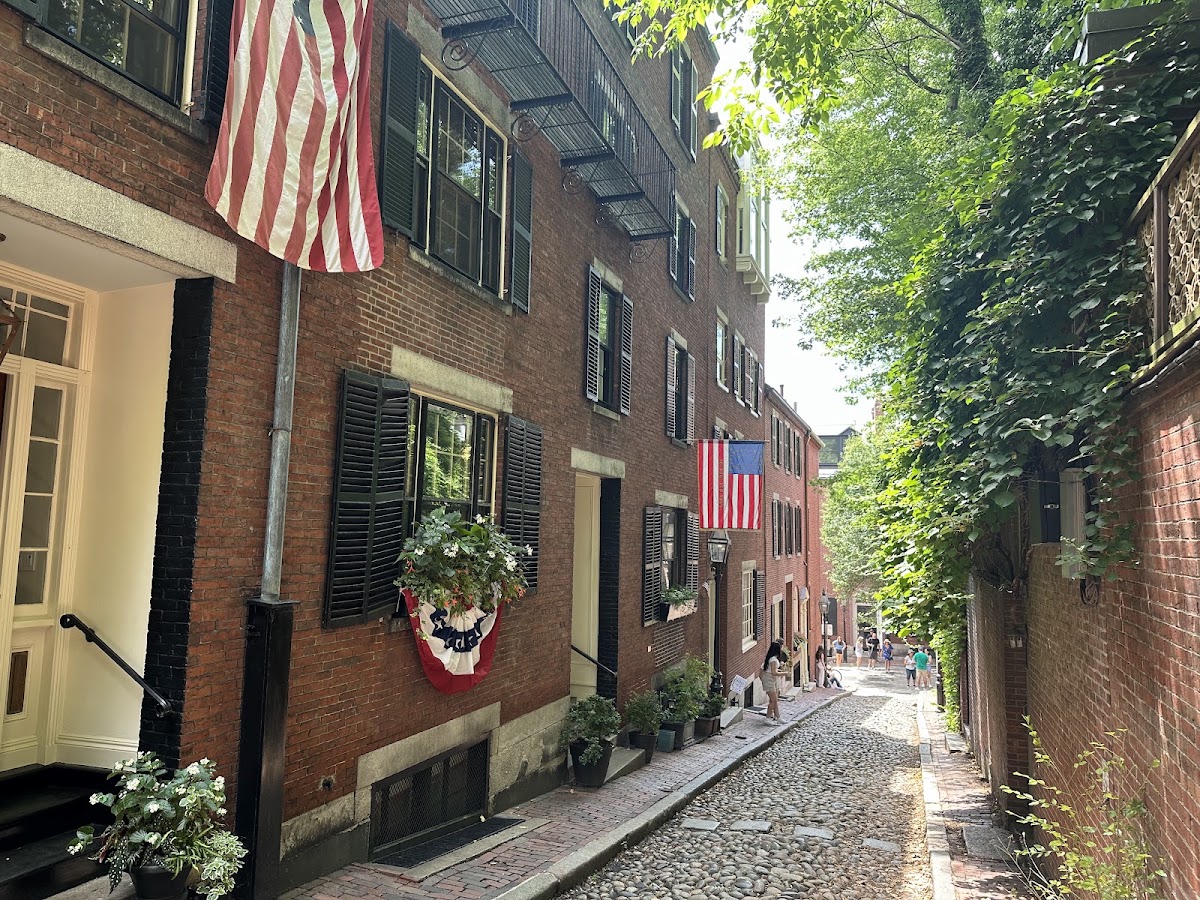
Save your last free evening for Beacon Hill, the postcard neighborhood just up the slope from the Common. This is where Boston looks most like itself: purple-tinted antique window glass, brick sidewalks that buckle under old trees, brass door knockers on every stoop.
Acorn Street is the one everybody photographs, a tiny cobblestone lane so pretty it feels staged. Come near golden hour when the lamps warm up and the crowds thin. Then wander down Charles Street for wine bars, tiny bookshops, and quiet dinner spots.
It is a neighborhood built for aimless evening strolling. No agenda, no ferry to catch, just the sound of your own footsteps on 200-year-old brick.
One Last Diner Breakfast Before Logan
Coffee lands on the Formica counter before you have even sat down, and the griddle behind it hisses with pancakes and home fries.
End the trip the local way, at a classic diner. The Paramount on Charles Street has been feeding Beacon Hill since 1937, and the drill is charming: you order at the counter, carry your tray to a table, and dig into big plates of eggs, banana-and-caramel French toast, and hash.
Expect a short line on weekend mornings; it moves fast and it is part of the fun. Fuel up properly, because the ride back out to Boston Logan is short and you will want the buffer.
Logan sits right across the harbor, so transfers are quick, whether you take the airport shuttle or a car. Close, easy, and a fitting last look at the water as you go.
Ready to book?
Book the rest of Boston, United States
Handpicked partner searches, dates pre-filled. Pricing is identical to going direct — the partner shares a small commission with Tabi so this guide stays free.
Frequently asked
How many days do you need in Boston?
Four days is the sweet spot for a first visit. It gives you time for the full Freedom Trail, a half-day across the river at Harvard, a museum day, a harbor ferry trip, and slow evenings in the North End and Beacon Hill without rushing.
Do you need a car in Boston?
No, and you are better off without one. The historic core is walkable end to end, and the subway (the T) reaches Cambridge, the airport, and the museums. Parking downtown is expensive and the streets are famously confusing. Skip the car unless you plan day trips well outside the city.
Is the Freedom Trail worth doing with a guide?
The first stretch from Boston Common is easy to self-guide by following the red brick line. But a guided walk near Faneuil Hall (around $30-40 for 90 minutes) connects the 16 sites into one coherent story and the costumed storytellers make the Revolution genuinely vivid. Many visitors do the first half solo and the second half guided.
When is the best time to visit Boston?
Late spring (May-June) and fall (September-October) offer the best mix of comfortable weather and full ferry schedules, with fall adding New England foliage. Summer is warm and lively but crowded. Winters are cold and snowy, and the harbor island ferries largely pause, so plan an indoor-heavy trip if you come then.
How do you get from Boston Logan Airport to downtown?
Logan sits just across the harbor, so it is close. You can take the subway (Blue Line via the free airport shuttle), a rideshare or taxi in about 15-20 minutes outside rush hour, or a pre-booked private transfer if you want a driver waiting on arrival.
Skip the planning
Your Boston, United States trip, ready to go
Adopt the day-by-day itinerary we built to match this guide. Every stop is a real place, every booking link is validated. Free forever, no card needed.
Open the Boston, United States itinerary