
Bruges, Belgium
What to Do in Bruges in 3 Days: Canals, Carillon Bells, and Chocolate
A picture-first walk through the medieval heart of Flanders, from the belfry climb to the quietest courtyard in town.
TL;DR
Three slow days where cobblestones replace crowds, the canals glow at dusk, and the whole city smells faintly of warm chocolate.
- 366 steps up the Belfry for a rooftop sea of red tiles
- Rozenhoedkaai at golden hour, the most photographed bend in Belgium
- The Beguinage courtyard, silent except for wind in the poplars
- Flemish Primitives up close at the Groeningemuseum
- A bruin cafe dinner: beef stew cooked in Trappist beer
- Choco-Story, where they temper chocolate in front of you
Have this trip planned in 60 seconds
We built the Bruges, Belgium itinerary that pairs with this guide, day-by-day with verified venues and one-tap booking links. Free to adopt, edit however you want.
Stepping Off the Train Into Another Century
You walk out of a tidy modern station, follow a tree-lined path for ten minutes, and suddenly the asphalt turns to cobblestone and the twenty-first century falls away behind you.
The ride from Brussels is almost comically easy. Trains leave Brussels-Midi roughly every half hour, the journey takes about an hour, and a standard second-class ticket runs around 17 EUR each way (about 18 USD). Check live times on the Belgian rail site (https://www.belgiantrain.be) so you can aim for a morning departure and land before the day-trippers.
From Bruges station the historic center is a flat fifteen-minute walk or a quick bus ride. Skip the taxi queue; rolling your bag over the first stretch of cobbles is part of the arrival ritual.
Resist the urge to check in and nap. Drop your bag, grab a coffee, and start walking toward the Markt. The light in the late morning is soft and the streets are at their emptiest.
366 Steps and the Bells That Shake the Whole Tower
Somewhere around step 220 the stone staircase narrows so tight your shoulders brush both walls, and then the carillon starts ringing directly above your head and you feel it in your teeth.
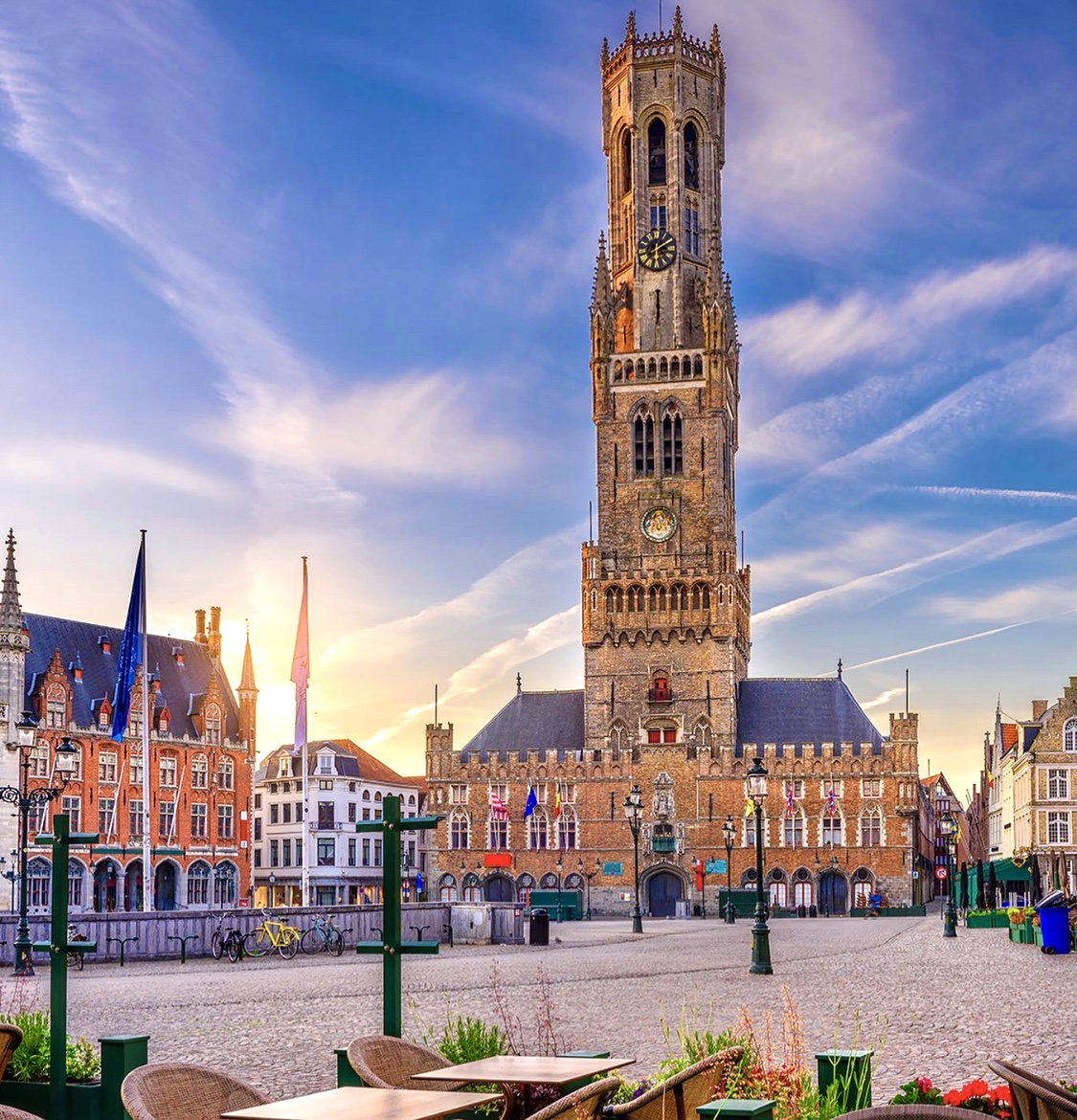
The Belfry has stood over the Markt since the 13th century, and climbing it is the single best way to understand the shape of the city. You pass the old treasury room, then the clock mechanism, then the bell chamber with its 47 bronze carillon bells, before spilling out onto the top platform.
From up here the whole of Bruges is a tilted field of red clay roofs, with church spires punching up through the middle and the flat green polders stretching to the horizon. On a clear day you can see all the way to the coast.
Tickets are around 15 EUR (about 16 USD), and entry is timed because the staircase only fits so many people. Go early. By noon the queue in the square can swallow an hour.
The Canal Bend Everyone Photographs (and Why They're Right)
Step-gabled houses lean over dark green water, a swan drifts past, and the whole scene doubles itself in the reflection. This is Rozenhoedkaai, and it is as good as the postcards promise.
The best way to see the canals is from the water. Boats launch from a few jetties around the center, including the one right at Rozenhoedkaai, and the loop lasts about 30 minutes. Tickets are roughly 15 EUR (about 16 USD), cash often preferred, and the guides narrate in a mix of languages as you glide under bridges barely wider than the boat.
From water level you notice things you miss on foot: the private gardens that back onto the canals, the iron rings where merchant barges once tied up, the way the oldest brick walls go green and soft at the waterline.
Come back to this exact spot at dusk. When the streetlamps flick on and the crowds thin, Rozenhoedkaai becomes the quiet, glowing image you came to Bruges for in the first place.
The Walled Courtyard Where the City Holds Its Breath
You cross a little bridge, pass under a stone gate, and the noise just stops. Inside is a ring of whitewashed houses around a lawn of poplar trees, and in spring the whole thing is carpeted with daffodils.
The Begijnhof dates to 1245, founded as a community for the beguines, lay religious women who lived and worked here without taking full vows. Today Benedictine nuns live in the houses, and the courtyard is a protected monument that is kept deliberately, wonderfully quiet.
Entry to the grounds is free. Walk slowly, keep your voice down, and let the contrast land. Ten minutes ago you were in a packed square; now the loudest sound is wind in the trees and your own footsteps on gravel.
It pairs well with a walk along the adjoining Minnewater, the so-called Lake of Love, where more swans and a willow-lined shore make an easy, pretty detour on the way back toward the center.
Standing Nose-to-Canvas With the Flemish Primitives
The gold leaf in a 15th-century altarpiece catches the gallery light, and you realize you are looking at paint applied five hundred years before the building you slept in last night.
The Groeningemuseum on the Dijver is small enough to see properly in about ninety minutes, which is exactly what makes it worth your time. No endless wings, no exhaustion. Just a tight, extraordinary collection of the Flemish Primitives.
The stars are Jan van Eyck and Hans Memling, painters who worked in Bruges when it was one of the richest trading cities in Europe. Get close to van Eyck's work and the detail is almost unnerving: individual hairs, the reflection in a convex mirror, the weave of a fabric.
Tickets are around 14 EUR (about 15 USD). Go in the early afternoon when the morning crowd has moved on, and you may have whole rooms to yourself.
Dinner in a Brown Cafe, Where the Stew Is Cooked in Beer
The walls are stained dark amber from a century of candle smoke, the wooden tables wobble, and a bowl of beef stew arrives smelling of onions and Trappist ale.
A bruin cafe (brown cafe) is the Flemish version of a cozy neighborhood pub, named for those tobacco-darkened walls. This is where you eat the real local dishes. Order the stoofvlees, a slow-cooked beef stew braised in dark beer and served with a mountain of fries, and you will understand Belgian comfort food instantly.
Pair it with the obvious thing: a proper Belgian beer, chosen from a menu that can run to dozens of options, each with its own branded glass. Ask the bartender for a recommendation and let them surprise you.
For lunch earlier in the day, grab a table at a canal-side bistro and keep it lighter: a croque monsieur or a bowl of mussels when they are in season. Save the stew and the beer for when the sun goes down.
Watching Chocolate Get Made Before You Buy It
A worker spreads warm chocolate across a cold marble slab with a palette knife, and the whole room smells like the inside of a cocoa bean.
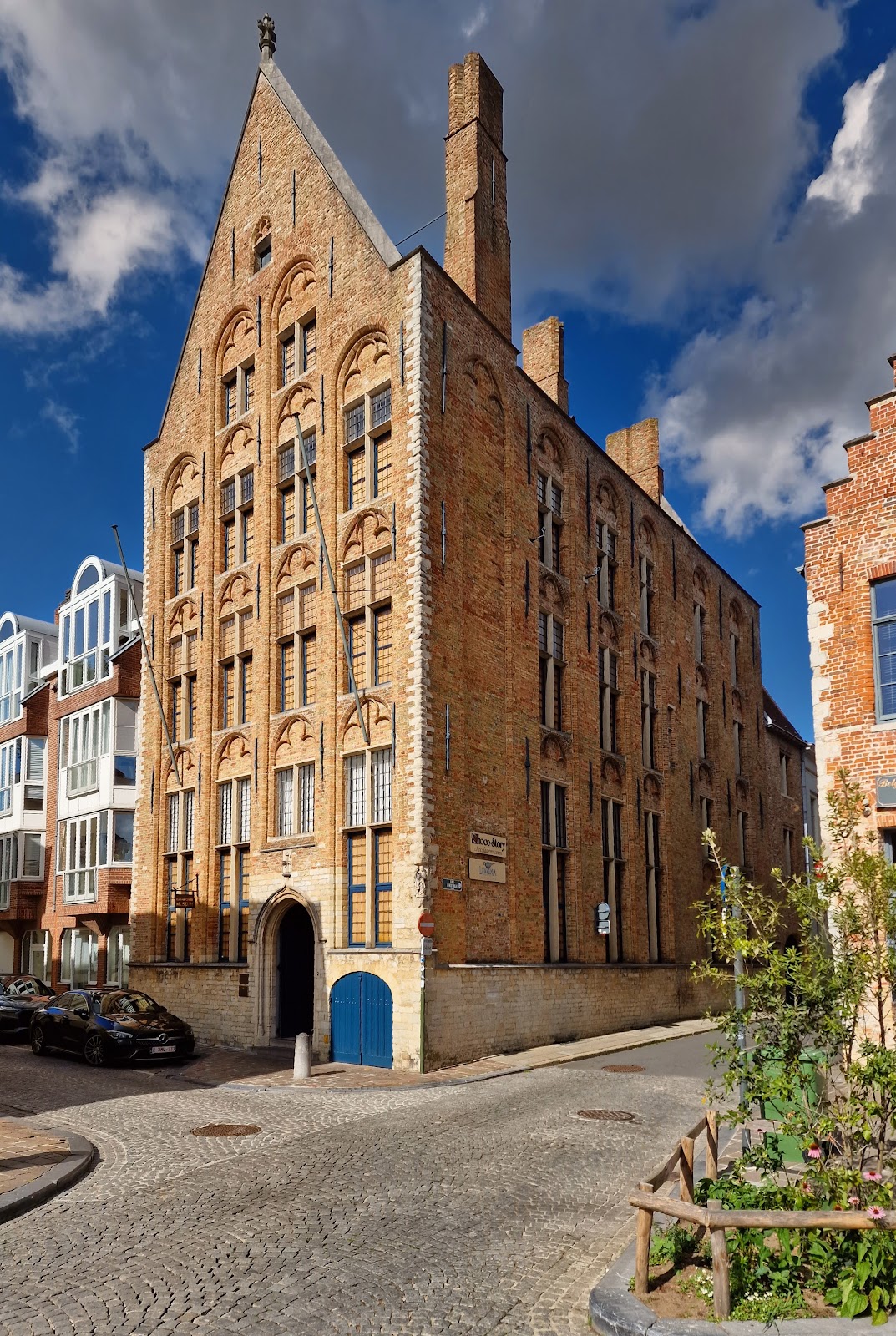
Belgium takes chocolate seriously, and Choco-Story walks you through the whole story, from the Maya and Aztec origins of cacao to the Belgian pralines in the shop windows on every corner. The real highlight is the live demonstration, where a chocolatier tempers and molds chocolate in front of you and hands out samples still warm.
Tickets run around 12 EUR (about 13 USD), and it is a genuinely good use of a last morning before your train, more engaging than wandering the souvenir shops.
Afterward, pick one serious chocolatier for a box to take home. Buy the loose pralines by weight rather than the pre-packed tourist boxes. They are fresher, cheaper, and you get to point at exactly the ones you want.
The Easy Ride Back to Brussels
You roll your bag back over the same cobbles, now worn familiar, and the medieval city releases you as gently as it pulled you in.
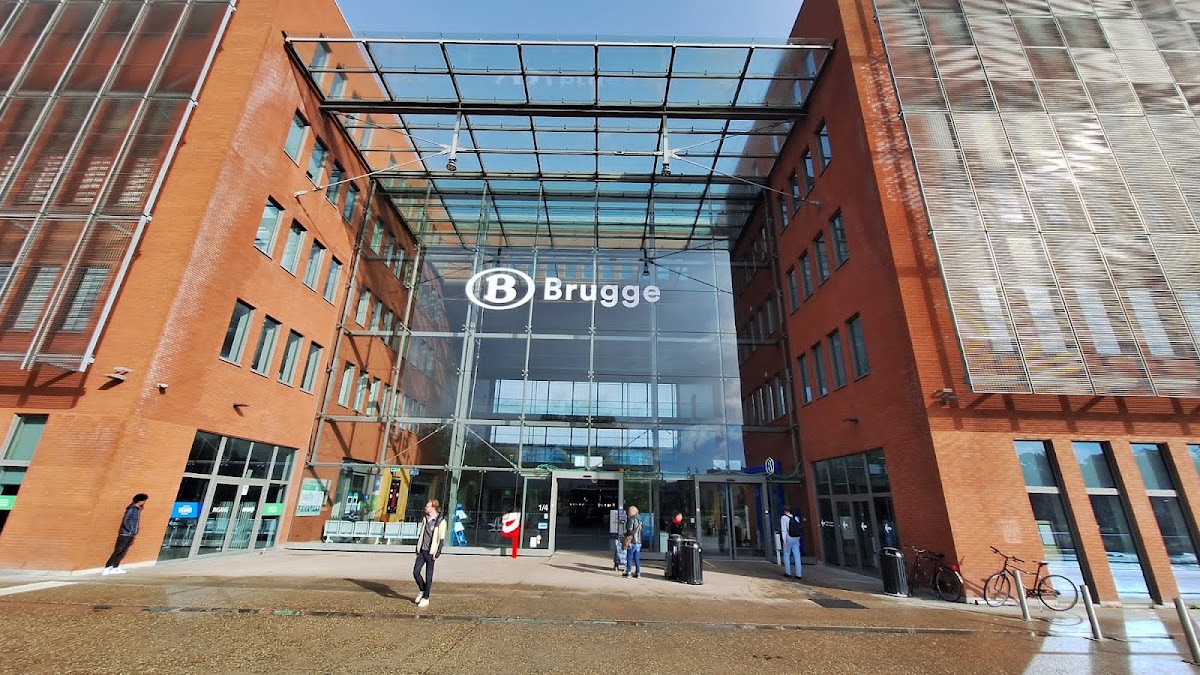
When it is time to leave, the return to Brussels is the same simple hour-long train. Trains run frequently right up into the evening, so there is no need to rush your last morning; finish the chocolate museum, grab one more waffle, and still make an afternoon departure with time to spare.
If you are connecting onward to Brussels Airport or beyond, most Bruges trains run through to Brussels-Midi, where you can switch to the airport line on the same ticket structure. Check the connection on the rail app before you board.
Buy your return ticket from the machines or counter at Bruges station; there is no advance-booking advantage on this domestic route, so you keep full flexibility on which train you catch.
Ready to book?
Book the rest of Bruges, Belgium
Handpicked partner searches, dates pre-filled. Pricing is identical to going direct — the partner shares a small commission with Tabi so this guide stays free.
Frequently asked
Is Bruges worth staying overnight, or is a day trip from Brussels enough?
Stay overnight, ideally two nights. The day-trippers arrive mid-morning and leave by late afternoon, so the magic happens at dawn and dusk when they are gone. Seeing Rozenhoedkaai glow at night with empty streets is worth the hotel on its own.
How do I get from Brussels to Bruges?
Take the train. Services leave Brussels-Midi roughly every half hour, the ride is about an hour, and a standard second-class ticket is around 17 EUR (about 18 USD) each way. No advance booking is needed on this domestic route, so you keep full flexibility.
Do I need to book the Belfry climb in advance?
Entry is timed because the narrow 366-step staircase only fits a limited number of people at once. You can often buy same-day at the base, but queues in the Markt can stretch past an hour by midday. Arrive early in the morning and you will walk straight in.
What food is Bruges actually known for?
Three things: beef stew slow-cooked in dark beer (stoofvlees) served with fries, mussels when in season, and of course Belgian chocolate and waffles. Eat the stew in a bruin cafe (a cozy brown-walled pub) and buy pralines loose by weight from a real chocolatier rather than pre-packed boxes.
Is Bruges walkable, or do I need public transport?
It is one of the most walkable cities in Europe. The entire historic center is flat and compact, crossable on foot in about twenty minutes. You only need a bus for the ten-minute hop between the train station and the center if you would rather not roll a bag over cobblestones.
Skip the planning
Your Bruges, Belgium trip, ready to go
Adopt the day-by-day itinerary we built to match this guide. Every stop is a real place, every booking link is validated. Free forever, no card needed.
Open the Bruges, Belgium itinerary