
Budapest, Hungary
What to Do in Budapest in 5 Days: Baths, Bastions, and the River at Night
A five-day walking log through Budapest, from a candlelit river cruise to a steaming thermal bath and the cafe where breakfast feels like a palace.
TL;DR
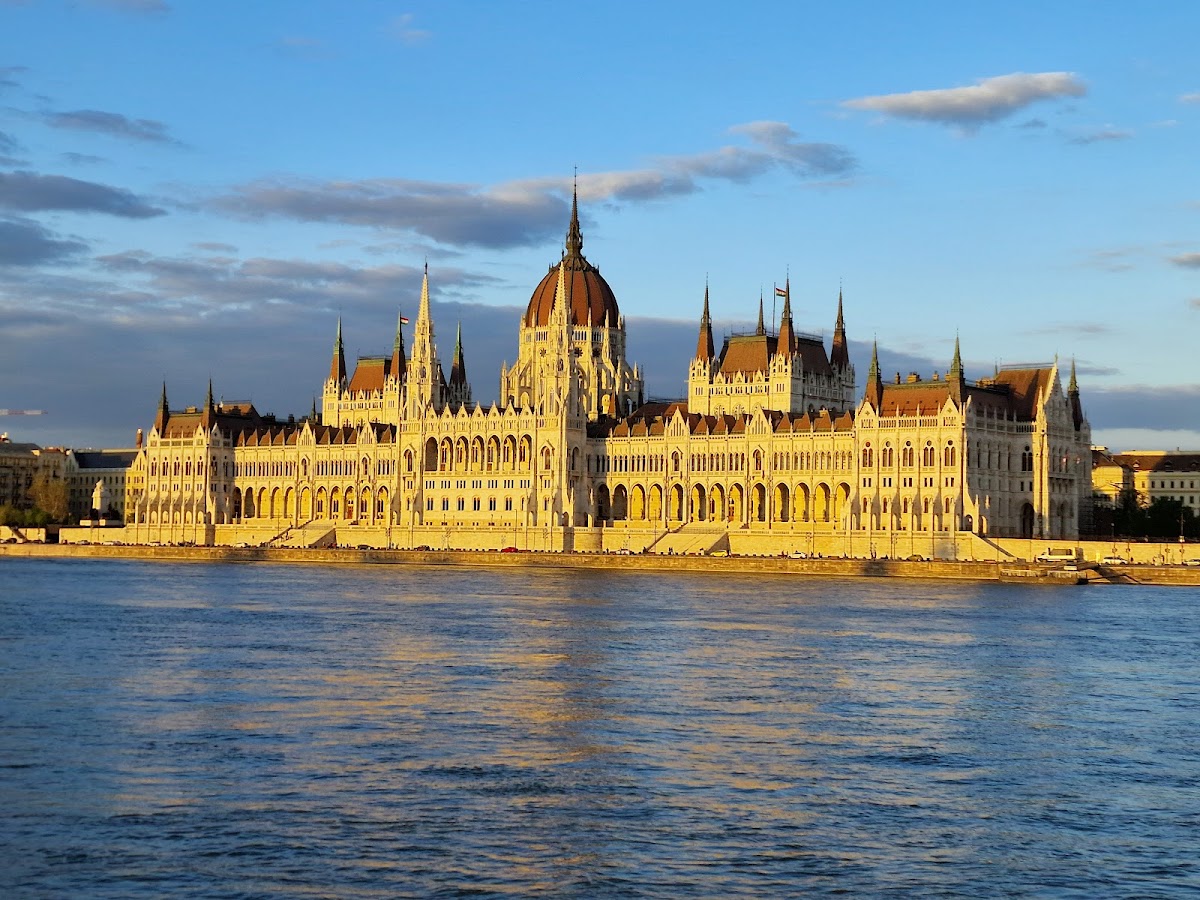
Budapest unfolds on two banks of the Danube, and you feel it most at dusk when the Parliament lights flick on and the whole river turns gold.
- Danube at night: Parliament glowing like a cathedral on water
- Fisherman's Bastion's white turrets framing the whole city at sunrise
- Széchenyi Bath: chess played waist-deep in 38C steam
- Szimpla Kert, a ruin bar built inside a crumbling courtyard
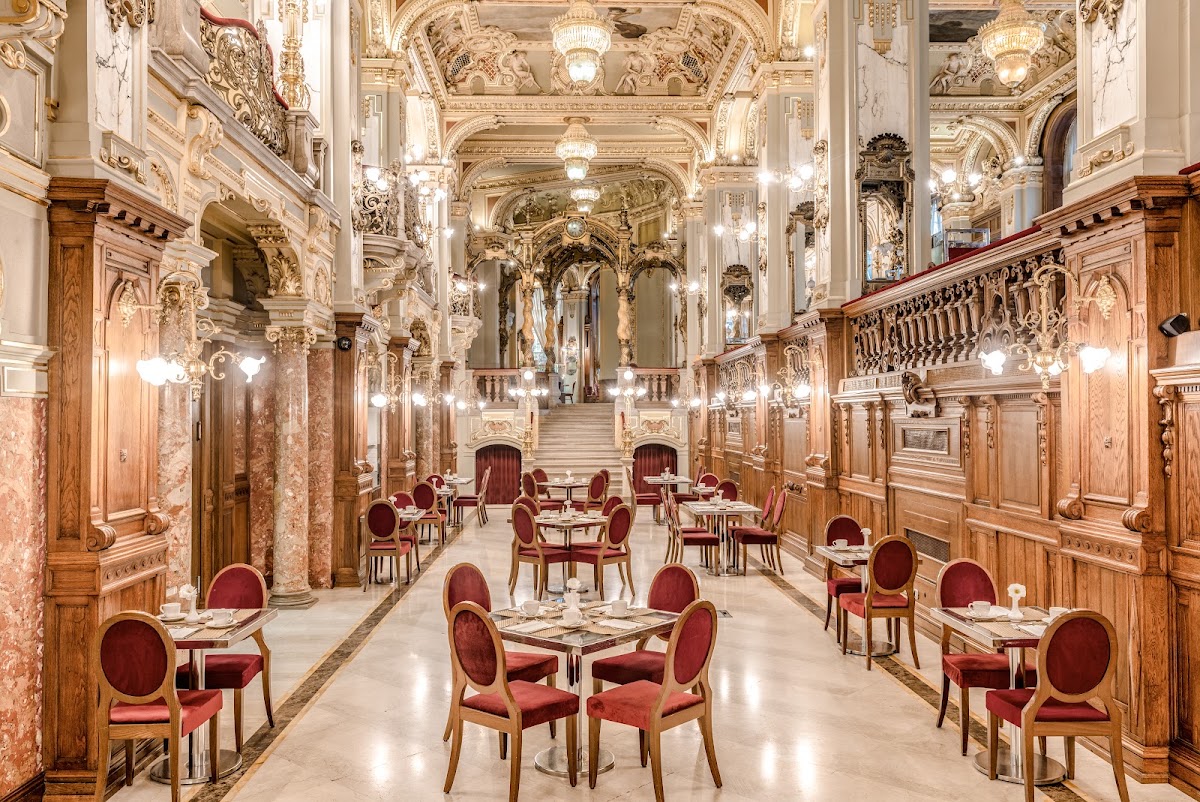
- New York Cafe breakfast under gold ceilings and frescoes
Have this trip planned in 60 seconds
We built the Budapest, Hungary itinerary that pairs with this guide, day-by-day with verified venues and one-tap booking links. Free to adopt, edit however you want.
Landing, and the First Glimpse of the Danube
The taxi crests a bridge and there it is: the river splitting the city in two, Buda's hills on your left, flat grand Pest on your right.
Ferenc Liszt airport sits about 16 km southeast of the center, and the ride into Pest takes 30 to 40 minutes depending on traffic. Book a fixed-price pickup before you fly and you skip the taxi-rank haggling after a long flight; expect roughly 9,000 to 12,000 HUF (about 25 to 33 USD) for the private transfer.
Most first-timers base themselves in Pest, the flatter side, where the grand boulevards, the basilica, and the ruin bars all sit within walking distance. Drop your bag, splash some water on your face, and head for the embankment. You want to see the river before dark.
The official airport transport options are laid out by the airport authority at https://www.bud.hu/en if you prefer to compare.
The River at Night, From the Deck of a Slow Boat
Glasses clink, the engine hums low, and then the Parliament slides into view, floodlit and impossibly intricate, mirrored in black water.
There is no better first night in Budapest than from the middle of the Danube. An evening cruise leaves from the Danube Palace dock and glides past the Chain Bridge, under the castle hill, and right along the Parliament's river facade, which is when every phone on the boat comes out at once.
The lights hit around dusk, so check sunset time and book a departure that starts just before. An hour on the water is plenty. Many cruises include a welcome drink, and the cheaper ones skip dinner, which you want anyway so you can eat ashore later.
It reorients you. By the time you step off, you understand how the whole city fits together: Buda up high, Pest spread wide, seven bridges stitching it all.
Sunrise at Fisherman's Bastion
Seven white stone turrets, fairy-tale arches, and below them the entire city waking up in the morning haze.
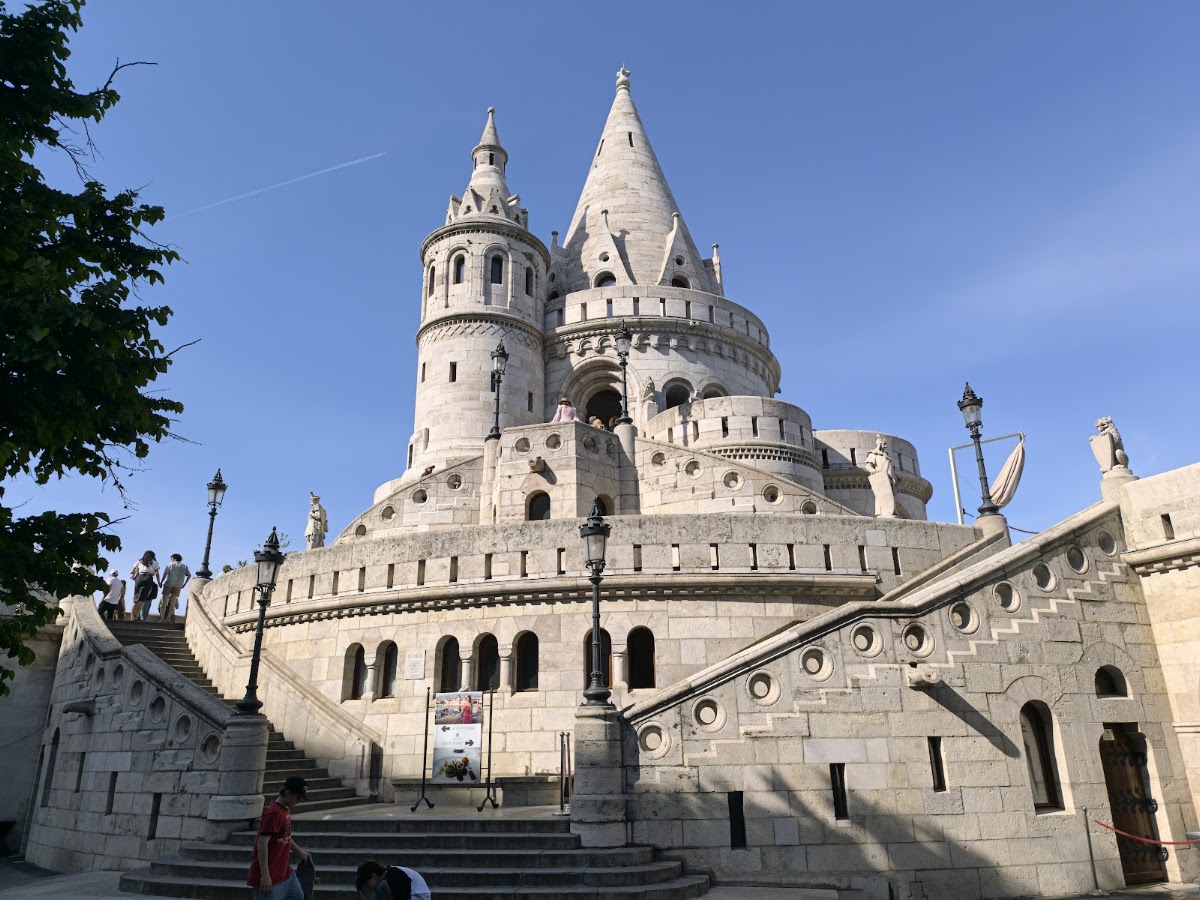
Climb Castle Hill early, before the tour groups. Fisherman's Bastion is a neo-Romanesque terrace built over a century ago, all pale stone and conical towers, and it frames the single best panorama in Budapest: the Parliament directly across the river, the Chain Bridge to your right, Pest stretching to the horizon.
The upper lookout towers charge a small fee (around 1,200 HUF, about 3 USD) in peak season, but the lower terraces are free and the view is nearly identical. Right behind you sits the Buda Castle complex, the former royal palace, now home to galleries and long cobbled courtyards worth a wander.
Go at opening or near it. By mid-morning the terrace fills and the light flattens.
The Church of a Thousand Colored Tiles
Step inside and the gloom gives way to walls painted floor to ceiling, geometric reds and golds and deep blues, like standing inside an illuminated manuscript.
A few steps from the Bastion stands Matthias Church, its roof a dazzle of diamond-patterned Zsolnay tiles that catch the sun. This is where Habsburg kings were crowned, and the interior is nothing like a plain Gothic nave: every surface is painted, stencilled, gilded, in a style that feels more Eastern than Western.
Entry runs about 2,500 HUF (roughly 7 USD), and the quiet inside is a welcome break after the busy terrace outside. Look up at the ribbed vaults, then down at the floor patterns; the whole place rewards slow looking.
From here you can wander the cobbled lanes of the Castle District before heading back down the hill for the afternoon.
Chess in a Thermal Bath, Steam Rising off the Water
Two old men play chess on a floating board, shoulder-deep in steaming mineral water, while the honey-yellow palace walls glow behind them.
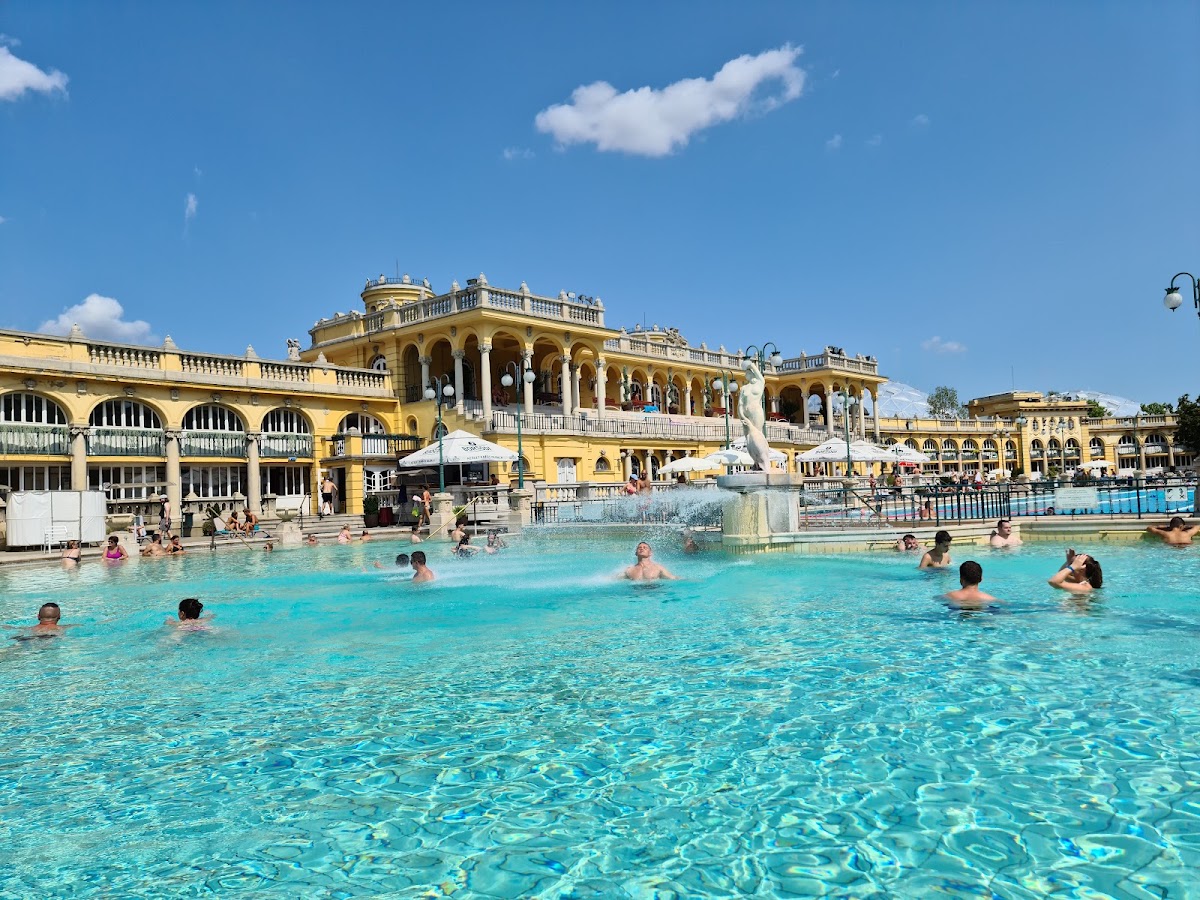
Széchenyi is the one you have seen in photos: a grand neo-Baroque bathhouse the color of butter, with vast outdoor pools where locals and visitors soak together year-round. Even in winter the steam pours off the 38C water while snow settles on the stone balustrades.
Buy a ticket with a cabin (around 11,000 to 13,000 HUF, roughly 30 to 36 USD, cheaper on weekdays) and give yourself two or three hours. There are 18 pools in all, indoor thermal rooms, saunas, the works. Bring flip-flops and a towel, or rent them on-site.
It sits inside City Park, so you can roll straight from the bath into the afternoon's sights. Pre-booking online saves you the queue; see https://www.szechenyibath.hu for current hours.
Dinner Inside a Beautiful Ruin
Fairy lights strung across a crumbling courtyard, a bathtub turned into a sofa, mismatched chairs, and the smell of grilled paprika sausage drifting up from a hatch.
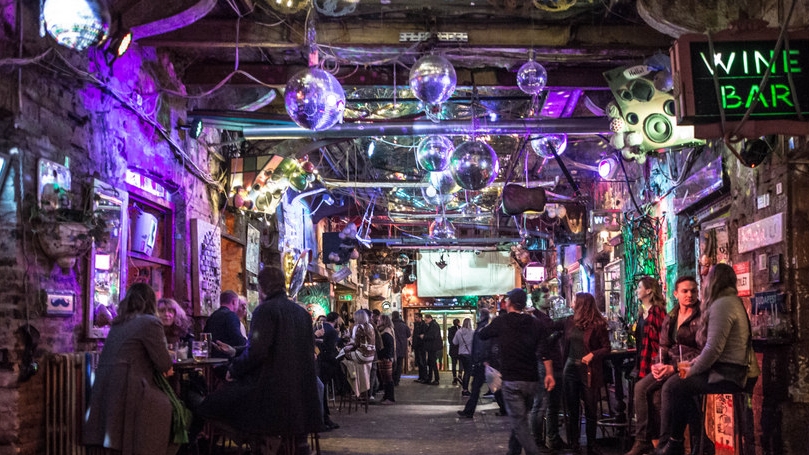
Szimpla Kert started the whole ruin-bar movement: an abandoned building in the old Jewish Quarter reclaimed with salvaged furniture, art, and plants until it became a labyrinth of rooms and courtyards. It is a bar, yes, but earlier in the evening it is a genuinely good, relaxed place to eat, and on Sunday mornings it hosts a farmers market.
Order a plate of Hungarian comfort food and a glass of local wine or a craft beer, and just let yourself get a little lost in the rooms. Each one is decorated differently; half the fun is exploring.
It sits in the heart of the Jewish Quarter, District VII, where you will find a dozen more ruin bars within a few blocks if you want to keep the night going.
Under the Dome: Basilica, Parliament, and the Great Market
The basilica's dome soars 96 meters overhead, light pooling on the marble, and outside the square hums with cafe tables and street musicians.
Day three belongs to Pest's grand landmarks. St. Stephen's Basilica is free to enter (a small donation is suggested), and for about 2,200 HUF you can ride up to the dome's panorama terrace for a 360-degree sweep. Inside, in a side chapel, you can see the mummified hand of St. Stephen himself.
Then cross to the river for the Hungarian Parliament, the third-largest parliament building in the world, all neo-Gothic spires and a red-carpeted interior housing the Hungarian crown jewels. Interior visits are guided and sell out, so book ahead through the official office at https://www.parlament.hu/en and bring ID.
End at the Great Market Hall, a cathedral of iron and glass packed with paprika stalls, strings of garlic, and upstairs food counters. Grab a lángos, a deep-fried dough disc loaded with sour cream and cheese, and eat it standing up like everyone else.
Heroes' Square, the Museum, and a Café Fit for a King
A sweeping colonnade of bronze chieftains on horseback, and the next morning, a breakfast served beneath gilded ceilings and ceiling frescoes.
Start your last full day at Heroes' Square, the grand plaza where statues of Hungary's founding leaders ring a central column. It opens onto City Park, and facing the square is the Museum of Fine Arts, whose collection of old masters (Raphael, El Greco, Goya) is worth a slow couple of hours. Nearby, the storied Gundel restaurant is the place for a classic Hungarian lunch if you want to go formal.
Save your final morning for the New York Café, often called the most beautiful cafe in the world and it is hard to argue. Marble columns, gold trim, frescoed ceilings, chandeliers; coffee and cake here cost more than usual (a coffee runs around 2,500 HUF) but you are paying for the room, and it is a room you will not forget.
Then it is back to Ferenc Liszt airport, 30 to 40 minutes southeast, where a pre-booked transfer takes the stress out of the final morning.
Ready to book?
Book the rest of Budapest, Hungary
Handpicked partner searches, dates pre-filled. Pricing is identical to going direct — the partner shares a small commission with Tabi so this guide stays free.
Frequently asked
How many days do you need in Budapest?
Five days is comfortable: one to arrive and cruise the Danube, one for Buda's castle hill and a thermal bath, one for Pest's basilica, parliament, and market, and one for Heroes' Square and the museums, with a relaxed final morning. Three days covers the essentials if you are short on time, but the baths and ruin bars reward a slower pace.
Which thermal bath should you choose, Széchenyi or Gellért?
Széchenyi is the big, grand, outdoor one in City Park with 18 pools and the famous butter-yellow palace facade, best for a social, year-round soak. Gellért is smaller, more Art Nouveau and ornate indoors. For a first visit and the iconic steaming-outdoor-pool photo, go Széchenyi. Book online to skip the queue and go on a weekday for lower prices.
Do you need to book the Parliament interior tour in advance?
Yes. The Hungarian Parliament only allows guided visits, tickets are capped, and they regularly sell out days ahead in high season. Book through the official parliament visitor site, bring photo ID, and arrive early for the security check. Tours run in several languages but English slots go fastest.
What is a ruin bar and are they family-friendly during the day?
Ruin bars are bars built inside abandoned buildings and courtyards in the old Jewish Quarter, decorated with salvaged furniture and art. Szimpla Kert, the original, serves food earlier in the evening and even runs a Sunday farmers market, so daytime and early evening are relaxed and fine for all ages. Later at night they turn into busy drinking spots.
Is Budapest expensive, and should you use euros or forints?
Budapest is one of Europe's better-value capitals: thermal baths, meals, and transport all cost noticeably less than in Western Europe. The currency is the Hungarian forint (HUF), not the euro. Cards are accepted almost everywhere, but carry some forint cash for markets, small cafes, and tips. Avoid paying in euros where offered, as the exchange rate is usually poor.
Skip the planning
Your Budapest, Hungary trip, ready to go
Adopt the day-by-day itinerary we built to match this guide. Every stop is a real place, every booking link is validated. Free forever, no card needed.
Open the Budapest, Hungary itinerary