
Cartagena, Colombia
What to Do in Cartagena in 5 Days: Ramparts, Reefs, and the Salsa Nights
A picture-first walk through the walled city, out to the Rosario reefs, and back into Getsemani after dark.
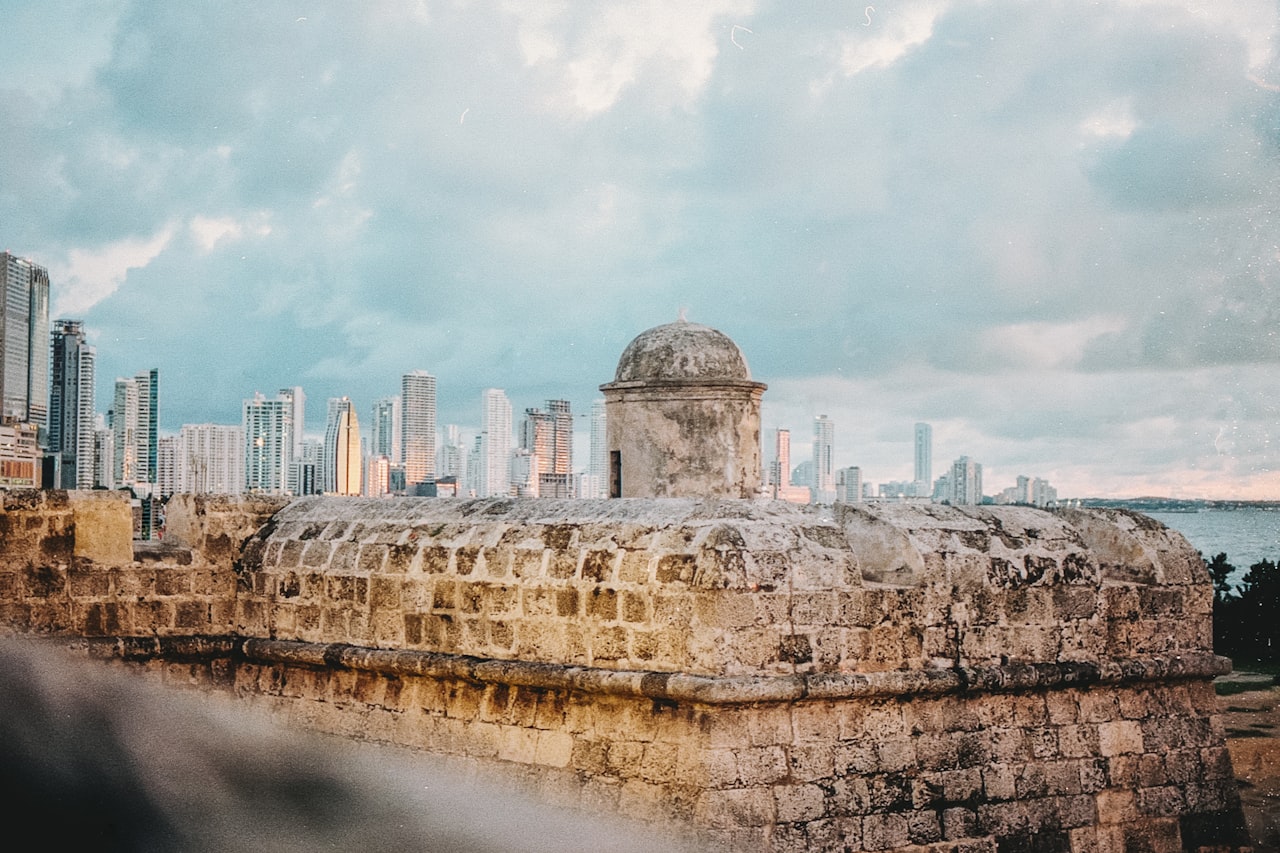
Photo by felipe prieto on Unsplash
TL;DR
Cartagena hits you like warm bread out of the oven: golden walls, salt air, and drums somewhere down the block you cannot see yet.
- Sunset on the Murallas ramparts as the stones turn honey-gold
- Castillo San Felipe tunnels, cool and echoing under the heat
- Palenquera fruit stall in Plaza de la Trinidad, all color
- Turquoise snorkelling reefs off Isla Grande, Rosario Islands
- A first salsa class in Getsemani that runs past midnight
Have this trip planned in 60 seconds
We built the Cartagena, Colombia itinerary that pairs with this guide, day-by-day with verified venues and one-tap booking links. Free to adopt, edit however you want.
The Drive In, When the Heat First Hits You
The airport doors slide open and the Caribbean air lands on you like a warm towel, thick with salt and diesel and something sweet frying nearby.
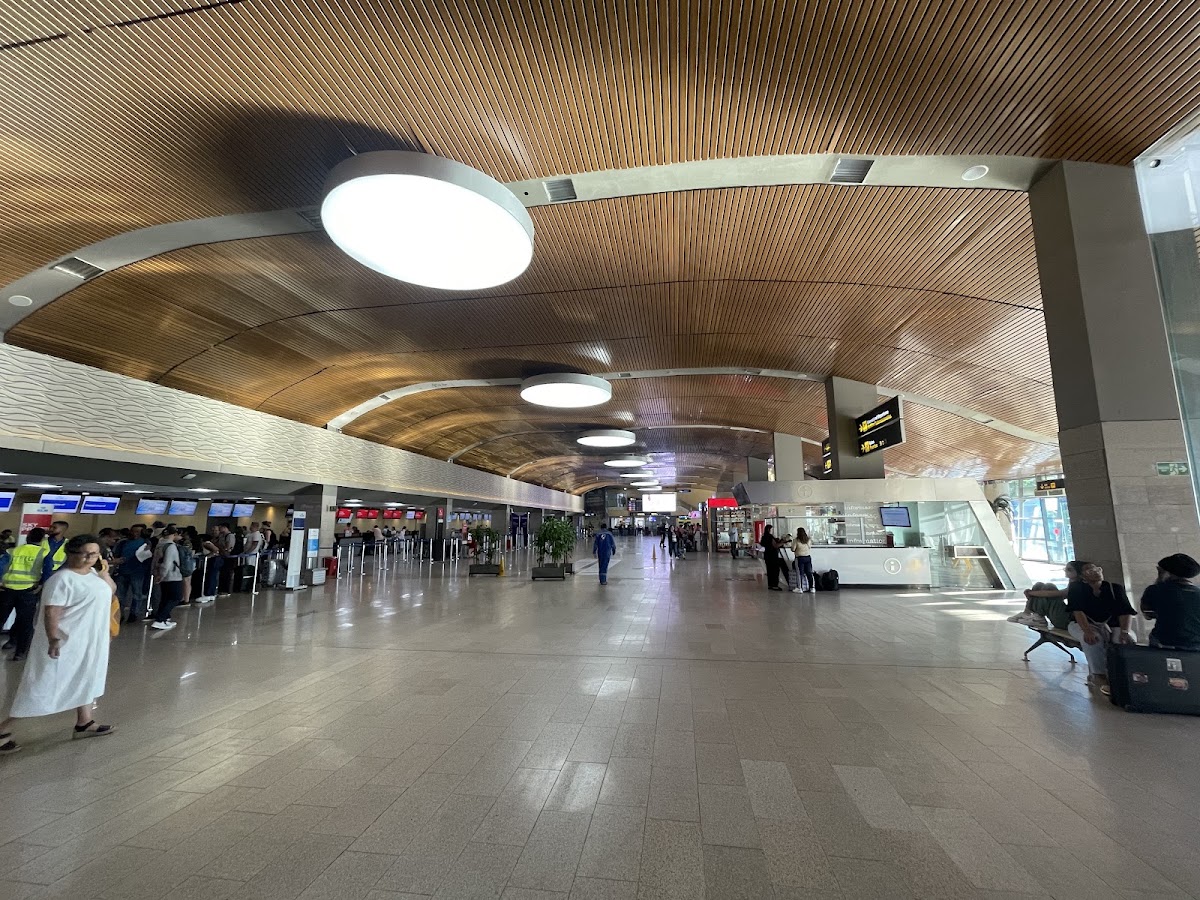
Rafael Nunez airport sits close to the old town, so the ride is short, maybe 15 to 25 minutes depending on traffic through Crespo. You will watch the city shift from concrete to those famous ochre and coral facades pretty fast.
Get your pesos sorted early. A pre-booked transfer takes the guesswork out of the first tired hour, and you skip the taxi-line negotiation while jet-lagged. Aim to land your hotel inside the walls (Centro) or in Getsemani, where the good stuff is on foot.
Drop the bags, splash your face, and head out before you crash. Cartagena is best met on day one, not slept through.
Sunset on the Ramparts, Where the Whole City Turns Gold
Around 5:30 the stones of the Murallas start glowing like they are lit from inside, and everyone, locals and travelers, drifts up onto the wall to watch it happen.
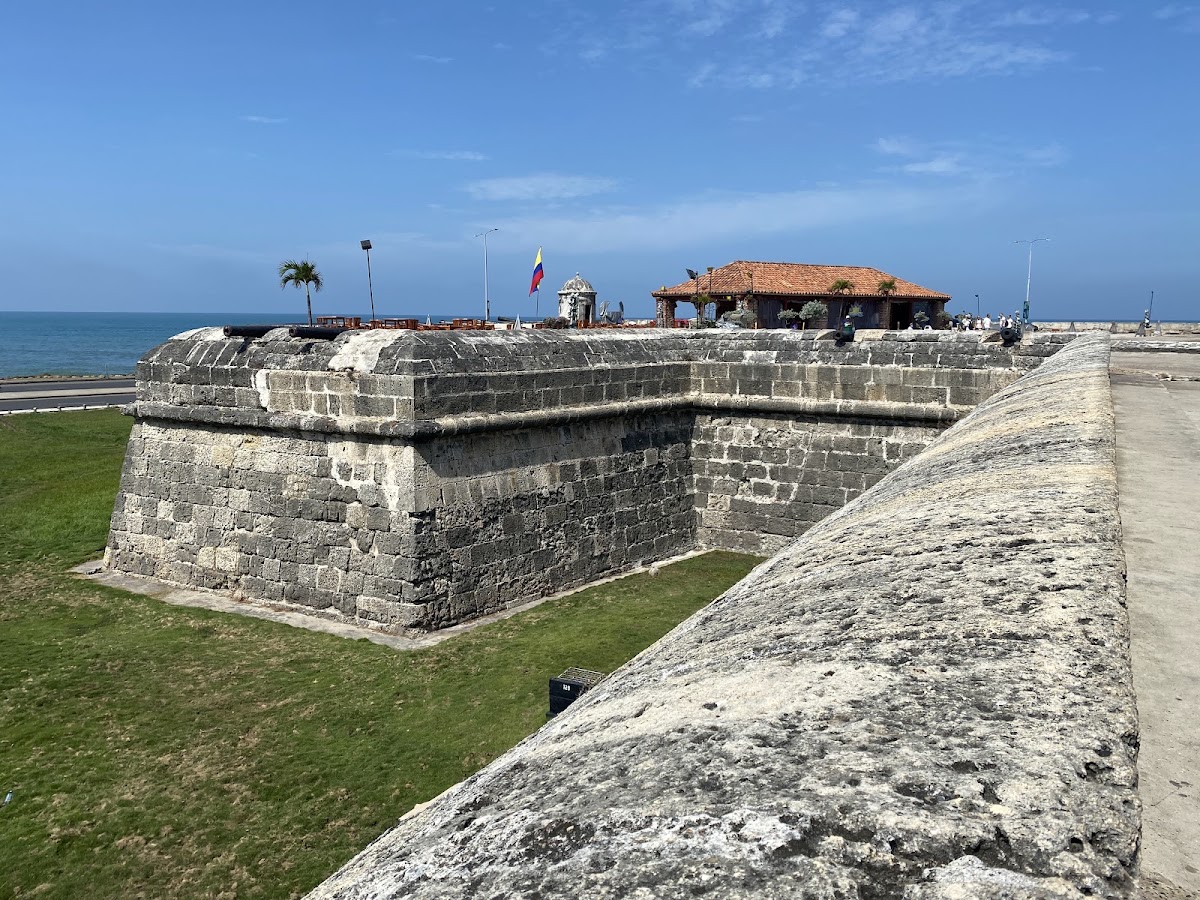
These sea walls have stood for roughly 400 years, built to keep pirates out. Now they are the best free walk in the city. Start near the Cafe del Mar side and follow the ramparts as they curve along the water.
The light does the work here. You get the Caribbean on one side going pink, the terracotta rooftops on the other, and horse carriages clopping below. Buy a cold Aguila or a fresh-squeezed juice from a vendor and just sit on the warm stone.
Wear something you can walk far in. The full loop is longer than it looks, and you will not want to turn back.
Castillo San Felipe, Where the Tunnels Go Cool and Dark
You climb the ramps in full sun, sweating, then duck into a stone tunnel and the temperature drops ten degrees, your footsteps echoing off walls built to trick invaders.
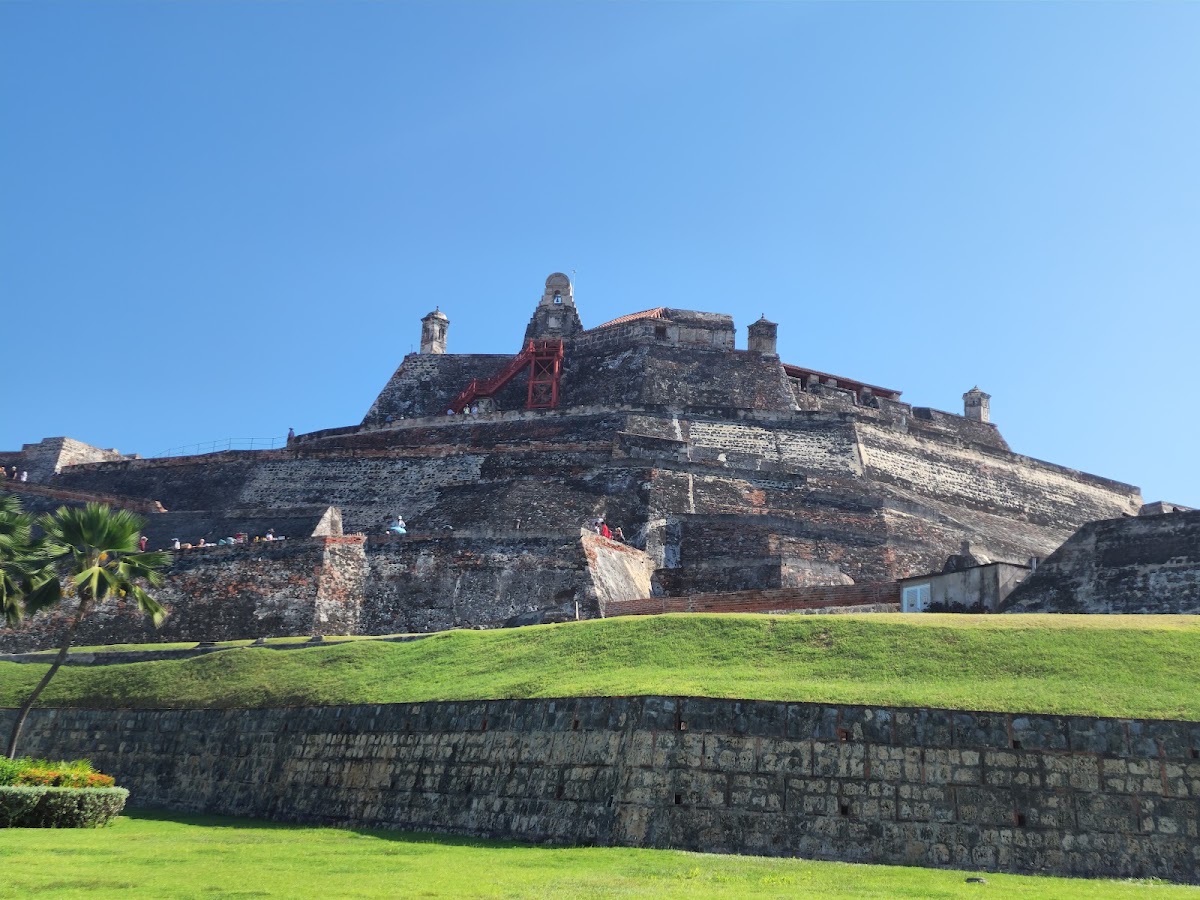
Castillo San Felipe de Barajas is the biggest Spanish fort in the Americas, hulking over Getsemani on its own hill. The genius is underground: a web of tunnels engineered so defenders could hear approaching boots. You can walk several of them.
Go with a guide or grab the audio tour, because the plain stone means nothing without the stories of sieges and slave-built engineering behind it. Entry runs around 30,000 COP (roughly 7 USD).
Come early, before 9am, or late afternoon. There is almost no shade on the ramps and the midday sun is brutal. From the top, the whole city and harbor open up below you.
Palenquera Fruit and the Zenu Gold
A woman in a bright ruffled dress balances a bowl of mango, papaya, and watermelon on her head, machete flashing as she cuts you a plate for a few thousand pesos.
The palenqueras are descendants of San Basilio de Palenque, the first free Black town in the Americas. Around Plaza de la Trinidad and the old town squares they sell fruit by the plate. Agree the price before she cuts, a few thousand pesos, and tip a little for the photo.
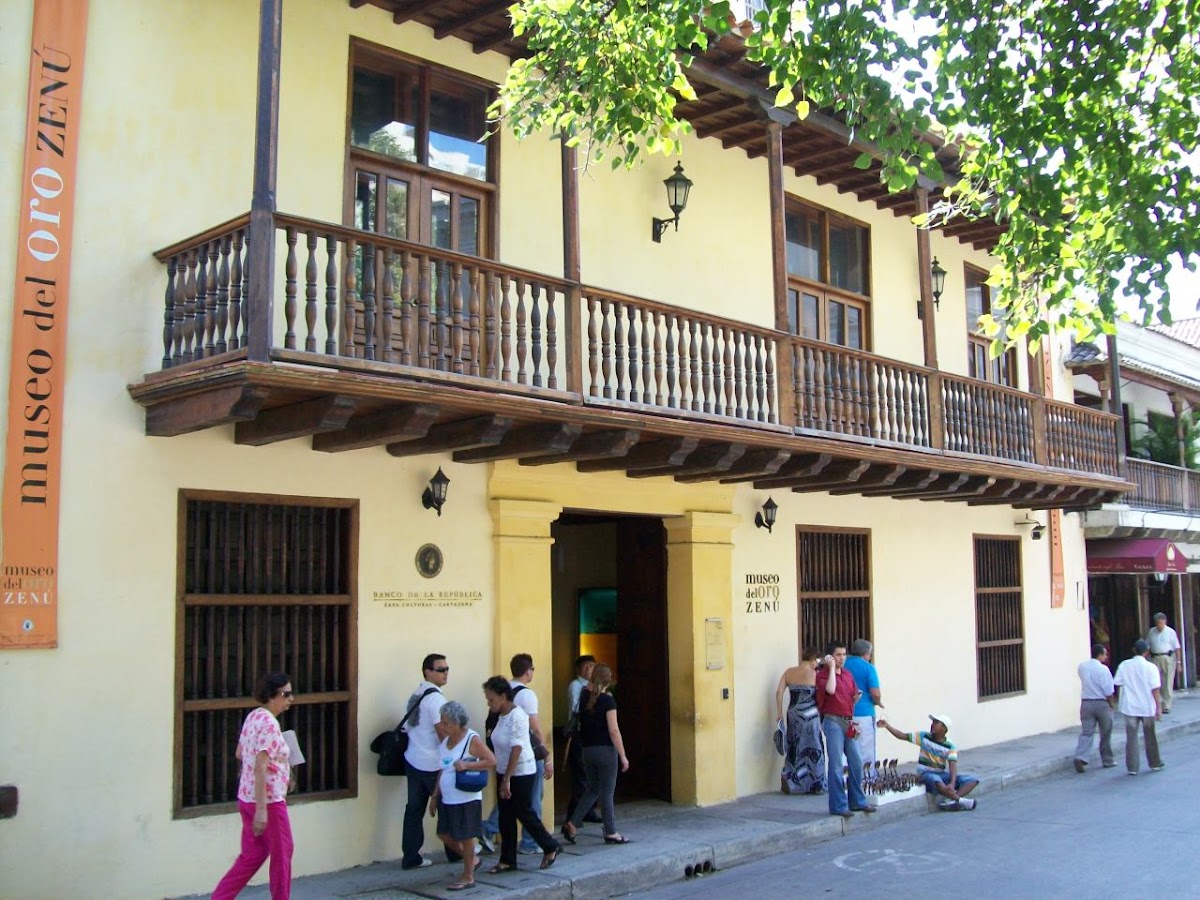
Then cool off inside the Museo del Oro Zenu on Plaza de Bolivar. It is small, air-conditioned, and free, and it holds pre-Columbian gold and pottery from the Zenu people who worked this coast long before the Spanish arrived.
The filigree gold work is jaw-dropping up close. Give it 45 minutes; it is the perfect midday escape from the heat.
The Rosario Islands, Where the Water Turns Impossible Blue
An hour out from the harbor the sea shifts from murky green to a turquoise so clear you can count fish over the reef from the boat rail.
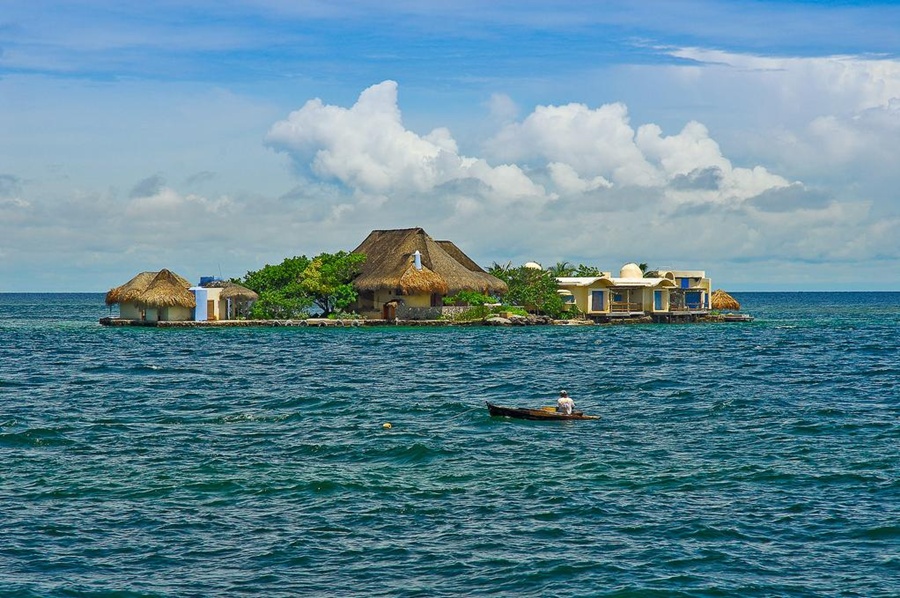
The Islas del Rosario are a coral archipelago about an hour by boat southwest of the city. This is your beach day, and it earns a whole day. Most trips land you on Isla Grande for a beachside lunch of fresh fish, coconut rice, and patacones.
The snorkelling is the reason to come. The reef is a protected national park, so the coral and fish life are healthy once you get past the busier stretches. Bring reef-safe sunscreen and reserve a spot with a smaller operator if you can, the mega-boats get crowded.
Book ahead in high season. Boats fill, and the good ones leave from the Muelle de la Bodeguita by mid-morning.
Getsemani, Where Every Wall Tells a Story
You turn onto Calle San Juan and a three-story mural of a palenquera stares down at you, then umbrellas strung overhead throw colored shade across the whole street.
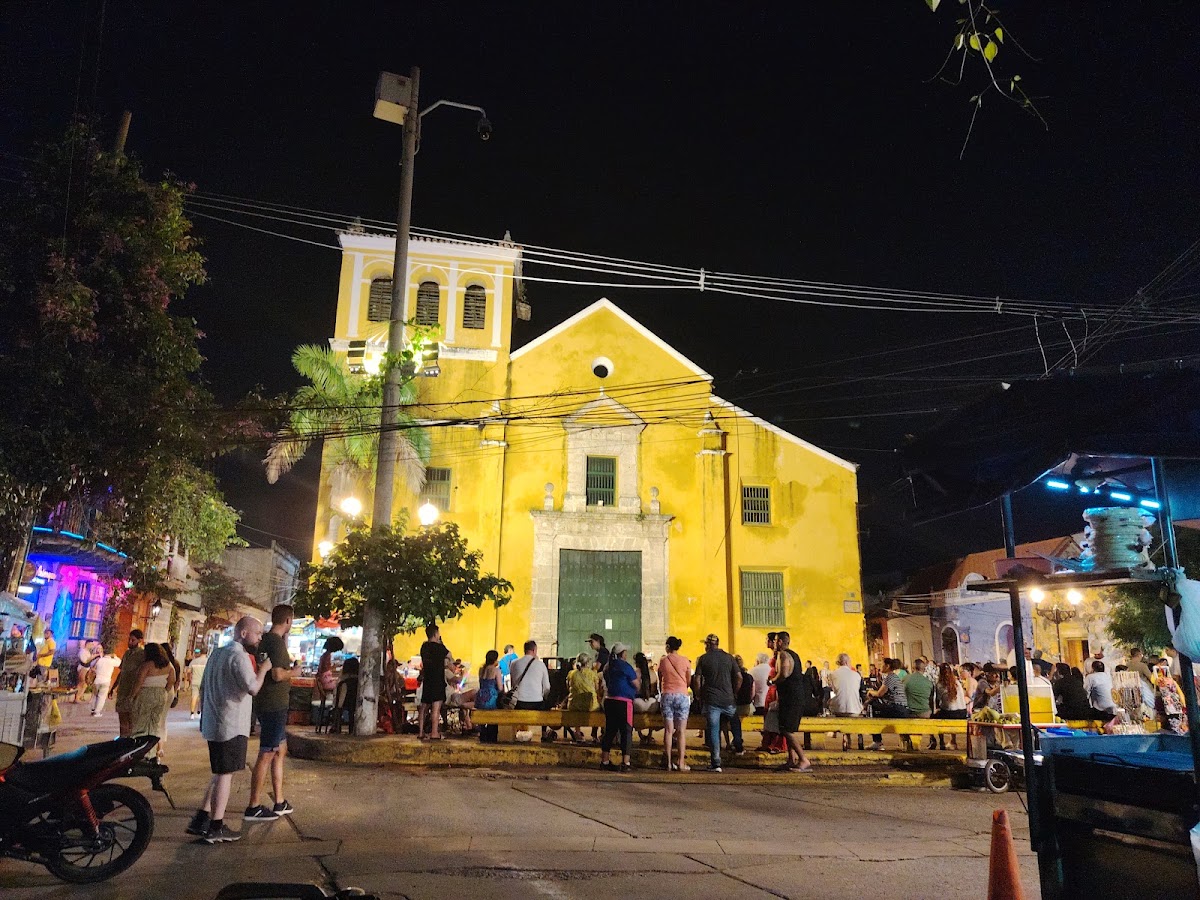
Getsemani was the working-class barrio just outside the walls, and it has become the most alive corner of Cartagena without losing its neighborhood feel. The street art is not decoration; a walking tour will read the murals for you, tracing history, protest, and local heroes across the walls.
Drift toward Plaza de la Trinidad as the afternoon cools. This little square is the heart of it: kids playing football, vendors selling arepas de huevo, people spilling out from the church steps with beers.
Leave a free afternoon here just to wander. The best of Getsemani is the alley you did not plan to walk down.
Salsa Until Your Feet Give Out
By 9pm the drums and horns pour out of every open doorway in Getsemani, and a teacher is already spinning you through a basic step you will absolutely botch, laughing.
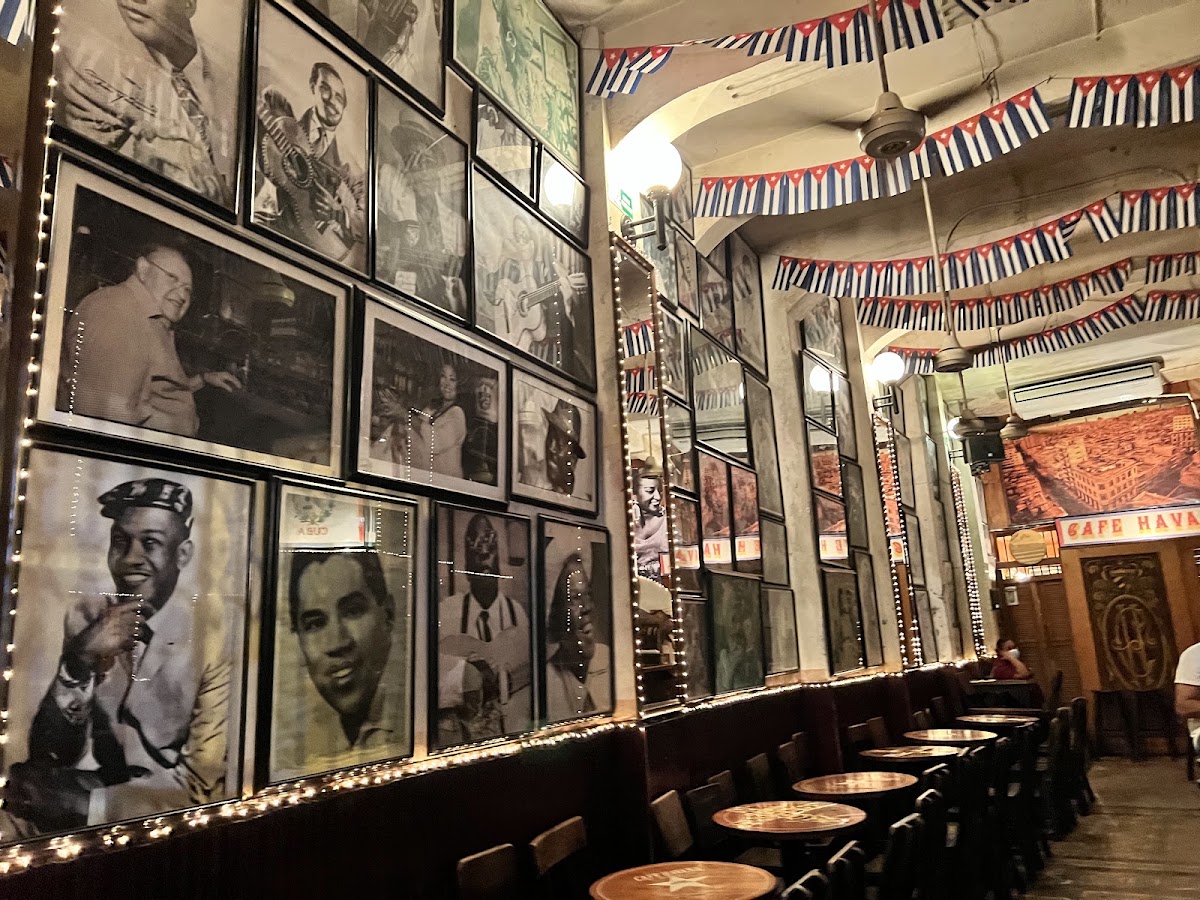
Cartagena runs on music after dark, and salsa is the language. Start with a class, most run early evening and finish loose enough that you can hold your own on a floor an hour later. Cafe Havana is the legendary spot, all live brass and sweat, but the smaller Getsemani bars are just as good and cheaper.
This is your last big night, so lean in. Buy the group a round of rum, take the second class, stay for the band. Nobody is judging your footwork.
Eat first. A rooftop dinner in the Walled City, with the cathedral lit up below, sets you up perfectly for a late one.
One Last Slow Breakfast Before the Airport
Morning light slants down the empty cobbles, the heat not yet cranked up, and a plate of eggs, arepa, and strong Colombian coffee waits on a quiet balcony.
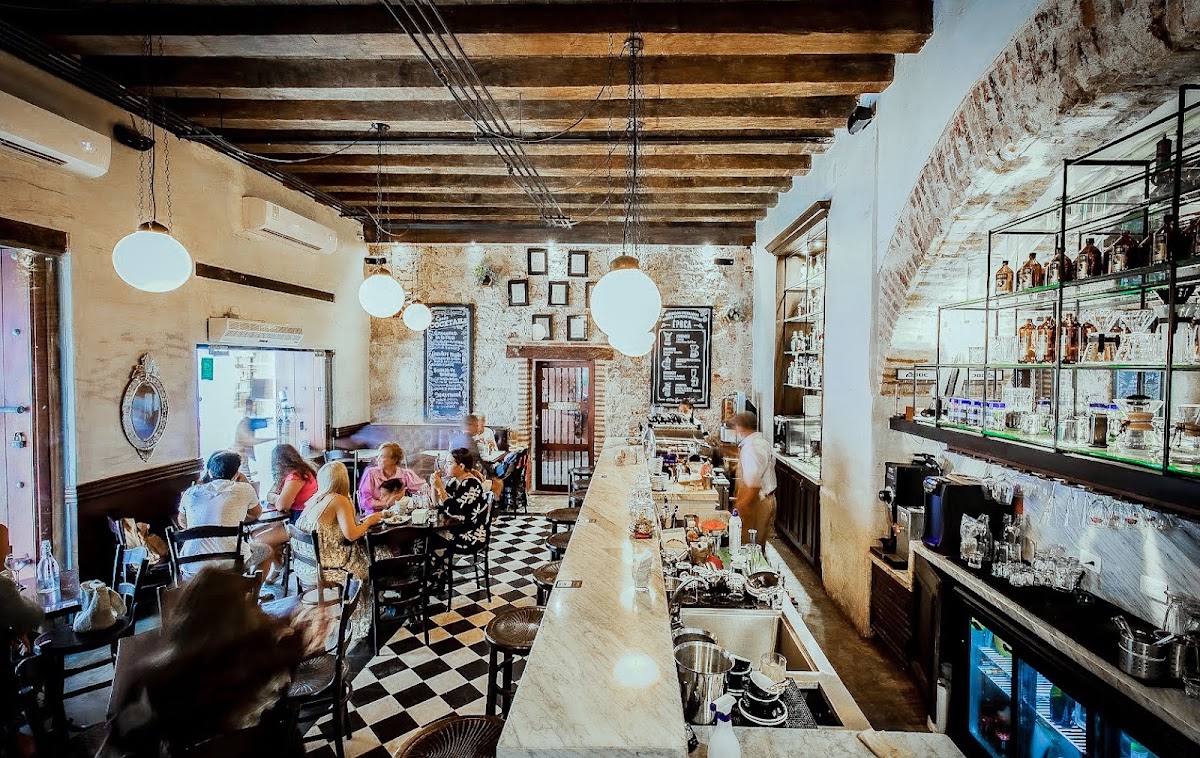
Give your last morning to a proper Walled City breakfast. The old town before the crowds arrive is a different place: peaceful, golden, all yours. Find a cafe with a balcony or a courtyard and take your time over the coffee, which is very good and very cheap.
The ride back to Rafael Nunez is short, but leave a buffer for morning traffic through Crespo. Pre-arrange your transfer the night before so you are not chasing a taxi with a suitcase.
Cartagena is a city you leave already planning to return to. Five days shows you the shape of it; the rest you come back for.
Ready to book?
Book the rest of Cartagena, Colombia
Handpicked partner searches, dates pre-filled. Pricing is identical to going direct — the partner shares a small commission with Tabi so this guide stays free.
Frequently asked
How many days do you need in Cartagena?
Four to five days is the sweet spot. That gives you a full day for the walled city and forts, a full day out on the Rosario Islands, time for Getsemani's street art and salsa, and a relaxed final morning. Three days works if you skip the islands, but the islands are worth staying for.
When is the best time to visit Cartagena?
The dry season from December to April brings the most reliable sun and calm seas for island trips, though it is also peak crowds and prices. September and October are the rainiest months. It is hot and humid all year, so pack light clothing and plan strenuous walking for mornings and evenings whenever you go.
Should I stay in the Walled City or Getsemani?
Both are great and a five-minute walk apart. The Walled City (Centro) is prettier, quieter, and more upscale, with boutique hotels in colonial buildings. Getsemani is livelier, more affordable, and where the music and nightlife happen. If you want early nights choose Centro; if you want to fall out of a salsa bar and into bed, choose Getsemani.
Is the Rosario Islands day trip worth it?
Yes, it is the standout day of most Cartagena trips. The water is genuinely turquoise and the coral reef is a protected national park with healthy snorkelling. Go with a smaller operator to avoid the crowded mega-boats, book ahead in high season, and bring reef-safe sunscreen since it is a conservation area.
Is Cartagena safe for tourists?
The old town and Getsemani are well-patrolled and generally safe to walk during the day and evening. Use normal city sense: watch belongings in busy squares, agree prices before buying from street vendors, and take registered taxis or a pre-booked ride at night. Check your government travel advisory before you go for the latest guidance.
Skip the planning
Your Cartagena, Colombia trip, ready to go
Adopt the day-by-day itinerary we built to match this guide. Every stop is a real place, every booking link is validated. Free forever, no card needed.
Open the Cartagena, Colombia itinerary