
Chiang Mai, Thailand
What to Do in Chiang Mai in 4 Days: Temples, Markets, and the Mountain Above the City
A walking log through the old city walls, up to the golden shrine on Doi Suthep, and into the loudest, most delicious markets in the north.
TL;DR
Chiang Mai packs 700 years of temples, a sacred mountain shrine, and three unmissable markets inside a city you can cross on foot in an afternoon.
- Climb the crumbling 600-year-old brick of Wat Chedi Luang
- Watch monks chant as dawn hits Wat Phra That Doi Suthep
- Eat your way down the Sunday Walking Street for pocket change
- Haggle for silver and silk at the buzzing Night Bazaar
- Smell dried chilies and mango at the local Warorot Market
Have this trip planned in 60 seconds
We built the Chiang Mai, Thailand itinerary that pairs with this guide, day-by-day with verified venues and one-tap booking links. Free to adopt, edit however you want.
The Broken Temple at the Center of Everything
A massive wall of sun-baked brick rises out of the trees, half of it sheared off by an earthquake five centuries ago, elephant statues still guarding the base.
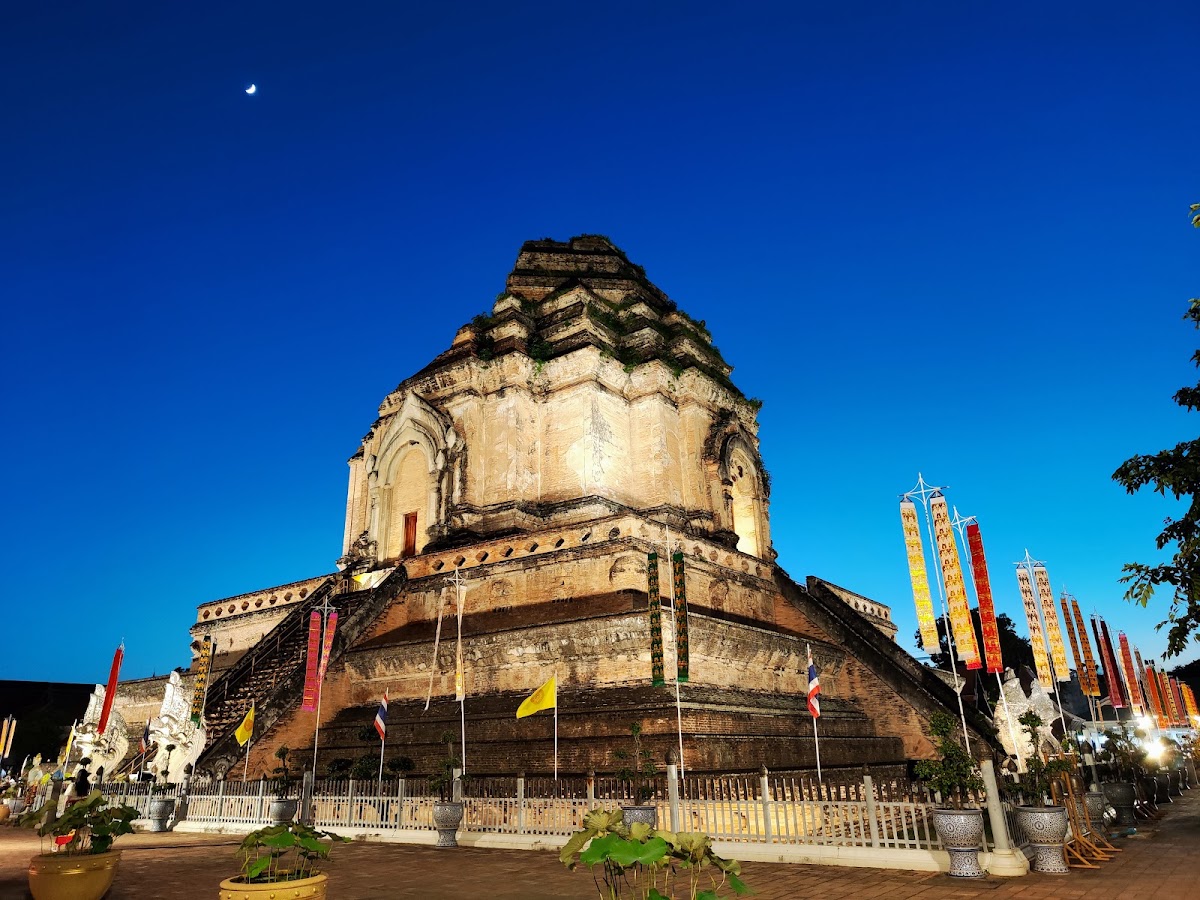
Start where the old city starts: Wat Chedi Luang, right in the middle of the square moat district. The chedi was once the tallest structure in the whole Lanna kingdom. A 1545 earthquake took the top off, and nobody ever rebuilt it, which is exactly why it feels so alive. You get to see the bones.
Walk a slow lap around the base in the late afternoon when the brick goes orange. Elephant sculptures line the lower terraces, worn smooth by time and weather. Entry runs about 40 baht (just over 1 USD), and you can usually find a shaded bench under the big yang trees in the compound.
If you time it for early evening, you may catch the 'monk chat' tables, where young novices practice English with visitors. Dress respectfully: shoulders and knees covered for everyone, and a sarong wrap is fine if you forgot.
Sunday Night, When the Whole Street Becomes Dinner
The smell hits first: grilled pork skewers, coconut pancakes, roasting chilies. Then the sound of a blind musician's guitar cutting through the crowd on Ratchadamnoen Road.
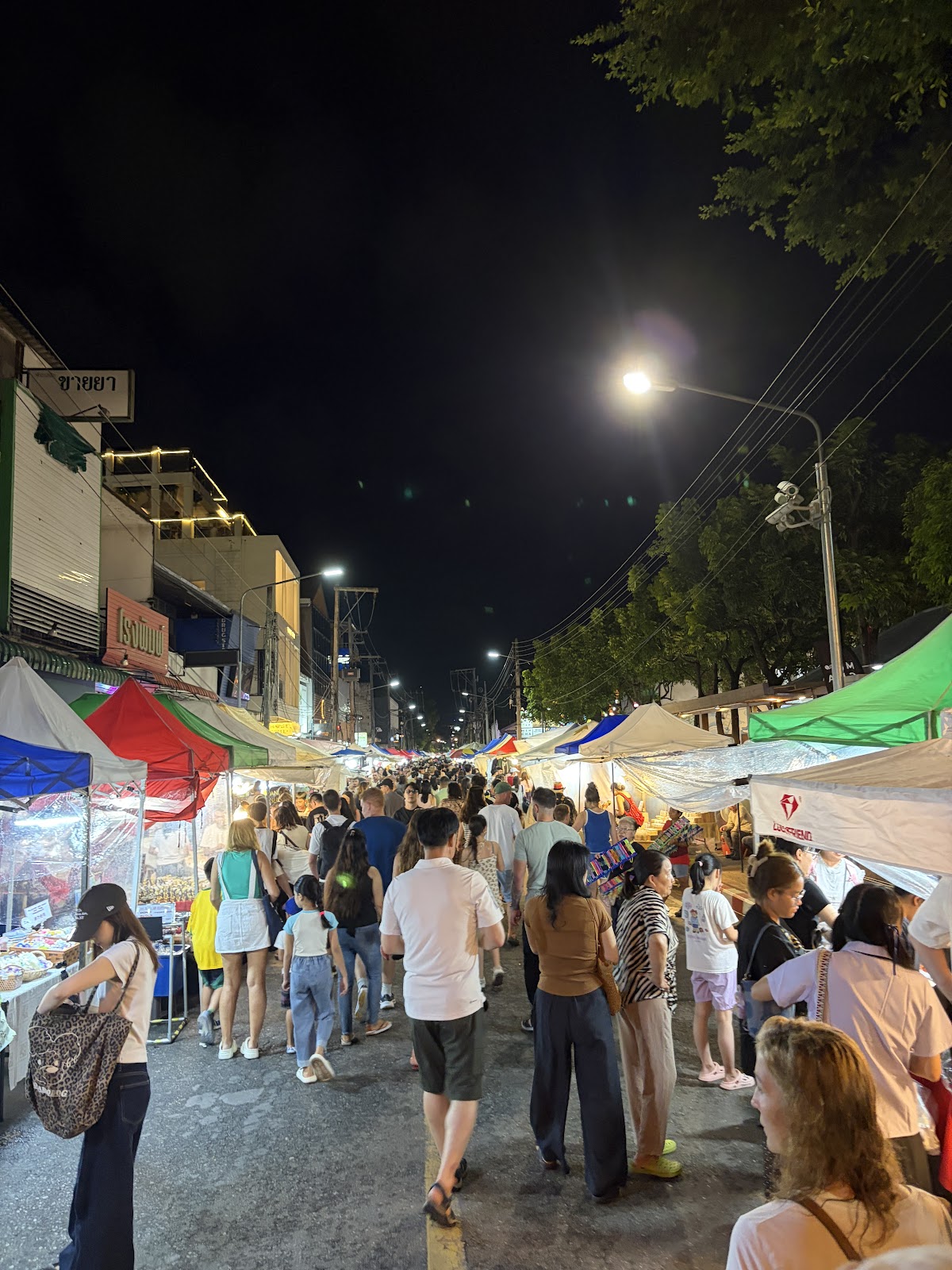
Every Sunday, the main road through the old city shuts to traffic and the Sunday Walking Street takes over, stretching from Tha Phae Gate deep into the temple district. This is the one to prioritize if your days line up, because it is bigger and more local than the nightly bazaar.
Come hungry and bring small bills. Most street food runs 20 to 60 baht a plate (under 2 USD), so you can graze your way along for the price of one restaurant meal back home. Look for khao soi, the northern curry noodle soup, and mango sticky rice sold out of coolers.
The handicrafts here lean genuinely handmade: hill-tribe textiles, carved wood, hand-poured soaps. Haggle gently and with a smile. By 8pm it is shoulder to shoulder, so go early if crowds wear you out.
The Ride Up the Mountain in an Open Red Truck
You pile into the back of a cherry-red songthaew, wind in your face, and the city drops away below as the road switchbacks up through dense forest.
To reach the famous shrine, you ride a songthaew (a shared pickup truck with bench seats) up Doi Suthep. Drivers gather near the old city and the university; a round trip typically costs around 150 to 200 baht per person when the truck fills up. It is bumpy, breezy, and half the fun.
The road climbs through Doi Suthep-Pui National Park, all tall teak and birdsong, the temperature dropping a few degrees as you rise. Agree on your fare and rough wait time with the driver before you set off, so the trip back down is sorted.
For route and park details straight from the source, the Tourism Authority of Thailand site (tourismthailand.org) is the one to check before you go.
306 Steps, Then the Golden Shrine That Guards the City
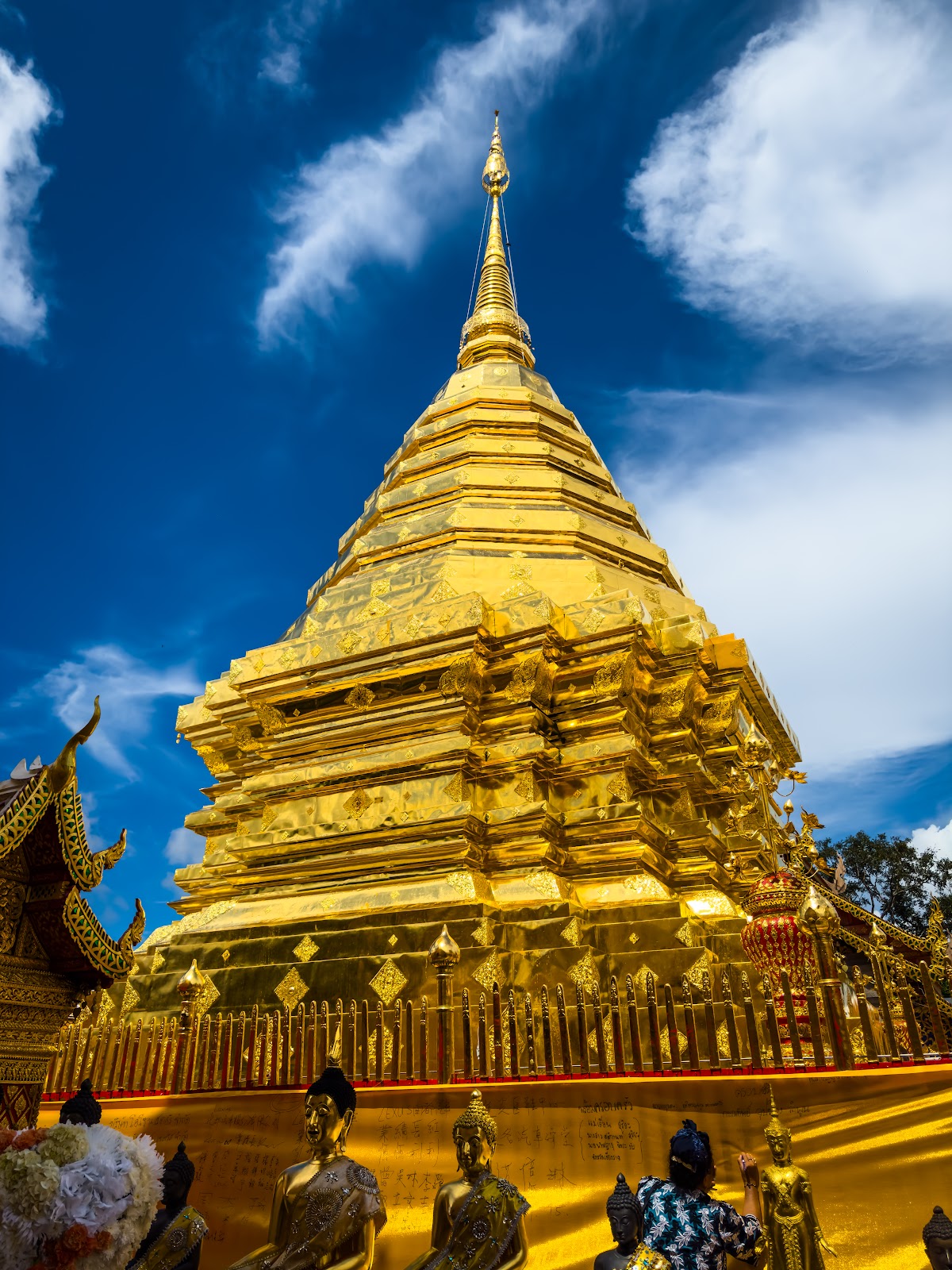
A dragon-railed staircase climbs into the clouds, and at the top a gold-plated chedi blazes so bright in the sun you have to squint, bells tinkling in the wind.
Wat Phra That Doi Suthep is the icon of northern Thailand, and it earns it. You climb the 306-step Naga staircase (two serpents coiling the length of the rail) to reach the terrace, or take the small funicular tram if the knees protest. Entry to the inner terrace is about 30 baht.
The central chedi is wrapped in gilded copper and surrounded by small shrines, umbrellas, and worshippers walking clockwise with lotus flowers. Go early, ideally before 9am, to beat the tour buses and catch monks chanting in the cool morning air.
From the viewpoint on the edge of the terrace, the whole Chiang Mai basin spreads out below you, hazy and green. On a clear day you can trace the square of the old city moat you walked the day before.
The Lanna Jewel Box in the Old City
Step out of the glare into a dim, teak-lined hall where gold-leaf pillars rise toward a painted ceiling, and a small revered Buddha sits serene behind flickering candles.
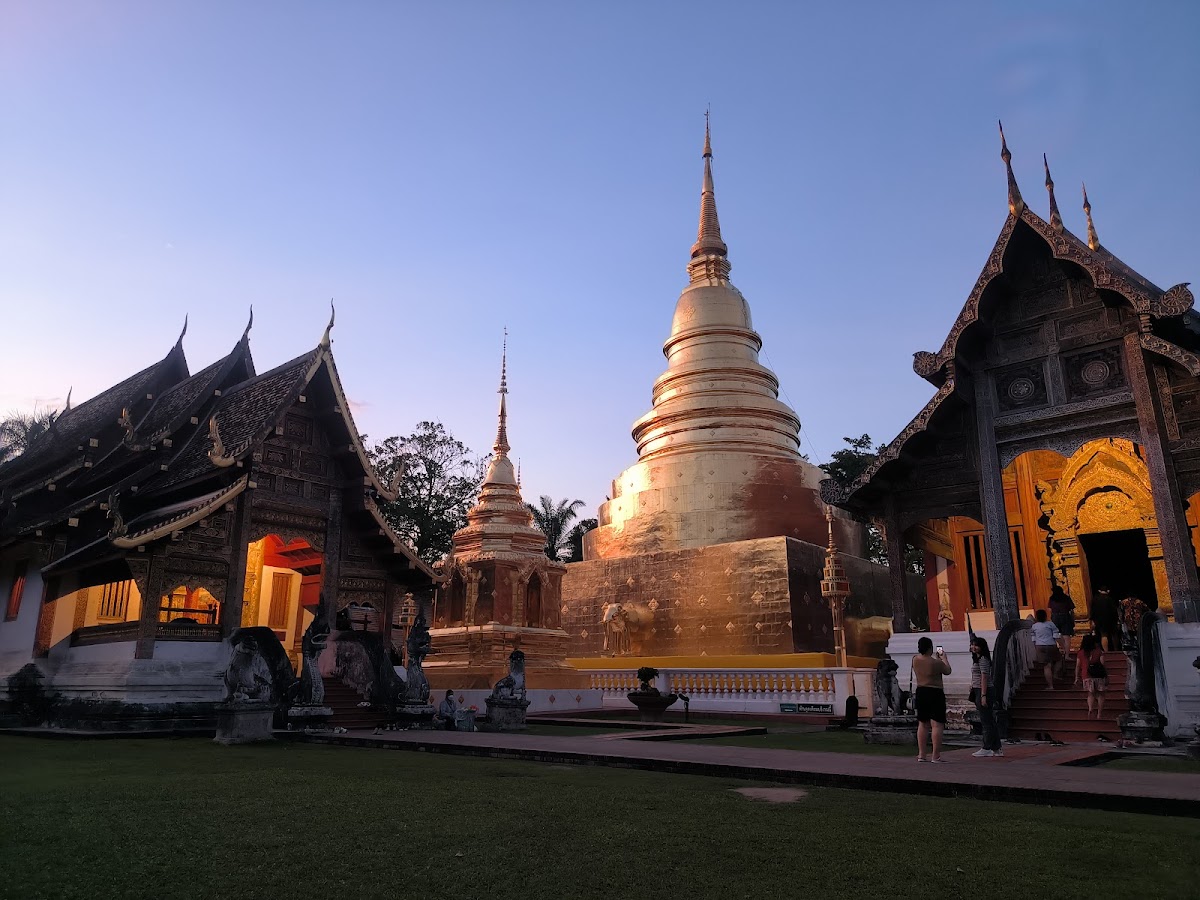
Back inside the walls, Wat Phra Singh is the most beloved temple in the old city, and the best example of classic Lanna architecture you will see. The main viharn is all warm wood and gilded stencil work, cool and quiet even when the courtyard is busy.
The temple houses the Phra Singh Buddha image, central to the city's Songkran new year celebrations in April. Linger in the smaller library building, raised on a stone base carved with celestial figures. Entry is around 20 to 40 baht.
It sits a short, flat walk from Wat Chedi Luang, so you can string the old city temples together on foot. Midday is hot, so grab an iced coffee from one of the little cafes along Ratchadamnoen between stops.
Where the City's Story Is Laid Out for You
Inside a graceful colonial-era building facing the Three Kings Monument, cool air and quiet galleries walk you through 700 years of Lanna history.
If the temples leave you wanting the full backstory, the Chiang Mai City Arts and Cultural Centre is the place to make sense of it all. It sits in a handsome early-1900s building on the plaza behind the Three Kings Monument, dead center in the old city.
The exhibits trace the founding of the kingdom, the rice-and-water culture, the hill tribes, and the reasons every temple you just visited looks the way it does. It is air-conditioned, calm, and a welcome midday reset. Entry is around 90 baht.
Give it an hour. You will walk back out onto those same streets seeing the carvings and chedis with a lot more context, which makes the rest of the trip richer.
Lanterns, Silver, and a Thousand Stalls After Dark
Strings of paper lanterns glow overhead, a vendor fans glowing coals under satay, and the clink of silver jewelry mixes with live music spilling from the food courts.
The Chiang Mai Night Bazaar runs every single night along Chang Klan Road, east of the old city. Unlike the Sunday street, this one leans into shopping: silver, silk scarves, lacquerware, carved soap flowers, and knock-off everything, plus lantern-strung food courts tucked between the stalls.
This is the place to practice the friendly back-and-forth of bargaining. A first price is an opening offer, not the real one. Smile, name a number, meet somewhere in the middle, and you will both leave happy.
Duck into one of the covered food halls like Kalare or Anusarn when you need a sit-down break. A plate of pad see ew and a cold Chang beer runs well under 150 baht, and the live bands make it a good long evening.
The Market Locals Actually Shop, Before You Fly
No lanterns for tourists here, just mountains of dried chilies, fried pork rinds in paper bags, bolts of fabric, and the warm smell of fresh curry paste being pounded.
Save your last morning for Warorot Market, known to locals as Kad Luang. This is the real deal: a sprawling, no-frills indoor-outdoor market near the river where Chiang Mai does its actual shopping. It is the best stop for edible souvenirs.
Fill a bag with northern specialties: nam prik chili dips, sai ua (the herby grilled sausage), dried fruit, and crispy pork crackling called cab moo. Prices are already low and fixed-ish, so there is little haggling needed. The flower market along the edge is worth a wander even if you buy nothing.
From here it is a short drive to Chiang Mai International Airport, which sits remarkably close to the center. Give yourself a little buffer, grab one last iced Thai tea for the road, and you are off.
Ready to book?
Book the rest of Chiang Mai, Thailand
Handpicked partner searches, dates pre-filled. Pricing is identical to going direct — the partner shares a small commission with Tabi so this guide stays free.
Frequently asked
How many days do you need in Chiang Mai?
Four days is the sweet spot for the city itself: one for the old city temples, one for Doi Suthep, one for culture and the Night Bazaar, and a final morning at Warorot Market before flying out. If you want to add an ethical elephant sanctuary day trip or a cooking class, stretch it to five or six.
What is the best way to get up to Wat Phra That Doi Suthep?
Shared red songthaew trucks run up the mountain from the old city and the university area, usually around 150 to 200 baht per person round trip once the truck fills. Agree on the fare and your return wait time before setting off. A private transfer or guided tour is easier if you want to skip the wait.
Which Chiang Mai market should I prioritize?
If your trip includes a Sunday, the Sunday Walking Street is the standout for food and handmade crafts. The Night Bazaar on Chang Klan runs nightly and is best for shopping and lantern-lit food courts. Warorot Market is the pick for local edible souvenirs and a glimpse of everyday Chiang Mai.
What should I wear to the temples?
Shoulders and knees covered for everyone, men and women alike. Lightweight long pants or a skirt work well in the heat, and a scarf or sarong is handy to wrap over bare shoulders. You will also remove your shoes before entering temple halls, so slip-on footwear saves time.
When is the best time of year to visit Chiang Mai?
November to February brings cool, dry, comfortable weather and is the most popular window. Avoid roughly March into April, when agricultural burning causes heavy haze across the north. April also brings the soaking Songkran new year water festival, which is a blast if you do not mind getting drenched.
Skip the planning
Your Chiang Mai, Thailand trip, ready to go
Adopt the day-by-day itinerary we built to match this guide. Every stop is a real place, every booking link is validated. Free forever, no card needed.
Open the Chiang Mai, Thailand itinerary