
Chicago, United States
What to Do in Chicago in 4 Days: The River, the Blues, and the Lake
A picture-first walk through Chicago's skyline, deep-dish, and the lakefront you won't want to leave.
TL;DR
Chicago hits harder than you expect: a city of steel and water where every block wants to show off, and the food fights back.
- Glide under the bridges on the architecture river cruise
- Watch strangers grin at their own reflections in Cloud Gate
- Sink a fork into deep-dish that's more casserole than pizza
- Feel a blues guitar shake a South Loop basement at midnight
- Stand on glass 1,353 feet up at the Willis Tower Skydeck
Have this trip planned in 60 seconds
We built the Chicago, United States itinerary that pairs with this guide, day-by-day with verified venues and one-tap booking links. Free to adopt, edit however you want.
The Best Way to Meet Chicago Is From the Water
The boat cuts under the first bridge and the whole skyline leans over you, glass and steel and old terracotta all crowding the riverbank.
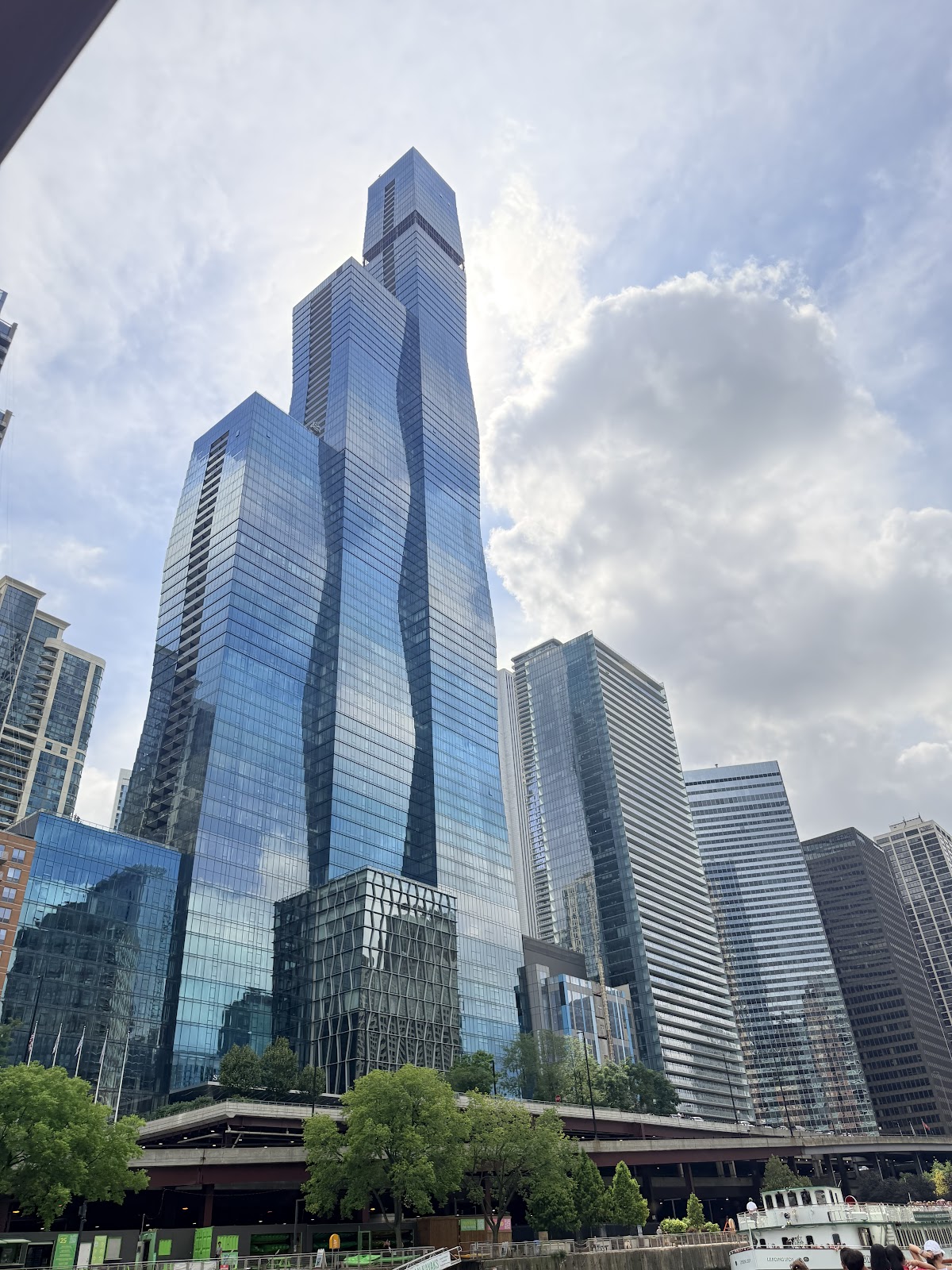
Start here, before anything else. The Chicago Architecture River Cruise pushes off from the docks near the Chicago Architecture Center at 112 E Wacker Drive, and for 90 minutes a docent points out buildings the way a friend points out old flames: with stories, opinions, a little gossip.
You learn to read the city fast. The black Marina City corncobs, the wedding-cake Wrigley Building lit up white, the way the river actually flows backward (they reversed it in 1900, and yes, that's a real thing). Sit on the open upper deck if the weather holds.
Tickets run around $57 (roughly $57 USD) through the Architecture Center or GetYourGuide operators. Book a late-afternoon slot so the light goes gold on the west-facing facades.
Dinner That Comes With a Wait and a Knife
The waiter sets down a cast-iron pan and the cheese is still bubbling at the edges, a wall of it, held in by a crust that crackles when you cut.
River North is where you go for your first deep-dish, and you should treat it as an event, not a snack. This is not the thin folded slice of your imagination. It's built like a pie, tomato chunks on top, sausage in a solid layer below, and it takes 30 to 45 minutes to bake, so order a starter and slow down.
Walk it off afterward. River North's galleries and neon signs make for a good post-dinner wander, and the streets stay lively past 10pm.
Expect around $30 to $40 per person (roughly $30 to $40 USD) with a drink. One personal deep-dish easily feeds two people who already had appetizers, so pace yourselves.
The Mirror That Everyone Photographs and No One Regrets
You see the skyline bent into a silver bean, then you see yourself upside down inside it, then you see forty other people all laughing at the same trick.
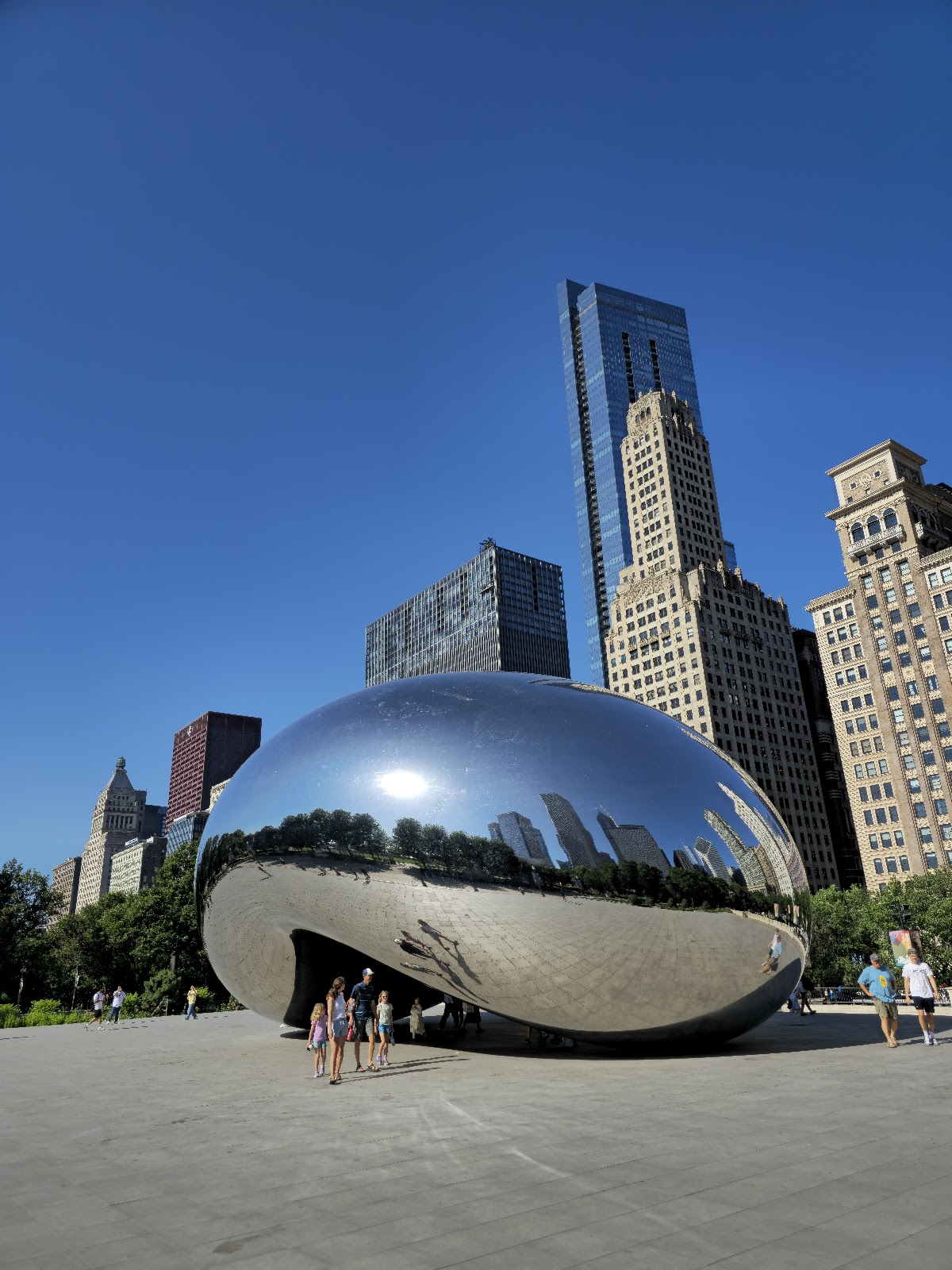
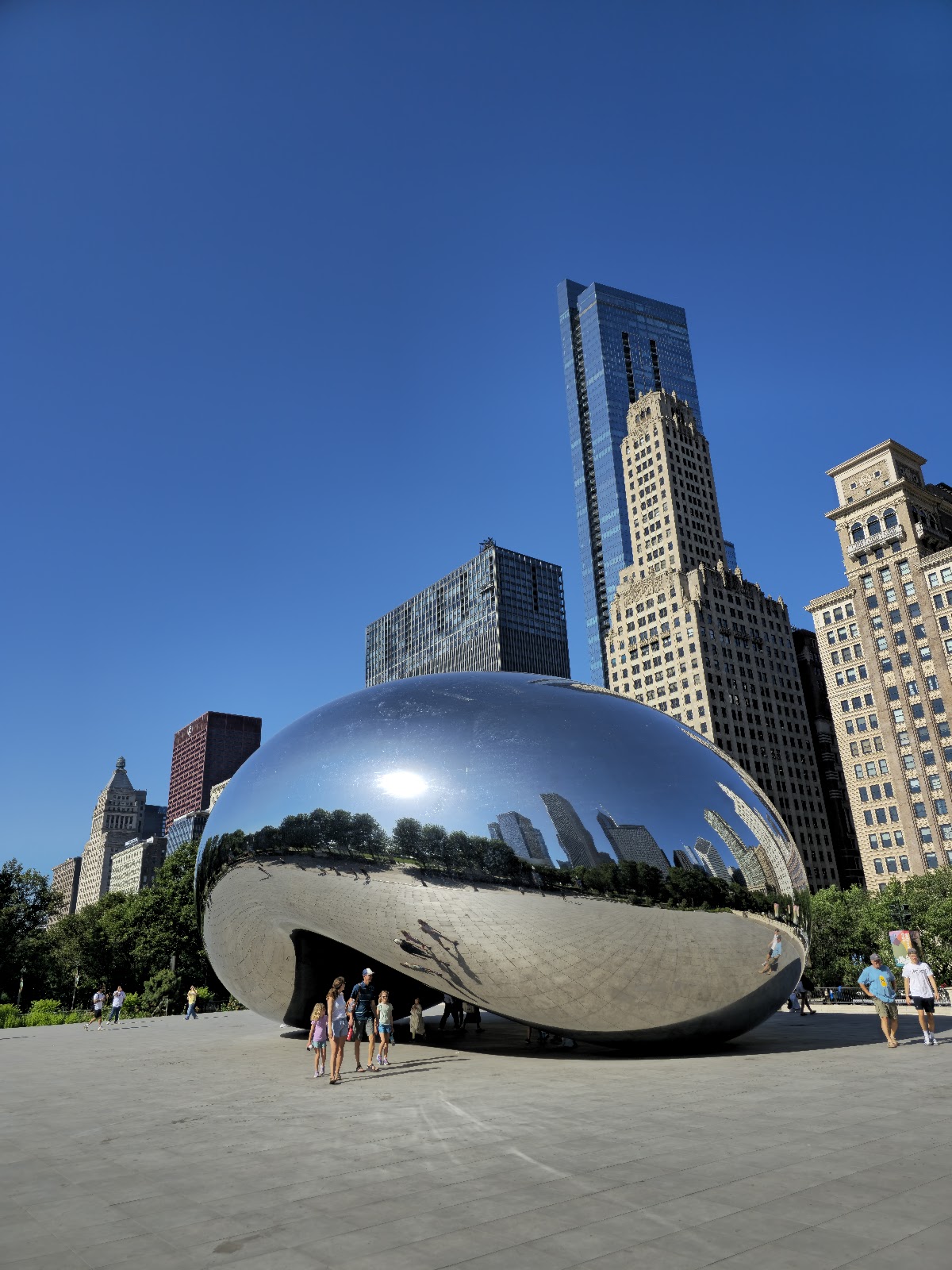
Cloud Gate, the polished steel sculpture everyone calls The Bean, sits in Millennium Park at 201 E Randolph Street. Walk underneath it into the concave belly and the reflections fold into a kaleidoscope. It's free, it's always open, and it's honestly worth two visits: once in daylight for the skyline reflection, once after dark for the lit towers.
The rest of the park earns your morning too. The Crown Fountain spits water from giant projected faces in summer, and the Pritzker Pavilion's silver ribbons frame free concerts on warm evenings.
Grab lunch first at one of the Loop food halls a few blocks south, where you can graze on tacos, poke, or a Chicago hot dog (no ketchup, they mean it) for under $15.
The Room Where the Sunday Afternoon Painting Lives
You turn a corner and there it is, life-sized and dotted, the park picnic you've seen on a hundred posters, suddenly real and enormous on the wall.
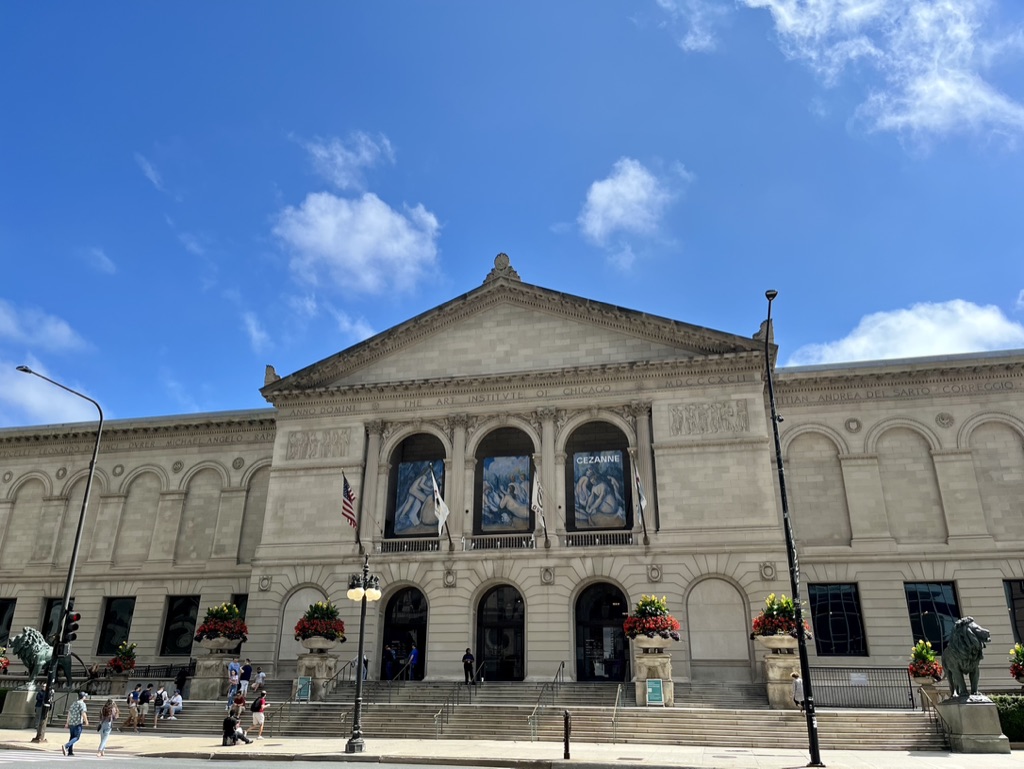
The Art Institute of Chicago at 111 S Michigan Avenue is one of the great museums on the planet, and you feel it the moment you climb the lion-flanked steps. Seurat's "A Sunday on La Grande Jatte," Hopper's lonely "Nighthawks" diner, Grant Wood's "American Gothic," they all live here, along with rooms of Monet haystacks and a serious modern wing.
Don't try to see everything. Pick two wings, the Impressionists and the American galleries are a good pairing, and let the rest go. Your feet will thank you.
Adult admission is around $32 (roughly $32 USD), a little less for Illinois residents. Give it at least two hours, more if you love a slow gallery day.
A Blues Guitar That Rattles the Ceiling Tiles
The bass line hits your chest before you're even through the door, and a guitarist bends a note so long you forget to breathe.
Chicago blues isn't a museum piece here, it's a Wednesday night. Head to a South Loop club after dinner and settle in for a set. The rooms are small, the ceilings low, and the players are the real thing, working musicians who learned this city's sound from the people who invented it.
Get there early for a seat near the front, order a beer, and don't check your phone. The magic is in watching a band lock in and take a slow song somewhere unexpected.
Cover charges usually run $10 to $20 (roughly $10 to $20 USD), sometimes with a two-drink minimum. Cash makes the night smoother.
Where the City Softens Into Trees and Sea Lions
A sea lion slides off a rock into green water while, past the fence, the downtown towers glitter like a different world entirely.
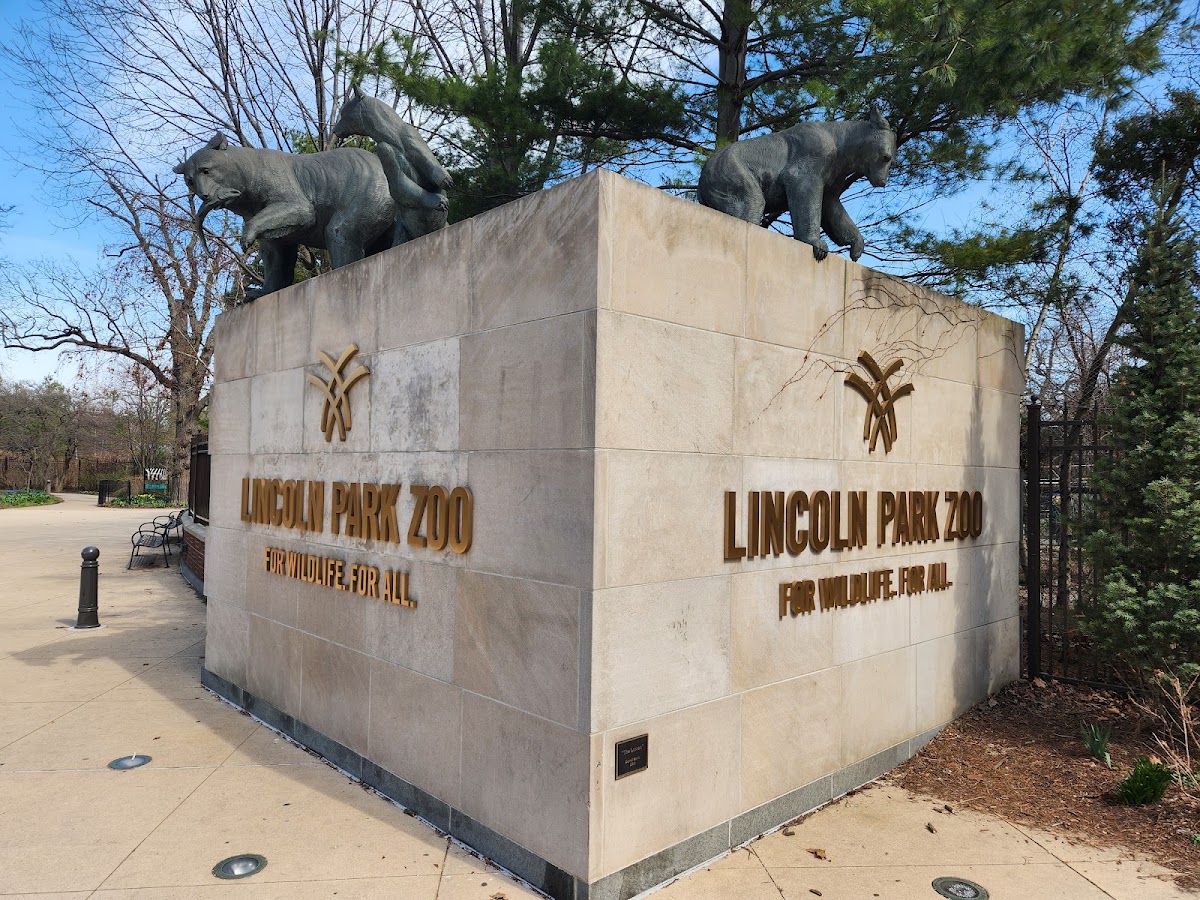
Day three belongs to Lincoln Park, and it starts at the Lincoln Park Zoo, 2001 N Clark Street. Here's the best part: it's completely free and open year-round. Lions, gorillas, penguins, and a farm-in-the-city barn, all set against a skyline backdrop that makes every animal photo look staged.
Grab lunch in the surrounding Lincoln Park neighborhood, all leafy streets and easygoing cafes, then come back later for dinner in Wicker Park, where the crowd skews younger and the menus get more adventurous.
The zoo is genuinely a couple of hours well spent, and the price (nothing) makes it an easy yes even if you only wander for 45 minutes.
The Path Along the Lake That Feels Like an Ocean
The water stretches flat to the horizon with no far shore in sight, joggers stream past, and the wind off Lake Michigan smells clean and cold.
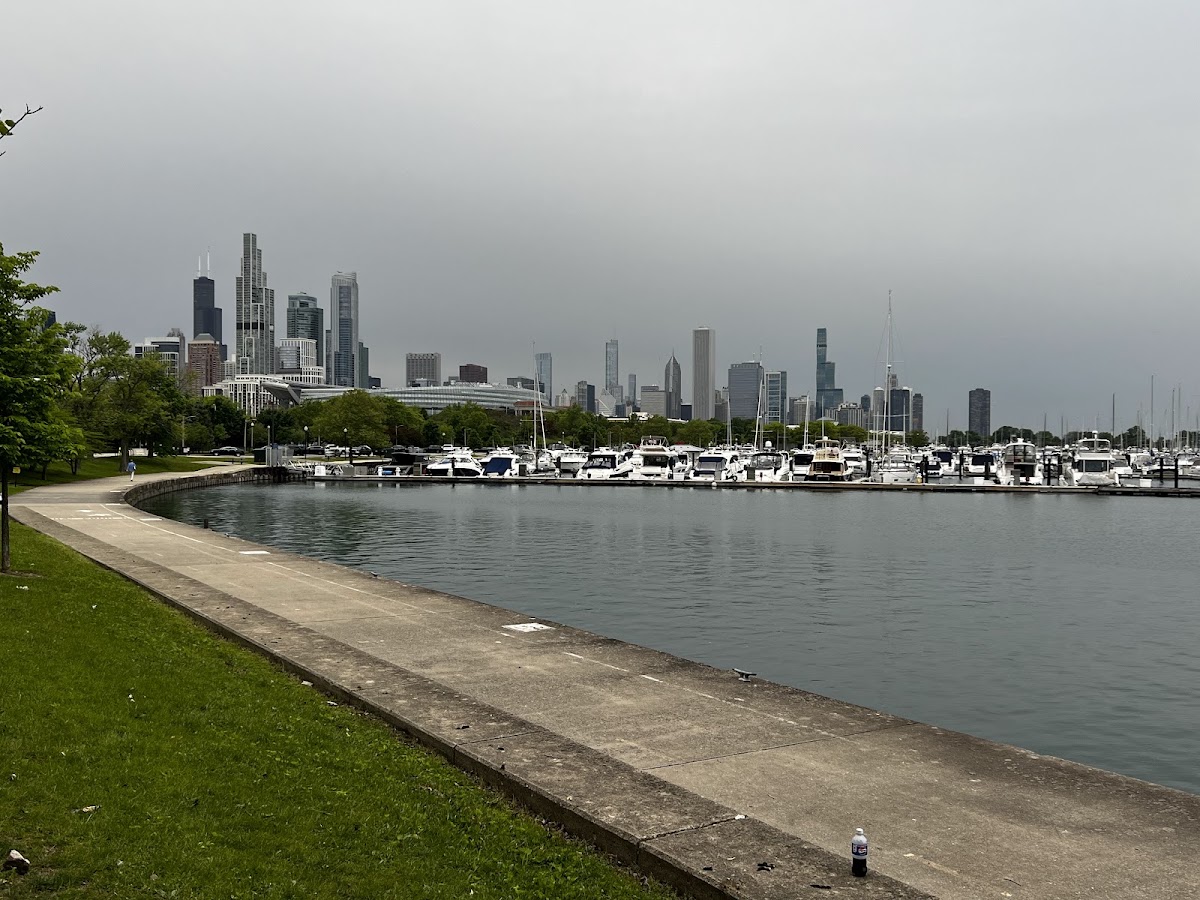
The Lakefront Trail runs about 18 miles along the water, and an afternoon here resets you. Rent a bike or just walk a stretch from North Avenue Beach south toward the harbor, where sailboats bob and the skyline rises straight out of the greenery.
This is the Chicago locals actually use. Runners, cyclists, families flying kites, people just sitting on the breakwater watching the light change. Free, open, and easy to fold into a slow afternoon.
If the weather turns (it can, fast, off the lake), the trail is still worth the short version. Even 30 minutes by the water is the best free thing this city gives you.
Standing on Glass, 103 Floors Up
You step out onto the clear glass ledge, look straight down 1,353 feet at the tiny streets, and your stomach does a slow, delicious flip.
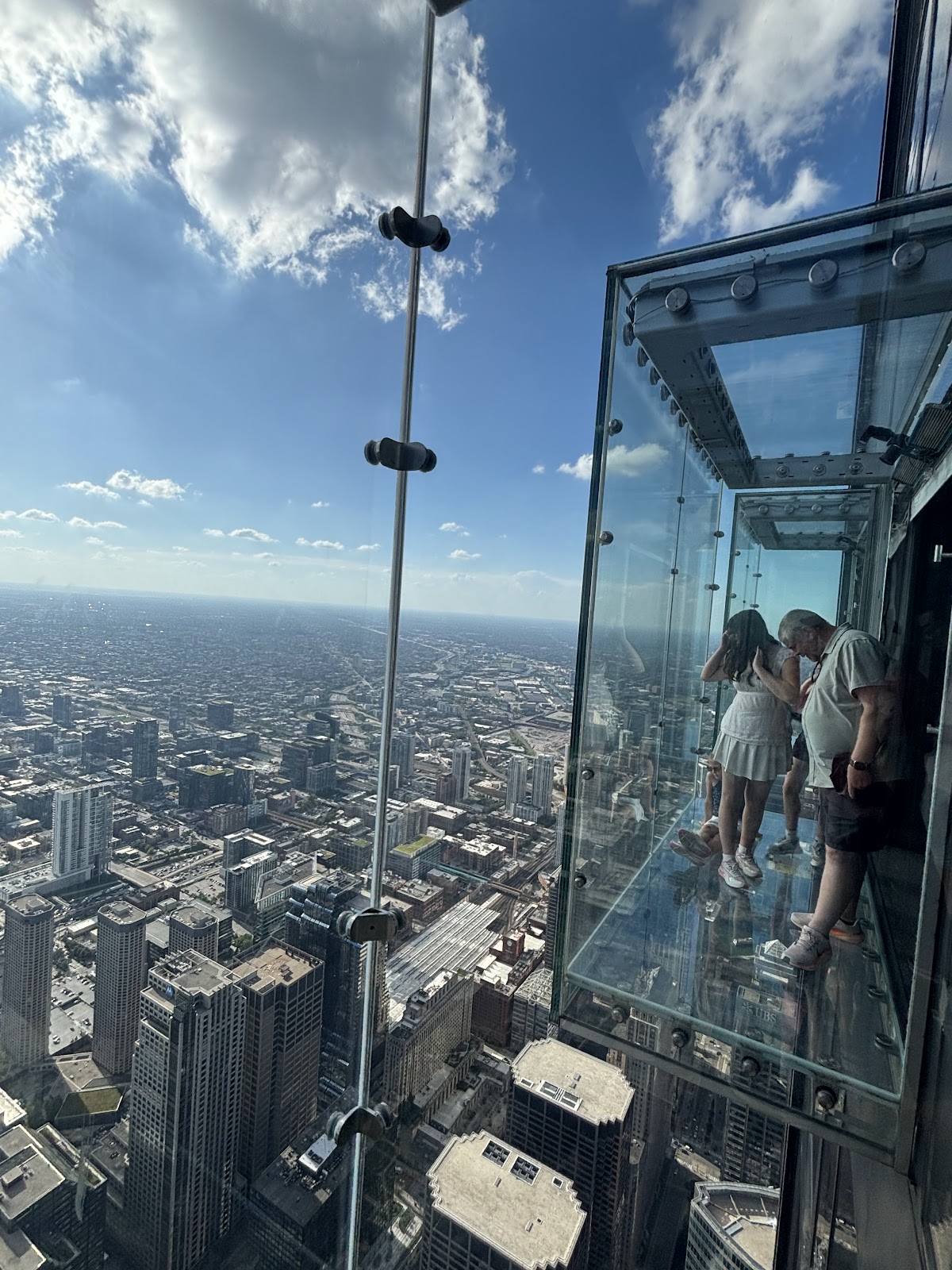
Save the big view for last. Skydeck Chicago at the Willis Tower, 233 S Wacker Drive, puts you on the 103rd floor with glass boxes called The Ledge that jut out over the city. On a clear day you can see four states. On any day, stepping onto the transparent floor is a small, giddy dare.
Go late afternoon and stay for sunset if you can time it, watching the grid of lights flicker on across the whole flat expanse of the Midwest.
Tickets are around $36 (roughly $36 USD), more for fast-track entry. Book online to skip the longest lines, then head straight for the airport transfer once you're back at ground level.
Ready to book?
Book the rest of Chicago, United States
Handpicked partner searches, dates pre-filled. Pricing is identical to going direct — the partner shares a small commission with Tabi so this guide stays free.
Frequently asked
How many days do you need in Chicago?
Four days is the sweet spot for a first visit. It covers the architecture river cruise, Millennium Park, the Art Institute, a blues club, Lincoln Park, the lakefront, and the Willis Tower Skydeck without feeling rushed. Three days works if you cut one neighborhood.
What's the best time of year to visit Chicago?
Late spring (May to June) and early fall (September to October) hit the sweet spot: mild temperatures, active lakefront, and outdoor concerts in Millennium Park. Summer is lively but hot and busy. Winter is beautiful but brutally cold off the lake, so pack accordingly.
Do I need a car in Chicago?
No. The downtown sights are walkable, and the CTA trains and buses connect the neighborhoods easily. Both O'Hare and Midway airports link to downtown by train. Save a car rental only if you plan day trips beyond the city.
Is the deep-dish pizza actually worth it?
Yes, once. It's a genuine Chicago experience, more of a cheesy casserole than a quick slice, and it takes 30 to 45 minutes to bake. Order it in River North, share it, and don't expect to eat it every day. Locals eat thin-crust tavern-style more often.
How much does the Willis Tower Skydeck cost and should I book ahead?
Skydeck tickets run around $36, with fast-track options costing more. Booking online is smart to skip the longest queues, especially on weekends and in summer. Aim for late afternoon so you can catch the city lights coming on at dusk.
Skip the planning
Your Chicago, United States trip, ready to go
Adopt the day-by-day itinerary we built to match this guide. Every stop is a real place, every booking link is validated. Free forever, no card needed.
Open the Chicago, United States itinerary