
Colombo, Sri Lanka
What to Do in Colombo in 6 Days: Ocean Breezes, Temples, and the Crab You'll Talk About
A picture-first walk through Sri Lanka's coastal capital, from the Galle Face waves to the mural-covered temple in the hills of Kelaniya.
TL;DR
Colombo doesn't shout for your attention, it just quietly hands you a plate of crab and a sea breeze and lets you fall for it.
- Ministry of Crab, where the claws come bigger than your hand
- Sunset at Galle Face Green with a kottu stall sizzling behind you
- Gangaramaya Temple's brass Buddhas and the little rescued elephant
- Pettah Market's color chaos and the red-and-white striped mosque
- Mount Lavinia Beach at golden hour, toes in warm sand
Have this trip planned in 60 seconds
We built the Colombo, Sri Lanka itinerary that pairs with this guide, day-by-day with verified venues and one-tap booking links. Free to adopt, edit however you want.
The Crab That Started It All
A lagoon crab the size of a dinner plate arrives glossy with pepper sauce, and the whole table goes quiet for a second.
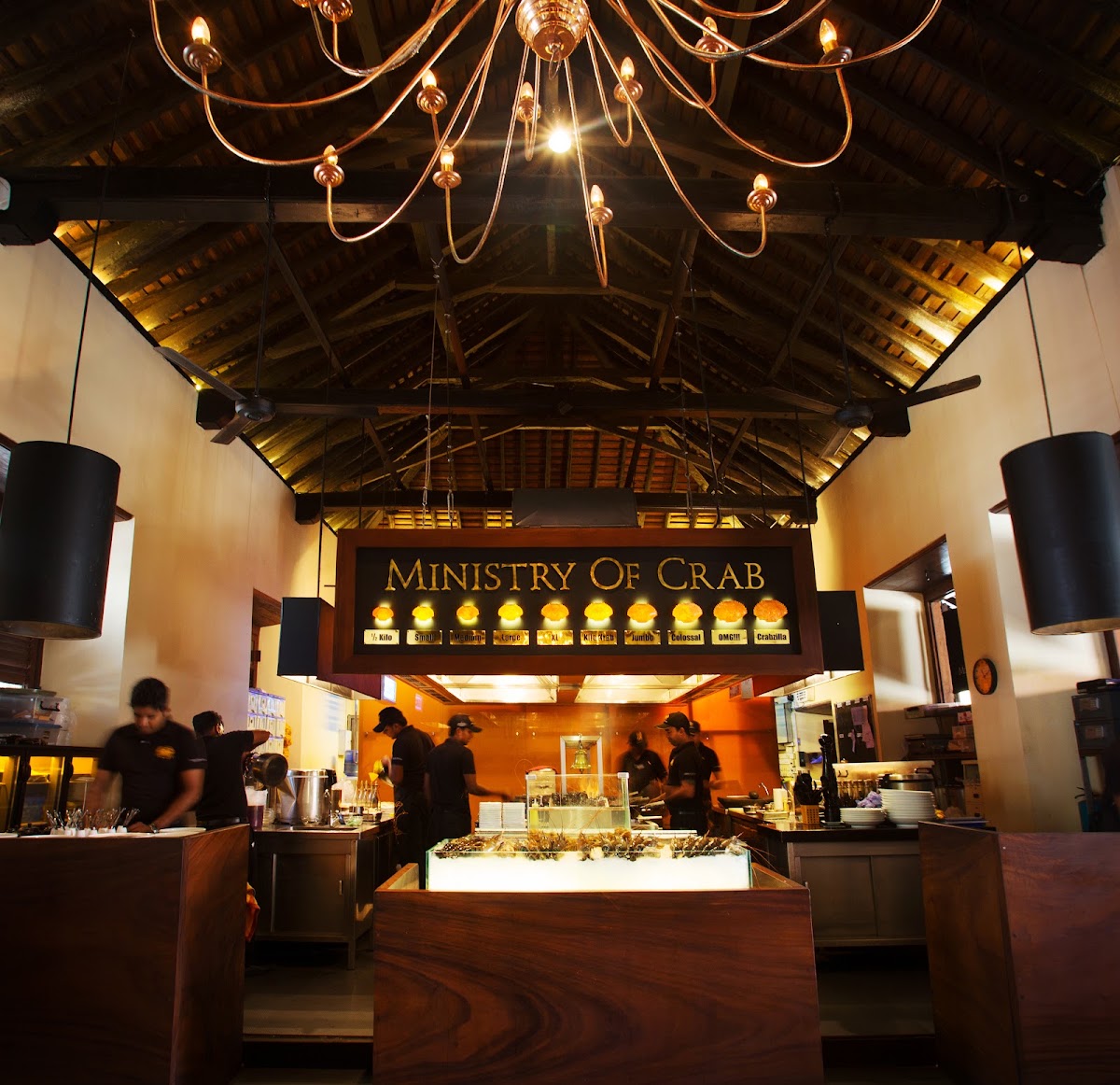
You land, you drop your bags, and you go straight here. Ministry of Crab sits inside the Old Dutch Hospital, a low colonial building with thick white arches and a courtyard strung with soft light. The crabs are graded by weight on the menu, and yes, you can order one called the Crabzilla if you want to make a memory.
Get the pepper crab or the garlic chilli, order the kade (Sri Lankan bread) to mop the sauce, and accept that you will be wearing a bib and loving it. Book ahead, this place fills fast most nights.
When you finally roll out into the courtyard, the whole Dutch Hospital precinct is worth a slow lap. Cafes, a few boutiques, and the kind of evening warmth that tells you the trip has properly begun.
Where the City Meets the Sea
Kites tug overhead, the Indian Ocean thumps against the wall, and someone hands you a paper cone of hot isso vadai (prawn fritters).
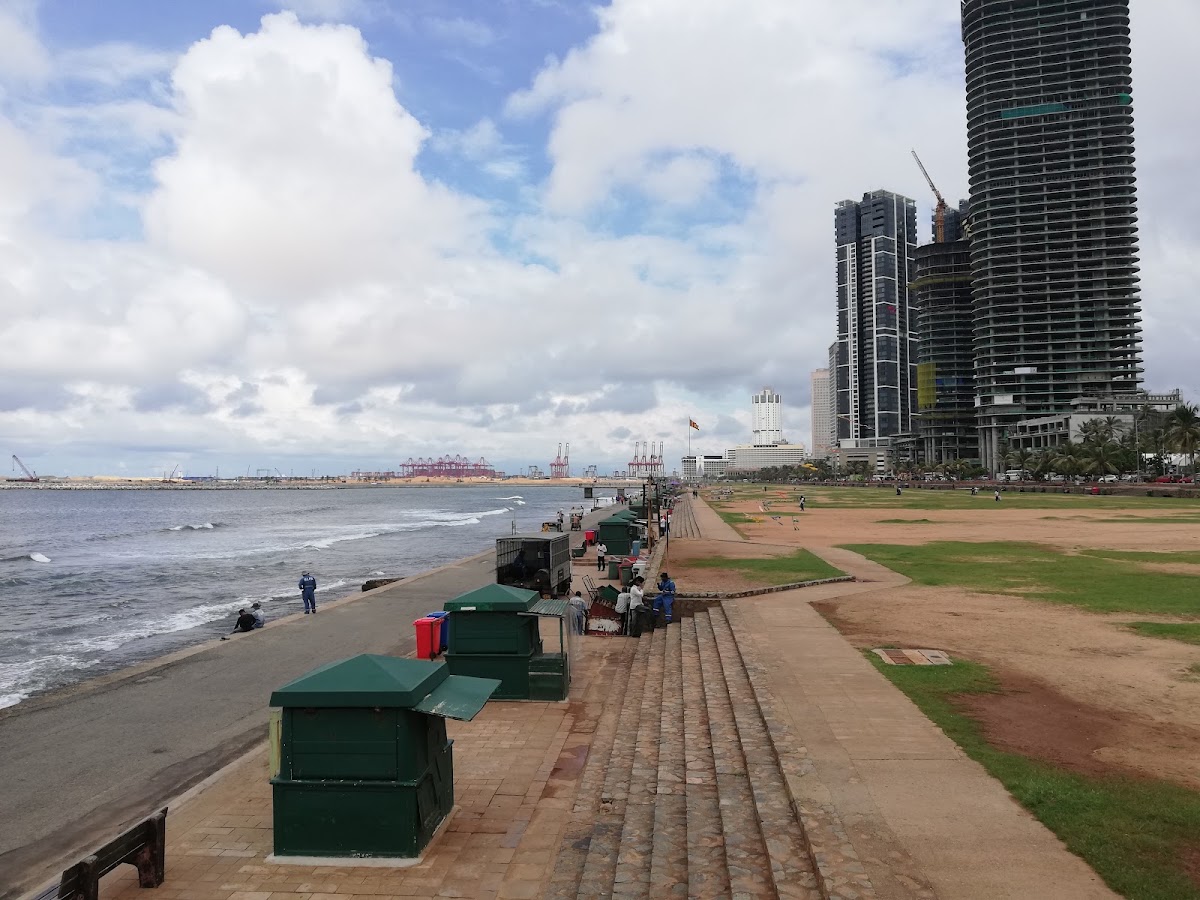
Galle Face Green is a long grassy strip pressed right up against the water, and on any given evening it turns into the city's living room. Families spread out, couples lean on the sea wall, and a whole row of street vendors fires up kottu and fritters as the light softens.
Come around 5pm and just wander. Grab a snack, watch the kites, feel the spray. There is no ticket, no agenda, just the sea and the sound of a city relaxing.
If you want a base within easy walking distance of all this, the Galle Road strip that runs along the green is where you'll find the big city hotels, so it's an easy area to settle into for the first night or two.
Brass Buddhas and a Temple on the Lake
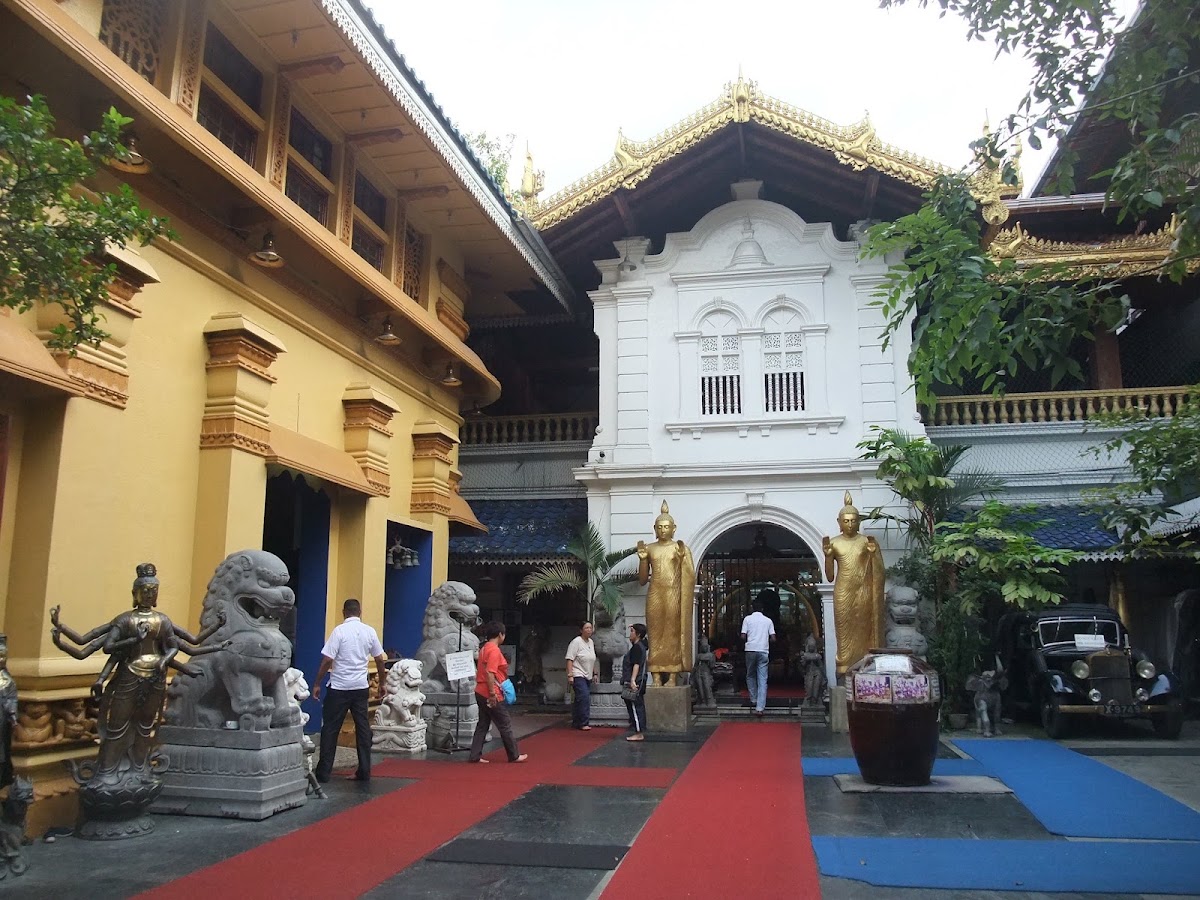
Incense hangs thick in the air, hundreds of Buddha statues gleam in the low light, and outside, a small rescued elephant shifts its feet in the courtyard.
Gangaramaya Temple is gloriously overstuffed, part working temple, part museum, part treasure vault. Rooms spill over with donated statues, vintage cars, jade, and gifts from devotees across decades. Take your shoes off, cover your shoulders, and give yourself time to just look.
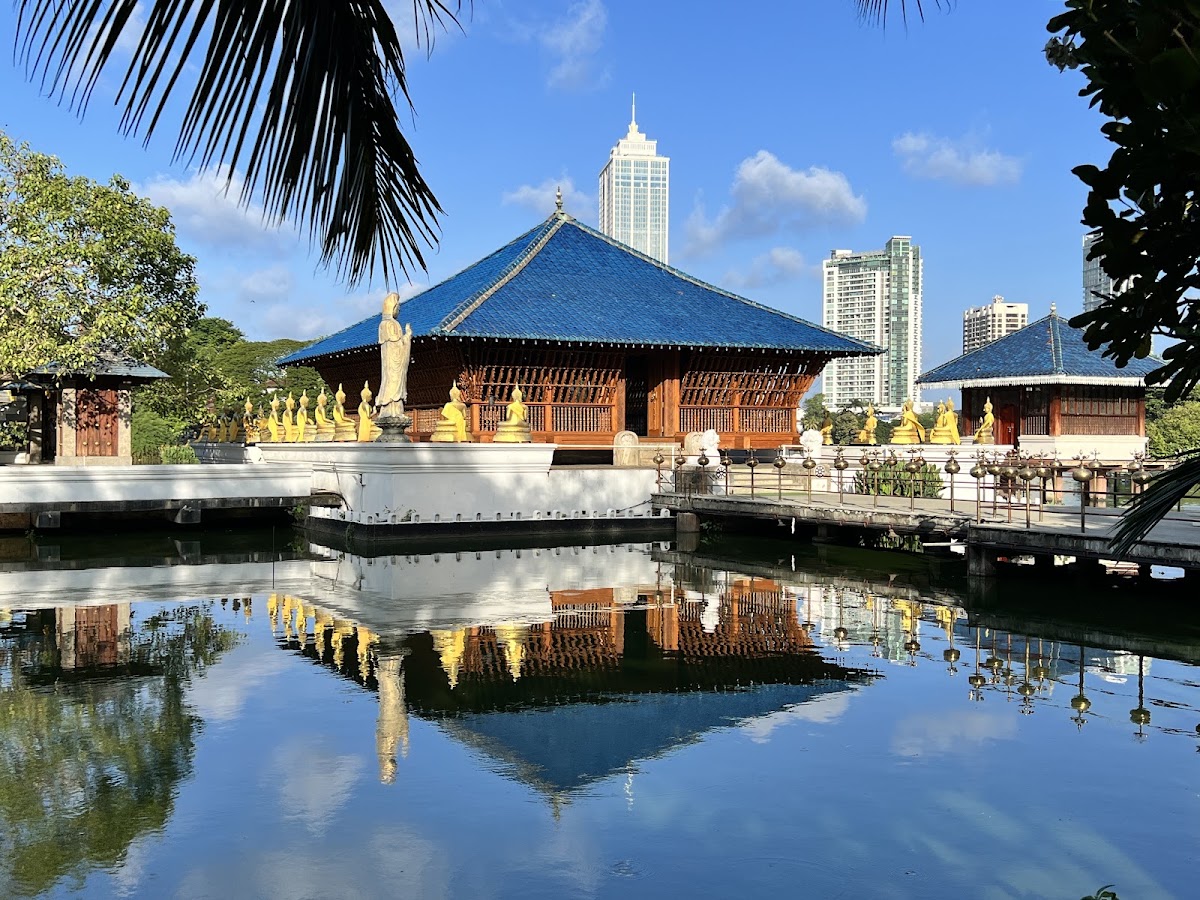
A short walk away on Beira Lake sits its sister site, Seema Malaka, a serene set of wooden pavilions floating on the water and reached by a walkway. It's quiet, breezy, and one of the most photogenic calm spots in the whole city.
Go in the morning when the heat is gentler and the lake is still. The contrast between the packed temple and the airy lake pavilion is the whole trip in miniature.
Colombo's History, in One Cool Afternoon
White stone columns catch the sun at Independence Hall, and inside the National Museum the air turns cool and hushed around a wall of ancient masks.
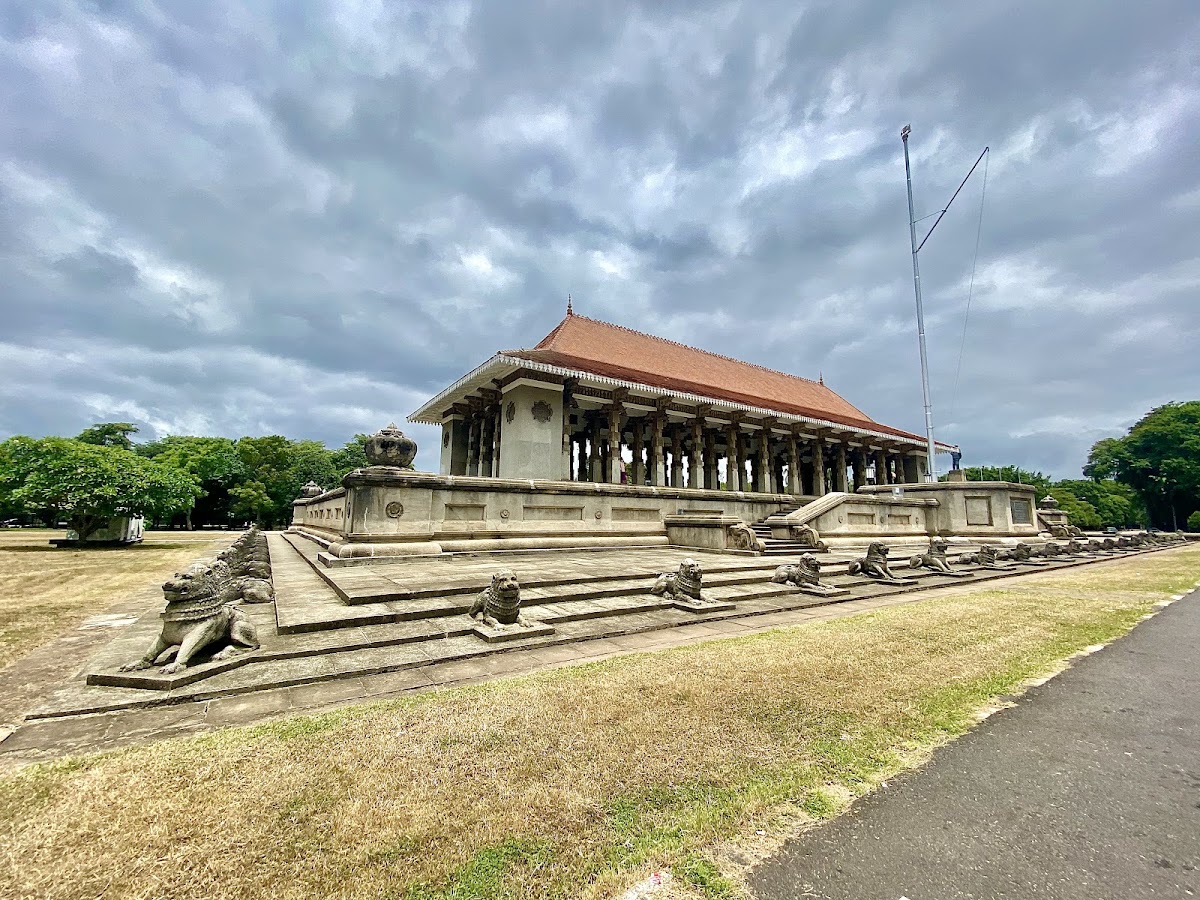
Independence Memorial Hall is a broad open pavilion built to mark Sri Lanka's independence, ringed by stone lions and wide lawns. It's a lovely, breezy place to walk and photograph in the late afternoon.
A short hop away, the National Museum of Colombo is the country's biggest, housed in a grand white colonial building. The star is the regalia and throne of the last Kandyan kings, but the carved masks and old maps pull you along room by room. It's air-conditioned, which on a hot Colombo day feels like a small miracle.
Pair the two in one afternoon. Start with the hall while there's good light outside, then retreat into the museum's cool galleries as the heat peaks.
The Beautiful Chaos of Pettah
A wall of red and white stripes rises above the market noise, horns blare, and someone wheels a barrow of pineapples straight past your elbow.
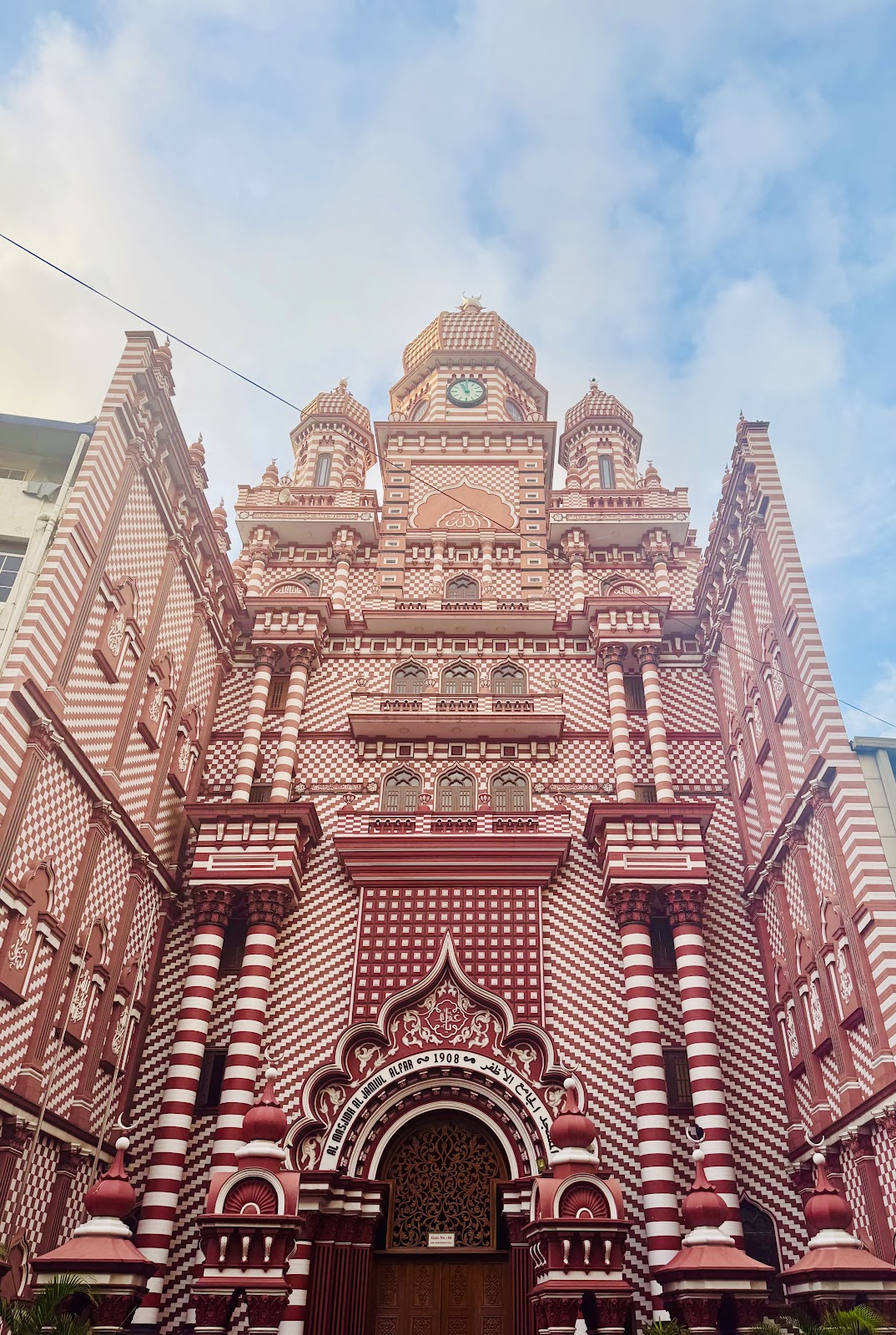
Pettah is Colombo at full volume, a grid of streets where each one seems to sell just one thing: fabrics here, electronics there, spices, gold, garlands. Dive in on foot and let the crowd carry you. Keep valuables tucked away and just enjoy the sensory overload.
Rising out of it is Jami Ul-Alfar Mosque, its candy-striped red and white brick façade one of the most recognisable buildings in the city. Visitors can usually go inside outside prayer times, dressed modestly.
When you need a break, hunt down a kottu stall near the market. The clatter of metal blades chopping roti and vegetables on a hot griddle is basically the soundtrack of Sri Lankan street food, and the plate that lands in front of you will be hot, spicy, and exactly right.
Golden Hour at Mount Lavinia
The sand turns warm amber, fishing boats sit tilted along the shore, and the smell of grilled seafood drifts down from the old hotel on the headland.
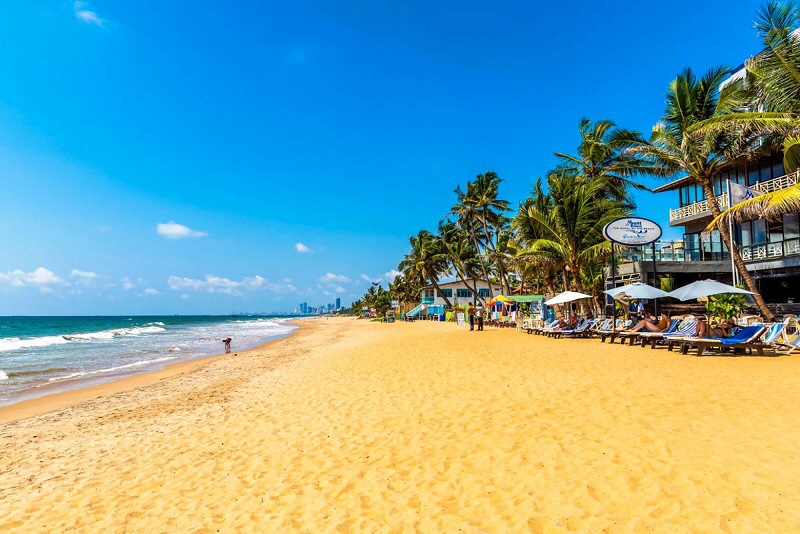
A short ride south of the centre, Mount Lavinia Beach is where Colombo goes to breathe. It's not a pristine desert-island strip, it's a lively local beach with waves, walkers, and a run of seafood shacks. Come for late afternoon, dip your toes, and let the day slow down.
Up on the point sits the Mount Lavinia Hotel, a grand colonial building with a terrace made for watching the sun drop into the ocean. Their evening seafood BBQ is a proper occasion: pick your fish, watch it hit the grill, eat with the sea just below you.
Time it so you arrive with a couple of hours of daylight left. Beach first, sunset drink second, dinner as the sky goes pink.
Galleries, Coffee, and Colombo's Creative Side
Cool concrete, tropical greenery through the windows, and the clink of a flat white on a table at a place designed by Sri Lanka's most famous architect.
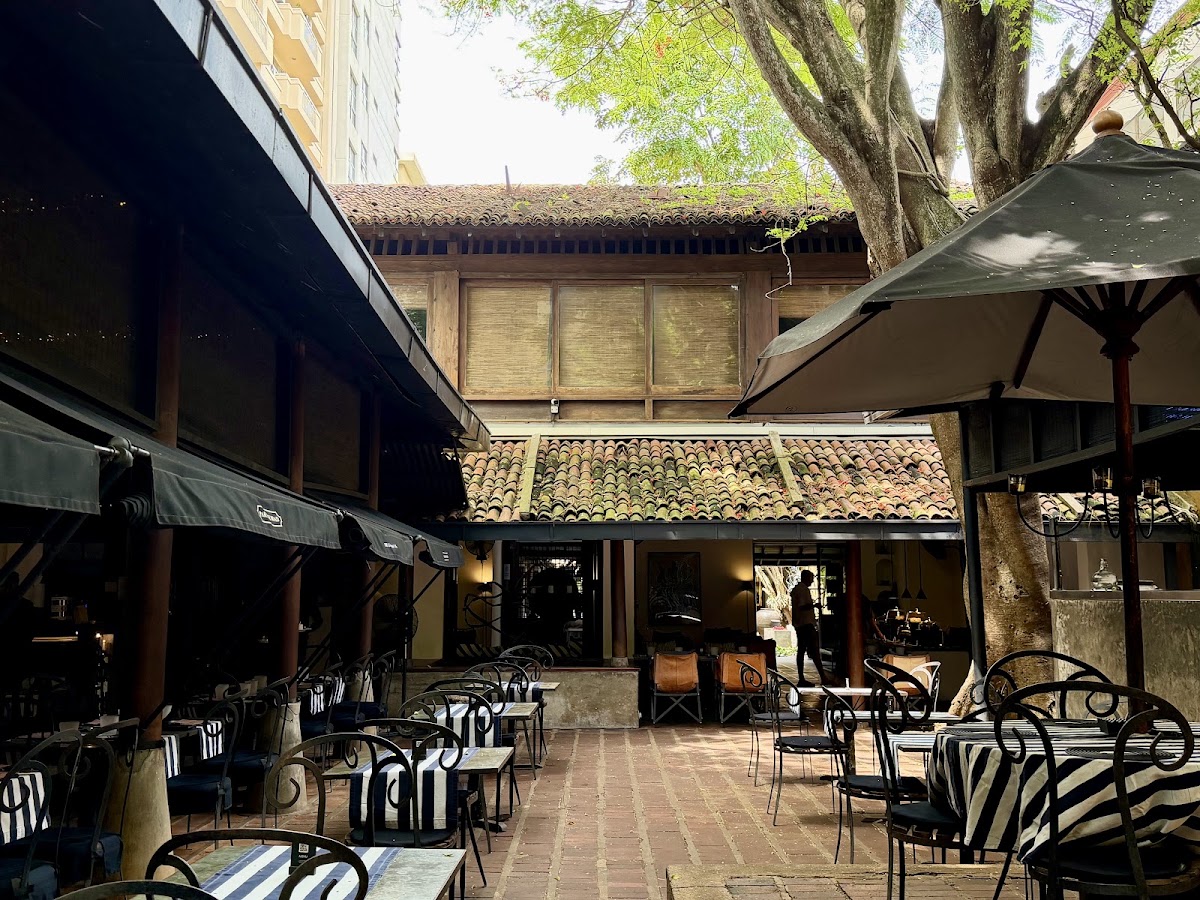
Colombo has a quiet, confident art scene, and a slow day spent tracing it is one of the trip's best surprises. Saskia Fernando Gallery and Barefoot Garden Café both champion contemporary local artists, and Barefoot's leafy courtyard is the perfect spot to sit with a coffee and a book you'll buy on the way out.
The Gallery Café, set in a building linked to the architect Geoffrey Bawa, is worth a visit purely for the space: shaded courtyards, water, and that unmistakable tropical-modernist calm. It's a lovely lunch or long-coffee stop.
Round it off with a green space. Viharamahadevi Park spreads out beside the museum with big shade trees and flowering gardens, and it's a gentle way to reset between galleries.
One Last Temple Before the Airport
Blue-toned murals wrap around the walls, telling old stories panel by panel, while the smell of oil lamps and frangipani hangs in the warm air.
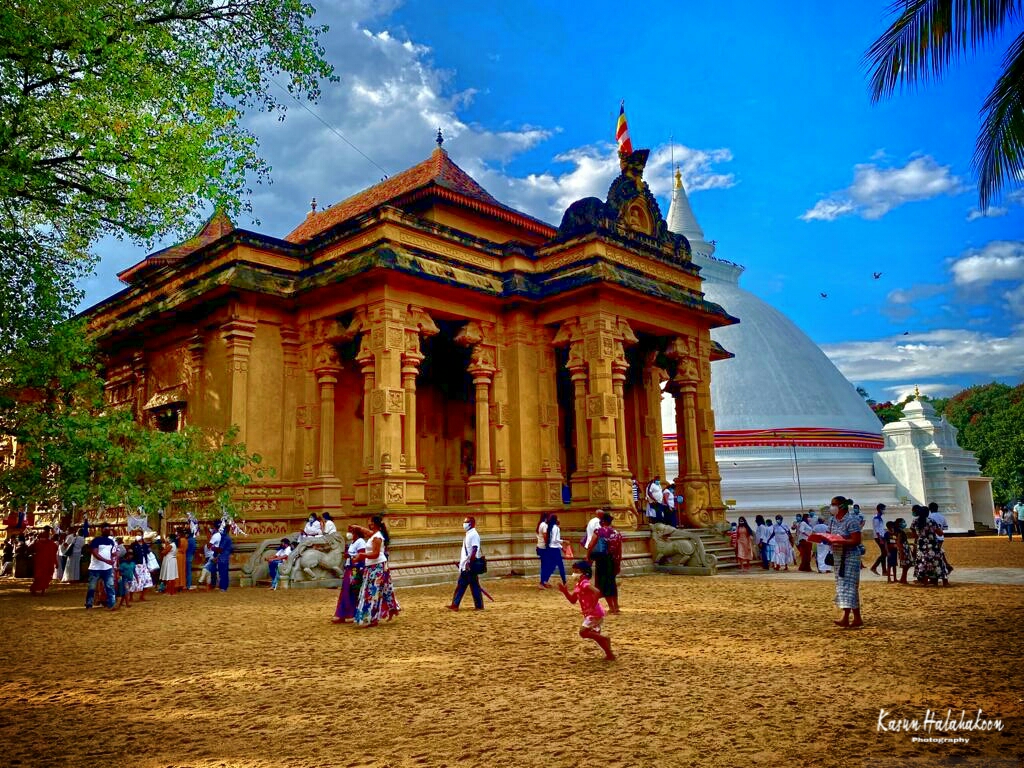
On your way out of the city, swing north to Kelaniya Raja Maha Vihara, one of the most revered temples in the country. Its interior is covered in richly coloured murals and carvings depicting Buddhist tales, and the whole complex has a peaceful, well-loved feel far from the downtown bustle.
Before you go, tick off any last shopping. Laksala, the government handicraft emporium on Galle Road, is a reliable one-stop for masks, tea, spices, and gifts at fixed prices, so there's no haggling on the way out the door.
Kelaniya sits handily on the road toward Bandaranaike International Airport, so it makes a graceful final stop. Temple, one more Sri Lankan tea, then the drive north to catch your flight.
Ready to book?
Book the rest of Colombo, Sri Lanka
Handpicked partner searches, dates pre-filled. Pricing is identical to going direct — the partner shares a small commission with Tabi so this guide stays free.
Frequently asked
How many days do you need in Colombo?
Three days covers the essentials: the crab dinner and Galle Face, the temples and museum, and Pettah market. Five to six days lets you slow down for Mount Lavinia beach, the art galleries, and a day trip out to Kelaniya temple without rushing.
Do I need to dress conservatively for the temples?
Yes. At Gangaramaya, Seema Malaka, Kelaniya, and Jami Ul-Alfar Mosque, cover your shoulders and knees, and remove your shoes before entering shrine areas. Carry a light scarf, it doubles as a shoulder cover and is handy in the strong sun.
Is it easy to get around Colombo?
Very. Tuk-tuks are everywhere and cheap, and ride-hailing apps work well and remove any fare haggling. The city is fairly compact, so many highlights along Galle Road and around Beira Lake are walkable in short stretches between rides.
When is the best time of day to visit Galle Face Green?
Late afternoon into sunset, roughly 5pm onwards. That's when the sea breeze picks up, families and kite flyers come out, and the street food vendors fire up their griddles for kottu and fritters. It's the liveliest and coolest time to be there.
Where should I eat if I want classic Sri Lankan food, not just fine dining?
Hunt down a kottu stall near Pettah for the street-food classic, and try old-school Colombo cafes like Green Cabin for rice and curry. For a sit-down mix of local dishes in a relaxed setting, the Cricket Club Café and Barefoot Garden Café are reliable and full of character.
Skip the planning
Your Colombo, Sri Lanka trip, ready to go
Adopt the day-by-day itinerary we built to match this guide. Every stop is a real place, every booking link is validated. Free forever, no card needed.
Open the Colombo, Sri Lanka itinerary