
Copenhagen, Denmark
What to Do in Copenhagen in 4 Days: Nyhavn, Nordic Food, and a Spire You Can Climb
A walking log through canal light, crown jewels, and the harbour you can swim in.
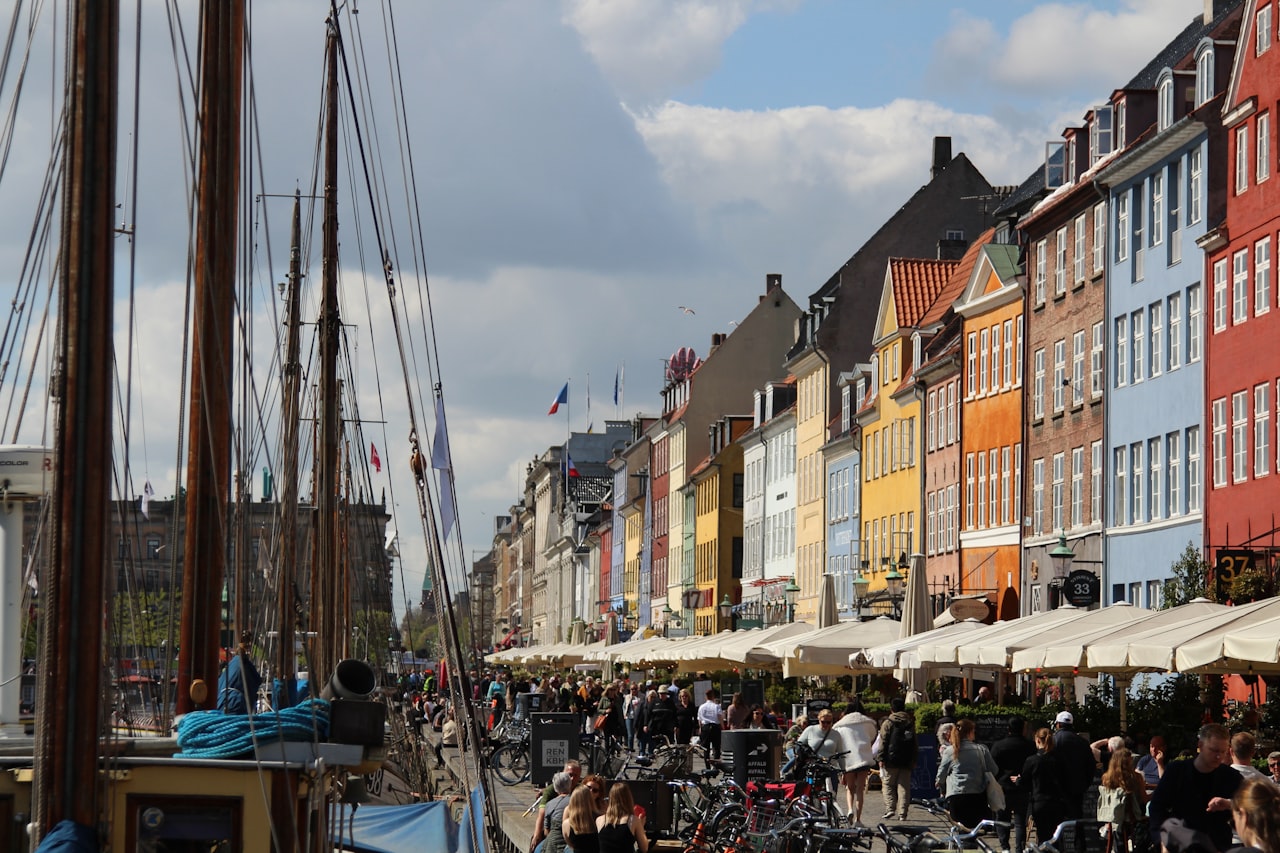
Photo by Jared van der Molen on Unsplash
TL;DR
Copenhagen is small enough to walk end to end and stubborn enough to reward every detour, from copper spires to street-food stalls to a harbour clean enough to swim in.
- Smorrebrod and cold beer along the painted facades of Nyhavn
- Crown jewels glinting in the basement vault of Rosenborg Castle
- The 400-step external staircase spiraling up Church of Our Saviour
- Reffen's shipping-container food stalls smoking over the harbour
- A cold plunge and a hot sauna at Islands Brygge Harbour Bath
Have this trip planned in 60 seconds
We built the Copenhagen, Denmark itinerary that pairs with this guide, day-by-day with verified venues and one-tap booking links. Free to adopt, edit however you want.
First Bite: Smorrebrod at Lunch, the Way the Danes Do It
Rye bread so dark it's almost black, piled with pickled herring, a slick of dill, and a lemon wedge you're expected to squeeze yourself.
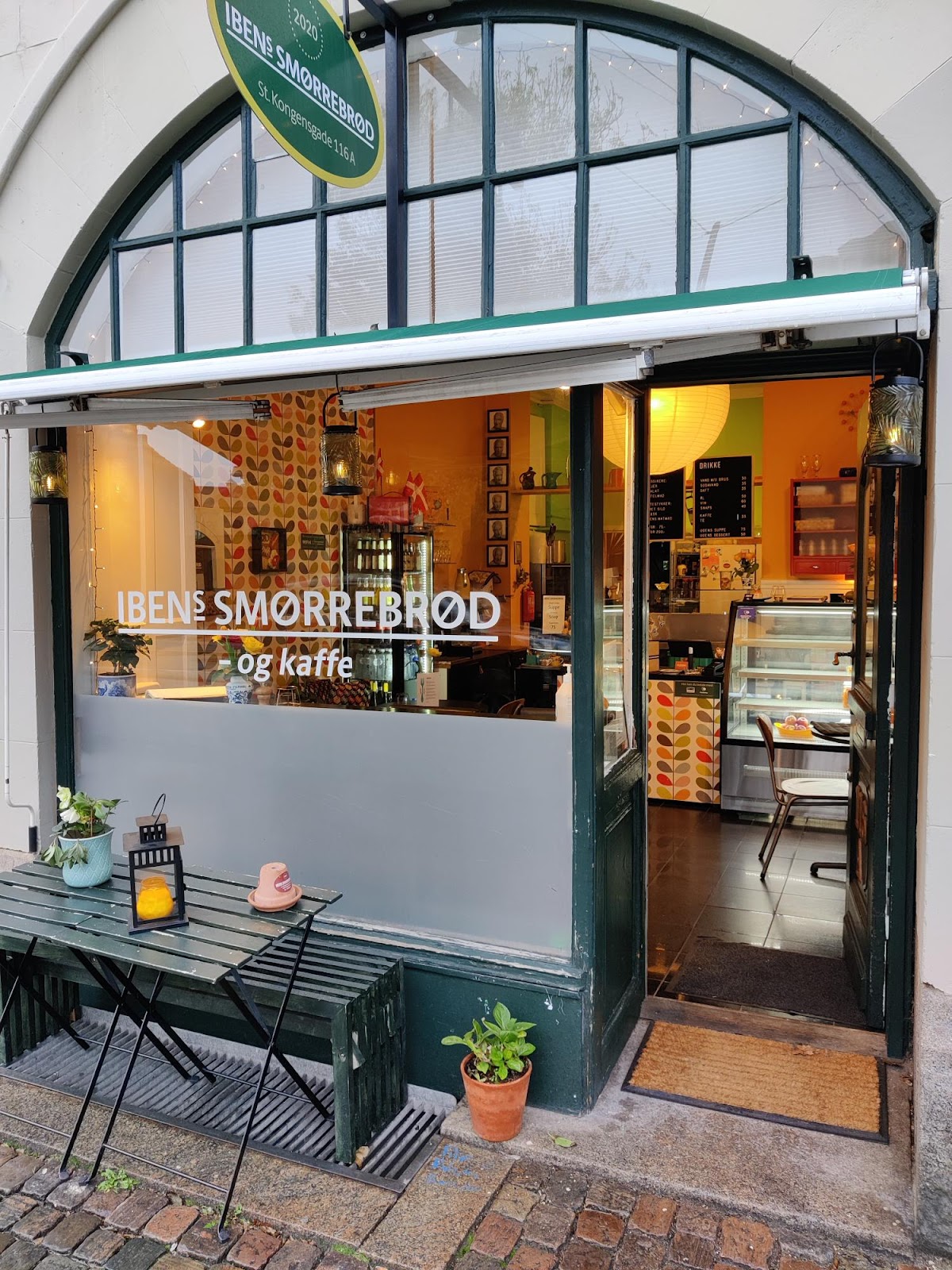
Start where every Copenhagen day should start: sitting down to smorrebrod, the open-faced sandwich that is basically edible architecture. In the Indre By (the old inner city), classic lunch spots serve it in courses, herring first, then something with roast beef and crispy onions, then a shrimp mountain if you're feeling brave. Expect to pay around 85-140 DKK per piece (about 12-20 USD), and yes, you order two or three.
The unwritten rule: herring gets washed down with a small cold beer and an even smaller shot of aquavit. You don't have to, but the table next to you will, and you'll feel left out.
Eat slowly. This is a two-hour lunch culture, and the rest of the day is built for walking it off.
Noon at Amalienborg, When the Guards Actually Move
Four matching palaces around an empty cobbled square, and then, on the dot, the crunch of boots and tall bearskin hats swinging into view.
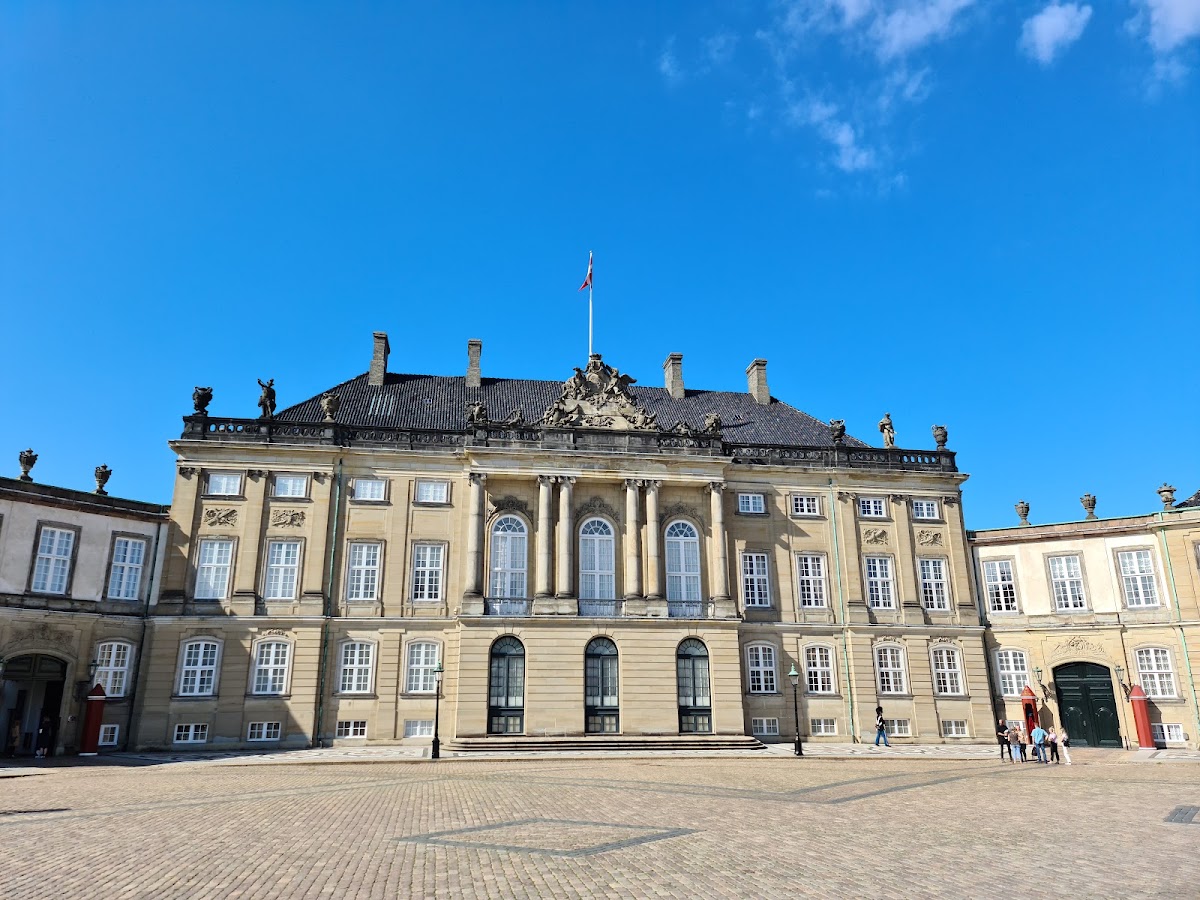
Walk ten minutes toward the water and you land at Amalienborg, the winter home of the Danish royal family. It's four near-identical rococo palaces framing an octagonal square, with an equestrian statue dead center that lines up perfectly with the Marble Church dome on one side and the harbour opera house on the other.
Aim for noon: that's when the changing of the guard happens, the royal guards marching up from Rosenborg through the streets to relieve the current watch. It's free, it's genuinely ceremonial, and if the Queen is in residence you'll see the full band.
Stand near the statue for the photo that catches the dome behind the guards. It's the shot everyone tries for and half of them miss.
Golden Hour on the Nyhavn Canal
A row of narrow townhouses painted mustard, blood-red, and sky-blue, their reflections wobbling in the water beside old wooden sailing ships.
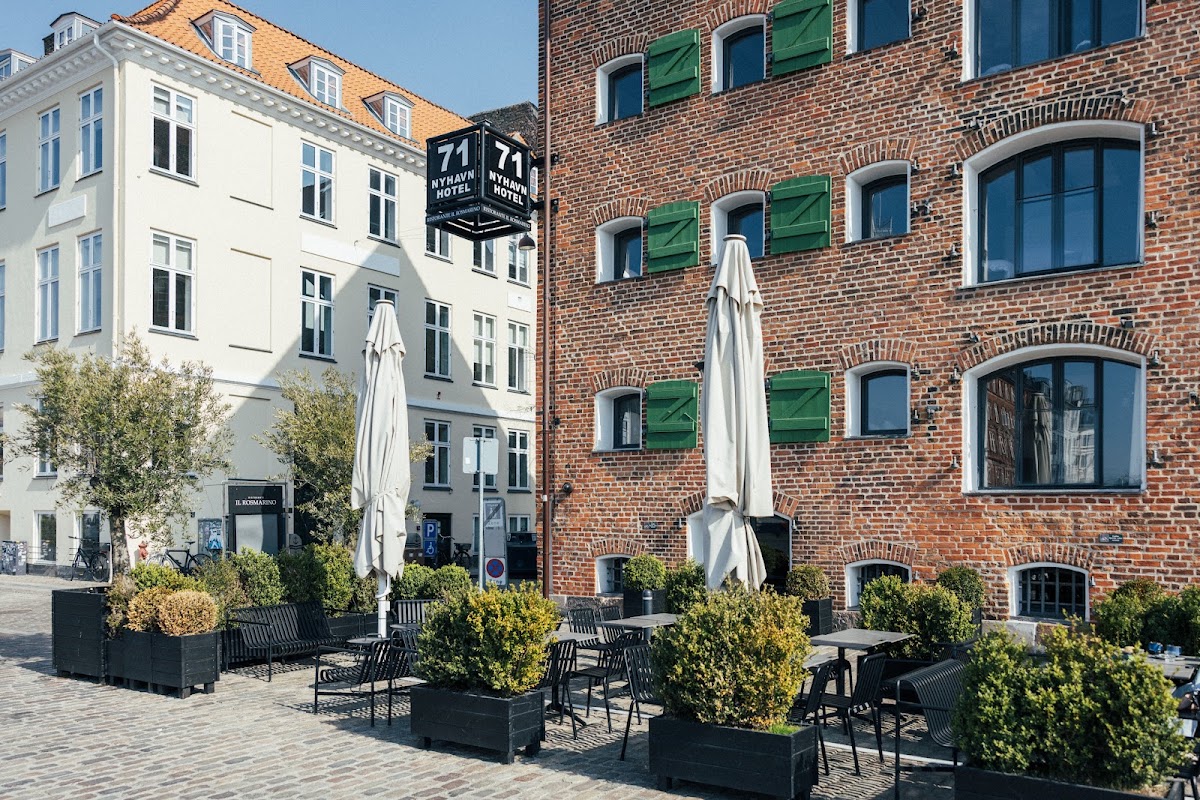
This is the postcard, and for once the postcard undersells it. Nyhavn is a 17th-century canal lined with the most photographed facades in Denmark, tall skinny houses in candy colors, masts poking up between them, and a low sun turning the whole thing amber in the late afternoon.
The north side (sunny side) is wall-to-wall bars with outdoor seating and, be warned, tourist pricing. A beer here runs 60-80 DKK (roughly 9-12 USD). Buy one, sit on the stone quay with your legs over the edge like the locals do, and just watch the light change.
Hans Christian Andersen lived at number 20, then number 67. You'll walk past both without noticing unless you look up.
This is also where the canal boats leave from, so tuck that away for day three.
Tivoli After Dark, Where the Fairy Lights Come On
Thousands of paper lanterns flickering to life over flower beds, a wooden roller coaster clacking uphill, and the smell of hot popcorn and mulled something.
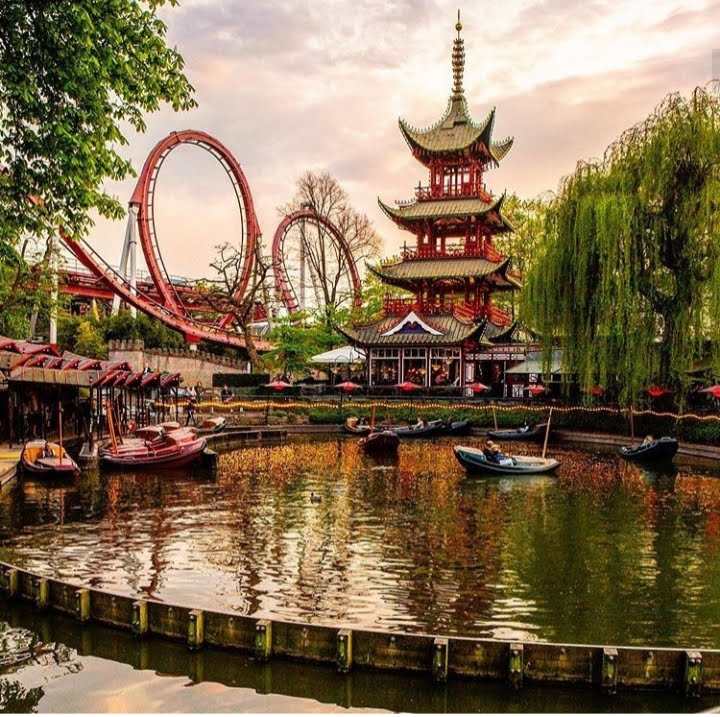
End the first evening at Tivoli Gardens, the 1843 pleasure garden that reportedly inspired a young Walt Disney. It sits right by the central station in Vesterbro, and it is best after sunset, when the whole place lights up like a jewelry box.
It's part amusement park, part concert venue, part very old and very lovely garden. Ride the 1914 wooden coaster (a real relic, still running), or skip the rides entirely and just walk the illuminated paths with an ice cream. Entry is around 155-195 DKK (about 22-28 USD); rides cost extra with a ride pass or per-ticket.
If your timing's lucky you'll catch the Friday-night rock concert on the open-air stage, included with entry. Stay for the lake, the lights double on the water.
Crown Jewels in a Basement: Rosenborg Castle
A dim vaulted cellar, then a wall of glass, and behind it the actual Danish crown, dripping with sapphires and table-cut diamonds.
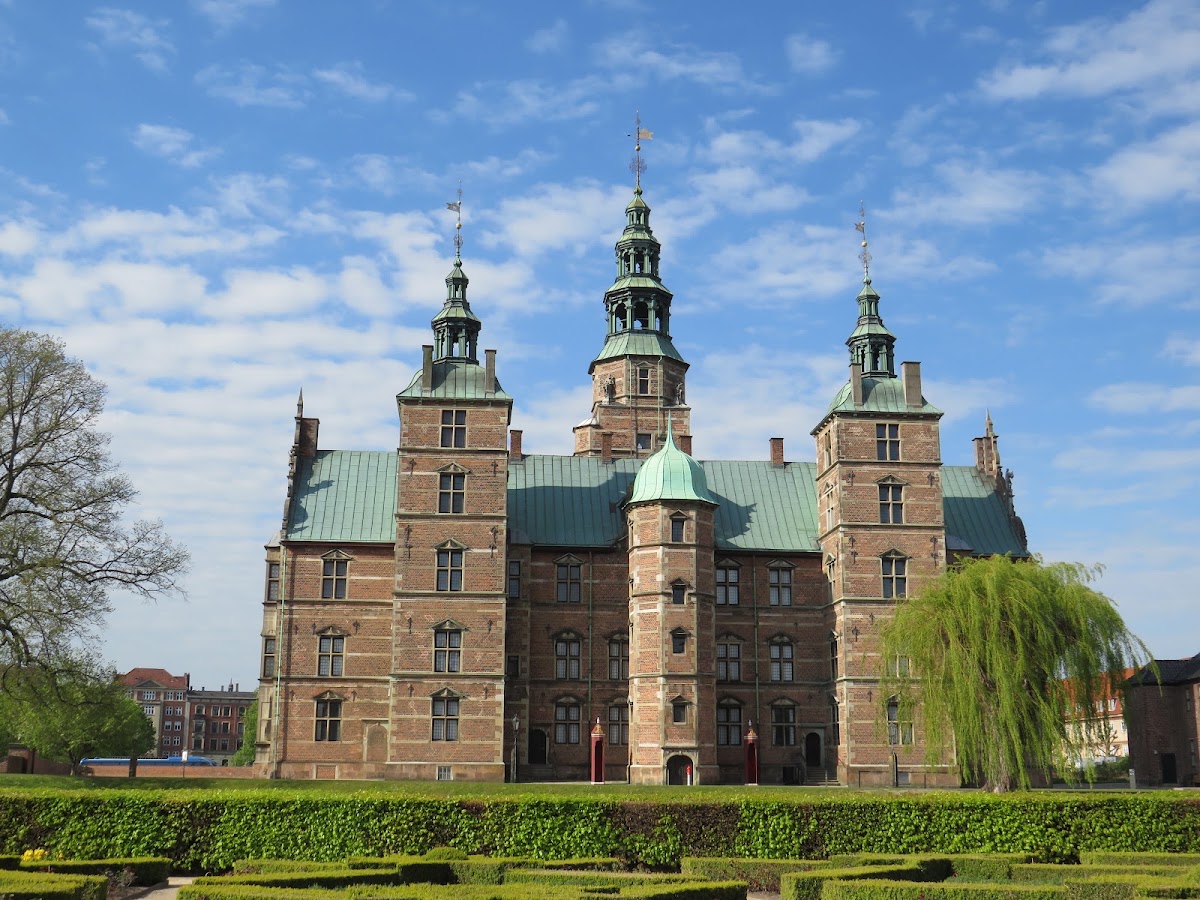
Day two goes royal-and-green. Rosenborg is a Dutch Renaissance castle set in Kongens Have (the King's Garden), which is Copenhagen's oldest park and its favorite spot for a picnic the second the sun appears. Walk the garden first, it's free, it's beautiful, and the rose beds in summer are worth the detour.
Inside the castle, climb up through the Long Hall with its silver lions and coronation thrones, then head down to the treasury in the basement. That's where the crown jewels live, still used by the monarchy, glowing under spotlights. Tickets run about 145 DKK (roughly 21 USD).
The garden is where you'll want to linger afterward. Grab something from a nearby bakery and find a bench under the elms.
Lunch Loud and Local at Torvehallerne
Two glass halls buzzing with people, stalls of glistening smoked fish, fresh flowers, small-batch chocolate, and coffee ground to order.
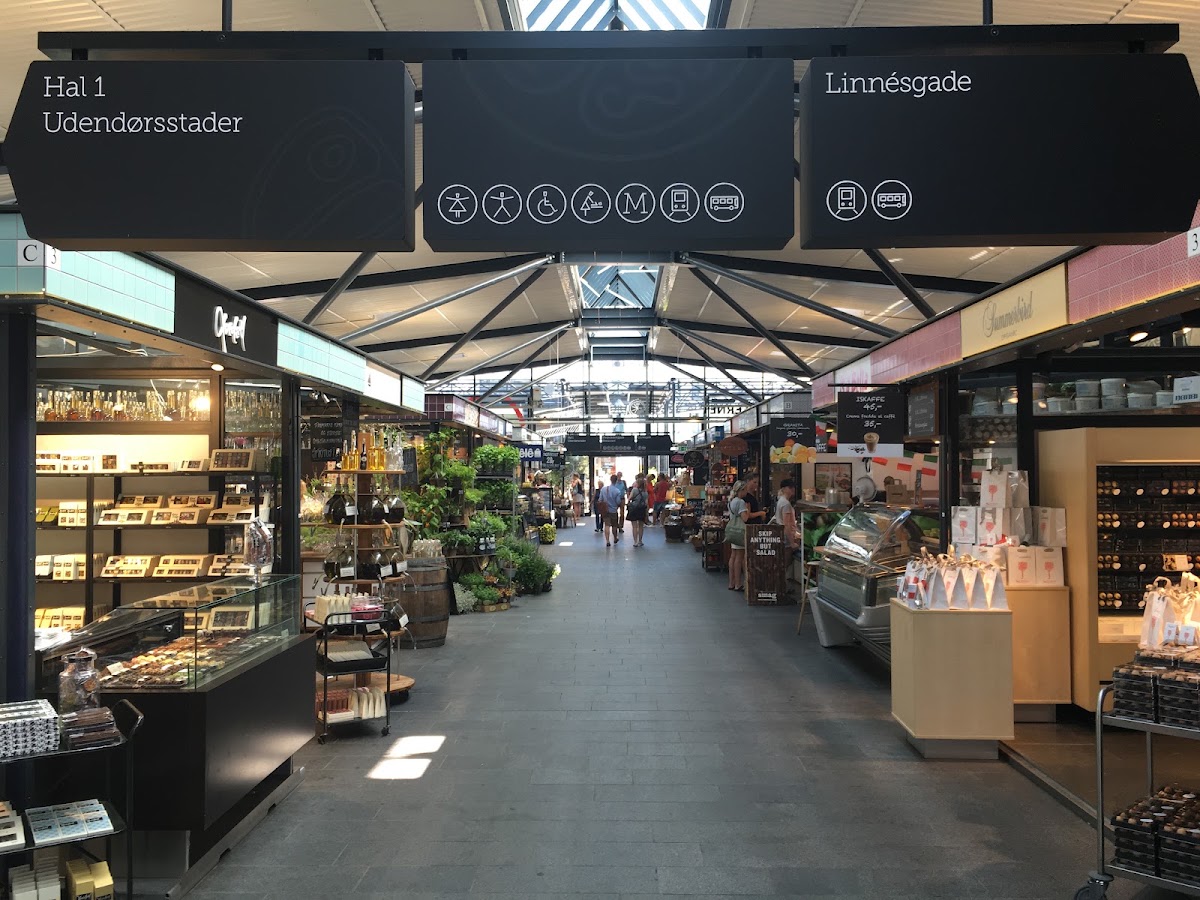
By the Norreport station sit Torvehallerne, twin covered market halls that are the city's stomach. This is where you graze rather than sit down: porridge with toppings, an open sandwich, fresh oysters, tacos, or the famous Danish flodeboller (chocolate-covered marshmallow domes).
Go hungry and undecided. Wander both halls once before committing, then eat standing at a counter or take it to the tables between the buildings. Most dishes land in the 60-120 DKK range (about 9-17 USD).
Grab a bag of coffee beans or a jar of something on the way out. Half the stalls are producers, not just vendors, and the quality shows.
The 400-Step Climb Up Church of Our Saviour
A gold-and-black spiral staircase that leaves the inside of the church and wraps up the OUTSIDE of the tower, narrowing to almost nothing at the top.
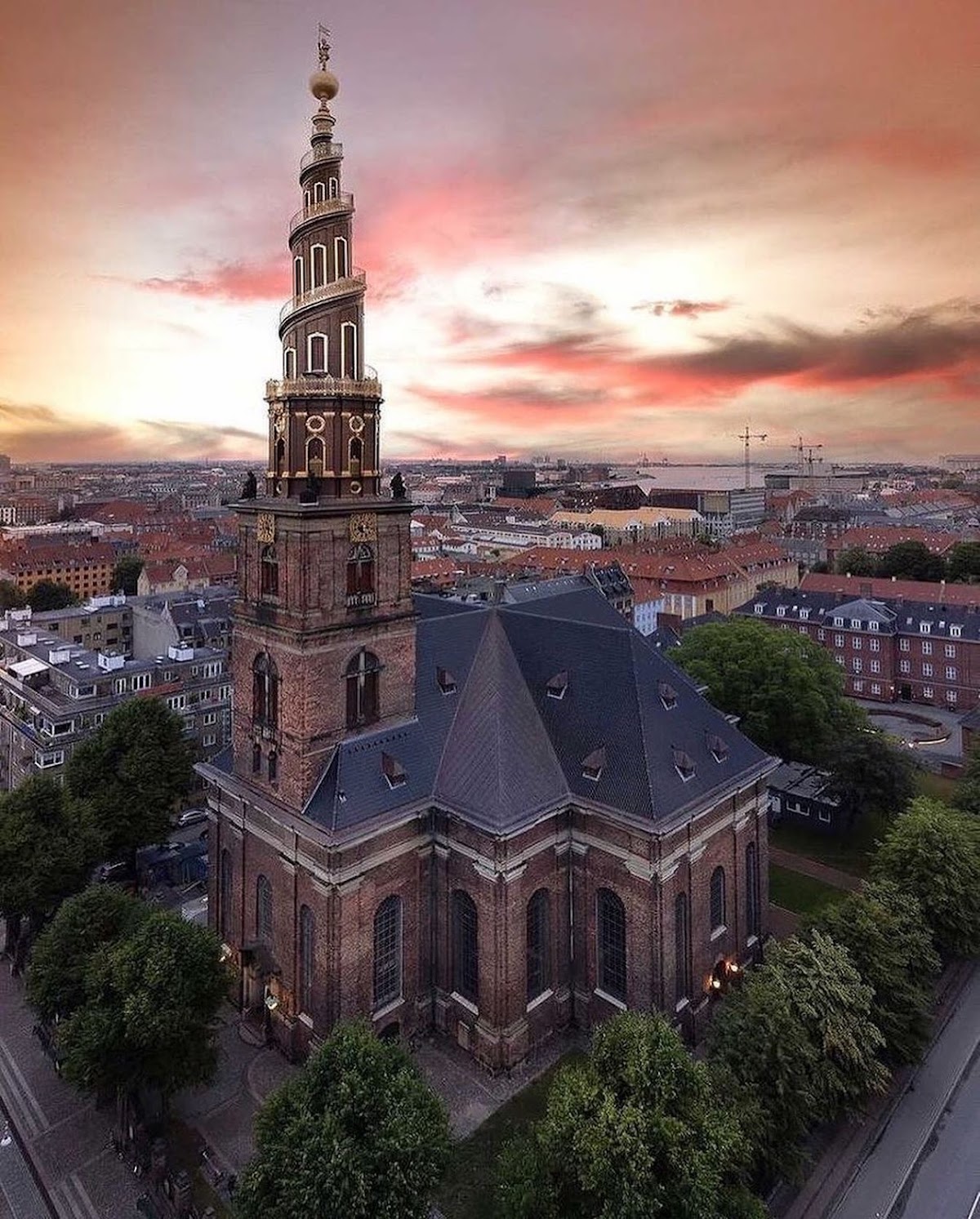
Cross to Christianshavn on day three and find the baroque spire you keep seeing from every rooftop. Church of Our Saviour has an external corkscrew staircase, gilded, exposed to the wind, coiling up the last stretch to a tiny platform beneath a golden globe.
It's about 400 steps, the final 150 or so outside and getting genuinely tight. Not for anyone shaky with heights. But the reward is a 360-degree view over the copper roofs, the harbour, and clear across to the wind turbines in the sound. Entry to climb runs around 79 DKK (roughly 11 USD), and they cap numbers, so mornings are quieter.
Catch your breath at the top. You've earned the view, and the walk back down feels like nothing.
Cold Plunge, Then a Sauna at Islands Brygge
Locals climbing straight down a ladder into open harbour water, then padding to a wooden sauna box with steam fogging the little windows.
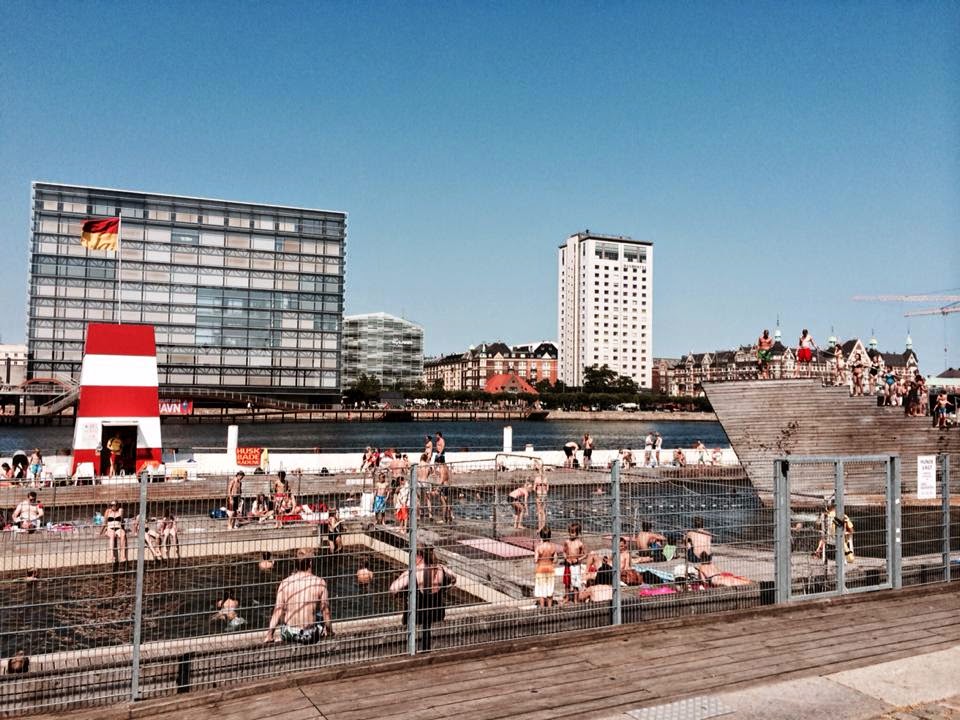
Save the best civic surprise for last. Copenhagen cleaned its harbour so thoroughly that you can swim in the middle of the city, and Islands Brygge Harbour Bath is where everyone does it. Roped-off pools in the actual harbour, diving boards, and grass to flop on afterward. It's free in summer and gloriously ordinary to the people who live here.
Do it properly with the Nordic ritual: cold plunge into the harbour, warm up in a floating sauna, repeat until you feel reborn. Public sauna sessions run 100-180 DKK depending on the operator (about 14-26 USD); the swim itself costs nothing.
If you've got an afternoon before the train to Kronborg Castle in Helsingor, this is how to spend it. Nothing says you understood Copenhagen quite like getting in the water.
Ready to book?
Book the rest of Copenhagen, Denmark
Handpicked partner searches, dates pre-filled. Pricing is identical to going direct — the partner shares a small commission with Tabi so this guide stays free.
Frequently asked
How many days do you need in Copenhagen?
Four days is the sweet spot. Three covers the central sights (Nyhavn, the palaces, Tivoli, the museums, the spire climb), and a fourth gives you room for the harbour baths and a day trip out to Kronborg Castle in Helsingor without rushing.
Is Copenhagen walkable, or do you need transport?
Extremely walkable. The core neighborhoods (Indre By, Christianshavn, Vesterbro, Frederiksstaden) all connect on foot in 10-20 minute stretches. You only really need the Metro or a train for the harbour baths at Islands Brygge or the day trip to Helsingor. Renting a bike is the truly local option.
Can you actually swim in the Copenhagen harbour?
Yes. The harbour was cleaned up decades ago and now has several designated harbour baths, the most popular being Islands Brygge. In summer it's free to swim in the roped-off pools, and floating saunas nearby let you do the Nordic cold-plunge-then-sauna ritual.
Do I need cash in Copenhagen?
Almost never. Denmark is close to cashless, and card or phone payment works everywhere from Tivoli to a Reffen street-food stall to the harbour sauna. Carry a card with no foreign-transaction fee and you're set.
Is the day trip to Kronborg Castle worth it?
If you have a fourth day, yes. Kronborg in Helsingor is the castle Shakespeare used as the setting for Hamlet, it's a dramatic seafront fortress, and the train ride up the coast takes about 45 minutes from Copenhagen Central. Pair it with a relaxed final morning in the city.
Skip the planning
Your Copenhagen, Denmark trip, ready to go
Adopt the day-by-day itinerary we built to match this guide. Every stop is a real place, every booking link is validated. Free forever, no card needed.
Open the Copenhagen, Denmark itinerary