
Cusco, Peru
What to Do in Cusco: A 6-Day Log to Machu Picchu and Rainbow Mountain
A journey-order walk through the old Inca capital, the Sacred Valley, and the two mountain days you'll be talking about for years.
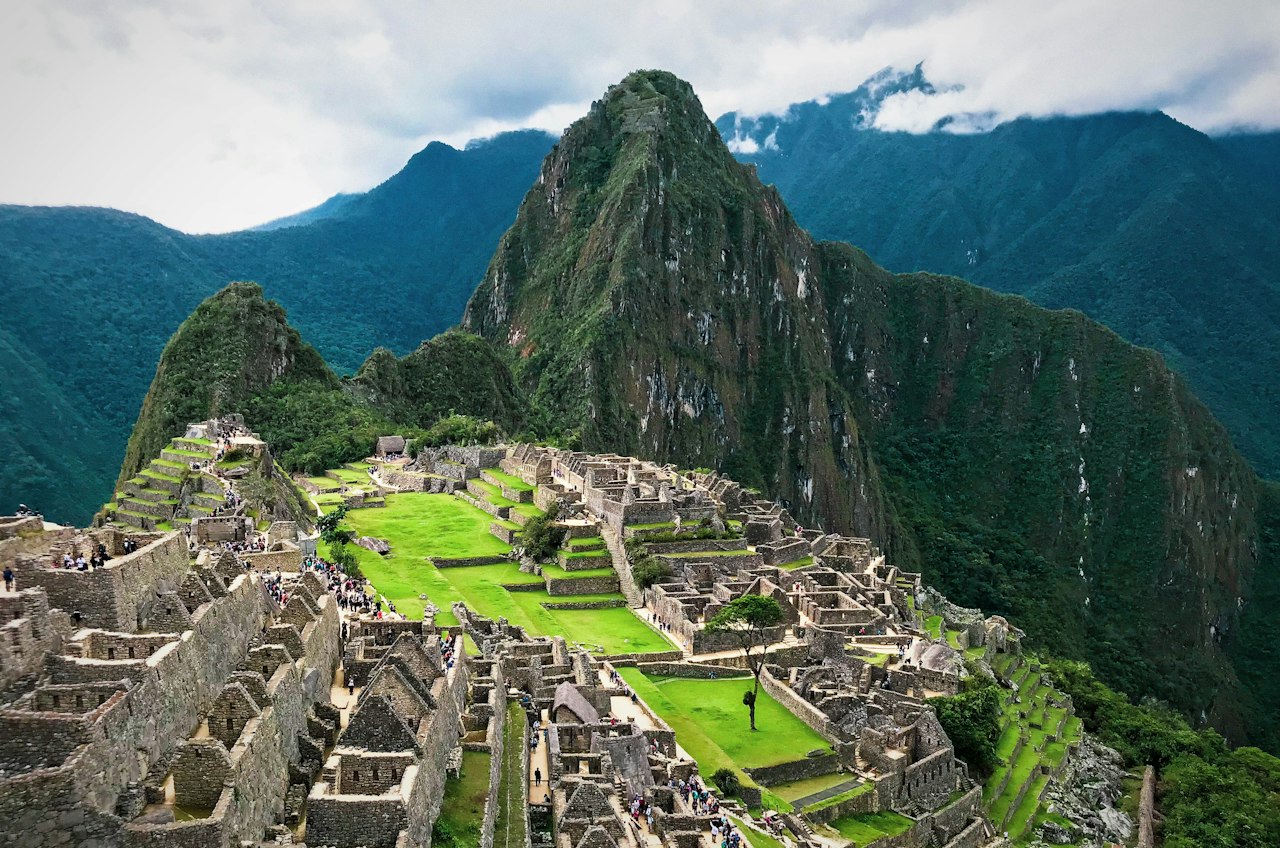
Photo by Eddie Kiszka on Unsplash
TL;DR
You land at 11,150 feet, sip coca tea, and slowly work your way from cobblestone plazas up to the two mountains that make this trip legendary.
- Golden-hour light flooding the Plaza de Armas cathedral facade
- Qorikancha's Inca stonework, so tight no blade fits between blocks
- Ollantaytambo's terraces climbing straight up a valley wall
- The Vistadome train tracing a river gorge into the cloud forest
- Rainbow Mountain's mineral stripes at 16,500 feet before the crowds
- Sacsayhuamán's giant zigzag walls glowing above the city
Have this trip planned in 60 seconds
We built the Cusco, Peru itinerary that pairs with this guide, day-by-day with verified venues and one-tap booking links. Free to adopt, edit however you want.
The First Hour: Land Slow, Breathe Slower
The plane drops between brown peaks, the doors open, and the air feels thinner than you expected. It is.
Alejandro Velasco Astete airport sits at roughly 3,400 meters (11,150 feet), so the altitude greets you before your luggage does. Do not sprint for a taxi. Walk slow, sip water, and let the mild lightheadedness pass.
The smart move on arrival day is almost nothing. Get to your hotel, order a pot of coca tea (mate de coca, the local remedy for soroche), and let your body catch up. A private transfer from the terminal into the historic center runs about 30 soles to 50 soles (roughly 8 to 14 USD) and takes 15 minutes.
Save the walking, the stairs, and the pisco for tomorrow. Today you rest.
Plaza de Armas at Golden Hour
Late afternoon light hits the cathedral's honey-colored stone, church bells roll across the square, and the whole plaza turns amber.
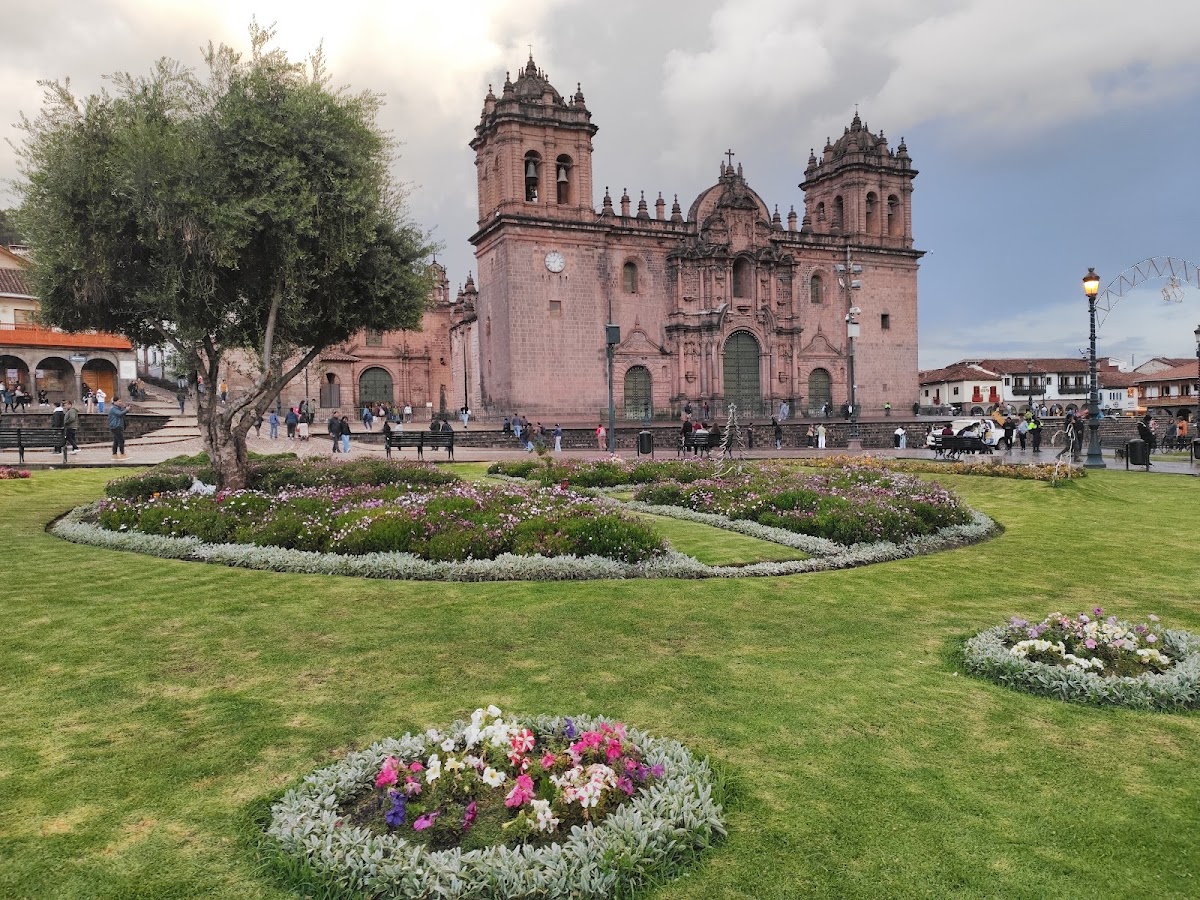
The Plaza de Armas is the spine of the old city, ringed by carved wooden balconies and two enormous churches. Grab a bench, watch the light climb the facade of the cathedral, and just sit for a while. This is your easy first evening, gentle on the lungs.
When dinner calls, walk fifteen minutes uphill into San Blas to Pachapapa, a courtyard restaurant where they roast cuy and alpaca in a clay oven. A hearty plate runs about 60 soles to 90 soles (roughly 16 to 24 USD). The climb is short but noticeable on day one, so take it in stages.
Stay near the plaza tonight. Everything you want for the next two days is within a slow, cobblestone walk.
Where the Inca Walls Meet the Spanish Church
Run your hand along the stone at Qorikancha and feel it: perfectly cut blocks fitted so tight a sheet of paper won't slide between them.
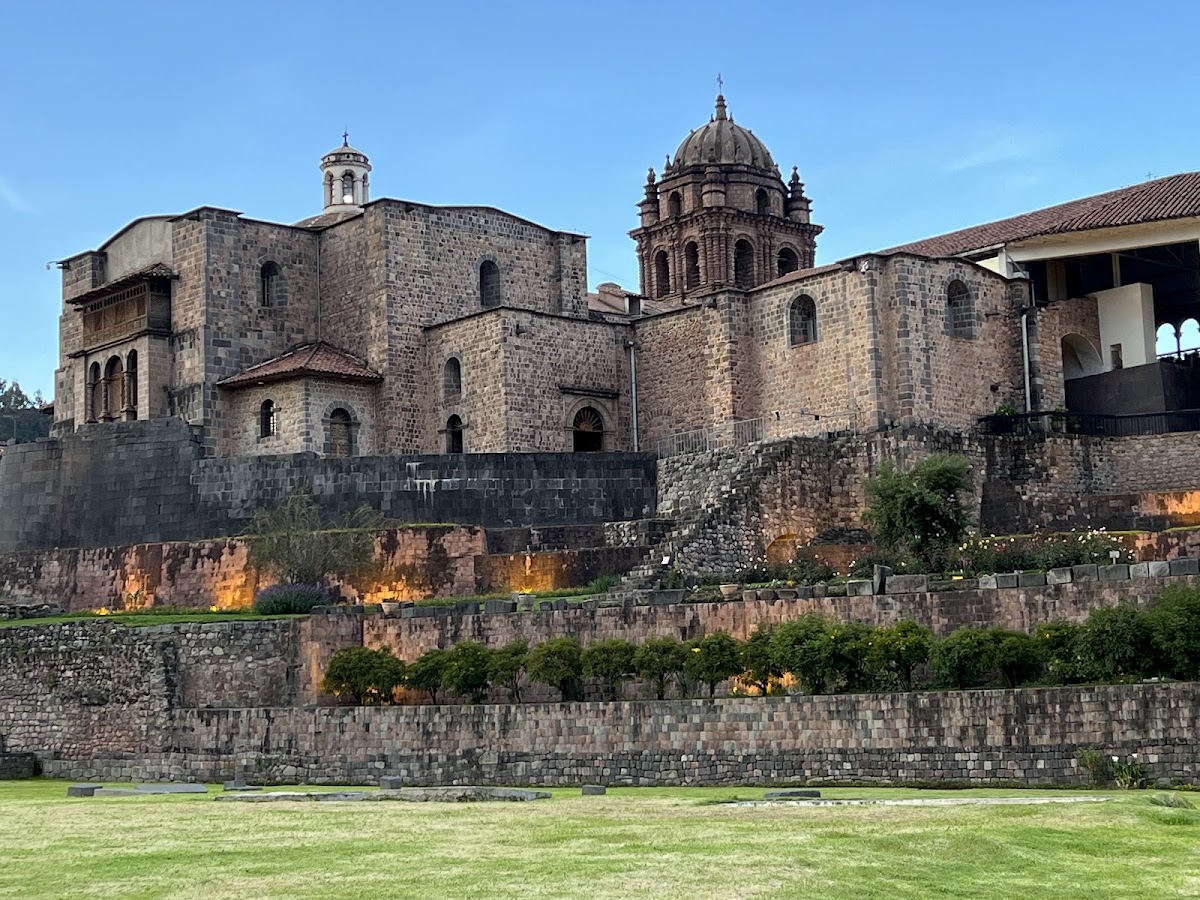
Start your second morning in the Cusco Cathedral on the plaza, where colonial paintings hide small Andean rebellions (look for the guinea pig on the Last Supper table). Then walk fifteen minutes down Avenida El Sol to Qorikancha, the Temple of the Sun. The Spanish built a convent right on top of the Inca foundations, so you get five centuries stacked in one building. Entry is around 15 soles (about 4 USD).
For lunch, Morena Peruvian Kitchen just off the plaza does bright ceviche and lomo saltado. In the afternoon, the Museo de Arte Precolombino on Plazoleta Nazarenas is small, calm, and beautifully lit, an easy way to spend an hour without stairs.
Book dinner at Cicciolina on Calle Triunfo, an upstairs tapas-and-Andean spot that locals and travelers both love. Reserve ahead.
The Fortress of Impossible Stones
Some of the limestone blocks at Sacsayhuamán weigh over a hundred tons, and nobody can fully explain how they were moved uphill.
Day three is the ruins ring above the city, and the crown of it is Sacsayhuamán. The zigzag walls sit on a hill overlooking Cusco, and standing beneath the largest stones is genuinely humbling. You are still acclimatizing here at roughly 3,700 meters, so pace yourself on the slopes.
A taxi loop takes you higher to Tambomachay's ceremonial springs, the little garrison of Puca Pucara across the road, and Q'enqo, a carved limestone outcrop with a shadowy sacrificial chamber. A Boleto Turístico covers all of these sites and runs 130 soles (about 35 USD) for the partial version.
Come back down for a slow lunch at Limbus Resto Bar in San Blas, perched with one of the widest views over the red rooftops in town. Order a drink and stay for the panorama.
Down Into the Sacred Valley
The road drops out of Cusco and the land opens: green terraces, a silver river, snow peaks at the far end.
Today you leave the city for the Sacred Valley, and the altitude actually eases a little as you descend toward Urubamba (around 2,900 meters). First stop is Pisac, where farming terraces stair-step down a ridge above a famous market. Wander the stalls for alpaca knits and then climb to the ruins for the view back down the valley.
Lunch at Tunupa in Urubamba is a riverside buffet of Andean dishes, big and unhurried. Afterward, drive to Ollantaytambo, where a wall of terraces climbs straight up the mountainside above a living Inca town whose original street grid people still walk every day.
Stay the night in Ollantaytambo. It puts you right at the train station for the early ride to Machu Picchu, and the old town after dark, with its stone canals still running, is quietly magic. Dinner at Chuncho showcases native potatoes and valley ingredients.
The Train Through the Gorge to Machu Picchu
The Vistadome's glass roof frames the peaks as the Urubamba River churns beside the tracks and the dry mountains slowly turn to cloud forest.
The PeruRail Vistadome from Ollantaytambo to Aguas Calientes is one of the great train rides on the planet, about 90 minutes of river gorge and shifting vegetation. Watch the landscape go green as you drop toward the jungle's edge. Book this leg well in advance; seats sell out in high season.
From Aguas Calientes, a short bus zigzags up to the citadel gate. Follow Circuit 2 and you get the classic postcard view: the terraces, the temples, and Huayna Picchu rising behind it all, usually wrapped in drifting mist. Take your time. This is why you came.
Back in Aguas Calientes, reward yourself at Indio Feliz, a quirky French-Peruvian spot beloved for its three-course menu, before the train and transfer carry you back to Cusco.
Rainbow Mountain Before the Crowds
You crest the final ridge, your breath ragged in the thin air, and the mountain in front of you is striped in rust, gold, turquoise, and mauve.
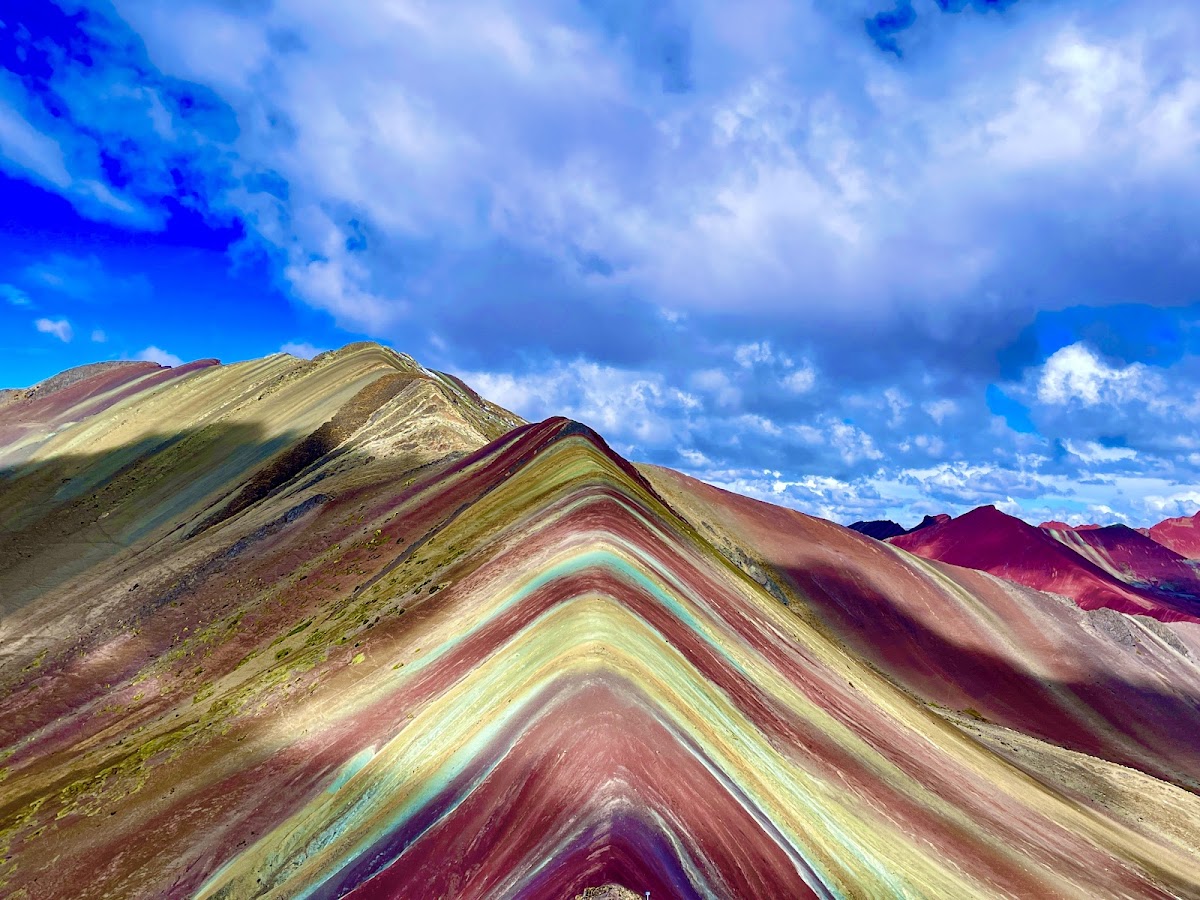
The last big day starts brutally early, a pre-dawn pickup for the two-plus-hour drive south toward Pitumarca. Vinicunca, the Rainbow Mountain, tops out around 5,000 meters (roughly 16,500 feet), so this is the highest and hardest thing you'll do. The color bands come from iron oxides and other minerals folded into the rock.
The walk to the viewpoint is only a few kilometers, but at this altitude every step earns it. Go slow, chew coca leaves, and take the horse option for the steep last stretch if you need it (around 80 soles, about 22 USD). Getting there before the mid-morning tour buses means quieter photos and softer light.
A warm buffet lunch in Cusipata or Pitumarca on the way back is exactly what your body wants. Then it is the long, sleepy drive to Cusco and a very well-earned rest.
Ready to book?
Book the rest of Cusco, Peru
Handpicked partner searches, dates pre-filled. Pricing is identical to going direct — the partner shares a small commission with Tabi so this guide stays free.
Frequently asked
How many days do I need in Cusco to see Machu Picchu and Rainbow Mountain?
Six full days is the comfortable minimum: two easy days acclimatizing in the city, one for the ruins around Cusco, one in the Sacred Valley, one for Machu Picchu, and one for Rainbow Mountain. Add a seventh if you want a buffer for weather or rest.
How bad is the altitude in Cusco, and how do I handle it?
Cusco sits at about 3,400 meters (11,150 feet), higher than Machu Picchu itself. Expect mild headache or breathlessness for a day or two. Rest on arrival, hydrate, drink coca tea, avoid alcohol the first night, and save the highest hikes for later in the trip.
Do I need to book Machu Picchu and the train in advance?
Yes. Machu Picchu now sells timed tickets by circuit, and the PeruRail and IncaRail trains from Ollantaytambo fill up in high season (roughly May to September). Book both several weeks ahead, and confirm which circuit gives you the classic postcard view (Circuit 2).
Is Rainbow Mountain worth it given how high and hard it is?
For most people, yes, but go in with clear eyes. Vinicunca tops out near 5,000 meters, the drive is long, and the walk is genuinely demanding. Do it only after you've acclimatized, start early to beat the crowds, and consider the horse for the steep final section.
When is the best time of year to visit Cusco?
The dry season, roughly May through September, gives you the clearest mountain views and the most reliable weather for Machu Picchu and Rainbow Mountain. It's also the busiest. April and October are good shoulder-season compromises with fewer crowds.
Skip the planning
Your Cusco, Peru trip, ready to go
Adopt the day-by-day itinerary we built to match this guide. Every stop is a real place, every booking link is validated. Free forever, no card needed.
Open the Cusco, Peru itinerary