
Doha, Qatar
What to Do in Doha: Souq Scents, Desert Sands, and the Museum That Changes Your View
A traveler's sensory journey through Qatar's capital. From cardamom-scented souqs to the edge of the Empty Quarter.
TL;DR
Doha delivers Arabian Gulf opulence, ancient souq whispers, and a desert sea you can only reach by 4x4.
- Souq Waqif's spice-scented alleyways where gold gleams and falcons perch.
- Museum of Islamic Art's geometric mastery, set against a shimmering bay.
- National Museum of Qatar's desert rose narrative, an architectural marvel.
- Dhow cruise along the Corniche at dusk, with the skyline lighting up.
- Khor Al Adaid's inland sea, flanked by towering dunes and silence.
Have this trip planned in 60 seconds
We built the Doha, Qatar itinerary that pairs with this guide, day-by-day with verified venues and one-tap booking links. Free to adopt, edit however you want.
The Warm Cardamom Welcome at the Airport
The dry heat wraps around you the moment the doors slide open, carrying a faint scent of cardamom and oud. A driver holds a tablet with your name, and you slip into an air-conditioned SUV.
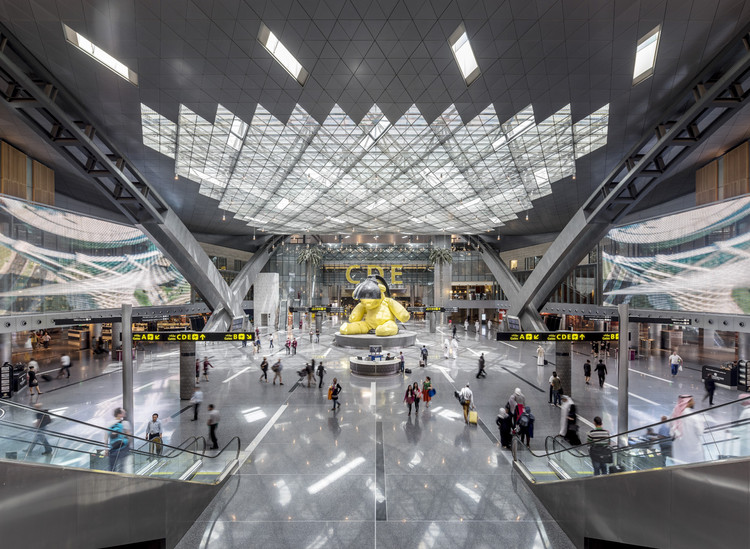
Hamad International Airport is a destination in itself, with its iconic yellow minion lamp sculpture and sprawling duty-free. But the real welcome happens in the transfer to your boutique hotel tucked inside Souq Waqif. The 20-minute ride through Doha's highways offers a first glimpse of glass towers and pearl-white minarets.
For a smooth arrival, book a private transfer that knows exactly where the narrow souq lanes end and your hotel's door begins. This is the kind of arrival that sets the tone: effortless, aromatic, and just a little bit exotic.
Spices, Gold, and Falconry in One Winding Alley
The air is a layered perfume of saffron, dried lime, and frankincense. Merchants call out over the clink of metal and the rustle of silk abayas.
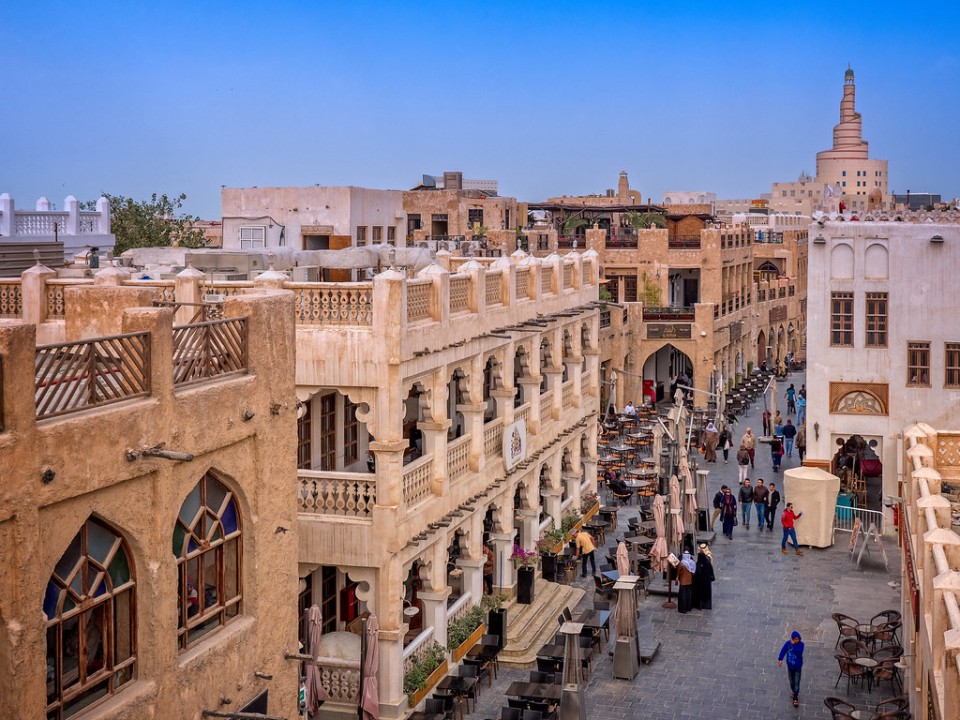
Souq Waqif is not a museum piece, it is a living marketplace that's been humming for over a century. Wander past piles of turmeric and sumac, glass cases of gold bangles, and cages of falcons wearing tiny leather hoods. The bird souq alone is worth the detour.
Grab a seat at a rooftop tea stall overlooking the souq's maze. Watch the evening crowd spill through alleyways as the call to prayer echoes from the nearby mosque. This is where Doha's pulse beats loudest.
The White Stone Museum That Seems to Float on Water
The sun hangs low over the Arabian Gulf, setting the limestone facade ablaze in ochre and gold. Palm trees frame the building like a postcard.
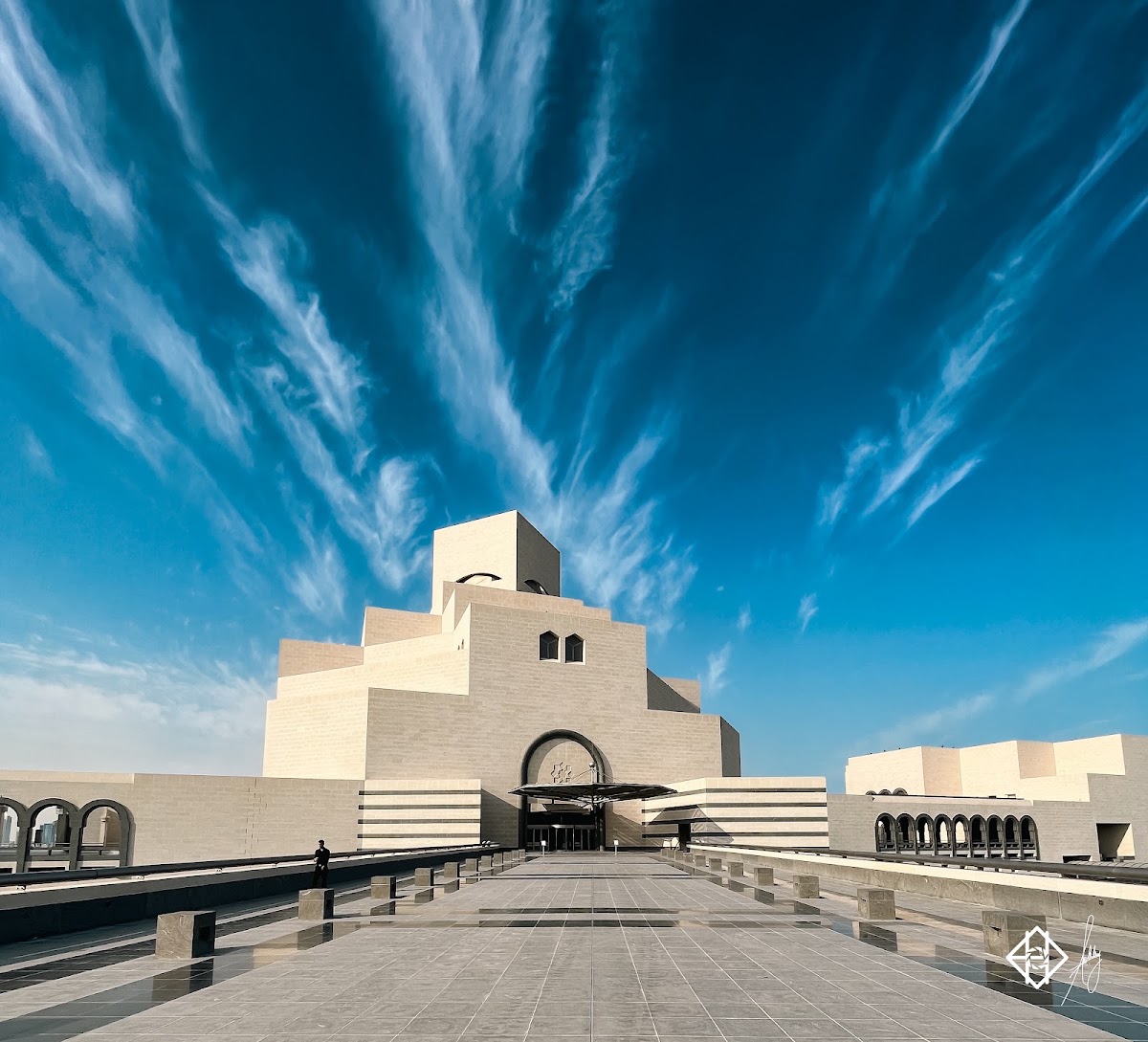
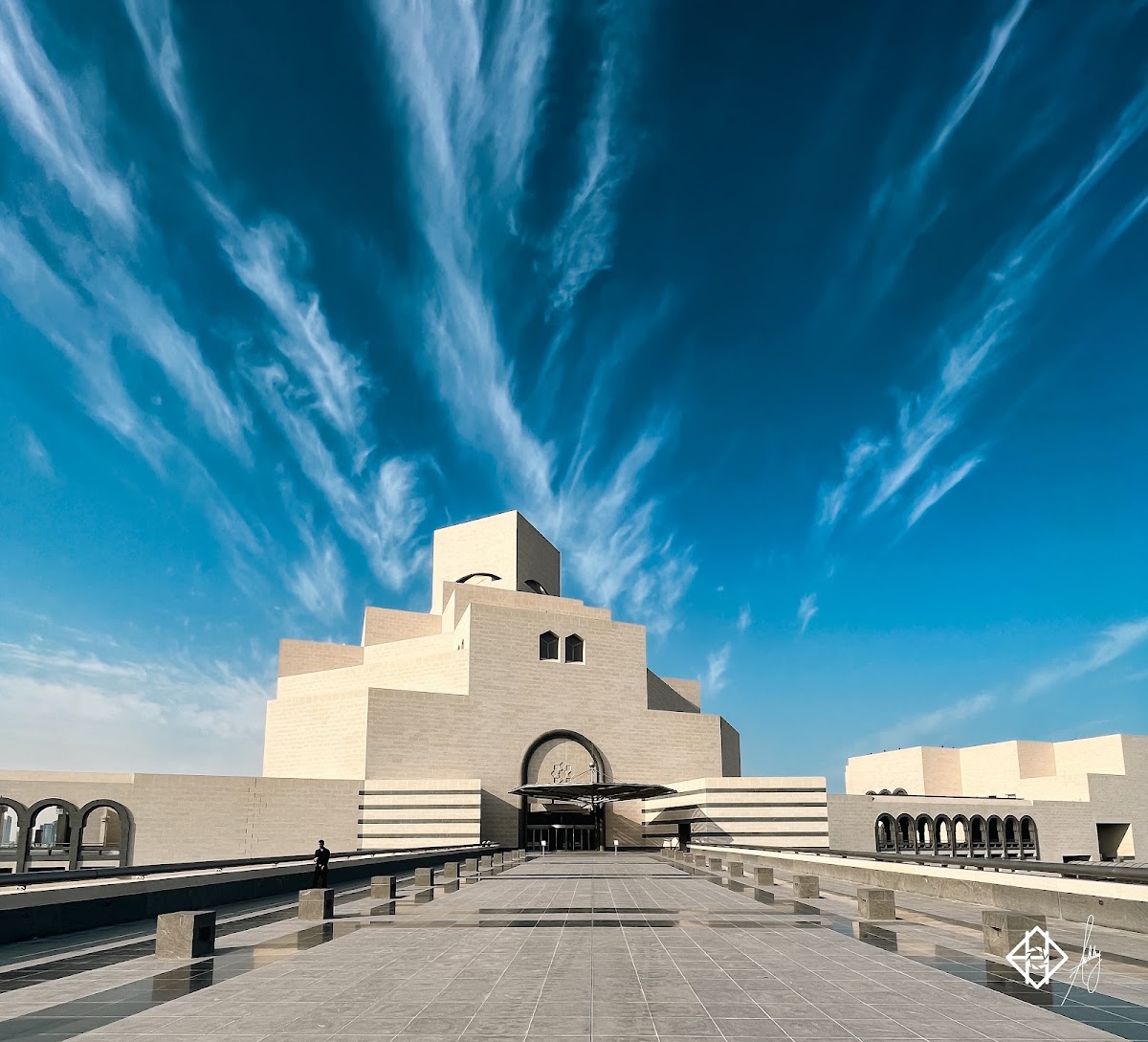
The Museum of Islamic Art sits on its own island, connected to the Corniche by a short walkway. Designed by I.M. Pei, the geometric perfection of its stepped tiers draws your eye upward, while inside the display of calligraphy, ceramics, and astrolabes spans 1400 years.
Do not rush the galleries on the top floor. The view of the Doha skyline from the arched windows is a masterpiece in itself. If you can, time your visit to catch the golden hour from the courtyard.
The Desert Rose That Tells a Nation's Story
From the outside it looks like a fossilized crystal, a thousand interlocking discs rising from the sand. Inside, the galleries curve like the walls of a wind-tunnel.
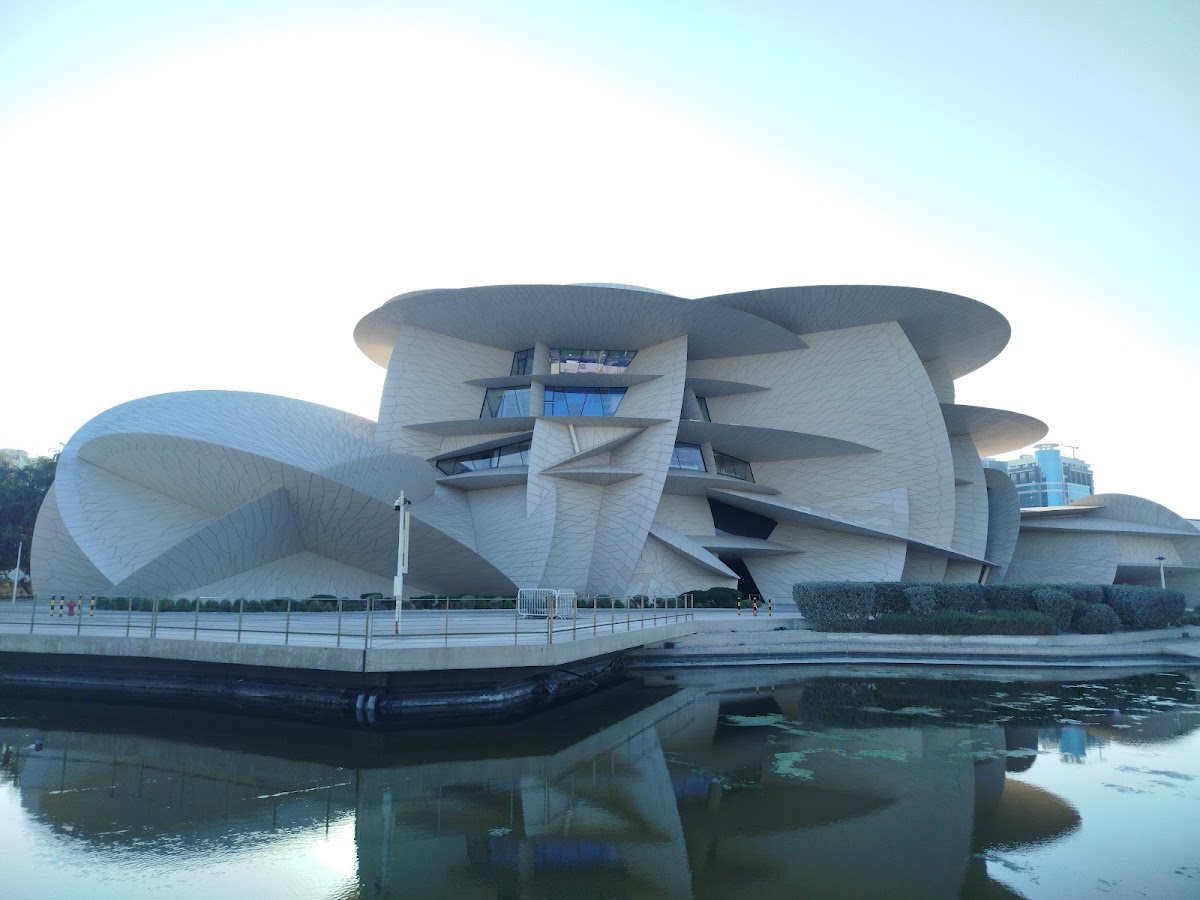
The National Museum of Qatar, designed by Jean Nouvel, is a narrative journey through the peninsula's past. Walk through immersive environments that recreate the pearl-diving seabed, the Bedouin campfire, and the oil boom's sudden rush. The film installation in the auditorium is a sensory overload of sand, sea, and sky.
Reserve at least two hours. The museum's cafe overlooks the lagoon and is a quiet spot to process the story of how a small fishing village became a global city.
An Amphitheatre by the Sea and a Dhow at Sunset
Greek-style columns frame a turquoise bay as the call to prayer blends with the sound of waves. A traditional wooden dhow bobs at the dock, its sails lowered.
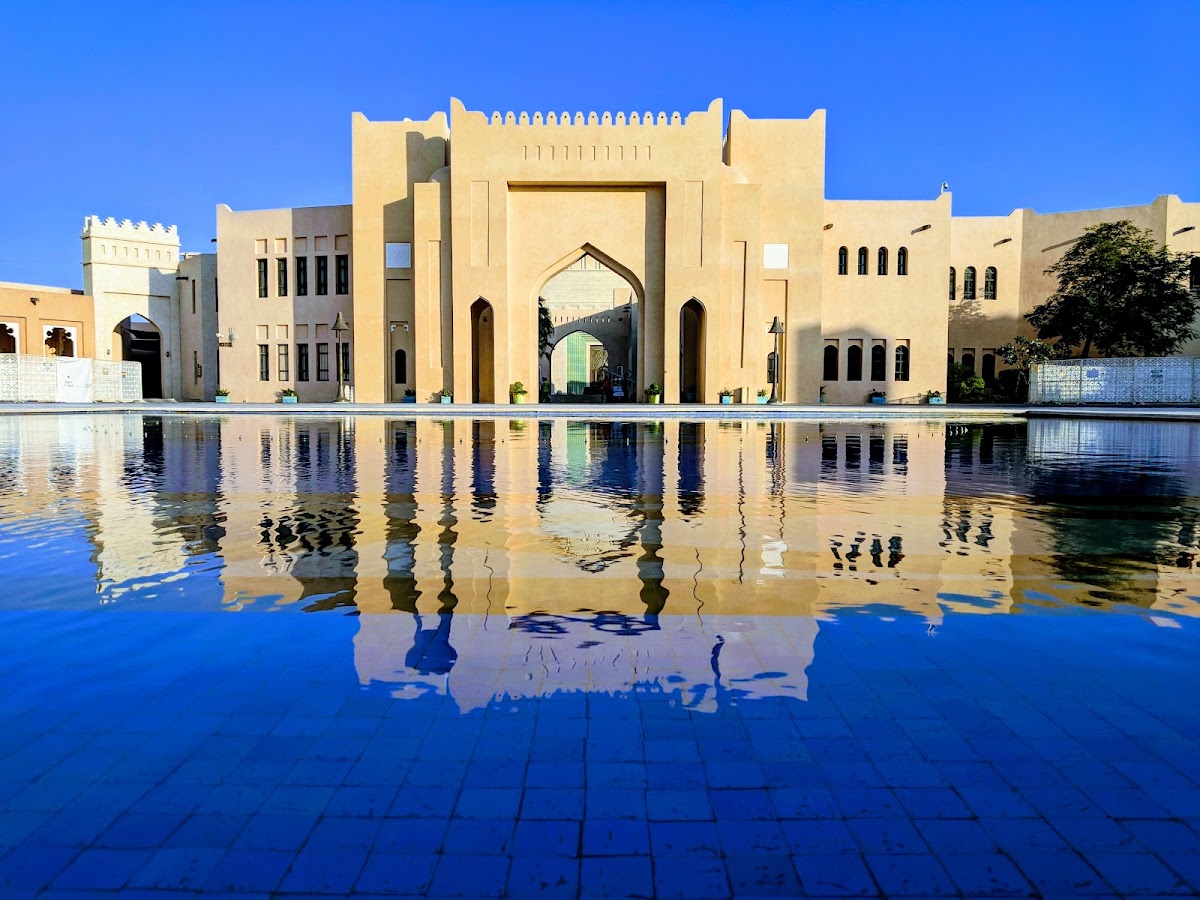
Katara Cultural Village is a purpose-built arts district where you'll find an open-air amphitheater, galleries, and beachside cafes. Stroll through the pigeon towers and the blue mosque before heading to the marina.
Board a dhow for a gentle cruise along the Corniche. As the sun sinks behind the skyline, the towers flicker to life, reflecting on the mirrored water. Sip karak chai and let the breeze carry the city's energy past you.
Dune Bashing to the Edge of the Empty Quarter
The 4x4 climbs a wall of orange sand, the engine roaring, then tips over the crest. Below, a ribbon of turquoise water cuts through the desert.
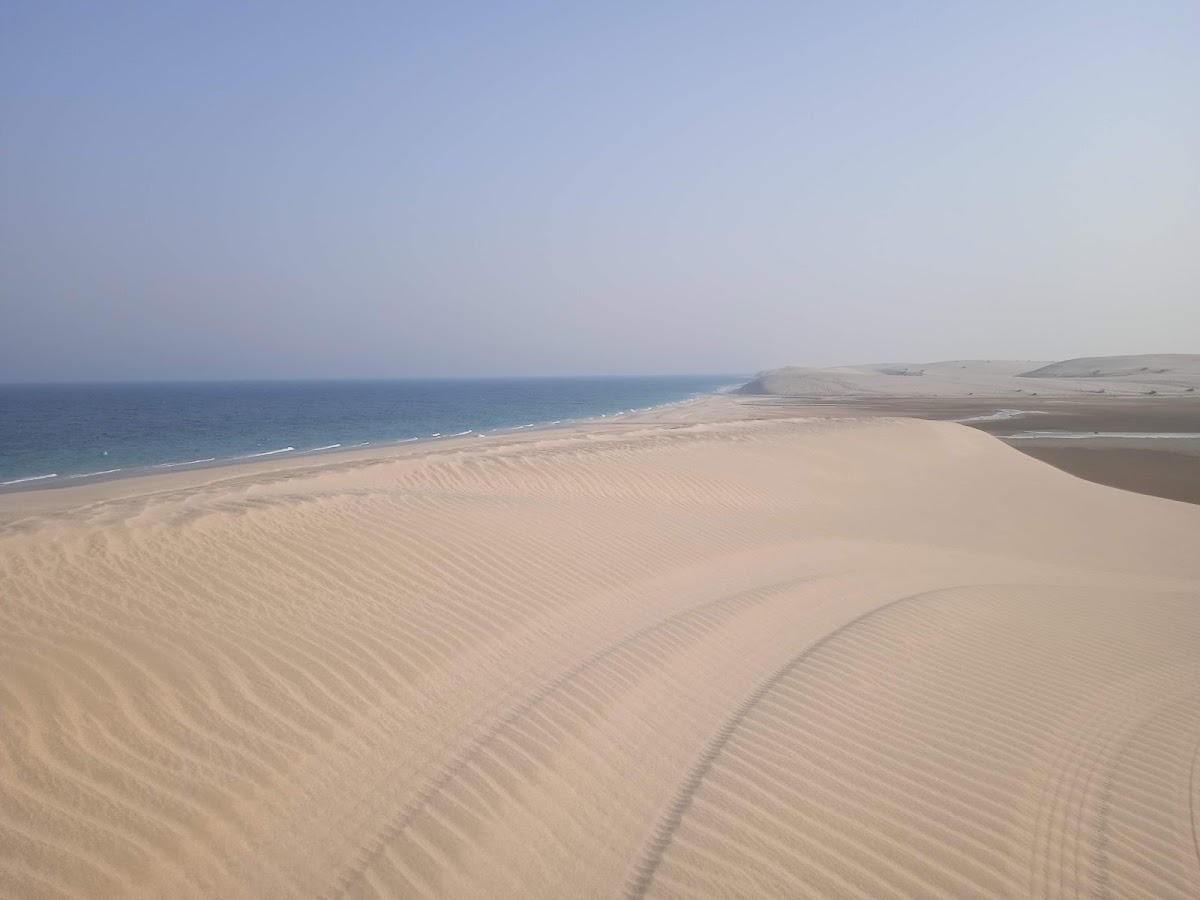
Khor Al Adaid, the Inland Sea, is a UNESCO-recognized natural reserve that can only be reached by 4x4. The safari from Doha takes about an hour, with dune bashing that will have you gripping the seat and grinning. Once at the shore, the silence is total, broken only by the lap of water and the occasional bird call.
Your driver will set up a picnic in the shade of a dune. Fresh juice, grilled chicken, and hummus taste better when the only roof is the sky. This is the Doha you came for: raw, quiet, and vast.
A Marina That Belongs on a Postcard
Whitewashed buildings curve around a marina dotted with superyachts. The air carries the scent of salt and freshly baked croissants.
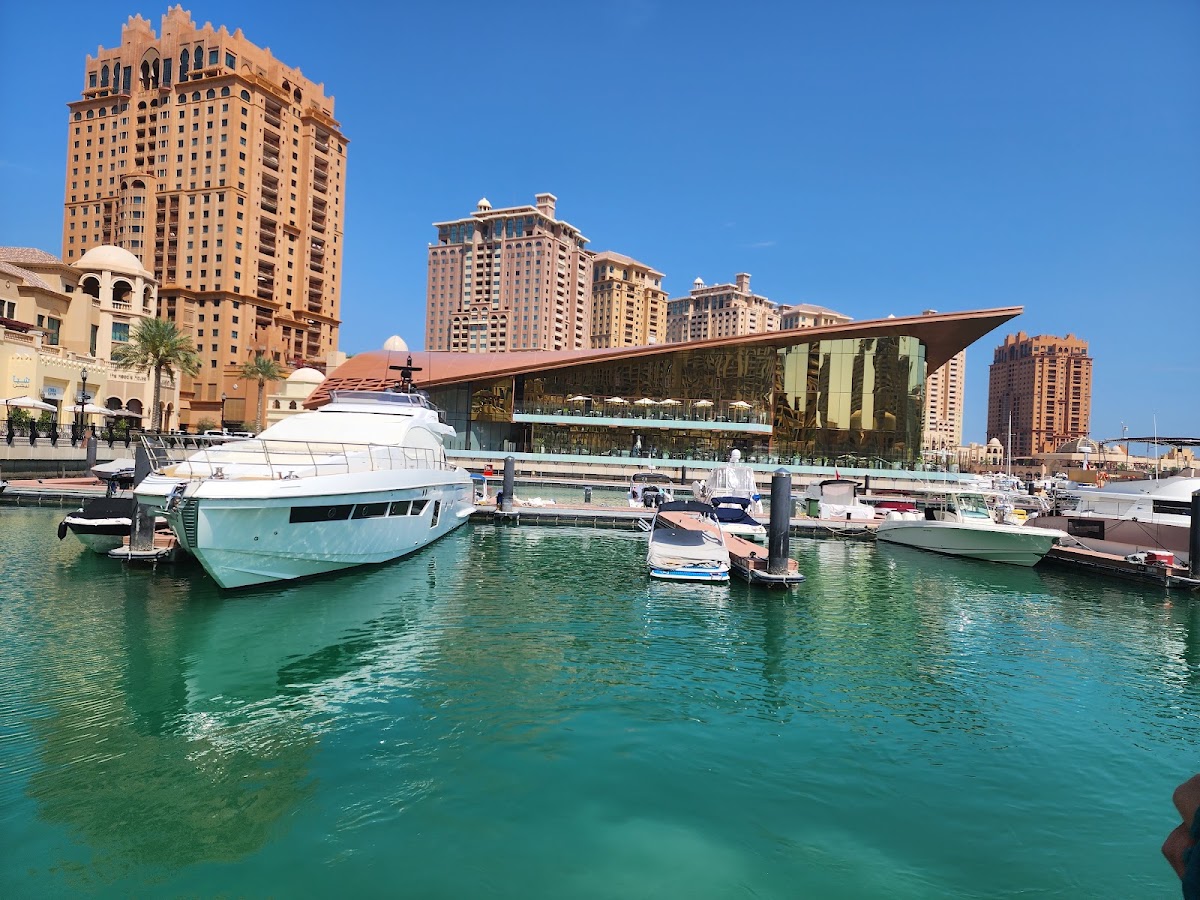
The Pearl-Qatar is a manmade island that feels like a Mediterranean resort dropped into the Gulf. Wander the Porto Arabia boardwalk, pop into boutiques, and settle at a canalside cafe for a late breakfast. The architecture is all arches and pastels, a deliberate escape from the city's steel-and-glass core.
This is the final chapter of your Doha journey, a place to decompress before the airport run. Order a flat white and watch the boats sway. Then it's a 15-minute transfer back to Hamad International, with a camera roll full of desert gold and sea blue.
Ready to book?
Book the rest of Doha, Qatar
Handpicked partner searches, dates pre-filled. Pricing is identical to going direct — the partner shares a small commission with Tabi so this guide stays free.
Frequently asked
What is the best time to visit Doha?
November to March. Temperatures are pleasant (20-28°C), perfect for outdoor souq wandering and desert safaris. Summers are scorching (45°C+), and many activities move indoors.
Do I need a visa for Qatar?
Citizens of 95+ countries, including the US, UK, Australia, and most of Europe, can enter visa-free for up to 30 days. Check the [Qatar Visa Check Portal](https://portal.moi.gov.qa/qatarvisas/) before you fly.
Is Doha expensive for travelers?
Mid-range. A three-star hotel in Souq Waqif costs around 400 QAR ($110) per night. Dinner for two at a traditional restaurant runs 150-250 QAR ($40-70). Desert safaris start at 600 QAR ($165) for a private vehicle.
How many days do I need in Doha?
Four days is ideal. Day one for the souq, day two for museums and a dhow cruise, day three for the desert safari, and day four for The Pearl-Qatar and departure. With only two days, skip the desert or swap Katara for the safari.
What should I wear in Doha?
Modest clothing covering shoulders and knees in public spaces like malls, souqs, and museums. At private beaches or The Pearl-Qatar, swimwear is fine. A light scarf is useful for mosque visits. Men should avoid sleeveless shirts in mosques.
Skip the planning
Your Doha, Qatar trip, ready to go
Adopt the day-by-day itinerary we built to match this guide. Every stop is a real place, every booking link is validated. Free forever, no card needed.
Open the Doha, Qatar itinerary