
Dublin, Ireland
What to Do in Dublin in 4 Days: Castles, the Book of Kells, and a Proper Pint
A walking log through the old stone, the dark history, and the warm pubs of Ireland's capital.
TL;DR
Four days to walk Dublin end to end, from a 13th-century castle to the top-floor bar where your Guinness tastes like it was made for the view.
- Trinity College's Long Room, lined floor to ceiling with ancient books
- The Book of Kells glowing in its dark, hushed display case
- A pint and fiddle music spilling out of Temple Bar's red pubs
- Kilmainham Gaol's cold stone corridors where Irish history turned
- Guinness Storehouse's Gravity Bar, 360 degrees of rooftop Dublin
Have this trip planned in 60 seconds
We built the Dublin, Ireland itinerary that pairs with this guide, day-by-day with verified venues and one-tap booking links. Free to adopt, edit however you want.
Landing, and the Fastest Way Into the Thick of It
Grey skies, a damp runway, and the smell of rain on tarmac before you've even found the exit. Welcome to Dublin.
Dublin Airport sits about 10km north of the river, and the good news is you can be dropping your bag in the city centre in half an hour. The Aircoach and Dublin Express buses run every 15 minutes or so and cost around 8 to 9 euro (roughly 9 to 10 USD) one way, dropping you near O'Connell Street and the big hotels.
If you're arriving jet-lagged with luggage, a pre-booked transfer waiting at arrivals is worth the extra euro just to skip the queue and the fumbling with coins.
Base yourself south of the River Liffey, around Dame Street or Temple Bar, and almost everything in this log is walkable from your front door. That's the quiet luxury of Dublin: it's small enough to cross on foot in an afternoon.
The Castle That Isn't Quite a Castle
A medieval tower hiding behind elegant red-brick Georgian wings, with a cobbled courtyard that echoes under your shoes.
Start at Dublin Castle on Dame Street, the seat of power in Ireland for 700 years. Expect a bit of a surprise: the storybook fortress mostly burned down in 1684, so what you walk through now is a gorgeous jumble of a surviving medieval record tower, 18th-century State Apartments, and a tiny jewel of a chapel.
The guided tour takes you underground to the old Viking and Norman foundations, where you can see the original moat line hidden beneath the modern courtyard. It runs about 8 euro (around 9 USD) and lasts under an hour, which is the perfect gentle start to a trip.
Step out the back into the Dubh Linn Garden, named for the black pool that gave the whole city its name. On a rare sunny afternoon, office workers eat lunch on the grass here, and you'd never guess the Chester Beatty Library next door holds some of the oldest manuscripts on earth.
The 1,200-Year-Old Book That Everyone Comes to See
The hush of a library so old the wood has gone dark amber, and then that single illuminated page under glass.
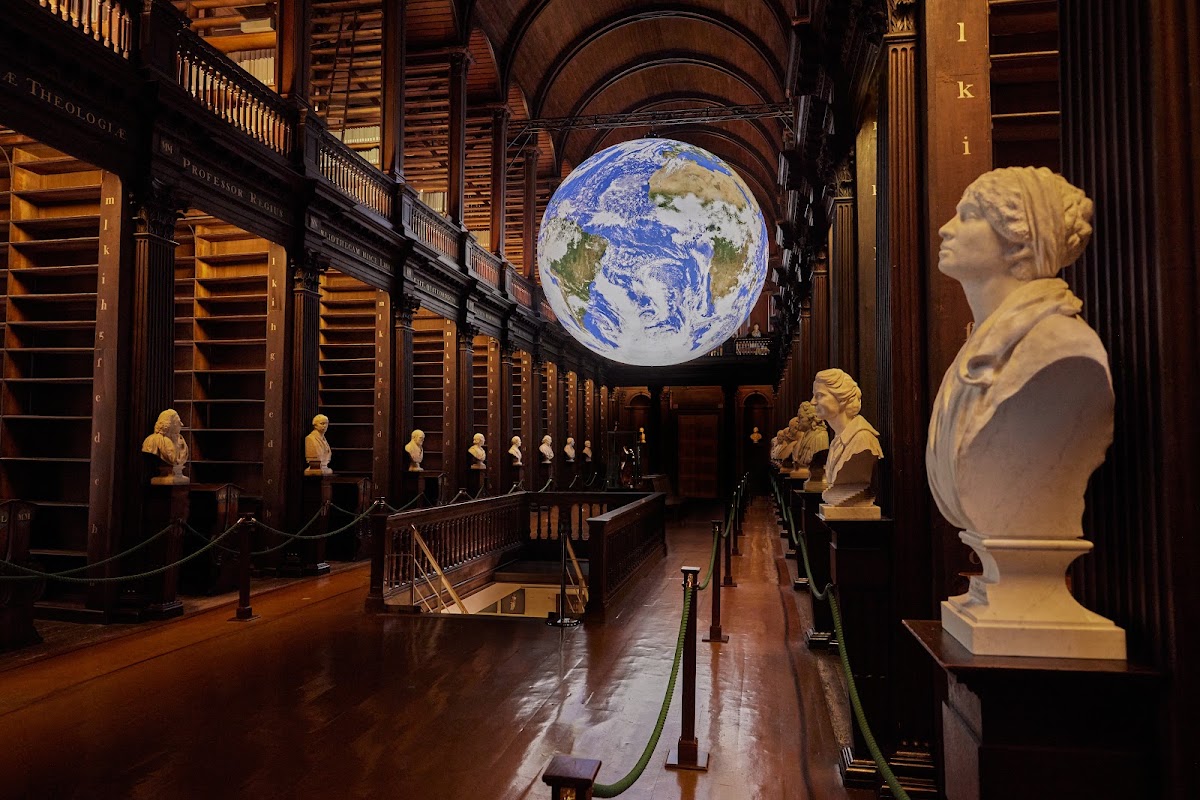
Walk five minutes to Trinity College, through the arch and onto the cobbles of the main square, and you're in Ireland's oldest university, founded in 1592. The reason the queue forms early is the Book of Kells, a gospel manuscript hand-painted by monks around the year 800, its pages swirling with gold leaf and impossible knotwork.
The real gasp, though, comes upstairs in the Long Room. Imagine a 65-metre hall lined floor to high ceiling with 200,000 of the oldest books in the library, marble busts standing guard between the stacks, and ladders that look like they haven't moved in a century.
Book your timed ticket online (around 18 to 25 euro, roughly 20 to 27 USD) so you're not stuck outside in the drizzle. Go for the first slot of the day if you can, because the Long Room is at its most magical before the crowds fill it.
The Spire of St. Patrick's, and the Tale of Swift
Flying buttresses against a bruised sky, and inside, the cool stone silence broken only by the organ practicing.
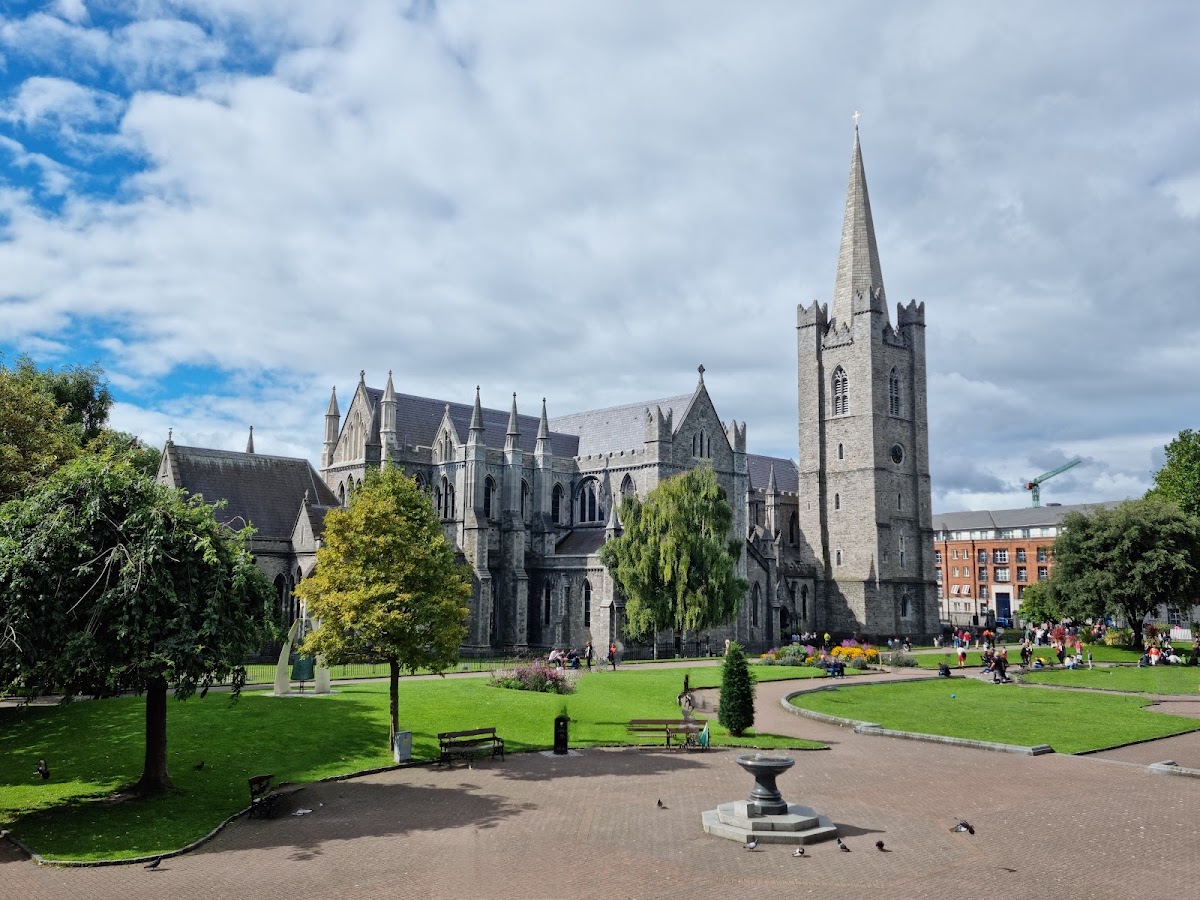
A ten-minute walk southwest brings you to St. Patrick's Cathedral, the largest church in Ireland, standing on the spot where the saint himself is said to have baptised converts. The current Gothic building dates from the 1200s, and its scale only really hits you once you're under the vaulted ceiling.
Look for the grave and epitaph of Jonathan Swift, author of Gulliver's Travels, who served as dean here for three decades. His bitter, brilliant words are carved into the floor and wall, and his death mask is on display nearby.
Entry runs about 9 to 11 euro (10 to 12 USD). Afterwards, cross to the little park beside it, St. Patrick's Park, for the postcard view of the whole cathedral reflected in the calm of a Dublin morning.
Swords, Longships, and a Smell of Woodsmoke
The clang of a reconstructed blacksmith, the creak of a timber longship, and a street you can walk as it looked a thousand years ago.
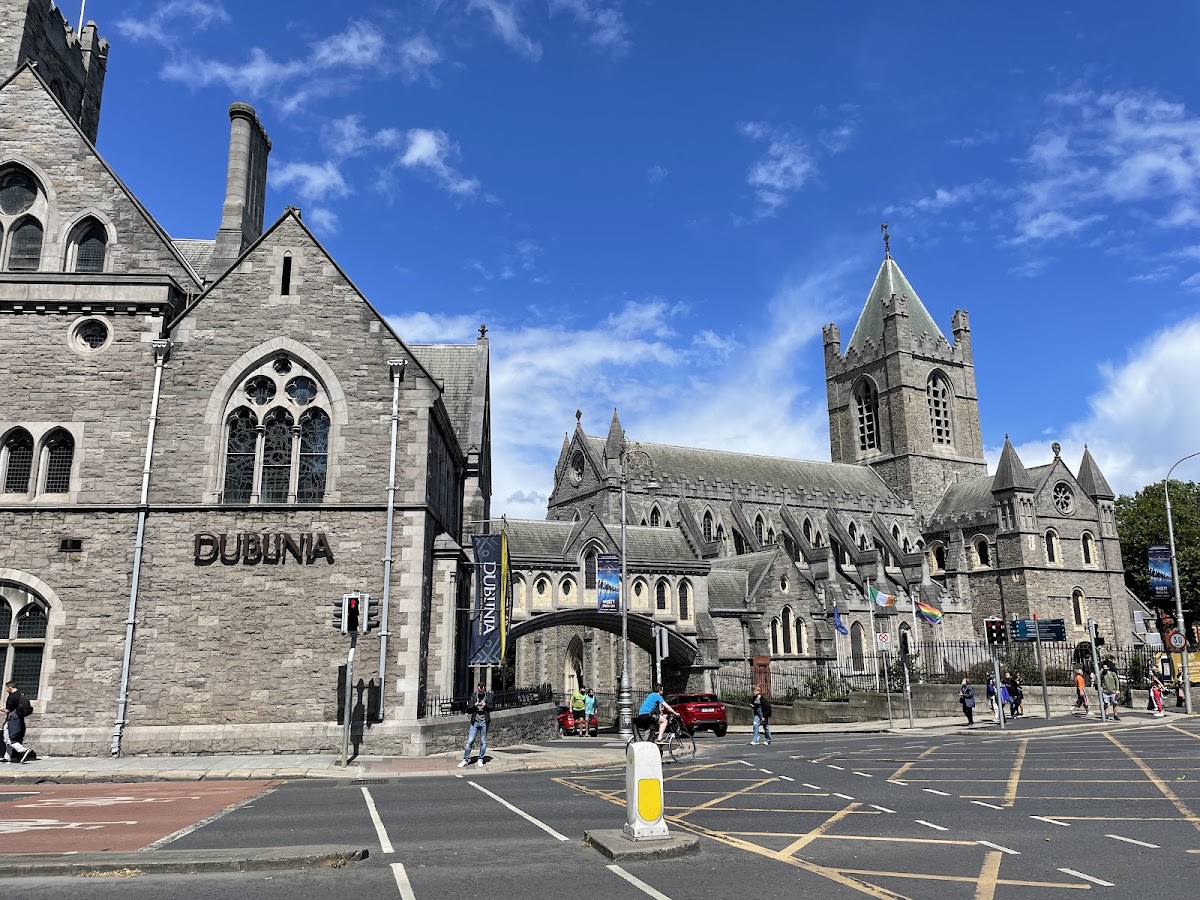
Just across from Christ Church Cathedral sits Dublinia, built inside the old Synod Hall, and it's a genuinely fun way to feel the city's Viking roots. Dublin was founded by Norse raiders in 841, and this is where their world comes back to life with recreated longhouses, market stalls, and the slightly grim reality of medieval plague.
Climb St. Michael's Tower at the top for a view out over the old medieval heart of the city, rooftops and spires packed tight the way they'd have been for centuries.
Tickets are around 12 euro (13 USD), and it's especially good if you're travelling with kids who need something more hands-on than another cathedral. Give it an hour or two, then wander the lanes of the old city toward the river.
The Pint Everyone Argues About, With the Best View in the City
Seven floors of copper vats and the deep roasted smell of barley, ending at a glass bar wrapped 360 degrees around Dublin's skyline.
You can't come to Dublin and skip the Guinness Storehouse at St. James's Gate, where they've been brewing the black stuff since 1759. The building is shaped like a giant pint glass inside, and the self-guided tour winds up through the history of the brew, the famous advertising posters, and a tasting room that teaches you to actually taste what you're drinking.
The payoff is the Gravity Bar at the very top, where your included pint comes with a wraparound panorama of the whole city, the Wicklow Mountains smudged blue in the distance on a clear day.
Book online for around 26 to 30 euro (28 to 33 USD), and go mid-afternoon when the morning rush has thinned. A pint pulled here, so close to the source, really does taste different, and that's worth the pilgrimage across the river.
Where Irish History Turned, in a Cold Stone Corridor
A vast hollow wing of cells rising to a glass roof, every footstep echoing, light pouring down onto empty iron doors.
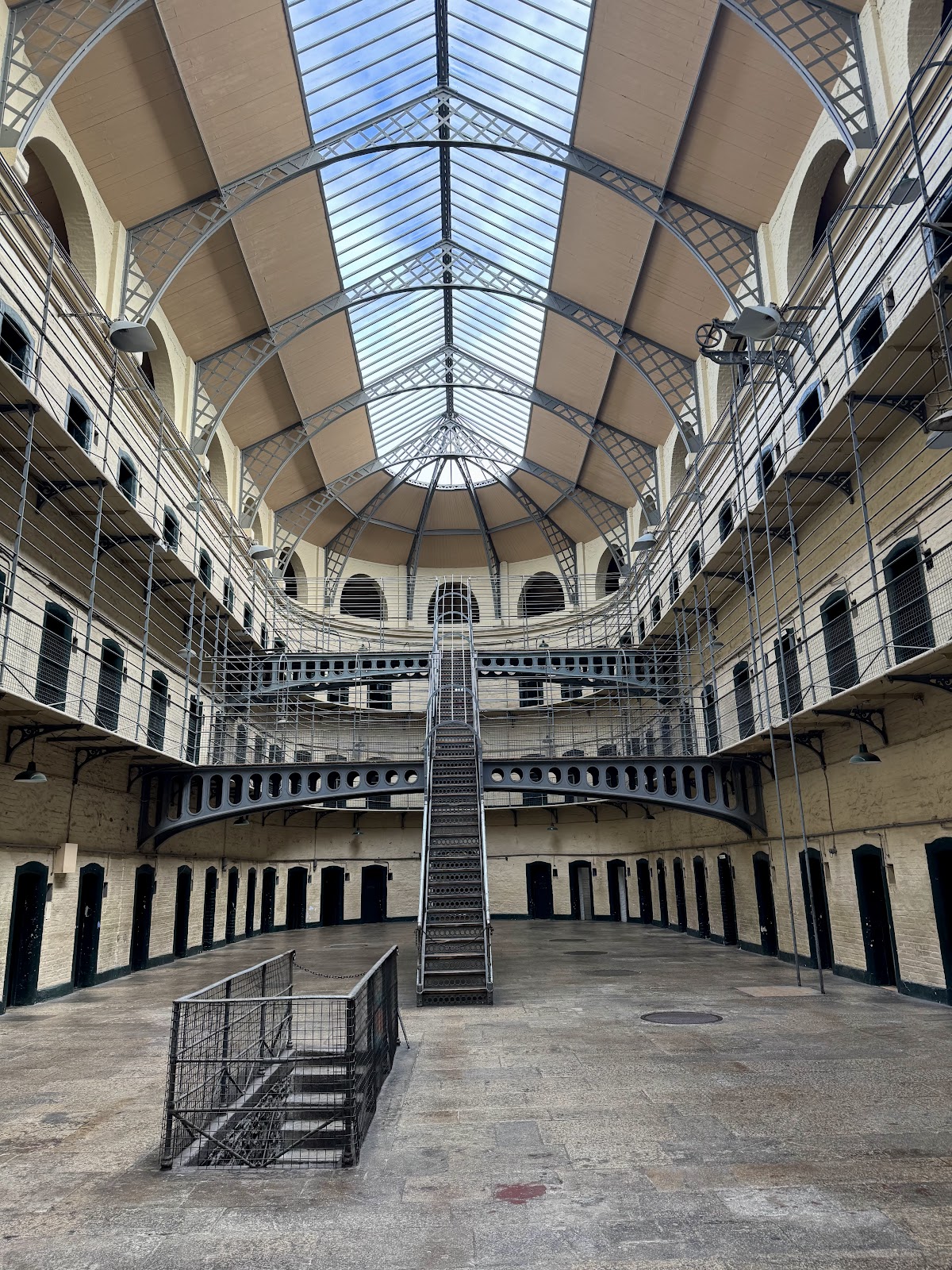
A short bus or taxi ride west brings you to Kilmainham Gaol, and this is the most moving stop in Dublin. Opened in 1796, this prison held the leaders of nearly every Irish rebellion, and the men of the 1916 Easter Rising were executed in its stonebreakers' yard. You can only visit by guided tour, and your guide tells the story with a quiet weight that stays with you.
The great East Wing, with its vaulted glass ceiling and tiers of cell doors, is the part you'll recognise from a dozen films, but nothing prepares you for standing in the yard where the executions happened.
Tickets are only about 8 euro (9 USD) but they sell out days ahead, so book early online. Come here and the pubs and museums suddenly make more sense; you understand what this city has lived through.
Bog Bodies, Gold Torcs, and a Last Slow Morning
Twisted gold collars from the Bronze Age gleaming in low light, and the uncanny, leather-dark face of a man who died 2,000 years ago.
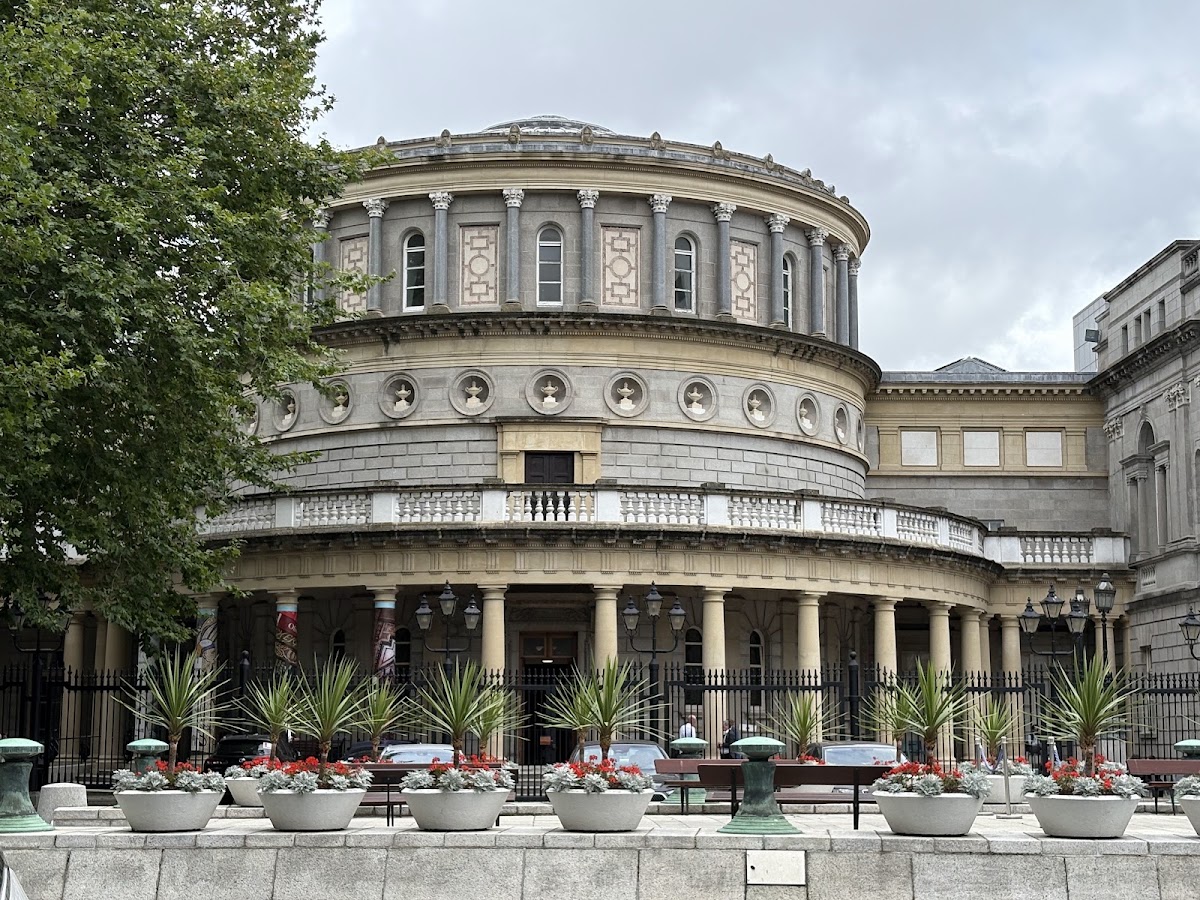
Save your last morning for the National Museum of Ireland, Archaeology, on Kildare Street, and best of all it's completely free. Inside is one of the great collections of prehistoric gold in Europe, intricate torcs and ornaments hammered thousands of years ago, plus the extraordinary, haunting bog bodies preserved in the peat.
The building itself is worth the visit, a domed Victorian rotunda with mosaic floors and marble columns that feel like a temple to the past.
It's an easy stroll from here through Georgian Dublin, past the elegant doorways of Merrion Square, before you make your way back to Dublin Airport. Leave about an hour by the Aircoach or a pre-booked transfer to be safe. If you've got energy left over, a seafood dinner in the city centre the night before, fresh Dublin Bay prawns or Galway oysters, is the kind of send-off this city does best. For a cleaner day-by-day plan to tie it all together, lean on the curated Dublin itinerary linked above.
Ready to book?
Book the rest of Dublin, Ireland
Handpicked partner searches, dates pre-filled. Pricing is identical to going direct — the partner shares a small commission with Tabi so this guide stays free.
Frequently asked
How many days do you need in Dublin?
Four days is the sweet spot. It gives you time for Trinity College and the Book of Kells, both cathedrals, the Guinness Storehouse, Kilmainham Gaol, and a free morning for the museums and Georgian streets, all without rushing. Three days works if you cut one museum; add a fifth for a day trip to the coast or the Wicklow Mountains.
Do I need to book Dublin attractions in advance?
Yes for three in particular. The Book of Kells at Trinity and the Guinness Storehouse both use timed entry and sell out at peak times, and Kilmainham Gaol can only be visited on a guided tour that often books out days ahead. Reserve those online as soon as your dates are fixed. Dublin Castle and the cathedrals you can usually walk into.
Is Dublin walkable, or do I need public transport?
Most of the sights in this log are walkable if you stay south of the Liffey around Dame Street or Temple Bar. The two exceptions are the Guinness Storehouse and Kilmainham Gaol out west, which are an easy bus, tram, or short taxi ride. A Leap Visitor Card covers buses, the Luas tram, and the DART train if you want flexibility.
When is the best time to visit Dublin?
Late spring (May and June) and early autumn (September) give you the longest, mildest days and thinner crowds than July and August. Dublin weather is changeable year-round, so expect some rain in any season and pack layers. St. Patrick's weekend in March is lively but very busy and pricier for hotels.
Is the Guinness at the Storehouse really better than elsewhere?
Pulled right at St. James's Gate where it's brewed, and enjoyed fresh in the Gravity Bar with a city-wide view, it's about as good as a pint of Guinness gets. That said, a well-poured pint in any traditional Dublin pub, given its proper time to settle, is a close rival and comes with far more atmosphere.
Skip the planning
Your Dublin, Ireland trip, ready to go
Adopt the day-by-day itinerary we built to match this guide. Every stop is a real place, every booking link is validated. Free forever, no card needed.
Open the Dublin, Ireland itinerary