
Fiji, Fiji
What to Do in Fiji in 6 Days: Reefs, Sand Cays, and a Mud Pool You'll Love
A picture-first walk through Nadi, the Mamanuca Islands, and the warm water in between.
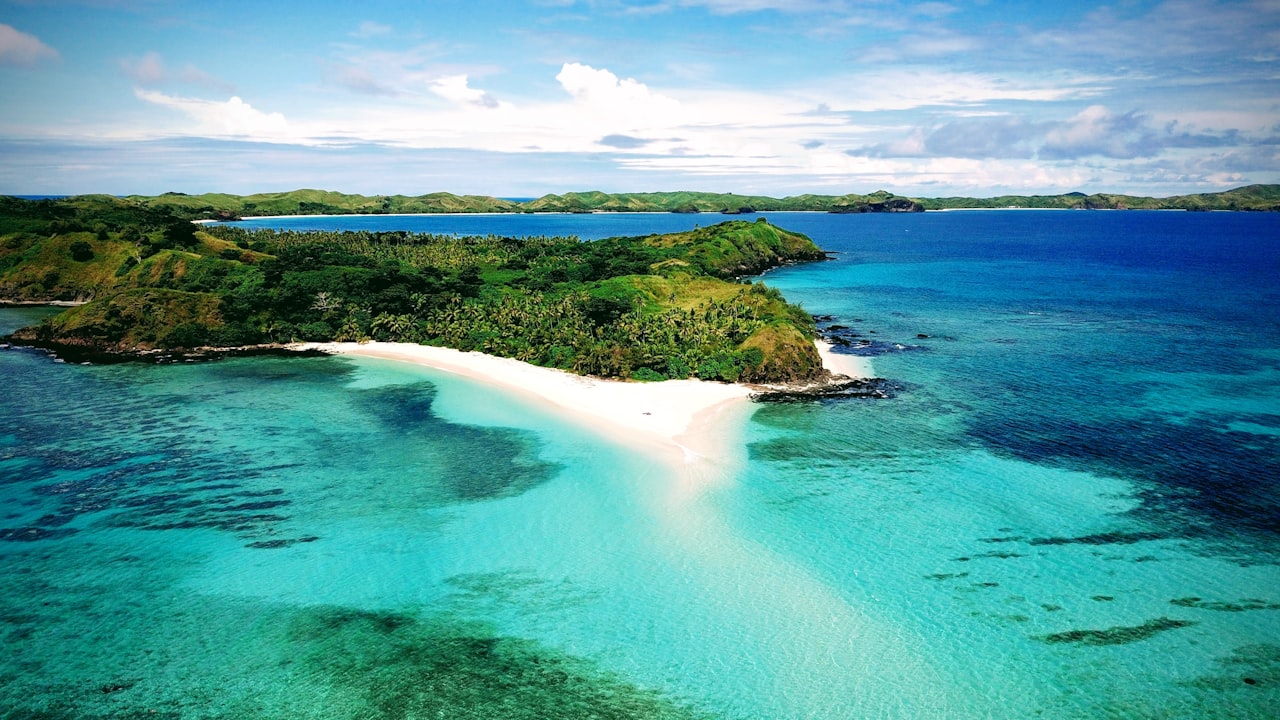
Photo by Max on Unsplash
TL;DR
Six days that start with a marina sunset and end with you grinning in a warm mud pool, most of it spent barefoot on boats and sand cays.
- Port Denarau Marina at dusk, superyachts glowing pink on the water
- Malolo Barrier Reef so clear you count fish through your mask
- A barbecue lunch on a sand cay with no address
- Garden of the Sleeping Giant, thousands of orchids under jungle canopy
- Sabeto's mud pool, then a hot spring rinse under the hills
Have this trip planned in 60 seconds
We built the Fiji, Fiji itinerary that pairs with this guide, day-by-day with verified venues and one-tap booking links. Free to adopt, edit however you want.
The First Warm Breath at Nadi
You step off the plane and the air is thick, sweet, faintly floral. A ukulele trio is playing by the arrivals gate before you've even found your bag.
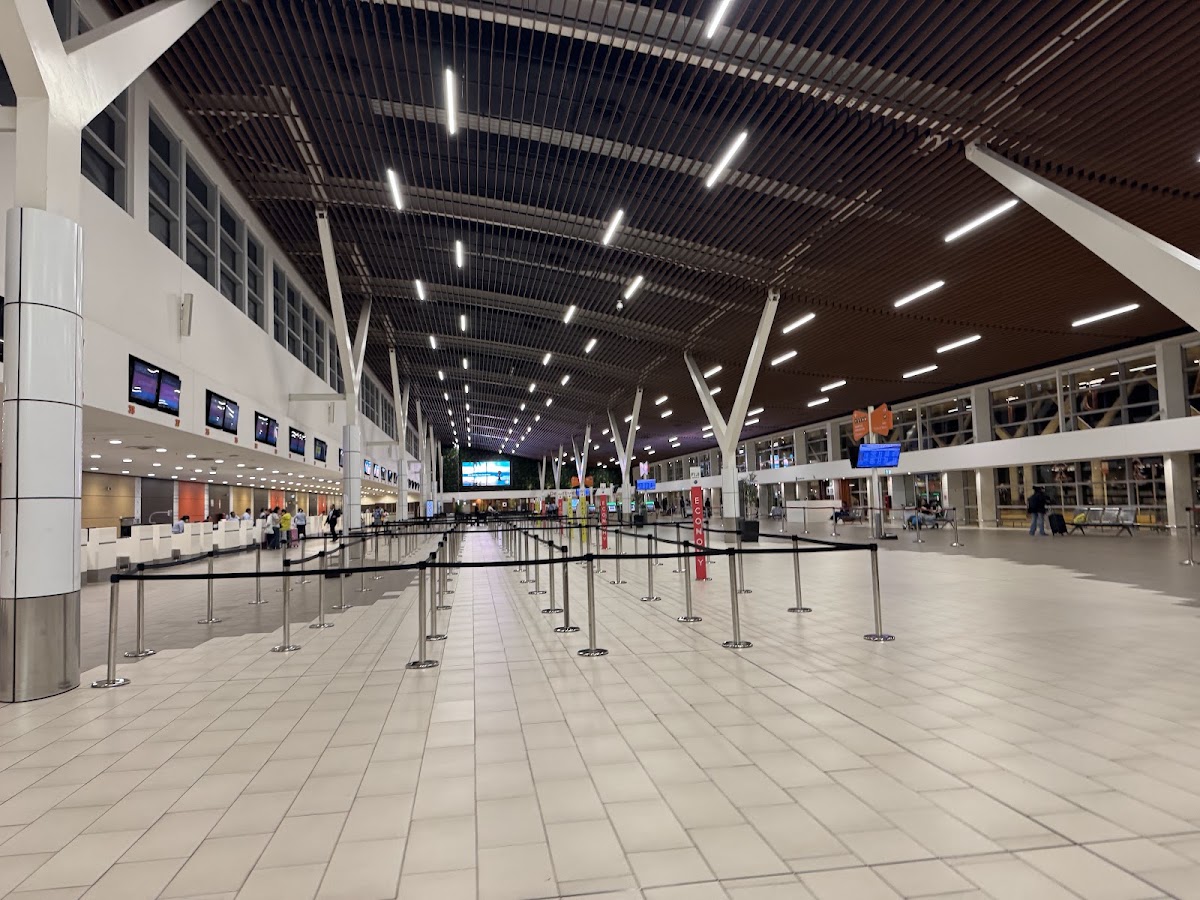
Nadi International Airport is small and friendly, and the drive to your Denarau hotel takes about 20 to 25 minutes past sugarcane fields and roadside fruit stalls. Book your transfer ahead so someone is holding a sign with your name; after a long-haul flight you will not want to negotiate a taxi in the heat.
Drop your bags, splash water on your face, and resist the urge to nap. Fiji runs on island time, and the sooner you slow to its pace the better the week goes.
A quick tip: grab a local SIM or eSIM before you leave the airport zone so you can message the resort and check ferry times. Coverage on the outer islands gets patchy fast.
Sunset at Port Denarau Marina
The water turns the color of peach juice, superyacht hulls catch the last light, and the smell of grilled fish drifts off the boardwalk restaurants.
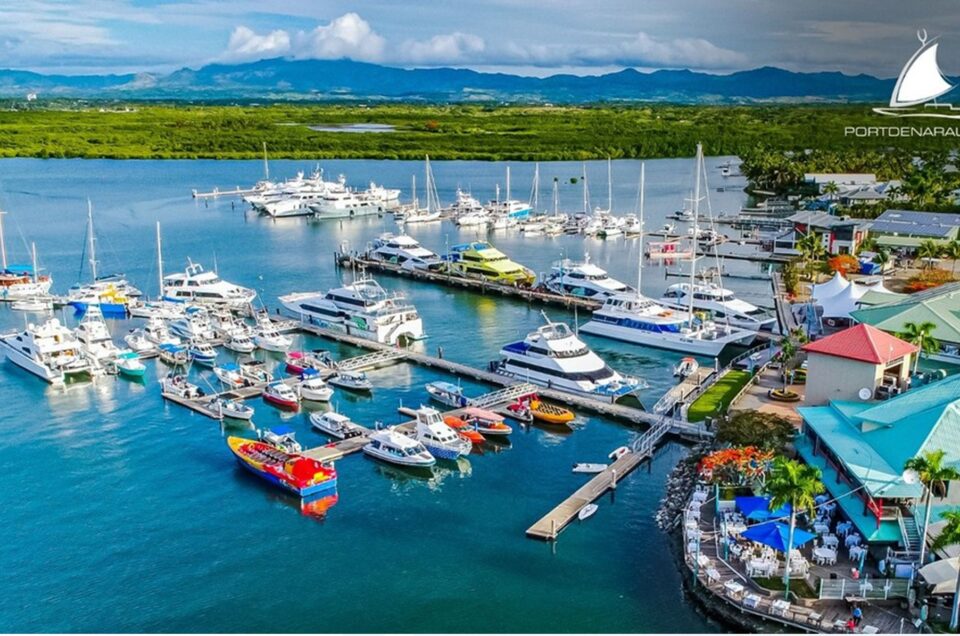
Port Denarau Marina is where the whole island trip is stitched together. Every ferry to the Mamanucas leaves from here, and in the evening it becomes a lazy, happy strip of bars and casual seafood spots along the water.
Walk the boardwalk before dinner. You will see day-trippers coming back sunburnt and content, dive boats being hosed down, and kids jumping off the low docks. Order a kokoda (Fijian ceviche in coconut milk and lime) and watch the sky do its thing.
This is your staging night. Confirm tomorrow's ferry departure, because the fast boats to the islands run to a real schedule even when nothing else here does.
The Ferry Ride That Changes the Color of the Water
Somewhere 20 minutes out of Denarau the sea flips from deep navy to a glowing turquoise, and half the boat reaches for their phones at the same time.
The catamaran to the Mamanuca Islands takes anywhere from 30 minutes to about 90, depending on which island you're headed to. Sit on the open upper deck if you can. The wind is warm and the view keeps getting better.
Green volcanic peaks rise out of impossibly bright water, tiny resorts tuck into palm-fringed bays, and you start spotting the sand cays: little crescents of white with nothing on them but a couple of coconut trees.
By the time you reach your island and step into knee-deep water to wade ashore, the mainland already feels like a different country. Lunch at your beachside resort, then let the afternoon melt.
Face-Down Over the Malolo Barrier Reef
You put your face in the water and the noise of the world just stops. A parrotfish crunches coral three feet below you, electric blue and completely unbothered.
The Malolo Barrier Reef is the reason a lot of people come to Fiji in the first place, and it delivers. Visibility is often 20 metres or more, the water sits at a bathtub-warm temperature, and the fish are dense and colorful right where the reef shelf drops away.
Most resorts run guided snorkel trips out to the best sections; a half-day boat with gear typically runs around FJD 80 to 150 (roughly USD 35 to 65). If you dive, this is world-famous soft-coral territory, so bring your certification card.
Go easy on the reef. Don't stand on the coral, don't touch anything, and reef-safe sunscreen only. Fiji's reefs have taken a beating from warming water, and the good operators are serious about protecting what's left.
Barbecue on a Sand Cay With No Address
The boat cuts its engine and you wade onto a sandbar barely bigger than a tennis court. Someone is already fanning coals; the smell of grilled chicken drifts across water so clear it looks fake.
This is the day that ends up on everyone's camera roll. A full-day sailing trip loops around the uninhabited islands of the Mamanucas, stopping to snorkel over new reef, and lands for lunch on a tiny sand cay that appears at low tide.
Lunch is a proper barbecue right on the sand: fish, chicken, tropical fruit, cold drinks, your feet in the shallows the whole time. There's no shop, no dock, no wifi. Just you, a few other travelers, and about 360 degrees of ocean.
Bring a hat, reef shoes, and more water than you think you need. The reflected sun off white sand and pale water is fierce, and there is precisely zero shade out there.
Orchids Under the Sleeping Giant
You leave the beach for one day and step into deep green shade. The air smells of wet earth and vanilla, and orchids hang at eye level everywhere you turn.
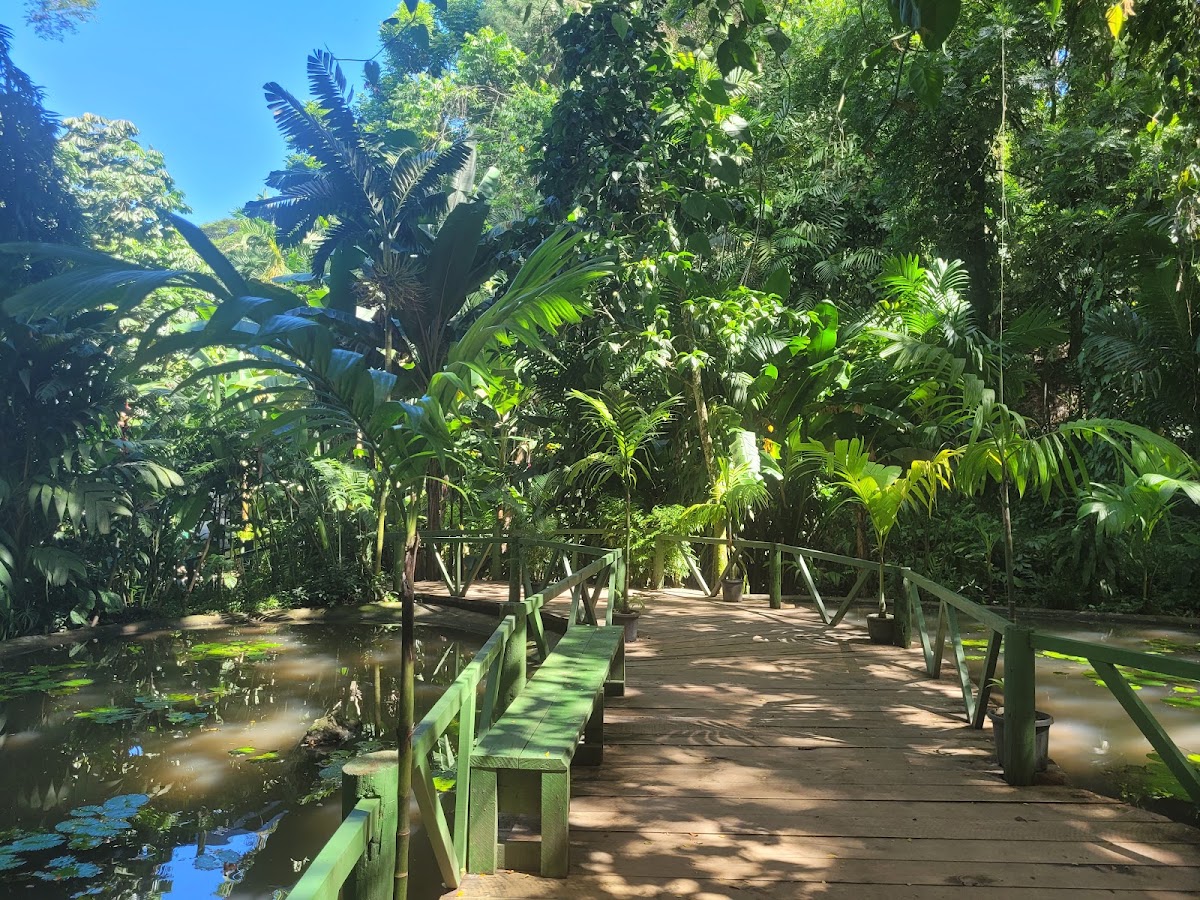
Back on the mainland, the Garden of the Sleeping Giant sits at the foot of the Sabeto mountain range on Wailoko Road, about 20 minutes north of Nadi. It began as a private orchid collection and now holds thousands of blooms along shaded boardwalks and lily ponds.
Entry is around FJD 20 (about USD 9), and the loop takes an easy hour. It's flat, quiet, and a lovely change of pace from salt water and sun. Go in the morning before the tour groups roll in.
Afterward, this same valley is where the mud pools are, so it pairs perfectly with a Sabeto afternoon.
A Kava Bowl at Viseisei Village
You sit cross-legged on a woven mat, someone claps once, and a coconut-shell cup of earthy kava is passed into your hands. You clap, drink, and your lips go pleasantly numb.
Viseisei Village near Vuda is one of the oldest settlements in Fiji, and a guided cultural tour here is how you get past the resort bubble. You'll be welcomed properly, learn how a Fijian village is organized, and share a bowl of kava (the mildly relaxing pepper-root drink at the center of social life).
A few things matter here: dress modestly with shoulders and knees covered, take your hat off inside the village, and bring a small gift or the tour's arranged sevusevu (traditional offering) if that isn't already included. Ask before photographing people.
It's genuine, generous, and the part of the trip you'll still be thinking about months later. Pair it with lunch at a local Fijian restaurant on the way back to Denarau.
Sinking Into the Sabeto Mud Pool
Warm gray mud squeezes up between your toes, everyone around you is laughing, and you slather it on until you look like a chalk statue. Then you rinse in a steaming spring under the hills.
Save the Sabeto Hot Springs and Mud Pool for your last full morning, because you'll want a shower and a slow lunch afterward. It's about 25 minutes from Nadi, tucked below the same Sleeping Giant ridge you visited earlier.
The routine is simple and gloriously silly: wade into the mud pool, coat yourself, let it dry in the sun, then move through a series of naturally hot spring pools to wash it all off. Entry is usually around FJD 15 to 25 (roughly USD 7 to 11). The mud is meant to be good for your skin; mostly it's just fun.
Spend a free morning in Nadi first, wander the market and the main temple, then finish here. It's the ideal wind-down before your last waterfront dinner and the transfer back to the airport.
Ready to book?
Book the rest of Fiji, Fiji
Handpicked partner searches, dates pre-filled. Pricing is identical to going direct — the partner shares a small commission with Tabi so this guide stays free.
Frequently asked
When is the best time to visit Fiji?
The dry season from May to October brings less rain, lower humidity, and the calmest water for boats and snorkeling. November to April is hotter and wetter, with a cyclone risk peaking around December to March, though you'll also find lower prices and greener landscapes.
How do I get from Nadi out to the Mamanuca Islands?
Fast catamarans depart daily from Port Denarau Marina, about 20 to 25 minutes from Nadi airport. Depending on your island the crossing takes roughly 30 to 90 minutes. Book seats ahead in high season and confirm your return time, as the last boats back leave in the early afternoon for some islands.
Do I need to bring cash, and what currency does Fiji use?
Fiji uses the Fijian dollar (FJD). Resorts and larger restaurants take cards, but village tours, the Sabeto mud pool, market stalls, and small operators are cash-only or prefer cash. Carry a modest stash of Fijian dollars for those days on the mainland.
What should I wear when visiting a Fijian village like Viseisei?
Cover your shoulders and knees, so bring a sulu (sarong) or long shorts and a t-shirt. Remove hats and sunglasses inside the village, as covering your head is considered disrespectful. Ask before photographing people, and follow your guide's lead on the kava ceremony.
Is the snorkeling and diving good, and is it eco-friendly?
Very good. The Malolo Barrier Reef and surrounding Mamanuca reefs offer clear, warm water and dense fish life, and Fiji is famous for soft corals. Choose operators who brief you on not touching coral, use mooring buoys, and require reef-safe sunscreen. The reefs have faced bleaching pressure, so responsible behavior matters.
Skip the planning
Your Fiji, Fiji trip, ready to go
Adopt the day-by-day itinerary we built to match this guide. Every stop is a real place, every booking link is validated. Free forever, no card needed.
Open the Fiji, Fiji itinerary