
Florence, Italy
What to Do in Florence in 5 Days: Domes, Marble, and Sunset Over the Arno
A walking log through the city where the Renaissance actually happened, one piazza at a time.
TL;DR
Five days in Florence, walked in order, from the first cathedral gasp to a gelato watching the sun drop behind the Arno.
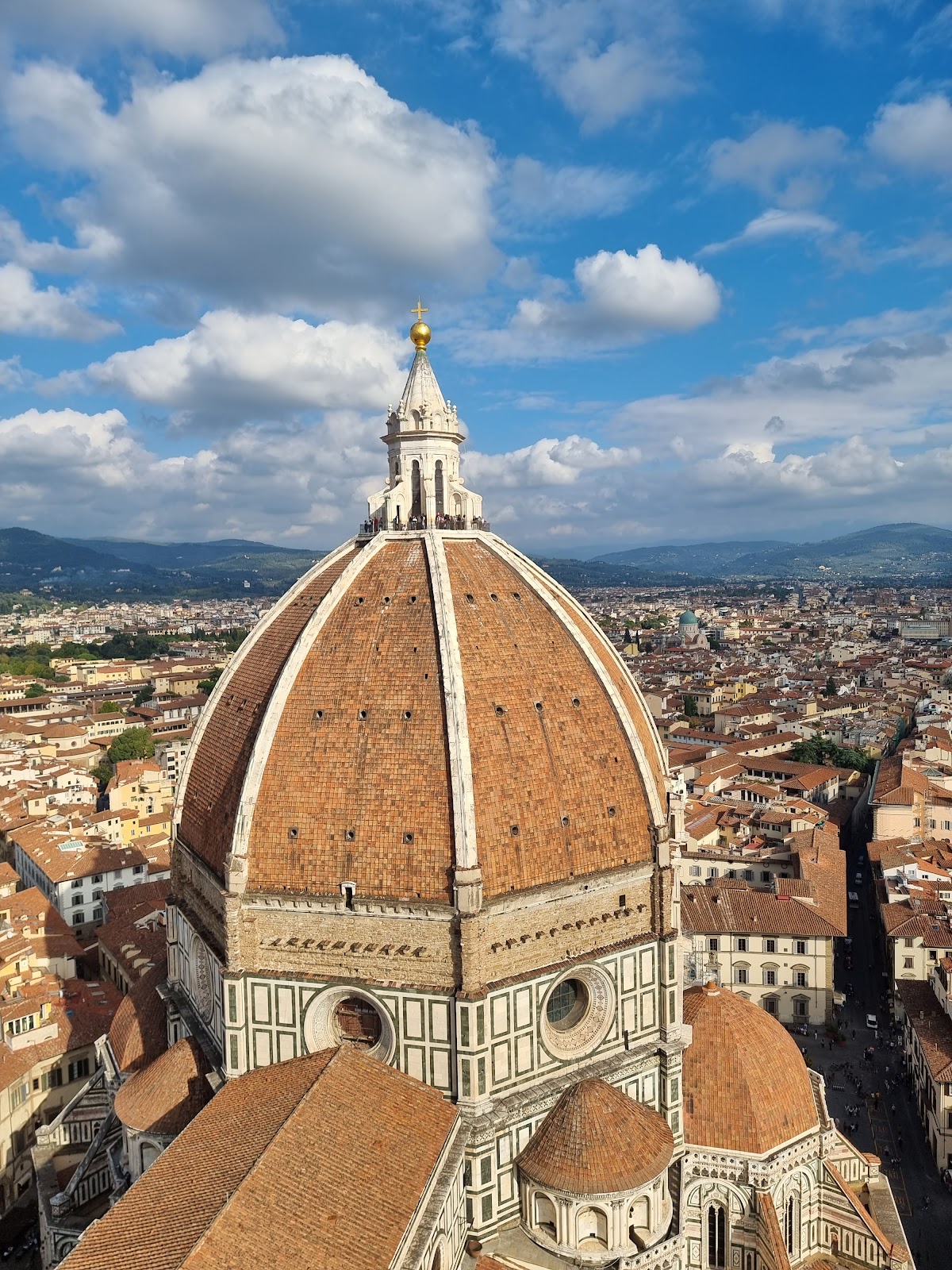
- Brunelleschi's terracotta dome, still the biggest brick one on Earth
- Michelangelo's David, seventeen feet of marble you feel in your chest
- Botticelli's Venus glowing in the Uffizi's long corridor
- Boboli Gardens hedges hiding fountains behind every turn
- Sunset gold flooding the whole city from Piazzale Michelangelo
Have this trip planned in 60 seconds
We built the Florence, Italy itinerary that pairs with this guide, day-by-day with verified venues and one-tap booking links. Free to adopt, edit however you want.
Arriving Into a Marble Living Room
You step out of Santa Maria Novella and the air smells like espresso and warm stone. Church bells land somewhere to your left.
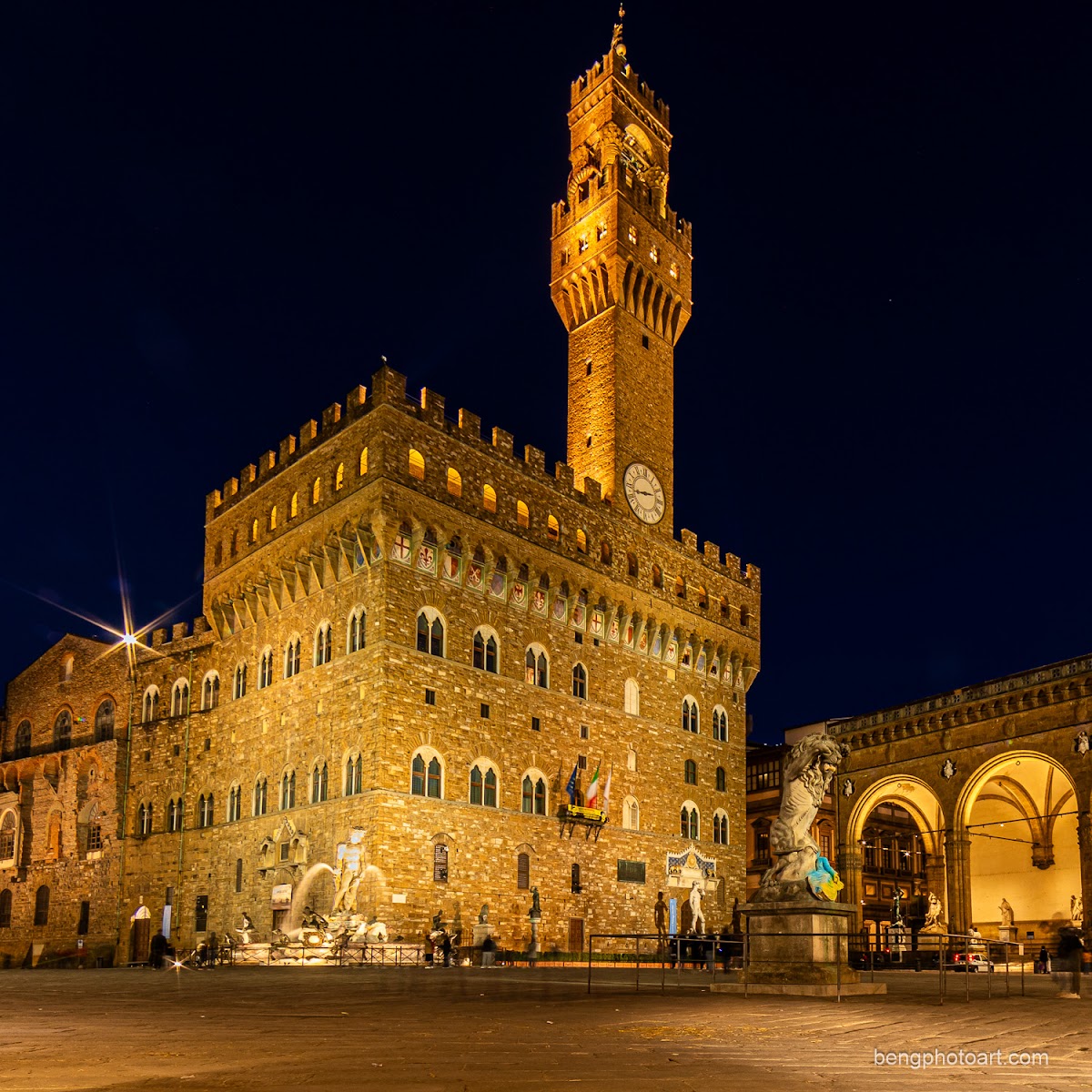
The station drops you into the real city fast. Within ten minutes on foot you can be standing in Piazza della Signoria, which feels less like a square and more like an open-air sculpture gallery that nobody bothered to put a roof on.
The Palazzo Vecchio tower spikes up above you, and a copy of the David stands guard where the original once did (the real one is a short walk away, we'll get there). The Loggia dei Lanzi off to the side shelters bronze and marble figures you can walk right up to, for free, any hour of the day.
Drop your bags first. A private transfer from the airport runs around 30 euro (about 33 USD) and saves you dragging a suitcase over the cobbles, which are charming until your wheels catch every single gap.
The Dome That Broke the Rules
You round a corner and the whole Duomo just appears, green and pink and white marble stacked so high your neck gives out.
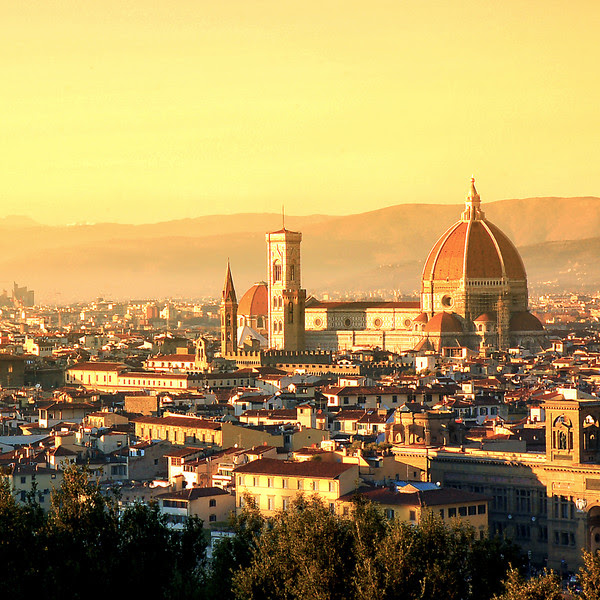
Nobody is ready for the size of it. The cathedral fills the piazza in a way photos flatten out completely, and the crowd around you all does the same slow tilt backward.
Brunelleschi built that terracotta dome in the 1400s without a supporting frame, which architects at the time swore was impossible. It is still the largest brick dome ever raised. Climb the 463 steps (book a timed slot, they sell out) and you pass right under Vasari's swirling Last Judgment frescoes on the way up.
Next door, Giotto's Bell Tower gives you a straight-on view of the dome itself, which is the shot you actually want. The combined ticket covering dome, tower, and baptistery runs 30 euro (about 33 USD) via the official Opera del Duomo site. Reserve ahead; walk-up dome tickets basically don't exist.
Standing Under Seventeen Feet of David
You walk down a plain corridor lined with unfinished slaves straining out of raw marble, and then the room opens and there he is.
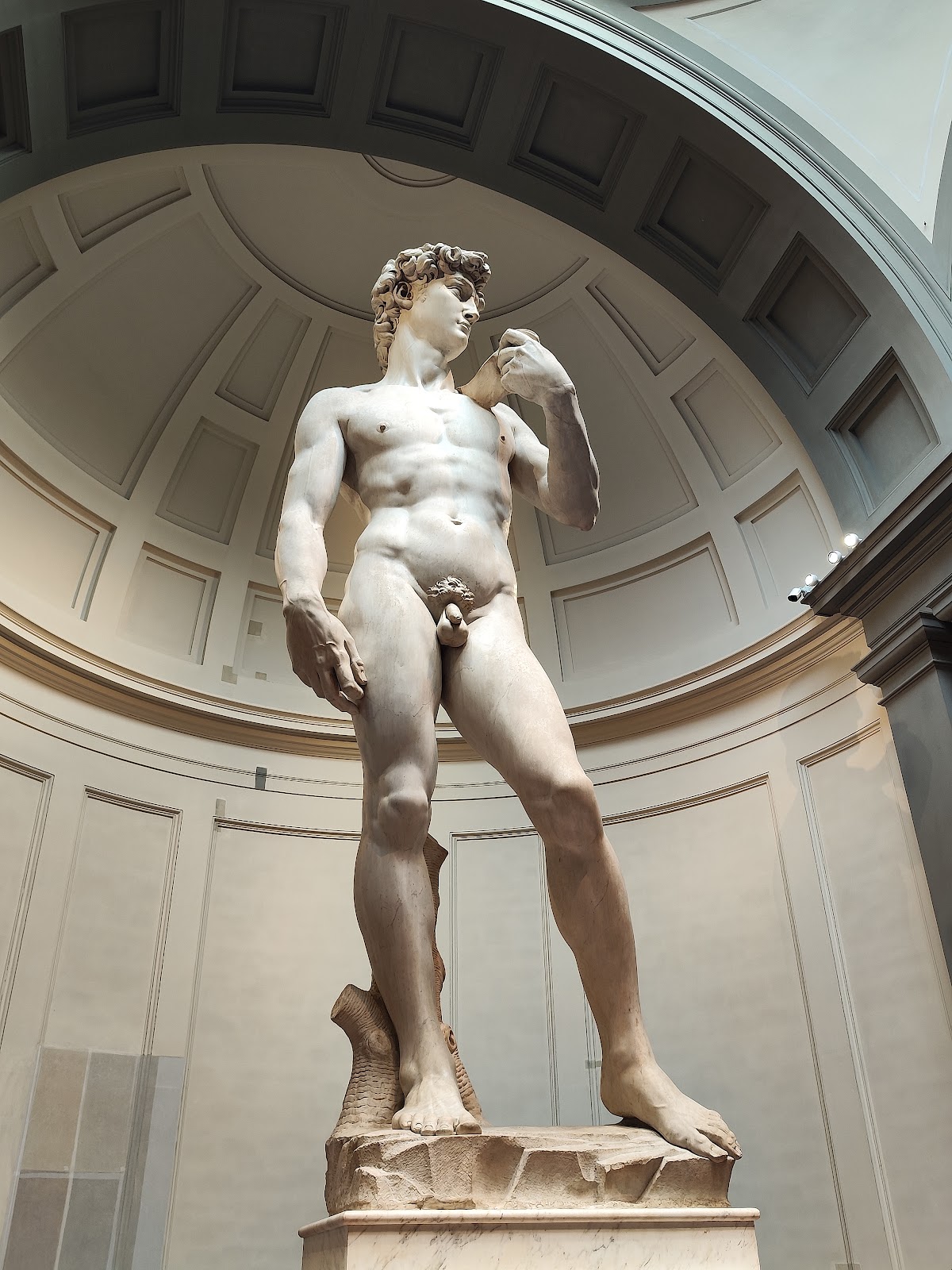
The Galleria dell'Accademia is a small museum with one enormous reason to exist. Michelangelo's David stands under a domed skylight at the end, and the scale of him hits differently in person. Seventeen feet tall, veins in the hands, a coiled stillness like he might move.
Get a morning slot right when the doors open at 8:15. By eleven the room fills up and the quiet is gone. Tickets are around 16 euro (about 17 USD) and yes, you book these in advance too, no exceptions in high season.
On your way back toward the center, swing east to the Basilica of Santa Croce. It's the burial place of Galileo, Michelangelo, and Machiavelli, and the marble tombs line the walls of a soaring Franciscan nave. The piazza out front is one of the nicer spots to sit with a coffee and watch the city breathe.
The Corridor Where Venus Waits
Sunlight pours through tall windows down a long gallery, and every doorway frames another painting you've seen your whole life.
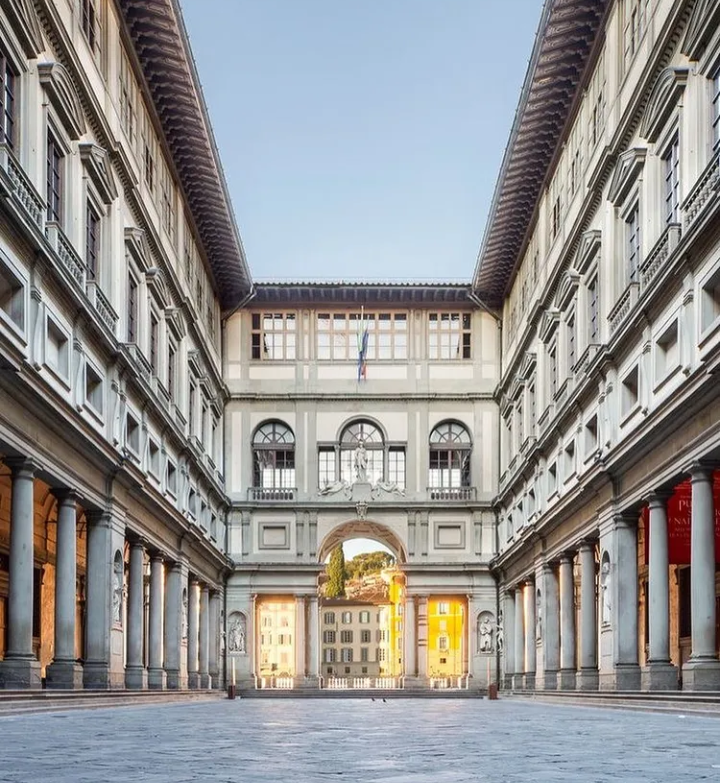
The Uffizi is where the Medici parked their private collection, and walking it feels like flipping through an art history textbook that suddenly turned real. Botticelli's Birth of Venus and Primavera share a room that stops everyone cold. Leonardo, Raphael, Caravaggio, room after room.
Go slow, but pick your battles; this place can swallow four hours easily. The riverside windows halfway through give you a surprise view straight down the Arno to the Ponte Vecchio.
When your feet quit, walk five minutes to the Mercato Centrale. The first-floor food hall is a glass-roofed hangar of counters: fresh pasta, bistecca, cheese, wine by the glass. Grab a stool, eat like a local, and split a plate of pappardelle for around 10 euro (about 11 USD). Afternoon is for wandering the Oltrarno, the workshop side of the river where leather and gold artisans still keep shops open.
A Palace With a Forest Behind It
You cross the Ponte Vecchio, the jewelers' windows flashing gold, and on the far bank a fortress of a palace opens onto green hills of hedge.
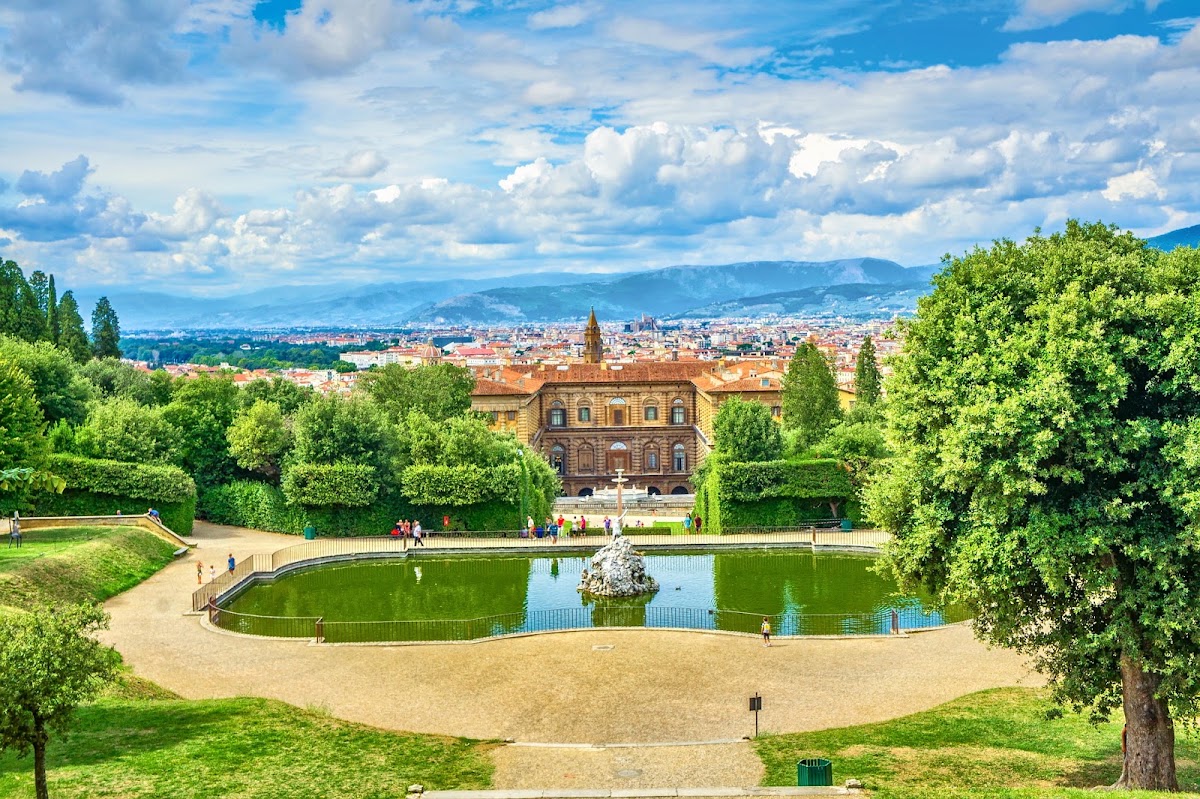
The Pitti Palace was the Medici home once they wanted more elbow room, and it is a wall of grey stone that goes on and on. Inside are royal apartments and a dense gallery of Raphael and Titian, but the real escape is out back.
The Boboli Gardens climb the hill in terraces of clipped hedge, cypress avenues, and fountains you stumble onto around blind corners. It's the closest thing Florence has to a quiet, open-sky reset after days of crowded galleries. The combined Pitti and Boboli ticket runs about 22 euro (roughly 24 USD).
The Oltrarno neighborhood around the palace is where you'll want a room, honestly. It's calmer than the tourist core, full of trattorie locals actually eat at, and still a ten-minute walk back across the river to everything.
The Chapel Michelangelo Carved for the Dead
You push through a plain door near the market and the room goes silent and cold; four allegorical figures of Dawn, Dusk, Day, and Night recline on marble tombs.
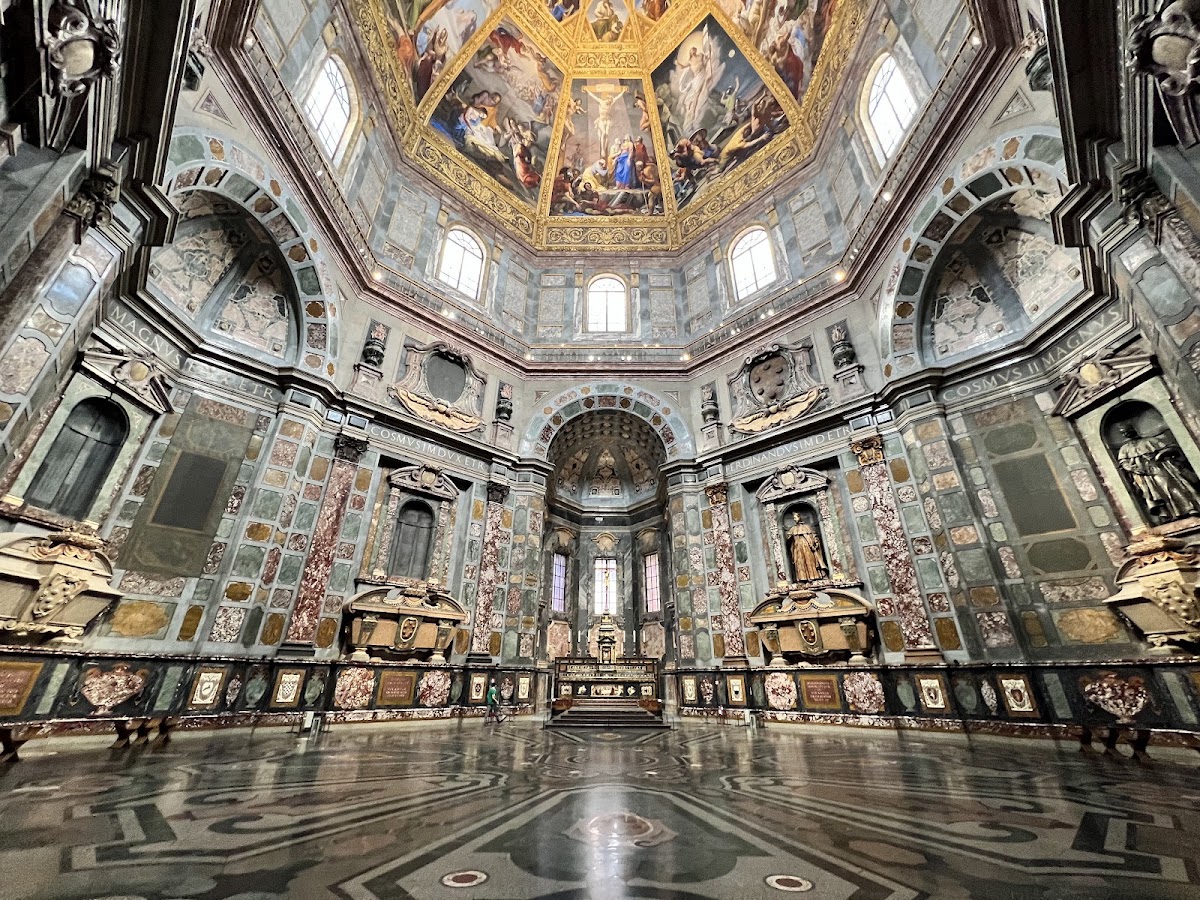
The Medici Chapels sit behind the Basilica of San Lorenzo, and the New Sacristy is pure Michelangelo. He designed the whole room and carved the tomb sculptures himself, muscular figures that seem to be waking up or falling asleep on the sarcophagi. Entry is around 9 euro (about 10 USD).
Next door, San Lorenzo itself was the Medici parish church, and the attached Laurentian Library has a staircase by Michelangelo that architects still study for how strange and bold it is.
The San Lorenzo market area all around here is a great lunch stop, tight streets of trattorie serving ribollita and lampredotto. Eat well, because the afternoon plan needs your legs.
Sunset Gold Over the Whole City
You climb the last switchback, turn around, and the entire city glows amber below you with the dome floating dead center.
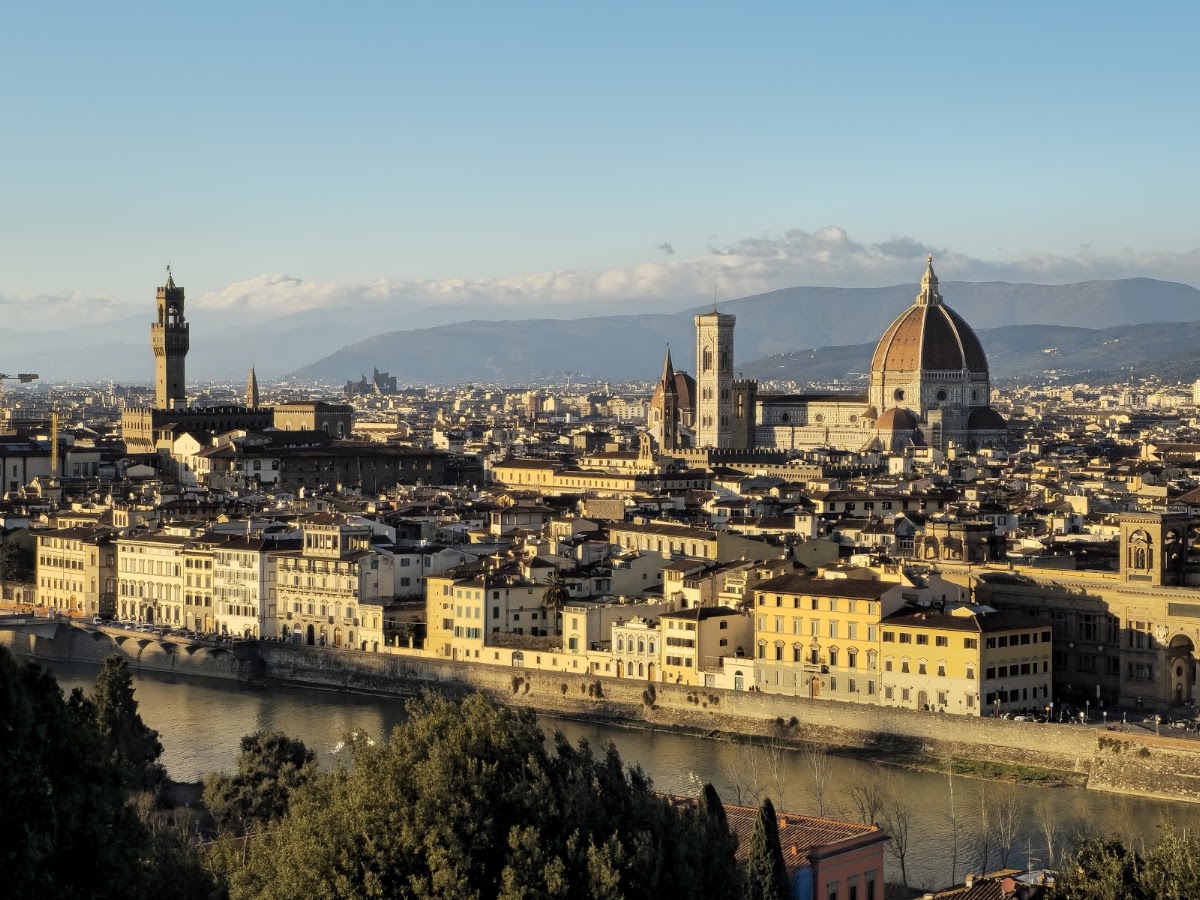
Piazzale Michelangelo is the view everyone means when they picture Florence from above. You get the Duomo, the Arno, the bridges, and the Tuscan hills behind, all lit up as the sun drops. Come 45 minutes before sunset to claim a spot on the low wall; by golden hour it fills with people, buskers, and someone selling cold prosecco.
You can walk up in about 25 minutes from the river, or hop bus 12 or 13 if the day's been long. It's free, it's open, and it never gets old.
On your last morning, before the transfer back to the station or airport, treat yourself to breakfast at Caffe Gilli near the Duomo. It's been serving pastries since 1733. A cappuccino and a still-warm cornetto standing at the marble counter is the correct way to say goodbye to this city.
Ready to book?
Book the rest of Florence, Italy
Handpicked partner searches, dates pre-filled. Pricing is identical to going direct — the partner shares a small commission with Tabi so this guide stays free.
Frequently asked
Do I really need to book museum tickets in advance in Florence?
For the Duomo dome climb, the Uffizi, and the Accademia (the David), yes, absolutely. In spring through fall these sell out days ahead and walk-up lines can run two-plus hours. Book timed slots through the official sites or a reputable operator before you arrive. Smaller spots like the Medici Chapels or Santa Croce you can usually walk into with a short wait.
How many days do you need in Florence?
Three full days covers the essential galleries and the Duomo comfortably. Five days, as laid out here, lets you add the Oltrarno, the Pitti Palace and Boboli Gardens, the Medici Chapels, and an unhurried sunset at Piazzale Michelangelo without feeling rushed, plus arrival and departure days that aren't a scramble.
Is Florence walkable, or do I need public transport?
The historic center is almost entirely walkable and largely pedestrianized. You can reach nearly every stop in this log on foot in under 20 minutes. The one exception is Piazzale Michelangelo, which is a 25-minute uphill walk; buses 12 and 13 get you there if you'd rather save your legs for the view.
When is the best time to visit Florence?
Late April to early June and September to October give you warm days, lighter crowds than peak summer, and comfortable walking weather. July and August are hot and packed. Winter is quiet and atmospheric, with far shorter museum lines, though some evenings get genuinely cold.
Where should I stay in Florence?
Staying inside the historic center puts you within walking distance of everything but comes at a premium. The Oltrarno district across the river is calmer, more local, full of good trattorie, and still only a ten-minute walk to the Duomo. It's a great base if you want atmosphere over being in the dead center.
Skip the planning
Your Florence, Italy trip, ready to go
Adopt the day-by-day itinerary we built to match this guide. Every stop is a real place, every booking link is validated. Free forever, no card needed.
Open the Florence, Italy itinerary