
Giza, Egypt
What to Do in Giza in 3 Days: Pyramids, the Grand Museum, and a Nile Sunset
A picture-first walk through Giza, from the plateau at dawn to a felucca drifting under a pink sky.
TL;DR
Three days where you stand in the shadow of the last ancient wonder, meet Tutankhamun's gold face-to-face, then end on a sail down the Nile.
- The Great Pyramid filling your whole windshield as you round Al Haram
- Tutankhamun's gold mask under museum glass at the GEM
- A felucca leaning into the wind on the Nile at sunset
- Mint tea and brass lanterns in the alleys of Khan el-Khalili
- The Sound and Light Show throwing color across 4,500-year-old stone
Have this trip planned in 60 seconds
We built the Giza, Egypt itinerary that pairs with this guide, day-by-day with verified venues and one-tap booking links. Free to adopt, edit however you want.
The First Time You See Them From the Car
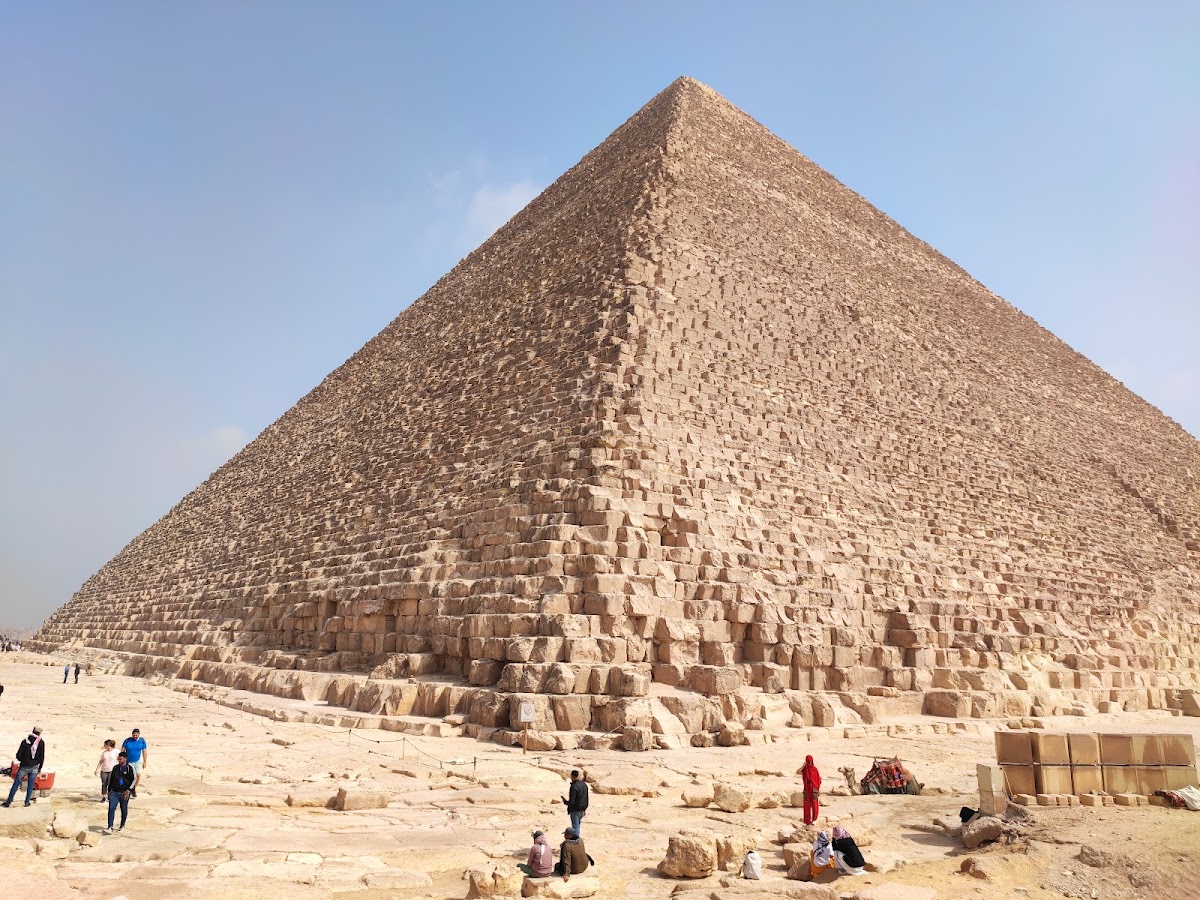
You round a corner on Al Haram Street and the Great Pyramid just fills the windshield, bigger than your brain wants it to be.
Here is the thing nobody warns you about: the pyramids are inside the city. One minute you are in Cairo traffic with fruit sellers and honking microbuses, and the next a 4,500-year-old mountain of limestone is sitting at the end of the road like it has always been there (because it has).
Fly into Cairo International, then let a driver handle the rest. The airport is about an hour from the Giza hotels depending on traffic, and after a long-haul flight you do not want to be negotiating fares at arrivals. Book the transfer in advance, watch the city blur past, and save your energy for the plateau.
Aim for a hotel on the Pyramids View side if your budget stretches. Waking up to the silhouette of Khufu's tomb from your balcony is the kind of breakfast view that recalibrates a whole trip.
The Pyramids Lit Up After Dark
The plateau goes black, then the Sphinx flares violet and a voice booms out across the sand like the desert itself is narrating.
Your first proper encounter is best at night. The Sound and Light Show floods the three pyramids and the Sphinx with shifting color while a recorded narration walks you through the pharaohs, the gods, and the men who stacked these stones by hand.
Is it a little theatrical? Absolutely. But sitting in the cool night air watching green and gold wash over monuments this old, with the Sphinx staring you down, lands harder than you expect. It also means that by the time you walk among them in daylight tomorrow, you already know their names.
Shows run in rotating languages through the evening, so check the schedule for your date and buy ahead. Bring a light layer; the desert drops cold the moment the sun is gone.
Standing at the Base of the Great Pyramid
You put your palm flat on a limestone block taller than your waist and realize the whole thing is made of these, 2.3 million of them.
Morning on the Giza Plateau is the main event. Go early, before the heat and the tour buses peak, and give yourself a few hours. The complex holds the three great pyramids (Khufu, Khafre, Menkaure), the smaller queens' pyramids, and of course the Sphinx crouched below, nose long gone, gaze still unbothered.
A licensed guide is worth every pound here. They sort out your ticket for the interior passage if you want to climb inside the Great Pyramid, keep the camel touts at arm's length, and point out the panorama spot where you can frame all three pyramids in a single shot. Walking the causeway on your own, you miss half the story carved into these stones.
Wear closed shoes, bring more water than feels reasonable, and carry small cash for the entry to the inner chambers. The climb into Khufu is hot, steep, and claustrophobic, and absolutely worth it.
Lunch in the Shadow of Khafre
Grilled kofta, warm baladi bread, and a tomato salad arrive at a rooftop table with a pyramid parked behind your mint tea.
After a morning on your feet, the restaurants clustered around the plateau serve exactly what you need: mezze, grilled meats, koshari if you want the national comfort dish, all with a view most cities would charge a fortune for.
Pick a spot with a terrace facing the plateau. The food is honest and generous, prices are gentle (a full lunch runs roughly 250 to 400 EGP, around 5 to 8 USD), and sitting still with cold karkade (hibiscus tea) while the pyramids shimmer in the heat is its own kind of souvenir.
Tip in cash, say shukran, and take your time. The afternoon has a museum in it.
Meeting Tutankhamun's Gold Face-to-Face
You turn a corner inside a vast glass hall and there it is, the boy king's golden mask, close enough that you forget to breathe.
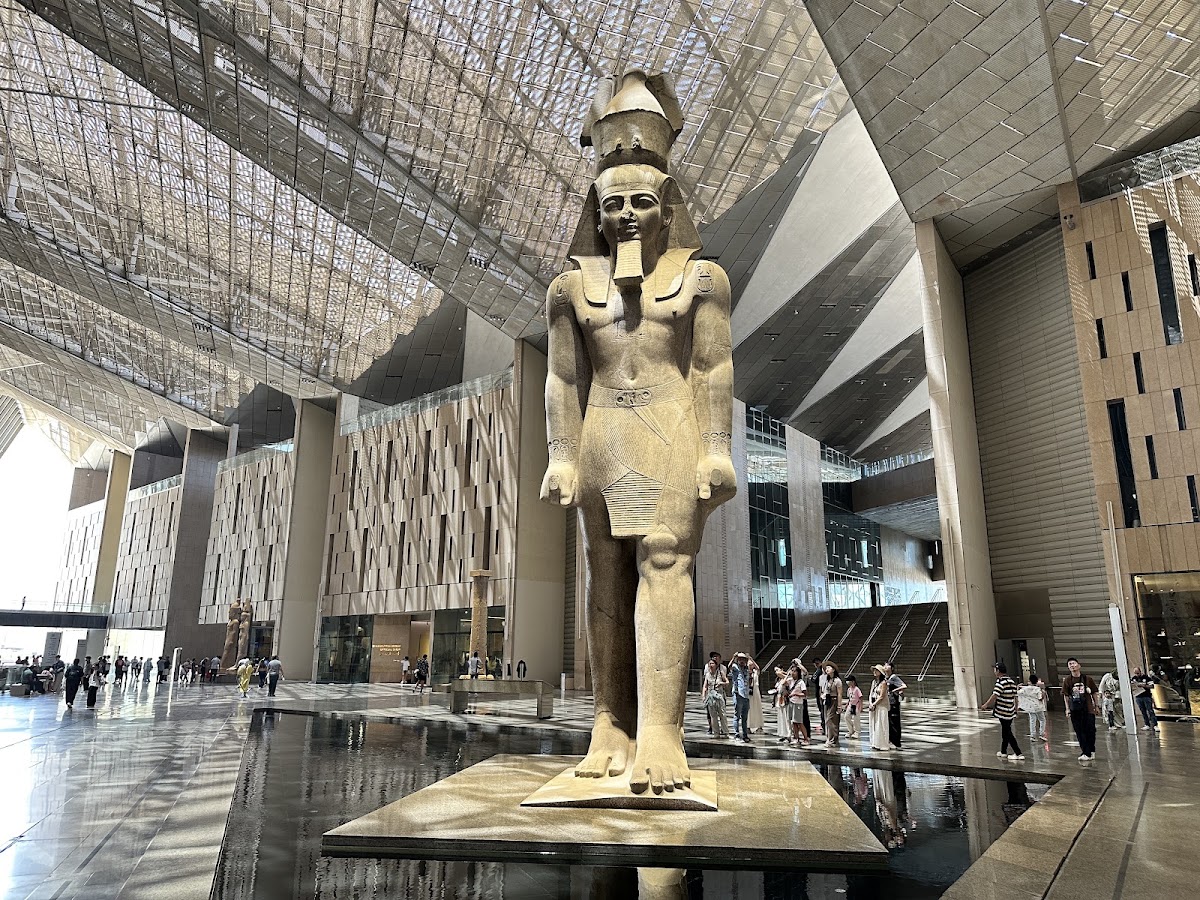
A few minutes from the plateau sits the Grand Egyptian Museum, the colossal new home for Egypt's treasures. The scale is almost comic: a statue of Ramses II greets you in the atrium, and a grand staircase lined with pharaohs climbs toward the galleries with the pyramids framed in the glass wall beyond.
The headline is the complete Tutankhamun collection, thousands of objects from his tomb gathered in one place, with the famous gold mask as the crown. Give yourself at least half a day. This is not a quick walk-through; it is a slow, jaw-on-the-floor kind of visit.
Buy tickets online to skip the queue, and check whether the Tutankhamun galleries need a separate entry on your date. Comfortable shoes again, because the halls are enormous and you will walk every inch of them.
A White Sail Leaning Into the Nile
The felucca tips sideways as the wind catches the sail, the city noise drops away, and the water turns molten orange.
Trade the stone and sand for water as the day cools. A felucca is a traditional wooden sailboat, and an hour drifting on the Nile at sunset is the gentlest, loveliest thing you can do in this city.
There is no engine, just the sailor reading the wind, the slap of water on the hull, and the skyline sliding past in gold. Bring a few snacks and a drink if you like; many sailors are happy for you to settle in and simply watch the light change over the river that made all of this civilization possible.
Agree the price before you step aboard (a private hour-long sail is usually very affordable, split across your group), and go late enough to catch the sun going down.
Getting Lost in Khan el-Khalili
Brass lanterns throw gold specks across the walls, the smell of cardamom and leather hangs in the air, and a shopkeeper waves you in for tea before you can say no.
Save your last morning for the oldest bazaar in Cairo. Khan el-Khalili is a warren of narrow medieval lanes packed with lantern makers, spice stalls, silver, carpets, perfume oils, and souvenirs both tacky and genuinely beautiful. Haggling is expected and half the fun; start low, smile, and never feel rushed.
Duck into El Fishawy, the centuries-old coffee house tucked in the alleys, for a mint tea and a sheesha while the crowd flows past. It is the kind of place where you plan to stay ten minutes and leave an hour later.
Then it is time to head back. Book your return transfer to Cairo International with enough buffer for the city's famously unpredictable traffic, and leave with your bag a little heavier and your head full of gold.
Ready to book?
Book the rest of Giza, Egypt
Handpicked partner searches, dates pre-filled. Pricing is identical to going direct — the partner shares a small commission with Tabi so this guide stays free.
Frequently asked
How many days do you need in Giza?
Three days is ideal for a first visit. That covers a full morning at the Giza Pyramid Complex, a half-day at the Grand Egyptian Museum, a sunset felucca on the Nile, and a final morning in Cairo's Khan el-Khalili bazaar without feeling rushed. If you only have one day, prioritize the plateau at opening time and the museum in the afternoon.
What is the best time of day to visit the pyramids?
Go early, right when the plateau opens, to beat both the midday heat and the peak of the tour buses. Light is softer for photos in the morning, and the interior climb into the Great Pyramid is far more bearable before the day warms up. Save the Sound and Light Show for the evening of your first night to set the mood.
Is the Grand Egyptian Museum worth a separate visit from the pyramids?
Absolutely, and it is only a few minutes away. The GEM is the new home of Egypt's greatest treasures, including the complete Tutankhamun collection and the famous gold mask. Plan at least half a day; the halls are enormous and the collection is overwhelming in the best way.
Do I need a guide for the Giza Pyramid Complex?
A licensed guide is strongly recommended. They handle your ticket for the interior chambers, keep persistent vendors at bay, explain the history carved into the stones, and lead you to the best panorama spot for photographing all three pyramids. You can visit independently, but you will miss much of the context.
How do I get from Cairo International Airport to Giza?
The airport is roughly an hour from the Giza hotels, depending on traffic, which can be heavy. The easiest option is a pre-booked private transfer so you skip arrival-hall negotiations after your flight. The same applies for your departure: build in a generous buffer for Cairo traffic.
Skip the planning
Your Giza, Egypt trip, ready to go
Adopt the day-by-day itinerary we built to match this guide. Every stop is a real place, every booking link is validated. Free forever, no card needed.
Open the Giza, Egypt itinerary