
Goa, India
What to Do in Goa in 5 Days: Old Churches, Beach Shacks, and the Fort at Golden Hour
A five-day walking log through Goa, from the incense of Old Goa to the last chai at a Palolem shack.
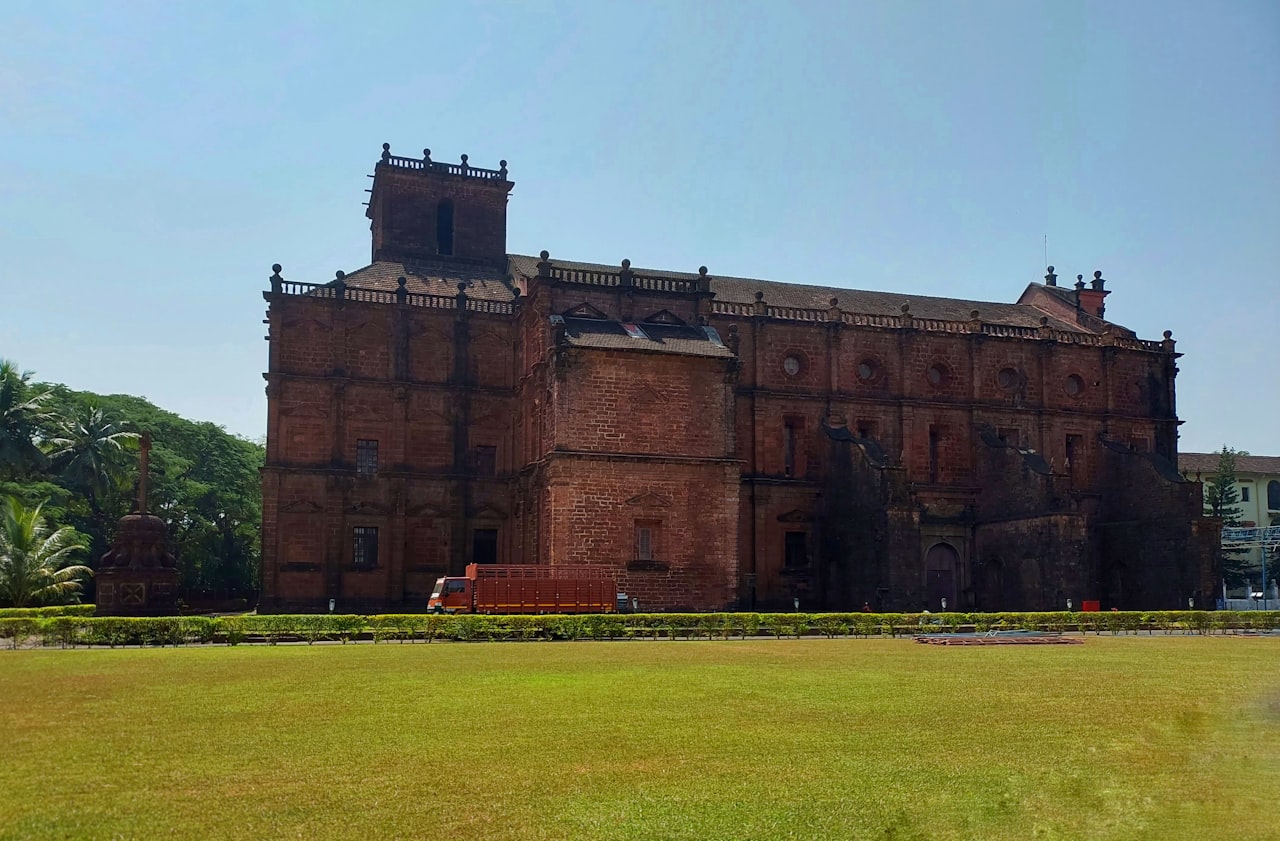
Photo by Nick on Unsplash
TL;DR
Goa unfolds slower than you expect, a road trip strung between Portuguese cathedrals, spice farms, cliff forts, and beaches that each have their own personality.
- Incense and 300-year-old silence inside the Basilica of Bom Jesus
- Cardamom and cinnamon underfoot at Sahakari Spice Farm, Ponda
- Fort Aguada's laterite ramparts glowing rust-orange at sunset
- Palolem's calm curve of palms, best reached by kayak to Butterfly Beach
- Chapora Fort's windy ridge and the Anjuna flea market haggle
Have this trip planned in 60 seconds
We built the Goa, India itinerary that pairs with this guide, day-by-day with verified venues and one-tap booking links. Free to adopt, edit however you want.
Where Goa Starts Feeling Old: The Basilica of Bom Jesus
Cool stone underfoot, the low murmur of a prayer group, and a shaft of light hitting a gilded altar that has not moved in over 300 years.

You begin in Old Goa, about 20 minutes east of Panaji, where the beach clichés fall away and the Portuguese city that once rivaled Lisbon shows itself. The Basilica of Bom Jesus is a UNESCO World Heritage Site and holds the relics of St. Francis Xavier in a silver casket up a side chapel. The exterior is bare laterite, weathered almost black in places; inside, the baroque altarwork glows.
Go early, before the tour coaches roll in around 10am. Entry is free. Cover your shoulders and knees, this is an active church.
A two-minute walk across the grass takes you to the Se Cathedral, one of the largest churches in Asia, where the surviving Golden Bell still rings. Between the two you get the whole story of Goa's colonial century in about ninety quiet minutes.
Riverside Prawns as the Mandovi Turns Gold
The smell of garlic butter and grilled kingfish drifting off the water, fishing boats knocking together at the jetty below your table.
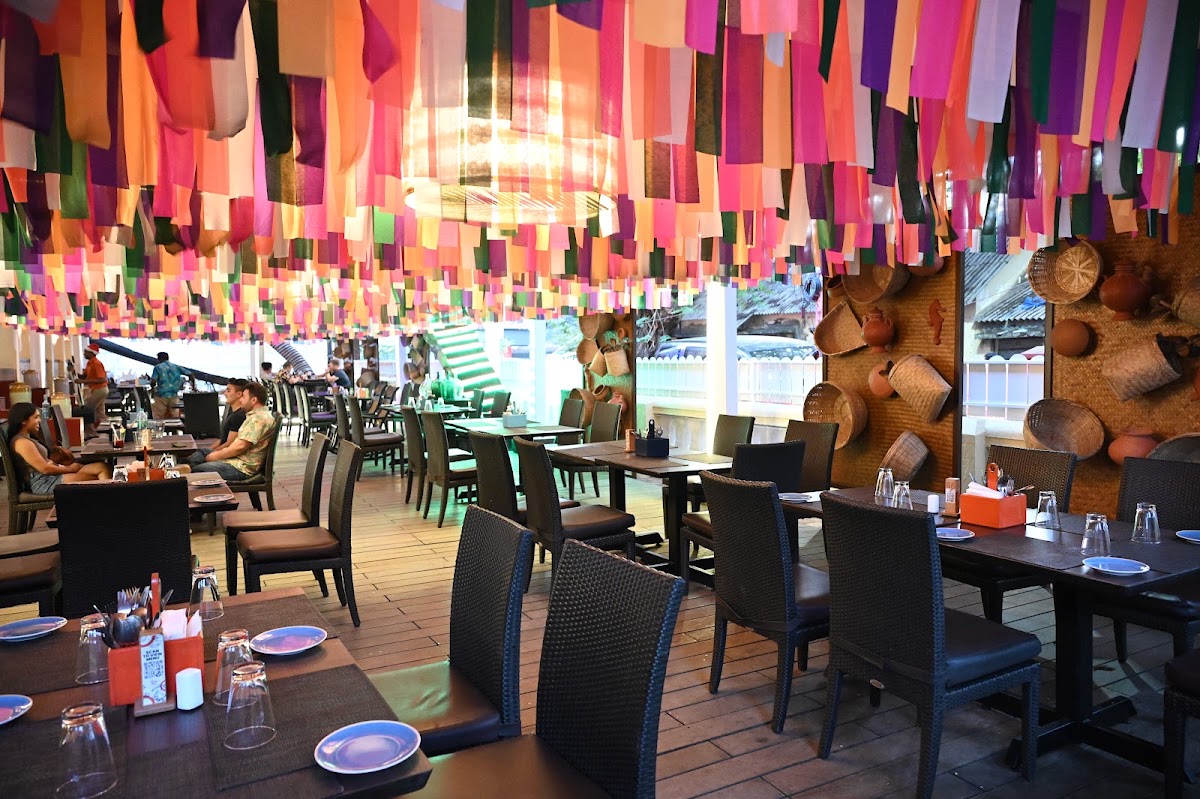
Back in Panaji, Fisherman's Wharf sits right on the Mandovi River, and lunch here is your first proper taste of Goan food: recheado-stuffed mackerel, prawn balchao, and a cold Kingfisher. A main plus a drink runs roughly 700 to 1,200 rupees (about 8 to 15 USD).
Ask for a table on the deck. The light on the river in the late afternoon does half the work.
Panaji itself rewards a slow wander afterward. The Fontainhas quarter, a few streets back from the water, is a pocket of mustard-yellow and blue Portuguese houses, narrow lanes, and tiny bakeries selling bebinca, the layered coconut dessert you should not leave Goa without trying.
Cardamom Underfoot at Sahakari Spice Farm
Crushed cinnamon bark in your palm, the sudden sharp hit of raw peppercorn, and a canopy so dense the light turns green.
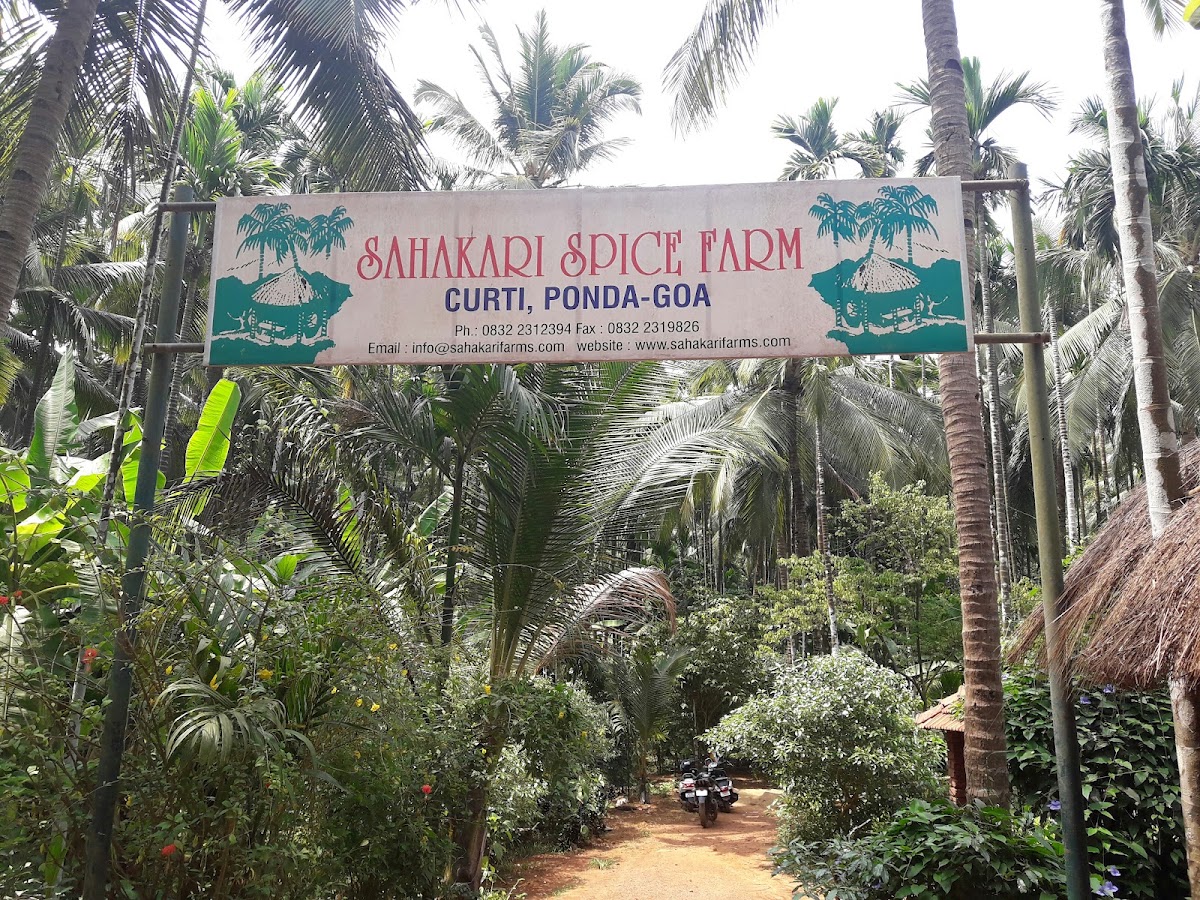
Drive inland to Ponda the next morning and the coast disappears into hills of areca palm and spice groves. Sahakari Spice Farm runs guided walks through cardamom, vanilla, nutmeg, and pepper vines, ending with a banana-leaf Goan thali and, if you are game, a splash of feni (the local cashew spirit that will absolutely wake you up).
Guided tours with lunch are around 400 to 600 rupees per person (about 5 to 7 USD). It is touristy, yes, but the guides genuinely know their plants and the food is homestyle and generous.
This is the day Goa reminds you it is a whole region, not just a beach. Wear closed shoes; the paths are muddy and there are leeches after rain.
Baga After Dark, and Why You Come for the Chaos
Fairy lights over the sand, the thud of bass from Tito's Lane, and vendors weaving between shacks with paper cones of masala peanuts.
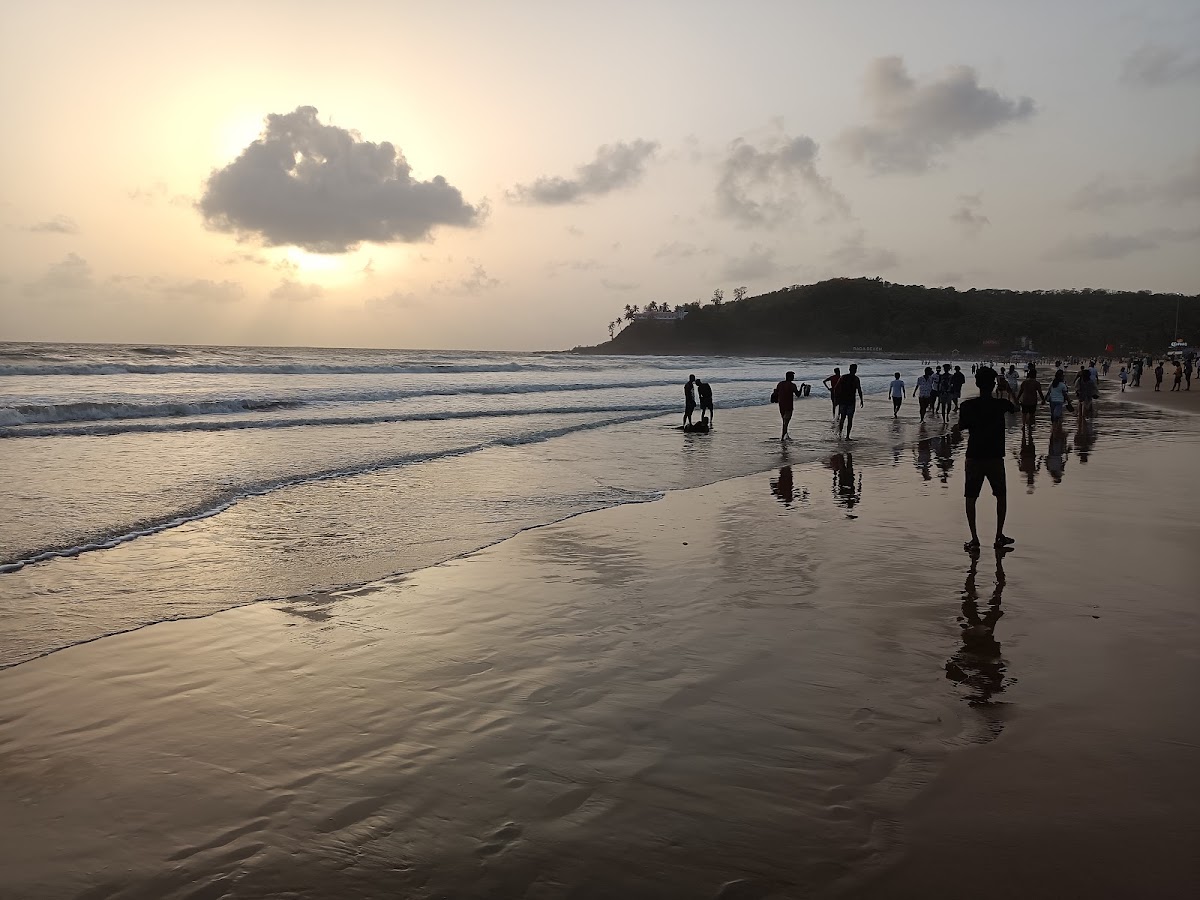
Baga Beach is North Goa at full volume: banana boats and jet skis by day, and by night the strip of Tito's Lane lights up with clubs, the most famous of which, Tito's Club, has been the North Goa party anchor for decades. This is not a quiet evening, and that is the point.
Cover charges vary wildly by night and season, so check at the door; couples generally get in easier than groups of men.
If you want the food without the club noise, Mum's Kitchen back in Panaji is where to go for the real, home-recipe version of Goan classics: sorpotel, xacuti, and prawn curry rice. It reads like a love letter to Goan grandmothers, because it basically is.
Fort Aguada at Golden Hour
Warm rust-colored ramparts, the whole Arabian Sea flattening out silver below, and a lighthouse catching the last of the sun.
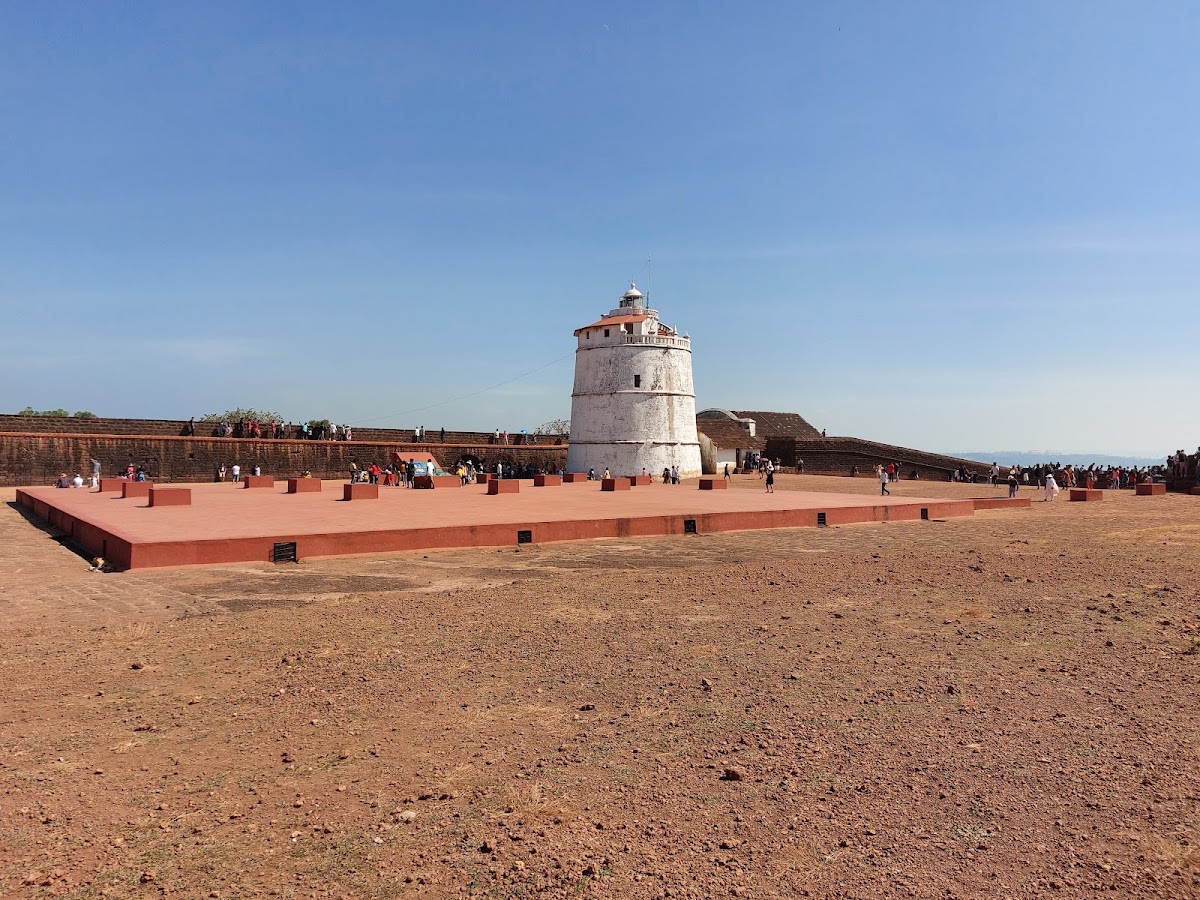
Fort Aguada, above Candolim, is a 17th-century Portuguese fort built to guard the Mandovi from the Dutch, and its four-story lighthouse is one of the oldest in Asia. The laterite walls turn a deep orange in the late afternoon, which is exactly when you want to be standing on them.
Entry is free and it takes maybe forty minutes to explore. Come around 5pm.
Earlier in the day, do the beach thing properly at nearby Calangute, the biggest beach in North Goa, and have a long lunch at Britto's, a Calangute institution since 1965 where the calamari and the pork sausages are the move. Cap the day with a Mandovi River Cruise out of Panaji, a one-hour sunset boat ride with live Goan folk music and dance for around 300 rupees (about 4 USD).
The Quiet South: Palolem's Curve of Palms
A near-perfect crescent of calm water, hammocks strung between palms, and the only sound a kayak paddle dipping in.
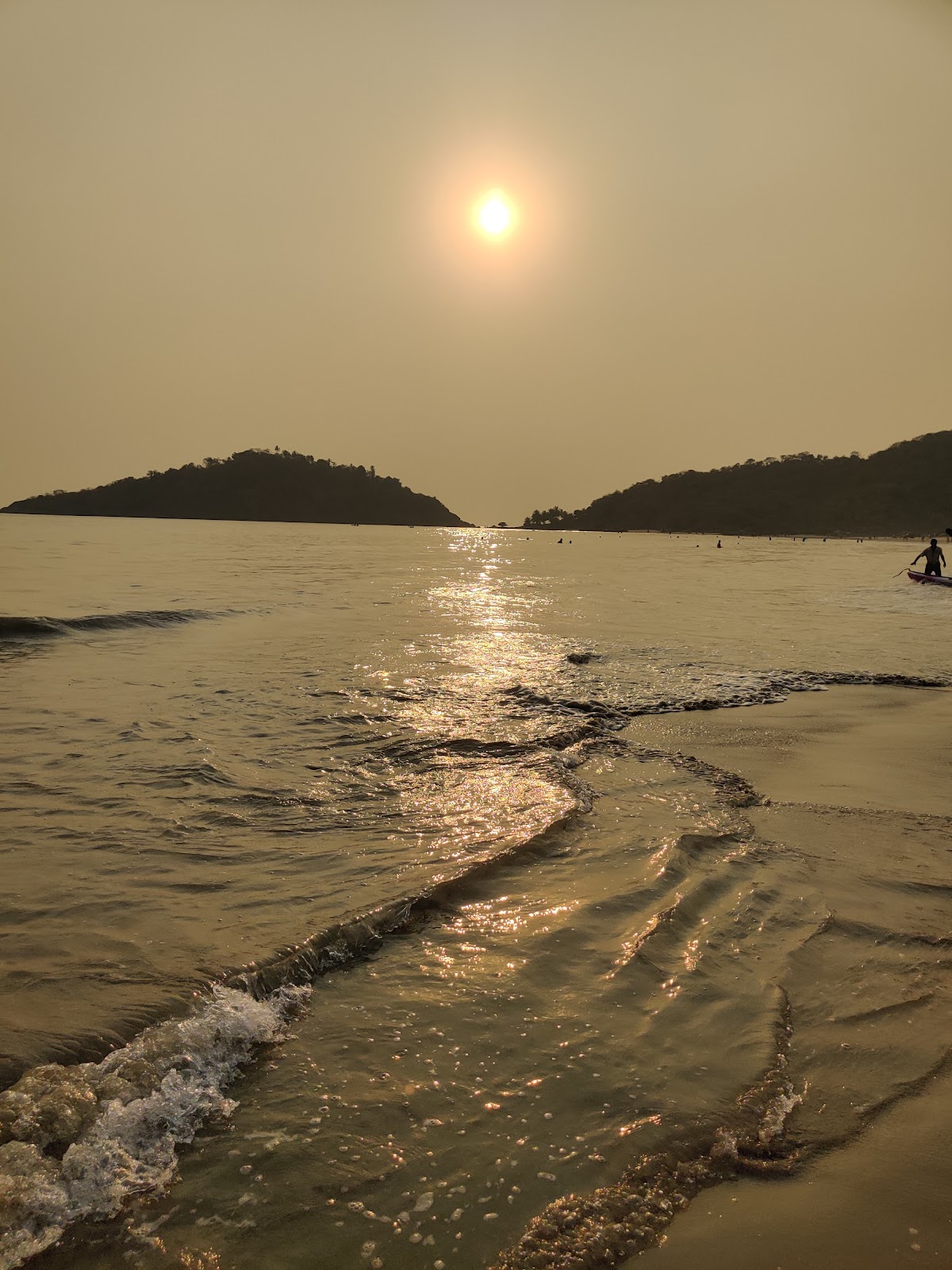
Head about two hours south and Goa changes character entirely. Palolem Beach is a long, gentle arc backed by coconut palms and low-key shacks, far mellower than anything up north. This is the day for doing very little.
On the way, stop at Cabo de Rama Fort, a wild, half-ruined clifftop fort with almost no crowds and huge drops straight down to the sea. It is free and genuinely spectacular in an untended, windswept way.
From Palolem you can hire a kayak or a short boat to Butterfly Beach, a tiny hidden cove reachable only by water, where dolphins sometimes turn up in the mornings. For dinner, The Fisherman's Paradise does the day's catch grilled simply and well, with your feet more or less in the sand.
Chapora's Windy Ridge and One Last Bargain at Anjuna
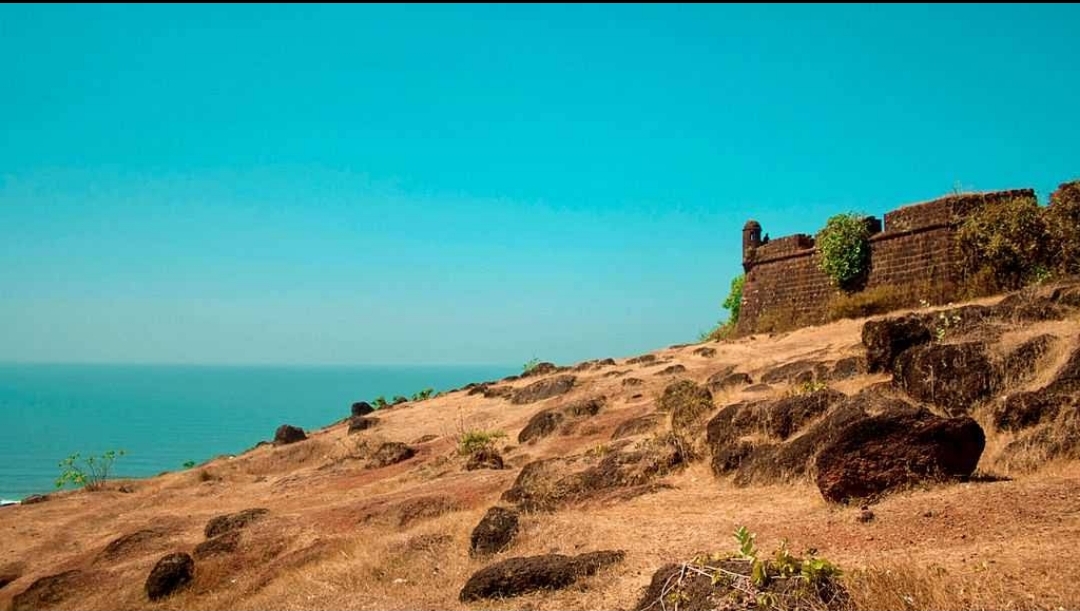
Sea wind pushing you sideways at the top of the fort, and below, a tangle of stalls smelling of leather, incense, and frying samosas.
For your last day, loop back to North Goa. The Anjuna Flea Market (Wednesdays in season) is the place to haggle for Rajasthani textiles, silver jewelry, hammocks, and Goan spices. Bargain hard and cheerfully; the first price is never the real one.
Climb up to Chapora Fort afterward for one of the best coastline views in Goa, red laterite walls open to the wind and the whole northern coast spread out beneath you. It is free and the walk up takes about ten minutes.
End where a lot of Goa trips end: at Curlies Beach Shack on Anjuna Beach, with a cold drink and your toes in the sand, watching the sun go down before the drive to Dabolim for your flight out. If you want the full day-by-day version of this route, the curated Goa itinerary linked on this page maps it all out.
Ready to book?
Book the rest of Goa, India
Handpicked partner searches, dates pre-filled. Pricing is identical to going direct — the partner shares a small commission with Tabi so this guide stays free.
Frequently asked
How many days do you need in Goa?
Five days is the sweet spot to see both halves of Goa: two to three days in the busier north (Old Goa churches, Baga, Calangute, Fort Aguada) and two days in the calmer south (Cabo de Rama, Palolem, Butterfly Beach), with a spice farm day inland. Three days forces you to pick either north or south.
When is the best time to visit Goa?
November to February is high season, with dry, pleasant weather and every beach shack, flea market, and cruise operating. March to May is hot and quieter. The monsoon from June to September is lush and cheap but most beach shacks and water activities shut down and the sea gets rough.
Is North Goa or South Goa better?
They serve different moods. North Goa (Baga, Calangute, Anjuna, Chapora) is where the nightlife, flea markets, and crowds are. South Goa (Palolem, Cabo de Rama, Butterfly Beach) is quieter, greener, and more about hammocks and calm water. On a five-day trip you can comfortably do both.
How do you get around Goa?
Distances are short but roads are slow, so a rented scooter or self-drive car gives you the most freedom, especially for the north-to-south run to Palolem and clifftop forts like Cabo de Rama and Chapora. Prepaid taxis and app-based rides work in and around Panaji, but public transport is limited for beach-hopping.
What Goan food should you not miss?
Try the seafood-heavy classics: prawn balchao, recheado-stuffed mackerel, fish curry rice, sorpotel, and chicken or lamb xacuti. Wash it down with feni, the local cashew spirit, and save room for bebinca, the layered coconut dessert. Home-style spots like Mum's Kitchen and long-standing shacks like Britto's are reliable places to start.
Skip the planning
Your Goa, India trip, ready to go
Adopt the day-by-day itinerary we built to match this guide. Every stop is a real place, every booking link is validated. Free forever, no card needed.
Open the Goa, India itinerary