
Granada, Spain
What to Do in Granada in 4 Days: Alhambra, Albaicin Sunsets, and Cave Flamenco
A slow walk through the last Moorish city in Spain, from hilltop viewpoints to caves that still echo with guitar.
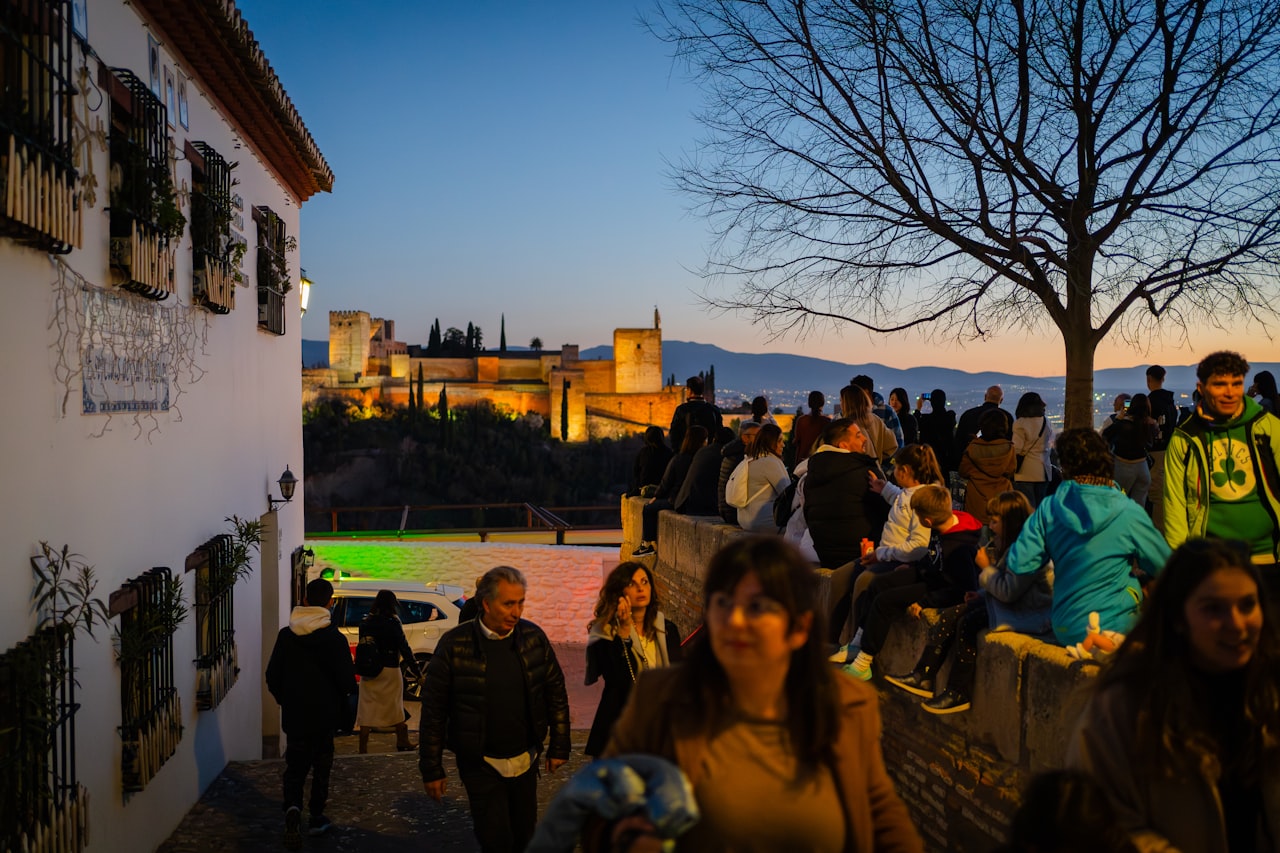
Photo by Victoriano Izquierdo on Unsplash
TL;DR
Four days to fall for a city where hilltop white houses face a red palace across a valley, and the whole thing turns gold at dusk.
- Sunset over the Alhambra from Mirador de San Nicolas, guitars playing
- Nasrid Palaces at the Alhambra, carved plaster like frozen lace
- Dinner deep in the Albaicin, tiny lanes and tiled doorways
- A flamenco show inside a Sacromonte cave, boots on stone
- Breakfast piononos at Casa Ysla, one bite of sweet custard sponge
Have this trip planned in 60 seconds
We built the Granada, Spain itinerary that pairs with this guide, day-by-day with verified venues and one-tap booking links. Free to adopt, edit however you want.
Landing, and the First Glimpse of Red Walls
You step out of the AVE station into dry warm air that smells faintly of orange trees, and somewhere up on a hill the Alhambra is already watching you.
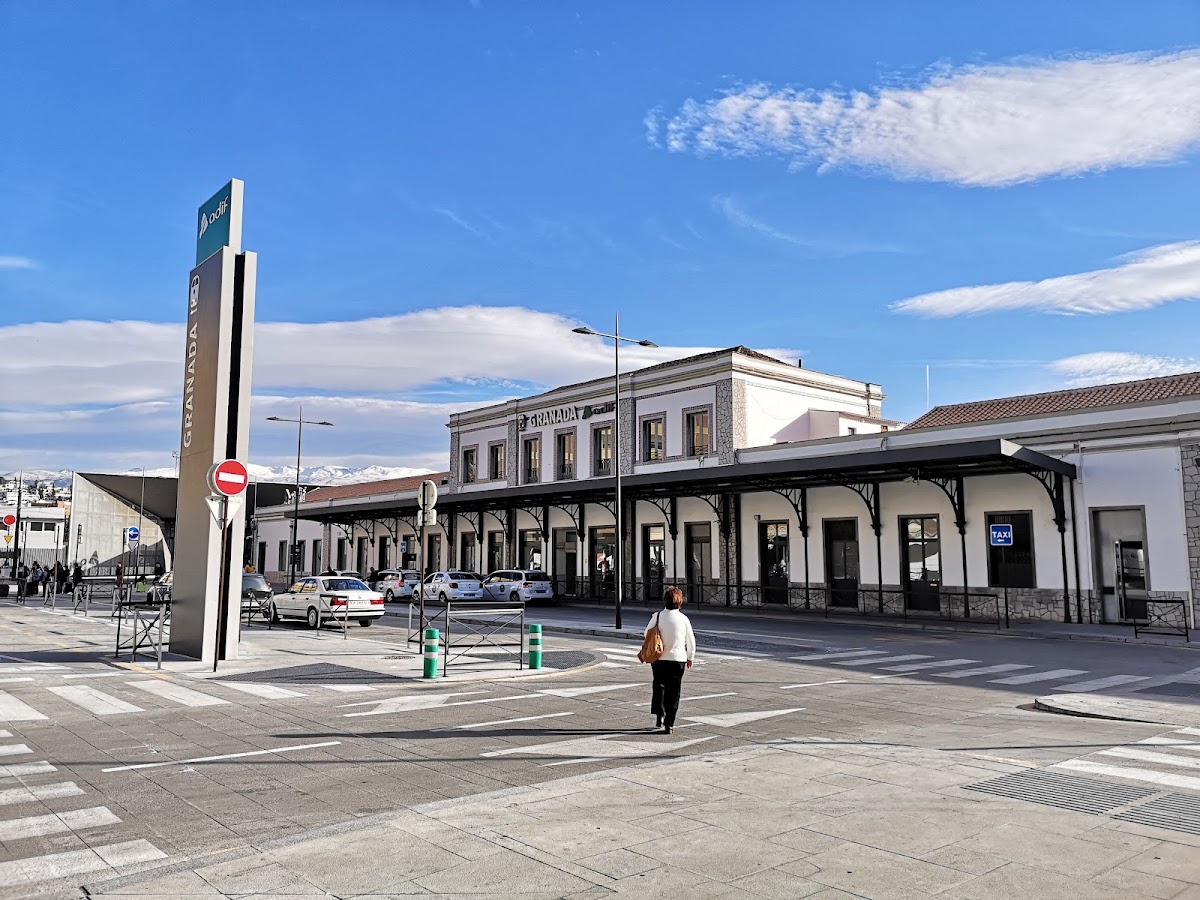
Granada is compact but the old center is a knot of stairs and one-way lanes that taxis love and rental cars hate. Get yourself dropped right at your accommodation and let the driver do the puzzle-solving.
The fast train from Madrid runs about 3 to 3.5 hours (check current times and fares on Renfe, renfe.com). The airport sits roughly 15 km west of town; a taxi into the center is around 30 euros, about 33 USD.
Drop your bag, splash your face, and head uphill while the light is still good. You did not come all this way to unpack slowly.
Sunset at Mirador de San Nicolas
The whole terrace goes quiet for a second when the sun drops behind the Sierra Nevada and the Alhambra's walls turn from ochre to burning copper across the valley.
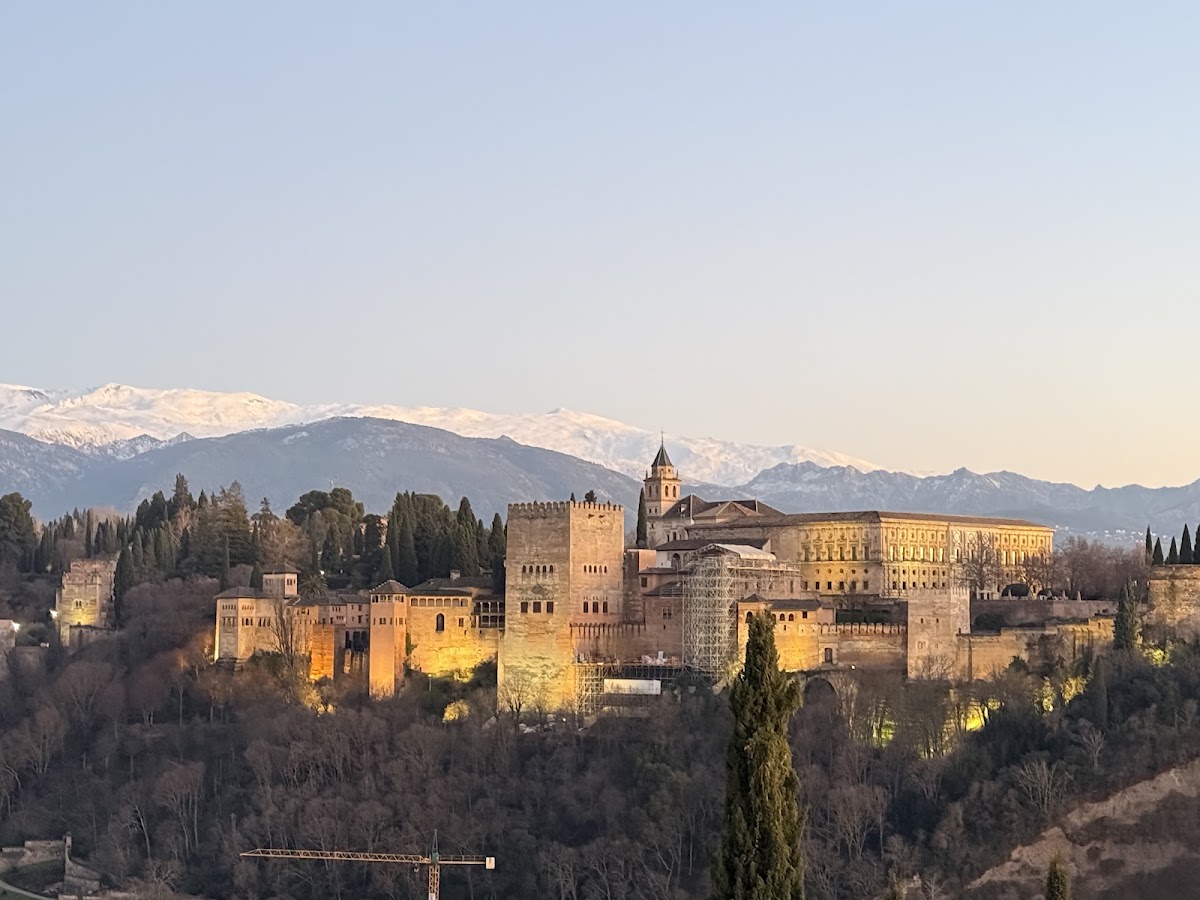
This is the view. A busker's guitar, a crowd sitting on the low stone wall, the palace glowing on its ridge with snow-capped peaks behind it in spring. Come 45 minutes before sunset to get a spot on the wall.
The climb up through the Albaicin to reach it is half the reward. Whitewashed houses, tiled fountains, doorways trailing jasmine. Wear shoes with grip; the cobbles are polished slick by centuries of feet.
Stay a while after the sun is gone. The palace lights come on and the second show begins.
Lunch in Realejo, the Old Jewish Quarter
You order one drink and a plate of jamon and fried eggplant with honey arrives free, which is simply how Granada does tapas.
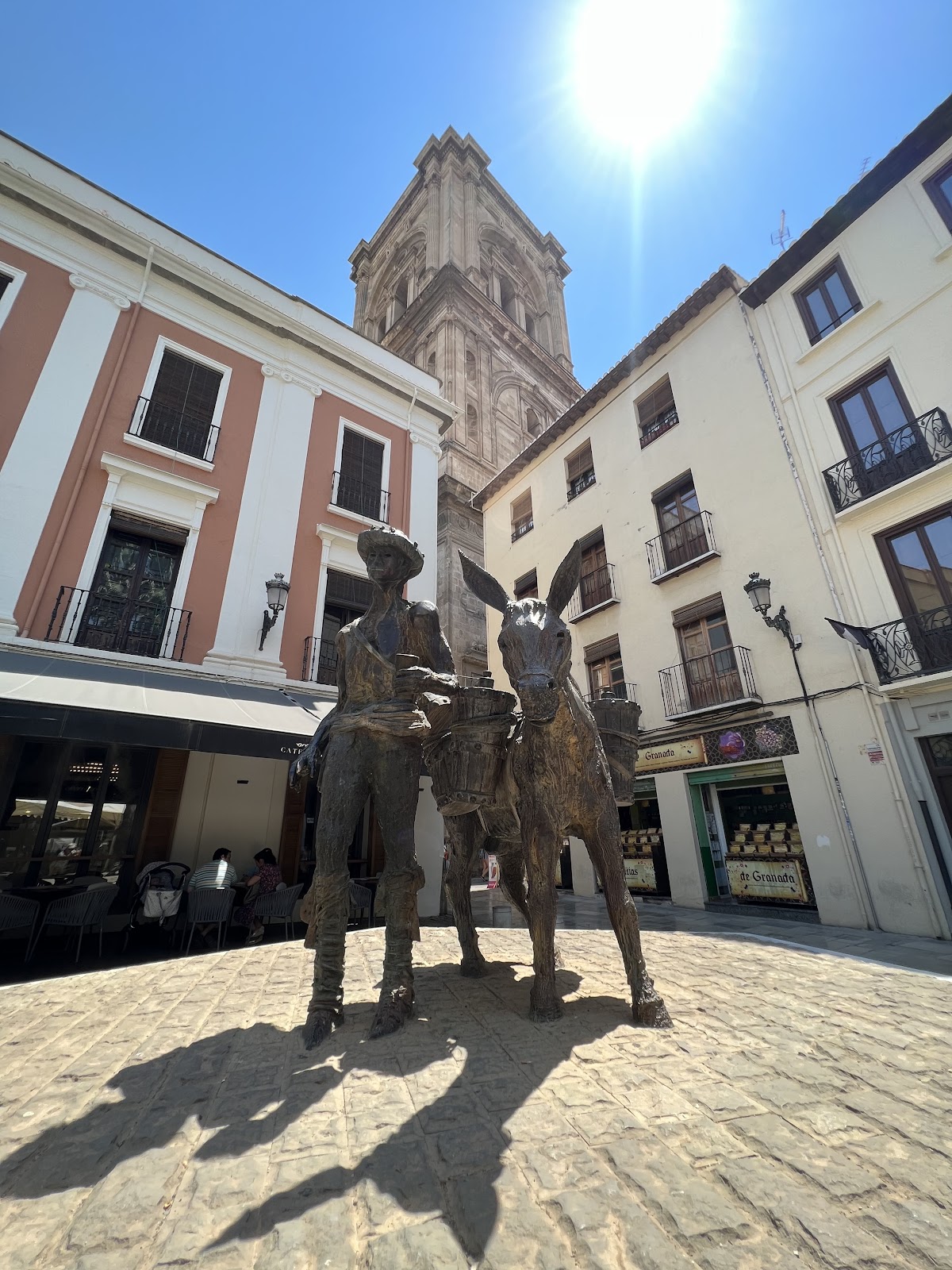
Realejo is the sunny southern slope below the Alhambra, all bougainvillea, street art, and small squares where locals actually eat. Base yourself around Plaza de la Romanilla and just wander into whatever bar has people in it.
The rule here is generous: buy a cana (small beer) for around 2.50 euros, roughly 2.70 USD, and the tapa comes with it. Order three rounds and you have essentially had lunch.
Go slow. Nobody is rushing you, and the afternoon is long.
The Alhambra: Half a Day Inside the Palace
Inside the Nasrid Palaces the plaster ceilings drip with carved stars and Arabic script, and reflecting pools double every arch so the whole room seems to float.
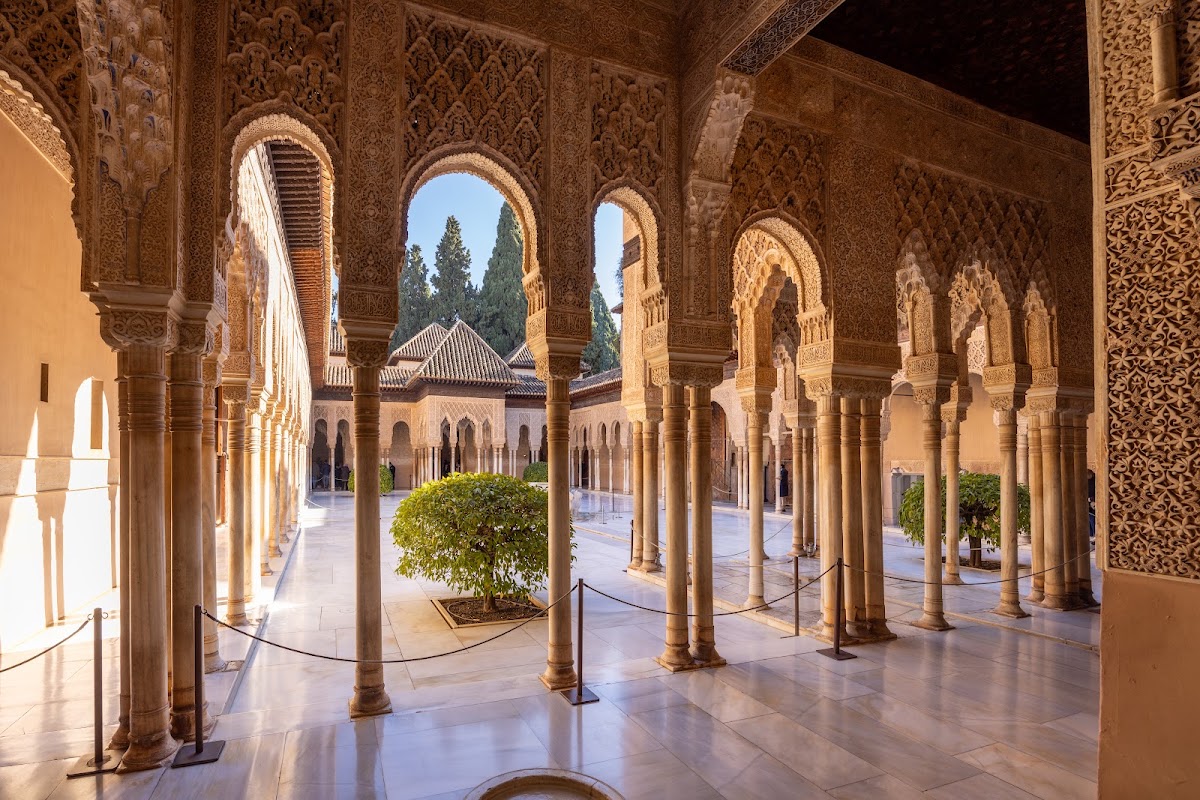
This is the reason people come to Granada, and it earns it. Give it a full half-day at minimum. The site splits into the Nasrid Palaces (the delicate carved rooms), the Generalife (water gardens and long cypress walks), and the Alcazaba (the old fortress towers with the best ramparts).
Book ahead. Genuinely, this is not optional in high season; timed tickets for the Nasrid Palaces sell out days or weeks in advance (official tickets at alhambra-patronato.es). Your palace entry time is fixed to the minute, so arrive early and see the gardens first.
Standing under the honeycomb domes of the Hall of the Two Sisters, you understand why the builders wanted it to feel like heaven. A guided tour is worth it here; the stories in the stonework are easy to miss on your own.
The Royal Chapel, Where the Kings Are Buried
Down a few steps you stand over the marble tombs of Ferdinand and Isabella, and the light through the Gothic vaults falls cold and gray after all that Moorish warmth.
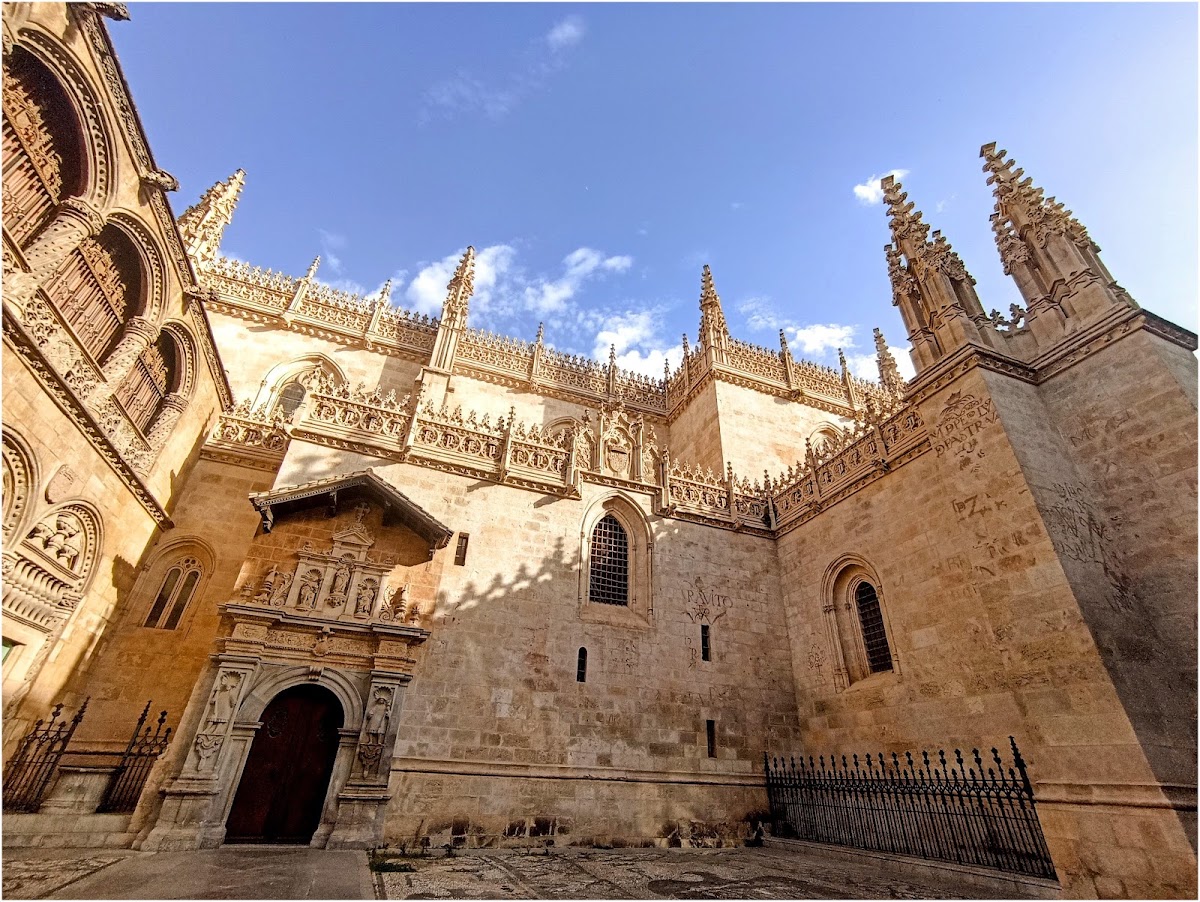
A short walk from the cathedral in the busy shopping streets, the Capilla Real is where the Catholic Monarchs who finished the Reconquista in 1492 chose to be laid to rest. The lead coffins in the crypt below are startlingly plain given who is inside.
Upstairs, the sacristy holds Isabella's personal art collection and crown. Entry is around 6 euros, roughly 6.50 USD, and it takes under an hour.
Seeing it right after the Alhambra tells the whole story of this city in one afternoon: two civilizations, one hilltop, a handover that changed the world.
The Cave Museum on the Sacromonte Hill
You duck into a whitewashed cave dug into the hillside and it is cool and hushed inside, the walls still hung with the copper pots and looms of the families who lived here.
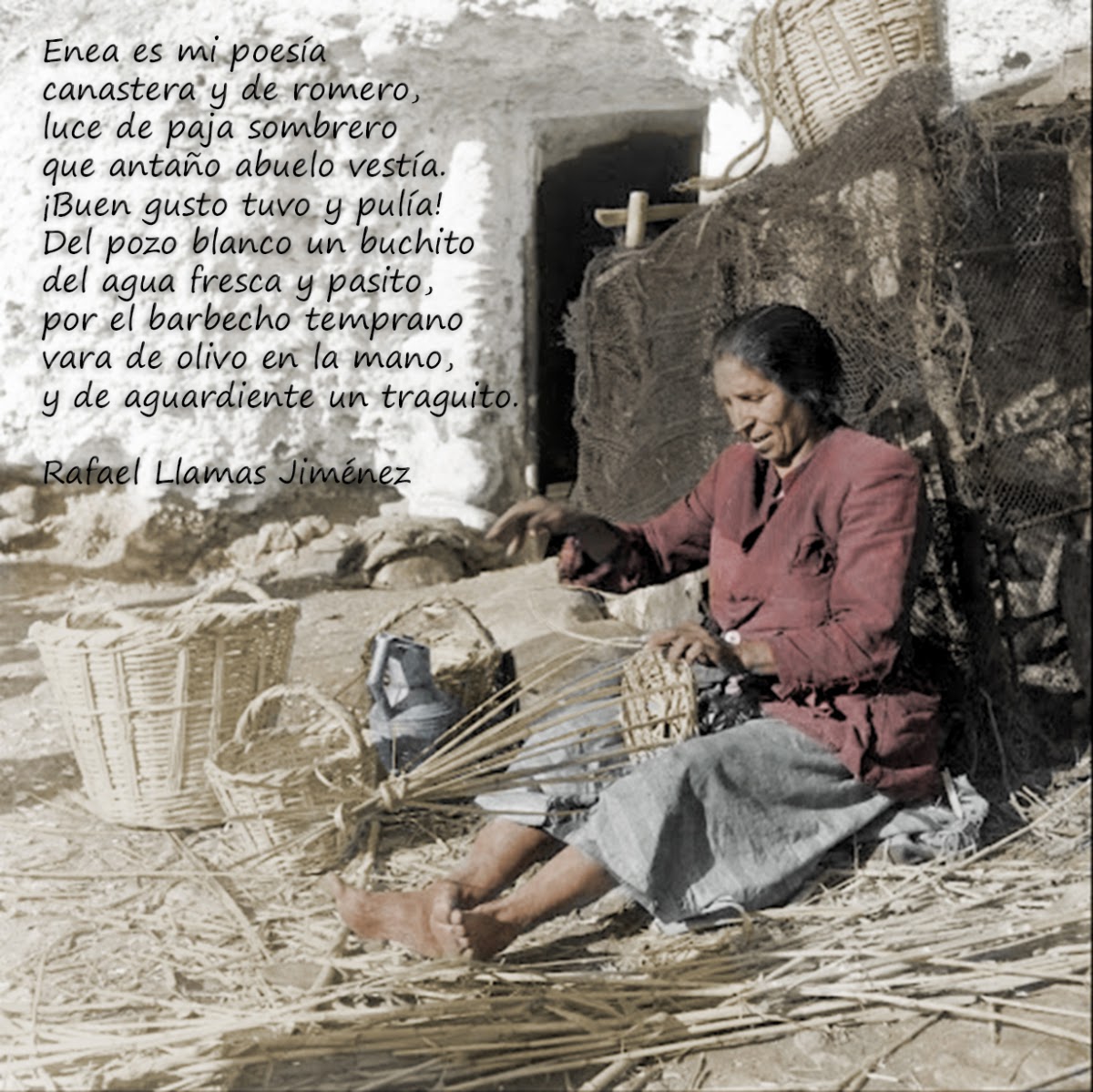
Sacromonte is the old Roma quarter, a hill of caves carved into the soft rock above the Darro river. The open-air Cave Museum (Museo Cuevas del Sacromonte) walks you through a cluster of restored dwellings and explains how people actually lived in them, cool in summer and warm in winter.
Entry is around 5 euros, roughly 5.50 USD. Give it an hour, and save some energy in your legs; the paths up here are steep and the reward views back toward the Alhambra are quietly some of the best in town.
This is also the warm-up for the evening, because Sacromonte is where the flamenco is real.
Flamenco Inside a Sacromonte Cave
The dancer's heels crack against the stone floor a meter from your knees, the guitar and hand-claps bounce off the low white ceiling, and the whole cave seems to hold its breath.
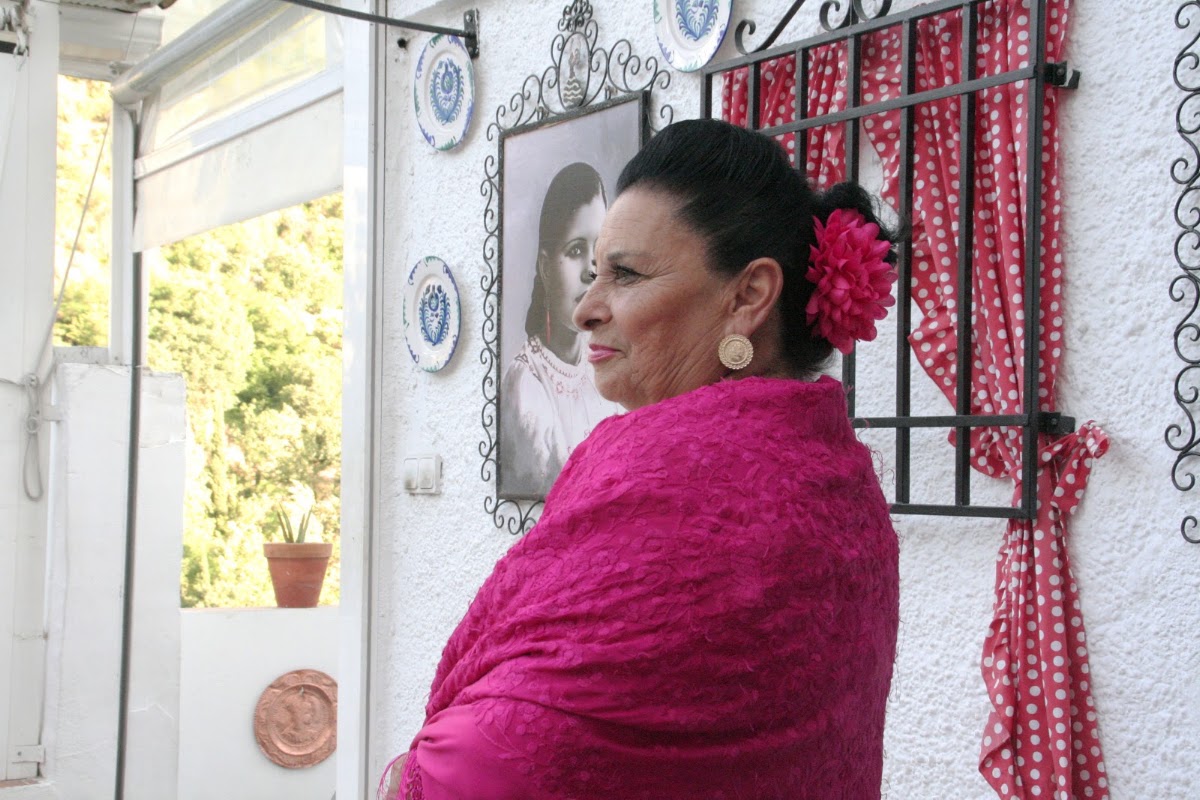
Forget the big theater shows. Up here in the caves the flamenco is close, raw, and loud in the best way, a form the Roma community shaped over generations. The room seats maybe 30 people along the walls and there is no stage, so you are practically in it.
Most cave shows run about an hour and cost 25 to 35 euros, roughly 27 to 38 USD, sometimes with a drink or a short walking tour included. Book the same day if you can, and take the earlier slot so the walk back down the hill is not pitch dark.
When the singer's voice cracks on a long held note, you will feel it in your chest. That is the point.
One Last Breakfast: Piononos at Casa Ysla
The little pastry is barely two bites, a roll of syrup-soaked sponge topped with a scorched crown of sweet cream, gone before you decide whether you want a second (you do).
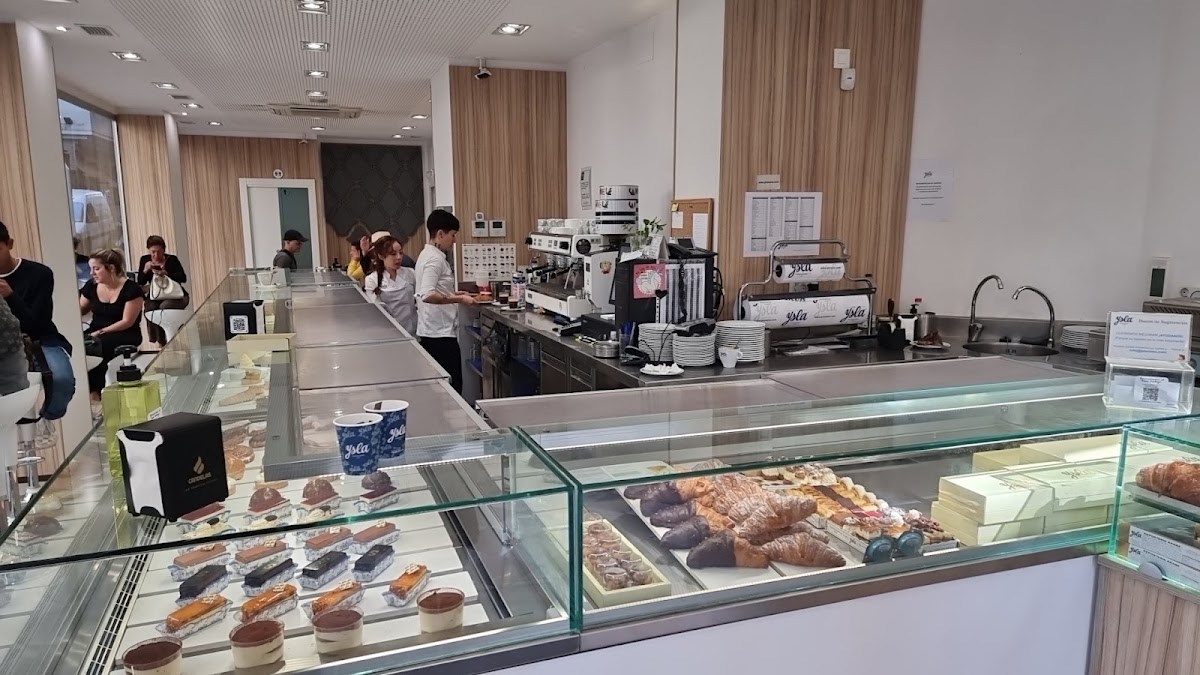
Granada's signature sweet is the pionono, invented in the nearby town of Santa Fe and perfected at Pasteleria Casa Ysla. Order a coffee and a pair of them, because one is never enough and they cost only about 1.50 euros each, roughly 1.60 USD.
It is the right way to close a Granada trip: something small, sweet, and made in the same place for over a century. Then it is back to the AVE station or the airport, easiest by taxi with your bags.
You will already be thinking about the sunset from San Nicolas. Everyone does.
Ready to book?
Book the rest of Granada, Spain
Handpicked partner searches, dates pre-filled. Pricing is identical to going direct — the partner shares a small commission with Tabi so this guide stays free.
Frequently asked
Do I really need to book Alhambra tickets in advance?
Yes. Entry to the Nasrid Palaces is capped and timed to the minute, and slots regularly sell out days or weeks ahead in spring, summer, and autumn. Book through the official site (alhambra-patronato.es) or a guided-tour operator as soon as your dates are set. Bring the ID or passport used to book, since names are checked at the gate.
How many days do I need in Granada?
Four is comfortable and unhurried: one to arrive and catch sunset over the Alhambra, one for the palace and the Royal Chapel, one for Sacromonte and cave flamenco, and a slow final morning for piononos before you leave. If you are tight on time you can compress it to two full days, but the evenings up in the Albaicin and Sacromonte are worth not rushing.
Is the tapas-with-a-drink tradition really free?
In Granada, largely yes. Order a drink at most traditional bars, especially in Realejo and around the old center, and a small plate arrives with it at no extra charge. Three or four rounds often add up to a full meal for under 10 euros. Touristy spots near the cathedral are less generous, so follow where locals are drinking.
How do I get from the airport or train station into the old town?
The AVE high-speed station connects Granada to Madrid in about 3 to 3.5 hours; the airport is roughly 15 km west of the center. A taxi from the airport into town runs around 30 euros. Because the Albaicin and Realejo are a maze of narrow stairs and one-way lanes, a door-to-door transfer or taxi is far less stressful than a rental car.
Which neighborhood should I stay in?
The Albaicin gives you whitewashed lanes and the closest walk to the San Nicolas sunset viewpoint, but expect stairs and steep cobbles. Realejo is sunnier, flatter, and packed with tapas bars, a good pick if you want easy dinners. Staying near the center around the cathedral keeps you within a short walk of both the Alhambra approach and the shopping streets.
Skip the planning
Your Granada, Spain trip, ready to go
Adopt the day-by-day itinerary we built to match this guide. Every stop is a real place, every booking link is validated. Free forever, no card needed.
Open the Granada, Spain itinerary