
Havana, Cuba
What to Do in Havana in 5 Days: Plazas, Old Cars, and the Salsa You'll Feel
A slow walk through Old Havana's plazas, out to the fortress across the bay, and into a Vedado dance floor before your flight home.
TL;DR
Five days walking from a colonial square to a bayside fortress, with a classic Chevy ride and a salsa afternoon that outlasts your feet.
- Plaza Vieja at golden hour, stained glass throwing colored light on cobbles
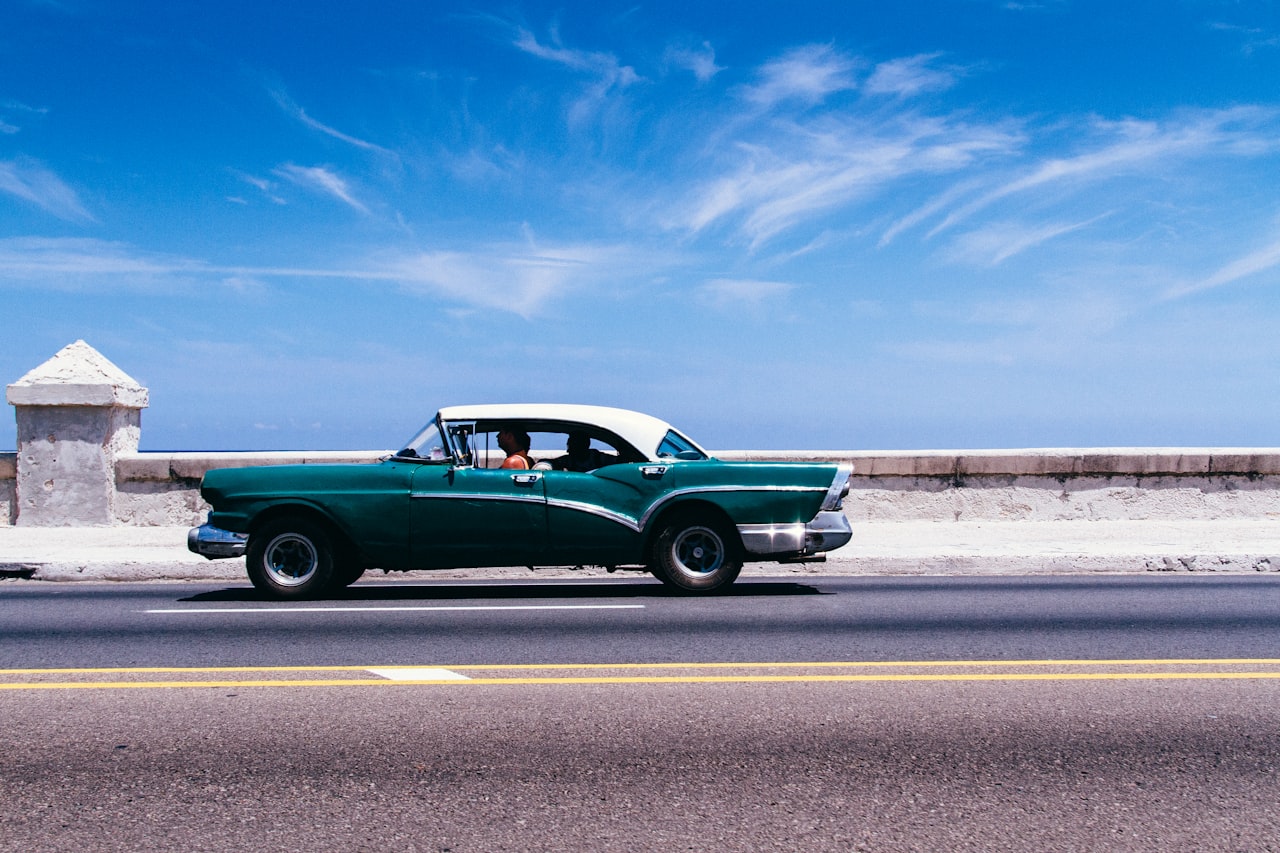
- A candy-pink 1955 Bel Air cruising the Malecon seawall
- Catedral de San Cristobal's two mismatched bell towers
- Sunset cannon fire from Castillo del Morro across the harbor
- Live salsa at Casa de la Musica, floor packed by 5pm
Have this trip planned in 60 seconds
We built the Havana, Cuba itinerary that pairs with this guide, day-by-day with verified venues and one-tap booking links. Free to adopt, edit however you want.
The Ride In From the Airport (Roll Your Windows Down)
You step out of arrivals into wet heat and diesel, and the first thing you hear is a car horn that sounds like a trumpet.
Jose Marti International sits about 15 km south of the old town, and the drive in is your first taste of the city: billboards with revolutionary slogans, roadside fruit stands, then suddenly the crumbling grandeur of Centro Habana closing in around you.
Sort your ride before you land. Metered taxis and pre-booked transfers run roughly 25-30 CUC (about 25-30 USD) to Old Havana, and having it arranged means you skip the negotiation dance in the arrivals crush while jetlagged.
One heads-up nobody tells you: get cash sorted before you fly, because most foreign cards do not work here and there is no cell data on arrival. Bring euros or Canadian dollars to exchange. The US State Department (travel.state.gov) keeps the current entry rules updated, so check them the week you leave.
Plaza Vieja, Where the Light Turns the Cobbles Amber
Late afternoon, the stained glass over the arcades catches the sun and throws pink and gold across the paving stones while a kid kicks a ball past your table.
Start here because Plaza Vieja teaches you how to read the whole city. Four sides of restored colonial facades in mustard, coral, and faded turquoise, a fountain in the middle, and balconies where laundry dries three floors up.
Grab a seat at one of the arcade cafes and just watch for an hour. This is not a place you tick off in ten minutes. Order a cortadito, let the afternoon go slow, and notice how the light changes as the sun drops behind the rooftops.
The square anchors the walkable core of Habana Vieja, so pick a casa or small hotel within a few blocks and you can do the next two days entirely on foot. Everything worth seeing radiates out from here.
The Cathedral With Two Bell Towers That Don't Match
Baroque limestone the color of weathered bone, and if you look closely you'll see fossilized shells embedded in the stone of the facade.
A short walk north brings you to Plaza de la Catedral, smaller and quieter than Plaza Vieja, dominated by the Catedral de San Cristobal. Its two bell towers are deliberately different widths, which gives the whole thing a lopsided charm once you spot it.
Go in the morning when the light hits the front and the square is still cool. Entry to the cathedral is usually free, though a small donation is appreciated, and climbing the tower (when open) gives you a rooftop view over the terracotta jumble of the old town.
The surrounding lanes are full of buskers with trumpets and guitars. This is the postcard Havana, so let yourself linger before the midday heat pushes everyone into the shade.
El Capitolio and a Long Lunch in Centro Habana
The dome rises above the low rooftops like a slice of Washington that took a wrong turn, gleaming white after its restoration.
Walk west toward El Capitolio and the scale shifts. This is grand civic architecture, a domed capitol building modeled loosely on the one in the US but taller, fronted by a wide boulevard where the classic cars line up in candy colors waiting for passengers.
Book onto a guided interior tour if you want the marble halls and the giant statue under the dome; the exterior alone is worth the walk for the photographs.
Then do lunch properly. Duck into a paladar (a privately run restaurant, usually in someone's converted home) in Centro Habana. This is where Cuban food gets personal: ropa vieja, black beans, sweet fried plantains, maybe a cold Cristal beer. Expect 10-15 CUC a head for a full meal, and the mango juice alone is worth ordering.
A 1955 Chevy Along the Malecon at Golden Hour
You sink into cracked leather seats, the driver flips a switch, and a candy-pink Bel Air convertible pulls out onto the seawall as the sun starts to drop into the water.
This is the ride you came for. The Malecon is Havana's five-mile sea wall, and cruising it in a 1950s American convertible with the wind and the salt spray is the single most Havana thing you can do.
Book a car tour for late afternoon so you catch the light going gold, then amber, then that deep blue dusk when fishermen line the wall and couples share rum straight from the bottle. Prices run around 30-50 CUC for an hour depending on the car and your bargaining.
Tell your driver you want to feel the sea breeze rather than race through, and they'll take the coastal route slow. Waves crash over the wall on breezy days, so if you see whitecaps, sit on the inland side unless you fancy a soaking.
The Fortress Across the Bay (Stay for the Cannon)
Wind off the harbor, the smell of gunpowder, and at nine every night a soldier in colonial dress fires a cannon that echoes across the whole city.
Cross the harbor to Castillo de los Tres Reyes del Morro, the stone fortress that has guarded the mouth of Havana bay since the 1500s. The views back across the water to the old town skyline are the best in the city, especially in late afternoon.
The walls, the lighthouse, and the cannons make for a good hour of wandering, but the reason to time your visit for evening is the ceremonia del canonazo. Actors in eighteenth-century uniforms march, drum, and fire the nine o'clock cannon exactly as they did centuries ago to signal the closing of the city gates.
Pair this with the Museo de la Revolución earlier in the day, back on the old-town side, for the twentieth-century half of Havana's story: bullet-pocked walls, Che's beret, and the yacht Granma under glass.
Bellas Artes and the Art Factory in Vedado
Cool marble galleries, and then across town a converted cooking-oil factory throbbing with bass, painted walls, and a bar tucked behind an art installation.
Give a slower morning to the Museo Nacional de Bellas Artes and specifically its Cuban collection: a building full of the island's own painters, from colonial portraits to bold twentieth-century canvases you won't see reproduced anywhere else. Air-conditioned and calm, it's a perfect midday break from the heat.
Out in Vedado, the leafier modern neighborhood, the Fabrica de Arte Cubano is the city's beating creative heart. Galleries, live music rooms, film screenings, and bars all crammed into an old industrial shell. A morning preview or an evening session both work, though it truly comes alive after dark.
Vedado is a good base for your last nights if you want tree-lined streets and a younger, artier scene. The paladars here lean a touch more inventive too.
Casa de la Musica, Where the Floor Fills by Five
Horns, congas, and a live band that plays so loud the floor vibrates, while dancers who have done this their whole lives spin like it's effortless.
End your Havana days the only way that makes sense: on a dance floor. Casa de la Musica in Vedado runs afternoon salsa sessions (the matinee) that pack out by five, so you get the full sweaty euphoria without staying up till dawn before an early flight.
You do not need to know how to dance. Buy a mojito, find a spot near the edge, and within twenty minutes someone will pull you in. The bands are professional and relentless, and the crowd is a real mix of locals and travelers.
Entry runs around 10-20 CUC depending on the act. Bring small bills, and go early for the matinee if you're flying out the next morning; a hangover and a 3am airport transfer do not mix.
Ready to book?
Book the rest of Havana, Cuba
Handpicked partner searches, dates pre-filled. Pricing is identical to going direct — the partner shares a small commission with Tabi so this guide stays free.
Frequently asked
How many days do you need in Havana?
Five days is the sweet spot. You can walk Old Havana's plazas over two unhurried days, spend one on the Malecon and a classic car tour, one crossing to the fortress and hitting the museums, and one for Vedado's art and salsa scene before flying out. Three days feels rushed; a week lets you add a day trip to Vinales or the beaches at Varadero.
Do I need cash in Havana, or can I use a card?
Bring cash. Most foreign-issued bank and credit cards do not work in Cuba, and ATMs are unreliable for travelers. Euros and Canadian dollars get the best exchange rates. Budget roughly 10-15 CUC for a paladar meal, 30-50 CUC for a classic car tour, and change money at official exchange houses (cadecas) or your hotel rather than on the street.
What is a paladar, and why does everyone recommend them?
A paladar is a privately owned restaurant, often set inside someone's home, as opposed to the state-run eateries. They serve the best food in the city: home-style ropa vieja, black beans and rice, fresh seafood, and fruit juices you'll dream about. Every day of a Havana trip should include at least one paladar meal, whether in Centro Habana, Old Havana, or Vedado.
When is the best time to see the cannon ceremony at El Morro?
The ceremonia del canonazo happens every night at nine at Castillo de los Tres Reyes del Morro across the harbor. Arrive an hour before to catch sunset views of the old-town skyline and to find a good spot for the cannon firing. It's popular, so go a little early and bring a light layer since the harbor wind picks up after dark.
Is internet available in Havana?
It's limited and slow. Public WiFi hotspots require a prepaid card, and mobile data is spotty. An eSIM can help but coverage varies, so treat Havana as a mostly offline trip. Download your maps, translations, and any reading before you arrive, and tell people at home you may be quiet for a few days.
Skip the planning
Your Havana, Cuba trip, ready to go
Adopt the day-by-day itinerary we built to match this guide. Every stop is a real place, every booking link is validated. Free forever, no card needed.
Open the Havana, Cuba itinerary