
Hiroshima, Japan
What to Do in Hiroshima in 3 Days: Peace Park, Miyajima, and the Oysters You'll Dream About
A picture-first walk through Hiroshima and the sacred island across the bay, told the way a friend would show you around.
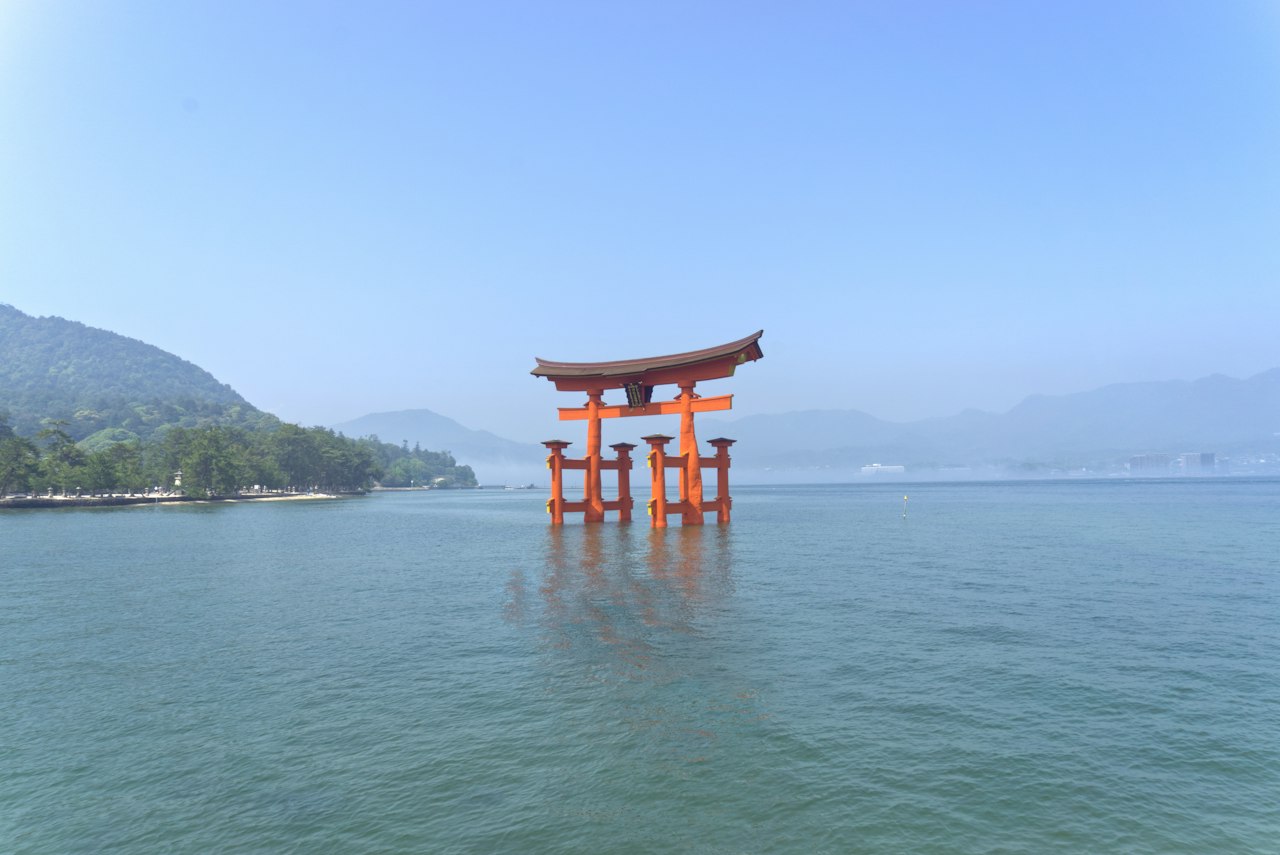
Photo by Manos Konstantinidis on Unsplash
TL;DR
Three days that start quiet and heavy at the Peace Park, then lift off into one of the prettiest island days in Japan.
- Stand under the Atomic Bomb Dome as the river slides past
- Fold your own paper crane at the Children's Peace Monument
- Sizzle a cabbage-stacked okonomiyaki on a steel counter in Nagarekawa
- Watch Itsukushima's red torii float on the Miyajima tide
- Ride the ropeway up Misen while wild deer nap below
- Eat grilled oysters the size of your palm, bay still on your lips
Have this trip planned in 60 seconds
We built the Hiroshima, Japan itinerary that pairs with this guide, day-by-day with verified venues and one-tap booking links. Free to adopt, edit however you want.
The Dome That Stops You Mid-Sentence
A skeleton of brick and twisted steel stands on the riverbank, and the water keeps flowing past like it always has.
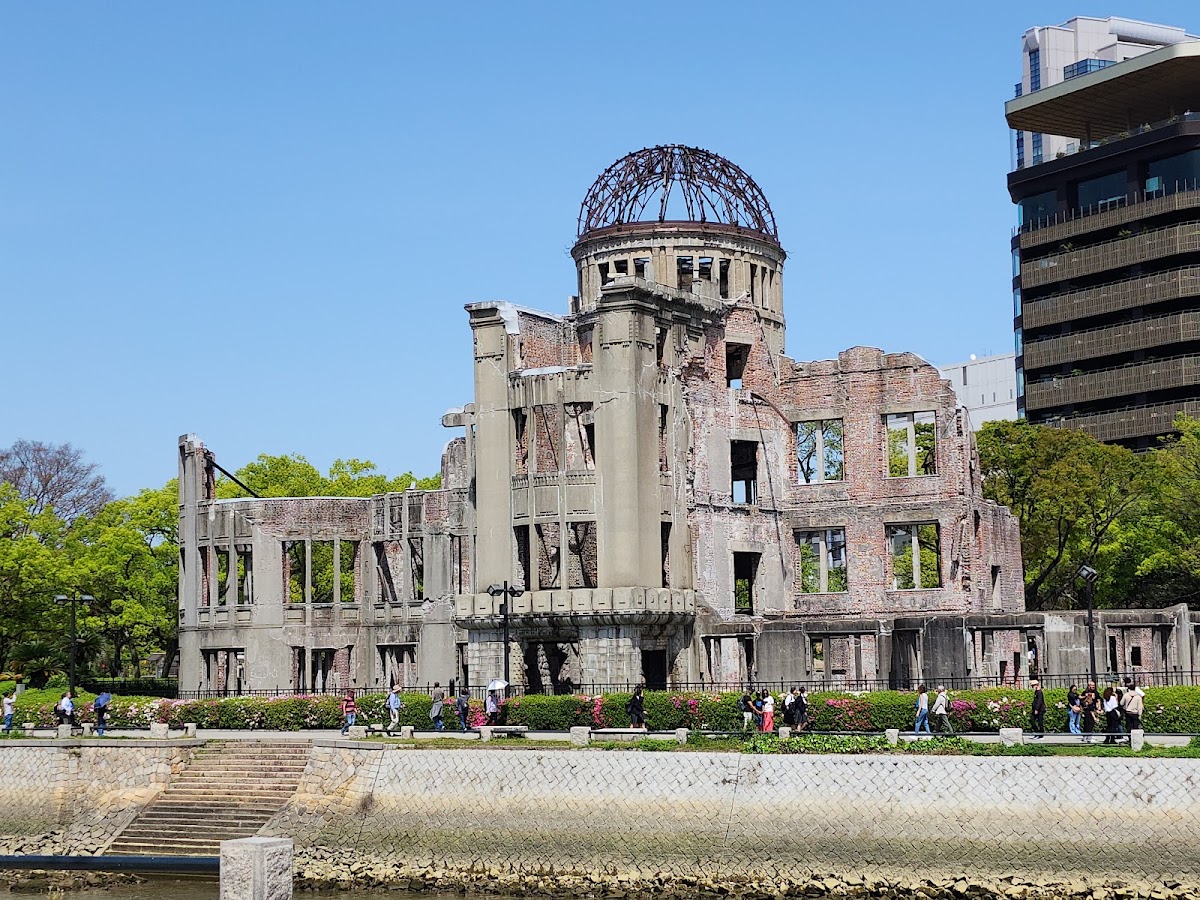
You will probably go quiet here, and that is the point. The Atomic Bomb Dome is left exactly as it stood on the morning of August 6, 1945, the one structure near the hypocenter that did not fully collapse. Now it is a UNESCO World Heritage site, and the Motoyasu River glides beside it without a sound.
Come early, before the tour groups. The light off the water hits the hollow dome and you get the photograph everyone takes, but in person it feels different, smaller and heavier at once.
Walk the riverbank path south and the whole of Peace Memorial Park opens up in front of you. You have the rest of the morning to give it.
A Thousand Paper Cranes and One Long Breath
Glass cases full of folded cranes in every color, fading in the sun, left by schoolchildren from all over the world.
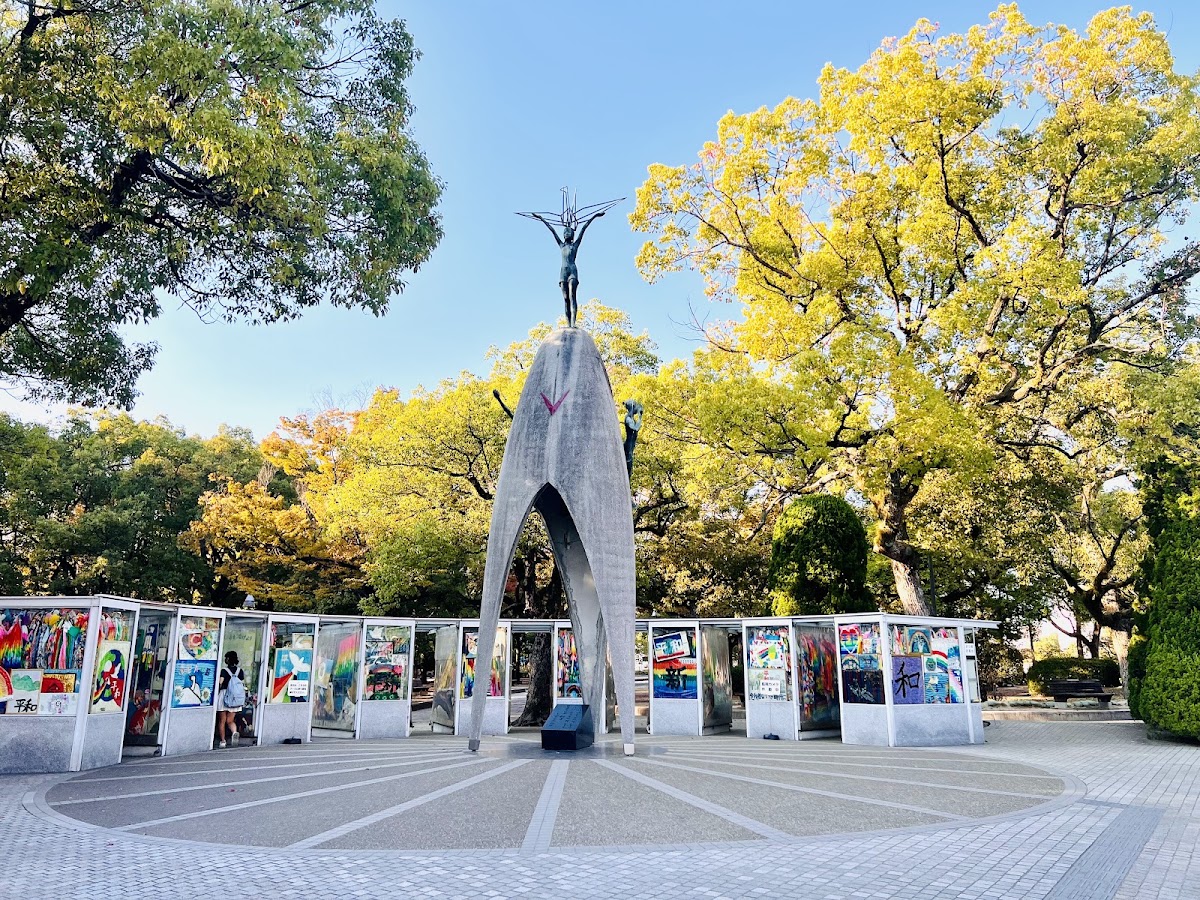
The green lawns of Hiroshima Peace Memorial Park sit between two rivers, and you move through it like a slow exhale. The Children's Peace Monument is the one that gets people: a statue of a girl holding a crane, surrounded by cases of thousands more, folded and sent here every year.
Walk the central axis and you line up the Cenotaph, the Flame of Peace, and the Dome in one view, exactly as the designers intended. Ring the Peace Bell if you like. Nobody will stop you.
Give yourself a couple of hours. The museum is here too, but save that for day three when you have the emotional room for it.
Okonomiyaki, Cooked on Steel, Right in Front of You
The hiss of batter hitting a hot plate, a mountain of cabbage collapsing down, noodles crisping at the edge, a paint-stroke of brown sauce.
Hiroshima does okonomiyaki its own way, and after the weight of the park you will be glad for somewhere loud and warm. Instead of mixing everything into one pancake, they layer it: a thin crepe, then a heap of cabbage, pork, a nest of fried noodles, and an egg, all pressed down and griddled until the bottom goes golden.
Head to Nagarekawa, the nightlife quarter, where counters wrap around the teppan grill and the cook builds yours an arm's length away. You eat it straight off the hot plate with a little metal spatula.
One costs roughly 900 to 1,300 yen (about 6 to 9 USD), and a cold Hiroshima-brewed beer is the right move alongside it.
The Ferry Where the Red Gate Appears on the Water
Twenty minutes across the bay, and then you see it: a vermilion torii standing in the sea, growing bigger as the boat leans in.
Day two is island day. From central Hiroshima you ride a tram or the JR line out to Miyajimaguchi, then step onto the ferry for the short crossing to Miyajima. If you are holding a Japan Rail Pass, the JR ferry is covered, so flash it at the gate.
The crossing takes about ten minutes, and the JR boat swings closer to the famous torii on its way in when the tide is right. Stand on the open deck for this. The island, Mount Misen rising green behind the shoreline shrines, is right there.
Deer will greet you on the far pier. They are tame, curious, and will happily investigate your ferry ticket, so hold onto your map.
The Shrine That Floats at High Tide
Boardwalks on stilts, painted deep orange, seeming to hover over the water while the great torii stands offshore.
Itsukushima Shrine was built so that at high tide the whole complex, and its torii gate out in the bay, appear to float. It has stood in some form since the 1100s, and it is the reason most people come to Miyajima at all.
Time it with the tide if you can. High water gives you the floating illusion and the mirror reflections; low water lets you walk right out across the flats to the base of the gate and stand under it. Both are worth the photo, just different ones.
Entry to the shrine is around 300 yen (about 2 USD). Check the posted tide table at the ferry terminal so you know which version of the island you are getting.
Grilled Oysters the Size of Your Palm
Shells popping open over charcoal, a squeeze of lemon, steam carrying the smell of the bay straight to you.
Miyajima and the waters around it produce a huge share of Japan's oysters, and the restaurants along the main street grill them fresh right out front. You will smell the charcoal before you decide where to stop.
Get them two ways: grilled in the shell with a little lemon, and fried into crisp golden kaki-fry. A plate of a few grilled oysters runs roughly 600 to 1,000 yen (about 4 to 7 USD). Pair it with momiji manju, the maple-leaf-shaped cakes they bake all over the island, for dessert.
Eat slowly. You have earned a long lunch before the climb up the mountain.
Up the Ropeway, Where the Islands Fan Out Below
A cable car lifting you over a primeval forest canopy, and then the Seto Inland Sea opening up, island after island after island.
The Mount Misen Ropeway carries you most of the way up the island's sacred peak, over forest that has been left wild for centuries. From the upper station the view across the Seto Inland Sea is the kind you stop talking for.
If you have the legs, hike the final stretch to the summit, about half an hour of stone steps and boulders, and you get a 360-degree panorama with rock formations the pilgrims have revered for over a thousand years. The round-trip ropeway is roughly 2,000 yen (about 13 USD).
Keep an eye on the last descent time posted at the station so the mountain does not keep you overnight.
The Temple of Spinning Prayer Wheels
A staircase lined with hundreds of brass prayer wheels you spin as you climb, each one ringing softly under your hand.
On the walk back down toward the ferry, duck into Daisho-in, a mountainside Buddhist temple that most day-trippers rush past. The stairway up is fitted with rows of metal prayer wheels inscribed with sutras, and you run your hand along them as you go, each spin counting as a reading.
Up top you find caves lit by lanterns, rows of small stone statues wearing knitted red caps, and views back out over the shrine and the bay. It is quiet, shaded, and completely free to enter.
This is the last stop before the ferry back. A good place to let the island settle before you return to the city for the evening.
The Arcade Where the City Just Lives
A covered street a few blocks long, buzzing with shoppers, the smell of fresh melon pan drifting out of a bakery doorway.
Day three is lighter on purpose. Hondori is a long covered shopping arcade in the center of town, rain-proof and packed with everything from cheap ramen to fashion to local sweet shops. It is where Hiroshima goes about its ordinary day, and after Miyajima that ordinariness feels nice.
Graze your way down it. Pick up momiji manju to take home, try the melon pan, browse the hundred-yen shops. Trams rattle past the arcade's open ends if you want to range further.
It is a five-minute walk back to Peace Memorial Park from here, which is how you close the loop.
The Museum You Save for Last
A quiet room, a stopped wristwatch frozen at 8:15, a child's lunchbox, and the whole weight of the morning in 1945.
Leave the Hiroshima Peace Memorial Museum for the end of your trip, because you will carry it with you afterward. The renewed main exhibits walk you through the day of the bombing and its aftermath through personal objects: clothing, photographs, letters, the belongings of people who did not come home.
It is sobering and it is meant to be. Entry is only 200 yen (about 1.50 USD), and the museum's own clear framing is that it exists to work toward a world without nuclear weapons. Give yourself at least ninety minutes and do not rush the final rooms.
When you step back out into the park, the Dome is right there across the water, and you will understand it a little differently than you did on day one.
Ready to book?
Book the rest of Hiroshima, Japan
Handpicked partner searches, dates pre-filled. Pricing is identical to going direct — the partner shares a small commission with Tabi so this guide stays free.
Frequently asked
How many days do you need in Hiroshima?
Three is the sweet spot. Day one covers Peace Memorial Park and dinner in the city, day two is a full island trip to Miyajima for Itsukushima Shrine and Mount Misen, and day three is a relaxed mix of the Hondori arcade and the Peace Memorial Museum. Two days works if you compress, but you will feel rushed on the island.
What is the best way to get to Miyajima from central Hiroshima?
Take the JR Sanyo Line or the Hiroden tram out to Miyajimaguchi, then the ferry across to the island. The whole trip is under an hour. If you hold a Japan Rail Pass, the JR train and the JR ferry are both covered, and that ferry route swings closer to the floating torii on the way in.
Should I plan my Miyajima visit around the tide?
Yes, if you have a preference. At high tide the torii gate and Itsukushima Shrine appear to float on the water, which is the classic photo. At low tide you can walk out across the flats and stand directly under the gate. Check the tide table posted at the ferry terminal so you know which experience you are getting.
Is the Hiroshima Peace Memorial Museum suitable for children?
It is a serious, emotionally heavy museum with graphic accounts of the 1945 bombing. Older children and teenagers often find it deeply meaningful, but younger kids may find parts distressing. The outdoor Peace Memorial Park and the Children's Peace Monument are gentler ways to introduce the history.
What food is Hiroshima known for?
Two things above all. Hiroshima-style okonomiyaki is layered rather than mixed, with cabbage, pork, and fried noodles griddled on a hot plate, best eaten in the Nagarekawa district. And the oysters, especially around Miyajima, are grilled fresh in the shell or fried as kaki-fry. Save room for maple-leaf-shaped momiji manju cakes too.
Skip the planning
Your Hiroshima, Japan trip, ready to go
Adopt the day-by-day itinerary we built to match this guide. Every stop is a real place, every booking link is validated. Free forever, no card needed.
Open the Hiroshima, Japan itinerary