
Ho Chi Minh City, Vietnam
What to Do in Ho Chi Minh City in 4 Days: War Remnants, Cu Chi Tunnels, and Saigon's Best Eats
From the silence of the War Remnants Museum to the roar of motorbikes on Dong Khoi Street, here's how to spend four days in Saigon.
TL;DR
Saigon hits you with a wall of heat, the scent of lemongrass, and a history that demands your full attention.
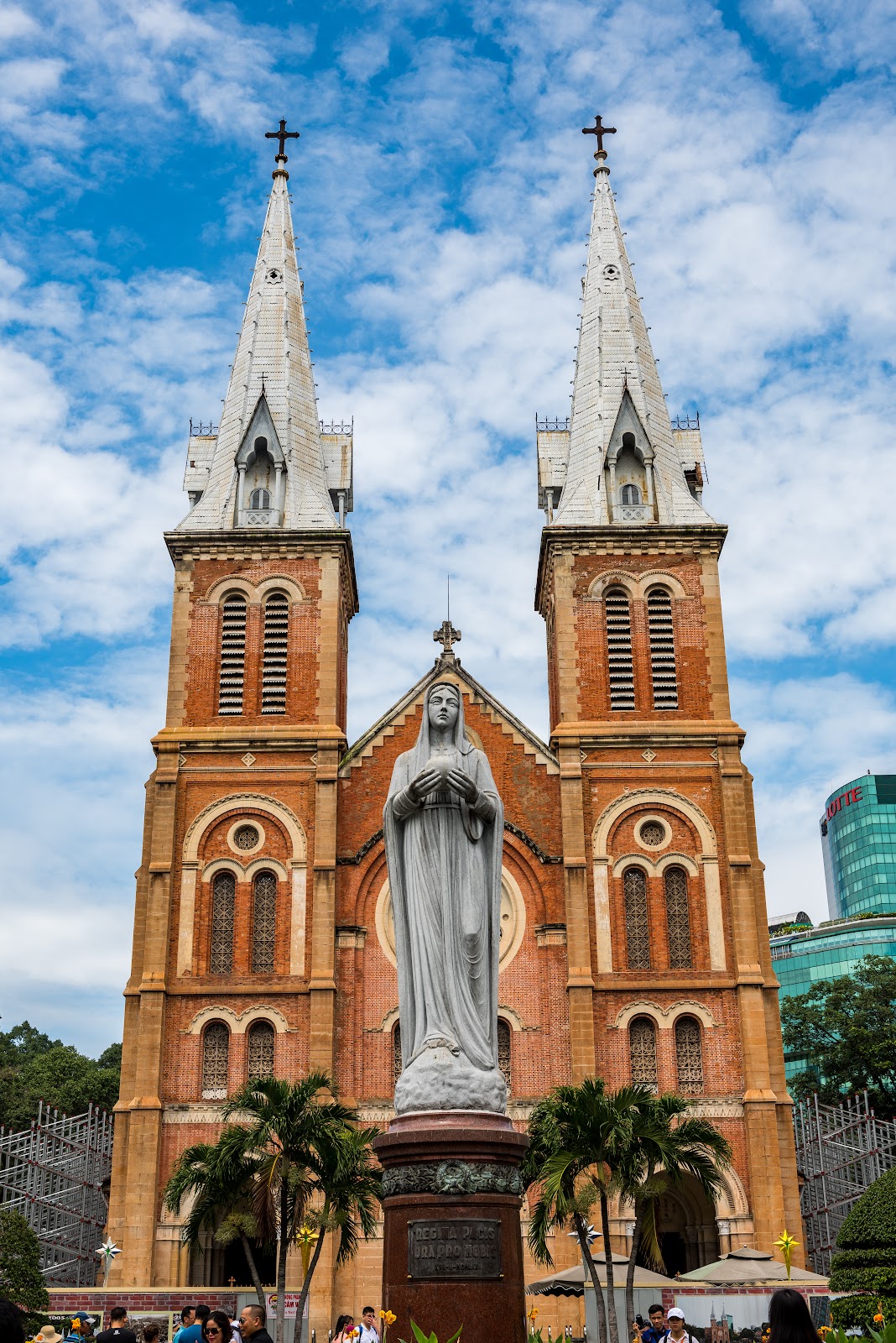
- The red-brick facade of Notre-Dame Cathedral contrasts with the neon glow of Bitexco Tower.
- A walk through the War Remnants Museum leaves a heaviness that reshapes your understanding of conflict.
- Ben Thanh Market offers a sensory overload of vendors, fresh spring rolls, and iced coffee.
- The A O Show at the Saigon Opera House combines acrobatics and bamboo in ways you've never seen.
- Crawling through the Cu Chi Tunnels shows you a side of war that textbooks can't capture.
Have this trip planned in 60 seconds
We built the Ho Chi Minh City, Vietnam itinerary that pairs with this guide, day-by-day with verified venues and one-tap booking links. Free to adopt, edit however you want.
The Red-Brick Cathedral and the Colonial Post Office
The sun blazes off the red bricks of Notre-Dame Cathedral, and across the square, the Central Post Office's yellow facade looks like it could have been painted by a postcard company.
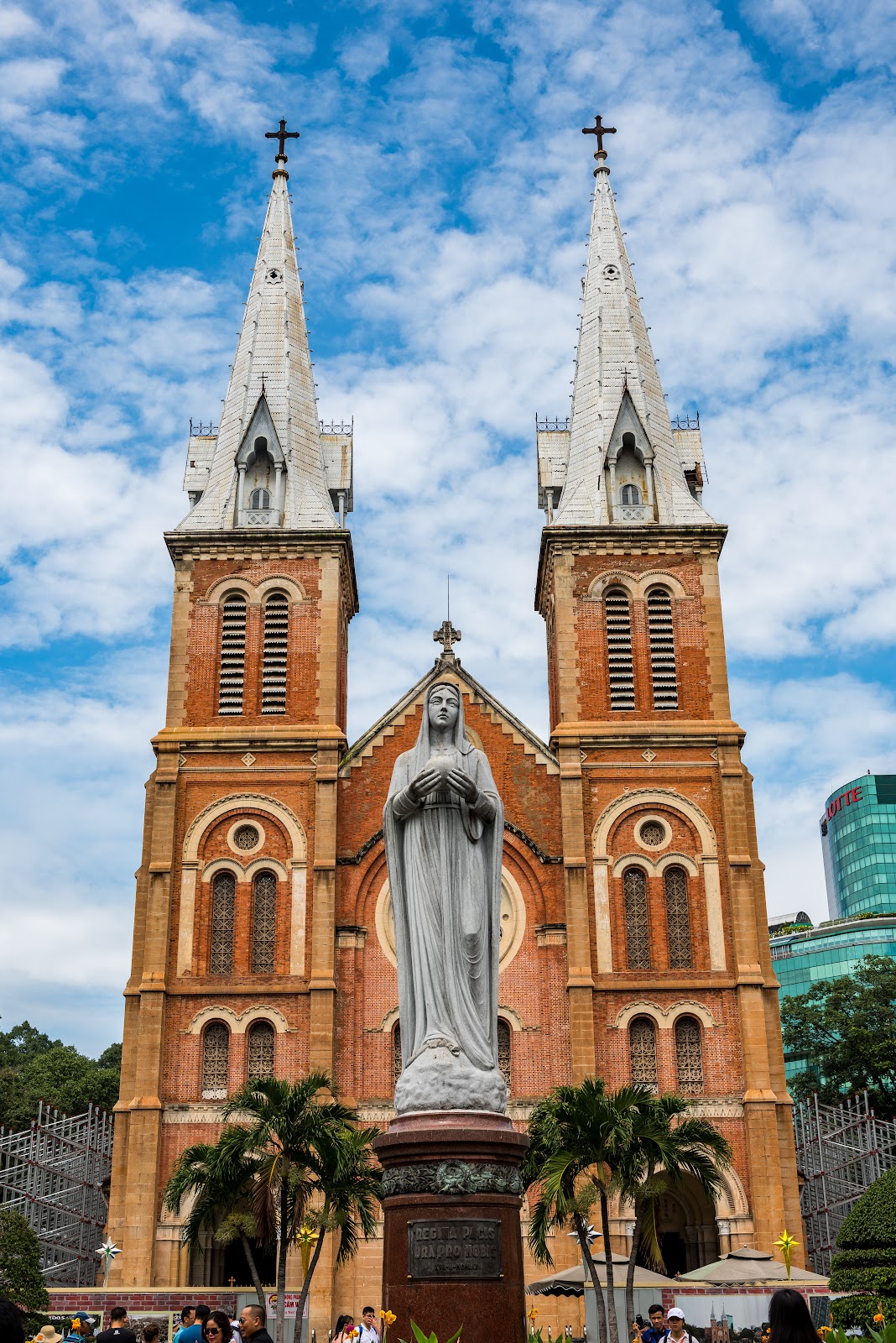
After dropping your bags at the hotel (the classic 4-day route starts right here in District 1), step out into the heat. The cathedral, built entirely from red bricks shipped from France, anchors the square. Walk over to the Central Post Office next door. Inside, a giant portrait of Ho Chi Minh watches over a cavernous hall where people still queue to send letters. The phone booths and old maps on the walls make this feel like a scene from the 1960s.
Independence Palace and a Sky-High View Over the City
The green gates of the Reunification Palace open onto a time capsule of 1970s furniture, while 49 floors up, Bitexco Tower offers a 360-degree view of a city that never stops moving.
The Reunification Palace (formerly Independence Palace) is frozen in time. Walk through the cabinet room, the helipad, and the basement war room where tanks were tracked on maps. Then head a few blocks to Bitexco Financial Tower. The elevator ride to the Sky Deck is a thrill of its own. From the top, you can trace the Saigon River and spot the city's patchwork of old villas and new skyscrapers. Entry to the palace is 200,000 VND (about 8 USD); the Sky Deck is 200,000 VND.
The War Remnants Museum: A Story You Can't Unsee
The courtyard is filled with American military hardware, but the real weight of this place is inside, in the black-and-white photographs and the jars of Agent Orange residue.
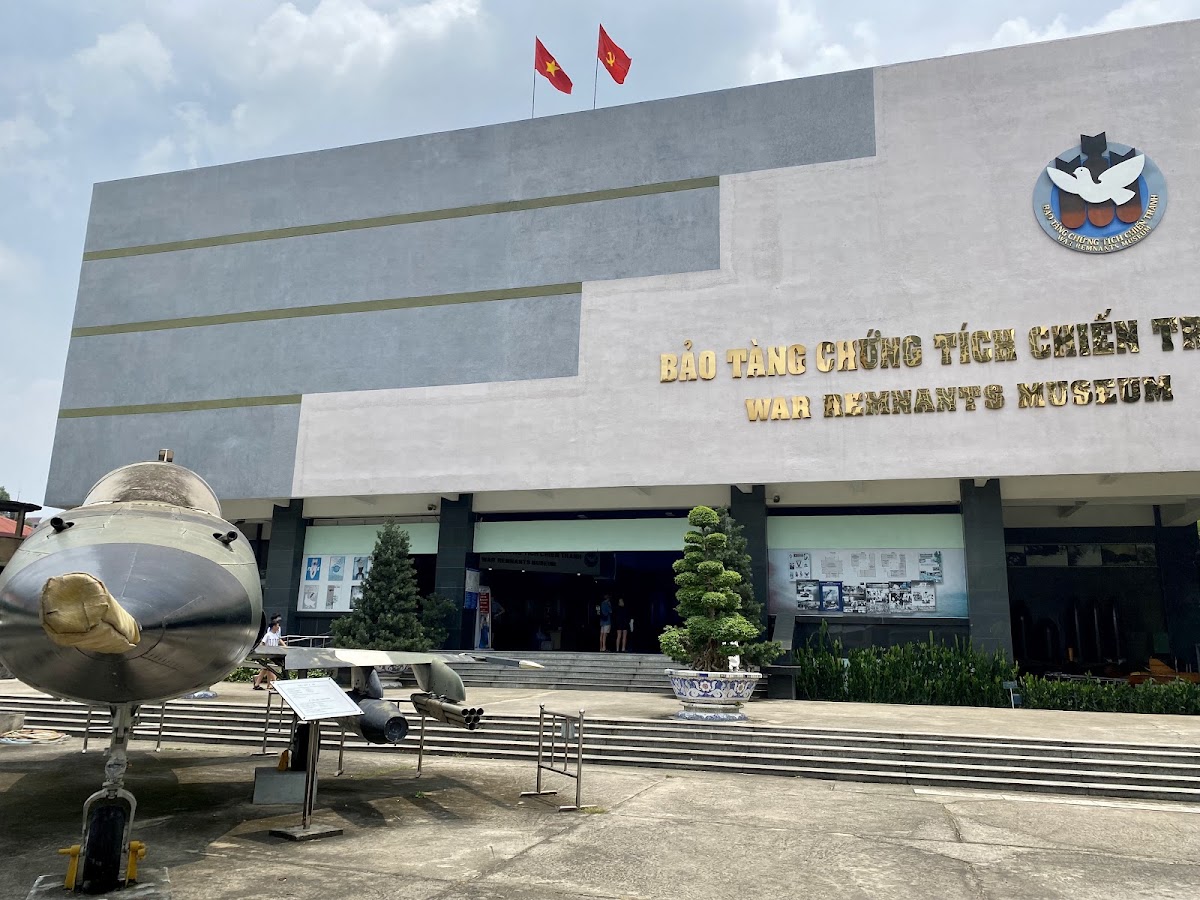
The War Remnants Museum is not an easy visit. It tells the story of the Vietnam War from the Vietnamese perspective with unflinching clarity. Start in the courtyard with the tanks, helicopters, and a guillotine. Then move inside to the galleries. One room is covered with photographs taken by war correspondents who died. Another has glass jars containing the preserved remains of birth defects caused by chemical agents. Allow at least two hours. Entry is 40,000 VND (about 1.50 USD).
Ben Thanh Market: Where Street Food Is a Spectator Sport
The sizzle of spring rolls hitting hot oil, the chop-chop of cleavers on cutting boards, and the relentless patter of vendors in every aisle.
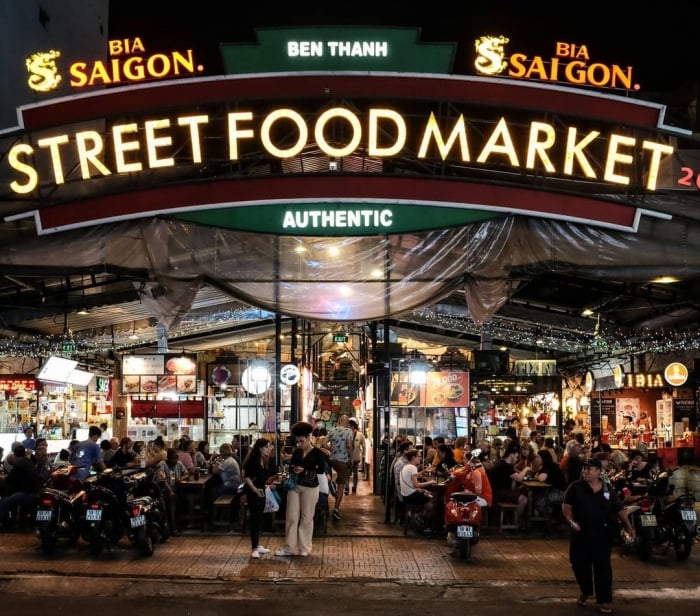
Ben Thanh Market is chaos orchestrated perfectly. Walk through the food hall and find a counter for pho or goi cuon (fresh spring rolls). Try the grilled pork skewers from a lady near the central fountain. The vendors are used to tourists, so bargain with a smile. Grab a glass of ca phe sua da (iced coffee with condensed milk) to cool down. If you want to bring something home, the dried fruit and spices are easy to pack. A bowl of pho here costs about 50,000 VND (2 USD).
The A O Show: Bamboo, Silk, and the Saigon Opera House
The lights dim in the ornate opera house, and suddenly the stage becomes a bamboo forest with acrobats weaving through it.
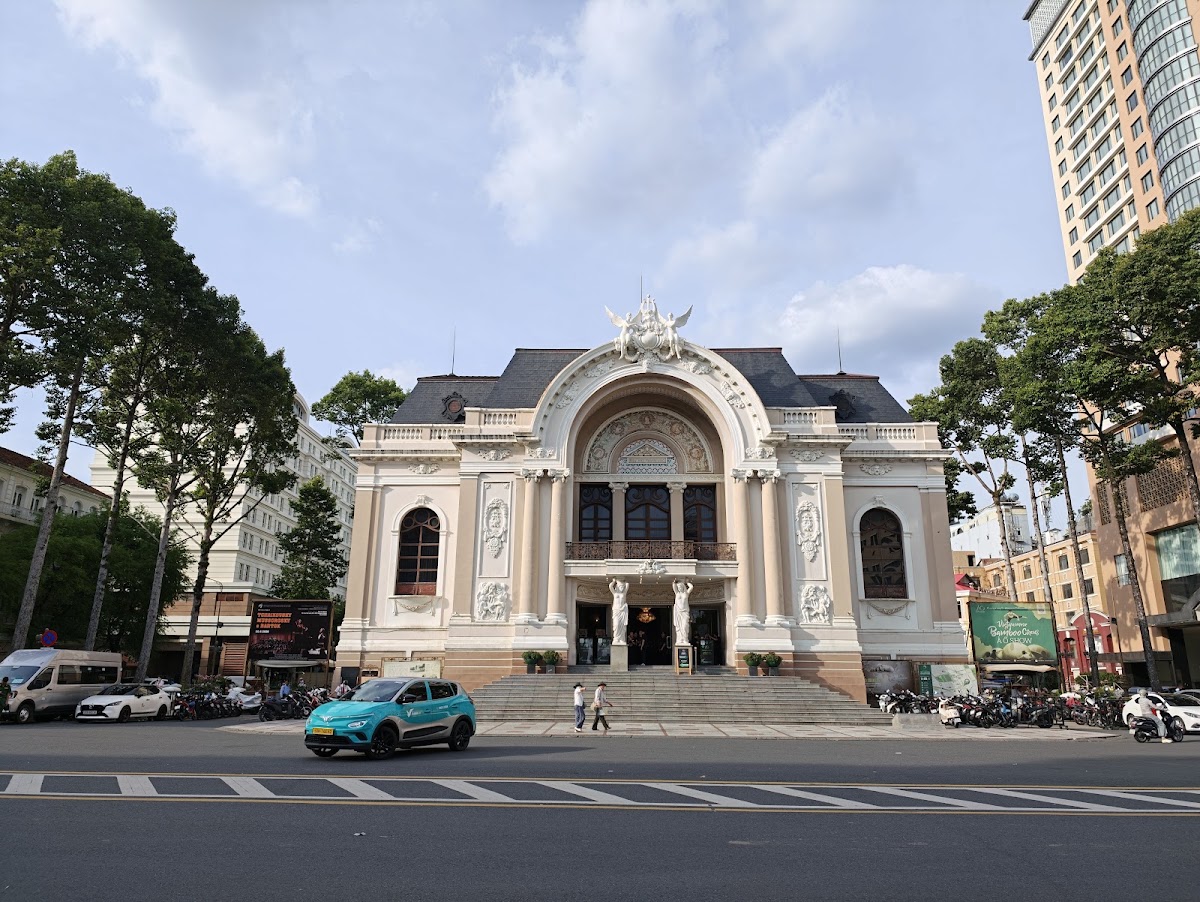
The Saigon Opera House, a French colonial jewel on Dong Khoi Street, hosts the A O Show nightly. This performance blends circus, dance, and traditional Vietnamese music using bamboo poles, silk ropes, and rice baskets. The show runs about 60 minutes and doesn't use words, so it's easy to follow. Tickets start at 600,000 VND (about 25 USD). Before the show, grab dinner at Ngon 138, a social-enterprise restaurant a short walk away that serves dishes like bun bo Hue and clusters of tiny spring rolls.
The Cu Chi Tunnels: Crawling Into History
You step down into a narrow hole in the ground, and suddenly the world above becomes muffled. The tunnel stretches dark and cramped, but that's exactly the point.
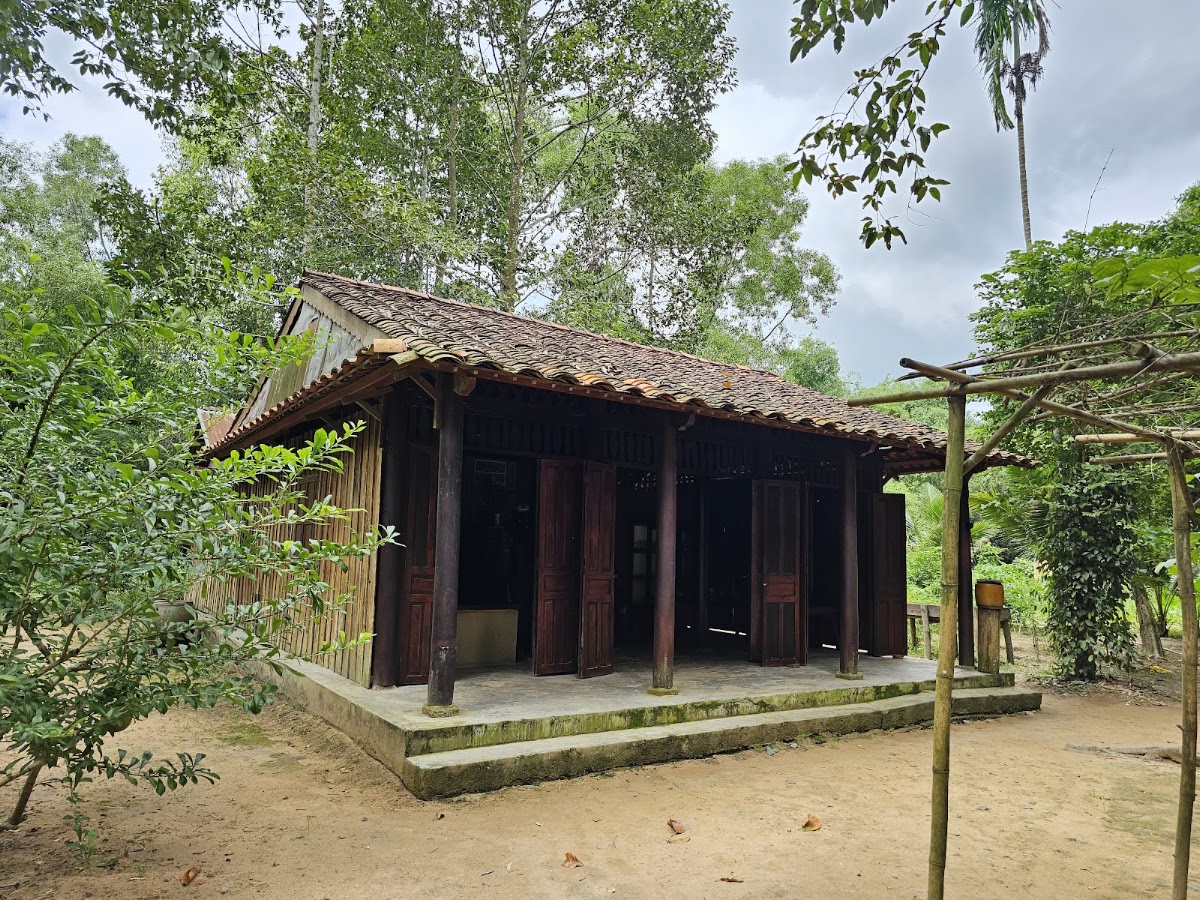
A half-day tour out to the Cu Chi Tunnels shows you a side of the war that textbooks can't capture. The tunnels were a living network for Viet Cong soldiers, complete with kitchens, hospitals, and conference rooms. On the tour you'll see the tiny trap doors, hear how crude weapons were made, and even get a chance to crawl through a 100-meter section. Guides explain the daily life of the soldiers. At the end, try a piece of boiled cassava dipped in groundnut, their wartime meal. Tours from District 1 cost around 200,000 to 400,000 VND (8 to 16 USD) and include transport and guide.
Banh Mi Huynh Hoa: The Sandwich That Stops Traffic
The line spills out onto the sidewalk, and the smell of grilled pork and pâté hangs in the air. This is the banh mi that everyone in Saigon knows.
Your final breakfast in Saigon should be at Banh Mi Huynh Hoa. The line looks long, but it moves fast. Order one banh mi thit (mixed meat) and watch the woman assemble it: two kinds of pork roll, pâté, shredded carrots and daikon, cucumber, cilantro, and a secret drizzle of sauce. The baguette is crisp on the outside and airy inside. At 50,000 VND (2 USD), it might be the best value meal in all of Vietnam. Eat it on the curb or take it to a park. Then grab a taxi for your airport transfer, saluting the city that never sleeps.
Ready to book?
Book the rest of Ho Chi Minh City, Vietnam
Handpicked partner searches, dates pre-filled. Pricing is identical to going direct — the partner shares a small commission with Tabi so this guide stays free.
Frequently asked
Is Ho Chi Minh City safe for tourists?
Yes, Saigon is generally very safe. Petty theft like bag snatching can happen, especially on busy streets, so keep your valuables close and your phone in a zipped pocket. The city is busy but friendly.
What is the best time of year to visit Ho Chi Minh City?
The dry season from December to April is the most comfortable. Temperatures stay in the 70s-90s F (25-35 C) with lower humidity. The rainy season (May to November) brings afternoon downpours but also fewer crowds.
How many days do you need in Ho Chi Minh City?
3 to 4 days is ideal. It gives you time to see the core District 1 landmarks, take a day trip to the Cu Chi Tunnels, and enjoy the food scene without rushing.
Is it easy to get around Ho Chi Minh City?
Very easy. Most attractions are in District 1 and walkable. For longer distances, use ride-hailing apps like Grab (cheap and reliable). Taxis are also available but confirm the meter is used. There is no metro yet (opening soon).
Skip the planning
Your Ho Chi Minh City, Vietnam trip, ready to go
Adopt the day-by-day itinerary we built to match this guide. Every stop is a real place, every booking link is validated. Free forever, no card needed.
Open the Ho Chi Minh City, Vietnam itinerary