
Hoi An, Vietnam
What to Do in Hoi An in 4 Days: Lanterns, Beach, and the Cooking Class You'll Talk About
A slow, glowing walk through Vietnam's most photogenic old town, from the covered bridge to the sand at An Bang.
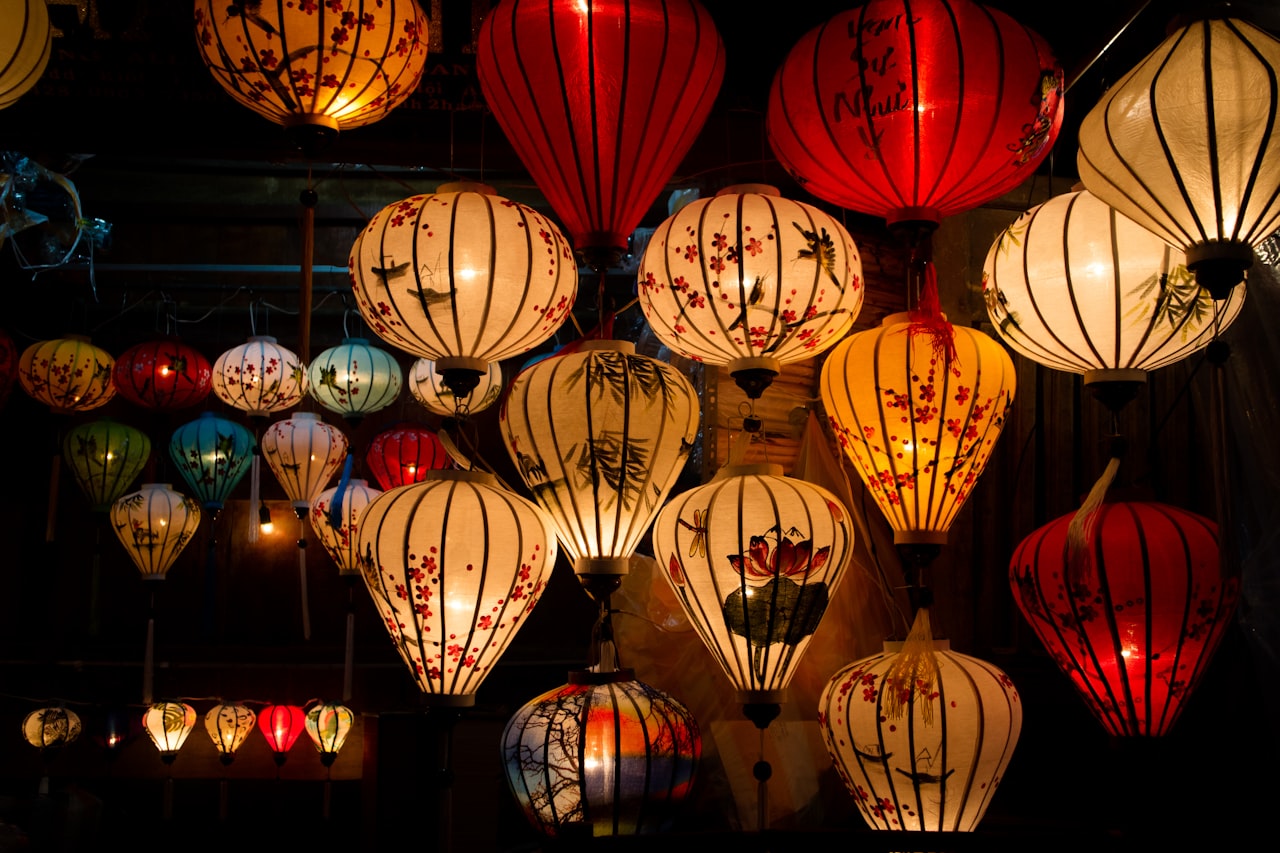
Photo by Thanh Soledas on Unsplash
TL;DR
Picture a river full of paper lanterns and a whole town the color of egg yolk at golden hour, then follow it wherever it leads.
- Silk lanterns lighting up the Thu Bon River after sunset
- The 400-year-old Japanese Covered Bridge, still worn smooth underfoot
- Cycling out to Tra Que through herb beds that smell like basil
- Rolling your own fresh rice paper in a family kitchen
- Salt air and cheap seafood on the sand at An Bang Beach
Have this trip planned in 60 seconds
We built the Hoi An, Vietnam itinerary that pairs with this guide, day-by-day with verified venues and one-tap booking links. Free to adopt, edit however you want.
The Drive That Tells You You've Left the City Behind
Thirty minutes of coastline, then the buildings shrink and turn yellow. The air coming through the window smells like the sea and someone's charcoal grill.
You land at Da Nang, and for a while it's motorbikes and high-rises. Then the road hugs the coast, the traffic thins, and Hoi An arrives quietly. No skyline. Just low ochre walls and bougainvillea spilling over them.
The airport to Ancient Town run is about 45 minutes. A private transfer runs roughly 350,000-450,000 VND (around $15-18) and drops you right at your hotel gate, which matters because the old town core is pedestrian and taxis can't get in.
Do yourself a favor and arrive in the late afternoon. That way your first walk lands at dusk, when the lanterns come on.
The Old Town, When the Lanterns Come On
Hundreds of silk lanterns switch on all at once and the whole riverfront turns red, gold, and green. Down on the water, kids sell floating candles in paper boats.
This is the moment people come for, and somehow it still delivers. As the light drops, the Thu Bon River fills with tiny lantern boats, each one a wobbling dot of flame. You can buy one to float for about 20,000 VND (under $1) from the grandmothers along the bank.
Walk Nguyen Thai Hoc and Tran Phu, the two spines of the old quarter. The buildings here are 200 to 300 years old, a mash of Vietnamese tube houses, Chinese assembly halls, and Japanese merchant homes, and at night they glow like they're lit from inside.
Grab a bowl of cao lau, the pork-and-noodle dish you can only get properly in Hoi An (the water supposedly makes the noodles). Eat it standing up, keep walking.
The 400-Year-Old Bridge People Still Walk Across
A wooden roof, a little shrine tucked inside, and stone steps worn into dips by four centuries of feet. The dog and monkey guardian statues watch each end.
The Japanese Covered Bridge is the thing on the 20,000 VND banknote, and standing on it feels weirdly casual for something this old. Japanese merchants built it in the early 1600s to reach the Chinese quarter across the stream. It's tiny, maybe 18 meters, but it's the most photographed spot in town for a reason.
Go early, before 8am, if you want it without the crowd. The morning light comes in low from the east and catches the faded red timber.
Entry to the bridge itself is included in the Ancient Town ticket (120,000 VND, around $5), which also covers five heritage sites of your choosing. Keep the ticket, you'll use it next door.
The Assembly Hall That Smells of Incense Coils
Giant spirals of incense hang from the ceiling, smoking slowly for weeks at a time. Behind them, a dragon fountain and a courtyard painted in deep temple red.
Fukian Assembly Hall (Phuc Kien) was built by Chinese merchants from Fujian as a meeting place and a temple to Thien Hau, the goddess who protects sailors. It's the grandest of Hoi An's assembly halls and easily worth one of your heritage-ticket stamps.
Walk to the back altar where the incense coils hang. Locals buy them, write a wish on a red tag, and hang the whole thing up to burn for a month. The smell settles into your clothes and stays there half the day.
A few streets over, the Hoi An Museum of History and Culture packs 2,000 years of the town's life as a trading port into one modest building. It's a quick stop, maybe 30 minutes, but it explains why this place feels so layered.
Cycling Out to the Herb Village
Flat green rows as far as you can see, the smell of basil and mint rising off the beds, and farmers watering by hand with two cans on a bamboo yoke.
Rent a bike (most hotels lend them free, or 30,000 VND a day) and ride the 3 kilometers out to Tra Que Vegetable Village. The road runs past rice paddies and duck ponds and it's flat the whole way, so it's an easy pedal even in the heat.
Tra Que has grown herbs the same organic way for 300 years, fertilizing with river algae instead of chemicals. You can try the farm work yourself: hoeing, planting, watering with the traditional double can. Your arms will complain.
Many farms fold this into a cooking class, which is the smart move. You pick and wash the herbs you're about to cook with, and lunch tastes better when you dug for part of it.
Rolling Rice Paper in a Family Kitchen
A wok spitting oil, a stack of fresh herbs from the morning's picking, and your first pancake collapsing gloriously as everyone laughs.
The cooking class with a local family is the part of Hoi An people bring up months later. You'll usually start at the market, learning to pick fish and tell good coriander from tired coriander, then head to a home kitchen on the edge of town.
Expect to make the greatest hits: banh xeo (the crispy turmeric pancake), fresh rice paper rolls, and a proper white rose dumpling, the local specialty that's fiddly enough to be genuinely satisfying when it works.
Half-day classes run about 700,000-950,000 VND (roughly $28-38) including everything, and you eat what you cook. Go hungry. You'll leave both stuffed and, weirdly, able to recreate a bit of it at home.
The Night Market Across the Bridge
A whole street of lanterns for sale, glowing in every color, and the sizzle of grilled skewers cutting through the crowd. The reflections double it all in the river.
Cross the pedestrian bridge to An Hoi island in the evening and you land in the Hoi An Night Market on Nguyen Hoang street. It's touristy, yes, but it's also the best place to buy a folding silk lantern to take home, and haggling is expected (start at half, settle around two-thirds).
Eat as you go. Grilled squid, corn slathered in scallion oil, and che, the sweet Vietnamese dessert soup you scoop from a cup. Most snacks are 15,000-40,000 VND.
Hoi An is also Vietnam's tailoring capital, so if you want a suit or a dress made, order it early in your trip. Turnaround is usually 24 to 48 hours, and you'll want a fitting before you fly out.
The Beach You'll Wish You'd Booked Another Day For
Wide pale sand, warm flat water, and a row of shacks where a whole grilled fish and a cold beer costs less than a coffee back home.
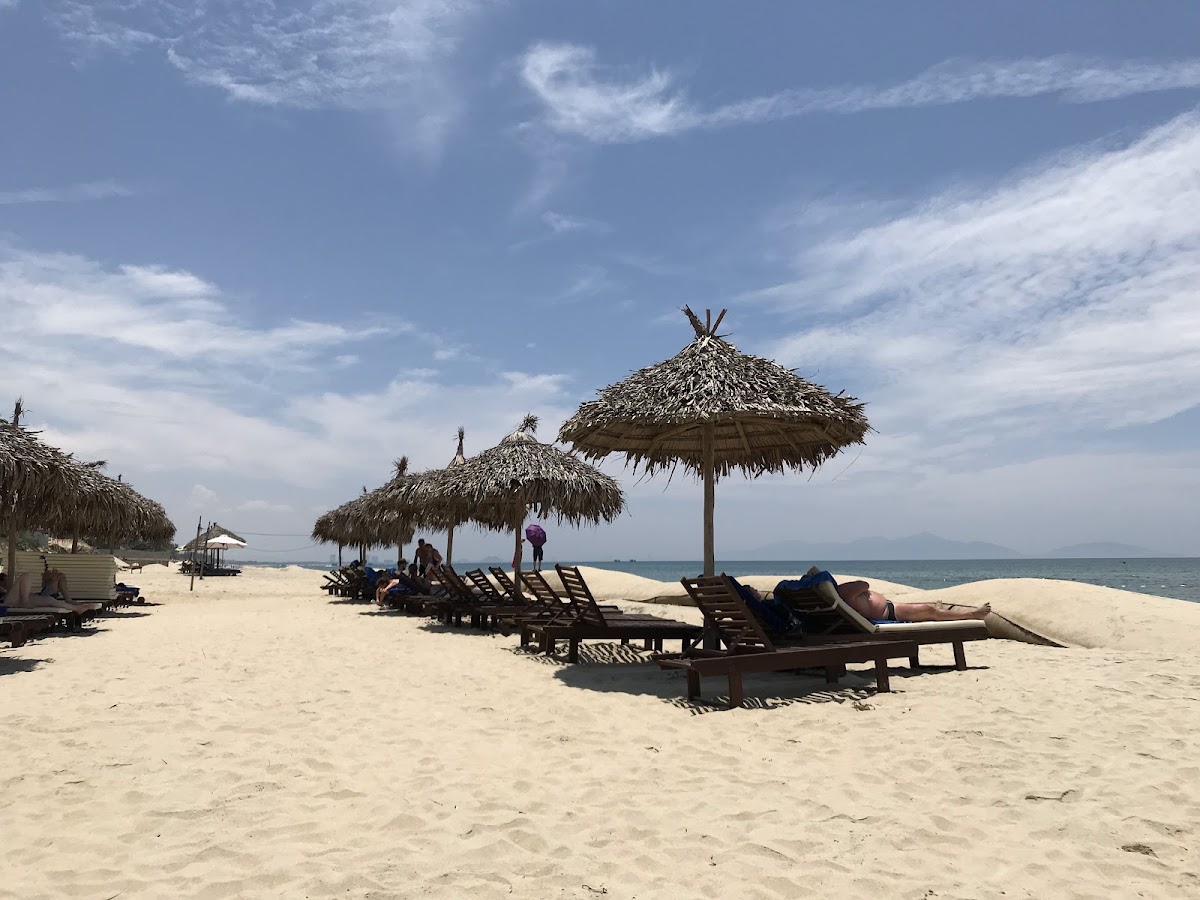
An Bang Beach is 4 kilometers from the old town, an easy bike ride or a 60,000 VND taxi. After days of temples and markets, this is where you exhale. Grab a sun lounger at one of the beach bars (usually free if you order food), and settle in.
The seafood here is the real draw. Point at what looks good, ask the price first, and expect to pay 150,000-250,000 VND for a plate of grilled prawns or clams cooked in lemongrass and chili.
Save a slow last morning for breakfast at a local cafe, a Vietnamese iced coffee and a banh mi from a cart, before the private transfer back to Da Nang for your flight. Leave the lanterns for next time.
Ready to book?
Book the rest of Hoi An, Vietnam
Handpicked partner searches, dates pre-filled. Pricing is identical to going direct — the partner shares a small commission with Tabi so this guide stays free.
Frequently asked
How many days do you need in Hoi An?
Four days is the sweet spot. It gives you two unhurried mornings in the Ancient Town, a full day for cycling to Tra Que and a cooking class, a beach day at An Bang, and a slow final morning before flying out of Da Nang. Three days works if you're tight, but you'll likely skip the beach.
What's the best time of year to visit Hoi An?
February to April is ideal: dry, warm, and less humid than summer. The rainy season runs roughly September to December, and October and November can bring flooding when the Thu Bon River rises. If you come for the beach, May to August is hot but reliably dry.
Do I need to buy a ticket to enter the Ancient Town?
Yes. The Hoi An Ancient Town ticket costs 120,000 VND (around $5) and includes entry to five heritage sites of your choosing, such as the Japanese Covered Bridge, Fukian Assembly Hall, and the Museum of History and Culture. You buy it at booths around the old town's edge, and it's valid for your whole stay.
Is Hoi An good for getting clothes tailored?
It's one of the best places in Southeast Asia for it. Hundreds of tailor shops can make suits, dresses, and shirts in 24 to 48 hours. Order early in your trip so you have time for a fitting, bring a photo of what you want, and check the stitching before you pay.
How do I get from Da Nang Airport to Hoi An?
The two are about 45 minutes apart by road. A private transfer (roughly 350,000-450,000 VND, or $15-18) is the easiest option and drops you at your hotel, which matters because the Ancient Town core is pedestrian-only and taxis can't enter. Grab and taxis also work but cost about the same for the airport run.
Skip the planning
Your Hoi An, Vietnam trip, ready to go
Adopt the day-by-day itinerary we built to match this guide. Every stop is a real place, every booking link is validated. Free forever, no card needed.
Open the Hoi An, Vietnam itinerary