
Istanbul, Turkey
What to Do in Istanbul in 5 Days: Bazaars, Bosphorus, and the Call to Prayer at Dawn
A picture-first walk through the old city, across the water, and back for baklava you'll think about for weeks.
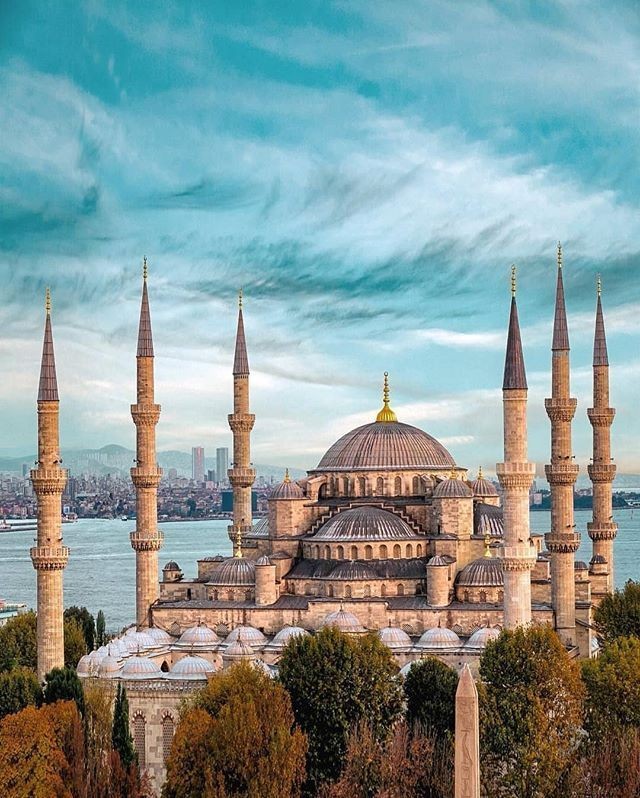
TL;DR
Five days across two continents, from the Blue Mosque's echoing dome to a fish dinner on the Kadikoy side where the ferries keep coming.
- Hagia Sophia at opening, before the crowds fill the marble
- The Basilica Cistern's upside-down Medusa lit gold underwater
- Meyhane tables spilling down Nevizade Street with raki and mezze
- A public ferry to Kadikoy, tea in hand, gulls chasing the wake
- Karakoy baklava so buttery you'll order a second box to go
Have this trip planned in 60 seconds
We built the Istanbul, Turkey itinerary that pairs with this guide, day-by-day with verified venues and one-tap booking links. Free to adopt, edit however you want.
Landing, and the First Call to Prayer You'll Hear
You step out of the metro at dusk and the air smells like grilled corn and sea salt. Somewhere above the rooftops, a muezzin starts to sing.
Istanbul Airport sits far out on the European edge, so give yourself time. The M11 metro is the cheap, reliable move: it connects to the wider network and drops you toward the old city, and the Havaist bus is the one-seat alternative if you're loaded with luggage. Either way, base yourself in Sultanahmet or Sirkeci for these first days. You can walk to almost everything historic from here.
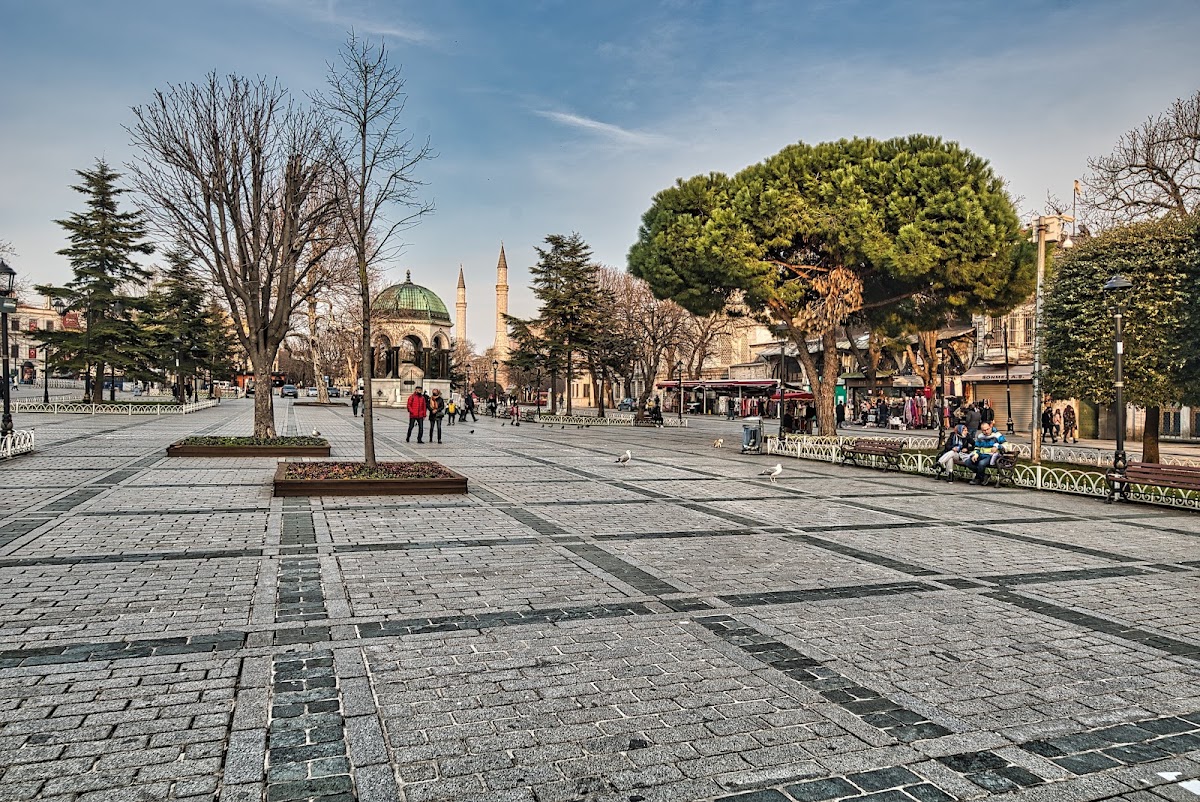
Drop your bags and go straight back out. Sultanahmet Square at sunset is your orientation lap: the Blue Mosque on one side, Hagia Sophia glowing on the other, cats everywhere, families out for the evening. You don't need a plan tonight.
When hunger hits, cross toward Eminonu to Hamdi Restaurant. Ask for a table upstairs; the terrace looks straight over the Golden Horn to the lights of Galata. Order the pistachio kebab. That first bite, that first view, is the whole trip announcing itself.
Hagia Sophia, Empty, Before the World Wakes Up
Light falls in slow shafts through high windows onto a floor worn smooth by fifteen centuries of feet. For a moment, you have it almost to yourself.
Go early. The line for Hagia Sophia grows fast, and the whole feeling of the place depends on space and quiet. Get there near opening and the dome does its trick: it seems to float, held up by nothing, gold mosaics catching the first sun. Christian saints and Arabic calligraphy share the same walls, which tells you everything about this city.
From there it's a two-minute walk to the Blue Mosque. Bring a scarf if you're wearing shorts or short sleeves; wraps are provided, but your own is easier. Inside, the Iznik tiles give the whole space its blue wash, twenty thousand of them, and the carpet underfoot is soft and endless.
Check prayer times before you go, since the mosque closes to visitors during services. The official Go Turkiye site (goturkiye.com) lists current hours and etiquette.
The Palace, the Harem, and a Kofte Lunch in Between
You walk out onto a terrace and the whole Bosphorus opens below, ships lined up where two seas meet. Behind you, a room glitters with emeralds the size of eggs.
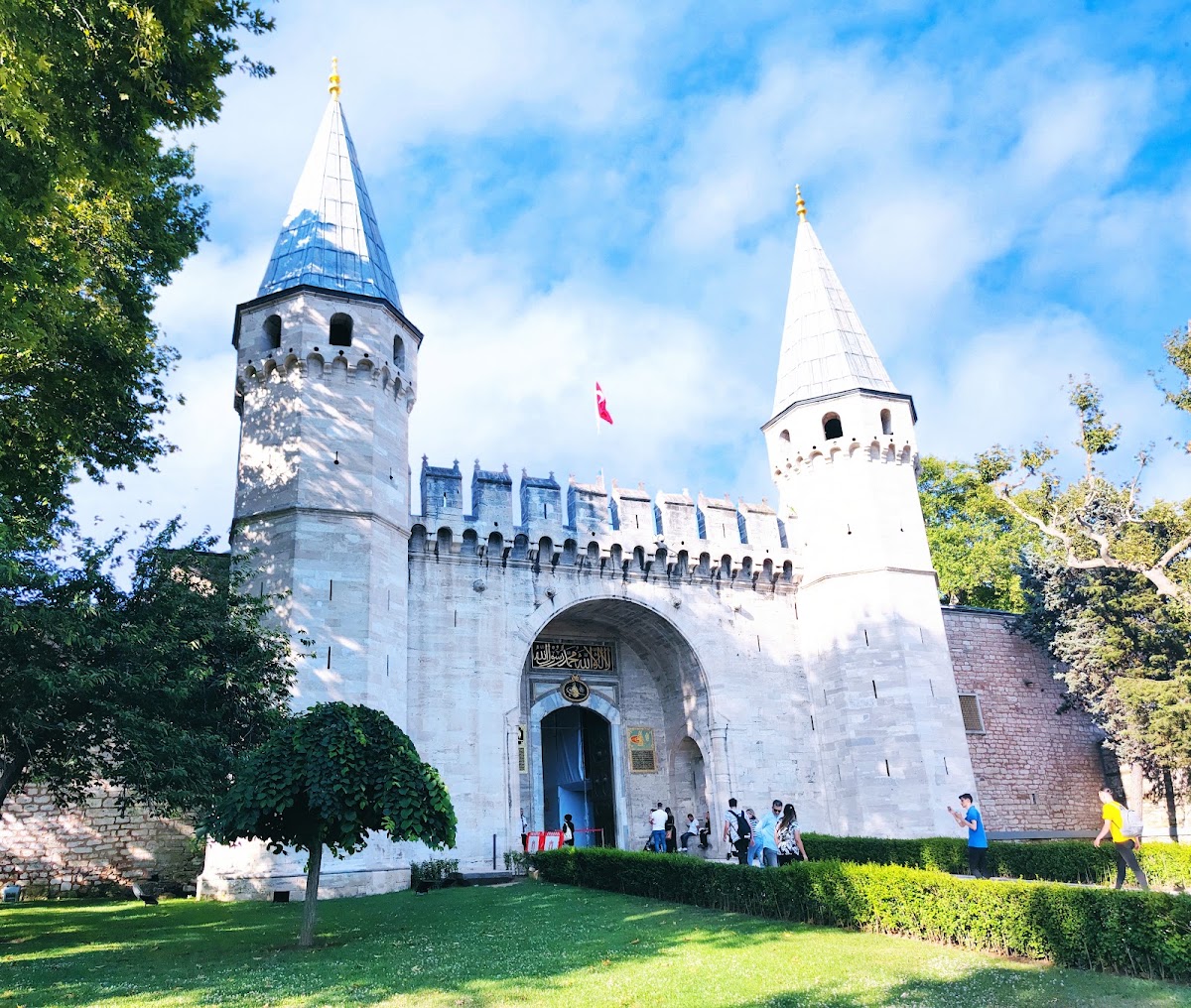
Topkapi Palace was home to sultans for four hundred years, and it sprawls: courtyards, gardens, the Treasury with its absurd jewels, and the Harem, which is a separate ticket and absolutely worth it. The tiled private chambers there are quieter and, honestly, prettier than the main rooms. Give the whole complex a solid two to three hours.
When you need a break, walk down Divanyolu to Tarihi Sultanahmet Koftecisi. It has been grilling meatballs since 1920 and does basically one thing perfectly: kofte, white bean salad, pickled peppers, bread. Fast, cheap, exactly what you want mid-sightseeing.
Then head back toward the cistern for the afternoon. Buy the palace ticket online ahead of time; the queue at the gate can eat an hour you don't have.
Underground, Where the Columns Rise Out of Black Water
You descend a stone staircase into cool, dripping dark. Then hundreds of columns appear, reflected perfectly in still water lit the color of amber.
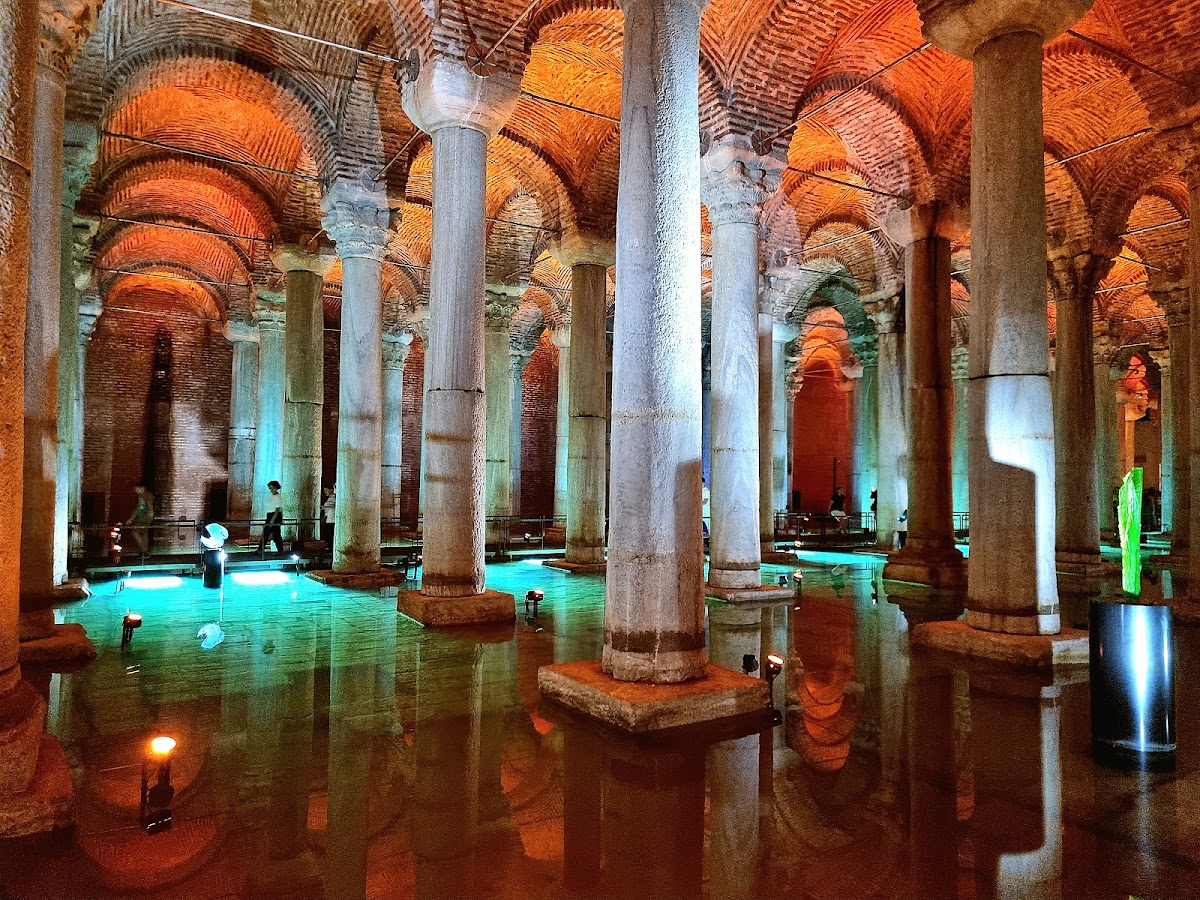
The Basilica Cistern is the surprise everyone remembers. Built in the sixth century to store water for the palace above, it's a forest of 336 columns holding up the ceiling, with walkways threading between them and moody lighting turning the whole space cinematic. Classical music drifts through it now. Look for the two Medusa heads at the far end, one upside down, one on its side, reused from some older ruin and half-submerged.
It's cool down here even in summer, a genuine relief on a hot afternoon. Plan on thirty to forty-five minutes; it's compact but you'll want to linger for photos.
Back at street level, you're right in the heart of Sultanahmet again. If your feet are done for the day, the tram runs from here to almost anywhere.
Two Bazaars, and How Not to Get Lost in Them
Sacks of saffron and dried figs, the smell of ground coffee and rose, a shopkeeper pressing a cube of lokum into your hand before you've said a word.
Start at the Spice Bazaar near Eminonu, smaller and easier to handle, its L-shape packed with mounds of spice, Turkish delight, teas, and nuts. Taste before you buy; the vendors expect it. This is where you stock up on saffron and dried apricots to take home.
Then walk uphill to the Grand Bazaar, one of the oldest covered markets on earth, over four thousand shops under painted vaults. It feels like a maze because it is one. Don't fight it. Wander the lanes for carpets, lamps, ceramics, and gold, haggle with a smile (start around half the asking price), and when you're turned around, just follow the crowd to any gate and reorient outside.
For lunch, cut over to Hayvore just off Istiklal. It's Black Sea home cooking: anchovies, buttery pilav, greens, the kind of food locals actually eat. Point at what looks good in the display case.
Sundown from Galata, Then a Steam and a Long Meyhane Night
The city turns pink and gold below the tower, the whole peninsula of mosques catching the last light. Then the water goes dark and the lights come on all at once.
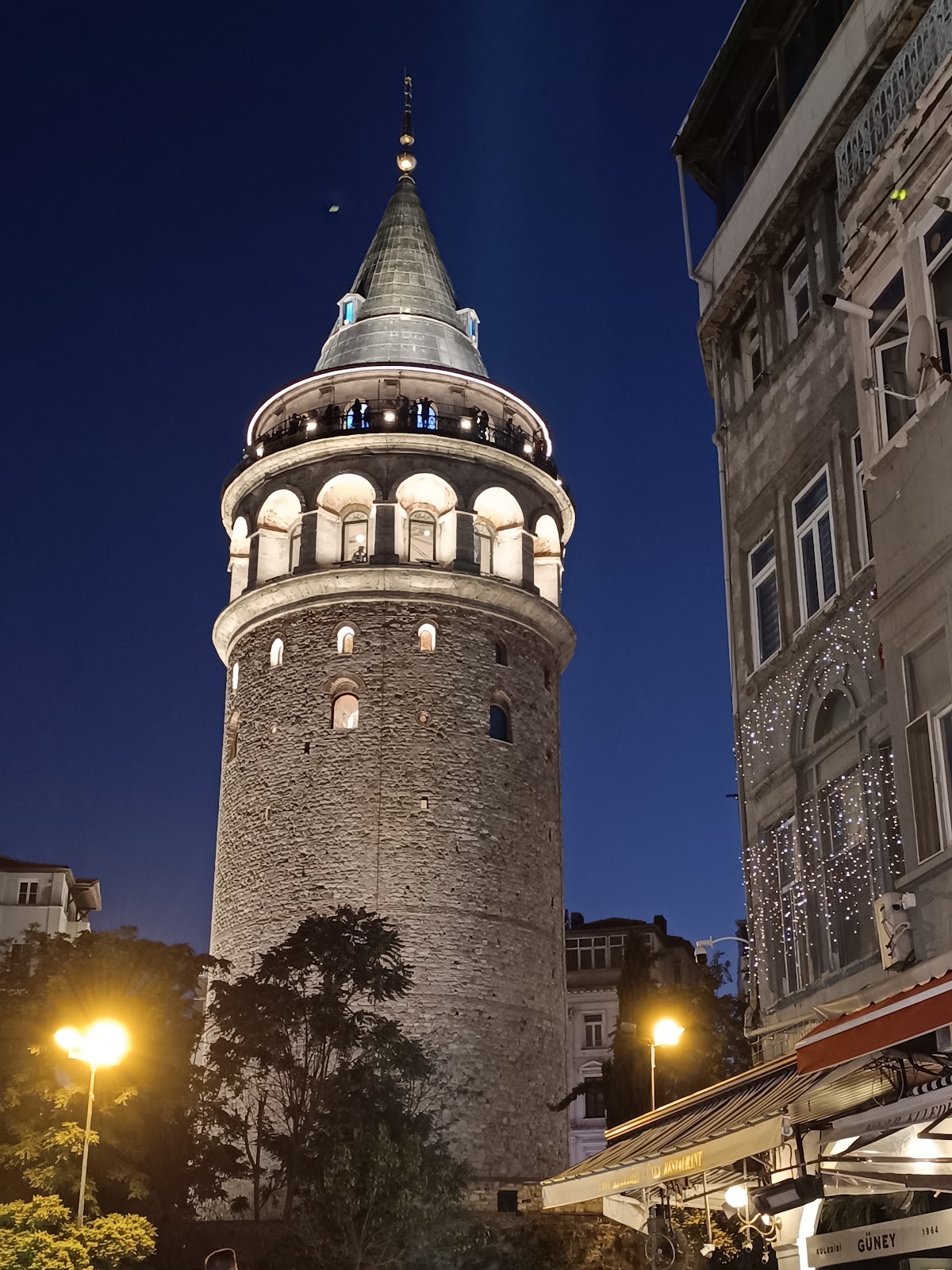
Climb Galata Tower late in the afternoon and time it for sunset. The 360-degree view is the postcard: the old city across the Golden Horn, the Bosphorus threading north, ferries crossing like slow beetles. Book a timed ticket so you're not stuck in line as the light fades.
Before dinner, soak. Kilic Ali Pasa Hamami in Tophane is a beautiful restored bath from the 1580s, all marble and steam under a huge dome. You get scrubbed, soaped, and rinsed until you feel reborn. It's not cheap for a hammam, but the setting makes it an experience, not a chore.
Then go loud. Nevizade Street in Beyoglu is meyhane row: narrow, packed with tables, plates of mezze arriving nonstop, raki turning cloudy in the glass, musicians squeezing between chairs. Order slowly, share everything, stay late. This is the night you'll be telling people about.
Across to Asia by Ferry, for Fish and Street Art
You lean on the rail with a glass of tea, gulls hanging in the wind off the stern, and in twenty minutes you cross from Europe to Asia for the price of a bus ride.
The public ferry from Eminonu to Kadikoy is one of the great cheap thrills in this city. Grab a window seat, buy a tea from the guy with the tray, and watch the skyline slide by. On the far side, Kadikoy is where Istanbul goes to eat and shop without the tour groups.
Wander the Yeldegirmeni neighborhood for huge murals splashed across apartment walls, then dive into the Kadikoy market lanes for cheese, olives, and street snacks. For lunch, Ciya Sofrasi is the reason many people cross the water at all: regional Anatolian dishes you won't find anywhere else, a rotating spread of stews and kebabs, everything honest and deep-flavored.
Walk it off along the Moda seafront for sunset, then circle back for a fish dinner at Kadi Nimet Balikcilik, where you pick your catch from ice and they cook it simply. Meze, fish, raki, the ferry lights on the water. A perfect last full day.
One Last Morning: Palace on the Water, Baklava for the Road
Crystal chandeliers, a staircase with banisters of glass, and gold leaf everywhere you look. Then, out the window, the Bosphorus laps at the palace steps.
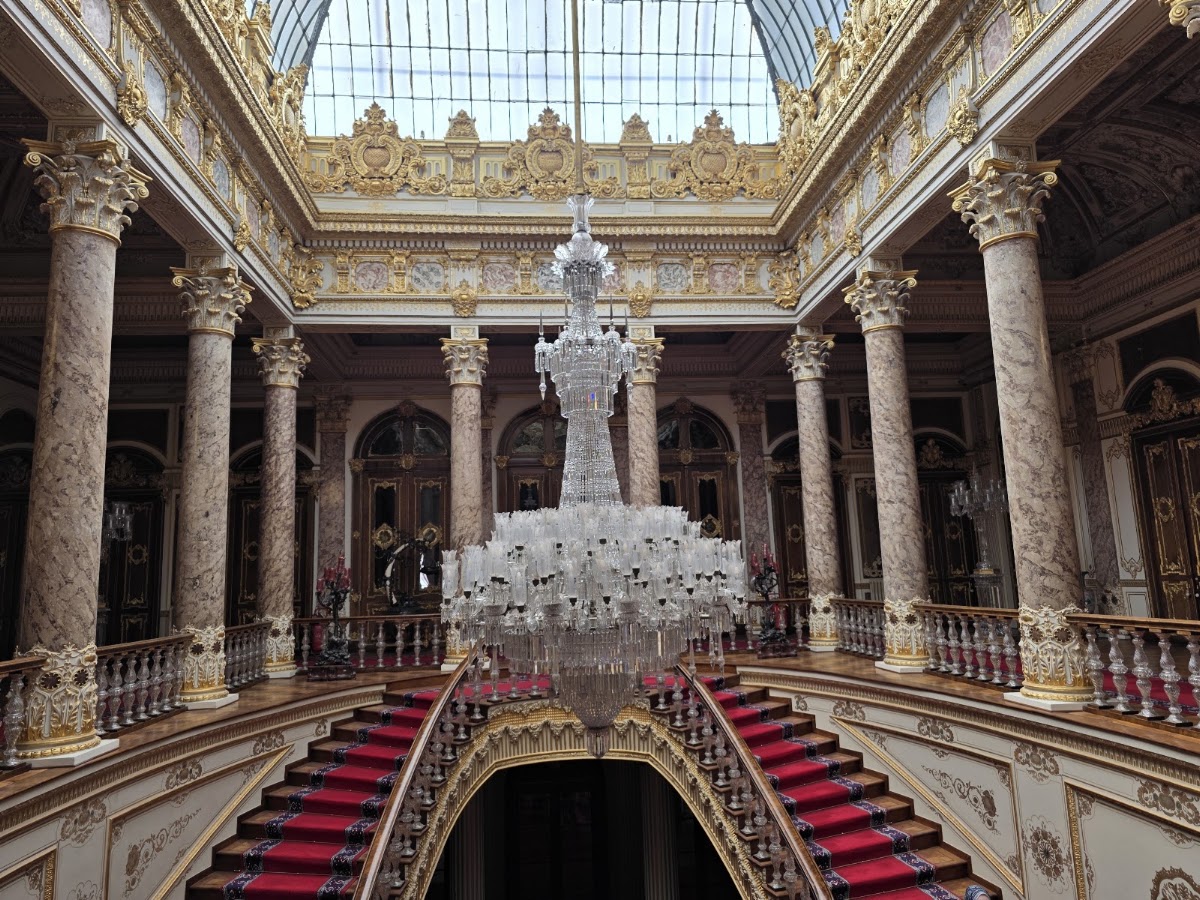
On your way out of town, spend the morning on the Karakoy and Besiktas side. Dolmabahce Palace is the sultans' answer to Versailles, built in the 1850s when the empire wanted to look modern: opulent, over-the-top, right on the water. The guided route through the state rooms takes about an hour, and the ceremonial hall's chandelier will stop you cold.
Before that, or after, stop at Istanbul Modern down at Galataport, a sleek contemporary art museum with a rooftop that frames the strait beautifully. It's a calm, cool contrast to all the marble palaces.
Then the send-off: Karakoy Gulluoglu for baklava and a strong Turkish coffee. This is arguably the best baklava in the city, layers shattering, syrup and pistachio in perfect balance. Buy a sealed box to take home; you'll wish you'd bought two. From here the tram and metro get you back toward the airport with time to spare.
Ready to book?
Book the rest of Istanbul, Turkey
Handpicked partner searches, dates pre-filled. Pricing is identical to going direct — the partner shares a small commission with Tabi so this guide stays free.
Frequently asked
How do I get from Istanbul Airport into the city?
The M11 metro connects the airport to the wider network and is cheap and reliable; transfer toward Sultanahmet using your Istanbulkart. The Havaist bus is a one-seat option that's easier with heavy luggage. A private transfer is the most stress-free after a long flight. Budget 60 to 90 minutes either way, as the airport sits well outside the center.
Should I stay on the European or Asian side?
For a first visit, stay in Sultanahmet or Sirkeci on the European side. You can walk to Hagia Sophia, the Blue Mosque, Topkapi Palace, and the Basilica Cistern, and the tram links you to the bazaars and Galata. Save the Asian side (Kadikoy, Moda) for a day trip by ferry rather than as a base.
Do I need to book Hagia Sophia and Topkapi Palace in advance?
Yes, especially in high season. Lines at the gate can eat an hour or more. Buy timed tickets online for Topkapi Palace and add the separate Harem ticket, which is worth it. For Hagia Sophia and the Blue Mosque, arrive near opening and check current prayer times on goturkiye.com, since the mosque closes to visitors during services.
What should I know about visiting mosques respectfully?
Dress modestly: cover shoulders and knees, and women should cover their hair with a scarf. Wraps are usually provided at the door, but bringing your own is easier. You'll remove your shoes before entering, so slip-on shoes help. Visit outside prayer times, keep your voice low, and avoid photographing people who are praying.
Is haggling expected at the Grand Bazaar and Spice Bazaar?
At the Grand Bazaar, yes, for carpets, lamps, ceramics, and jewelry. Start around half the asking price and negotiate with a smile; walking away often improves the offer. At the Spice Bazaar prices are more fixed on food items, but tasting before you buy is normal and encouraged. Carry some cash, since a few smaller stalls prefer it.
Skip the planning
Your Istanbul, Turkey trip, ready to go
Adopt the day-by-day itinerary we built to match this guide. Every stop is a real place, every booking link is validated. Free forever, no card needed.
Open the Istanbul, Turkey itinerary