
Jaipur, India
What to Do in Jaipur in 4 Days: Forts, Bazaars, and the Pink City Glow
A walking log through Jaipur's forts, palaces, and old-city food lanes, in the order you'll actually see them.
TL;DR
You land in a city painted terracotta pink, and over four days it slowly reveals its forts, star charts, and the smell of ghee from every alley.
- A Rajasthani thali in Johari Bazaar with more dishes than you can finish
- Amber Fort's mirrored halls glowing gold above a green valley
- Jal Mahal floating alone on Man Sagar Lake at dusk
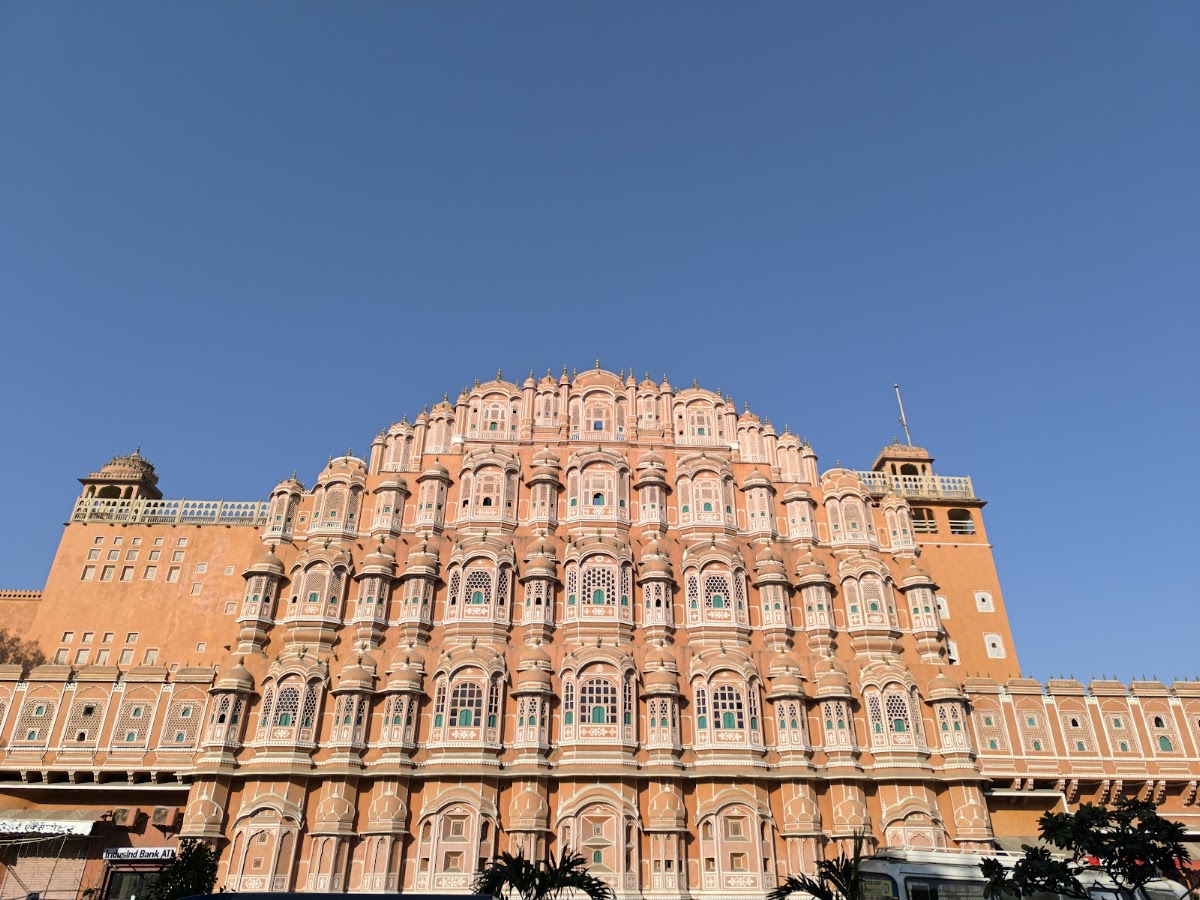
- Hawa Mahal's 953 pink windows catching the early sun
- A street food walk from Chandpole Gate, kachori grease and all
Have this trip planned in 60 seconds
We built the Jaipur, India itinerary that pairs with this guide, day-by-day with verified venues and one-tap booking links. Free to adopt, edit however you want.
The First Drive Through a City That's Actually Pink
You leave the airport and within twenty minutes the buildings turn a warm terracotta rose, block after block of it, like someone dipped the whole old town in the same paint.
Jaipur earned the "Pink City" name in 1876, when the ruler had the walled town painted pink to welcome the Prince of Wales. The color stuck, and by law the old-city facades stay that shade today.
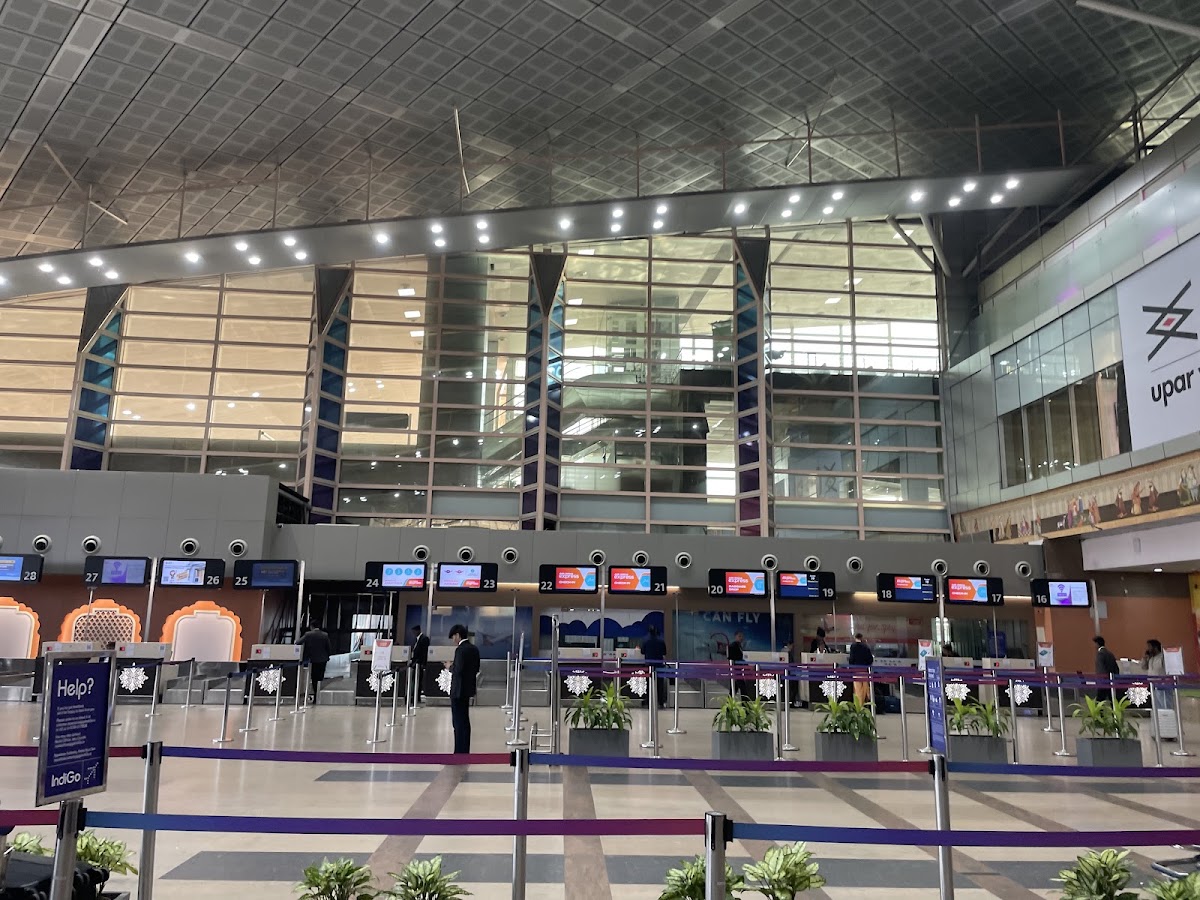
Your ride from Jaipur International Airport into the center takes 30 to 45 minutes depending on traffic, and it's a good first read of the place: camel carts sharing lanes with auto-rickshaws, the crenellated city wall rising up as you approach. Expect to pay around 600 to 900 rupees (roughly 8 to 11 USD) for a prepaid taxi, or book a transfer ahead so someone's holding a sign when you walk out tired.
Drop your bags. The eating starts tonight.
A Thali in Johari Bazaar That Keeps Arriving
The metal plate lands in front of you and then the little bowls keep coming: dal, gatte ki sabzi, a sweet churma that smells of ghee and cardamom, and warm bajra roti pressed straight off the flame.
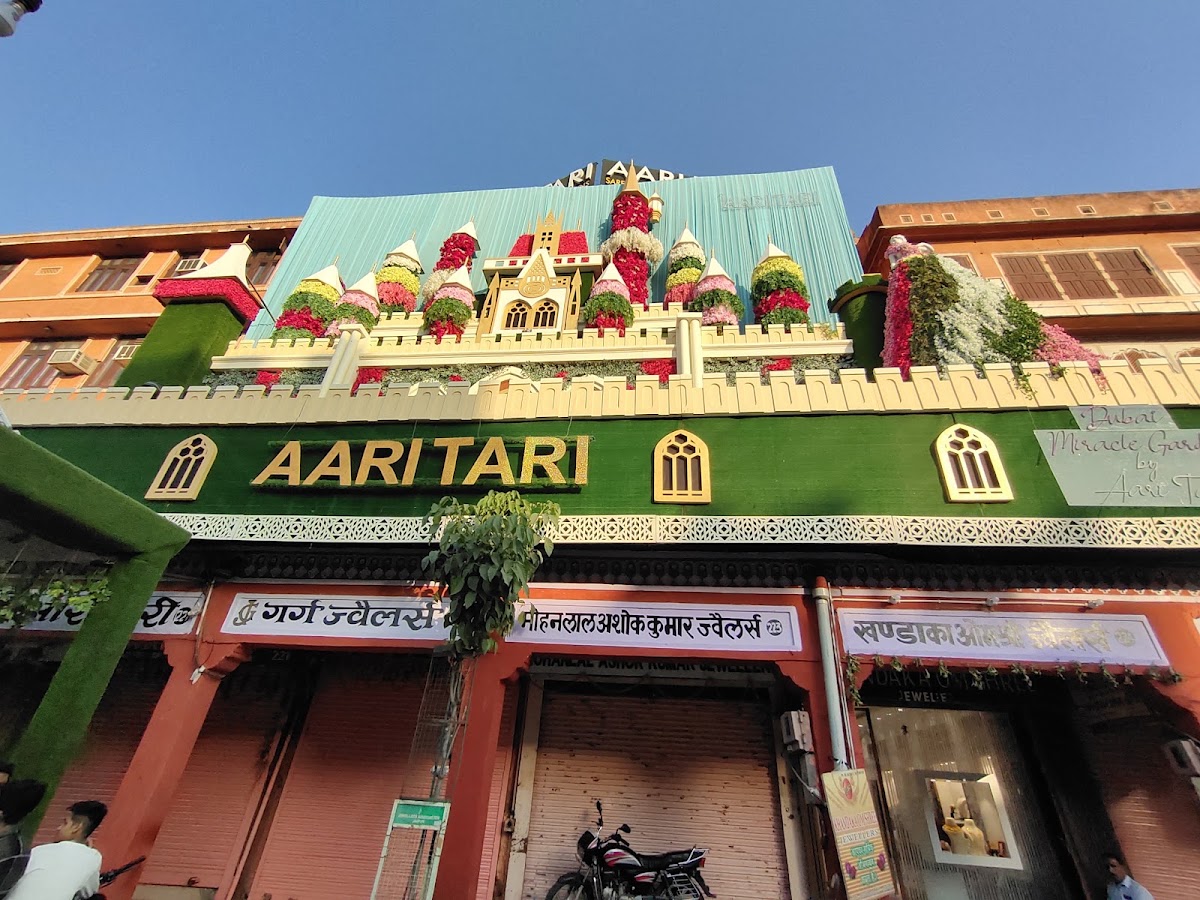
For your first dinner, head into Johari Bazaar, the jewelers' street, and find a traditional Rajasthani restaurant serving a proper thali. This is the local way to eat: one fixed plate, unlimited refills, a dozen small dishes at once so you taste everything the region does.
Go hungry and go slow. The dal baati churma is the dish to hold out for (baked wheat balls cracked open and drowned in ghee, with a crumbly sweet on the side). A full thali runs about 350 to 600 rupees (4 to 7 USD), and the servers will keep ladling until you physically cover the bowl with your hand.
Johari Bazaar is also where you'll want to wander after, past shop windows glinting with kundan and meenakari work, even if you're only looking.
The Palace That Floats on Water
You round the bend on Amer Road and there it is, a sandstone palace sitting alone in the middle of Man Sagar Lake, its lower floors underwater, egrets standing on the wall in the morning light.
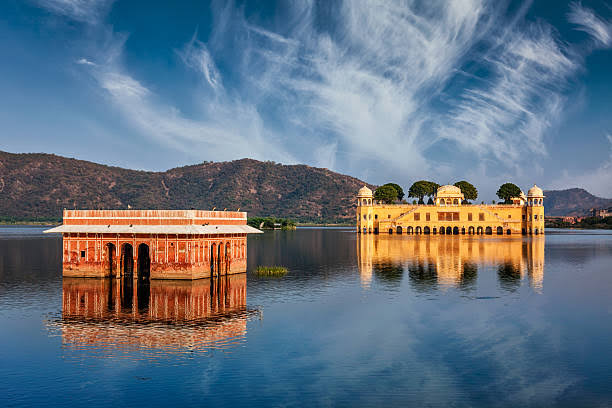
Jal Mahal (the "Water Palace") is your first stop on the drive up toward Amber, and it's a photo stop rather than a walk-in; you can't go inside, so you view it from the lakeside promenade. Come early and the water is glassy, the palace mirrored perfectly, the Aravalli hills behind still soft with haze.
Street vendors here sell chai and roasted corn, and camel and horse handlers will offer a quick ride along the bank. It's a 10-minute pause, but it sets the tone for the day: this whole route from the city up to the fort is one long postcard.
Up the Ramparts to Amber Fort's Mirror Hall
You climb the cobbled ramp and the fort opens into courtyard after courtyard, and then you step into the Sheesh Mahal where thousands of tiny mirrors catch the light and throw it back like the walls are lined with stars.
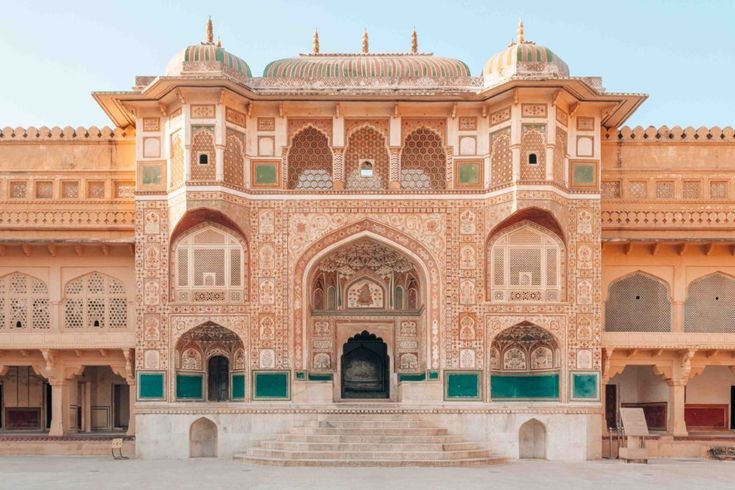
Amber Fort (spelled Amer, pronounced the same) sits on a ridge about 11 km north of the city, a honey-colored sprawl of gates, gardens, and pillared halls built from the late 1500s. Give it a solid two to three hours. The Sheesh Mahal (mirror palace) is the showpiece, but the quieter pleasure is walking the zigzag ramparts and looking down over Maota Lake and the walled garden below.
Entry is around 200 rupees for foreign visitors (roughly 2.50 USD); check current rates on the Rajasthan tourism site before you go. Arrive by 9am to beat both the heat and the tour crush. A guided tour genuinely helps here, since the layout and the stories behind each courtyard aren't signposted well.
Skip the elephant rides to the top; walking up or taking a jeep is kinder and just as scenic.
The City Palace and the Star Charts Next Door
Two peacock-blue doorways frame the City Palace courtyard, and a few minutes' walk away, giant stone instruments sprawl across a lawn like the toys of a mathematician giant.
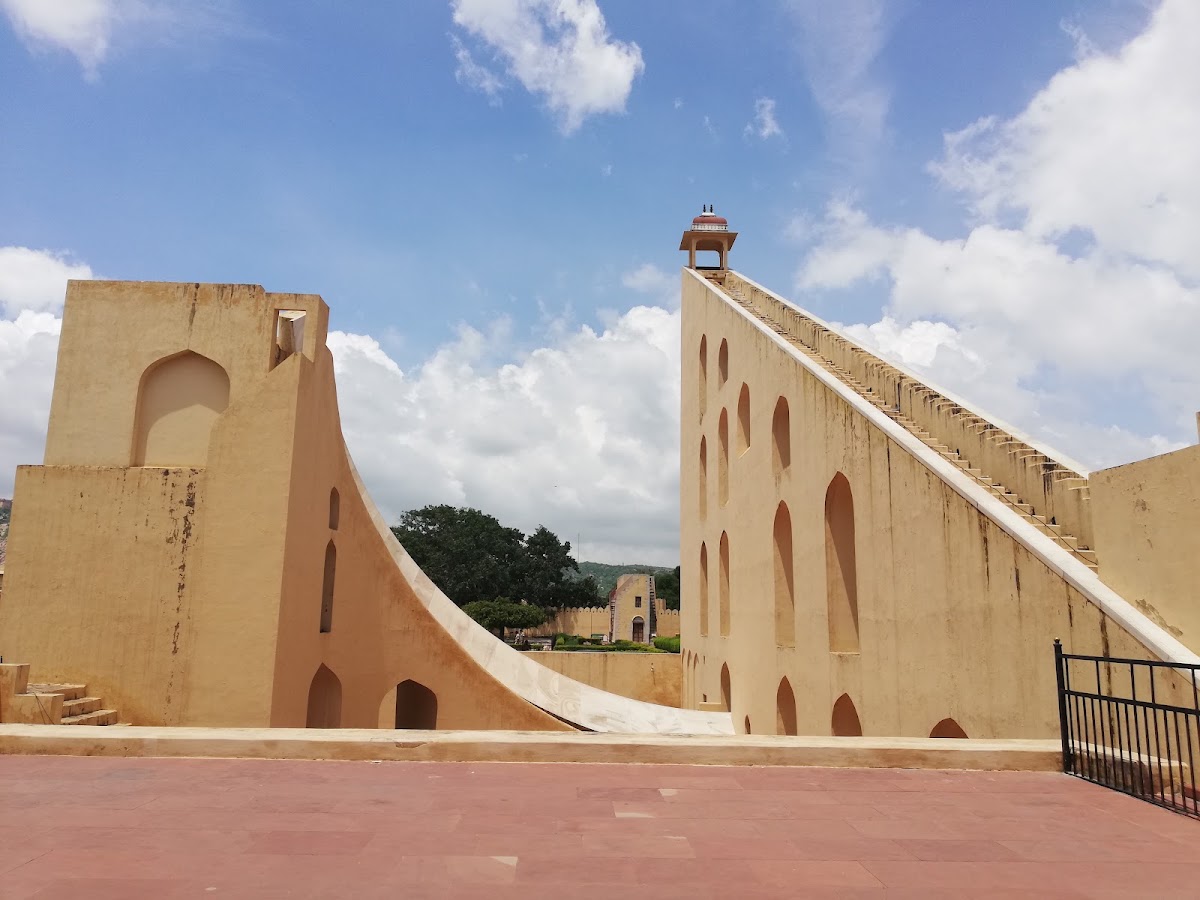
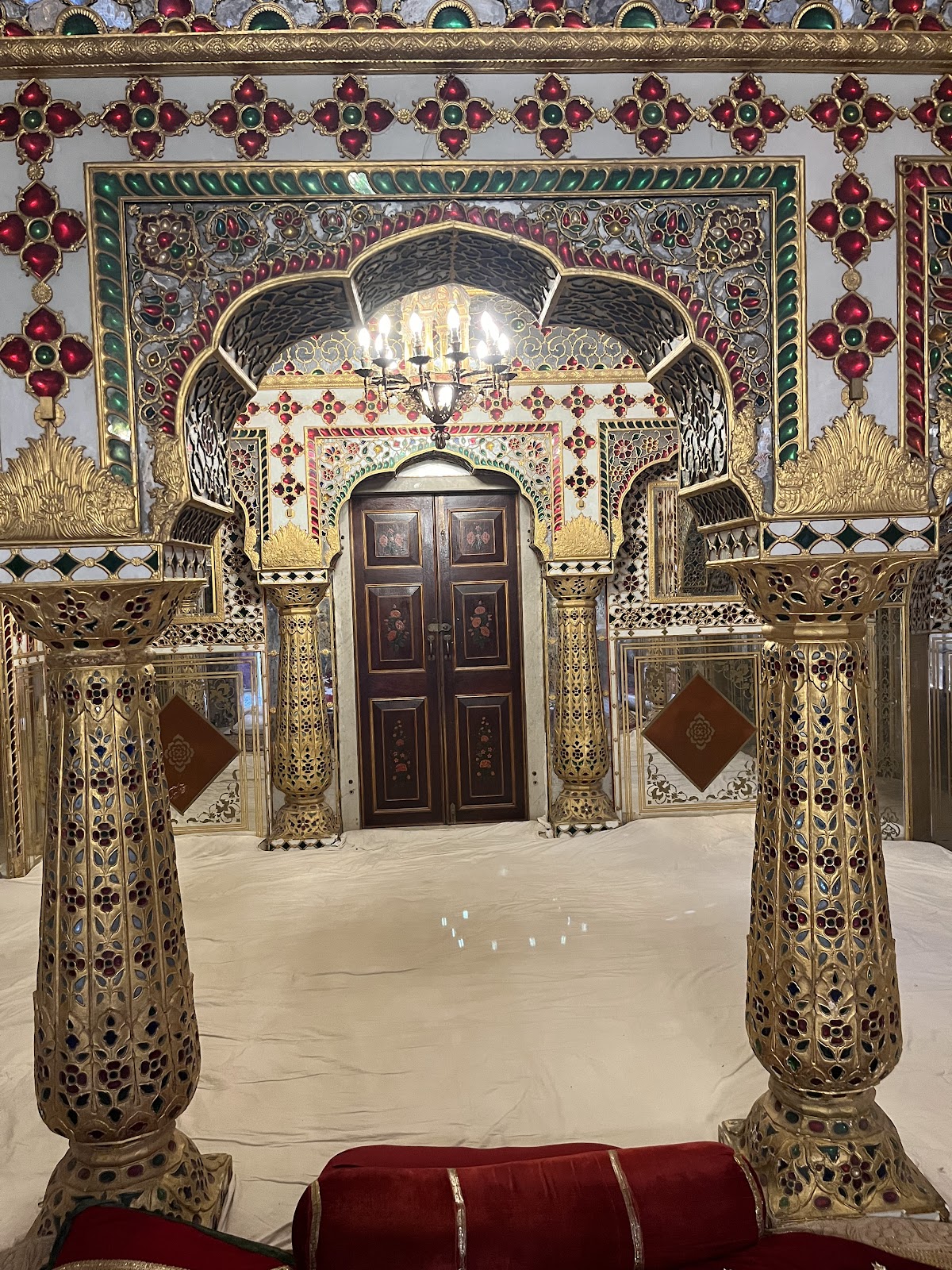
Back in the walled city, the City Palace is still partly home to Jaipur's royal family. You'll move through the Mubarak Mahal, the armory, and courtyards hung with the famous painted gates for each season. The textile and weapon collections are worth the ticket alone (around 200 to 300 rupees for foreigners, more if you want the royal apartments).
A short walk away is Jantar Mantar, an 18th-century observatory and a UNESCO World Heritage site. The instruments are not decoration; they still work. The world's largest stone sundial tells local time to the second, and a guide is genuinely useful to understand what you're looking at. Give it 45 minutes to an hour.
The two sit close enough to pair in a single afternoon, and you'll walk out understanding how seriously this city took both art and astronomy.
Sunrise at the Palace of the Winds
Come at 8am and the low sun hits Hawa Mahal head-on, lighting up all 953 little windows at once, the whole pink honeycomb glowing like it's lit from inside.
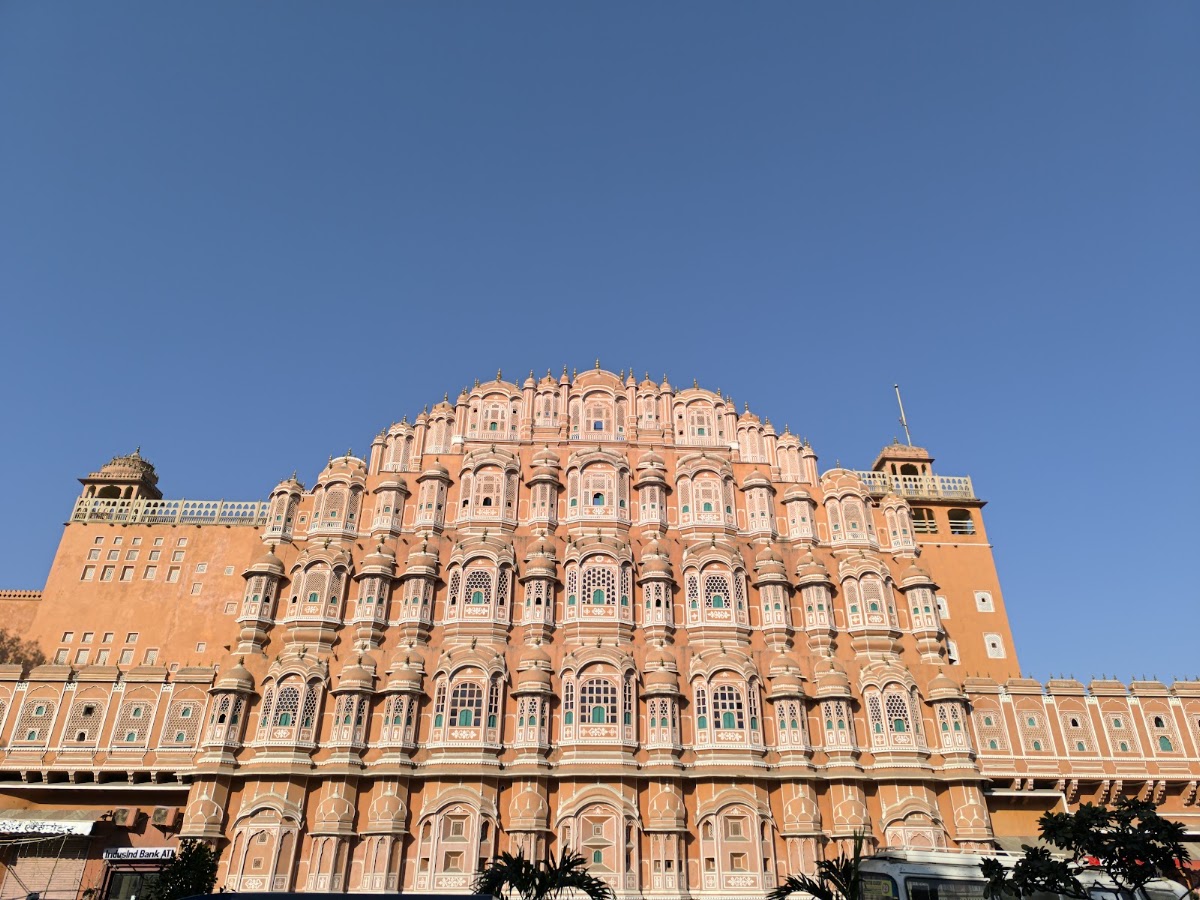
Hawa Mahal, the "Palace of Winds," is the face of Jaipur: a five-story facade of latticed windows built in 1799 so royal women could watch the street processions unseen. The trick most people miss is that the famous view is from across the road, not from the entrance; the whole point is the front elevation catching the morning light.
Go early. By mid-morning the sun swings around and the facade falls into shadow, and the small square out front fills up. There's a rooftop cafe directly opposite where you can order a chai and shoot the palace over the rim of your cup.
You can also go inside for a few rupees and stand at those very windows, feeling the breeze the building was designed to funnel.
A Street Food Walk From Chandpole Gate
The oil is bubbling before you even reach the stall, and out come pyaaz kachoris the size of your palm, cracked open steaming, dusted with masala; two lanes over, someone's stacking silver-leafed sweets in a glass case.
Start at Chandpole Gate in the late afternoon and eat your way east through the old city. This is the real Jaipur food scene, and it's cheap: a kachori is 20 to 40 rupees, a plate of samosas the same, a lassi in a clay cup maybe 60. Look for stalls with a queue of locals and quick turnover.
The hit list: pyaaz kachori (flaky, onion-stuffed), mirchi bada, hot jalebi coiled fresh into the syrup, and a thick makhaniya lassi to cool it all down. If your stomach is new to India, ease in and stick to freshly fried, hot-off-the-flame items.
An organized evening food walk takes the guesswork out and gets you into the stalls a first-timer would never find. Either way, come with an appetite and small change.
A White Marble Send-Off at Birla Mandir
On your last morning the whole temple glows soft white against a blue sky, and when the light comes through the marble at the right angle the walls turn faintly translucent.
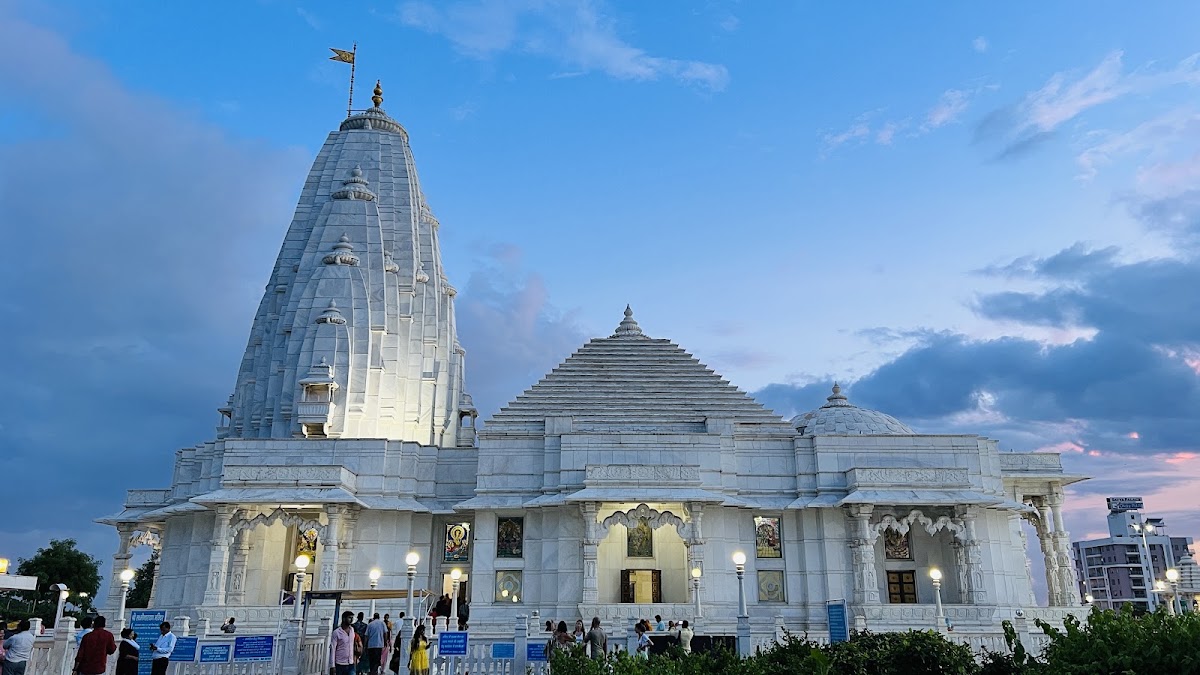
Birla Mandir (the Laxmi Narayan Temple) is a modern temple built entirely from white Makrana marble, the same stone as the Taj Mahal. It sits below Moti Dungri hill and makes a calm, quiet last stop before the airport, a change of pace from the bazaars.
Entry is free. Dress modestly, leave your shoes at the counter, and take a slow lap of the carved panels (they mix Hindu deities with figures from other faiths, which is unusual and worth noticing). Mornings are peaceful and the marble is cool underfoot.
From here it's a straightforward 20-to-30-minute drive back to Jaipur International Airport. If your flight is later, this is also a good moment to duck into a last shop for block-printed textiles or blue pottery before you go.
Ready to book?
Book the rest of Jaipur, India
Handpicked partner searches, dates pre-filled. Pricing is identical to going direct — the partner shares a small commission with Tabi so this guide stays free.
Frequently asked
How many days do you need in Jaipur?
Four days is the sweet spot. It gives you a full day for the northern forts (Jal Mahal and Amber), a day for the City Palace and Jantar Mantar cluster, a day built around Hawa Mahal and old-city food, and a relaxed final morning before your flight. Two days can cover the headline sights but feels rushed and leaves no room for the bazaars.
What is the best time of year to visit Jaipur?
October through March, when daytime temperatures are pleasant and evenings are cool. Avoid April to June, when Rajasthan heat regularly pushes past 40°C and sightseeing outdoors becomes exhausting. The monsoon (July to September) brings some relief and greener hills but occasional heavy rain.
Is Jaipur street food safe for first-time visitors to India?
Generally yes, if you're sensible. Stick to items fried fresh and served hot, choose stalls with a steady local crowd and quick turnover, and skip cut fruit or anything sitting out. Drink lassi from busy shops, carry bottled or filtered water, and ease your stomach in over the first day or two rather than diving into everything at once.
How do you get around the city?
Auto-rickshaws are the workhorse of Jaipur and fine for short hops; agree the fare first or use a ride-hailing app to avoid haggling. For the day trip up to Amber Fort and Jal Mahal, hiring a car with a driver for the day is easy and not expensive, and it lets you string the northern sights together without waiting for return rides.
Do you need to book fort and palace tickets in advance?
For Amber Fort, City Palace, Jantar Mantar, and Hawa Mahal you can buy tickets at the gate, and a combined Jaipur monument ticket can save money if you're visiting several. A guided tour is worth booking ahead for Amber and Jantar Mantar in particular, since the layouts and the science behind the observatory instruments aren't well explained on the signage.
Skip the planning
Your Jaipur, India trip, ready to go
Adopt the day-by-day itinerary we built to match this guide. Every stop is a real place, every booking link is validated. Free forever, no card needed.
Open the Jaipur, India itinerary