
Jakarta, Indonesia
What to Do in Jakarta in 3 Days: Old Town, Monas, and the Food You'll Miss
A picture-first walk through Jakarta's colonial squares, towering monument, and the warung lunches that make the whole city click.
TL;DR
Three days to get Jakarta right: start in the old Dutch quarter, climb the city's tallest story, eat where the locals eat, and leave with chili still on your fingers.
- Fatahillah Square at golden hour, bicycles with floppy hats for rent
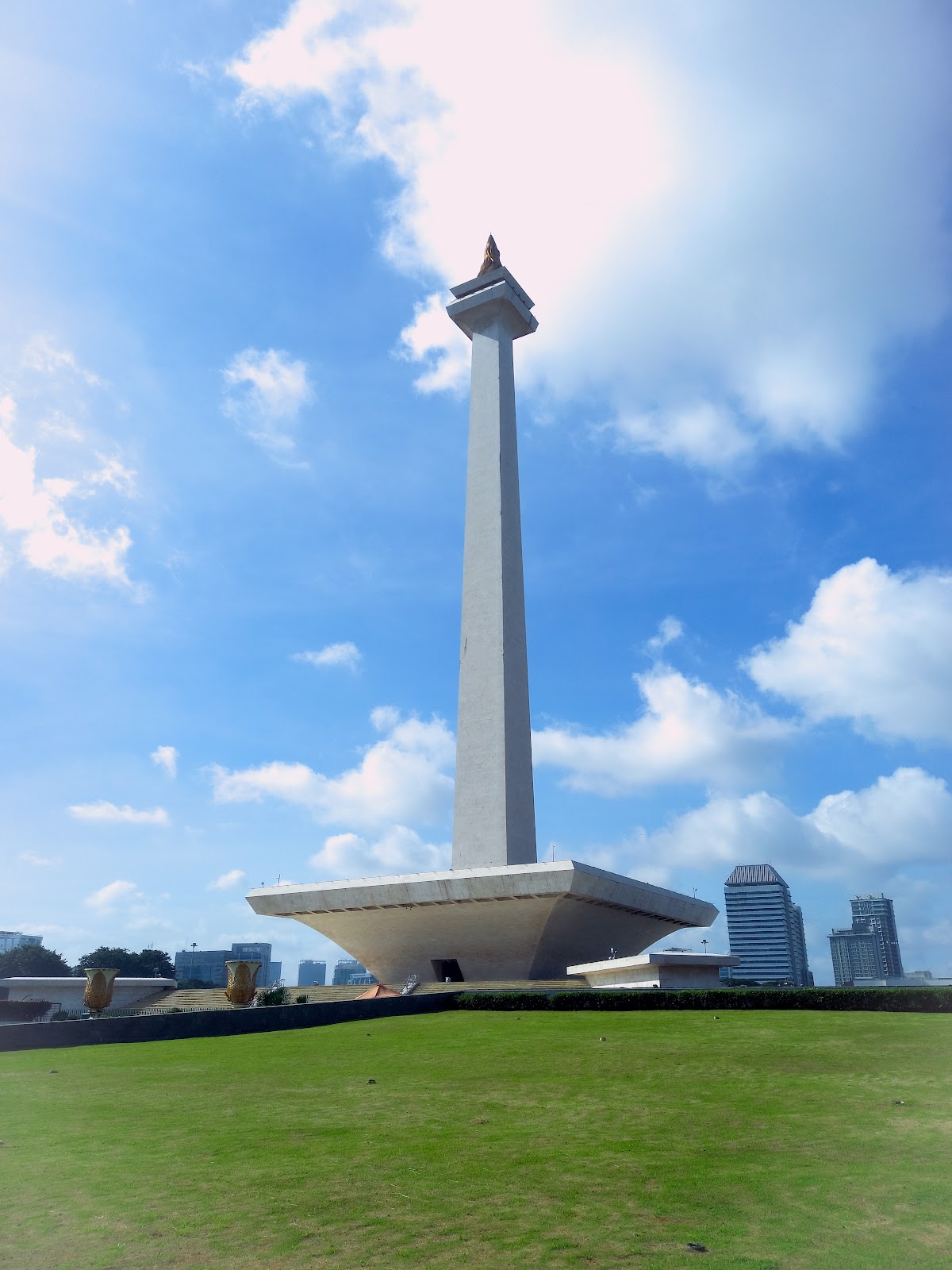
- The 132-meter Monas torch, gold flame catching afternoon light
- A warung lunch of nasi goreng for about 25,000 rupiah
- Istiqlal and the Cathedral facing each other across one street
- Night seafood in North Jakarta, prawns grilled over coconut husk
- Pasar Baru's batik stalls on the way to the airport
Have this trip planned in 60 seconds
We built the Jakarta, Indonesia itinerary that pairs with this guide, day-by-day with verified venues and one-tap booking links. Free to adopt, edit however you want.
Settling Into the Tree-Lined Streets of Menteng
Frangipani blossoms drop onto the pavement outside your hotel, and somewhere a gardener is sweeping them into a neat pile. The traffic roar of the main roads fades two blocks in.
Menteng is the calmest way to meet Jakarta. Laid out by Dutch planners a century ago, it is still the city's leafy pocket: wide streets, 1920s villas behind iron gates, and embassies flying flags you have to squint to identify.
Base yourself here and the whole trip softens. You walk out the door into shade, you can find a decent coffee within five minutes, and the big sights are a short ride away rather than an expedition. It is the kind of neighborhood where you leave in the morning energized and come back at night glad the noise is somewhere else.
Drop your bag, grab an iced kopi susu, and let the jet lag settle before the city asks anything of you.
Fatahillah Square, Where Jakarta Keeps Its Old Face
Bright bicycles with wide floppy sun hats lean against the wall for rent, and the ochre colonial buildings glow when the afternoon sun hits them. Street performers warm up near the old city hall.
Kota Tua is the old Batavia the Dutch built, and Fatahillah Square is its beating center. The cobbles are uneven, the facades are faded in the best way, and the whole plaza fills up in the late afternoon with families, buskers, and the famous rental bikes.
Walk the perimeter first. The old Stadhuis (now the Jakarta History Museum) anchors one side, and the Wayang puppet museum sits a short stroll away. A guided walking tour is worth it here, because the backstory of spice money, canals, and vanished warehouses is what turns pretty buildings into something you actually feel.
Time it so you are here as the light goes gold. That is when the square photographs like a postcard and the air finally cools.
Climbing Monas for the View That Explains the City
The gold flame at the top catches the light from halfway across Central Jakarta. Up at the observation deck, the city sprawls out flat and endless, high-rises fading into haze.
The National Monument, Monas to everyone who lives here, is the 132-meter marble spike in the middle of Merdeka Square, topped with a flame sheathed in real gold leaf. It is the symbol of Indonesian independence and the single best place to understand how vast Jakarta really is.
Take the lift to the observation platform. On a clear morning you can trace the city all the way to the port; on a hazy one you get that moody, layered skyline that somehow suits the place. Down in the base, a small museum of dioramas walks you through the national story if you want the context.
Go early. The queue grows fast once the tour groups arrive, and the morning light is kinder. Entry is cheap, a few tens of thousands of rupiah (a couple of US dollars), so this is pure value.
Lunch at a Warung, Where Jakarta Really Eats
A wok hisses over a blue flame, and the smell of garlic, kecap manis, and chili hits you from three stalls down. A plate of nasi goreng lands in front of you crowned with a fried egg.
Skip the mall food court for one meal and find a warung, the small family-run eateries that feed most of the city. Point at what looks good, take a seat on a plastic stool, and let the plate do the talking.
Nasi goreng (fried rice), mie goreng (fried noodles), or a bowl of soto ayam (turmeric chicken soup) will run you around 20,000 to 35,000 rupiah, roughly 1.50 to 2.50 US dollars. Add an iced tea and you have eaten better than half the restaurants you will ever pay ten times as much at.
This is the meal you will describe to people back home. Bring tissues, embrace the heat, and order the sambal on the side so you can control the burn.
Getting Lost in the Mirrors at Museum MACAN
You step into a room lined floor to ceiling with tiny lights reflected into infinity, and for a few seconds you lose all sense of where the walls are. Outside, the gallery is bright, white, and buzzing with students.
Museum MACAN, the Museum of Modern and Contemporary Art in Nusantara, is the city's answer to the big international art spaces, and it is genuinely good. Over in Kebon Jeruk in West Jakarta, it rotates ambitious shows and keeps a permanent collection that bridges Indonesian and global artists.
The immersive mirror-room installations are the draw for most visitors, and yes, you will wait your turn for a photo. But linger past those and you find thoughtful painting, sculpture, and video that give you a window into how this country sees itself right now.
Book timed tickets online, because weekend slots sell out. Give yourself a couple of hours and let the air conditioning be a welcome break from the heat.
Two Faiths, One Street: Istiqlal and the Cathedral
The vast prayer hall of Istiqlal opens up cool and quiet under a 45-meter dome, and across the road the neo-Gothic spires of the Cathedral point the other way. One of the great sights in Jakarta is simply standing between them.
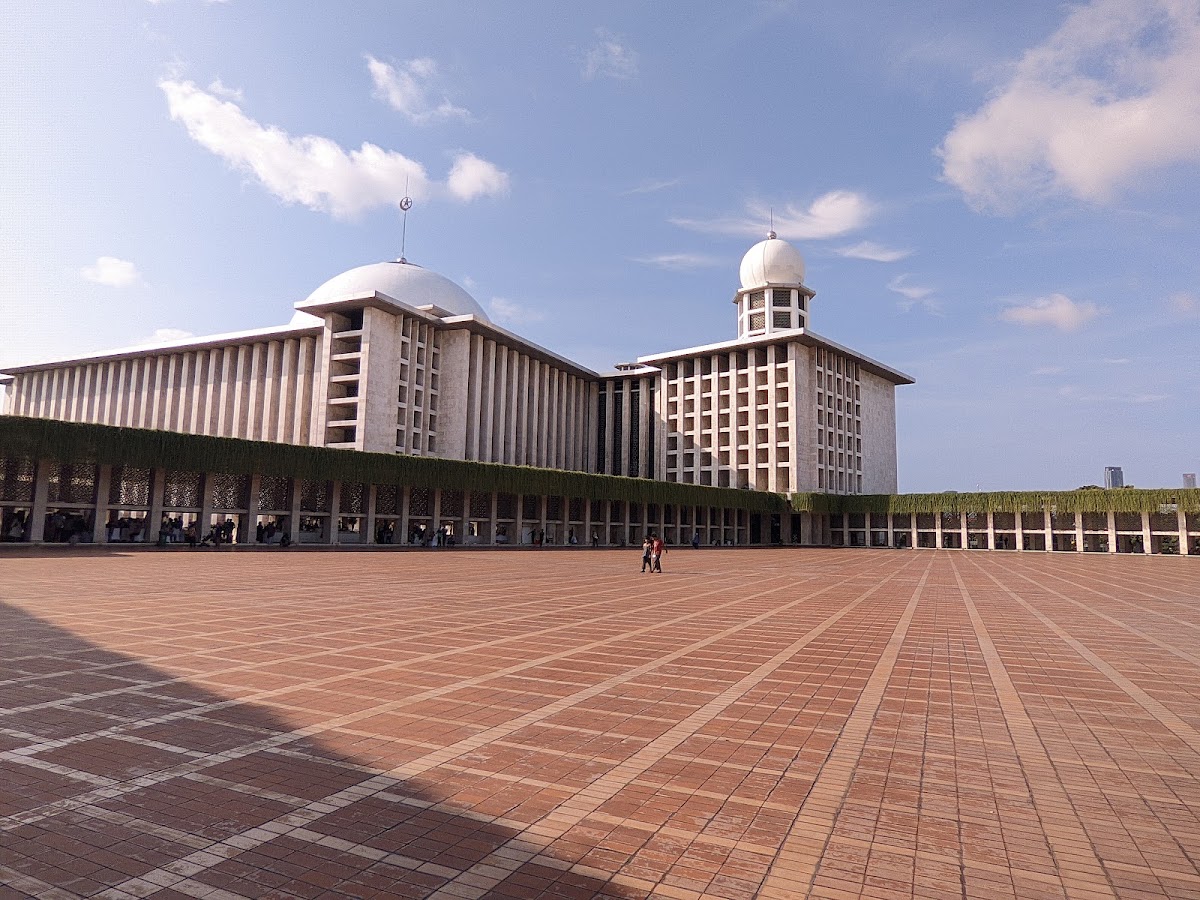
Istiqlal Mosque is the largest in Southeast Asia, able to hold well over 100,000 worshippers across its tiers of marble floor. It was deliberately built facing Jakarta Cathedral, and the two share a parking lot and an underground tunnel of friendship. The symbolism of tolerance is not subtle, and it is moving to see in person.
Guided visits to the mosque are free and welcome non-Muslim visitors outside prayer times; dress modestly, and robes are lent at the door if you need them. Step across to the Cathedral afterward for its airy wooden ceiling and twin iron spires.
This pairing, side by side on one street, tells you more about Indonesia than any guidebook paragraph could.
Grilled Seafood by the Water in North Jakarta
Fish lie packed on crushed ice while a cook fans glowing coconut husk underneath the grill. You pick your prawns by hand, and ten minutes later they arrive charred, sticky, and smelling of lime.
End a long day of walking up in North Jakarta, where the seafood restaurants near the old port do things properly. You choose from the ice display, tell them how you want it (grilled with sweet soy, or fried with garlic), and it comes to the table fresh.
Go for the tiger prawns, a whole grilled snapper, and a plate of kangkung (water spinach) stir-fried with chili. Wash it down with a cold coconut or a cold beer. Prices climb above the warung level but still feel generous for what lands in front of you.
This is a hands-on, slightly messy, deeply satisfying dinner. Pull up a chair and take your time.
Last Stop at Pasar Baru Before the Airport
Bolts of batik hang in stacked rows, and a shopkeeper unrolls a length of fabric so the pattern catches the light. The covered lanes smell of textiles, spices, and strong coffee.
Pasar Baru is one of Jakarta's oldest shopping streets, a covered maze of textile shops, tailors, shoe stalls, and snack vendors. It is the right place to spend your last couple of hours and your last rupiah, picking up batik, a tailored shirt, or edible souvenirs to take home.
Haggle gently and with a smile; prices are expected to move a little, and the vendors are used to it. Grab a final street snack here, martabak or a bag of fried banana, and you have closed the loop on the trip.
From here it is a straight run to Soekarno-Hatta International Airport. Book a private transfer in advance, because Jakarta traffic is legendary and you do not want to gamble with your flight time. Give yourself a generous buffer.
Ready to book?
Book the rest of Jakarta, Indonesia
Handpicked partner searches, dates pre-filled. Pricing is identical to going direct — the partner shares a small commission with Tabi so this guide stays free.
Frequently asked
How many days do you need in Jakarta?
Three days is the sweet spot for a first visit. That gives you time for Kota Tua's old town, Monas, a contemporary art stop at Museum MACAN, the Istiqlal and Cathedral pairing, at least one proper warung meal, and a final morning of shopping, without feeling rushed between the city's long drives.
How do you get around Jakarta?
Ride-hailing apps like Grab and Gojek are the easiest and cheapest way to move around, and GoCar or GrabCar fares are very reasonable. The MRT and TransJakarta busway cover some key routes well. Traffic is heavy at almost all hours, so always build in buffer time, especially for your airport transfer.
Is Jakarta safe for tourists?
Jakarta is generally safe for visitors who take normal city precautions. Petty theft and traffic are the main concerns rather than violent crime. Keep valuables close in crowded markets like Pasar Baru, use registered ride-hailing cars, and check your government travel advisory before you go.
What should you eat in Jakarta?
Start with nasi goreng and mie goreng at a local warung, try soto betawi (a rich coconut beef soup native to Jakarta), and finish with grilled seafood up in North Jakarta. Street snacks like martabak and fried banana are everywhere and cheap. Keep sambal on the side if you are unsure about the heat.
When is the best time to visit Jakarta?
The dry season, roughly May to September, is the most comfortable, with less of the heavy afternoon rain that defines the wet months of November to March. Jakarta is hot and humid year round, so plan outdoor sights like Monas and Kota Tua for the cooler morning hours whenever you visit.
Skip the planning
Your Jakarta, Indonesia trip, ready to go
Adopt the day-by-day itinerary we built to match this guide. Every stop is a real place, every booking link is validated. Free forever, no card needed.
Open the Jakarta, Indonesia itinerary