
Kathmandu, Nepal
What to Do in Kathmandu in 6 Days: Temples, Squares, and the Hilltop You'll Remember
A picture-first walking log through Kathmandu Valley's three royal cities, its great stupas, and the market streets where the whole thing started.
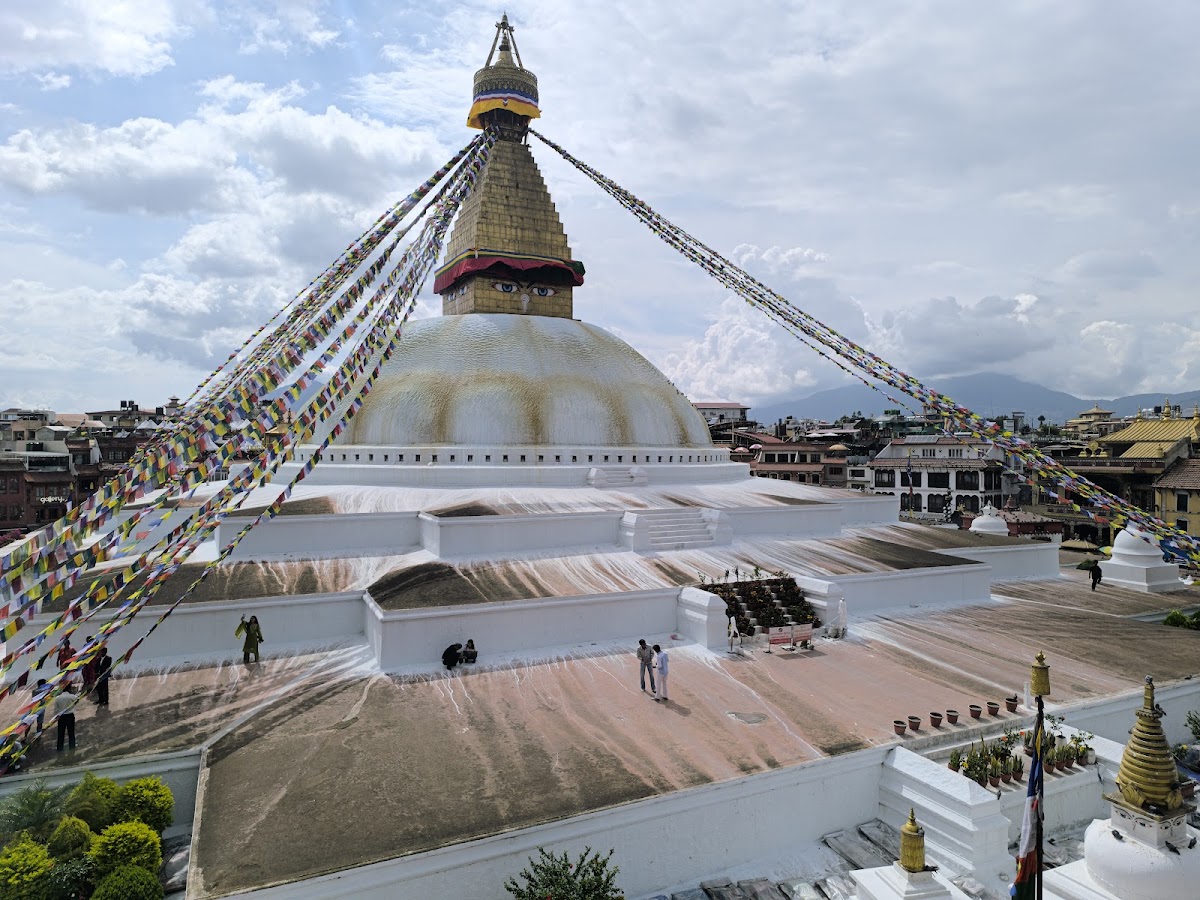
TL;DR
Six days that start at a golden-eyed stupa and end with your bag full of hand-thrown clay pots and prayer flags.
- Boudhanath at dusk, monks circling under a hundred butter lamps
- Swayambhunath's 365 steps, rhesus monkeys, and the whole valley below
- Patan Durbar Square, the finest carved wood and stone in Nepal
- Bhaktapur's Pottery Square, drying clay rows and a spinning wheel
- Chandragiri cable car to Himalayan views on a clear morning
Have this trip planned in 60 seconds
We built the Kathmandu, Nepal itinerary that pairs with this guide, day-by-day with verified venues and one-tap booking links. Free to adopt, edit however you want.
Touchdown, Then the First Whiff of Incense
You step off the plane and the air smells of jet fuel, then marigolds, then something smoky and sweet you can't place yet. That's Kathmandu saying hello.
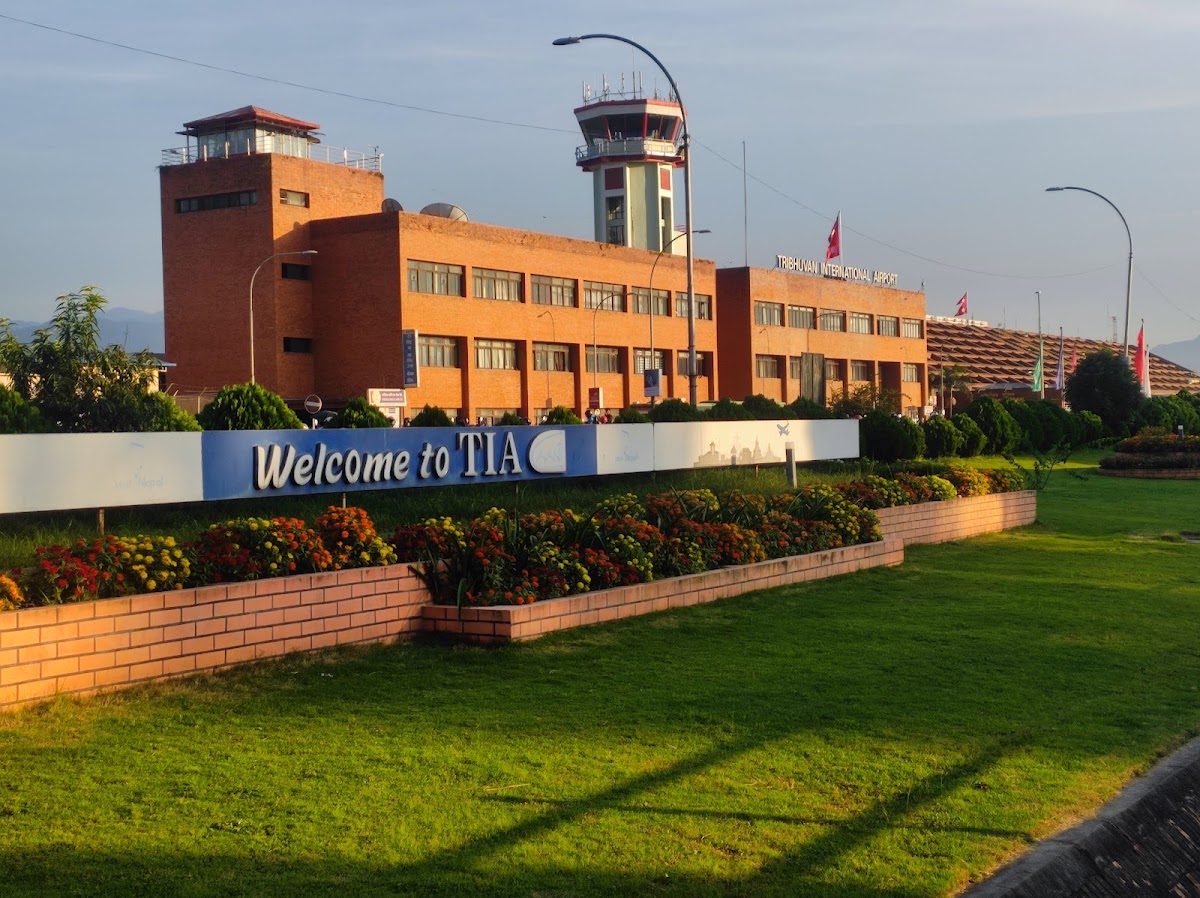
Tribhuvan International is small, hot, and gloriously chaotic. Grab your visa-on-arrival, ignore the first three taxi shouts, and let a pre-booked driver find you instead. The ride into town is your first show: motorbikes threading buses, shop shutters painted turquoise, a cow standing exactly where it wants.
Base yourself at Hotel Shanker in Lazimpat, a converted Rana palace where the courtyard is quiet and the walk to Thamel takes fifteen minutes. Drop the bags, splash your face, and head straight to Bhojan Griha in Dillibazar for your first dal bhat, served in a restored 19th-century mansion with folk dancers between courses.
Don't over-plan tonight. The jet lag is real, and tomorrow starts with a stupa.
The Square Where Kings Were Crowned
Pigeons lift off a tiered temple roof all at once, and for a second the whole of old Kathmandu is wingbeats and worn brick underfoot.
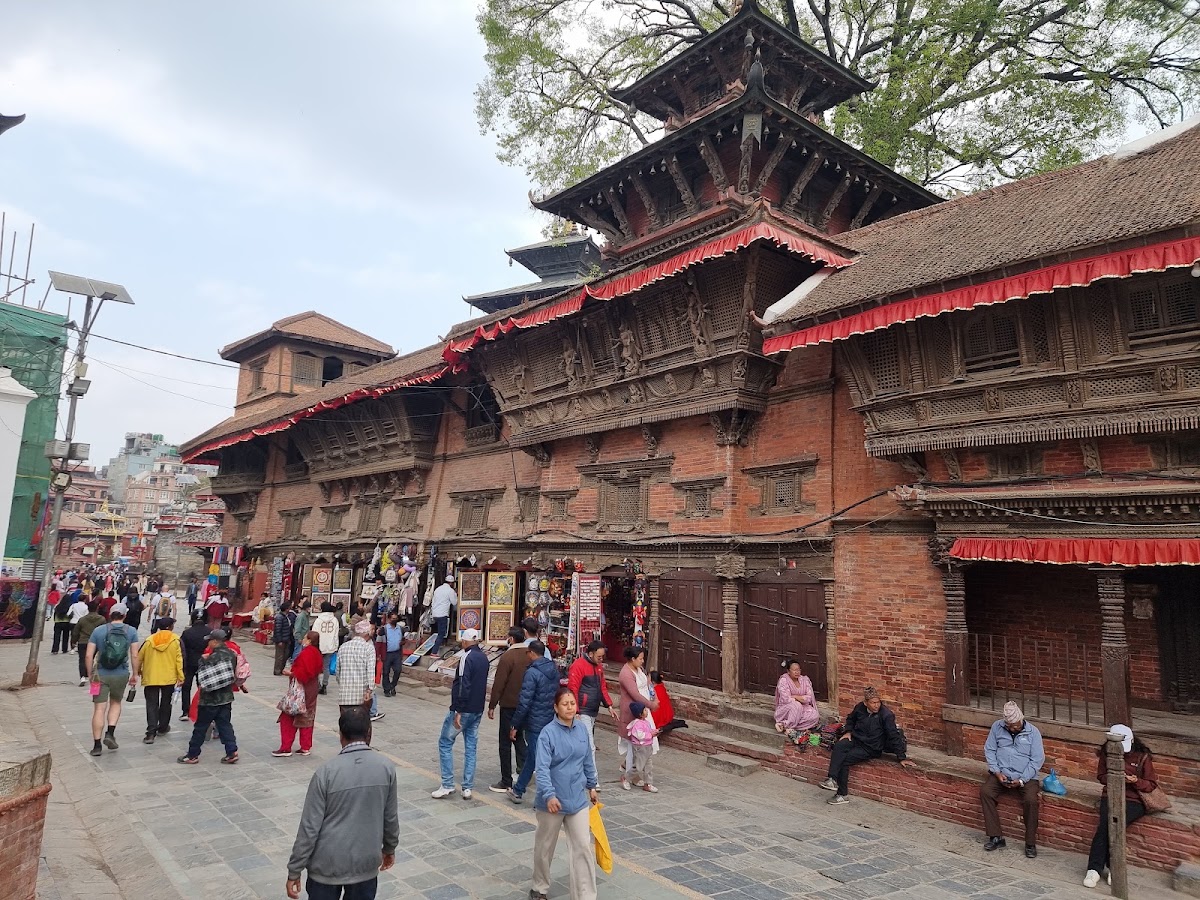
Kathmandu Durbar Square in Basantapur is where the Malla and Shah kings ran their kingdom, and the density of carved wood here is almost hard to take in. Some structures still wear scaffolding from the 2015 quake, which only makes the standing ones feel more precious.
Duck into the Kumari Ghar, home of the living goddess, a young girl who occasionally appears at an upper window. Photographs of her are not allowed, so just look up and wait. The courtyard woodwork alone is worth the stop.
Entry to the square is 1,000 NPR (about 8 USD) for foreign visitors, and it funds ongoing restoration. Keep the ticket; you may want to return. Official heritage details are at the Department of Archaeology, doa.gov.np.
Watched Over by Eyes on Every Side
The great white dome fills your whole view, and above it, four painted eyes gaze out in every direction. Butter lamps flicker. Someone spins a prayer wheel as they pass.
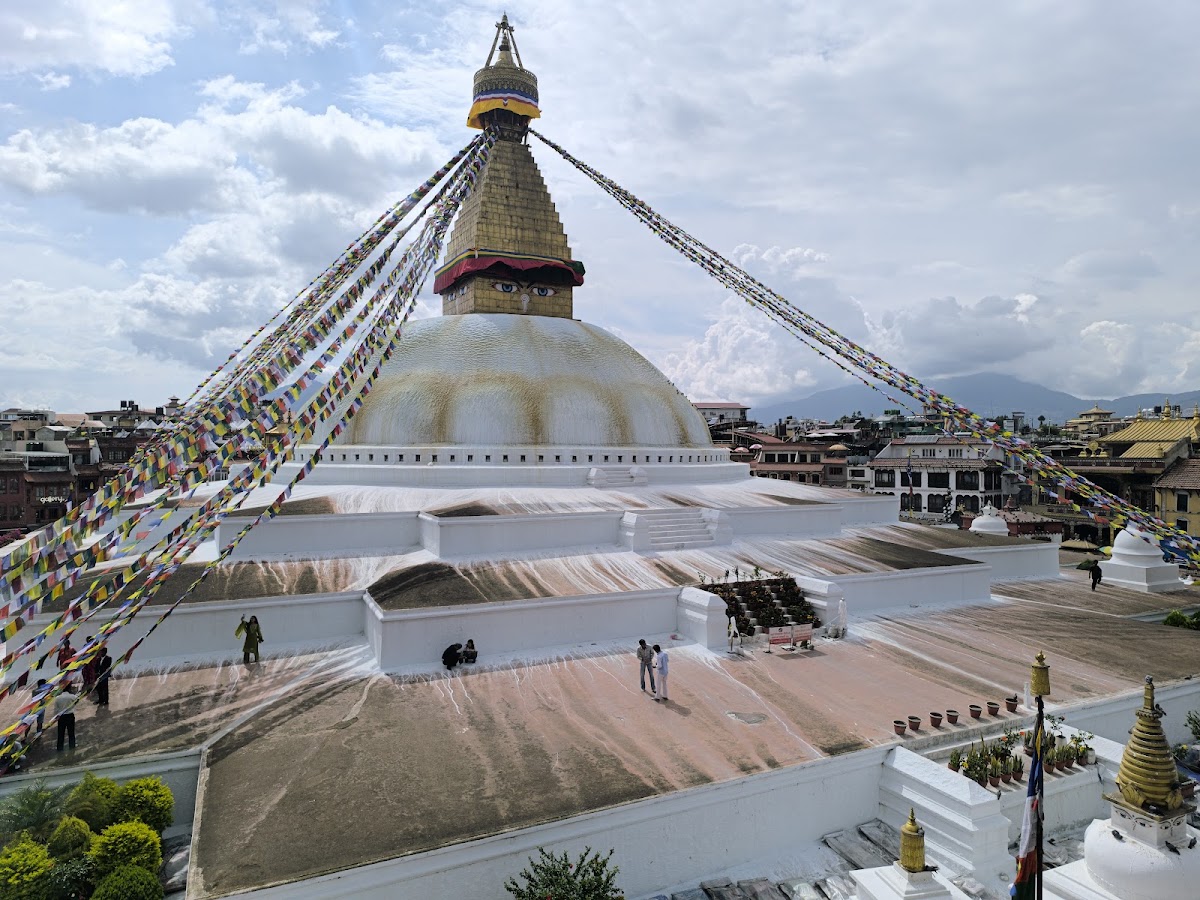
Boudhanath is one of the largest stupas in the world and the beating heart of Tibetan Buddhist life in Nepal. The move here is simple: join the kora, the clockwise walk around the base, and let the crowd carry you. Maroon-robed monks, grandmothers counting mala beads, tourists trying to be quiet.
Come back at dusk. The lamps come out, the light goes gold, and the low hum of chanting from the surrounding monasteries turns the whole plaza into something you'll remember longer than any photo.
Rooftop cafes ring the square if you want a masala tea with a view. Entry is 400 NPR (about 3 USD).
365 Steps and a Committee of Monkeys
You're catching your breath on the stone stairway when a rhesus monkey saunters past with an entire stolen orange, utterly unbothered by you.
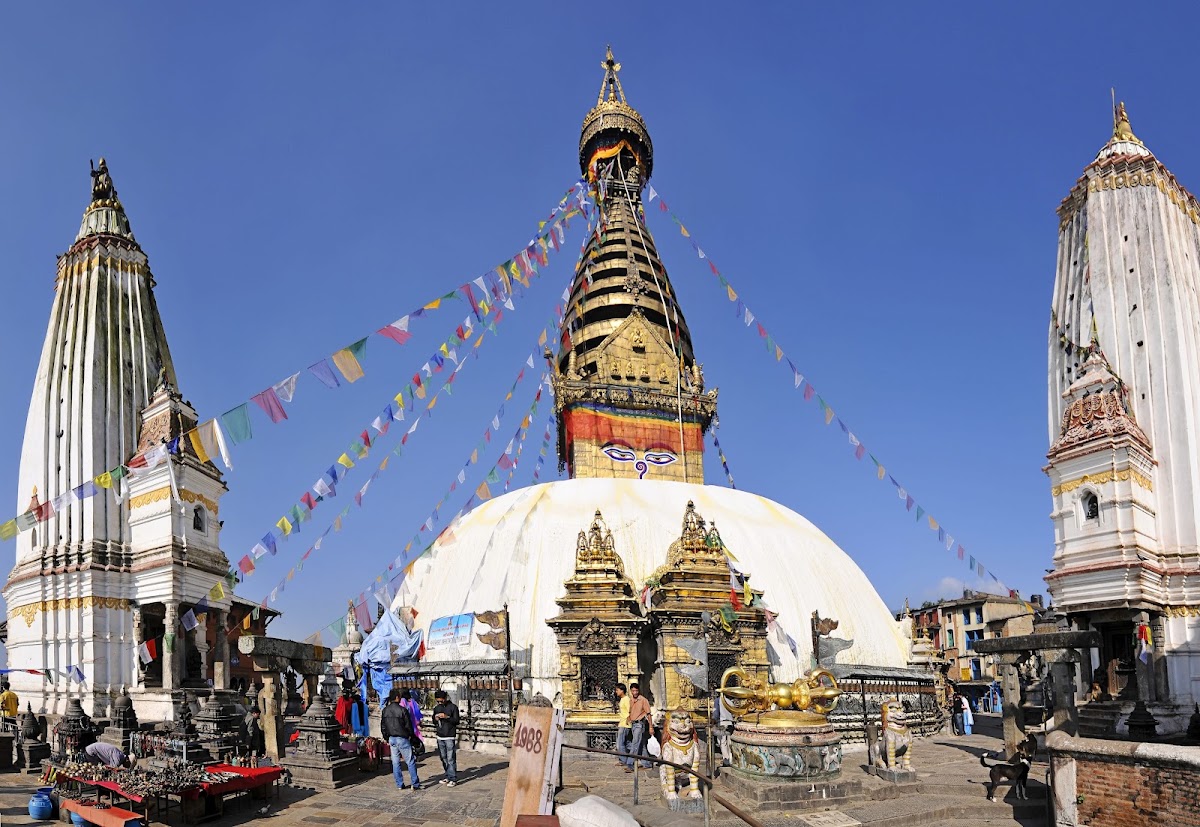
Swayambhunath, the Monkey Temple, sits on a hill west of the city, and the classic approach is the steep eastern stairway. Yes, there are a lot of steps. Yes, there are a lot of monkeys, and they will snatch a loose water bottle, so keep your bag zipped.
At the top, the golden spire and those same watching eyes reward you, and the real prize is the view: the entire Kathmandu Valley spread out in haze and rooftops below. Spin the prayer wheels at the base of the stupa and take a slow lap.
Later, drop into Thamel for dinner. OR2K does bright vegetarian plates on floor cushions, and it's an easy, low-key end to a big walking day.
Patan, Where the Woodcarvers Never Stopped
You round a corner and the golden facade of the Hiranya Varna Mahavihar catches the sun so hard you actually stop walking. Somewhere behind you, a chisel taps stone.
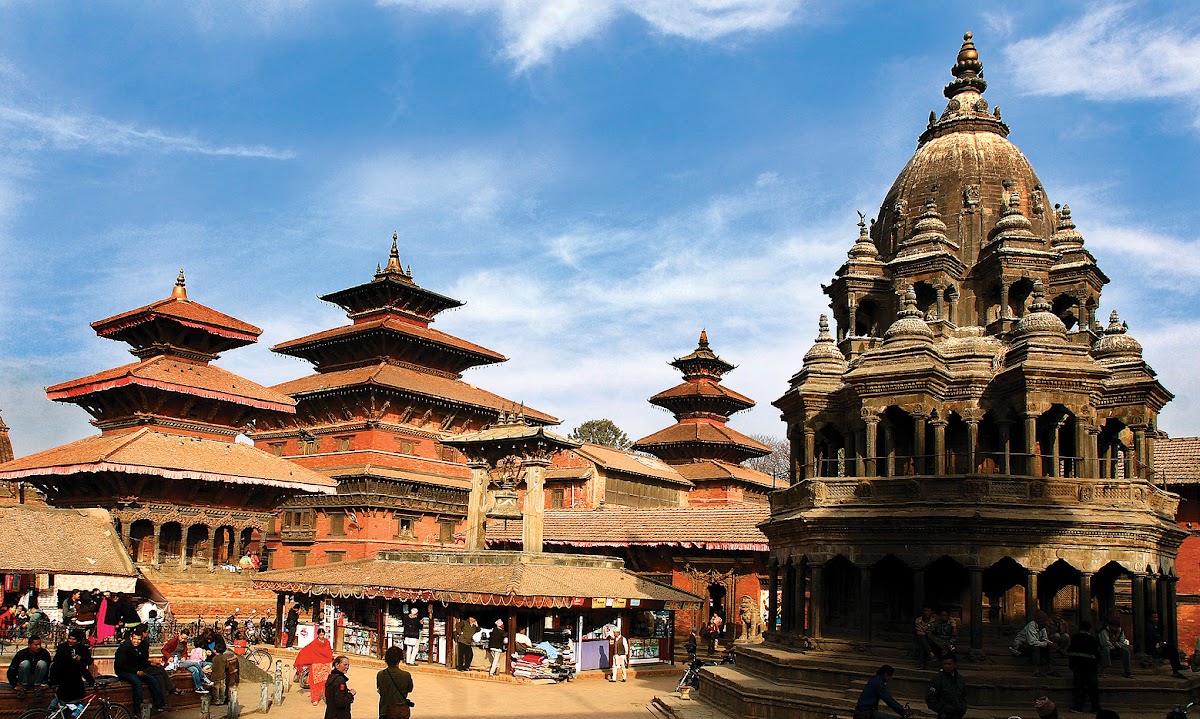
Cross the Bagmati into Lalitpur and Patan Durbar Square opens up, and for many people this is the most beautiful of the valley's three royal squares. The stonework is finer, the crowds thinner, and the Patan Museum, set inside a restored palace wing, is genuinely one of the best small museums in South Asia for understanding Newar sacred art.
Don't miss the Golden Temple, a working Buddhist courtyard monastery tucked down a narrow lane, its metalwork glowing in the shade. A few minutes away, Kumbheshwar Temple rises in five graceful tiers around a sacred water tank.
Lunch on the Museum Cafe terrace or at Cafe du Temple, both looking straight out over the square. Patan entry is 1,000 NPR (about 8 USD).
Bhaktapur, and the Smell of Wet Clay
In Pottery Square, hundreds of black clay pots dry in neat rows on the brick, and a potter kicks a heavy wheel into a blur with his bare heel.
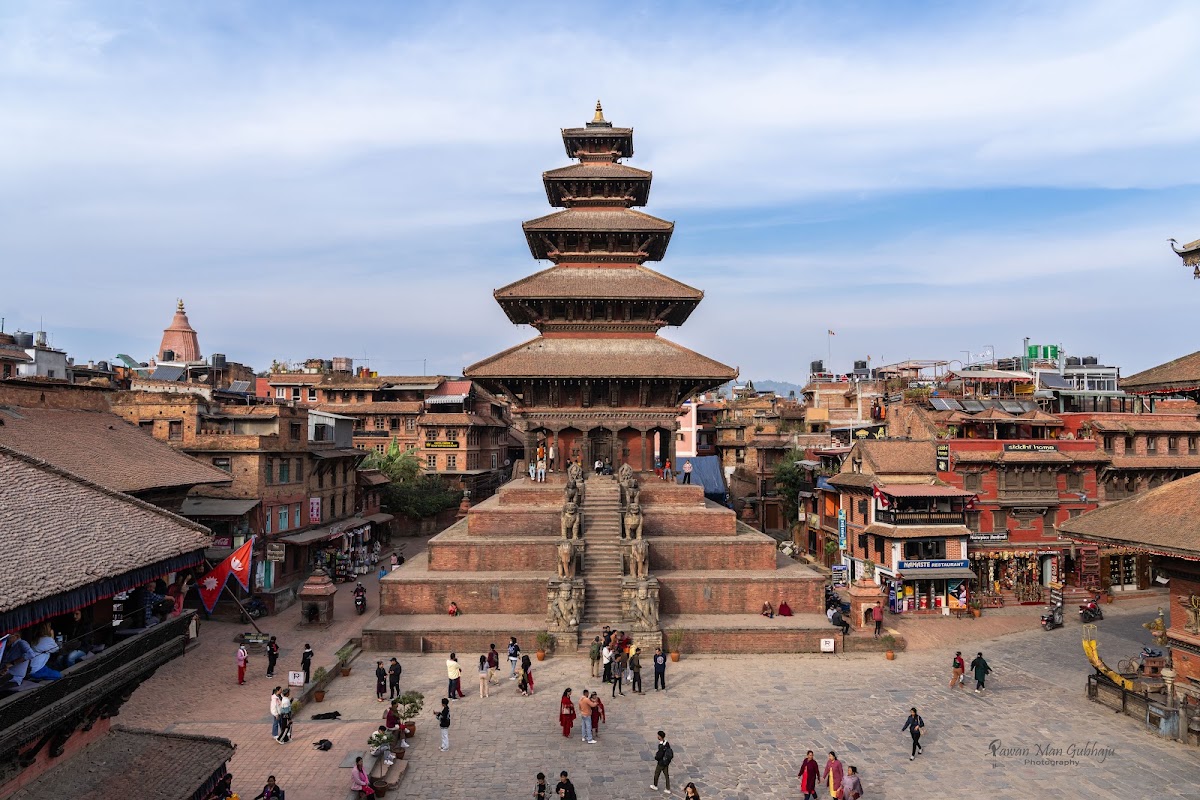
Bhaktapur is the valley's best-preserved old city, and stepping through its gate feels like the calendar slips a few centuries. Cars are largely kept out, so it's all footsteps on brick, temple bells, and the occasional motorbike puttering by.
Stand under the Nyatapola Temple, five stories tall and Nepal's highest pagoda, with its stone guardians climbing the stairway. Then wander to Dattatreya Square to find the famous Peacock Window, a carved wooden lattice so fine people travel here just to photograph it.
Stop at Cafe Nyatapola for a tea overlooking the temple, and buy a small clay pot straight from the maker in Pottery Square. Bhaktapur entry is 1,800 NPR (about 15 USD), the steepest of the three, and it directly funds the town's preservation.
A Cable Car to the Edge of the Himalaya
The gondola lifts you above pine forest, the city shrinks below, and then on a clear morning the horizon does something absurd: a wall of white peaks appears, floating.
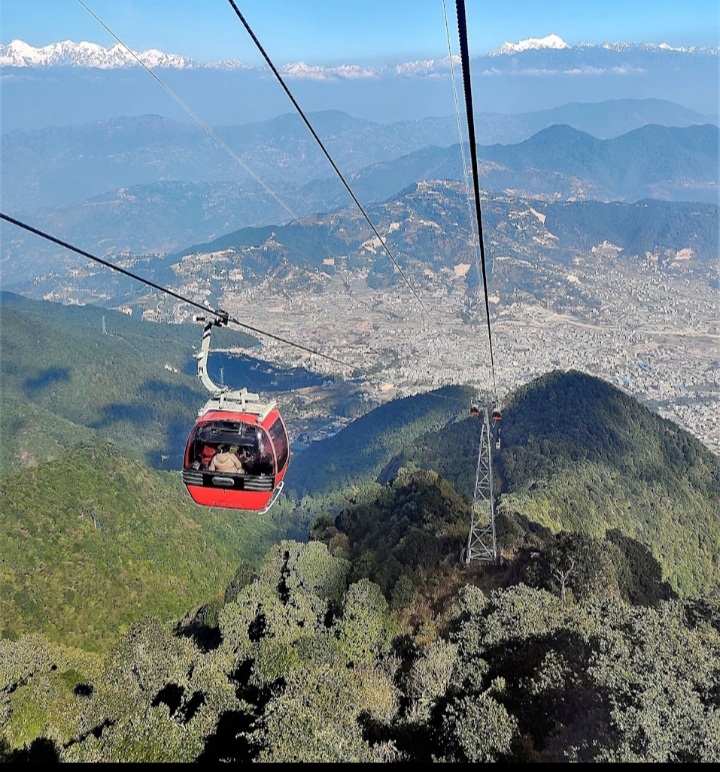
Chandragiri Hills sits southwest of the city, and the cable car up is the easy, spectacular way to trade valley haze for mountain air. On a clear day, especially in autumn or spring, the view stretches to Everest on the far horizon. Go early, before the clouds build.
Up top there's a temple, walking paths, and the Chandragiri Restaurant if you want lunch with that skyline. It's the natural counterpoint to five days of temples: all sky, all space.
Back in town, wind down at the Garden of Dreams, a restored neoclassical garden right off Thamel, where the fountains and lawns are a genuine hush after the street noise. Dinner at Thamel House, in a lovingly restored Newar mansion, closes the day well.
One Last Lap Through Asan's Alleys
Asan Tole hits all your senses at once: pyramids of red chili and turmeric, brass bells for sale, a bicycle bell, and the shout of a spice seller cutting through it all.
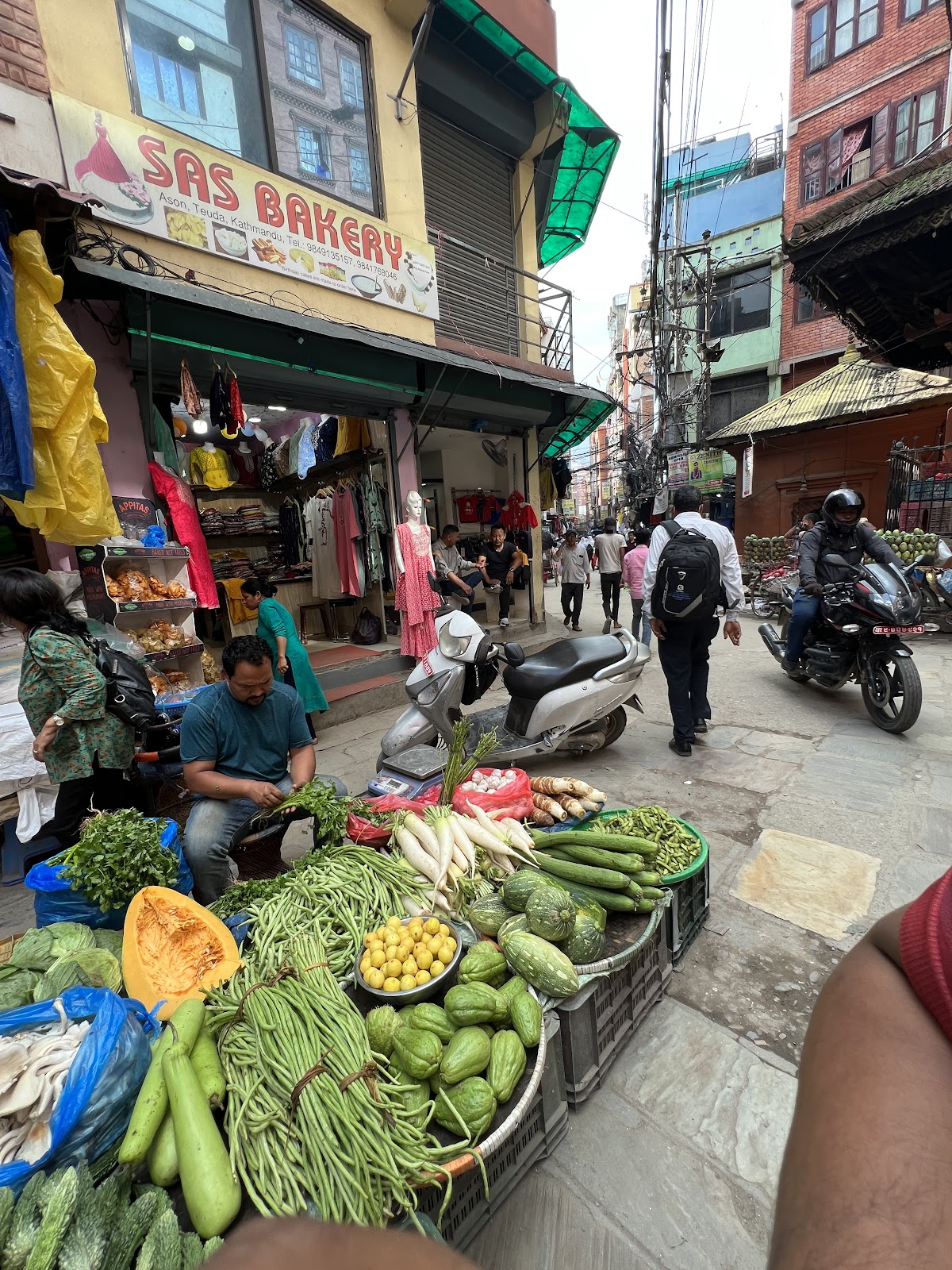
Save the oldest, busiest market for the end, when you finally know how to move through Kathmandu's crowds. Asan Tole has been a trading crossroads for centuries, and nearby Indra Chowk is where you'll find pashmina, singing bowls, and prayer flags for the people back home. Haggle gently and with a smile; it's expected.
Refuel at Sam's Cafe in Thamel, an old traveler favorite, before your driver takes you back to Tribhuvan for the flight out. Give yourself a buffer; the airport road can crawl.
If six days felt tight, that's the valley doing its job. Most people leave already plotting a return, whether for the trek they skipped or simply another slow afternoon in these squares.
Ready to book?
Book the rest of Kathmandu, Nepal
Handpicked partner searches, dates pre-filled. Pricing is identical to going direct — the partner shares a small commission with Tabi so this guide stays free.
Frequently asked
How many days do you need for Kathmandu Valley?
Six days is the sweet spot. It gives you the old city and the two main stupas, a full day each for Patan and Bhaktapur (the two other royal cities), a hilltop day at Chandragiri for mountain views, and a relaxed market morning before flying out. With only three or four days, prioritize Kathmandu Durbar Square, Boudhanath, Swayambhunath, and one of Patan or Bhaktapur.
What is the best time of year to visit Kathmandu?
October and November are ideal: clear skies, comfortable temperatures, and the best chance of seeing the Himalaya from Chandragiri Hills. March to April is a strong second, with warmer days and blooming rhododendron. The June to September monsoon is lush and less crowded but often hazy, which hides the mountain views.
How do you get around between the valley's cities?
Kathmandu, Patan, and Bhaktapur are all within a short drive of one another. A private car with a driver for the day is the most efficient way to link them and is very affordable by international standards. Ride-hailing apps and metered taxis work well inside the city, and the old city cores are best explored entirely on foot.
Do you need to pay to enter the Durbar Squares and stupas?
Yes, foreign visitors pay heritage entry fees, and they fund ongoing earthquake restoration. Roughly: Kathmandu Durbar Square 1,000 NPR, Patan 1,000 NPR, Bhaktapur 1,800 NPR, Boudhanath 400 NPR, and Swayambhunath 200 NPR (all around 2 to 15 USD). Keep your Kathmandu and Bhaktapur tickets, as they may allow same-day re-entry.
Is Kathmandu a good base before a trek?
Absolutely. Kathmandu is where nearly every Nepal trek begins, and Thamel is packed with gear shops, permit offices, and agencies for the Everest, Annapurna, and Langtang regions. Spending your first days sightseeing in the valley also helps you acclimatize gently before heading to higher altitudes.
Skip the planning
Your Kathmandu, Nepal trip, ready to go
Adopt the day-by-day itinerary we built to match this guide. Every stop is a real place, every booking link is validated. Free forever, no card needed.
Open the Kathmandu, Nepal itinerary