
Lima, Peru
What to Do in Lima in 5 Days: Ceviche, Ruins, and Cliffs Over the Pacific
A picture-first walk through Lima, from the clifftop malecon to the pre-Inca pyramid hiding inside Miraflores.
TL;DR
Lima is the city that smells like lime and sea salt and surprises you with a mud pyramid three blocks from a cocktail bar.
- Sunset over the Pacific from the Malecon de Miraflores cliffs
- The bone-lined catacombs beneath San Francisco's yellow facade
- Museo Larco's gold, silver, and its famously frank erotic gallery
- Huaca Pucllana, a 1,500-year-old clay pyramid lit up at dinner
- The Magic Water Circuit, fountains dancing to color and music at night
Have this trip planned in 60 seconds
We built the Lima, Peru itinerary that pairs with this guide, day-by-day with verified venues and one-tap booking links. Free to adopt, edit however you want.
The First Breath of Sea Air on the Miraflores Cliffs
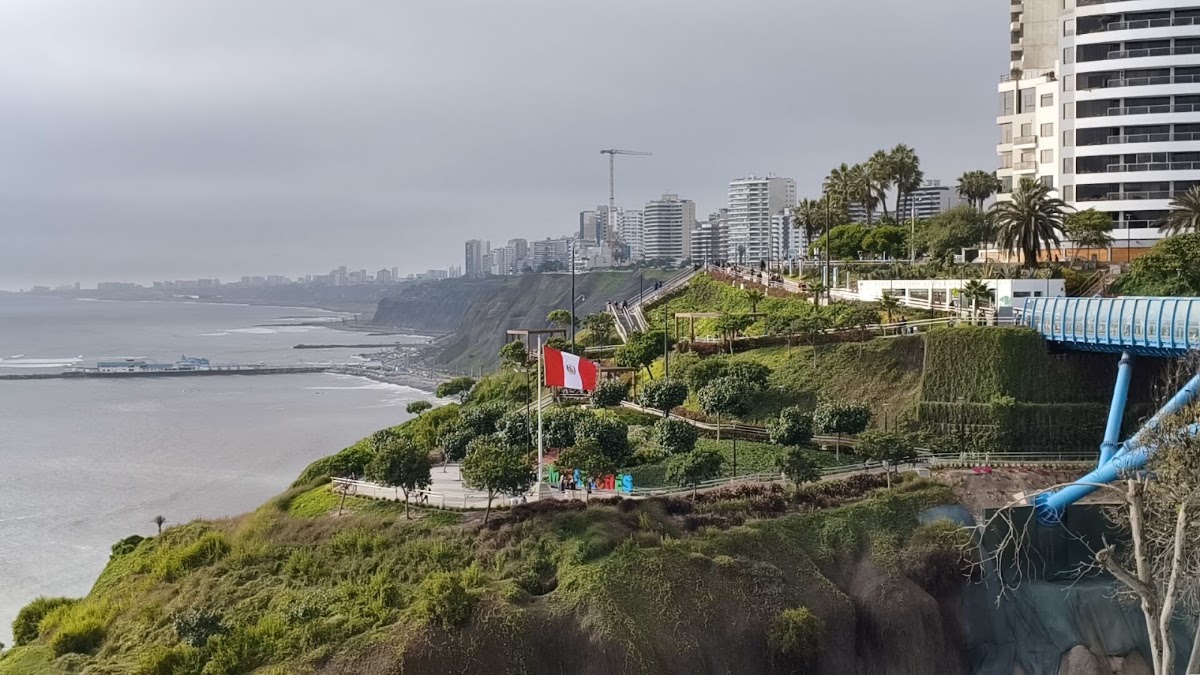
Step out of the taxi and the Pacific hits you first: cool, salt-heavy air rolling up a 250-foot cliff, paragliders drifting overhead like slow kites.
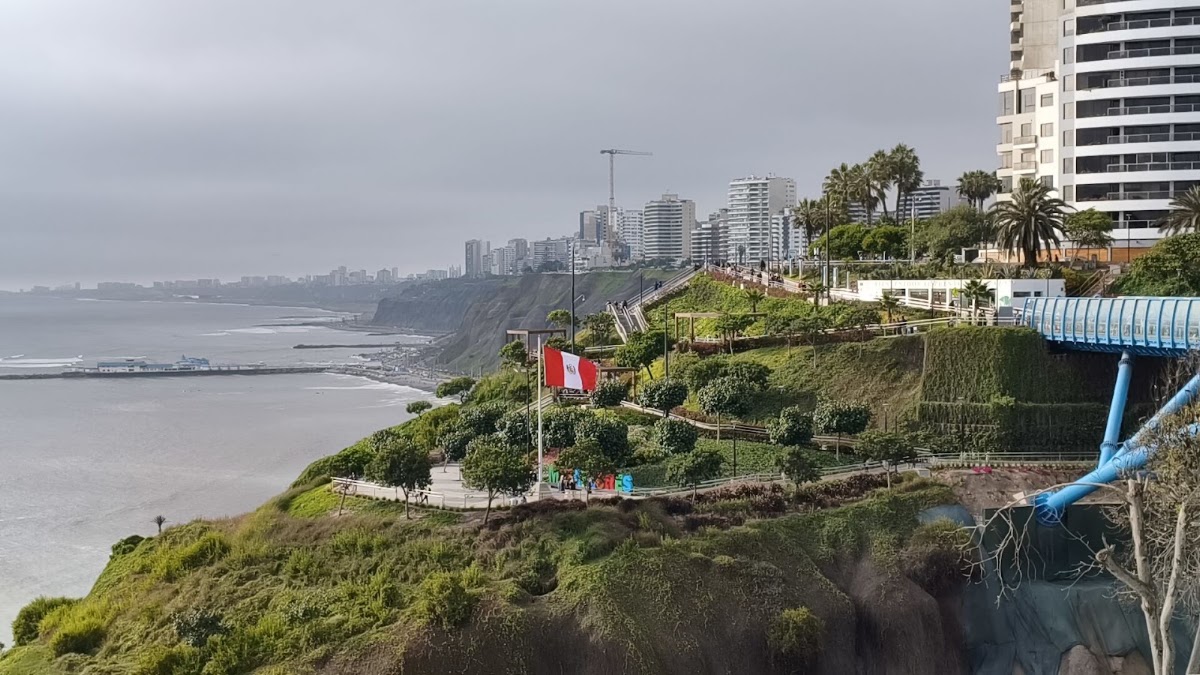
Most flights land at night, so your real arrival is the next morning when you walk out onto the Malecon de Miraflores. This is a ribbon of clifftop parks running for kilometers above the ocean, all manicured grass, flowering hedges, and benches angled at the water.
Time your first walk for late afternoon. The sun drops straight into the Pacific here, and the whole cliff turns gold and pink while surfers turn to specks in the break below. Locals jog past, couples share Cristal beers, and the paragliders keep launching until the light goes.
Stay up here in Miraflores for your first couple of nights. It is the safest, most walkable base in the city, and you can reach the malecon, the cafes, and half the restaurants in this log on foot.
The Yellow Church With Catacombs Underneath
The Basilica of San Francisco glows a deep mustard yellow in the morning light, and then a guide leads you underground into corridors stacked with bones.
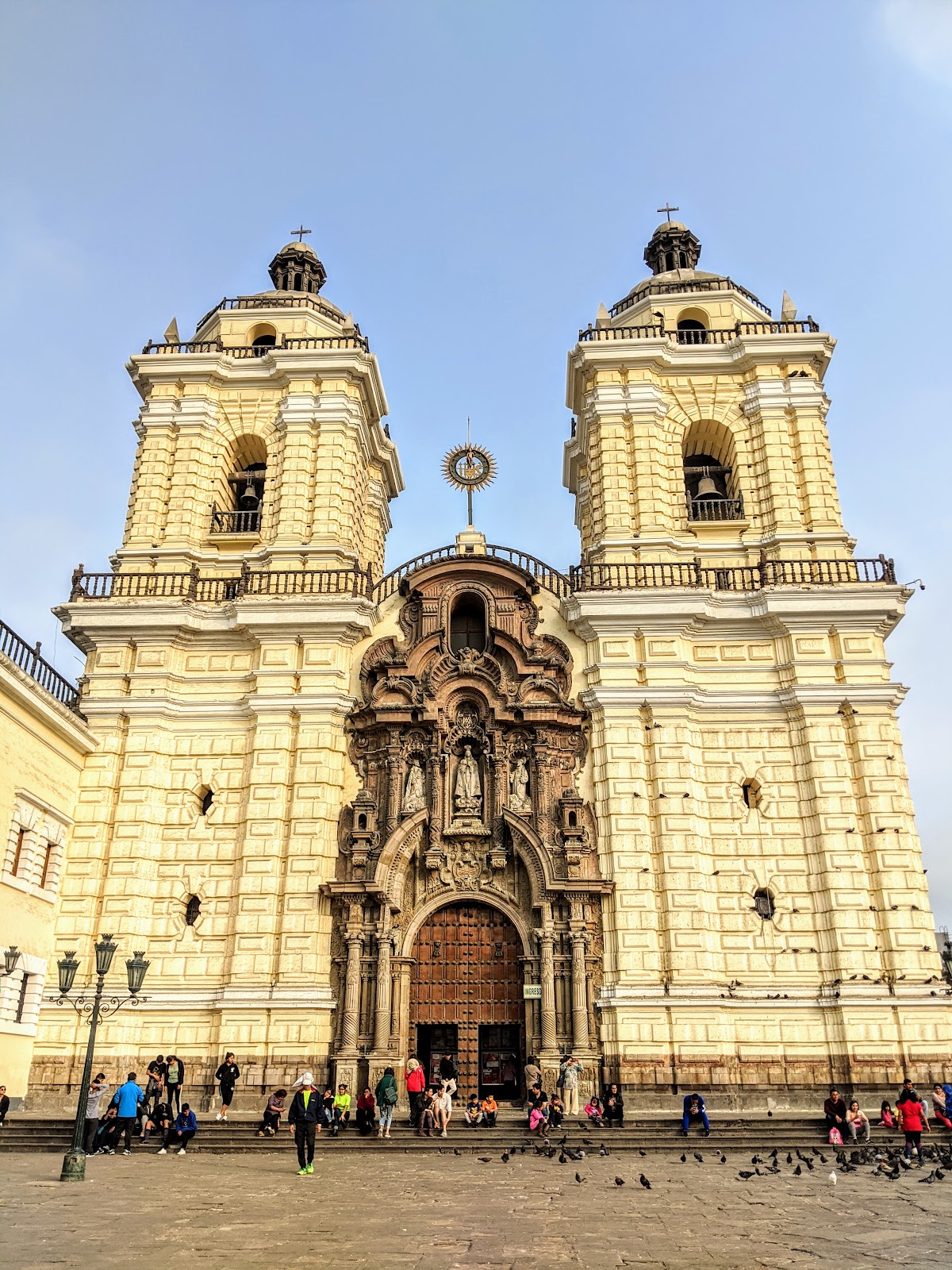
Head into the historic center for your second day. The Basilica and Convent of San Francisco is the one everyone remembers, partly for its Moorish-tiled cloisters and a library of ancient leather-bound texts, and mostly for what lies beneath.
The catacombs held tens of thousands of burials before the city's main cemetery opened. Skulls and femurs are arranged in careful geometric patterns in circular wells, and the tunnels are narrow and low. It is genuinely moving rather than gruesome.
Entry runs around 30 soles (roughly 8 USD) and includes a guided tour, since you cannot wander the catacombs alone. Photography is restricted underground, so let the stone and the story do the work.
Gold, Silver, and the Museum Everyone Whispers About
Museo Larco sits inside a whitewashed colonial mansion draped in scarlet bougainvillea, and its vaults hold enough pre-Columbian gold to make you go quiet.
A short taxi ride to the Pueblo Libre district brings you to Museo Larco, and it may be the best museum you visit in Peru. The galleries walk you through thousands of years of Andean cultures, ending in a glittering room of gold and silver ceremonial pieces.
There is also the gallery people mention with a raised eyebrow: a separate room of frank pre-Columbian erotic pottery, displayed matter-of-factly as the ancient artists intended. It is fascinating, not sniggering.
The on-site cafe spills onto a garden terrace and makes a lovely lunch stop. Tickets are around 35 soles (about 10 USD), and the collection is open later than most Lima museums.
The Painted Square at the Heart of Old Lima
Plaza Mayor opens up in a blaze of ochre and cream, wooden balconies leaning out over the pavement and a bronze fountain from the 1600s at its center.
The Plaza Mayor is where the city was founded, and the whole square is a UNESCO-listed set piece. The Government Palace anchors one side with its changing-of-the-guard ritual, the cathedral another, and the color-drenched municipal buildings fill in the rest.
Look up at the enclosed wooden balconies. These carved Moorish-influenced screens are a Lima signature, and the ones ringing the plaza are the finest surviving examples.
For lunch, skip the tourist cafes on the square and find a traditional picanteria nearby for a plate of ají de gallina or lomo saltado. Then, come evening, cross the city to Barranco, the bohemian district by the sea, for dinner among its street art and old mansions.
Slicing Fish for Ceviche You Actually Made Yourself
Your hands are cold from tossing fresh corvina in lime juice, chili, and red onion, and the smell of that tiger's milk is sharp enough to wake you up.
Give your third day a slow start in Miraflores, then book into a hands-on cooking class. Lima is arguably the food capital of South America, and learning to build ceviche and shake a pisco sour is the tastiest way to understand why.
The magic is in the leche de tigre, the citrus-and-chili marinade that cures the raw fish in minutes. You will chop, mix, taste, and adjust, then drink the leftover marinade straight, which is exactly what locals do.
Most classes run two to three hours and end with you eating everything you made. It sets you up perfectly to judge every cevicheria you visit for the rest of the trip.
A 1,500-Year-Old Pyramid Three Blocks From a Cocktail Bar
Huaca Pucllana rises out of the residential streets as a stepped mountain of hand-shaped clay bricks, floodlit amber against the night sky.
This is the moment Lima clicks. Huaca Pucllana is a great adobe pyramid built by the Lima culture around 500 AD, and it sits right in the middle of modern Miraflores, surrounded by apartment blocks and cafes.
Walk the site by day to see the layered brick construction up close, or come for the guided evening tour when the whole structure is lit up. The bricks are set vertically like books on a shelf, a technique that helped it survive centuries of earthquakes.
The restaurant on the edge of the site lets you dine with the illuminated pyramid filling the window. It is one of the great tables in the city. Round out the day with dinner at one of Lima's social-enterprise restaurants that train young cooks from tough backgrounds.
The Market, the Museum, and the Fountains That Dance
By mid-morning the Mercado Central is a wall of color and noise: pyramids of golden ají peppers, whole fish on ice, and vendors calling out the day's fruit.
Spend your fourth day trading between old and new. Start at the Mercado Central de Lima, the working food market where cooks shop for chilies, tropical fruit you cannot name, and glistening seafood. Come hungry and try a fresh juice at one of the stalls.
Swing by the Museo de Arte de Lima, known as MALI, set in a grand old exhibition palace and covering everything from pre-Columbian textiles to contemporary Peruvian art. Then take a lunch of ceviche in Barranco and leave your afternoon free to wander its murals and clifftop lookouts.
Save the best for after dark. The Magic Water Circuit is a park of illuminated fountains that shift color and shoot water in choreographed shows, including a huge screen of mist you can walk through. Entry is only about 4 soles (just over 1 USD) and it is pure joy.
One Last Coffee Before the Airport
Steam rises off a flat white on a quiet Miraflores corner while the ocean fog, the garua, still hangs soft over the streets.
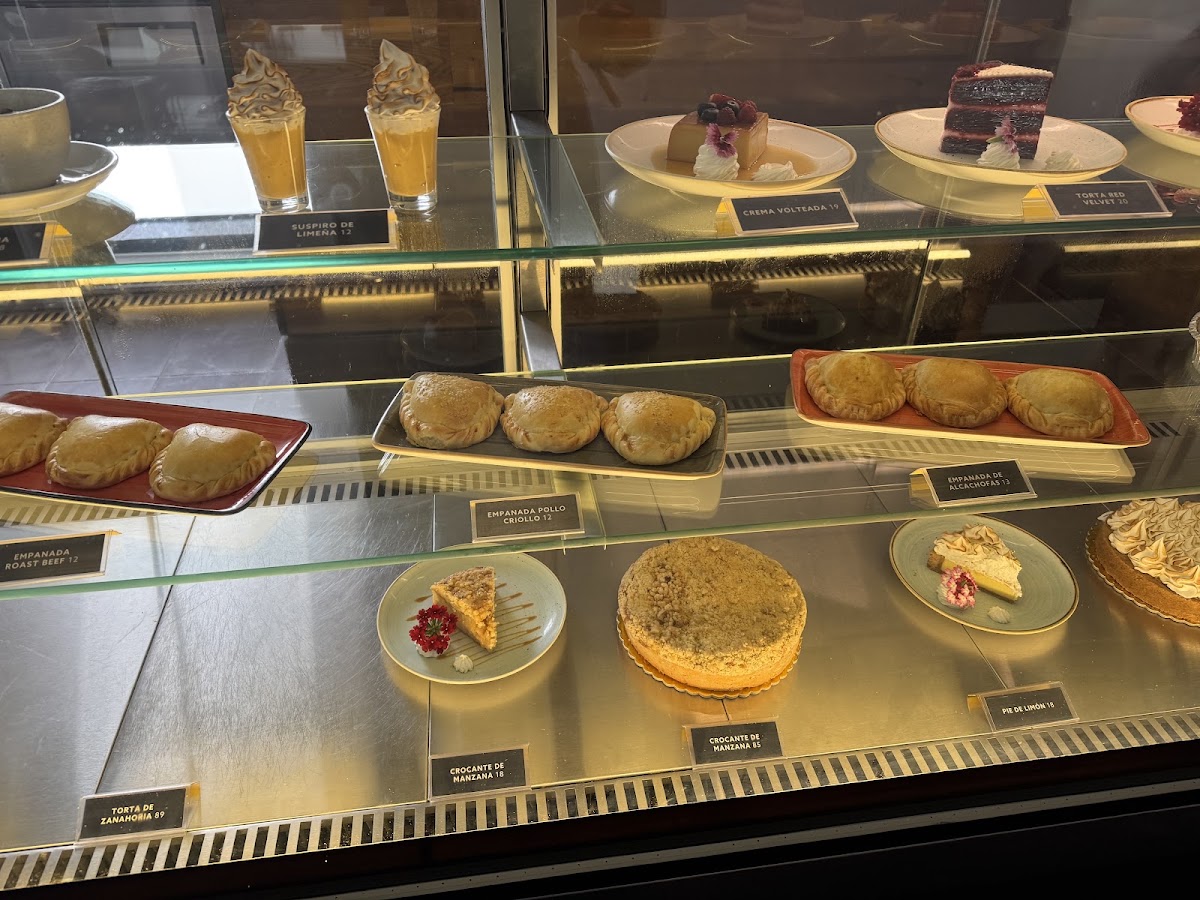
Lima mornings often start under a low grey mist called the garua, and there is something lovely about spending your last one in a neighborhood cafe with good coffee and fresh bread.
Give yourself time. Traffic to Jorge Chavez International Airport can be unpredictable, and you will want the buffer rather than a stressful dash across the city.
If Lima has done its job, you are already plotting a return, maybe pairing it next time with Cusco and the Sacred Valley. This city is the front door to Peru, and it is a very good one.
Ready to book?
Book the rest of Lima, Peru
Handpicked partner searches, dates pre-filled. Pricing is identical to going direct — the partner shares a small commission with Tabi so this guide stays free.
Frequently asked
Is Lima safe for tourists?
The neighborhoods in this log, Miraflores, Barranco, and the guarded historic center, are the safest and most walkable parts of the city, and where you should base yourself. As in any large capital, keep your phone and valuables discreet, use booked taxis or ride apps rather than hailing on the street at night, and stay aware in crowded markets. Check your government travel advisory before you go for current guidance.
When is the best time to visit Lima?
Lima's weather flips the usual seasons. The warm, sunny months run roughly December to April, when the coastal mist lifts and beach days are reliable. From June to October the city sits under the garua, a persistent grey ocean fog, so it feels cooler and softer. It rarely actually rains in Lima, so the fog is the main trade-off.
How many days do you need in Lima?
Three days covers the essentials: the Miraflores cliffs, the historic center with San Francisco and Plaza Mayor, Museo Larco, and a Barranco dinner. Five days, as in this log, lets you add a cooking class, Huaca Pucllana, the Mercado Central, MALI, and the Magic Water Circuit without rushing, plus free time to just enjoy the neighborhoods.
What food is Lima famous for?
Ceviche is the icon: raw fish cured in lime juice, chili, and red onion, served with sweet potato and corn. Beyond that, try lomo saltado (stir-fried beef), ají de gallina (creamy chili chicken), anticuchos (grilled skewers), and a pisco sour to drink. Lima is widely considered the culinary capital of South America, so eat widely.
How do you get from Jorge Chavez Airport to Miraflores?
The airport sits in Callao, and Miraflores is around 45 minutes to an hour away depending on traffic. The easiest options are a pre-booked private transfer or an official airport taxi counter inside the terminal. Avoid unmarked drivers who approach you in the arrivals hall, and confirm the fare or booking before you leave.
Skip the planning
Your Lima, Peru trip, ready to go
Adopt the day-by-day itinerary we built to match this guide. Every stop is a real place, every booking link is validated. Free forever, no card needed.
Open the Lima, Peru itinerary