
Luxor, Egypt
What to Do in Luxor: Temples, Tombs, and a Felucca at Sunset
Your insider's journey through ancient Thebes, from the colossal columns of Karnak to a silent sail on the Nile.
TL;DR
Experience Luxor like a local: walk through the world's largest temple complex, descend into royal tombs, and unwind on a traditional felucca.
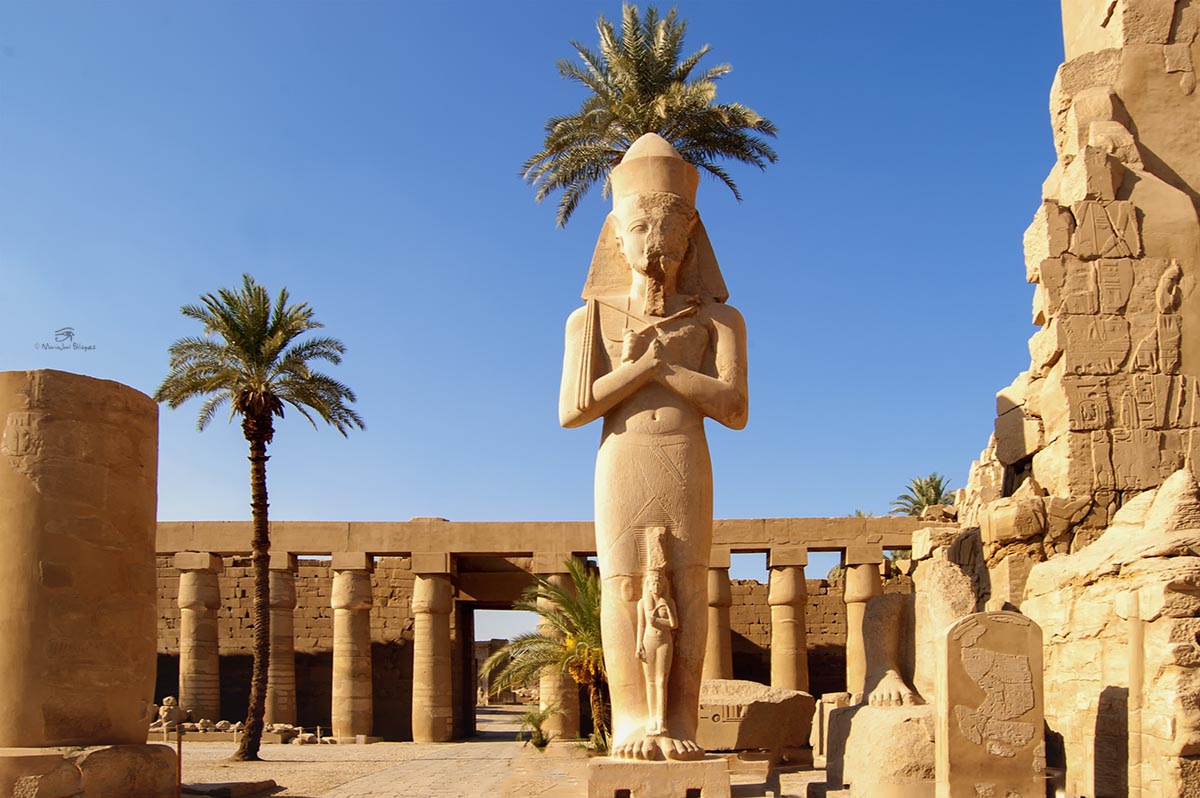
- Karnak's Hypostyle Hall with 134 towering columns that block the sun
- Valley of the Kings where Tutankhamun's golden mask was found
- The terraced Temple of Hatshepsut carved into the Theban cliffs
- An evening light show that tells the story of Luxor Temple
- A sunset sail on a felucca watching the Nile turn from blue to gold
Have this trip planned in 60 seconds
We built the Luxor, Egypt itinerary that pairs with this guide, day-by-day with verified venues and one-tap booking links. Free to adopt, edit however you want.
The Desert Air and the Nile's Edge
Stepping out of Luxor International Airport, the dry heat hits you first, then the distant shimmer of the Nile through a haze of dust and palm trees.
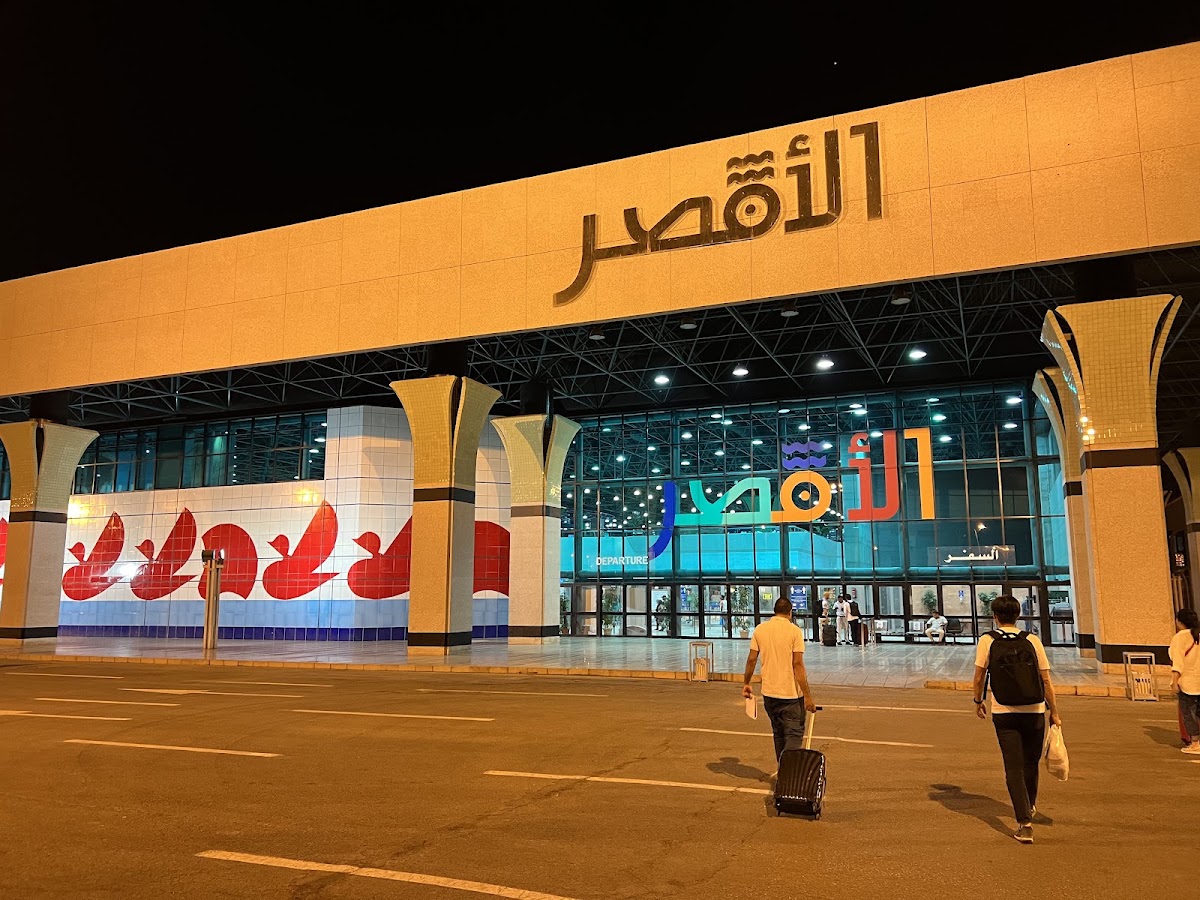
Your driver greets you with a cold bottle of water and a smile. The 15-minute ride into town passes fields of sugarcane and small villages where donkey carts still outnumber cars. You'll check into your hotel on the East Bank where the corniche runs along the river. The call to prayer echoes from a nearby mosque as you unpack. Tonight, just let the breeze off the Nile settle your travel bones.
For a smooth start, pre-book a private transfer. It saves haggling and gets you straight to the calm of your hotel.
The Forest of Pillars at Karnak
Inside the Great Hypostyle Hall, 134 sandstone columns rise like petrified papyrus stalks, their shadows painting the floor in a grid of light and dark.
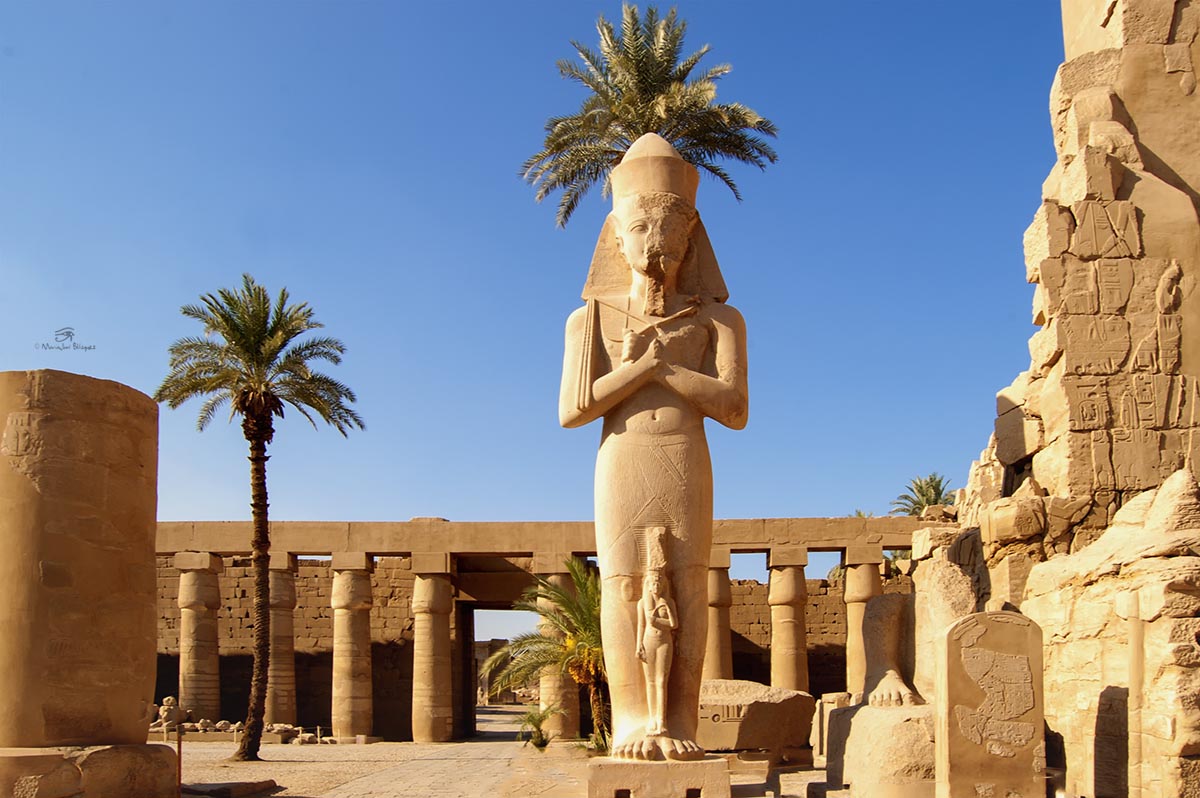
No photo prepares you for the scale. Each column is wide enough to require ten arms to encircle. Walk down the central aisle where the sun slants through the clerestory windows and you'll feel like an ant in a cathedral of stone gods. The Avenue of Sphinxes leads you out, a half-mile processional path that once connected Karnak to Luxor Temple.
Arrive early, by 7:30 am, to beat the crowds and the heat. A guided tour is worth it to decode the hieroglyphs that cover every surface.
The West Bank: Where the Pharaohs Rest
Crossing the Nile feels like stepping into a different millennium; the Colossi of Memnon sit alone in a field, their cracked faces watching the same river they've seen for 3,400 years.
Your West Bank day begins at the Colossi of Memnon, two giant statues that guard nothing but silence. Then it's a winding road up into the dry hills to the Valley of the Kings. You descend into the tomb of Ramesses IV or Merenptah, ducking low into chambers painted with the Book of the Dead. The colors are still sharp: ochre, lapis blue, carbon black.
Next, the Temple of Hatshepsut appears out of the cliff face a three-tiered colonnade that seems to float. Lunch is at a local restaurant on the West Bank, where you eat koshari under a pergola while goats wander nearby. The entire day feels like a pilgrimage through rock and history.
The Golden Treasures of Luxor Museum
Inside the dimly lit hall, the mummy of a pharaoh lies on a tilted pedestal, his face preserved, his teeth visible through parted lips.
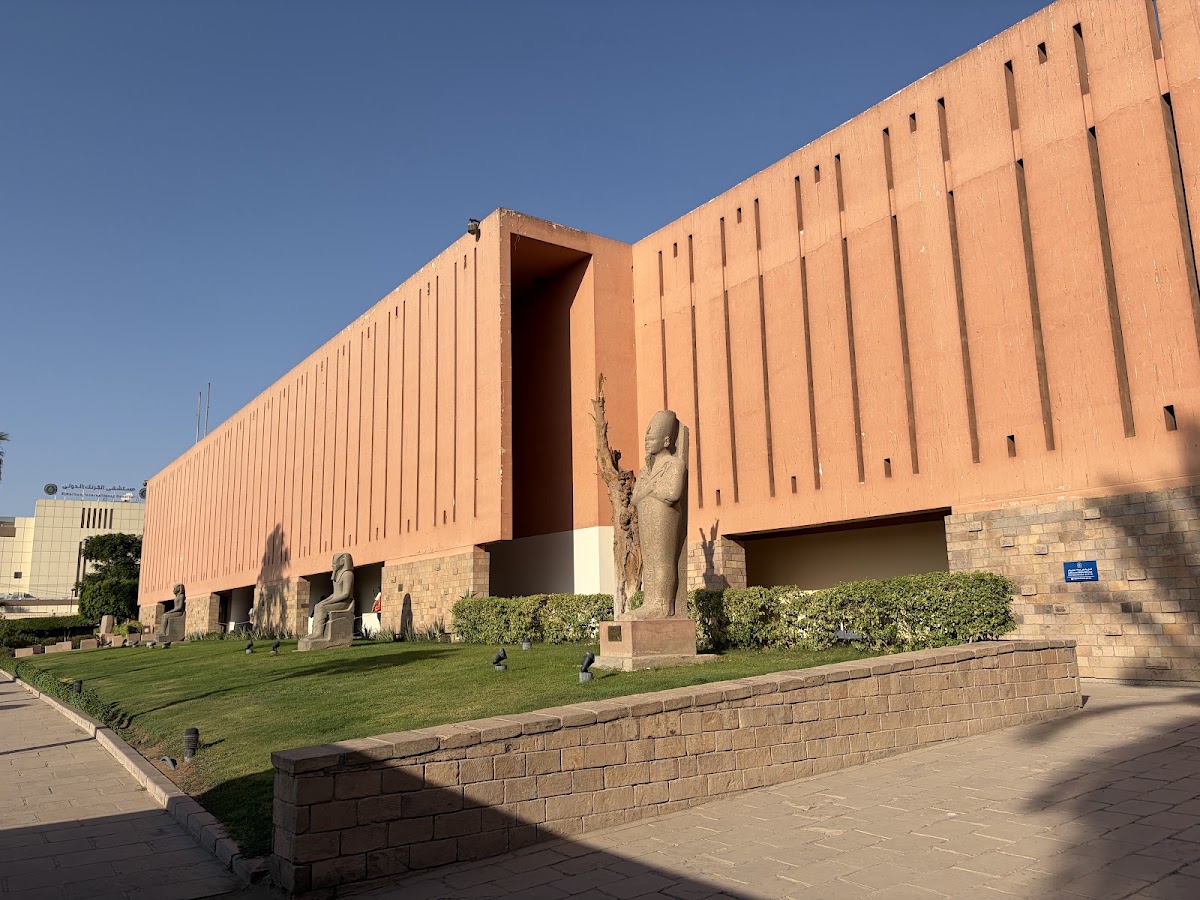
Unlike the grand temples, the Luxor Museum is compact and air conditioned a welcome break. The collection is curated with restraint: statues of Akhenaten, the jewelry of Tutankhamun, and a wall of death masks that catch the light. The two royal mummies on display (the crocodile god Sobek's temple) are the most striking. You can stand inches away from a face that ruled 3,000 years ago.
Spend an hour here after lunch. It's on the East Bank corniche, a short walk from the ferry landing.
Luxor Temple Under the Stars
As dusk deepens, the floodlights warm the stone to honey gold, and the obelisk of Ramesses II casts a long shadow toward the Nile.
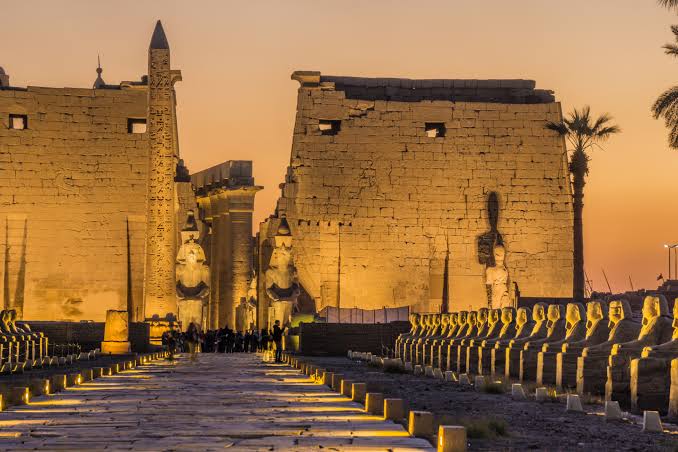
Luxor Temple is a different creature at night. You enter the same pylon that Cleopatra once walked through, but now the evening sound and light show begins. Arabic music swells as a narrator tells the temple's story in the voice of a pharaoh. The light moves from the colossal seated statues to the darkened sanctuary, animating scenes that were static just hours before.
Showtimes vary by season. Check the official schedule at Egyptian Tourism Authority. Tickets are about 200 EGP ($6.50) for the show only, or included with a temple entry during the day.
A Felucca Sail at Twilight
The only sound is the water lapping against the wooden hull and the soft flap of the sail as you drift past palm-fringed islands.
By 5 pm the heat softens. Your captain, a Nubian man named Ahmed, steers the felucca with one hand and pours sweet mint tea with the other. You lie back on the cushions and watch the West Bank turn from ochre to mauve. The felucca is not a speedboat. It's a slow glide, the way people have moved on the Nile for centuries. You'll see kingfishers dive, water buffalo wade, and the distant lights of Luxor Temple flicker on.
This is the moment that stays. Book it with a local operator on the corniche or through a reliable platform for about 300 EGP ($10) per person for an hour.
The Spice-Scented Souq
The first breath at the entrance is a mixture of cumin, cardamom, and fried falafel, a perfume that clings to your clothes for hours.
Luxor Souq, or the Old Market, is a narrow strip of stalls just off the corniche. On your last morning, push past the shopkeepers calling 'Come in, my friend!' and head straight for the spice sellers. The colors are staggering: orange turmeric, red paprika, brown cinnamon sticks piled like kindling. Hand-printed scarves and brass lanterns hang from the ceilings. Spend 20 minutes wandering, then buy a bag of hibiscus tea for 10 EGP ($0.30) and a small alabaster vial for 30 EGP ($1).
It's a 10-minute walk from Luxor Temple. Go early before the cruise ship crowds arrive.
Ready to book?
Book the rest of Luxor, Egypt
Handpicked partner searches, dates pre-filled. Pricing is identical to going direct — the partner shares a small commission with Tabi so this guide stays free.
Frequently asked
What is the best time of year to visit Luxor?
October through April is the sweet spot, with daytime highs of 25-30°C (77-86°F). Summers (May-September) can reach 42°C (108°F), but early morning sightseeing and afternoon rest periods make it doable.
Do I need a visa to enter Egypt for Luxor?
Yes, most visitors need a tourist visa. You can get it on arrival at Luxor International Airport for $25 USD (single entry, 30 days). Or apply online at [visa2egypt.gov.eg](https://visa2egypt.gov.eg) before you go.
What is the dress code for temples and tombs?
Cover shoulders and knees as a sign of respect for local culture. Light cotton long pants or a long skirt plus a scarf for women works perfectly. The tombs are dusty and warm inside, but closed shoes are fine.
How do I cross between the East Bank and West Bank?
Public ferries operate from several docks on the East Bank (near Luxor Temple) and cost 5 EGP ($0.16) for locals, but as a tourist you'll pay 10-20 EGP ($0.30-0.60). Taxis and private transfers are also available for around 200 EGP ($6.50) one way.
Skip the planning
Your Luxor, Egypt trip, ready to go
Adopt the day-by-day itinerary we built to match this guide. Every stop is a real place, every booking link is validated. Free forever, no card needed.
Open the Luxor, Egypt itinerary