
Macau, Macau
What to Do in Macau in 3 Days: Ruins, Egg Tarts, and a Bungee Off the Tower
A picture-first walk through old Portuguese Macau and the glittering Cotai Strip, in the order you'll actually see them.
TL;DR
Three days to walk from a 400-year-old church facade to a glass skywalk 233 meters up, with egg tarts and clay-pot curry in between.
- Climb the carved stone steps to the Ruins of St. Paul's at golden hour
- Pastel buildings and wave-pattern paving fill Senado Square
- Incense smoke curls through A-Ma Temple above the harbor
- Lean over the glass floor on Macau Tower's skywalk
- Gondolas drift under a painted sky inside The Venetian
Have this trip planned in 60 seconds
We built the Macau, Macau itinerary that pairs with this guide, day-by-day with verified venues and one-tap booking links. Free to adopt, edit however you want.
The Church Facade With Nothing Behind It
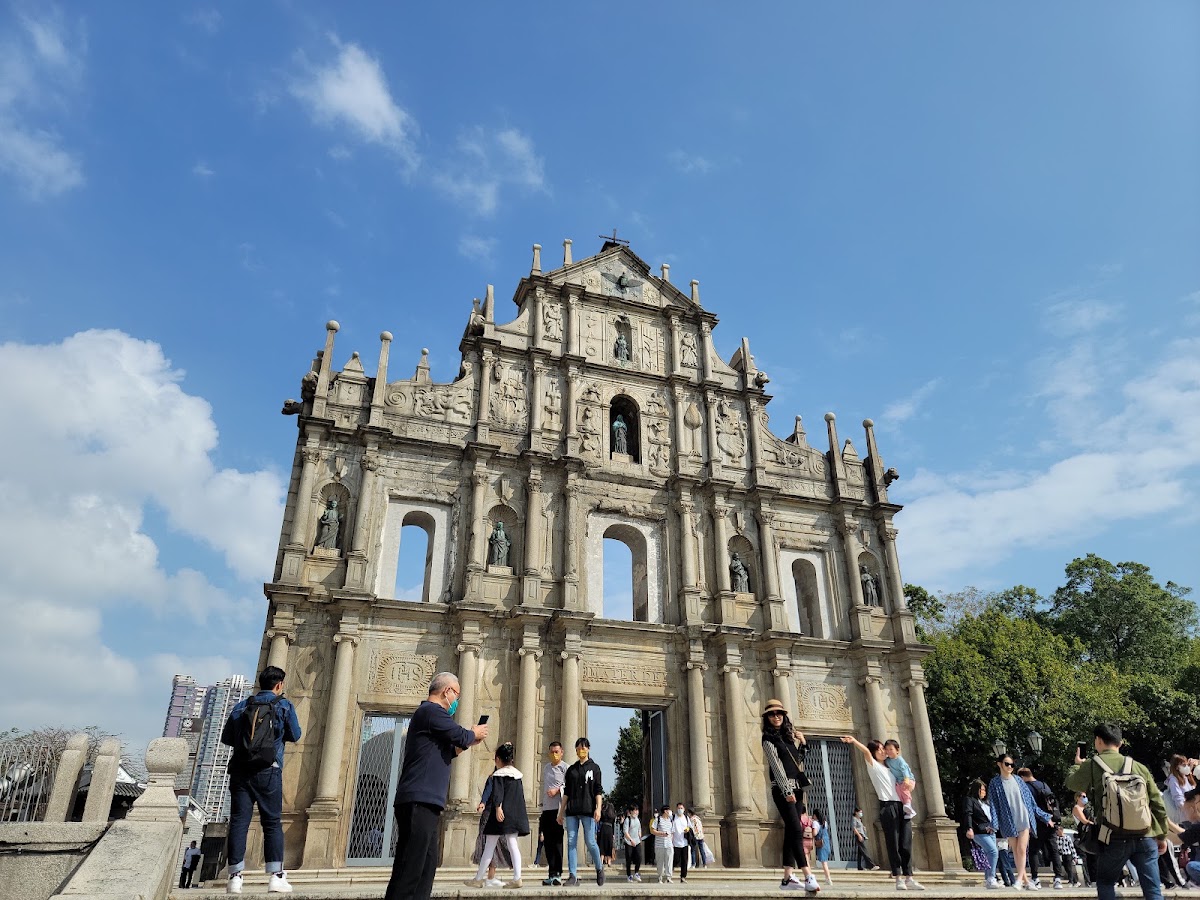
A grand stone face of saints and angels stands at the top of a long staircase, with blue sky showing straight through the empty windows.
You climb a wide flight of stone steps and the Ruins of St. Paul's just fills the frame: four tiers of carved saints, a bronze dove, a ship, and then nothing. A fire in 1835 took the rest of the 17th-century church and left only this front wall, which is exactly why it photographs like a theater set.
Go early, around 8am, and you get the facade almost to yourself with soft light raking across the carvings. By mid-morning the staircase fills with school groups and tripods.
Walk up the ramp behind it to Mount Fortress, where old cannons point out over a skyline of casinos. It is the cleanest way to see both Macaus, the Portuguese one and the neon one, in a single glance.
Dinner That Tastes Like Lisbon Met Guangzhou
A clay pot arrives bubbling with coconut, turmeric, and chicken, and the smell is somewhere between curry and Sunday roast.
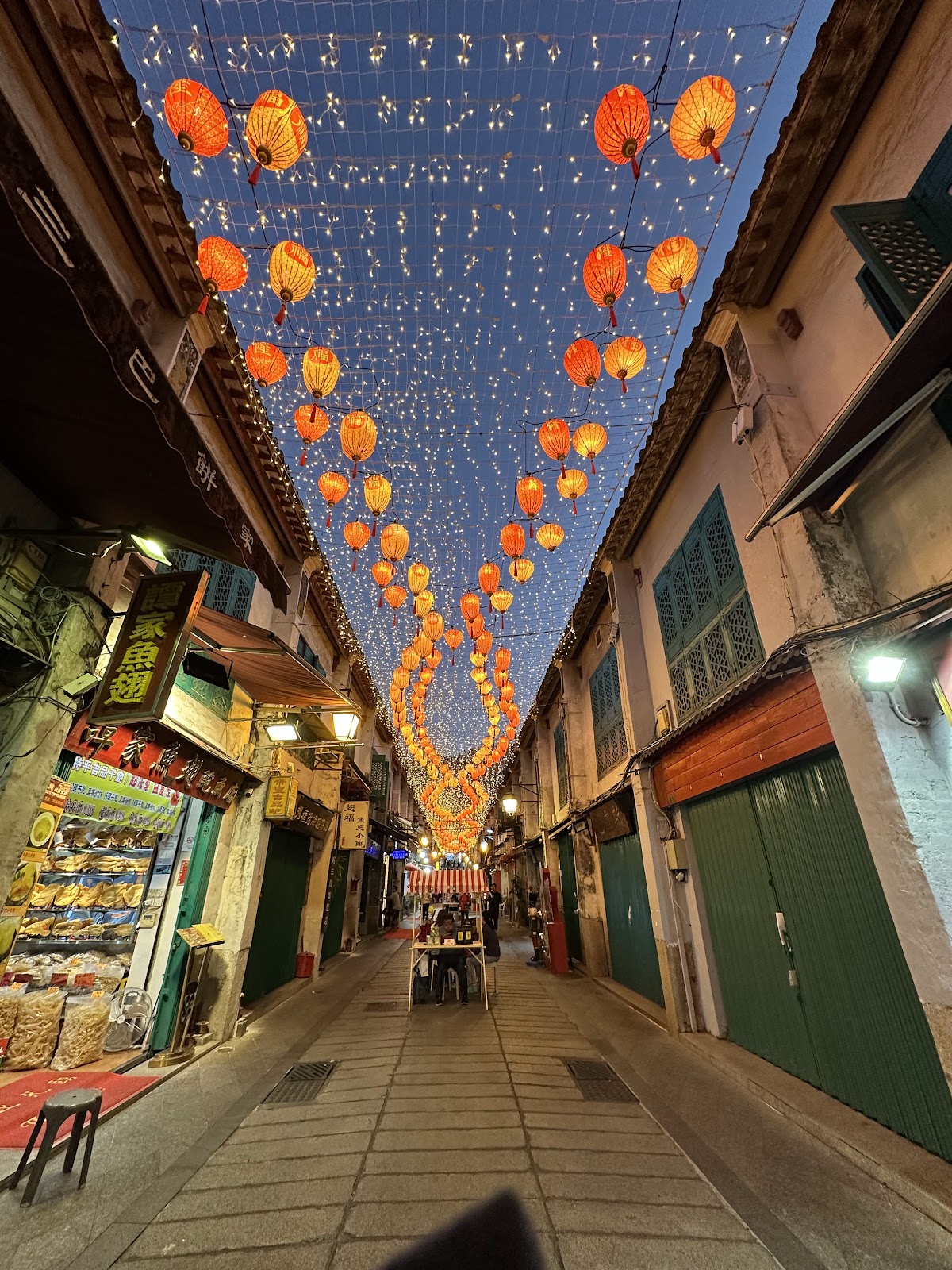
Macanese cooking is its own thing, born from 400 years of Portuguese sailors cooking with Chinese and Southeast Asian ingredients. Your first night is for finding it.
Order the minchi (minced beef and pork with potato cubes and a fried egg on rice), galinha a Africana (African chicken in a spicy coconut and chili sauce), and a jar of vinho verde. Most sit-down Macanese places near the old town run about MOP 150 to 300 per person (roughly USD 19 to 37).
The older family-run spots in the lanes off Rua da Felicidade are where the recipes feel handed down rather than printed. Book ahead on weekends; the good rooms are small.
The Square That Looks Like a Wave When You Look Down
Black and white stones ripple across the ground in a wave pattern while lemon-yellow and mint-green buildings curve around the edges.
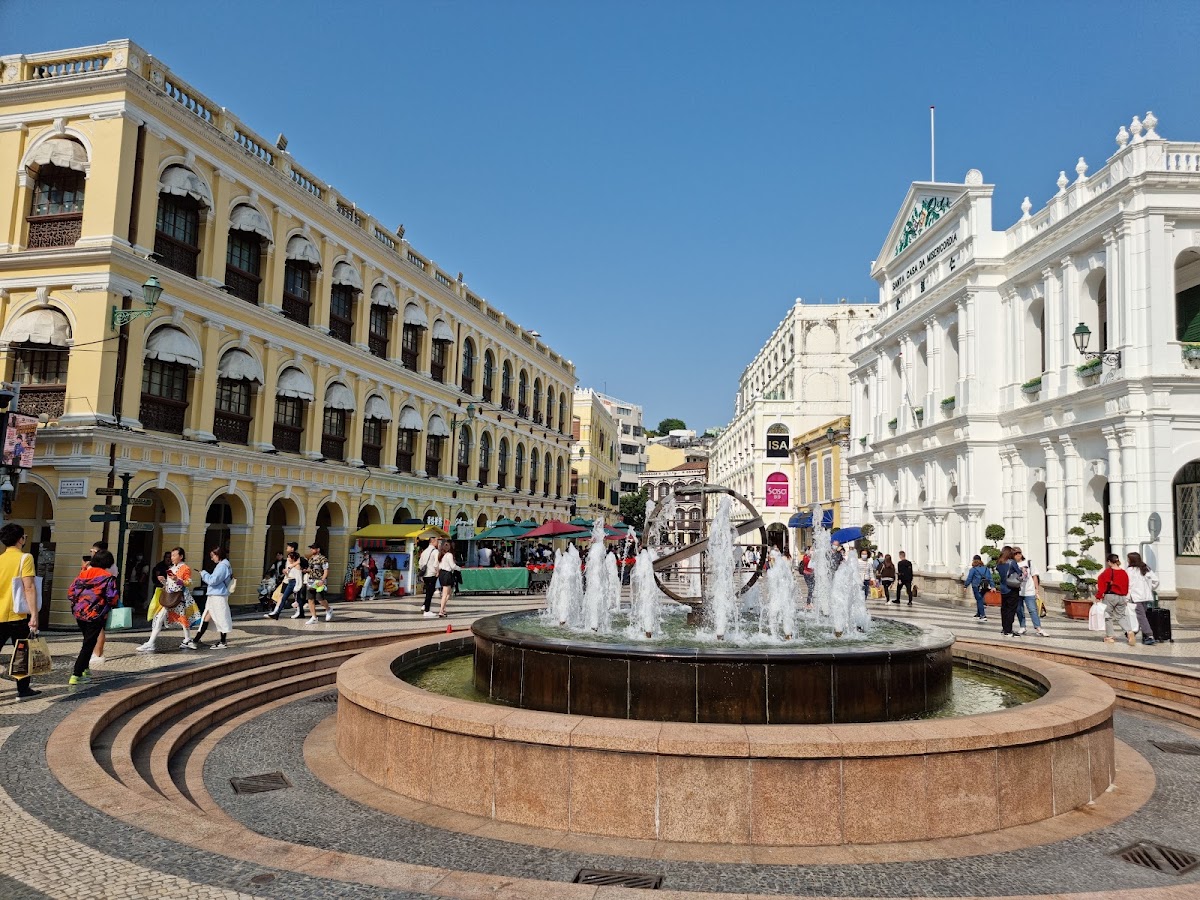
Senado Square is the heart of old Macau, and the first thing you notice is the ground: Portuguese calcada paving laid in a rolling wave design, set between pastel colonial facades. Stand near the fountain and the whole plaza fans out around you.
At the far end is the Leal Senado Building, white and shuttered, with a quiet tiled courtyard inside that most people walk past. Step in; it is free and cool and a nice pause from the crowd.
This is also egg tart country. Follow the smell of caramelized custard to a bakery window, pay a few patacas, and eat a warm pastel de nata standing on the paving. It is the most Macau thing you can do.
Taipa Village, Where the Lanes Slow Right Down
Narrow streets in faded pink and ochre, laundry overhead, and the sizzle of pork chop buns frying in a doorway.
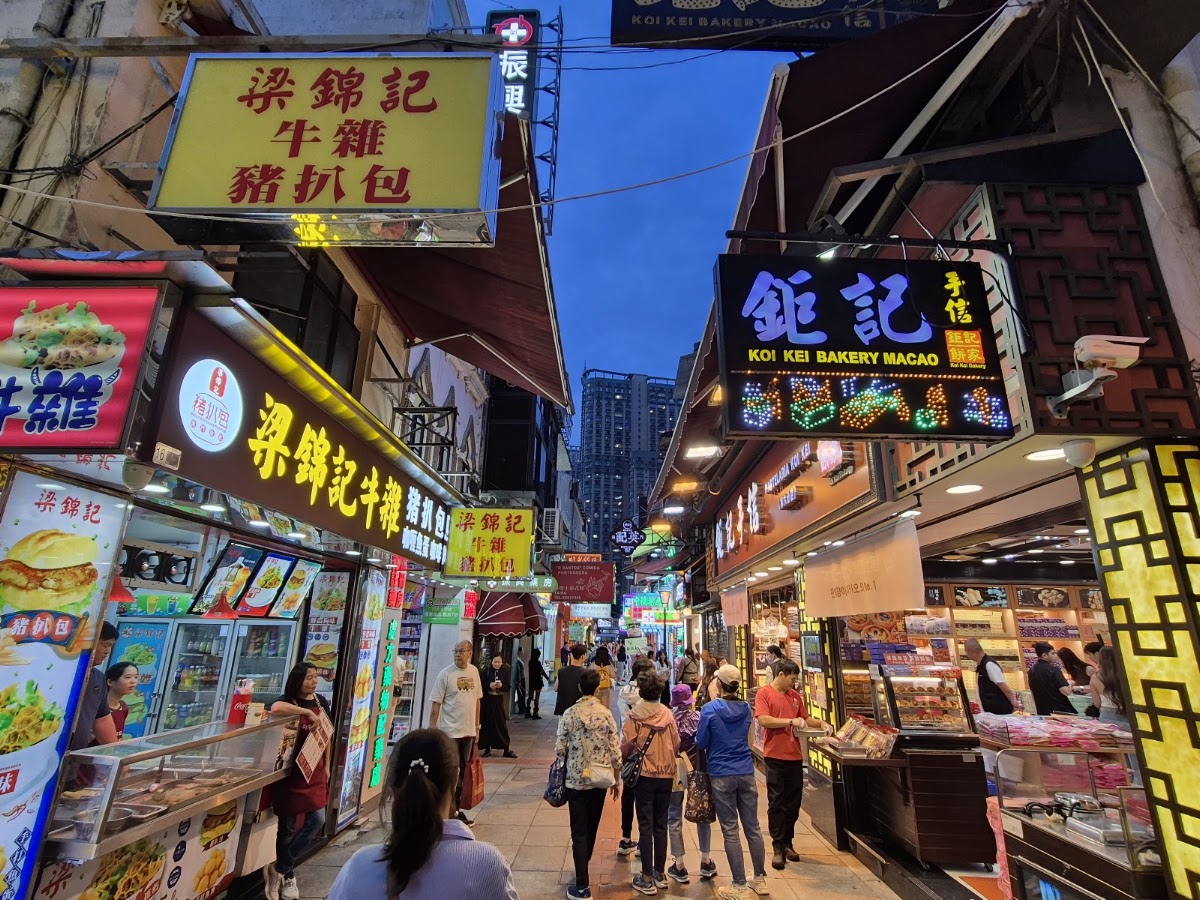
Hop over to Taipa for an afternoon and the pace drops. The old village is a knot of low Portuguese houses, tiny temples, and food stalls, all walkable in an hour but worth lingering in for three.
Wander Rua do Cunha, the pedestrian food lane, and graze: pork chop buns, almond cookies pressed in wooden molds, dried jerky handed over on sample sticks. Then cut to the Taipa Houses, a row of mint-green 1920s colonial homes along a wetland, pretty in late light.
It is a short, cheap taxi or bus ride from the old town, and it makes a gentle counterweight to the big sights.
Incense Smoke and Sea Air at A-Ma Temple
Giant coils of incense hang from the ceiling, dropping ash like slow snow, while the scent of sandalwood drifts out toward the water.
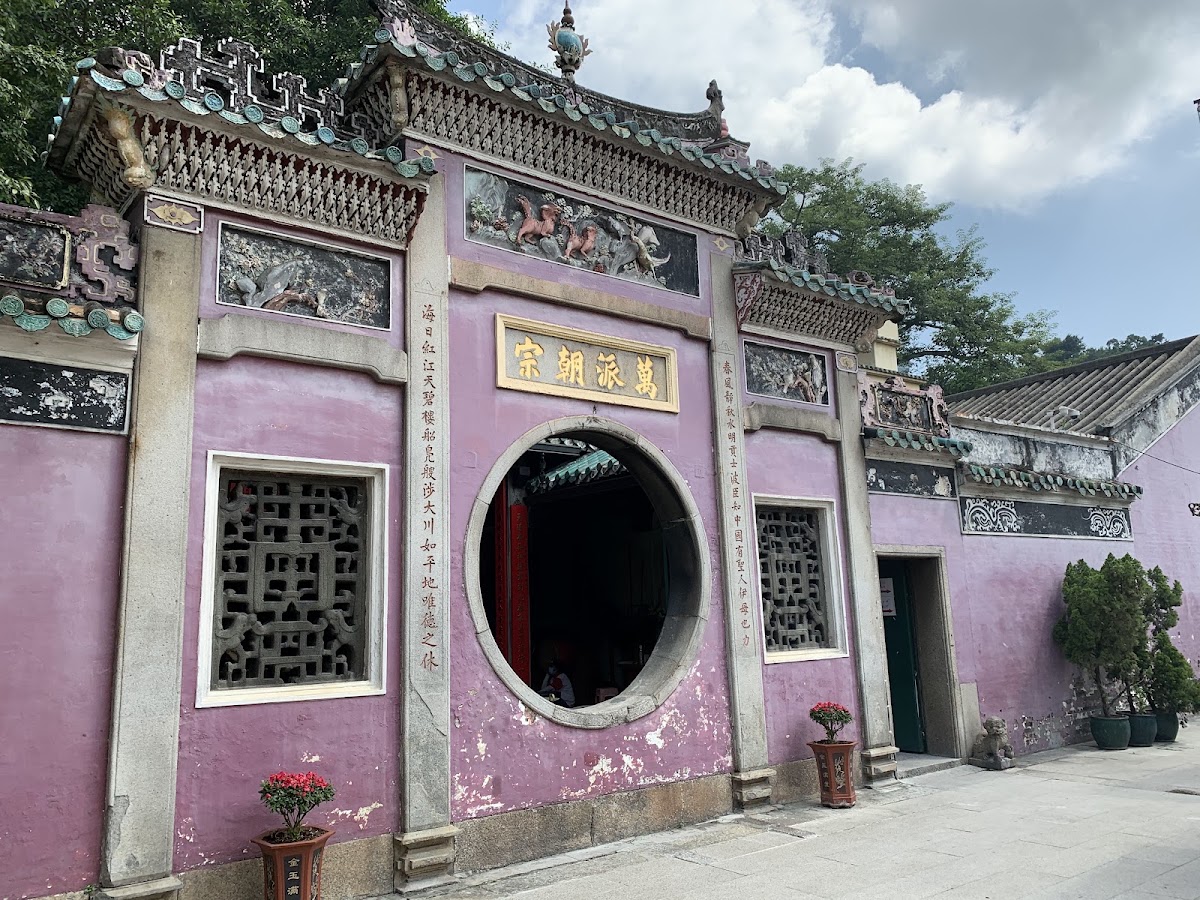
A-Ma Temple is the oldest in Macau, dating to around 1488, and the city most likely took its name from here. It climbs a rocky hillside in tiers, so you move up through gates and pavilions dedicated to the sea goddess Mazu.
Look for the carved stone boat and the red prayer ribbons tied to the branches. Worshippers light those hanging incense coils that burn for days, and the smoke gives every photo a soft, drifting layer.
It sits near the harbor on the southwest tip of the peninsula, so pair it with the waterfront before you head to the tower. Entry is free; just go gently and quietly, people are praying.
Standing on Glass, 233 Meters Up
Your toes are on a clear panel and the city shrinks away beneath them; far below, someone is dropping off the edge on a cord.
Macau Tower rises 338 meters, and the observation deck at 223 meters has sections of glass floor that make your stomach lurch in the best way. On a clear day you see across to mainland China and out over the bridges to Cotai.
This is also home to one of the world's highest commercial bungee jumps, at 233 meters. Even if you never clip in, watching jumpers plunge past the windows is a show in itself. There is a tamer Skywalk around the outer rim too, harnessed and hands-free.
Stay until dusk. The lights of the old town and the casinos switch on while you are up here, and the whole bay starts to glow. Observation deck tickets run about MOP 165 (around USD 20); the thrill activities cost a good deal more.
A Painted Sky and Gondolas Indoors on the Cotai Strip
You step inside and it's permanently early evening: a soft blue ceiling with painted clouds, a canal below, and a singing gondolier gliding by.
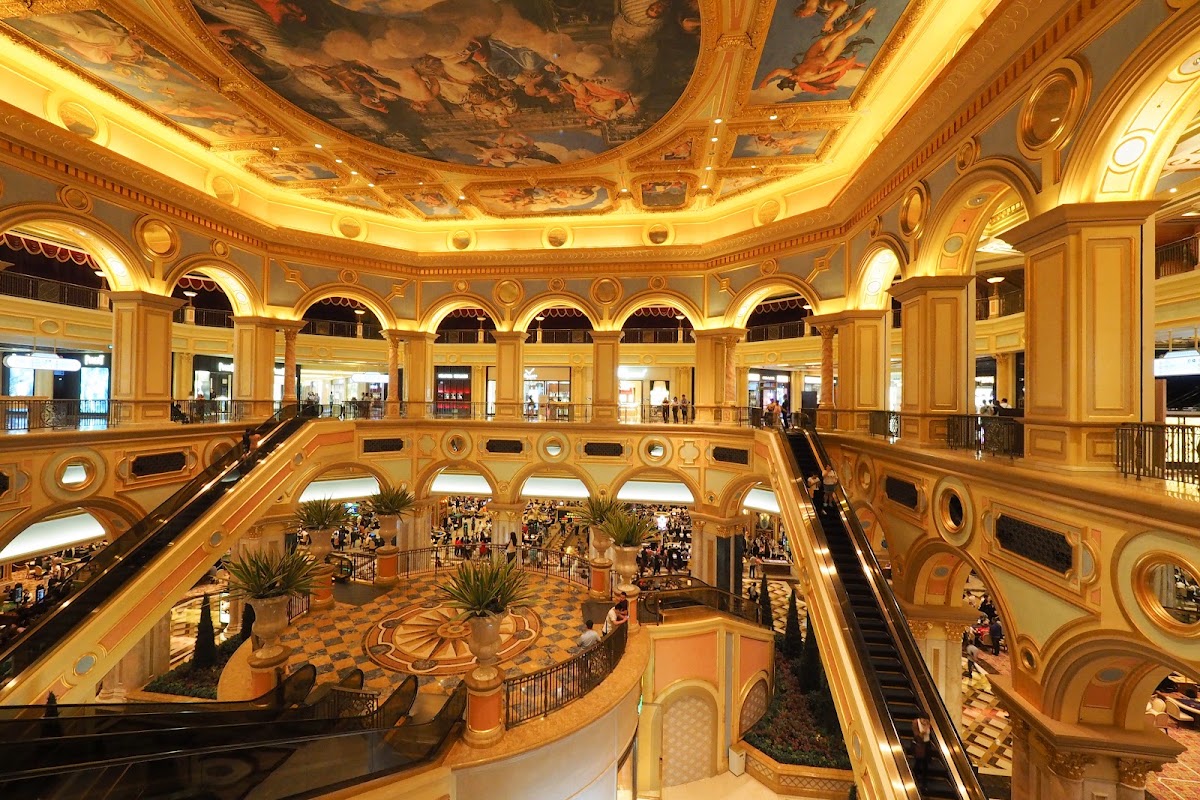
Save the Cotai Strip for your last stretch, because after the 400-year-old stone of the old town, this is pure spectacle. The Venetian Macao recreates Venice indoors, down to a canal you can ride a gondola on under a sky that never changes.
Walk the stone bridges and the fake-outdoor piazzas, then cross to City of Dreams for its own shows and glass-walled towers. You can spend hours here without gambling a single pataca; the architecture and people-watching are the point.
It is a quick ride from here to Macau International Airport when it is time to go, which makes Cotai a natural final act before you fly out.
Ready to book?
Book the rest of Macau, Macau
Handpicked partner searches, dates pre-filled. Pricing is identical to going direct — the partner shares a small commission with Tabi so this guide stays free.
Frequently asked
How many days do you need in Macau?
Three days is the sweet spot. One for the old town around the Ruins of St. Paul's and Senado Square, one for A-Ma Temple, Taipa Village, and Macau Tower, and one for the Cotai Strip before you fly out. You can see the headline sights in two days if you're tight, but three lets you slow down and eat properly.
What currency is used in Macau and is cash needed?
The local currency is the Macanese pataca (MOP), though Hong Kong dollars are widely accepted at roughly 1:1. Big hotels, casinos, and malls take cards, but small bakeries, street-food stalls, and older Macanese restaurants often prefer cash, so carry some patacas for the old town and Taipa.
How do you get around Macau?
Taxis are cheap and quick for crossing between the peninsula and Cotai. Casinos run free shuttle buses between their properties and the ferry terminals and airport, which many travelers use as informal free transport. Public buses cover everywhere and cost a few patacas, and the old town itself is best on foot.
What food should you not miss in Macau?
Try Macanese dishes like minchi and African chicken, a Portuguese-style egg tart (pastel de nata) near Senado Square, and a crispy pork chop bun on Rua do Cunha in Taipa. Almond cookies make an easy edible souvenir. Macanese cuisine blends Portuguese, Chinese, and Southeast Asian flavors you won't find quite the same anywhere else.
When is the best time to visit Macau?
October to December brings the most comfortable weather, cooler and drier, which is ideal for walking the old town and climbing to Mount Fortress. Spring can be humid, and summer is hot with a chance of typhoons. Note that attractions and streets get very busy on weekends and Chinese public holidays.
Skip the planning
Your Macau, Macau trip, ready to go
Adopt the day-by-day itinerary we built to match this guide. Every stop is a real place, every booking link is validated. Free forever, no card needed.
Open the Macau, Macau itinerary