
Manila, Philippines
What to Do in Manila in 5 Days: Old Walls, Bay Sunsets, and the Streets That Feed You
A picture-first walk through Manila, from Spanish stone forts to the loudest, tastiest markets in Southeast Asia.
TL;DR
Manila hits you all at once, so this log walks you through it in order, from the first bay sunset to the last plate of noodles in Binondo.
- Golden hour cocktails high above Makati, Manila Bay on fire
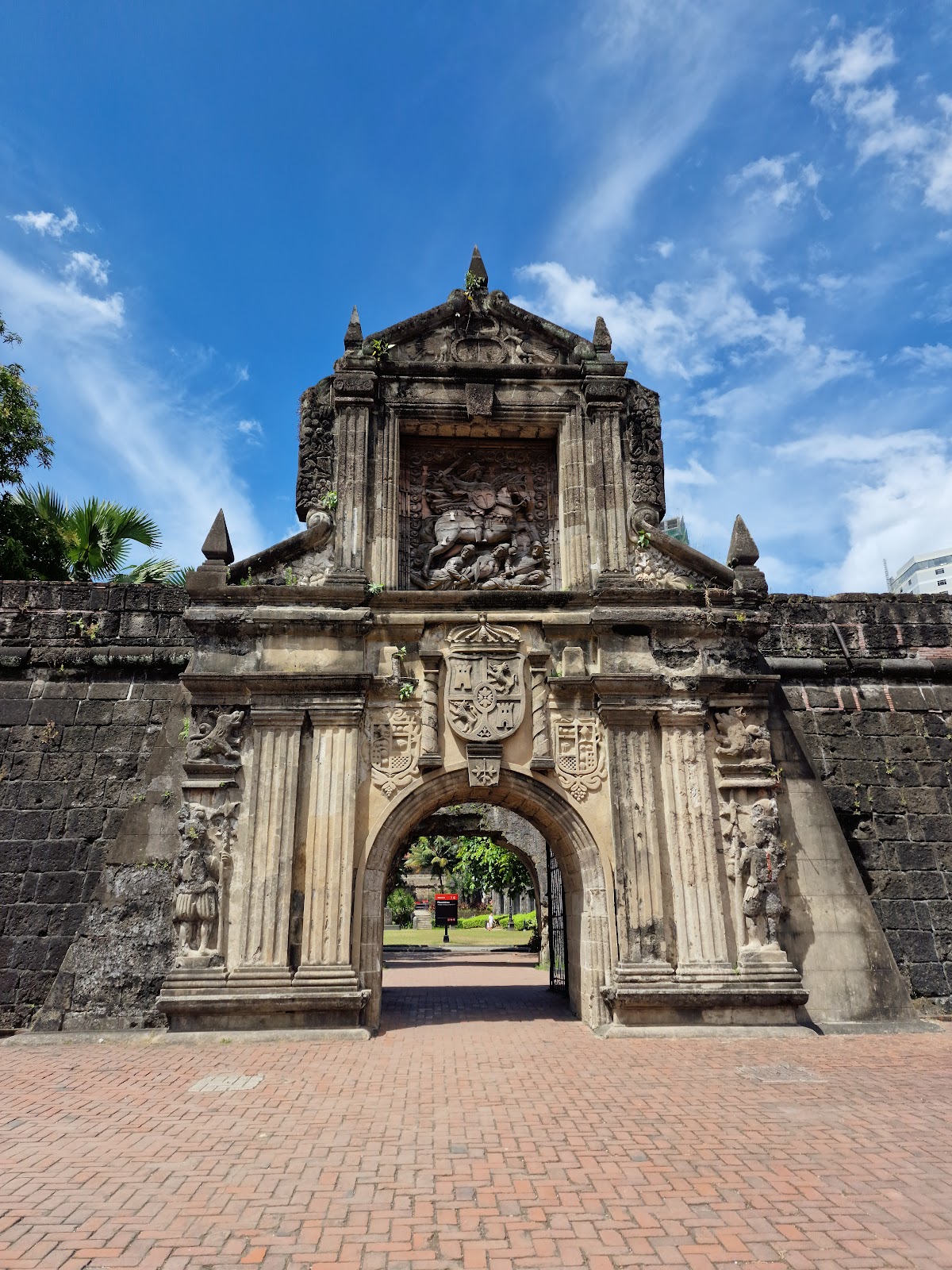
- Cobblestones and cannon at Fort Santiago inside old Intramuros
- Lucky charms, candles, and incense swirling at Quiapo Church
- The world's oldest Chinatown, hokkien noodles steaming in Binondo
- Street art and quiet museums between BGC's glass towers
Have this trip planned in 60 seconds
We built the Manila, Philippines itinerary that pairs with this guide, day-by-day with verified venues and one-tap booking links. Free to adopt, edit however you want.
You Land, and the City Doesn't Slow Down for Anyone
Warm, thick air hits you the second the terminal doors slide open, carrying diesel, frangipani, and the sound of a hundred drivers calling for fares.
Ninoy Aquino International Airport is a lot, especially if you arrive in the late afternoon crush. The taxi queue moves, but Manila traffic does not, so what looks like a 20-minute hop to Makati can stretch past an hour. This is your first lesson in the city: everything is close, nothing is fast.
Do yourself a favor and arrange a pickup before you fly. Having a driver holding a sign, air-con already running, means you skip the negotiating and just watch the city scroll by: jeepneys painted like carnival floats, sari-sari stores glowing under bare bulbs, families eating dinner on plastic stools by the road.
By the time you check in and drop your bag, it'll be dusk. Don't nap. You have a sunset to catch.
Manila Bay Turns the Whole Sky Orange, and You Have a Drink in Hand
The sun drops fast here, sinking straight into the water while the city's towers switch on one floor at a time.
Manila Bay sunsets are legendary for a reason, and the best seat is up high on a Makati rooftop with a cold San Miguel or a calamansi cocktail. From up here the sprawl makes sense: the bay to the west, the financial towers glinting, the older low-rise neighborhoods stretching out in the haze.
Expect to pay around 350 to 500 pesos (roughly 6 to 9 USD) for a beer, more for cocktails. Arrive 30 minutes before sunset to grab a rail-side spot, because everyone in Makati has the same idea.
This is your soft landing. Tomorrow you go deep into the old city.
Walking on 400-Year-Old Stone Inside Intramuros
Your feet find uneven cobblestones, horse-drawn kalesa carriages clop past, and thick coral-stone walls throw cool shade over the whole quarter.
Intramuros is the walled Spanish colonial city, and it's the historical heart of Manila. Start at Fort Santiago, where you walk the ramparts, cross the old moat, and stand in the cell where national hero Jose Rizal spent his last night before his execution. Entry to the fort runs about 75 pesos (roughly 1.30 USD).
From there, wander the grid on foot or hire a kalesa. You'll pass San Agustin Church, a UNESCO World Heritage site that survived every earthquake and war thrown at it, and Manila Cathedral with its enormous bronze doors. A guided walking tour is genuinely worth it here; the stories of sieges, occupations, and rebuilding turn a pretty district into something you actually feel.
Give Intramuros a full morning. Wear real shoes. The cobbles are not kind to sandals.
Binondo: The World's Oldest Chinatown Wants to Feed You
Steam rises off vats of noodle soup, hawkers slice roast pork on wooden blocks, and the smell of frying dumplings pulls you down every side street.
Founded in 1594, Binondo is the oldest Chinatown on the planet, and it's built for eating. Duck into a hole-in-the-wall for hokkien-style noodles, fresh lumpia (spring rolls), and hopia (flaky bean-filled pastries). A big, satisfying lunch here rarely tops 400 pesos (about 7 USD).
Work it off with a slow stroll to Binondo Church, its octagonal bell tower rising over the market chaos. The streets around it spill over with vendors selling everything from lucky bamboo to fresh fruit to gold jewelry, all at full volume.
A local food guide can steer you past the tourist spots to the third-generation family stalls, but honestly, following your nose works nearly as well.
Cool, Quiet Galleries at the National Museum of Fine Arts
You step off the loud street into a hushed neoclassical hall where a single painting fills an entire wall.
After the sensory overload of the old city, the National Museum of Fine Arts is a deep breath. Housed in a grand former government building, its star is Juan Luna's Spoliarium, a massive, dark, dramatic canvas of fallen Roman gladiators that stops nearly everyone in their tracks.
Best part: general admission is free. The galleries are spacious, blissfully air-conditioned, and rarely crowded on weekdays, so you can actually sit and look.
Budget an hour or two. It's the kind of place that recharges you before the evening starts.
Where BGC's Glass Towers Hide Street Art and a Serious Museum
Murals splash across whole building sides, skaters roll past manicured pocket parks, and the air smells like fresh coffee instead of exhaust.
Bonifacio Global City, or BGC, is Manila's polished, walkable side, over in Taguig. Spend an afternoon hunting the outdoor murals scattered through the district; there's a whole open-air street art scene tucked between the office towers and cafes, and it's free to wander.
When the heat gets to you, retreat into the Ayala Museum back in Makati (roughly 20 minutes away). Its handcrafted dioramas walk you through Philippine history scene by scene, and the pre-colonial gold collection is genuinely dazzling. Entry is around 650 pesos (about 12 USD).
Cap the day with dinner at one of Makati's social-enterprise restaurants, where your meal helps fund local livelihood programs. Great food, and it does some good.
Quiapo: Candles, Incense, and the Loudest Faith in the City
The scent of sampaguita flowers and melting wax hangs in the air, and outside the church, vendors press herbs and lucky charms into your hands.
Quiapo Church, home of the revered Black Nazarene statue, is the beating spiritual heart of working-class Manila. Every Friday the plaza fills with the faithful; outside, a legendary market sells everything from candles and religious icons to folk remedies and fortune-tellers reading palms.
Quiapo Market spills for blocks, chaotic and utterly alive. Keep your bag zipped and your phone tucked away, then just dive in. For lunch, hit the street food stalls along Carriedo Street: grilled skewers, fish balls, and fresh halo-halo (shaved ice piled with sweet beans, fruit, and leche flan) for pocket change.
This is Manila with the volume all the way up. Embrace it.
A Slow Escolta Heritage Walk Before You Say Goodbye
Faded art deco facades line a once-glamorous boulevard, their old signage still clinging on above shuttered ground floors.
Escolta Street was Manila's grandest shopping avenue in the early 1900s, and though its glory days are gone, the bones are magnificent. Walk it slowly and look up: the Regina Building, the First United Building, and other art deco survivors are being revived by young creatives, with galleries and cafes moving into the old halls.
It's a fitting last morning, a quiet reminder of how many Manilas exist on top of each other. Grab breakfast at a nearby cafe, order a strong barako coffee, and let the trip settle before your transfer back to the airport.
Manila is not a city that eases you in gently. But give it these five days and it grabs hold of you, sunsets, noodles, cobblestones and all.
Ready to book?
Book the rest of Manila, Philippines
Handpicked partner searches, dates pre-filled. Pricing is identical to going direct — the partner shares a small commission with Tabi so this guide stays free.
Frequently asked
How many days do you need in Manila?
Three to five days is the sweet spot. Three lets you cover Intramuros, Binondo, and a museum or two. Five, like this log, gives you room for BGC, the Quiapo and Escolta markets, and slower meals without rushing through the traffic.
Is Manila safe for tourists?
Manila is generally fine with normal city precautions. Petty theft happens in crowded areas like Quiapo Market, so keep your phone and wallet secured and your bag zipped. Use arranged transfers or ride-hailing apps at night rather than flagging random taxis. Check your government's current travel advisory before you go.
What is the best way to get around Manila?
Ride-hailing apps are the easiest and most reliable option for visitors, since metered taxis can be inconsistent. For short distances within a district like Makati or BGC, walking is often faster than driving thanks to traffic. Cluster your daily plans by neighborhood to avoid long crosstown crawls.
When is the best time to visit Manila?
The dry season, roughly December through May, is most comfortable, with December to February bringing slightly cooler and less humid days. Avoid the peak rainy months of July to September when typhoons and flooding can disrupt plans. It's hot and humid year-round, so pack light, breathable clothes.
What food should you try in Manila?
Start in Binondo for hokkien noodles, fresh lumpia, and hopia pastries. On the street, grab grilled skewers and fish balls along Carriedo, and cool down with halo-halo, a shaved-ice dessert. Sit-down spots in Makati serve classics like adobo, sinigang, and kare-kare.
Skip the planning
Your Manila, Philippines trip, ready to go
Adopt the day-by-day itinerary we built to match this guide. Every stop is a real place, every booking link is validated. Free forever, no card needed.
Open the Manila, Philippines itinerary