
Mumbai, India
What to Do in Mumbai in 5 Days: Sea Forts, Street Food, and the Promenade You'll Miss
A picture-first walk through Mumbai, from the arch on the water to the causeway you can only reach at low tide.
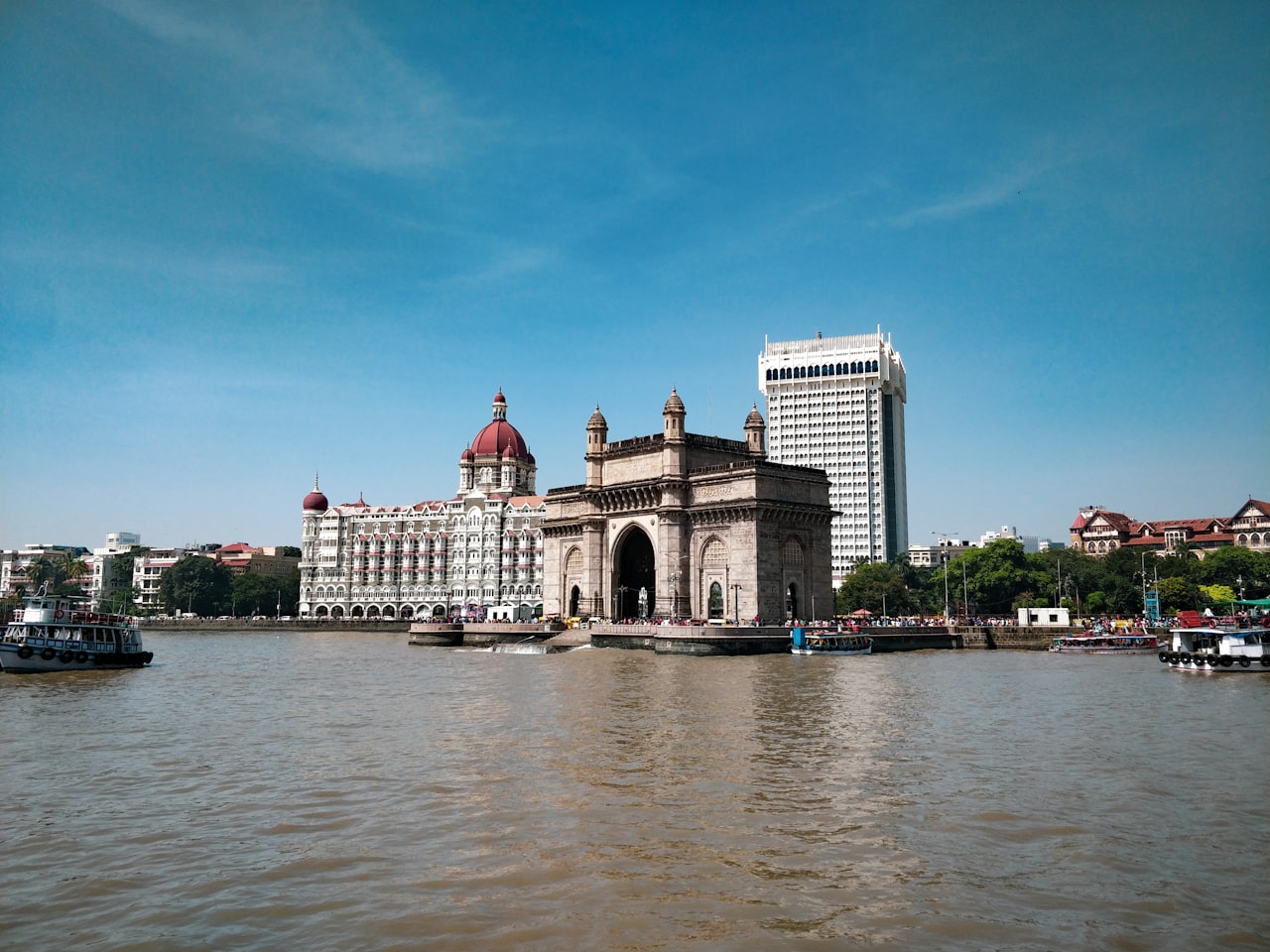
Photo by Renzo D'souza on Unsplash
TL;DR
Mumbai hits you all at once, so here's the version that lets you catch your breath while still seeing the sea, the caves, and the sizzling street carts.
- The Gateway of India glowing gold as the harbor boats bob at dusk
- Chhatrapati Shivaji Terminus, a working station that looks like a cathedral
- Vada pav and cutting chai eaten standing on a Fort sidewalk
- The rock-cut Shiva at Elephanta, an hour across the water
- Marine Drive's curve lighting up like a string of pearls after dark
Have this trip planned in 60 seconds
We built the Mumbai, India itinerary that pairs with this guide, day-by-day with verified venues and one-tap booking links. Free to adopt, edit however you want.
The Arch on the Water Where Mumbai Starts
Salt air, the honk of harbor ferries, and a honey-colored basalt arch that turns molten at sunset. This is where everyone's first photo of Mumbai gets taken, and for once the crowd is right.
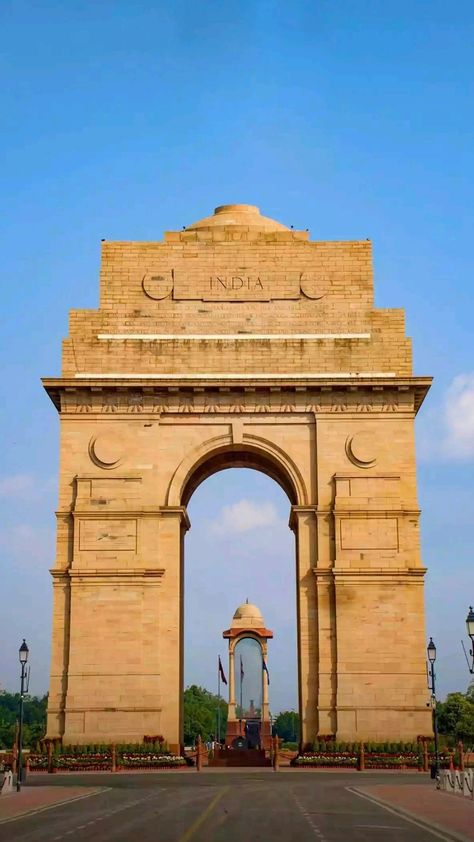
You'll come out of the Colaba lanes and the Gateway of India just opens up in front of you, all 26 meters of it, framing the boats bobbing in the harbor behind. Built to welcome King George V in 1911 and finished in 1924, it's the spot where the last British troops marched out in 1948, so it carries some weight under all that Instagram traffic.
Go early morning for soft light and space to breathe, or come back at dusk when the stone glows and the whole promenade fills with families, balloon sellers, and the smell of roasted peanuts. Entry is free, and you can watch the ferries load for Elephanta from the same steps.
Across the road the Taj Mahal Palace Hotel does the other half of the postcard. You don't need a room to admire it, but a coffee under those domes is a nice way to sit with the view.
The First Dinner: Colaba After Dark
Fairy lights strung over Causeway stalls, the clatter of a hundred conversations, and the smell of garlic naan drifting out of a bistro doorway. Colaba at night is where the day slows down.
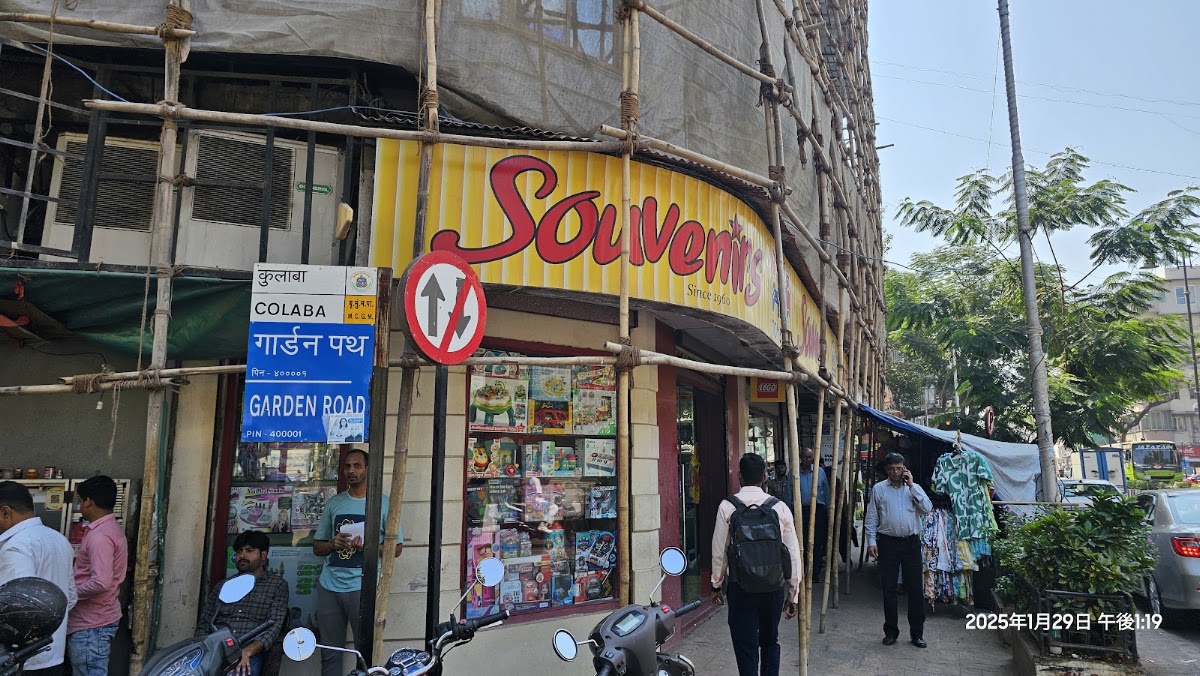
A short walk back from the Gateway, Colaba Causeway is your after-dark playground. The street vendors sell everything from cheap sunglasses to hand-block scarves, and once you've browsed, duck into one of the neighborhood bistros for your first proper Mumbai meal.
Order Bombay duck (it's a fish, don't worry), a plate of prawns Koliwada, or if you want the classic, the buttery reshmi kebabs that Colaba does well. Expect to pay around 800 to 1500 rupees a head with a drink (roughly 10 to 18 USD), less if you keep it simple.
This is a good night to walk it off. The lanes are safe and lively well past 10pm, and the sea breeze coming off the water makes the whole thing feel unhurried after the intensity of the day.
The Station That Looks Like a Cathedral
Gothic spires, stone gargoyles, and stained glass, all wrapped around a station that still moves three million people a day. Look up and you'll forget you came here to catch a train.
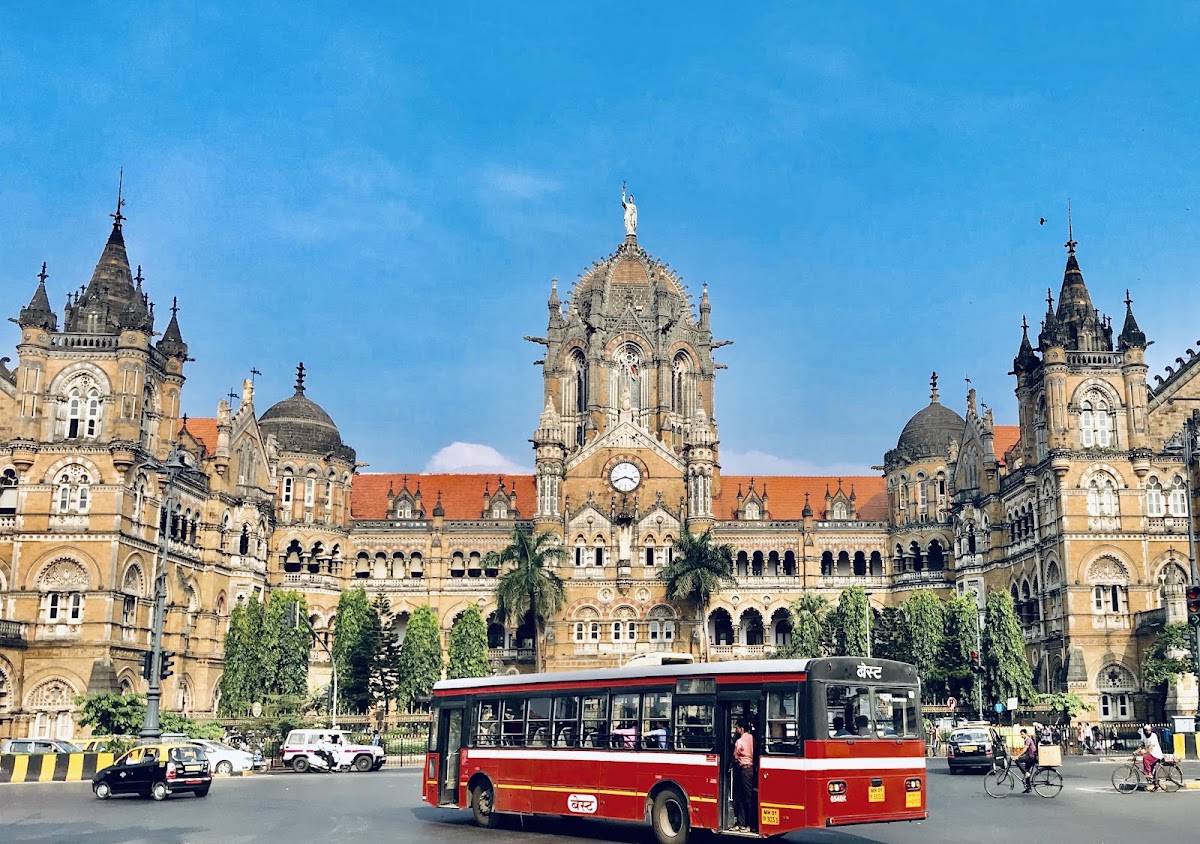
Chhatrapati Shivaji Terminus (still called VT by half the city) is a UNESCO World Heritage Site and possibly the most beautiful working building you'll ever stand inside. Finished in 1887, it's Victorian Gothic layered with Indian motifs: pointed arches, a ribbed dome, peacocks in the ironwork, and a stone lion and tiger guarding the entrance.
Step into the main concourse and just watch for a minute. Commuters stream past under vaulted ceilings while the light comes down through those tall windows. Photography is allowed in the public areas, but keep your camera off the platforms and security zones.
When you've had your fill, you're perfectly placed to eat your way through the Fort district next door. This whole corner of the city rewards walking.
A Street-Food Crawl Through Fort
The hiss of vada pav frying, chai poured from a great height into tiny glasses, and pav bhaji sizzling on a griddle the size of a car hood. Fort is a walking buffet if you know where to stop.
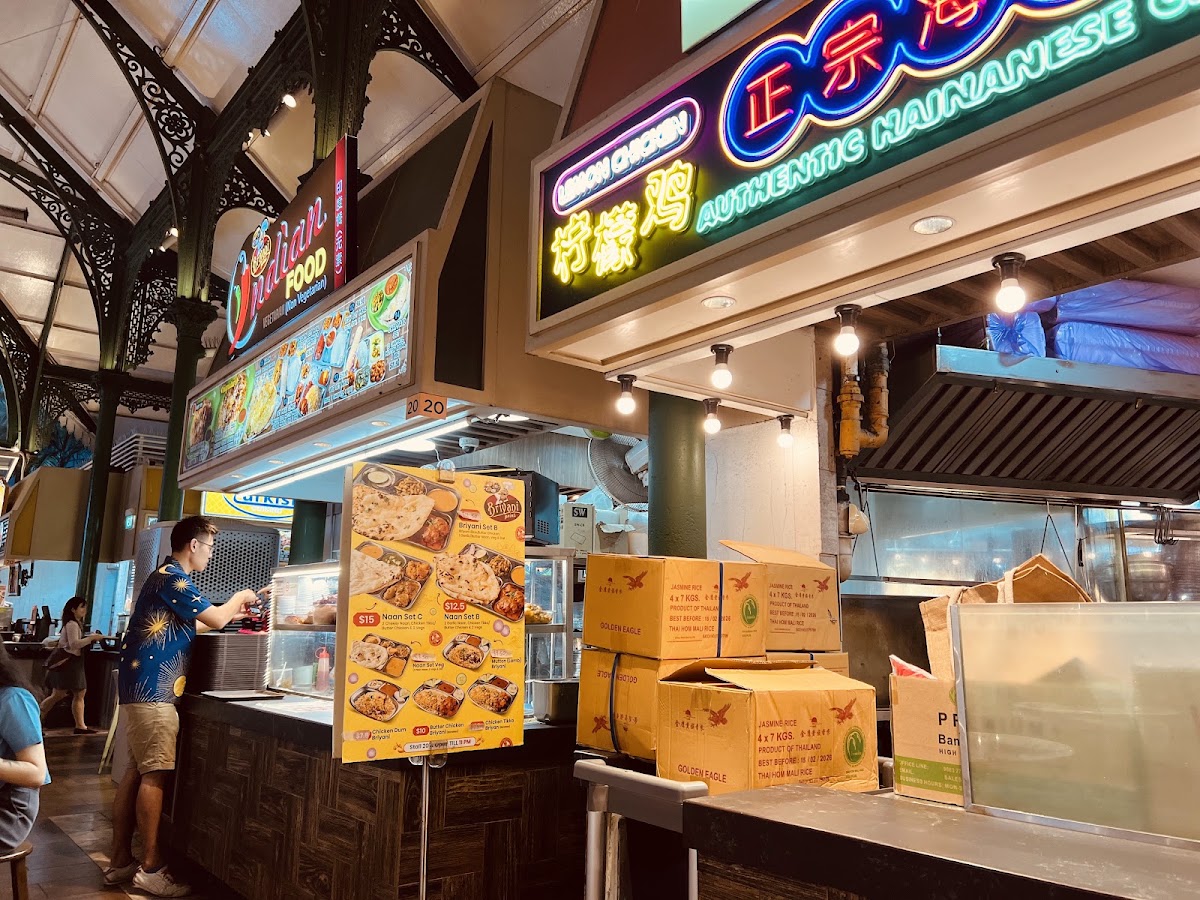
The blocks between CST and Kala Ghoda are dense with food carts and hole-in-the-wall counters. Start with a vada pav, the spiced potato fritter in a bun that Mumbai basically invented, then chase it with cutting chai (a half-glass of strong milky tea) from any stall with a queue.
Work up to pav bhaji, a buttery mashed vegetable curry mopped with soft bread rolls, and if it's mango season, finish with a fresh juice. Most snacks run 20 to 80 rupees each (under a dollar), so you can graze for an hour and spend almost nothing.
Golden rule: eat where locals are lining up and where the food comes out hot and fast. Stick to bottled water and you'll be fine. A guided food walk is a great shortcut if you'd rather someone else vet the stalls.
The Museum and the Art Lane at Kala Ghoda
Cool stone corridors, a great Indo-Saracenic dome overhead, and rooms full of Mughal miniatures and Buddhist sculpture. Then out into an art quarter where the walls themselves are the exhibit.
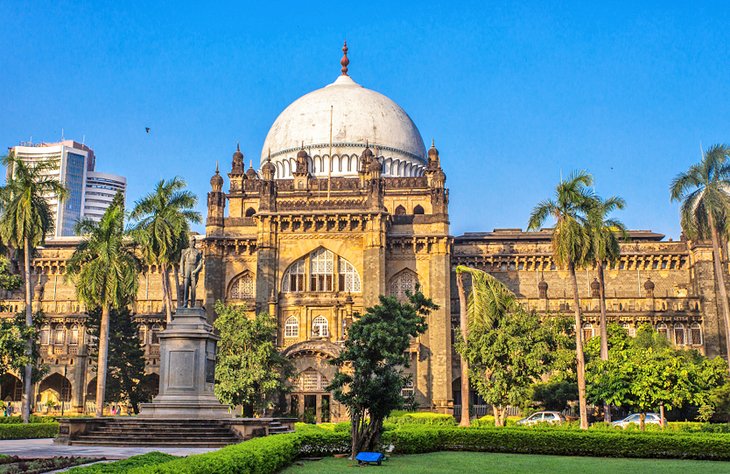
The Chhatrapati Shivaji Maharaj Vastu Sangrahalaya (mercifully shortened to CSMVS) is Mumbai's flagship museum, and it's a proper one: ancient Indus Valley artifacts, jade and armor, natural history, and delicate miniature paintings under one grand dome. Give it a couple of hours. Entry is around 200 rupees for foreign visitors (about 2.50 USD), a little more if you want the audio guide.
Step out into Kala Ghoda, the small arts district just outside, and drop into the Jehangir Art Gallery. Admission is free, the shows rotate constantly, and the pavement outside is often lined with artists selling their own work.
The whole neighborhood is made for slow wandering, with cafes, bookshops, and heritage facades on every corner. Afternoon light here is lovely.
Dhobi Ghat and the Curve of Marine Drive
First, an open-air laundry the size of a village, shirts snapping on lines to the horizon. Later, a two-mile arc of sea wall where the whole city comes to sit and watch the light drop.
Dhobi Ghat is the world's largest open-air laundry, a maze of concrete wash pens where hundreds of dhobis have scrubbed Mumbai's clothes for over a century. The best view is from the Mahalaxmi station bridge, where the rows of drying fabric fan out below you like a patchwork. Watch respectfully and ask before photographing anyone up close.
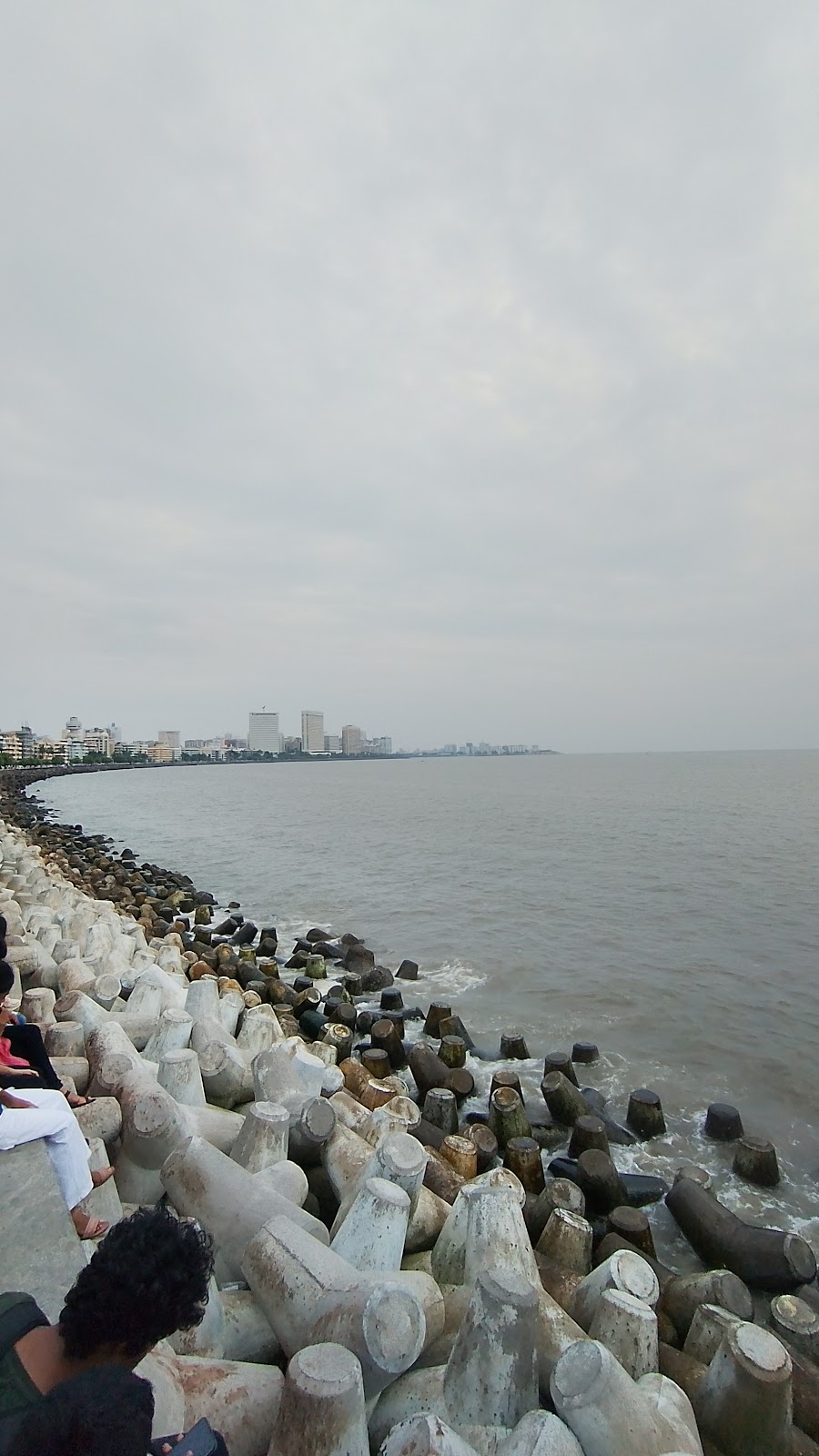
Come evening, make your way to Marine Drive. This is Mumbai exhaling: joggers, courting couples, families with ice cream, all strung along the curved promenade the locals nickname the Queen's Necklace for the way the streetlights glow at night.
Find a spot on the sea wall, buy a roasted corn cob from a cart, and just sit. The Arabian Sea does the rest. If you have a free afternoon, this stretch is the easiest place in the city to do nothing well.
An Hour Across the Water to Elephanta
A slow ferry chugging out of the harbor, the city skyline shrinking behind you, then a jungle-clad island where a six-meter Shiva has watched over a cave for 1,500 years.
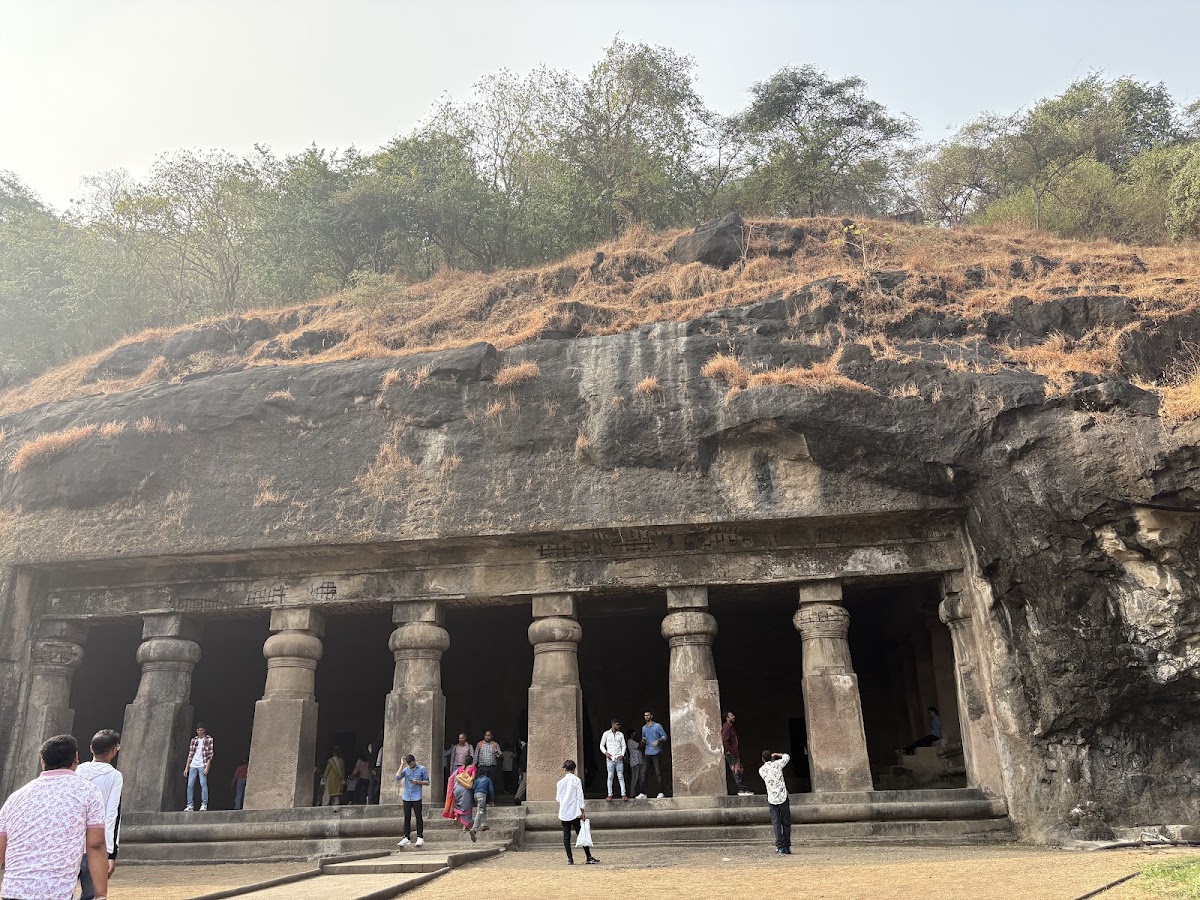
Elephanta Island sits about an hour by ferry from the Gateway of India, and the boat ride alone is worth the trip: harbor forts, seabirds, and the salt breeze. Boats leave through the morning; grab a return ticket and go early to beat both the heat and the crowds.
From the jetty, a small toy train and then a stairway of steps (lined with souvenir sellers and cheeky monkeys, so hold your snacks tight) brings you up to the rock-cut caves. The masterpiece is the Trimurti, a colossal three-faced Shiva carved straight from the basalt, serene and utterly commanding. It's a UNESCO World Heritage Site, and the carving detail rewards a slow, quiet look. Foreign entry to the caves is around 600 rupees (about 7 USD).
Budget the better part of a day for this. Back in the city, the Fort area's Crawford Market is a good next stop, all spice sacks, fruit pyramids, and Victorian stone.
The Causeway to Haji Ali, Then the Airport
A white marble shrine floating at the end of a stone path, waves slapping the causeway on both sides, and the wind carrying qawwali singing across the water. A quiet, moving place to close the trip.
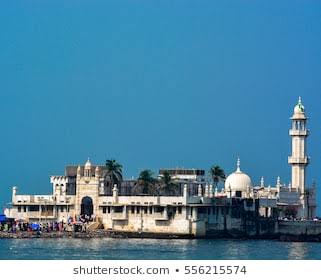
Haji Ali Dargah sits on a tiny islet off Worli, reached by a narrow causeway that the sea swallows at high tide, so time your visit for low tide and you can walk straight out. The 15th-century shrine holds the tomb of a Sufi saint, and it draws people of every faith who come to sit, pray, and listen to the devotional singing.
Dress modestly (shoulders and knees covered, a scarf for the head is respectful), leave your shoes at the entrance, and go early to avoid the midday heat on the exposed walkway. Entry is free. The white domes against the blue of the Arabian Sea are the last great picture Mumbai gives you.
From Worli it's a straightforward ride to the airport, so this makes a graceful final stop before your transfer. Prepay a taxi or book a car ahead so your last hour in the city is calm, not chaotic.
Ready to book?
Book the rest of Mumbai, India
Handpicked partner searches, dates pre-filled. Pricing is identical to going direct — the partner shares a small commission with Tabi so this guide stays free.
Frequently asked
How many days do you need for Mumbai?
Five days is the sweet spot. It gives you the harbor and Colaba, the Fort heritage district, Marine Drive and Dhobi Ghat, a full day out to Elephanta Caves, and a relaxed final morning at Haji Ali without ever feeling rushed. Three days works if you skip Elephanta, but the ferry trip is one of the best things you'll do here.
When is the best time to visit Mumbai?
November to February is ideal, with lower humidity, cooler evenings, and clear skies for Marine Drive sunsets. March to May gets very hot and sticky, and the monsoon from June to September brings heavy rain that can disrupt the Elephanta ferry, though the city looks lush and dramatic in it.
How do I get to the Elephanta Caves?
Ferries depart from the Gateway of India through the morning and take about an hour each way. Buy a return ticket, go early to beat the heat and crowds, and note the caves are closed on Mondays. Foreign entry to the caves is around 600 rupees, and there's a small toy train and a stairway from the jetty up to the site.
Is Mumbai street food safe to eat?
Yes, if you use common sense. Eat at busy stalls with high turnover where food is cooked hot in front of you, favor fried and griddled items like vada pav and pav bhaji, and stick to bottled water and hot chai. A guided food walk in Fort is a great way to sample the classics with someone who knows the trusted vendors.
What should I wear to Haji Ali Dargah and other religious sites?
Dress modestly with shoulders and knees covered. A scarf to cover the head is respectful, especially for women at Haji Ali, and you'll remove your shoes before entering. Visit Haji Ali at low tide so the causeway is walkable, and go early in the day to avoid the midday sun on the exposed path.
Skip the planning
Your Mumbai, India trip, ready to go
Adopt the day-by-day itinerary we built to match this guide. Every stop is a real place, every booking link is validated. Free forever, no card needed.
Open the Mumbai, India itinerary