
Naples, Italy
What to Do in Naples in 4 Days: Pizza, Ruins, and the Views Above It All
A walking log through Naples, from the tunnels under the old city to the ash-frozen streets of Pompeii.

TL;DR
Naples hits you all at once: espresso steam, church bells, scooters, and the smell of dough hitting a wood fire, then quiets into ruins that stop you cold.
- Descend 40 meters into cool Greek tunnels under Piazza San Gaetano
- Bite a Margherita where the pizza was basically invented
- Walk Spaccanapoli, the arrow-straight crack through the old city
- Watch the sun set over the bay from Castel Sant'Elmo
- Wander Pompeii's silent streets in Vesuvius's shadow
Have this trip planned in 60 seconds
We built the Naples, Italy itinerary that pairs with this guide, day-by-day with verified venues and one-tap booking links. Free to adopt, edit however you want.
Landing, and the First Whiff of the City
You step out of arrivals and the air already smells like coffee and warm stone. Naples does not ease you in gently.

Naples International Airport sits shockingly close to the center, barely 15 minutes by road when traffic behaves. That closeness is a gift and a trap: the streets near the old town are a tangle of one-ways, cobbles, and scooters that treat lane markings as suggestions.
Do yourself a favor and skip the drag-your-suitcase-over-cobblestones routine. A private transfer drops you at your hotel door, which matters when your first Neapolitan alley turns out to be barely wider than a car and paved in centuries-old basalt.
Drop your bags, splash your face, and get outside. The city starts the moment you do.
Forty Meters Down, Where the City Keeps Its Secrets
The temperature drops the second you start descending. By the bottom of the stairs the noise of Naples is gone, replaced by dripping water and your own breath.
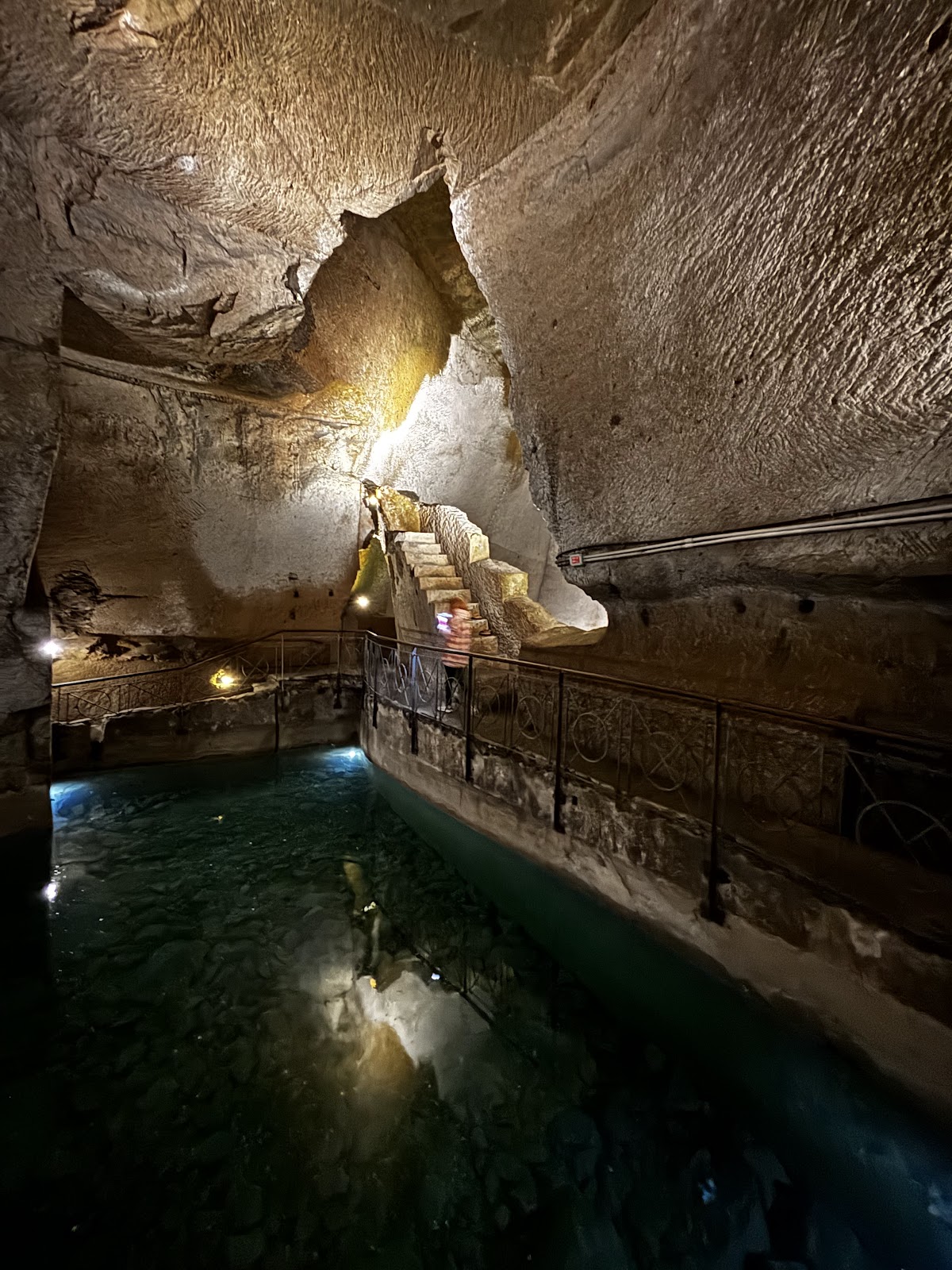
Under Piazza San Gaetano, Napoli Sotterranea opens up a hidden Naples: Greek quarries dug 2,400 years ago, later turned into Roman aqueducts, later still into air-raid shelters during World War II. You walk stone passages by candlelight, and at one point squeeze through a corridor so narrow they hand you a candle and point you into the dark.
Tickets run about 12 EUR (roughly 13 USD) and the guided tour lasts around 90 minutes. Bring a light layer; it stays cool down here even when the streets above are baking.
Come up blinking into the sun and you understand Naples a little better: there is an entire second city beneath your feet.
The Pizza You Came For (Yes, It's Worth the Queue)
The dough hits the 485-degree floor of the oven and puffs in 60 seconds. The cheese blisters, the basil goes dark, and a paddle slides it onto a plate in front of you.
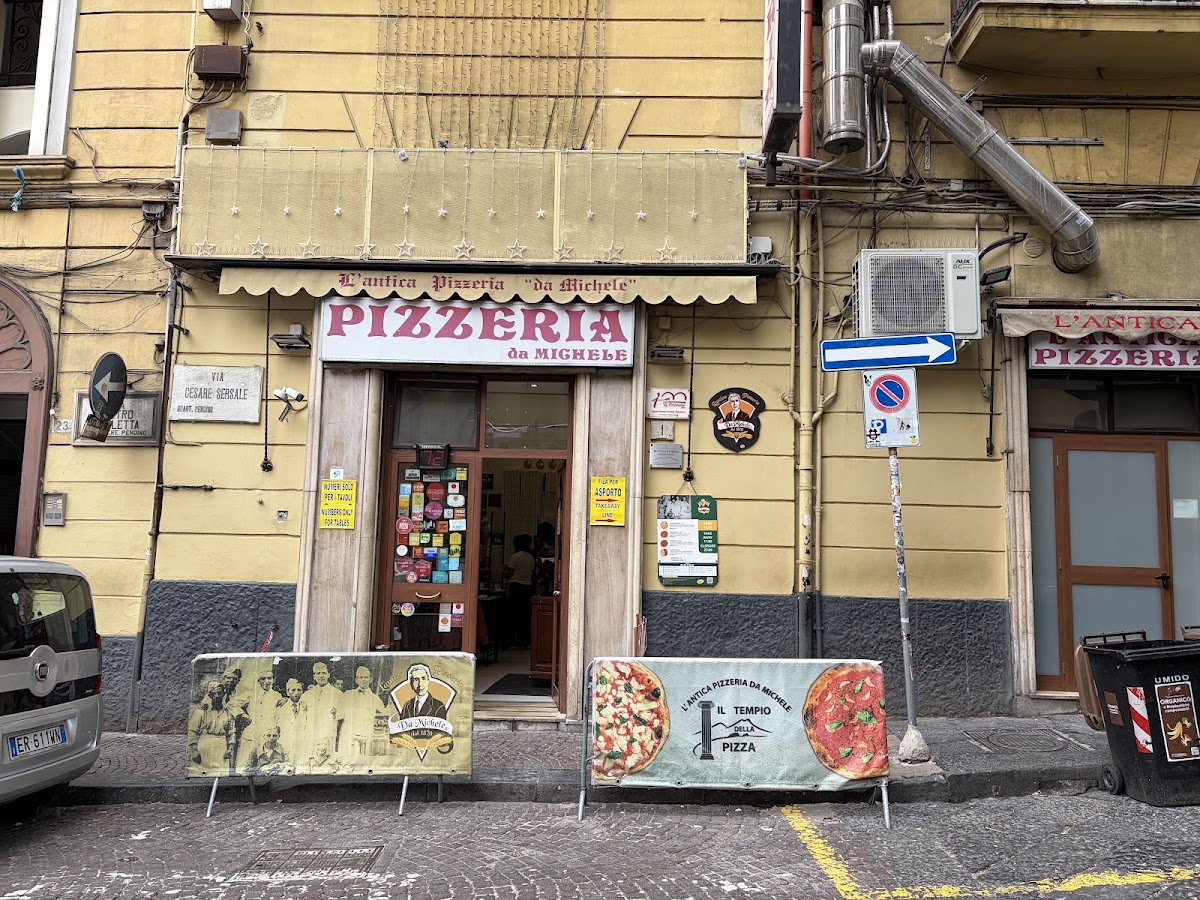
This is the city that gave the world pizza, and along Spaccanapoli the historic pizzerias take that seriously. The classic order is a Margherita: San Marzano tomato, fior di latte, basil, a slick of olive oil, on a crust that is soft and slightly charred, not crisp. Fold a slice, let a little oil run, and eat it standing if the line is long.
Expect to pay around 6 to 9 EUR (7 to 10 USD) for the real thing, plus a short wait at the famous spots. Go a touch before noon or mid-afternoon to dodge the worst of the crowd.
One rule the locals live by: eat it the moment it lands. A Neapolitan pizza waits for no one.
Walking the Straightest Line in Naples
Look down the street and it runs dead straight to a vanishing point, laundry strung overhead, a strip of blue sky between the tenements.

Spaccanapoli is the arrow-straight lane that literally splits the old city in two, following the line of an ancient Roman road. Walking it is the best way to feel Naples: shrines tucked into walls, sfogliatella steam curling out of doorways, a nativity-figure workshop next to a phone repair shop next to a 700-year-old church.
Duck into Piazza del Gesù Nuovo to see the strange diamond-studded church facade, then let the street pull you east past cloisters and tiny piazzas. There is no wrong way to do this; the joy is in getting slightly lost.
Give it a couple of hours with plenty of stops. Every doorway here is a small event.
The Museum That Holds Pompeii's Treasures
You round a corner and there is the Farnese Hercules, three and a half meters of ancient muscle carved from marble, still throwing shade after two thousand years.

The National Archaeological Museum of Naples is where the best finds from Pompeii and Herculaneum ended up: the electric mosaics, the eerily preserved frescoes, the household objects that make an eruption feel personal. Seeing this before Pompeii is smart, because it tells you what once filled those empty rooms.
Don't skip the Secret Cabinet (the Gabinetto Segreto), a room of Roman erotic art that says a great deal about ancient Naples's sense of humor. Entry is around 22 EUR (24 USD), and you'll want at least two hours inside.
Go early. The morning light through the tall galleries is worth it, and the crowds thin around lunch.
Seafood by the Water at Santa Lucia
The sun drops behind the bay, the Castel dell'Ovo glows orange on the water, and a plate of spaghetle alle vongole lands with a little cloud of steam and garlic.

Down at the Santa Lucia waterfront the mood shifts from frantic to golden. This is the place for a proper seafood dinner: clams still in their shells, grilled fish, maybe fried anchovies, all washed down with a cold local white while boats bob a few meters away.
A relaxed dinner here runs 30 to 50 EUR (33 to 55 USD) a head depending on how much fish you order. Book a table near the water for sunset; the light on the bay is the whole point.
After dinner, walk the seafront a while. The evening breeze off the Tyrrhenian is the softest Naples ever gets.
The View That Makes Sense of Everything
You come out onto the terrace and the whole city is laid out below: red rooftops, the sweep of the bay, and Vesuvius sitting quiet on the horizon like it's just resting.
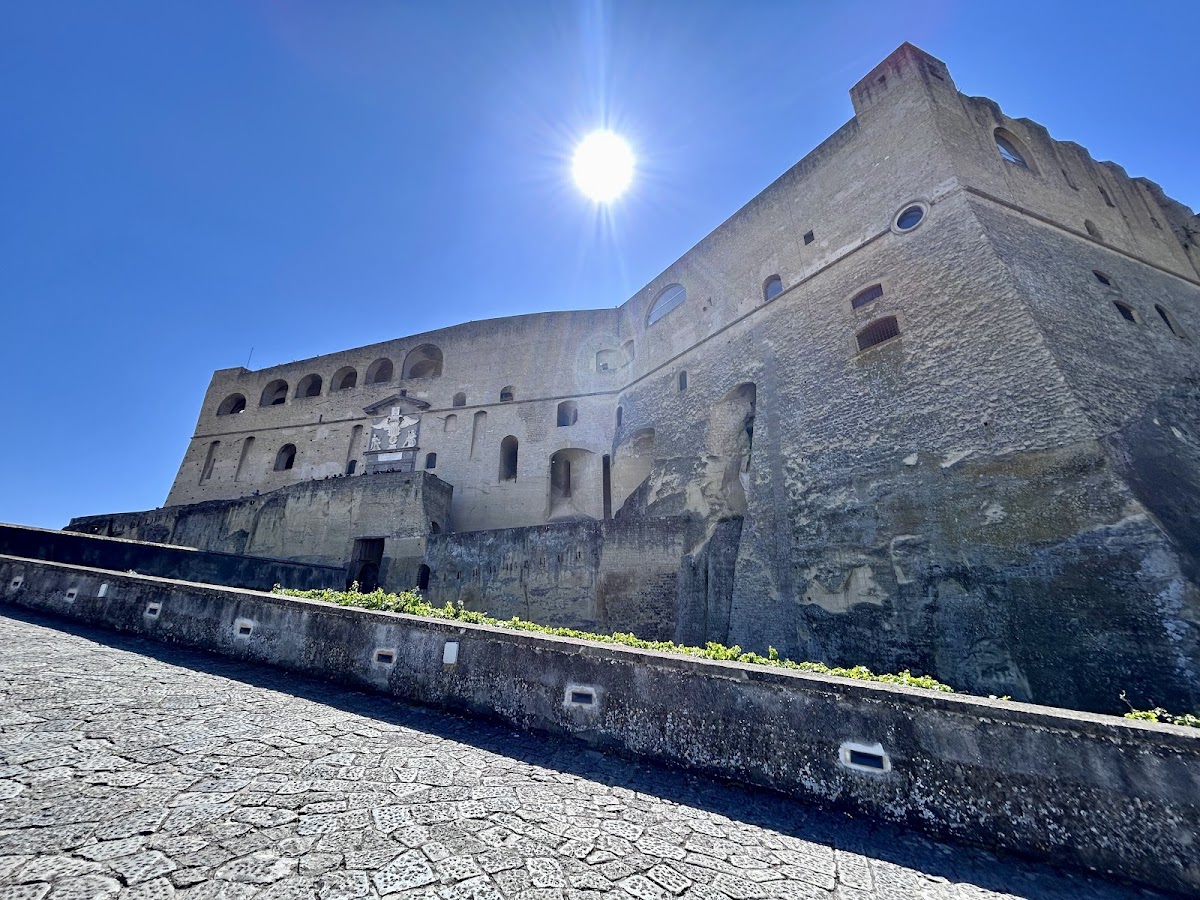
Castel Sant'Elmo crowns the Vomero hill, and its ramparts give you the single best 360-degree view in Naples. From up here the chaotic streets you walked yesterday resolve into a beautiful, dense grid, and you can trace the straight scar of Spaccanapoli cutting right through it.
Ride the funicular up from the center to save your legs, then pay the small entry fee (around 5 EUR, or 6 USD) for the rooftop. Time it for late afternoon and stay for the golden hour.
With your last free evening, drift back down into the historic center for a wander. No plan needed; the city does the rest.
Pompeii, Frozen Mid-Breath
You step onto a Roman street rutted by cart wheels, and there it is over the rooftops: Vesuvius, the mountain that did this, looming and calm.
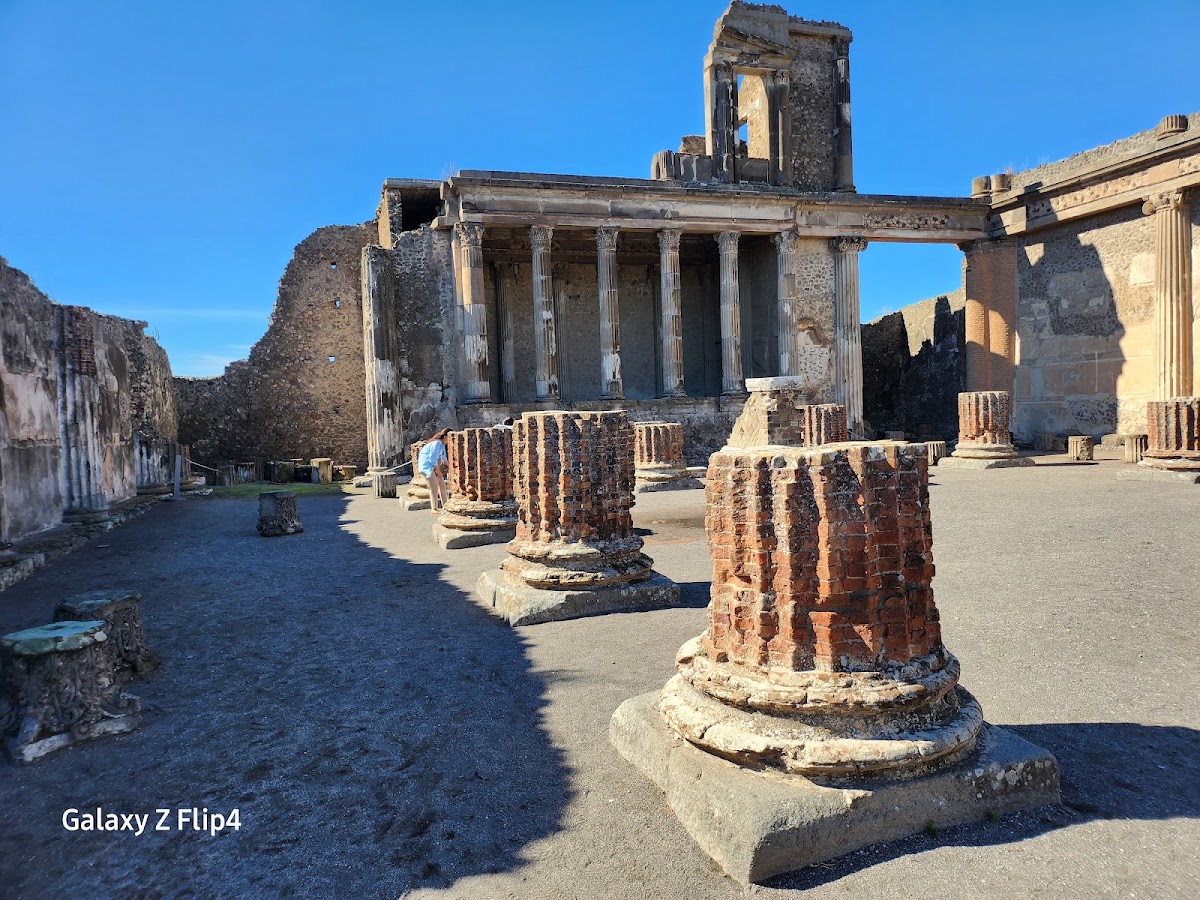
The Circumvesuviana train from Napoli Porta Nolana gets you to Pompeii in about 40 minutes for a few euros. Then the ancient city opens up: bakeries with the ovens intact, frescoed villas, a stone amphitheater, and the plaster casts of people caught in the eruption of 79 AD. It is enormous and genuinely moving.
Entry to the Pompeii Archaeological Park is around 18 EUR (20 USD). Wear real shoes for the uneven stones, carry water, and bring a hat; there is almost no shade among the ruins. Budget at least three hours, more if you love it.
If you want the day mapped out properly, the curated 4-day Naples itinerary linked on this page threads Pompeii, the museum, and the old town together without the guesswork.
Ready to book?
Book the rest of Naples, Italy
Handpicked partner searches, dates pre-filled. Pricing is identical to going direct — the partner shares a small commission with Tabi so this guide stays free.
Frequently asked
How many days do you need in Naples?
Four days is the sweet spot: two for the historic center, food, and Napoli Sotterranea, one for the Vomero viewpoints and a free evening, and one full day for Pompeii. Three works if you skip the museum, but you'll feel rushed.
Is it easy to do Pompeii as a day trip from Naples?
Very. The Circumvesuviana train leaves from Napoli Porta Nolana (and Napoli Garibaldi) and reaches Pompeii in about 40 minutes for a few euros. Go early to beat the heat and crowds, and set aside at least three hours inside the park.
Where should I eat pizza in Naples?
The historic pizzerias along and around Spaccanapoli are the classic choice, home turf for the Margherita. Order it, eat it the moment it arrives, and expect a short queue at the famous spots, especially around midday.
Is Naples safe for tourists?
Naples is generally fine for visitors, but it's a big, busy city, so keep an eye on your phone and wallet in crowded streets and on the Circumvesuviana. Stick to well-trafficked areas at night and you'll be comfortable.
What's the best way to get from Naples airport to the city?
The airport is only about 15 minutes from the center by road. A private transfer is the easiest option given the narrow, cobbled streets around the old town, though the Alibus airport shuttle is a cheaper alternative to the main square and port.
Skip the planning
Your Naples, Italy trip, ready to go
Adopt the day-by-day itinerary we built to match this guide. Every stop is a real place, every booking link is validated. Free forever, no card needed.
Open the Naples, Italy itinerary