
Nara, Japan
What to Do in Nara in 3 Days: Deer, Giant Buddha, and the Lantern Walk
A picture-first walking log through Japan's first capital, from the bowing deer to a 1,000-lantern shrine in the forest.
TL;DR
Nara is where you step off a 45-minute train and suddenly 1,200 deer are bowing at you under cedar trees older than most countries.
- Bowing deer in Nara Park mug you for crackers at every bend
- Todai-ji's Great Buddha, 15 meters of bronze in a wooden hall
- Kasuga Taisha's 3,000 lanterns glowing green with moss in the forest
- Isuien Garden framing Mount Wakakusa through a teahouse window
- Naramachi's old merchant lanes, lattice windows, and kuzu-mochi spots
Have this trip planned in 60 seconds
We built the Nara, Japan itinerary that pairs with this guide, day-by-day with verified venues and one-tap booking links. Free to adopt, edit however you want.
The 45-Minute Train That Drops You 1,300 Years Back
The Kintetsu platform smells of warm vending-machine coffee, then the doors slide open at Kintetsu-Nara and you walk straight into a town where the deer have right of way.
From Kyoto, the Kintetsu Limited Express runs Kyoto Station to Kintetsu-Nara in about 45 minutes for around 1,160 yen (roughly $8). From Osaka Namba it is a similar hop. Skip the slower local trains; the Limited Express gets you there before the morning deer get restless.
Kintetsu-Nara Station puts you a two-minute walk from the park's edge, which is the one you want. JR Nara Station is also fine but sits a little further out, about a 15-minute walk or a quick bus. Either way, you can leave a bag in the coin lockers near the ticket gates and travel light into the park.
Step out of exit 2 and start walking east. Within five minutes the shop awnings give way to trees, and the first deer are already watching you like they know you have crackers. You don't yet. That comes next.
The Deer That Bow Before They Mug You
A doe tilts her head down at you, holds it, then snaps back up expecting payment. The cracker vendors nearby are not charity; they are armories.
Nara Park spreads across more than 500 hectares, and about 1,200 wild sika deer roam it freely. They are considered messengers of the gods at Kasuga Taisha, which is why they wander temple steps and traffic islands like they own the place, because historically they kind of do.
Buy a stack of shika senbei (deer crackers) from a licensed vendor for 200 yen (about $1.40). Hold one up and some deer will dip their heads in a little bow before taking it. Fair warning: the moment they see the crackers, the polite bowing turns into a gentle nose-first ambush, so hand them out quickly and keep your pockets zipped.
Mornings are calmest, before the day crowds arrive and before the deer are fully fed and sleepy. This is the stretch you'll remember, the one with the cedar light and the clack of your own footsteps between the trees.
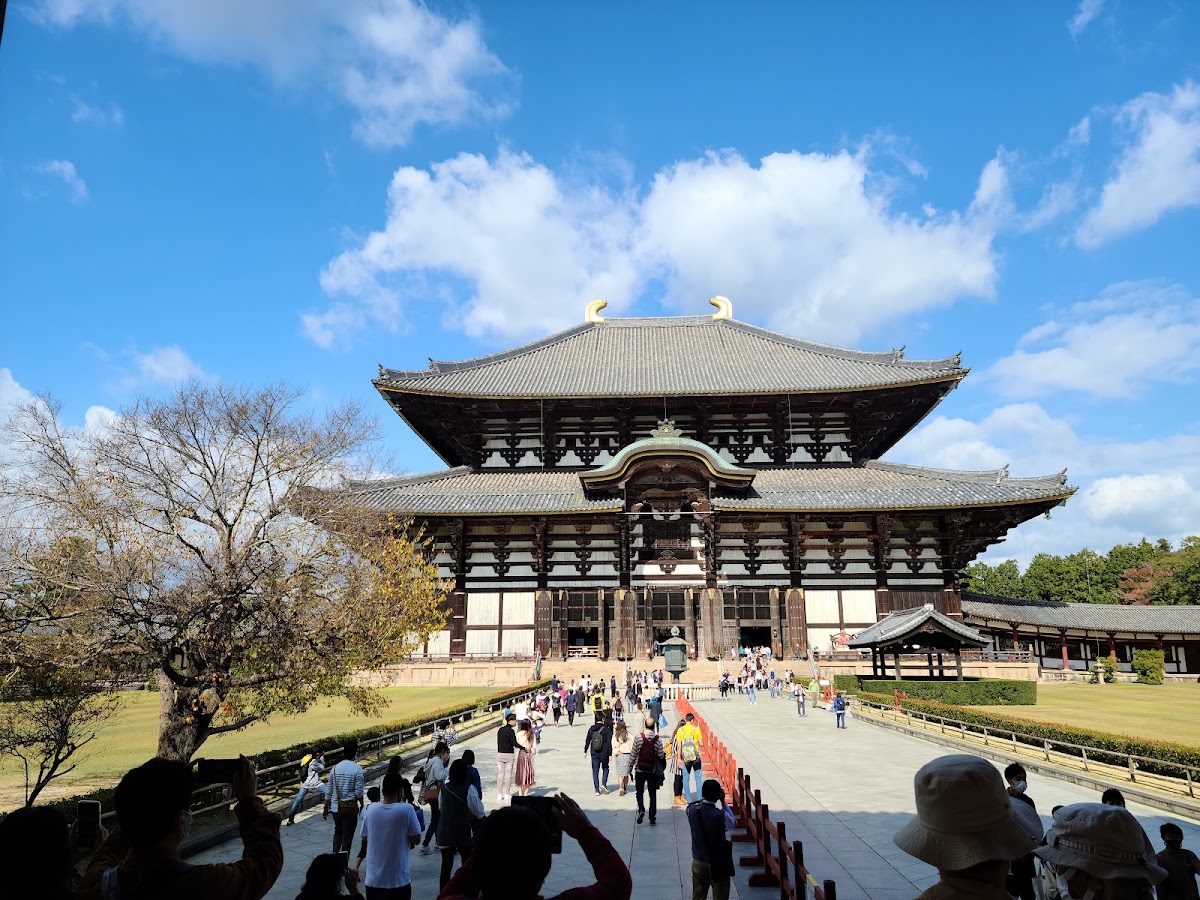
Standing Under 15 Meters of Bronze Buddha
You duck through the wooden gate, look up, and the Great Buddha Hall is simply too big for your eyes to take in at once. Inside, the air is cool and smells of old timber and incense.
Todai-ji's Daibutsuden, the Great Buddha Hall, is one of the largest wooden buildings in the world, and the bronze Buddha seated inside stands about 15 meters tall. The scale does something strange to your sense of distance; people at the base look like figurines.
Around the back of the hall there is a wooden pillar with a hole carved through its base, said to be the size of the Buddha's nostril. Children (and limber adults) squeeze through it for good luck. It is cheerfully undignified and completely worth watching.
Entry is 800 yen (about $5.50). You can check hours and seasonal details on the official site at todaiji.or.jp. Give yourself at least an hour here; the approach path through Nandaimon Gate, guarded by two towering wooden Nio statues, deserves a slow walk on its own.
Three Thousand Lanterns in a Mossy Forest
The path narrows, the trees close in, and suddenly the stone lanterns start: hundreds of them, green with moss, marching uphill toward a shrine painted the deep red of persimmon.
Kasuga Taisha is Nara's grand shrine, founded in 768, and it is famous for its lanterns: around 3,000 of them, stone ones lining the forest approach and bronze ones hanging under the eaves. On a quiet weekday the walk up through the lantern-lined cedar path feels like the forest is holding its breath.
Entry to the shrine grounds is free, with a paid inner area of 700 yen (about $5) where many of the hanging bronze lanterns are clustered. There is a darkened room where the lanterns are lit to show you what the twice-yearly lantern festivals look like, and it is genuinely one of the quietest, strangest few minutes you'll spend in Nara.
Take the forest path rather than the road. It is slightly longer and completely worth it, with deer appearing between the lantern stones like they wandered out of a painting.
The Garden That Borrows a Whole Mountain
You sit on the tatami edge of a teahouse, look up from your matcha, and realize the garden has quietly arranged Mount Wakakusa into its own view.
Isuien Garden is Nara's loveliest strolling garden, built across two sections with ponds, stepping stones, and immaculate moss. Its masterstroke is shakkei, borrowed scenery: the designers framed the distant hills and the roof of a Todai-ji gate so they read as part of the garden itself.
Entry is 1,200 yen (about $8), which also gets you into the small Neiraku Art Museum on the grounds. There is a teahouse where you can order matcha and a sweet and simply sit, watching the carp cut lazy lines across the pond.
After the crowds of the Great Buddha, this is the exhale. Thirty minutes here resets you completely, and it is a two-minute walk from Todai-ji's western approach, so it slots neatly into the afternoon.
Dinner Down a Lantern-Lit Side Street
Noren curtains sway in doorways, the clink of glasses spills out, and the smell of grilled skewers and soy pulls you off the main road into the backstreets.
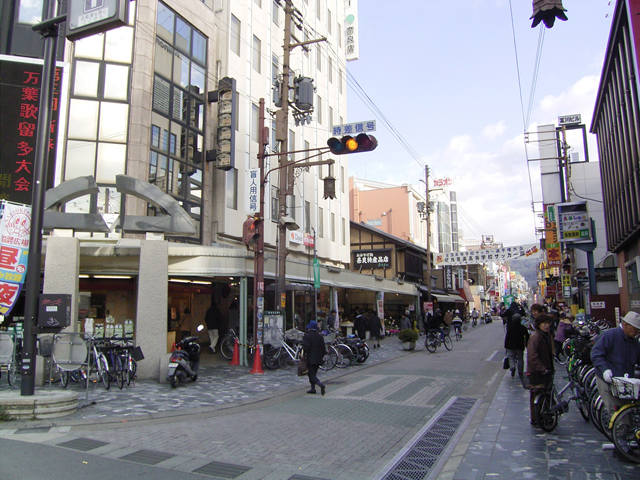
Nara quiets down early, so plan your evening around the small izakaya and restaurants clustered near Kintetsu-Nara and the Sanjo-dori area. This is the time to try local specialties: kakinoha-zushi, sushi wrapped in persimmon leaves (a centuries-old preservation trick from a landlocked region), and miwa somen noodles.
For lunch earlier in the day, look for a traditional spot serving cha-gayu, Nara's tea rice porridge, or a kaiseki-style set if you want to slow down properly. Many of the better places near the park close by mid-afternoon, so lunch is where Nara's kitchens really shine.
Most izakaya meals run 2,500 to 4,000 yen per person (about $17 to $27) with a drink or two. Book nothing fancy; just wander the lanes behind the main street and follow the warmest-sounding doorway.
The Old Merchant Lanes of Naramachi
Lattice-fronted townhouses lean over narrow lanes, red fabric monkeys dangle from the eaves, and a shop sells kuzu-mochi so soft it barely holds its shape on the spoon.
Naramachi is the former merchant district, a grid of preserved machiya townhouses south of Sarusawa Pond. The wooden fronts, the deep lattice windows, and the little red 'migawari-zaru' monkey charms hanging in doorways make it the most atmospheric walk in the city, and it is almost entirely free to wander.
Duck into Naramachi Koshi-no-ie, a restored merchant house open to the public at no charge, to see how these long, narrow homes were laid out around interior courtyards. Then let yourself get lost; the whole point is the drift between craft shops, tiny cafes, and galleries tucked behind sliding doors.
This makes a perfect final morning before you catch the train back. It is a 10-minute walk from Kintetsu-Nara, so you can wander Naramachi, grab one last sweet, and roll your bag to the platform without rushing.
The Easy Ride Back to Kyoto or Osaka
One last deer watches you from the station steps as the Limited Express glides in, and 45 minutes later you're back in the big-city rush, blinking.
Nara sits so close to both Kyoto and Osaka that most people base themselves in one of those and day-trip in. If you did the full three days and stayed in Nara, the ride home is painless: Kintetsu-Nara back to Kyoto or Osaka Namba in around 45 minutes.
Use the coin lockers at the station on your final day so you can wander Naramachi hands-free, then collect your bag on the way out. The Limited Express is worth the small surcharge for a reserved seat and a guaranteed window on the way back.
If you're continuing your trip and need a fresh data plan before the next city, this is a good moment to sort it. Then settle in, watch the deer-dotted park slide past the window, and let Nara fade out gently.
Ready to book?
Book the rest of Nara, Japan
Handpicked partner searches, dates pre-filled. Pricing is identical to going direct — the partner shares a small commission with Tabi so this guide stays free.
Frequently asked
Can I see Nara as a day trip, or should I stay overnight?
A day trip from Kyoto or Osaka (about 45 minutes each way) covers the Great Buddha, Nara Park deer, and Kasuga Taisha comfortably. Staying one or two nights lets you catch the park in the quiet early morning and late afternoon, and gives you time for Isuien Garden and Naramachi without rushing.
Are the Nara deer safe to feed and be around?
They are wild animals but very used to people. Buy the licensed shika senbei crackers (200 yen), feed them quickly, and keep food out of sight otherwise, as they will nudge bags and pockets. Some deer bow before taking a cracker. Be a little cautious with small children, as the deer can get pushy at feeding time.
What is the best order to visit Nara's main sights?
Walk east from Kintetsu-Nara into Nara Park, then on to Todai-ji for the Great Buddha, loop up through the forest path to Kasuga Taisha, and come back down via Isuien Garden. Save Naramachi's merchant streets, south of Sarusawa Pond, for a relaxed final morning.
What food is Nara known for?
Try kakinoha-zushi (sushi wrapped in persimmon leaves), miwa somen noodles, cha-gayu (tea rice porridge), and kuzu-mochi for dessert. Lunch spots near the park serve the best traditional sets, since many close by mid-afternoon. For dinner, head to the izakaya near Sanjo-dori and Kintetsu-Nara.
How much does it cost to enter Nara's main temples and gardens?
Todai-ji's Great Buddha Hall is about 800 yen, Kasuga Taisha's inner lantern area about 700 yen, and Isuien Garden about 1,200 yen (which includes the Neiraku Art Museum). Nara Park itself and wandering Naramachi are free. Budget roughly 3,000 yen in entry fees to see the highlights.
Skip the planning
Your Nara, Japan trip, ready to go
Adopt the day-by-day itinerary we built to match this guide. Every stop is a real place, every booking link is validated. Free forever, no card needed.
Open the Nara, Japan itinerary