
Nashville, United States
Nashville in 4 Days: Honky-Tonks, the Opry, and the Music You Came For
From neon-lit Broadway to the hallowed stage of the Grand Ole Opry, this is the sound of Nashville.
TL;DR
Follow the twang of a steel guitar from the honky-tonks on Broadway to the hallowed circle of the Grand Ole Opry.
- Sunset on Broadway: neon signs flicker on as cover bands fill the air with country classics.
- Country Music Hall of Fame: Elvis’s gold Cadillac and Dolly’s handwritten lyrics.
- Ryman Auditorium: sit in the pews where Johnny Cash once stood.
- Grand Ole Opry: the live radio show that made country music a national treasure.
- Music Row: a walking tour past the unassuming studios where hits were born.
Have this trip planned in 60 seconds
We built the Nashville, United States itinerary that pairs with this guide, day-by-day with verified venues and one-tap booking links. Free to adopt, edit however you want.
Broadway at Night: Neon Guitars and Open Doors
You hear it before you see it: a dozen overlapping songs spilling from open doors, neon guitars flickering above every entrance.
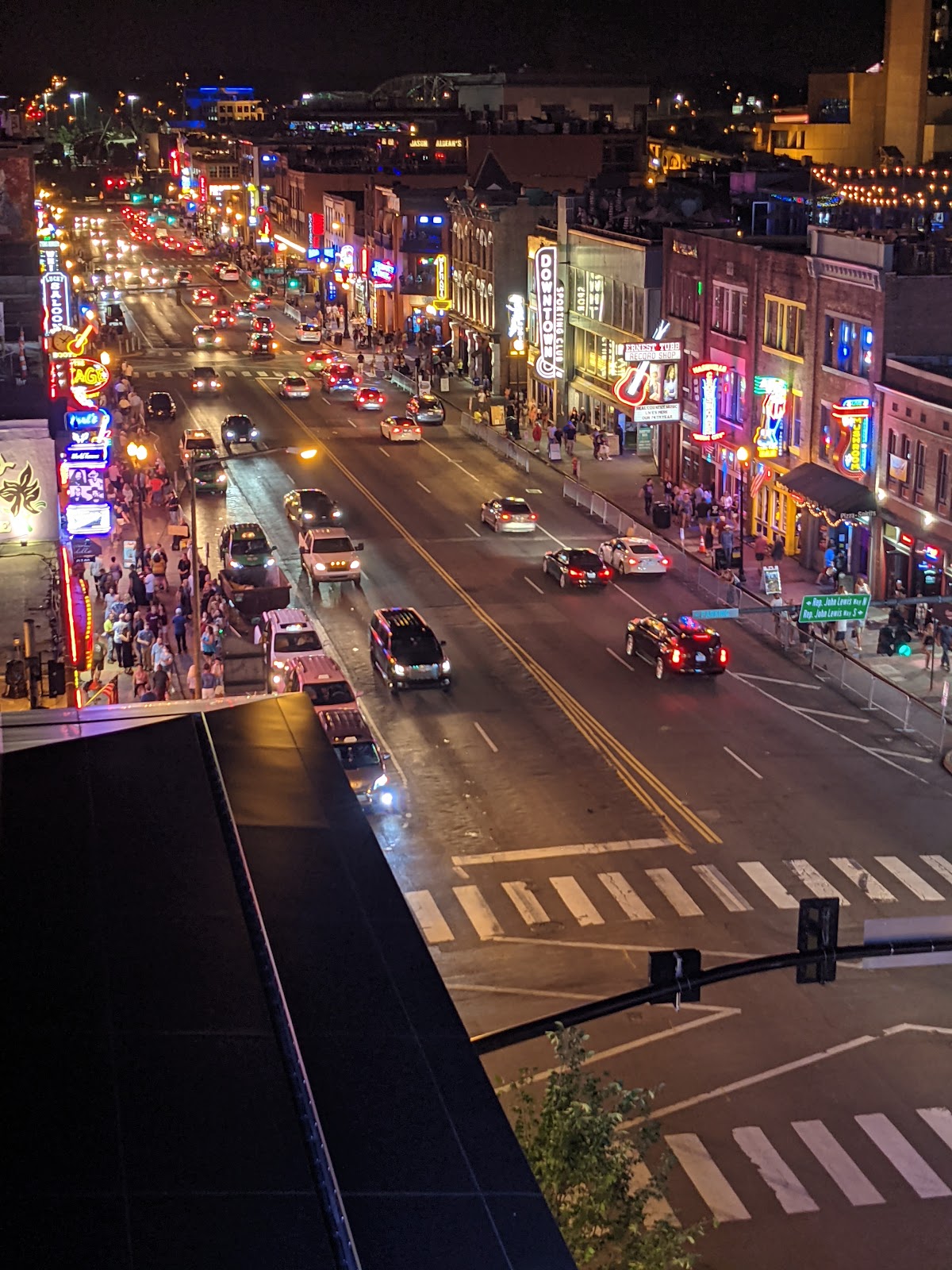
Step onto Broadway around dusk and the street transforms. Each honky-tonk from Tootsie’s Orchid Lounge to Robert’s Western World has its front door wide open, letting the steel guitars and fiddles tumble onto the sidewalk. Grab a cold beer at a standing-room-only bar and listen to a cover of “Friends in Low Places” from a band that plays six nights a week.
This is where Nashville’s music scene feels most alive. The energy is free and loud, and you can hop between venues all night without a cover charge. Stay until the neon starts to dim, and you’ll understand why they call this place Music City.
The Hall of Fame: Guitars, Costumes, and the Story of Country
A gold-leafed 1960 Cadillac sits in the center of the lobby, Elvis’s fingerprints still imagined on the steering wheel.
The Country Music Hall of Fame is a cathedral of memorabilia. You’ll see Dolly Parton’s handwritten lyrics on a cocktail napkin, Johnny Cash’s black stage suit, and the actual recording console from the historic RCA Studio B. Take your time in the rotating exhibits; one might feature the rise of women in country, another the evolution of the pedal steel guitar.
The building itself feels like a piano key from the outside, all curves and glass. Inside, the hall of plagues lists every inductee since 1961. Walk slowly past the wall of gold records, and you’ll hear the hum of classic songs playing softly from hidden speakers.
The Mother Church: Where Stars Still Shine
The wooden pews creak as you sit down, and the stage lights hit the stained glass at the back of the auditorium.
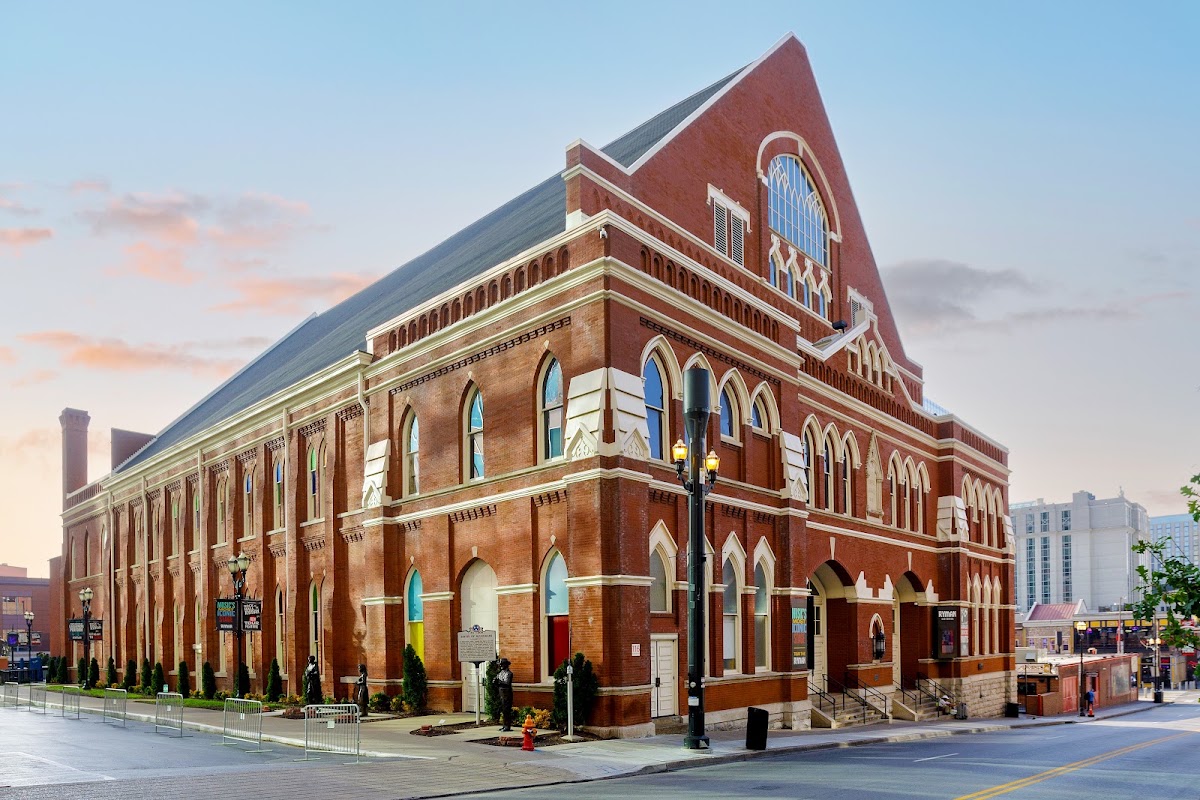
Ryman Auditorium is more than a venue; it’s a pilgrimage site for any country music fan. Originally a tabernacle, the acoustics here are so pristine that artists from Johnny Cash to Lizzo have recorded live albums in these walls. The pews are still original, worn smooth by decades of audiences.
Take the backstage tour to see the dressing rooms where stars like Patsy Cline prepared. Look up at the balcony where the Opry once broadcast live radio shows. If you’re lucky enough to catch a concert here, you’ll feel the floor vibrate with every chord.
The Show That Made Country Famous
A six-foot circle of wood on the stage marks the exact spot where every performer stands, and tonight someone new will leave their mark.
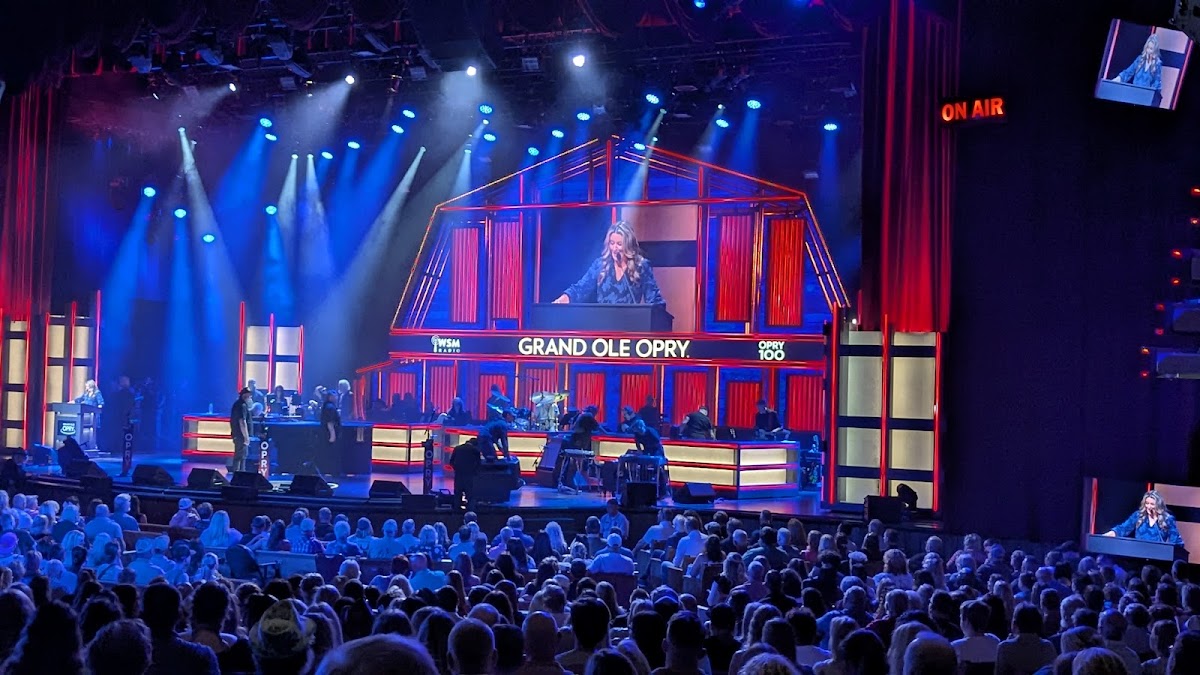
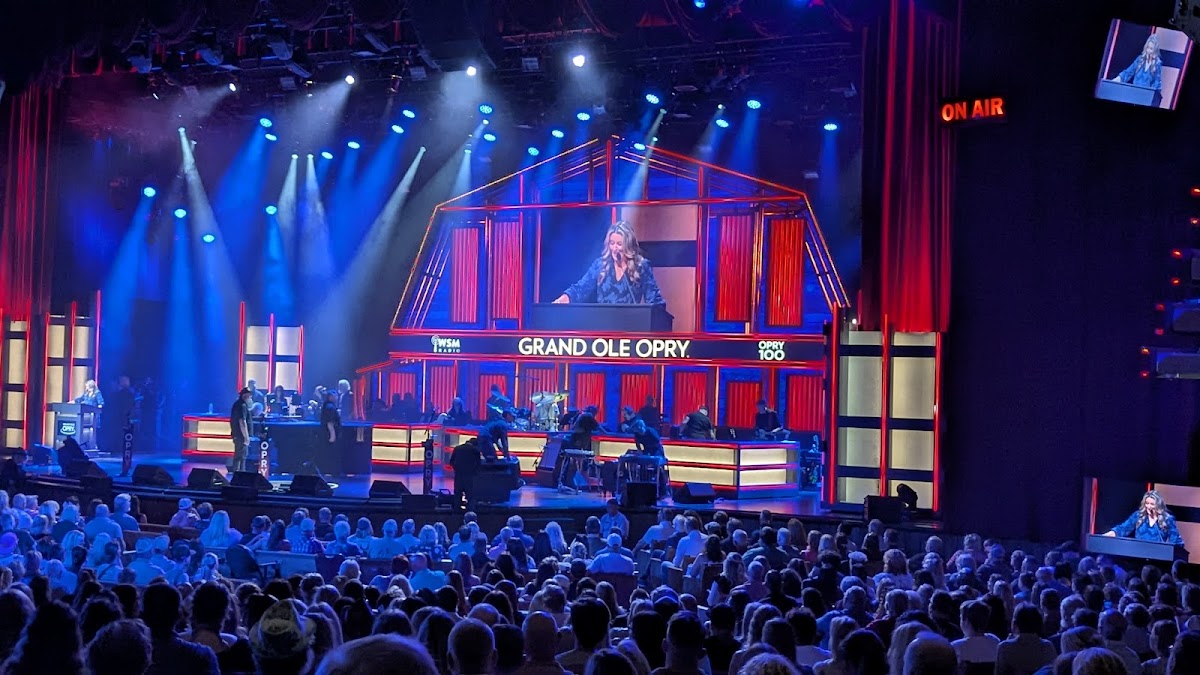
The Grand Ole Opry is a live radio institution that has been running since 1925. The current home is a massive theater complex with a backstage maze of hallways lined with photos of every Opry member. Find your seat early and watch the warm-up comedian; the atmosphere is part concert, part family reunion.
When the house lights go down, the show features a rotating lineup of country legends and rising stars. You might see a surprise guest walk out from the side curtain. The announcer’s voice booms, and the band kicks into a fiddle tune. This is the heartbeat of Nashville’s musical soul.
Music Row: Where Songs Are Written in Tiny Rooms
The studios look like ordinary houses from the street, but inside those walls were penned every hit from “Jolene” to “Crazy”.
Music Row is a pair of streets (16th and 17th Avenues South) crammed with recording studios, publishing houses, and label offices. On a walking tour, you’ll stop at RCA Studio B, where Elvis recorded over 200 songs, and the Quonset Hut where the Nashville sound was born. The guides are often musicians themselves and will point out the window where the songwriter would start humming a new melody.
Don’t expect flashy signs. These are low-slung brick buildings with unmarked doors. That’s part of the charm. You’ll hear the faint sound of a piano from an open window, and you’ll realize that the next country classic could be written in one of these rooms right now.
Tasting Nashville: Hot Chicken, Barbecue, and Biscuits
The smell of cayenne and frying oil hits you a block before you reach the counter.
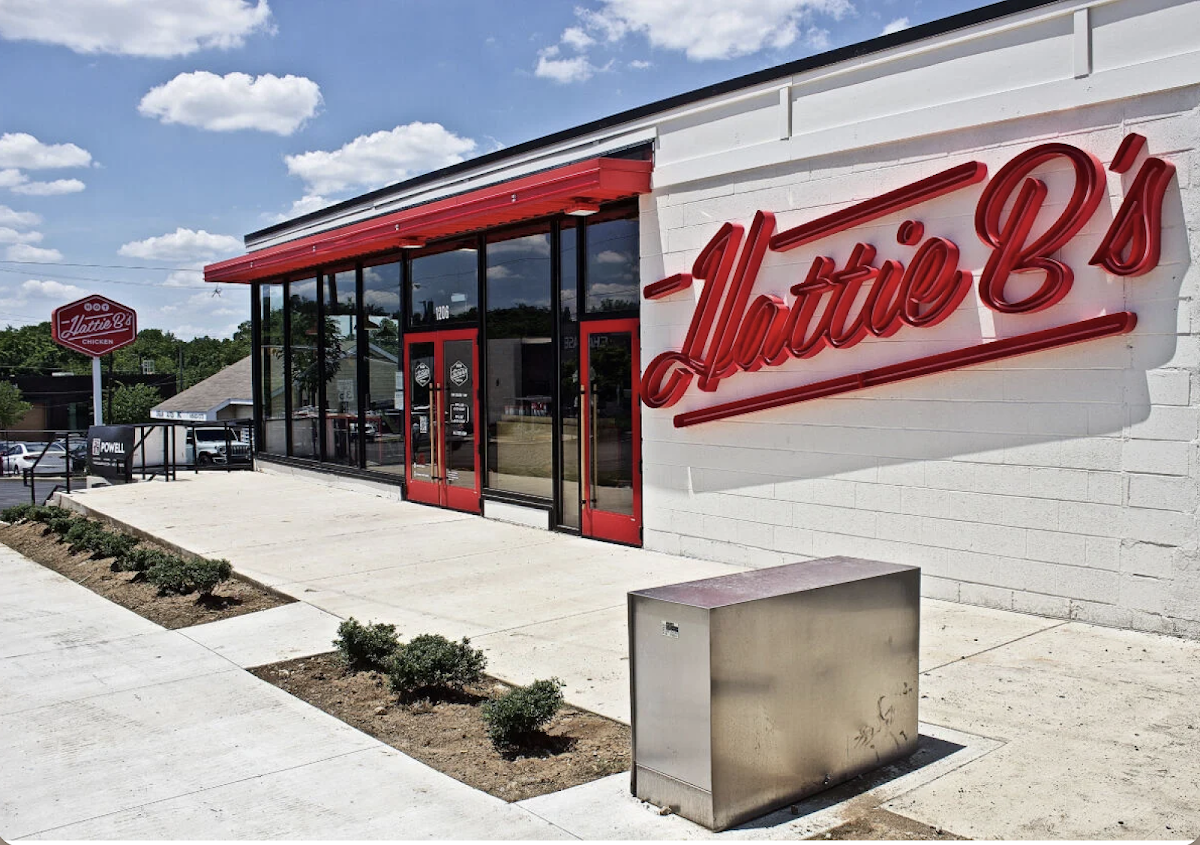
Southern food in Nashville isn’t a side note; it’s a main dish. Start with hot chicken at Hattie B’s. Order the medium unless you want to cry into your coleslaw. The chicken comes on a slice of white bread with pickles on the side. For barbecue, head to Martin’s Bar-B-Que Joint for their dry-rubbed ribs and banana pudding.
On your last morning, find a classic diner like Puckett’s for biscuits and gravy or the “Meat and Three” plate (choose one meat and three sides). The iced tea is sweet, the service is friendly, and the conversations at the next table are as musical as any stage.
One Last Night on Broadway: Finding Your New Favorite Song
A solo guitarist on a tiny stage plays a song you’ve never heard, and for three minutes the whole bar stops drinking to listen.
Your final evening belongs to Broadway again, but this time you know the layout. Skip the biggest tourist traps and duck into The Stage on Broadway or Layla’s Bluegrass Inn for a more intimate set. The talent here is staggering: you’ll see songwriters who have penned hits for Luke Bryan and Carrie Underwood playing their own tunes for a crowd of twenty.
Order a Jack and Coke, tip the band, and let the night roll. When the last note fades and you walk back onto the street, the neon will still be blazing. That’s Nashville’s promise: the music never stops.
Ready to book?
Book the rest of Nashville, United States
Handpicked partner searches, dates pre-filled. Pricing is identical to going direct — the partner shares a small commission with Tabi so this guide stays free.
Frequently asked
What is the best time of year to visit Nashville for live music?
Spring (April to May) and fall (September to October) offer mild weather and fewer crowds. Summer brings humidity but also big outdoor festivals like CMA Fest in June. Winter is quieter, but the shows go on indoors.
Can I visit the Grand Ole Opry backstage?
Yes, daytime backstage tours are available when there is no matinee show. You’ll see the dressing rooms, the famous circle of wood, and the Opry members’ photos. Book tickets in advance on the official Opry website.
Is Broadway family-friendly during the day?
Absolutely. During the day, many honky-tonks have family-friendly lunch menus and live music that’s lower volume. After about 9 PM, the crowds skew adult, but kids are still welcome in most venues until closing.
Do I need a car to get around Nashville?
Not really. Downtown Broadway, the Hall of Fame, and Ryman are all walkable. For the Grand Ole Opry and Music Row, ride-shares or the Music City Star bus are easy options. Parking downtown is expensive.
Skip the planning
Your Nashville, United States trip, ready to go
Adopt the day-by-day itinerary we built to match this guide. Every stop is a real place, every booking link is validated. Free forever, no card needed.
Open the Nashville, United States itinerary