
Nice, France
What to Do in Nice: A 4-Day Log of Sea, Hill Towns, and Perfume
A slow walk through Nice and its Riviera villages, from a blue seafront to a stone town in the clouds.
TL;DR
Picture pebbles underfoot, a wall of Mediterranean blue, and hill towns where the streets are too narrow for cars.
- Walk the Promenade des Anglais as the sea turns turquoise
- Eat socca fresh off the griddle in Vieux Nice
- Wander Saint-Paul-de-Vence's ramparts above silver olive groves
- Smell jasmine and orange blossom at Fragonard in Èze
- Stand in the clouds at Èze's Jardin Exotique
Have this trip planned in 60 seconds
We built the Nice, France itinerary that pairs with this guide, day-by-day with verified venues and one-tap booking links. Free to adopt, edit however you want.
Where the City First Says Hello
Warm stone walls, laundry strung between shutters, and the smell of espresso drifting out of a doorway before 8am.
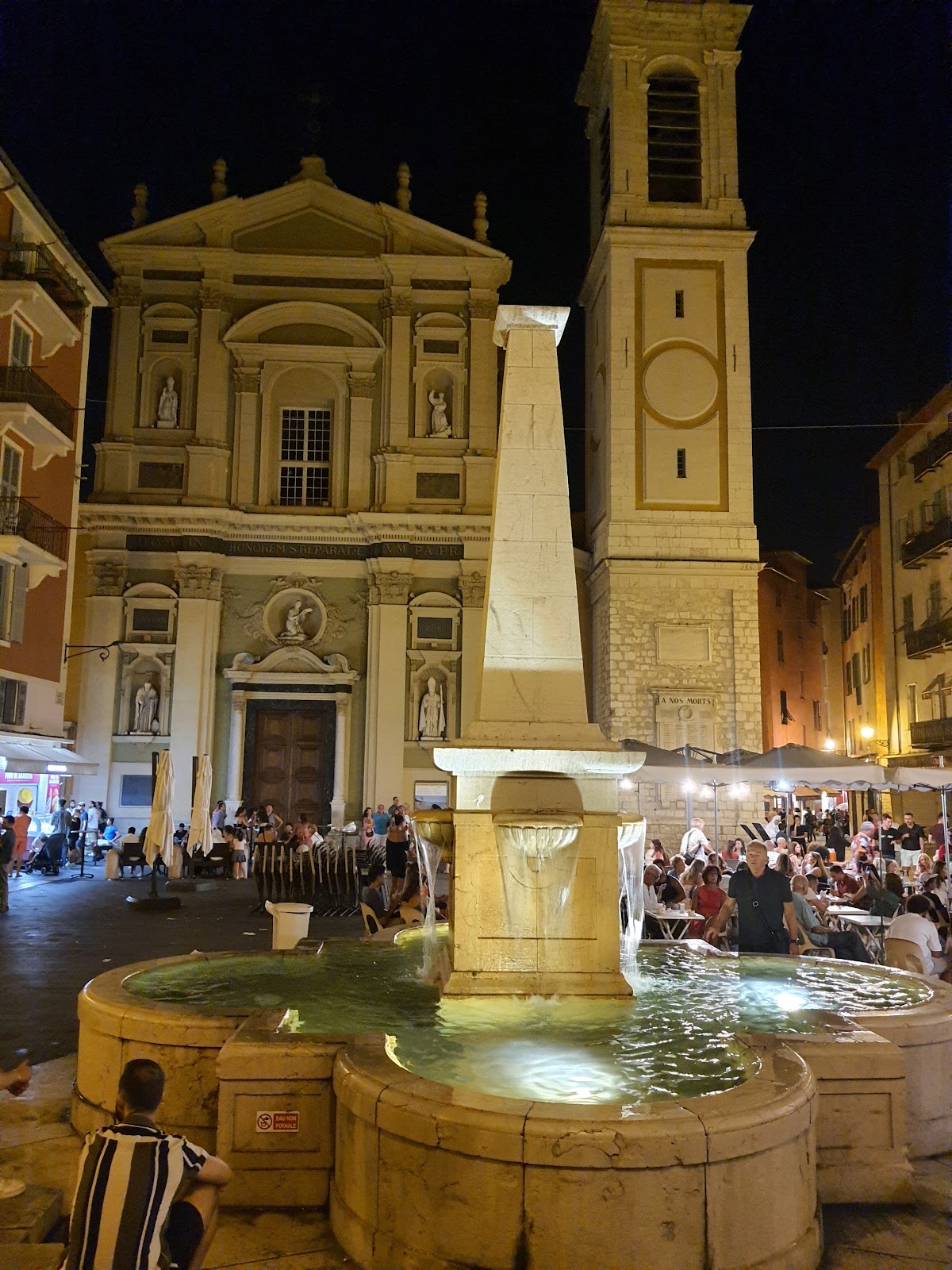
You want to land in the Old Town, or right at its edge. Vieux Nice is a knot of ochre and rose buildings, laundry lines, and lanes barely wide enough for two people to pass. Wake up here and the city is already awake for you: the clatter of a cafe setting up, church bells, a scooter somewhere.
Drop your bag, then just walk. There is no map you need for the first hour. Follow the smell of butter and let the alleys pull you toward the water.
Stay two or three nights within these lanes; you will thank yourself when you stumble home from dinner in five minutes flat.
That First Look at the Blue
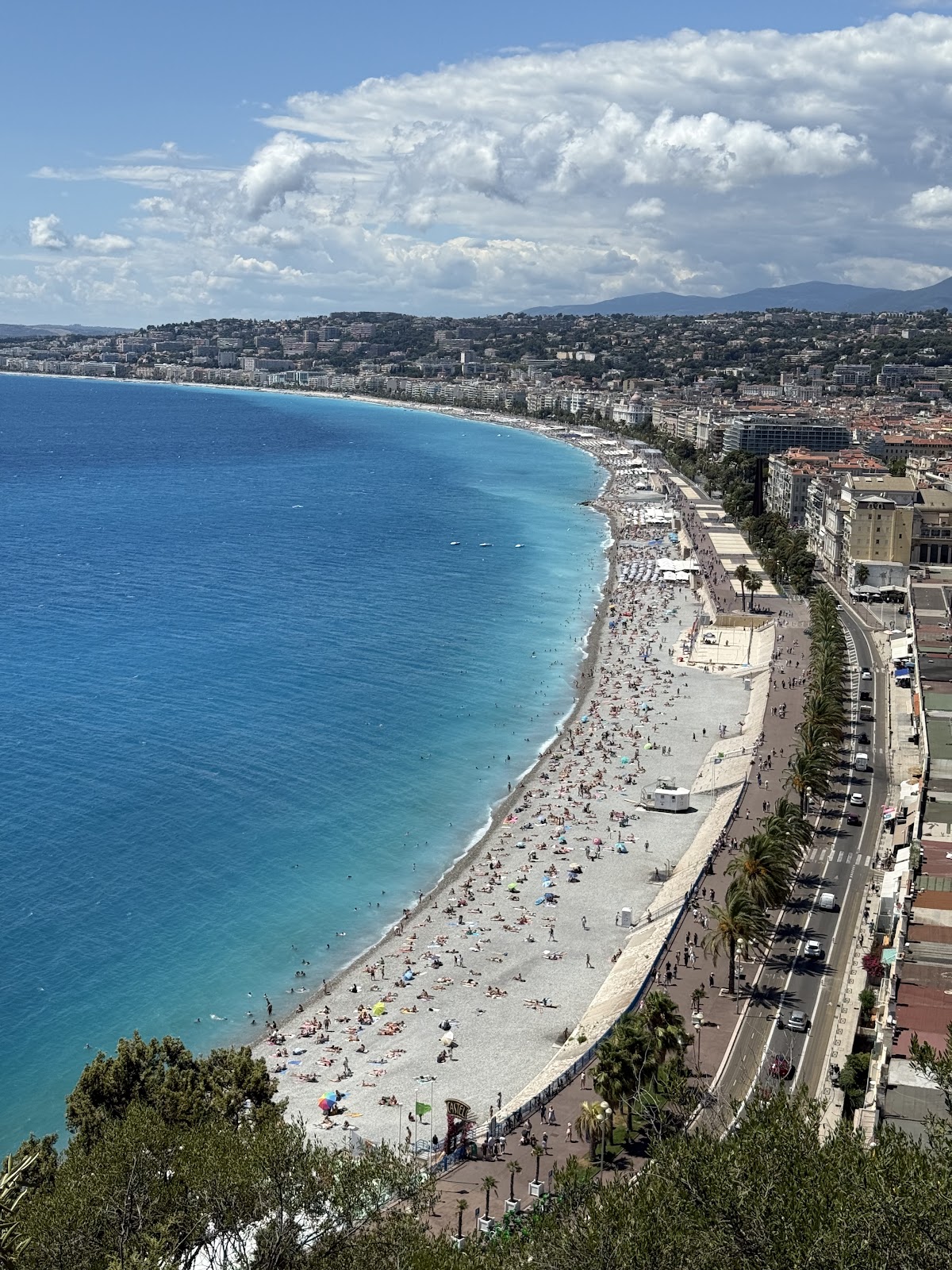
The Baie des Anges opens up in a single curve, and the water is a blue you will keep trying to describe and never quite manage.
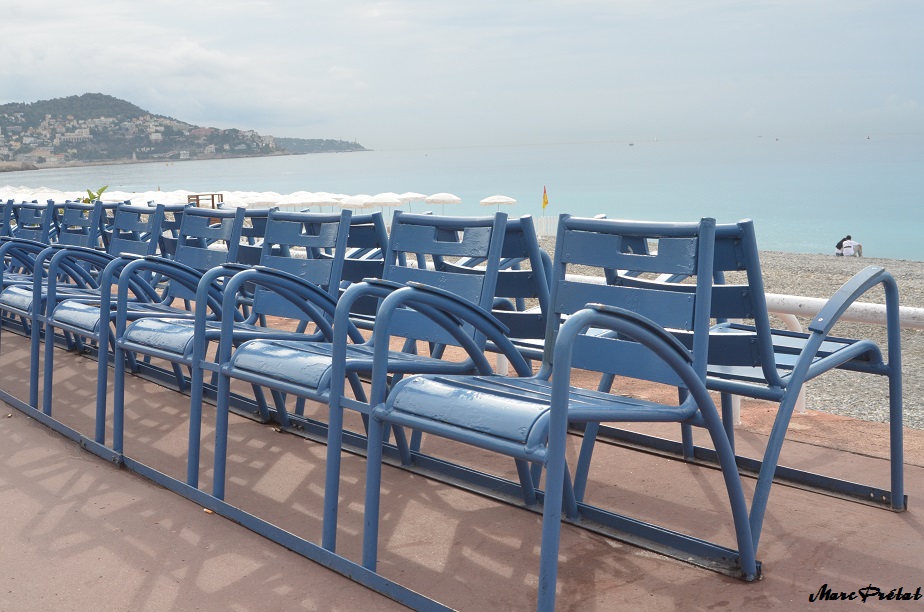
The Promenade des Anglais runs for about 7 km along the sea, its famous blue chairs facing the water like an audience. Come here late afternoon when the light goes soft and the pebble beach fills with people reading, swimming, doing nothing at all.
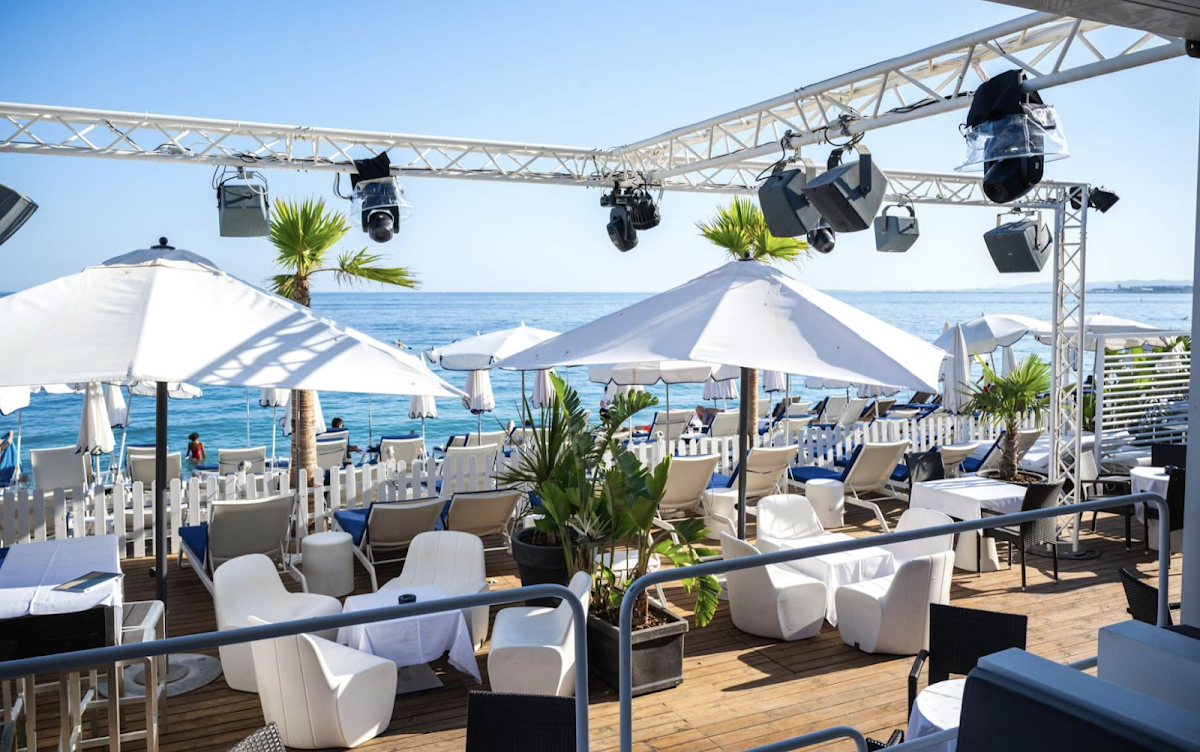
Go down to the beach itself. Yes, it is stones, not sand, so bring flip-flops. Sit for a while and let the sound of the pebbles rolling under the waves do its thing.
Then climb the steps up Colline du Château at the eastern end for the view down the whole curving bay. It is free, and it is the shot you came for.
Socca, and Dinner in the Lanes
A blistered chickpea pancake, scraped hot off a huge copper pan and dusted with black pepper, eaten standing up.
Socca is the taste of Nice: a thin, golden pancake made from chickpea flour, cooked in a wood oven and served in torn pieces on brown paper. Get it fresh from a market stall for a couple of euros and eat it while it is still too hot.
For dinner, settle into a small Niçois bistro in Vieux Nice. Look for pissaladière (an onion and anchovy tart), petits farcis (stuffed vegetables), and a proper salade niçoise that has never seen a boiled potato. A carafe of local rosé runs roughly 15 to 20 euros (about 16 to 22 USD).
Eat slowly. Nobody here is in a rush, and neither are you.
A Stone Town in the Sky
You round a bend on the bus and there it is: a walled village stacked on a ridge, floating above olive groves.
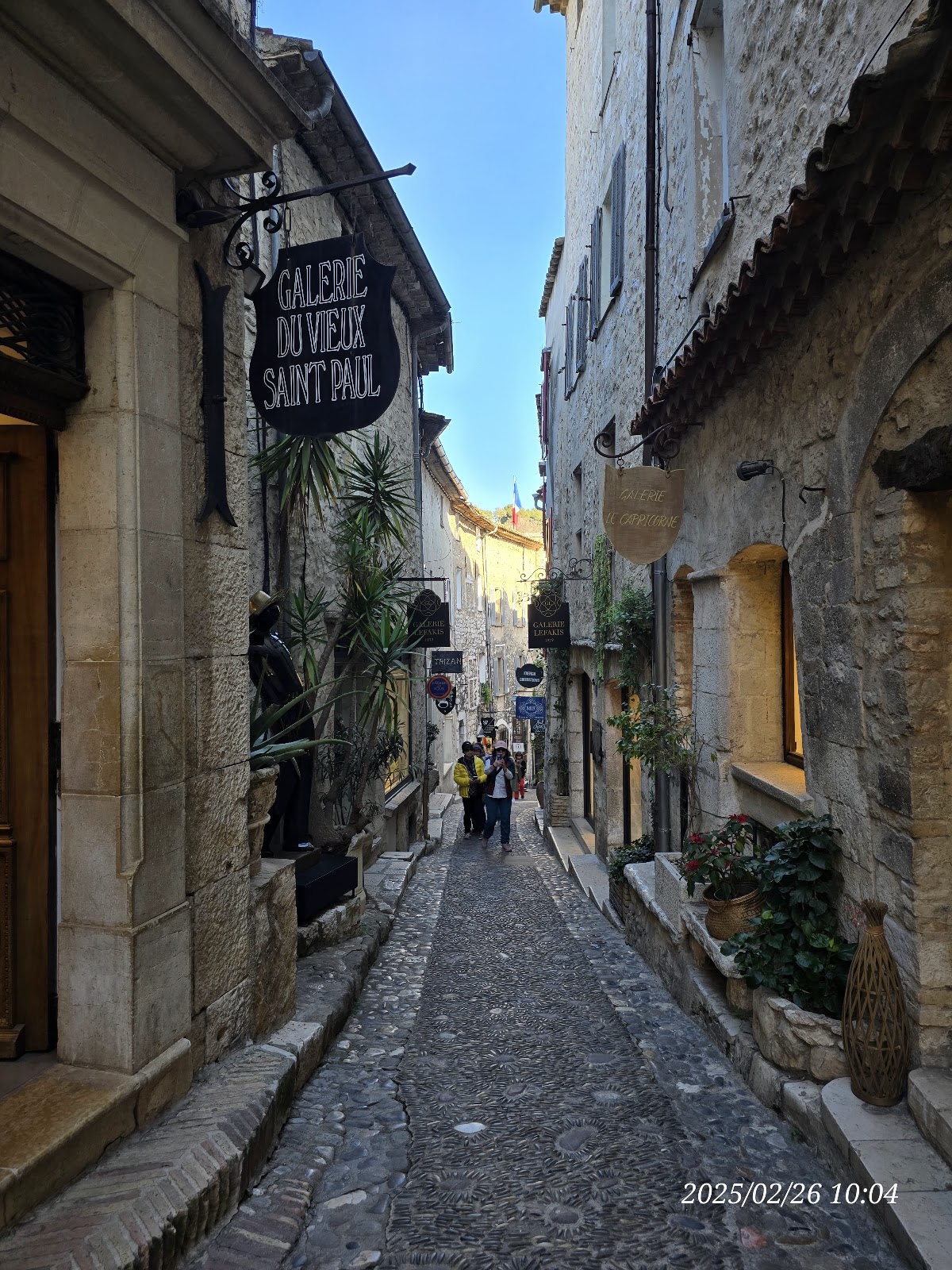
Take bus line 400 from Nice toward Saint-Paul-de-Vence; the ride is around 30 minutes and drops you at the foot of the village. From there you walk up through a stone gate into car-free lanes lined with galleries and worn cobbles polished by centuries of feet.
Saint-Paul was a haven for artists (Chagall is buried in the little cemetery here) and you feel it: the light, the studios, the ramparts looking out over a green valley. Follow the walls all the way around for the widest views.
Lunch with a view is the whole point. Find a terrace overlooking the hills, order something long and unhurried, and just watch the light move across the valley.
The Market That Smells Like Summer
Rows of cut flowers, buckets of olives, wheels of cheese, and old men arguing gently over tomatoes.
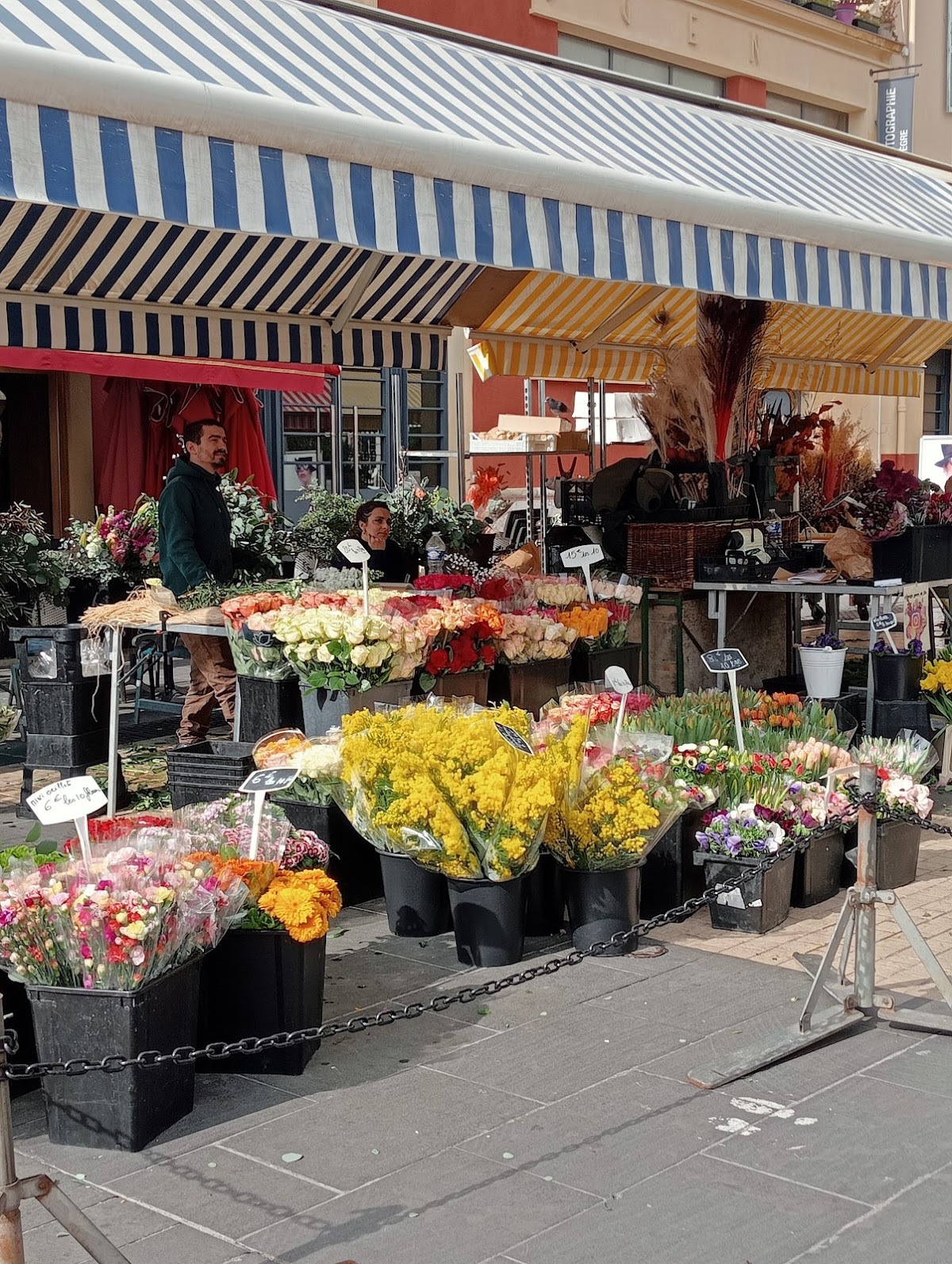
Back in Nice, the Cours Saleya is the beating market of the Old Town. Mornings, it is a flower and produce market: mimosa, lavender, ripe peaches, jars of tapenade, candied fruit stacked in pyramids. The whole square smells like a Provençal kitchen.
Go early to beat the heat and the crowds. Buy a peach, a wedge of cheese, a few olives, and build yourself a picnic for later.
Wander to the port side afterward for dinner, where boats bob in the marina and the seafood is a short journey from the water to your plate.
Èze, and the Scent of a Perfumery
Warm resin, orange blossom, and a hundred jasmine notes hanging in the cool air of a stone workshop.
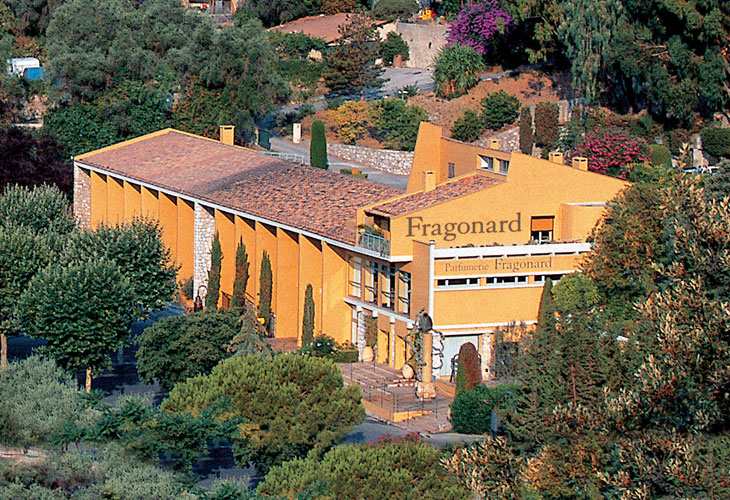
Bus line 82 or 112 climbs to Èze Village in about 20 minutes, winding up above the coast until the sea is a sheet of silver far below. Èze is even more vertical than Saint-Paul, a medieval maze spiraling up a rock.
Stop at the Fragonard perfumery near the base of the village. The tour is free and quick, and you learn how a fragrance is built note by note before you inevitably buy something small to take the smell of the Riviera home.
Then keep climbing to the Jardin Exotique at the very top. Cacti and succulents cling to the ruins of an old castle, and from up here you can see the coastline drop away for miles.
Standing in the Clouds Above the Sea
Spiky agaves framing a sheer drop, and a coastline so far below it looks painted on.
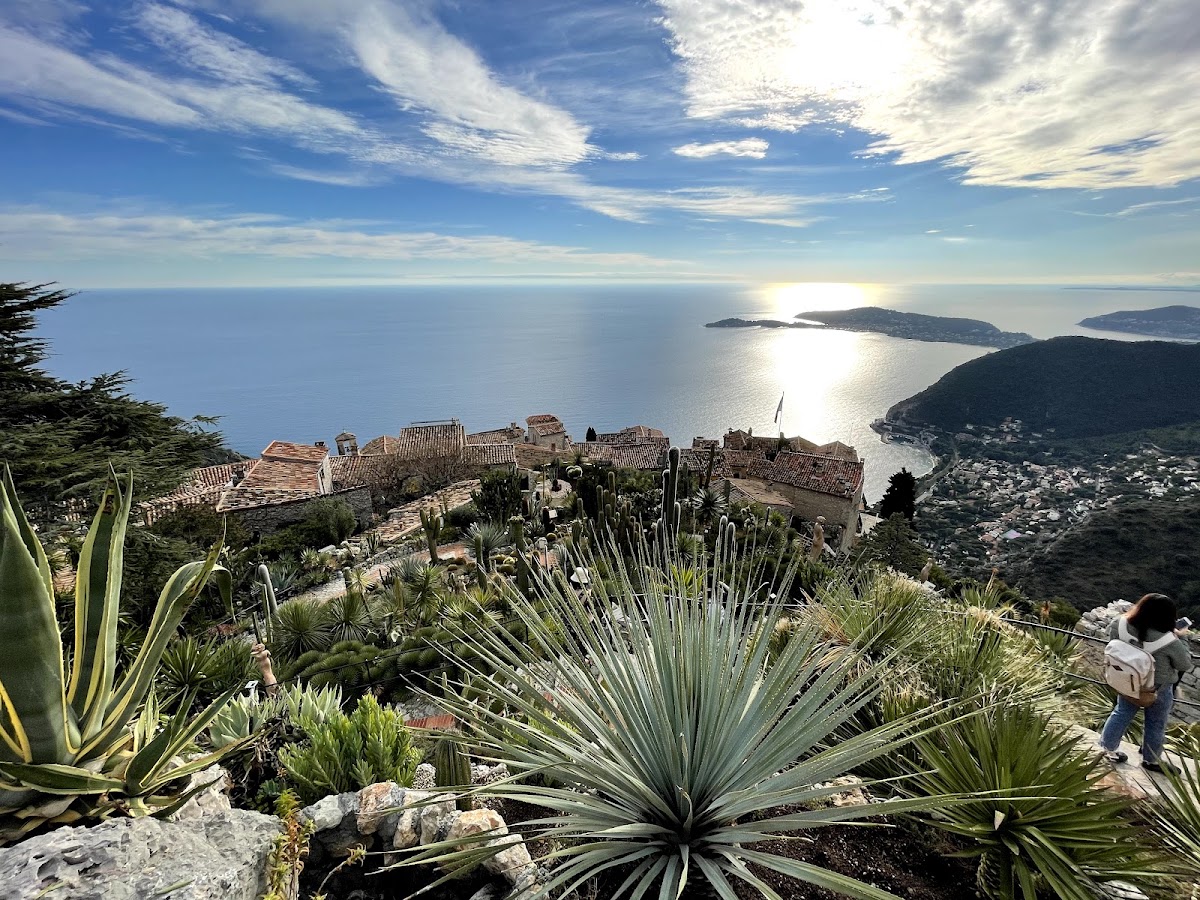
The Jardin Exotique d'Èze sits on the highest point of the village, built into the ruins of a fortress. Entry is a few euros, and it buys you the best view on this whole stretch of coast: the Mediterranean spreading out under your feet, the Cap Ferrat peninsula reaching into the blue.
Work your way slowly up the garden paths. Every switchback opens a new angle, so take your time. On a clear day locals will tell you that you can see all the way to Corsica.
Back in Nice by mid-afternoon, keep the rest of the day free. Nap, swim, or just sit on the promenade with an ice cream and let the pace stay slow.
Matisse, and a Long Goodbye
A red-ochre villa among olive trees, and rooms full of the color and cut-paper shapes of an artist who loved this light.
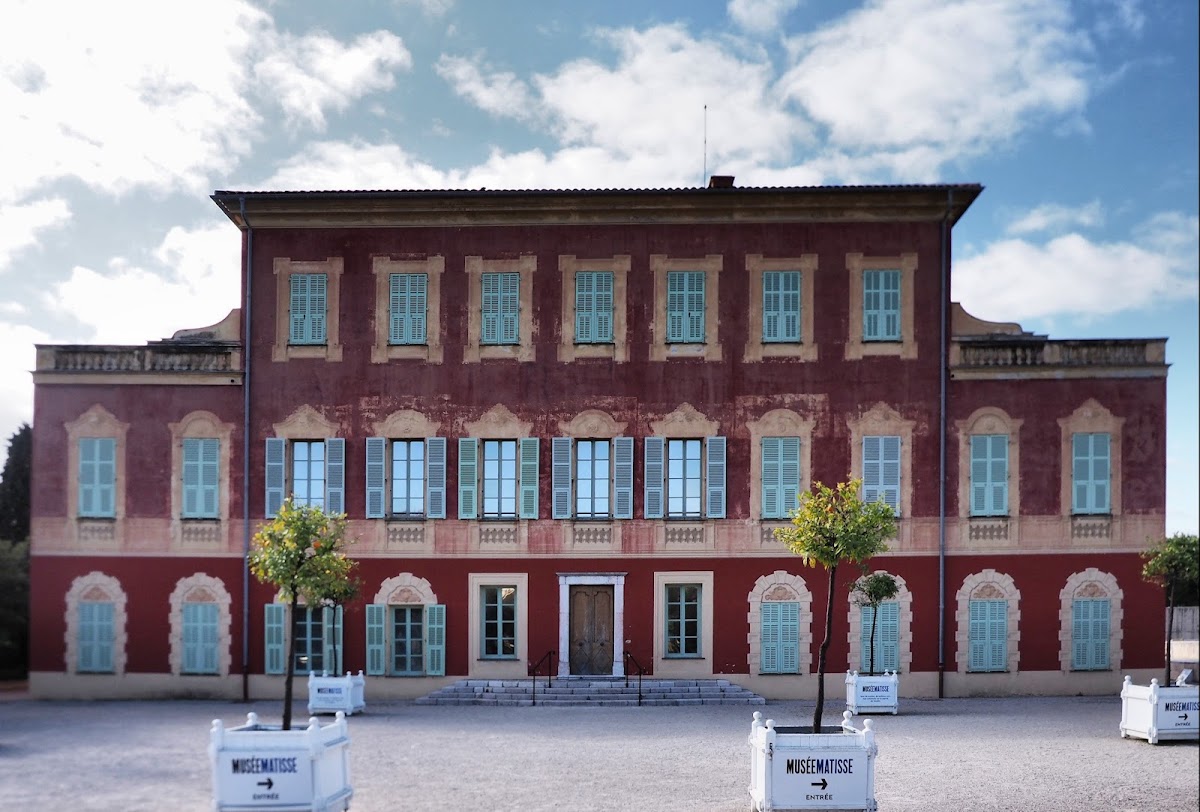
For your last morning, head up to the Cimiez hill and the Musée Matisse, set in a 17th-century Genoese villa surrounded by ancient olive trees. Matisse lived in Nice for decades, and the collection follows his whole arc, from early paintings to the famous cut-outs. It is calm, uncrowded, and a lovely way to end.
Come back down for a leisurely brunch near the train station: coffee, a pain au chocolat, one last look at the flower stalls.
The airport is only about 20 minutes away by tram or taxi, right along the coast, so you get one final sweep of that blue on the way out. If you want the whole thing mapped hour by hour, the linked 4-day Nice itinerary lays it all out.
Ready to book?
Book the rest of Nice, France
Handpicked partner searches, dates pre-filled. Pricing is identical to going direct — the partner shares a small commission with Tabi so this guide stays free.
Frequently asked
Do I need a car to reach Saint-Paul-de-Vence and Èze?
No. Regional buses connect Nice to both villages: line 400 to Saint-Paul-de-Vence (about 30 minutes) and lines 82 or 112 to Èze Village (about 20 minutes). Tickets are inexpensive, though the mountain roads are winding, so grab a window seat and go early to avoid midday crowds.
Is the beach in Nice sandy?
The beaches along the Promenade des Anglais are pebble, not sand, so pack flip-flops or water shoes. The upside: the water stays crystal clear because there is no sand to cloud it. Bring a padded mat or rent a lounger if you plan to settle in for a while.
What food is Nice known for?
Look for socca (a thin chickpea-flour pancake), pissaladière (onion and anchovy tart), petits farcis (stuffed vegetables), and a true salade niçoise. Cours Saleya market is the best place to graze, and small bistros in Vieux Nice do the classics well.
How many days do you need in Nice?
Four days is a comfortable sweet spot: one for the city and seafront, two for day trips to the hill villages, and a relaxed final morning for the Musée Matisse before flying out. You can trim to three if you skip one village, but the slower pace is the charm.
When is the best time to visit?
May, June, and September bring warm weather, swimmable sea, and thinner crowds than peak July and August. Spring adds blooming flowers in the markets, while autumn keeps the water warm from the summer. Winter is quiet and mild but many beach spots wind down.
Skip the planning
Your Nice, France trip, ready to go
Adopt the day-by-day itinerary we built to match this guide. Every stop is a real place, every booking link is validated. Free forever, no card needed.
Open the Nice, France itinerary