
Patagonia, Argentina
What to Do in Patagonia, Argentina: 7 Days of Glaciers and Granite Spires
A journey log from El Calafate's calm lake to the granite towers of Fitz Roy, glacier by glacier.
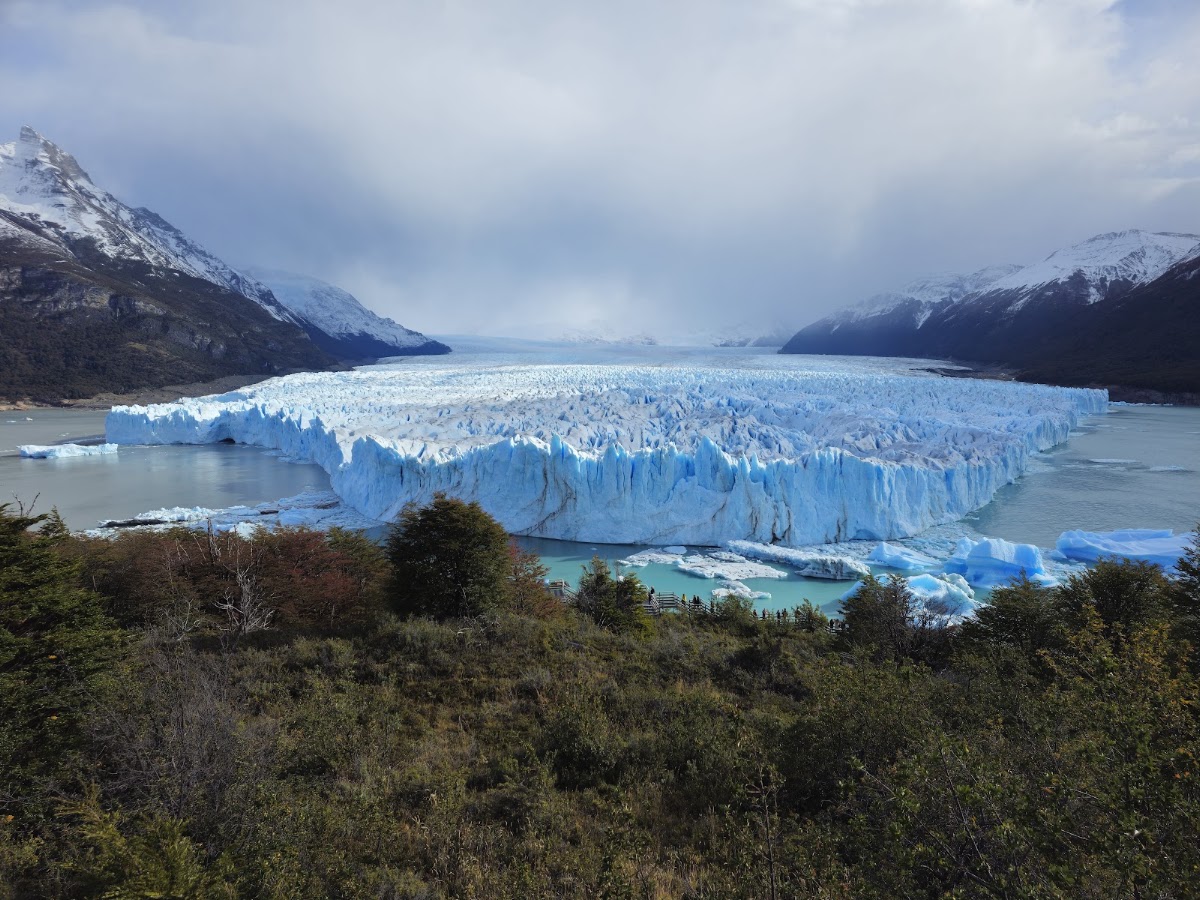
TL;DR
Picture a wall of blue ice cracking off into a lake, then a two-day walk toward the most photographed peak in South America.
- Perito Moreno Glacier calving thunderclaps you feel in your chest
- Laguna de los Tres sunrise turning Fitz Roy blaze-orange
- Chorrillo del Salto, an easy waterfall warm-up hike
- Upsala and Spegazzini icebergs from a heated boat deck
- Farewell steak dinner beside Lago Argentino at dusk
Have this trip planned in 60 seconds
We built the Patagonia, Argentina itinerary that pairs with this guide, day-by-day with verified venues and one-tap booking links. Free to adopt, edit however you want.
Landing in El Calafate, Where the Wind Introduces Itself
You step off the plane and the Patagonian wind hits you sideways, cold and clean, smelling of dust and distant water.
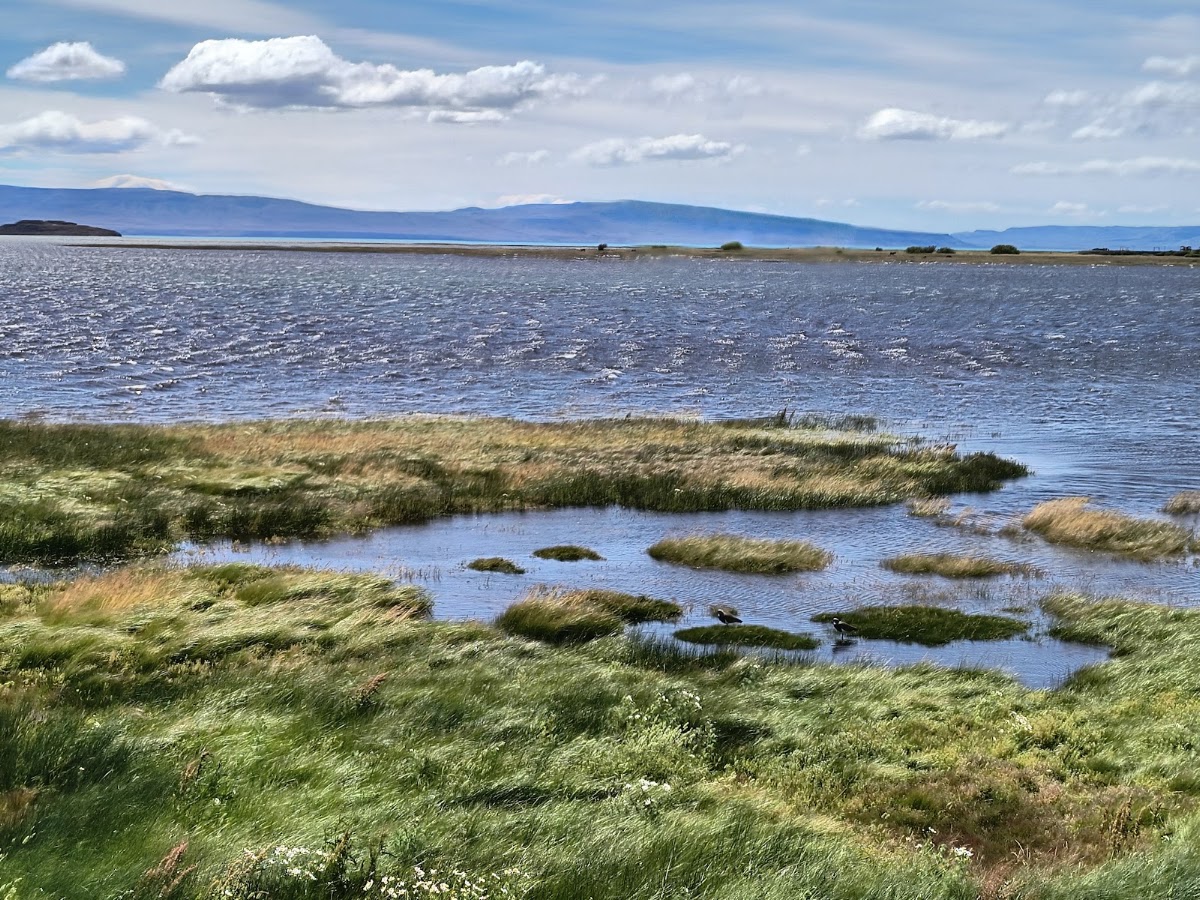
El Calafate airport sits out on the steppe, all big sky and low scrub. The drive into town takes about 20 minutes, and somewhere along the way Lago Argentino appears on your left, a sheet of turquoise so bright it looks fake.
Drop your bags, then walk down to the Costanera along the lake's edge. Flamingos wade in the shallows (yes, flamingos, this far south) and the light stays gold until almost 10pm in summer. It's the gentlest possible start before the big days ahead.
Grab an early dinner in town. You'll want to be rested; tomorrow is the glacier.
The Sound Perito Moreno Makes Before It Falls
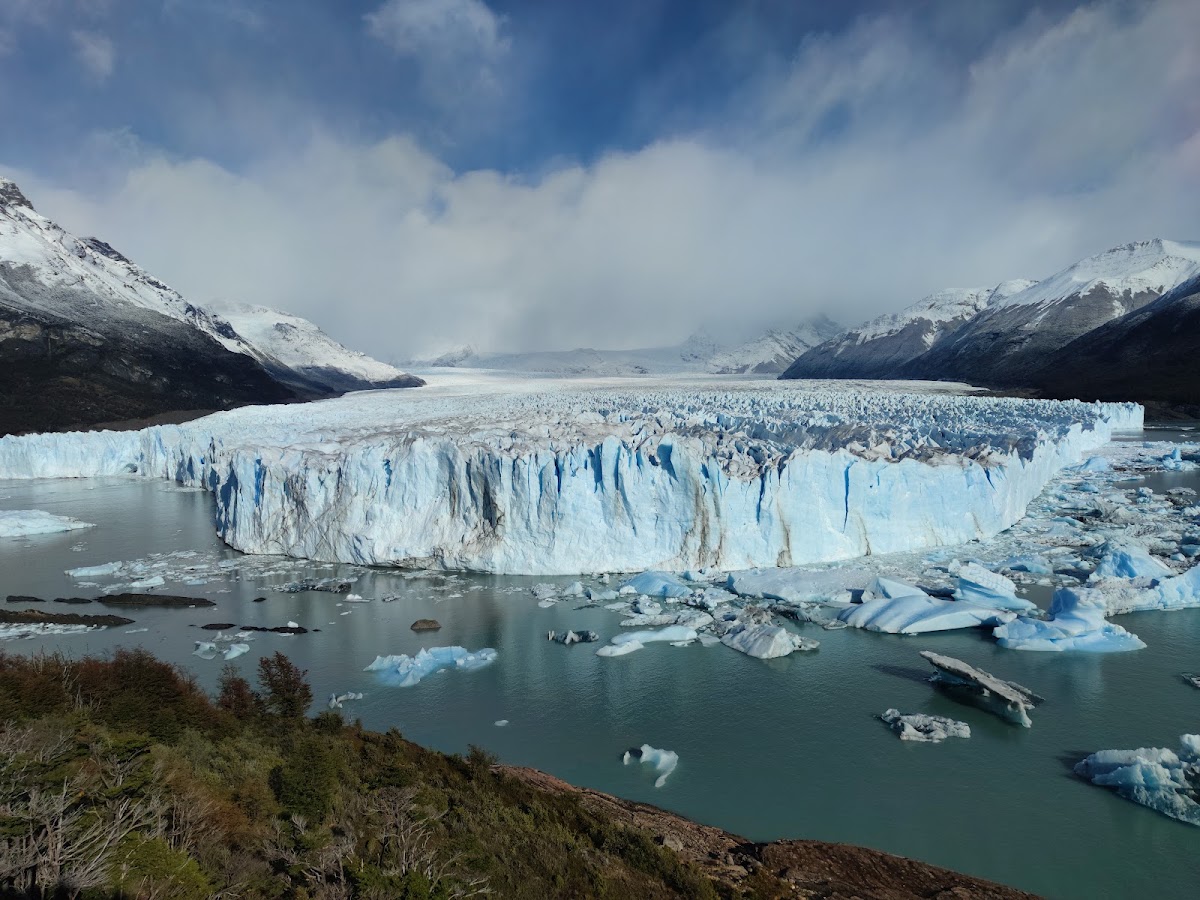
A crack like a rifle shot echoes across the water, then a tower of ice the size of a building slides into the lake with a roar.
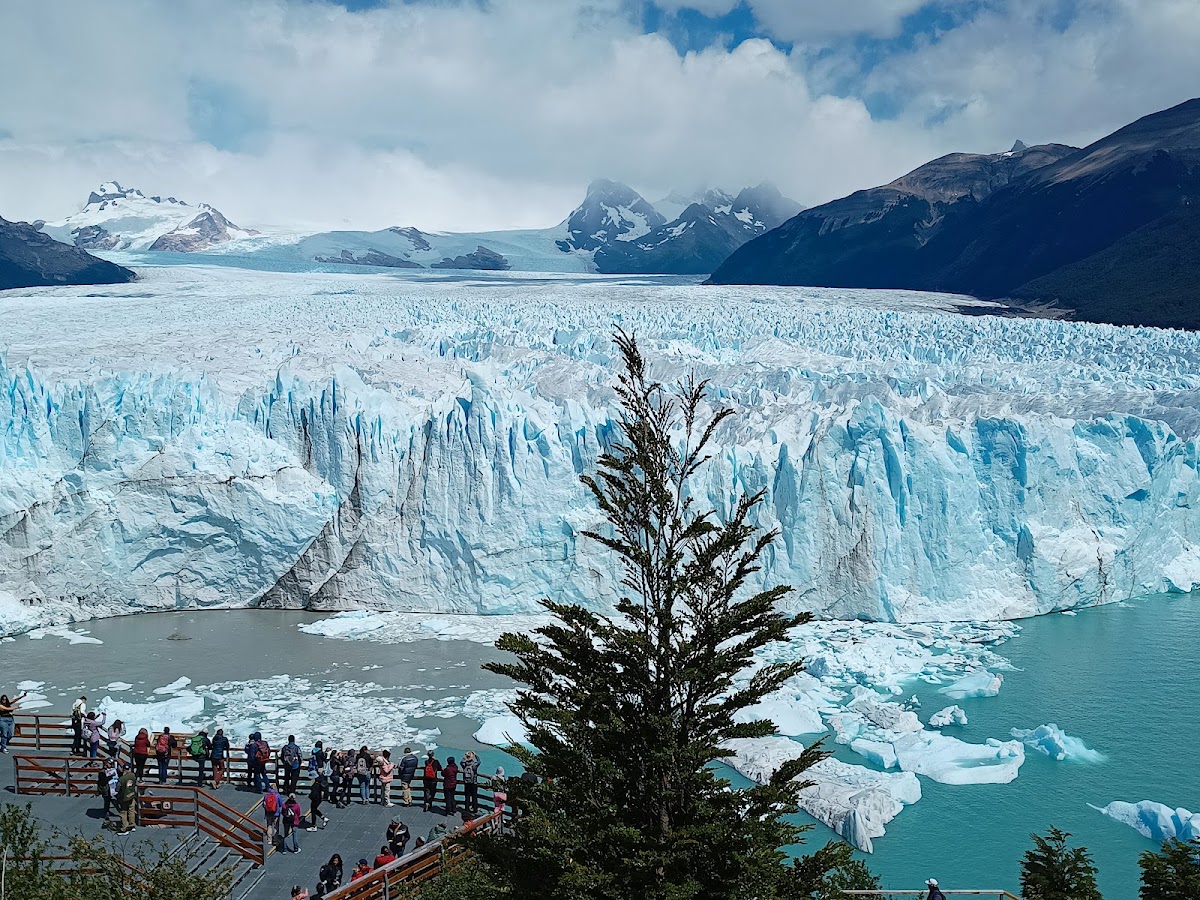
This is the moment you came for. Perito Moreno is one of the few glaciers on Earth that isn't retreating, a five-kilometre-wide wall of blue and white pressing right up to a viewing peninsula in Los Glaciares National Park. The drive from El Calafate takes about 90 minutes.
The boardwalk circuit is genius. Steel walkways zigzag down the hillside so you can watch the glacier's front from a dozen angles, some almost at water level. You'll stand there far longer than you planned, waiting for the next calving. It always comes.
Pack a picnic lunch and eat it on the walkways with the ice in front of you. Park entry is around 45,000 ARS (roughly 45 USD), payable in cash or card at the gate.
Strapping On Crampons and Walking on the Ice Itself
The crampons bite with a satisfying crunch, and suddenly you're standing on a river of ice that's been flowing here for centuries.
If you only do one add-on in Patagonia, make it the mini-trekking. A boat ferries you across the channel, guides fit crampons over your boots, and then you spend an hour or two walking across the glacier's surface, past deep blue crevasses and meltwater streams so clear they look carbonated.
Most operators finish with a small glass of whisky poured over glacier ice. It's touristy and completely worth it.
Book ahead; spots on the ice are capped and sell out fast in high season (December through February). Expect to pay around 120,000 to 150,000 ARS for the mini-trek, transfer included.
The Waterfall Warm-Up in El Chaltén
You smell pine and cold spray before you see it: a slim waterfall dropping into a pool ringed by dark rock.
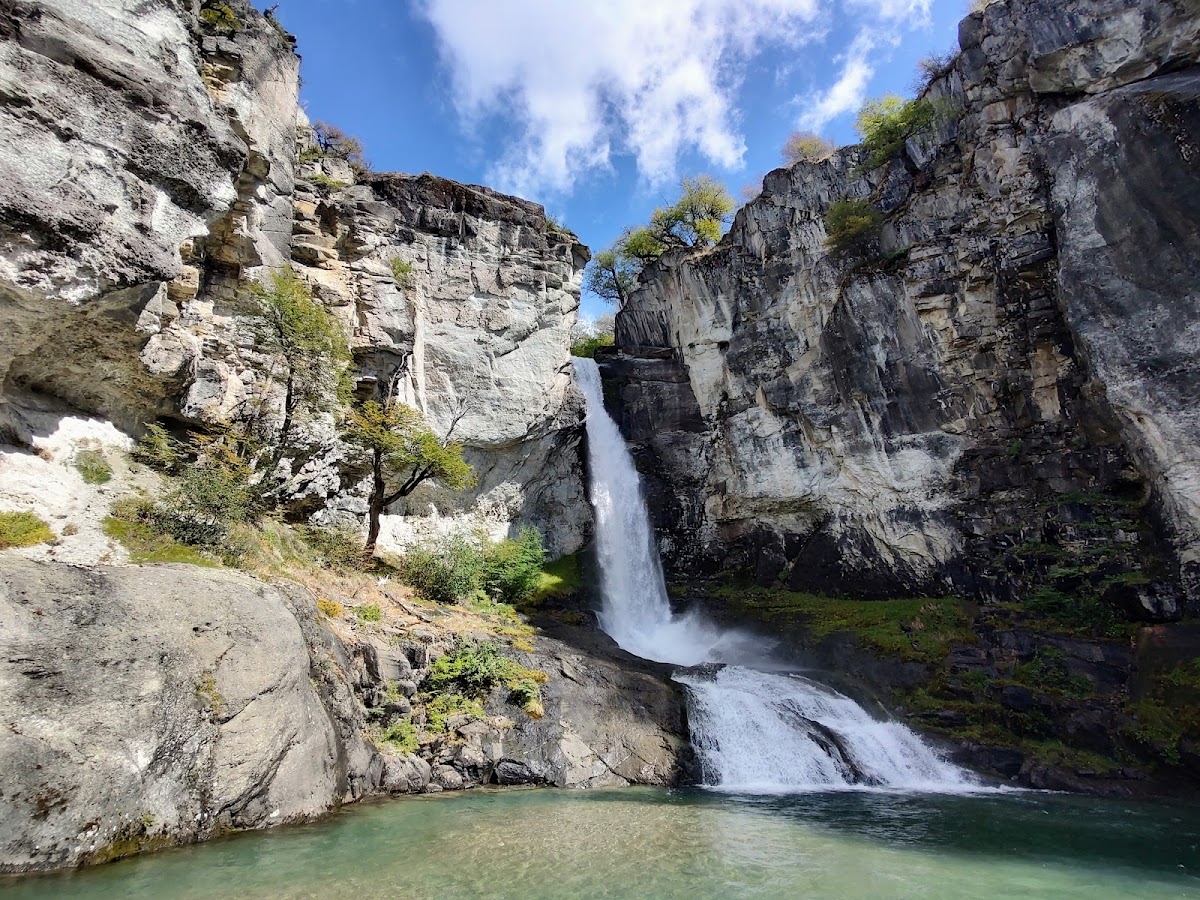
The bus from El Calafate to El Chaltén takes about three hours across empty steppe, and the payoff is arriving in Argentina's self-declared trekking capital, a scrappy little town wedged under jagged peaks. Have lunch at a parrilla; the grilled lamb here is a rite of passage.
Then ease your legs into things with the walk to Chorrillo del Salto. It's a flat, forgiving hour there and back, following a stream through lenga forest to a pretty 20-metre waterfall. Perfect for shaking off the bus ride and testing your boots before the big one tomorrow.
Spend the free afternoon wandering town. Everything closes early, so stock up on trail snacks while you can.
The Last Kilometre to Laguna de los Tres
Your lungs burn on the final scramble, then you crest the ridge and Fitz Roy explodes into view above a milky glacial lagoon.
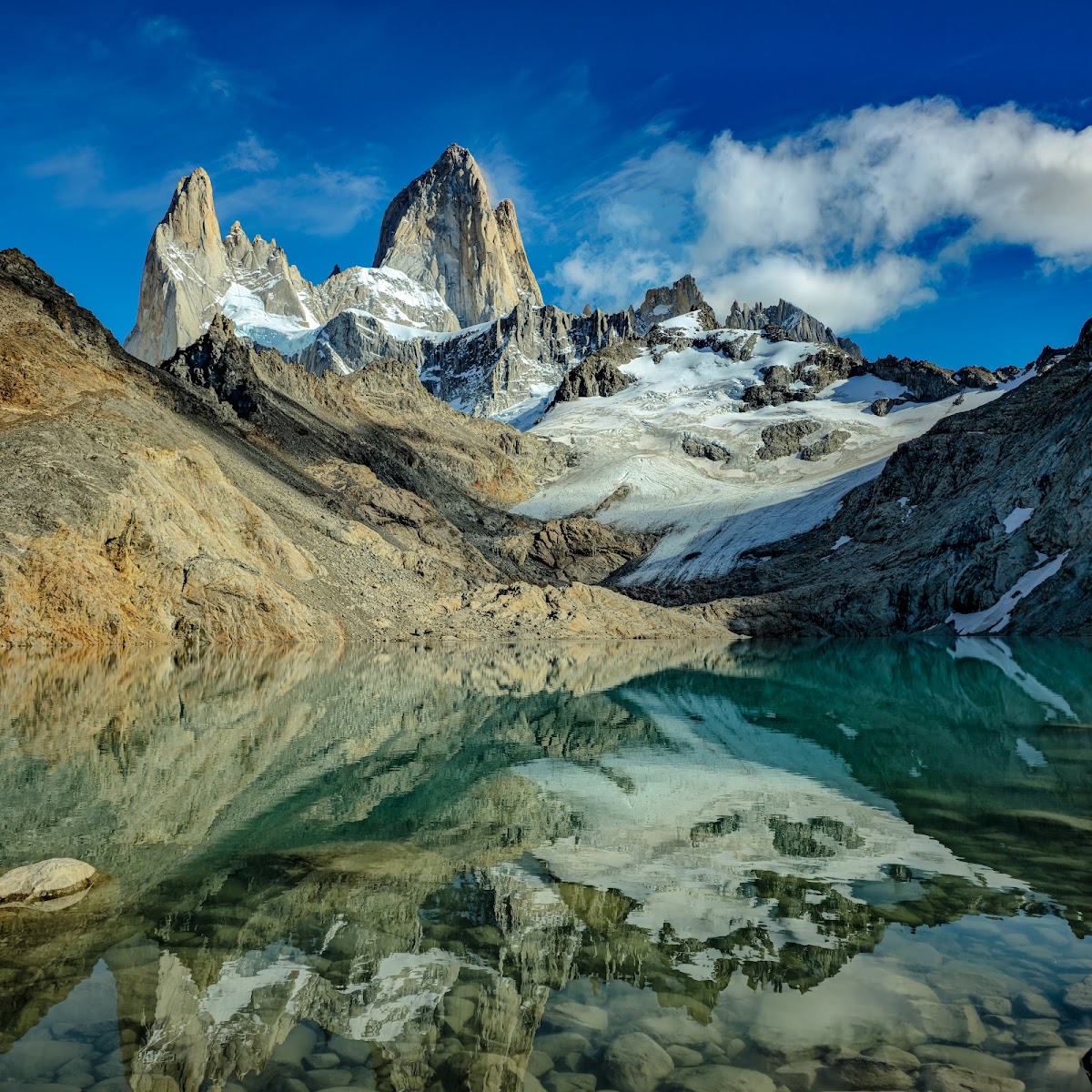
This is the hike people fly across the world for. Laguna de los Tres is a full day, about 20 kilometres round trip, and the trail saves its cruelty for the end: a steep, rocky kilometre that climbs straight up to the lagoon. Everyone stops to gasp, both from the effort and the view.
Start at dawn if you can. Fitz Roy catches the first light and glows a deep burnt orange for a few minutes before the day flattens the colour. On the way, Laguna Capri makes a gorgeous lunch stop with the peaks reflected in still water.
Go at your own pace, carry more water than you think, and check the forecast; Patagonian weather can hide the whole massif behind cloud in minutes. Reward yourself with dinner at a mountain lodge that night.
A Quieter Blue at Lago del Desierto
The water is so still it doubles the mountains, and the only sound is your own footsteps on the forest trail.
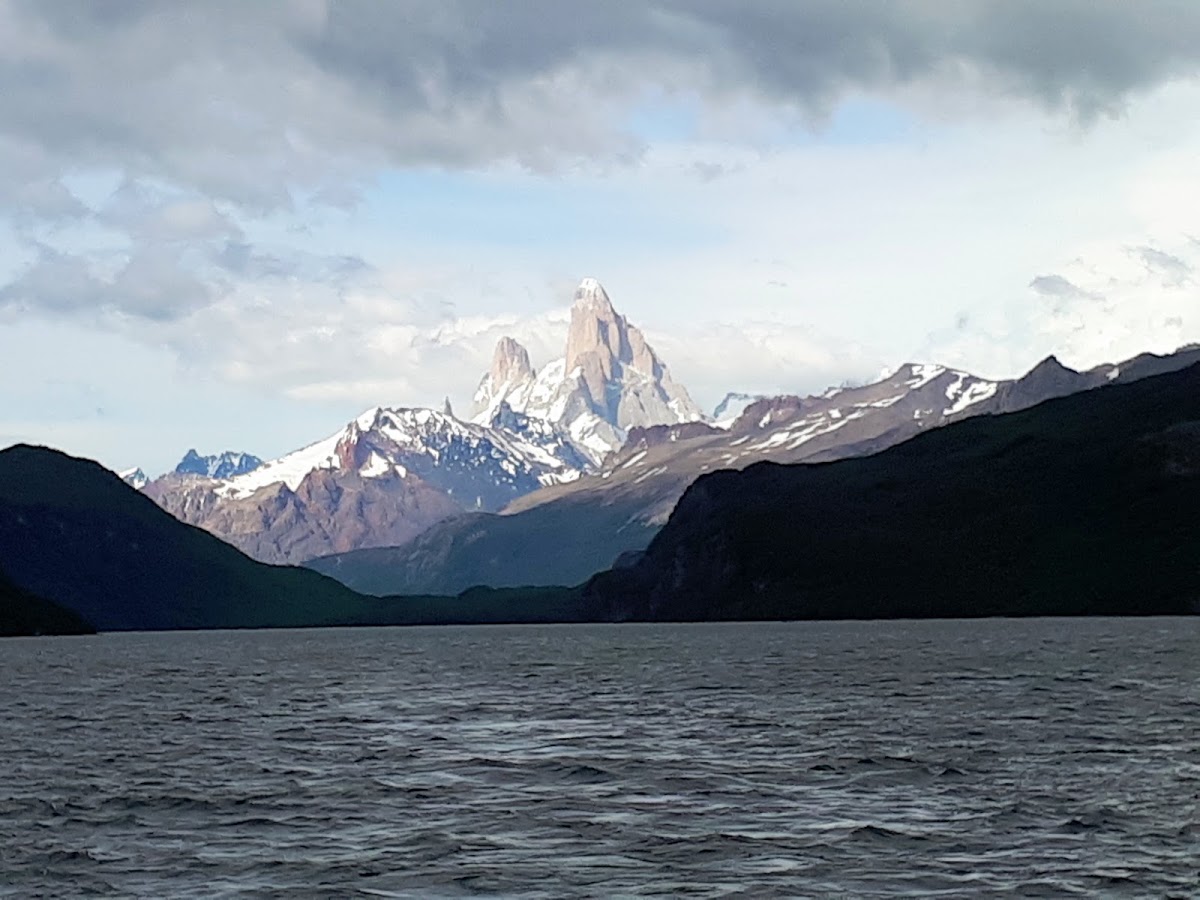
If your legs still have something left, the Lago del Desierto day trip is the calm after the climb. It's an hour's drive north of El Chaltén to a long, glassy lake pinched between forested slopes, with Fitz Roy peeking out at the far end.
You can take a short boat across the lake or walk the lakeshore trails through some of the greenest forest in this part of Patagonia. After days of granite and ice, the softness is a relief.
Then it's back on the bus to El Calafate in the afternoon. Book a farewell dinner at a lakefront restaurant; grilled trout and a Malbec while the sky turns pink over Lago Argentino is a fine way to close the trekking chapter.
Sailing Past Icebergs to Upsala and Spegazzini
Electric-blue icebergs drift past the bow, some the size of houses, carved into shapes no sculptor could invent.
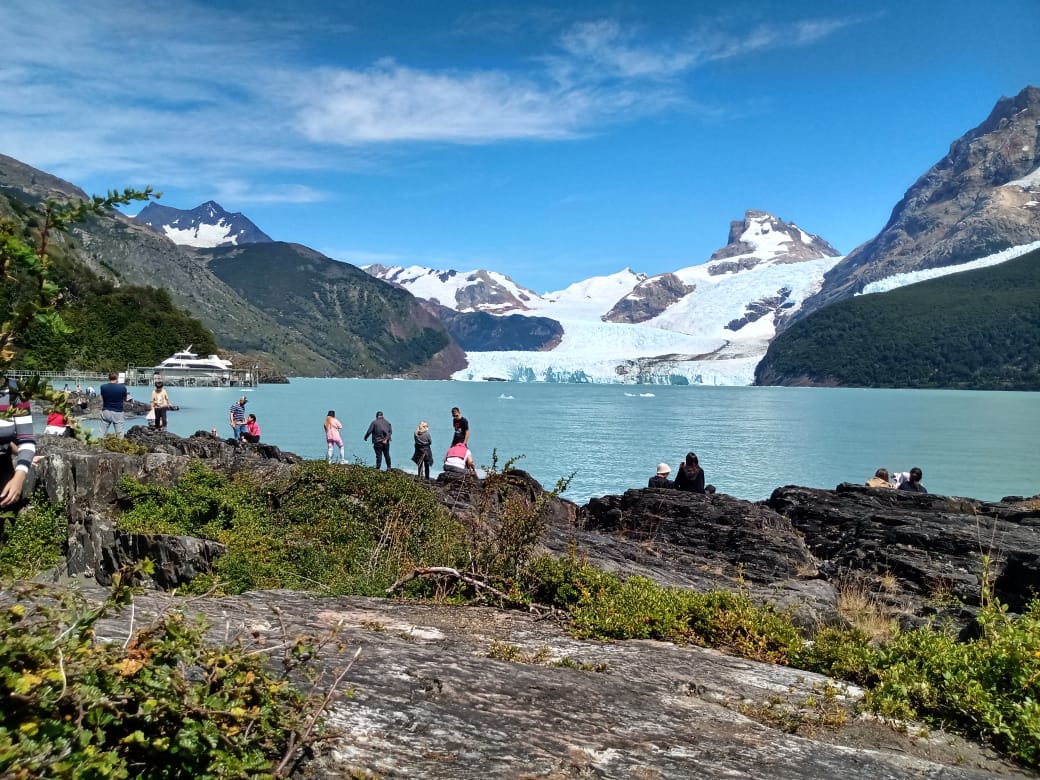
For your last full day, trade boots for a boat. From Puerto Bandera, about 50 minutes from El Calafate, catamarans glide up the northern arms of Lago Argentino toward two glaciers you can only reach by water: Upsala, vast and distant, and Spegazzini, the tallest front in the park.
The channels here fill with icebergs that broke off upstream, and the captain weaves slowly between them. Bundle up and stay out on deck; the cold is worth it for the colours.
Back in town, warm up at the Glaciarium museum on the edge of El Calafate. It explains how all this ice actually works, and the bar inside is built entirely from glacier ice. A neat bookend to a week spent staring at the stuff.
Ready to book?
Book the rest of Patagonia, Argentina
Handpicked partner searches, dates pre-filled. Pricing is identical to going direct — the partner shares a small commission with Tabi so this guide stays free.
Frequently asked
How many days do I need for Patagonia's Argentine side?
Seven days is the sweet spot for this El Calafate and El Chaltén loop. It gives you a full day at Perito Moreno, two days of hiking around Fitz Roy including Laguna de los Tres, a glacier boat tour, and buffer time for the weather to cooperate. Five days is possible but rushed; you'd likely cut either the boat tour or a hiking day.
When is the best time to visit?
November through March is the southern summer, with the longest daylight and the most reliable trail access. December to February is peak season, so book glacier trekking and boat tours weeks ahead. Shoulder months like November and March are quieter and still very doable, though colder and windier.
How do I get between El Calafate and El Chaltén?
Regular buses run the roughly three-hour route in each direction, several times a day in high season. There's no train and no airport in El Chaltén, so the bus (or a private transfer) is how everyone does it. Book your seats a day or two ahead in summer.
Do I need to be a serious hiker for Laguna de los Tres?
You need reasonable fitness, but you don't need to be an athlete. It's about 20 kilometres round trip on a well-marked trail, mostly moderate with one steep, rocky final kilometre. Take it slow, start early, and carry water and layers. The Chorrillo del Salto walk the day before is a good gauge of how you'll feel.
Can I pay by card, or do I need cash?
Cards work in most hotels, restaurants, and tour offices in both towns, but carry some Argentine pesos in cash for park entry fees, small cafés, and bus tickets. Exchange rates shift often, so check current rates before you go and don't rely on ATMs in tiny El Chaltén.
Skip the planning
Your Patagonia, Argentina trip, ready to go
Adopt the day-by-day itinerary we built to match this guide. Every stop is a real place, every booking link is validated. Free forever, no card needed.
Open the Patagonia, Argentina itinerary