
Pokhara, Nepal
What to Do in Pokhara in 4 Days: Sunrise Peaks, Lake Temples, and a Flight Over the Himalaya
A picture-first walk through Pokhara, from the boat ride to the island temple to the dawn you'll keep talking about.
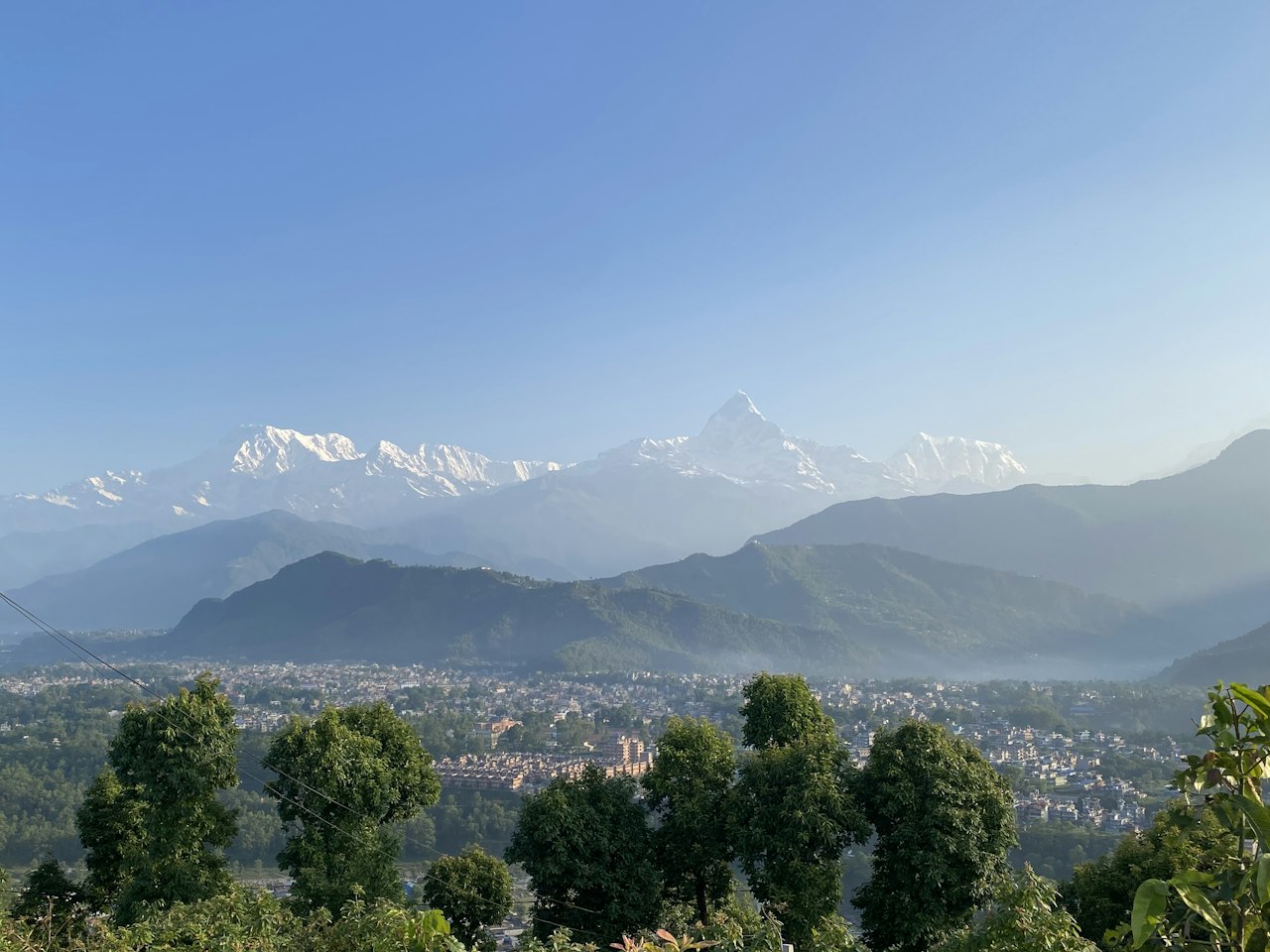
Photo by NanC L on Unsplash
TL;DR
Pokhara is the slow exhale after Kathmandu: a lake town where the Annapurnas sit on the horizon like a second skyline, and you get to meet them at your own pace.
- Sunrise at Sarangkot with Machapuchare turning gold above the clouds
- A wooden boat across Phewa Lake to the island temple
- The white dome of the Peace Pagoda watching over the water
- Devi's Fall vanishing into a cave right beneath your feet
- Paragliding off Sarangkot, feet dangling over the whole valley
Have this trip planned in 60 seconds
We built the Pokhara, Nepal itinerary that pairs with this guide, day-by-day with verified venues and one-tap booking links. Free to adopt, edit however you want.
The Moment the Plane Banks and the Himalaya Fill the Window
Twenty-five minutes after Kathmandu, the engines ease back and a wall of white peaks slides across the glass. People actually gasp. You will too.
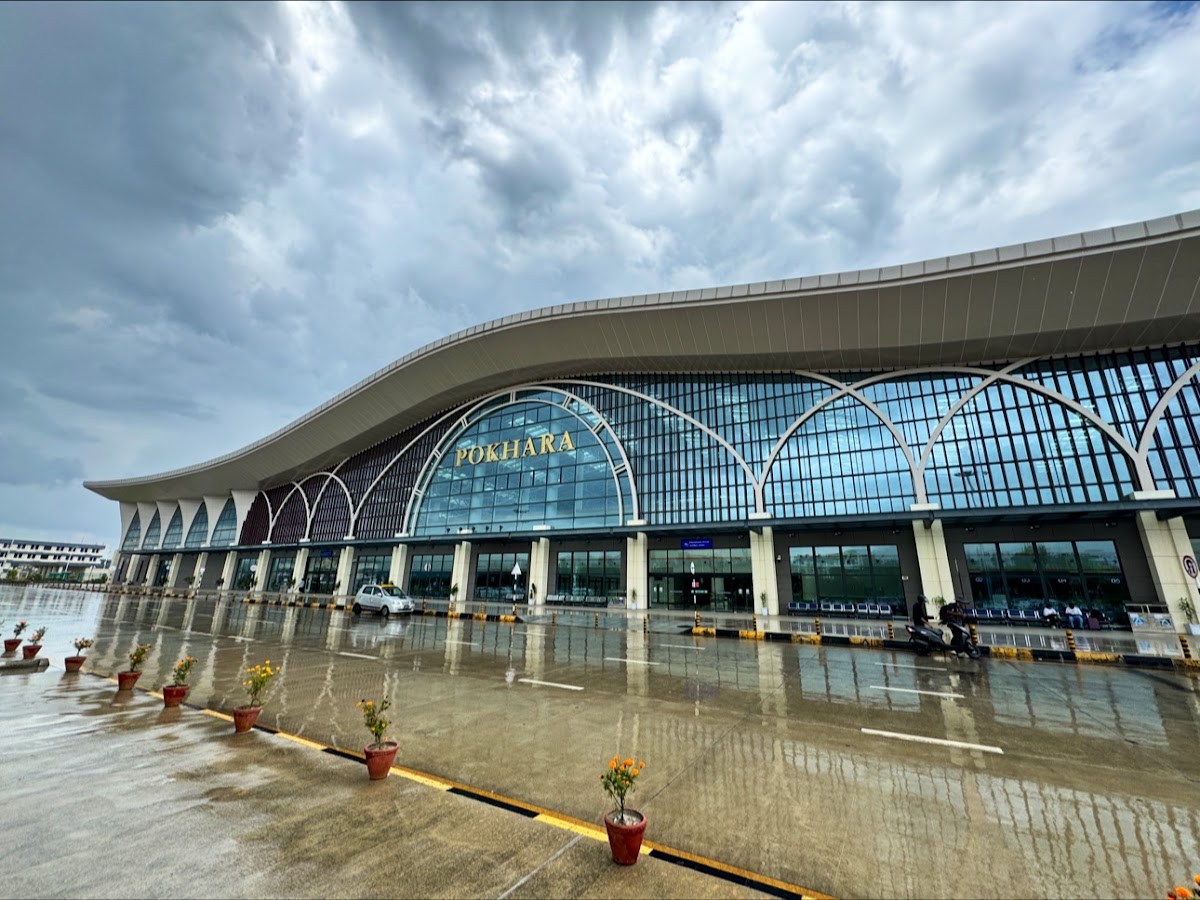
The flight from Kathmandu to Pokhara is short enough to feel like a magic trick. You climb out of the capital's haze, and then the Annapurna range just appears, close enough that you can pick out the fishtail summit of Machapuchare. Ask for a seat on the right side (A seats) heading to Pokhara for the clearest view.
Flights run with Buddha Air and Yeti Airlines, usually 4,000 to 6,000 NPR (around 30 to 45 USD) one way, and they're worth every rupee over the 6-plus hour road. Book a morning slot; afternoon clouds roll in and the mountains hide.
Pokhara's airport is small and friendly. You'll be at Lakeside, the main strip along Phewa Lake, in about 15 minutes by taxi.
Checking In Where You Can Hear the Lake
Prayer flags strung between rooftops, the smell of cardamom chai drifting out of a café, and a lake the color of green glass at the end of the lane.
Lakeside is a long, leafy street that runs parallel to Phewa Lake, packed with guesthouses, trekking shops, bakeries, and little gardens. A boutique hotel here puts you a two-minute walk from the water and a short stroll from dinner, so you can drop your bags and be on a boat before sunset.
Pick a place on the lake-facing side or with a rooftop; on a clear morning you can sip coffee with the Annapurnas lined up over the rooftops. Rooms run a wide range, roughly 3,000 to 12,000 NPR (around 22 to 90 USD) depending on how much view and polish you want.
This is your base for the whole trip. Everything in the next three days loops back to this street.
Rowing Out to the Temple on the Water
A brightly painted wooden boat, the dip and pull of the oar, and a tiny island with a two-tiered temple rising straight out of the lake.
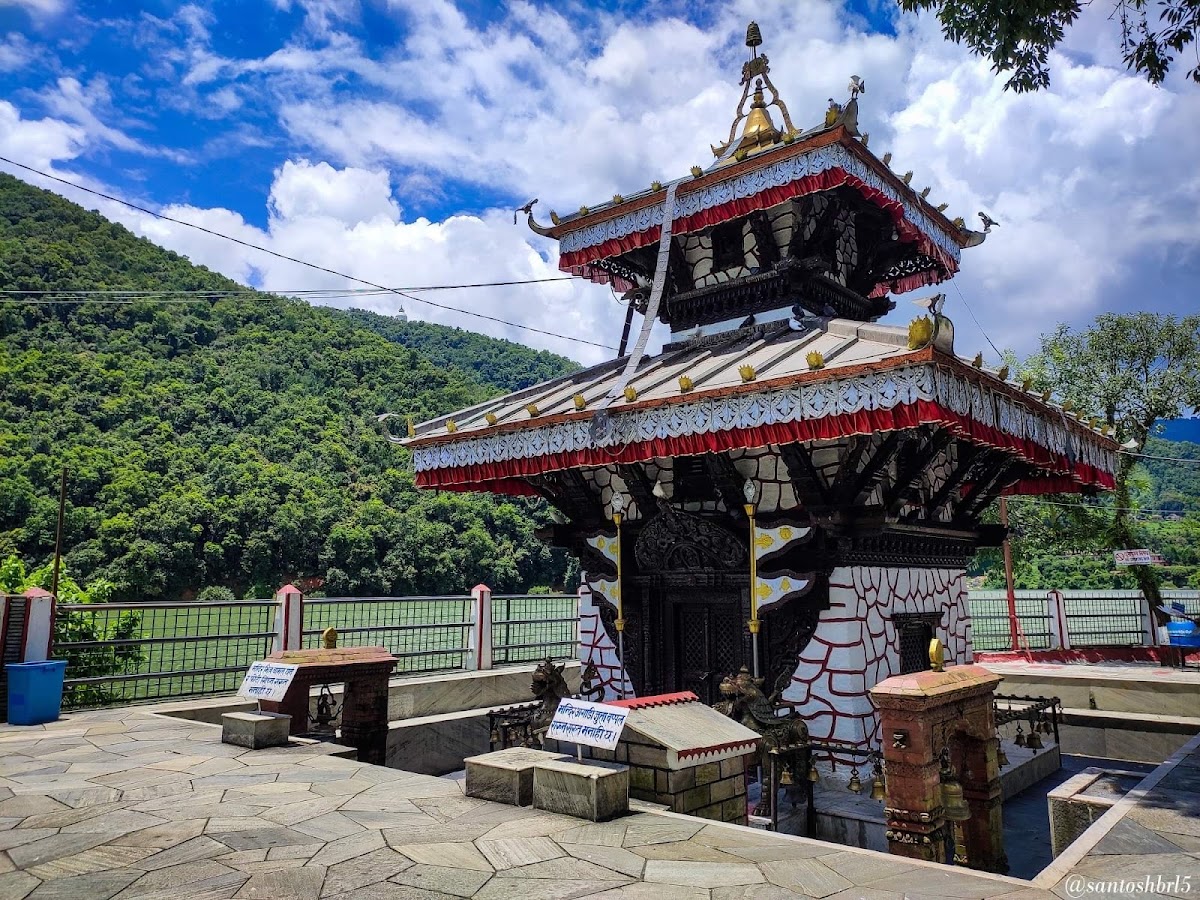
Phewa Lake is the heart of Pokhara, and the best way to meet it is from a hand-rowed doonga. You can hire one along the Lakeside shore for about 500 to 800 NPR per hour, with a boatman, or paddle it yourself if you fancy the workout.
Aim for Tal Barahi Temple, the little pagoda on its own island near the middle of the lake. Locals come to make offerings, especially on Saturdays, and the short hop over the water feels like a small pilgrimage. Climb the steps, ring the bell, then sit on the island's edge and watch the far peaks reflect in the surface.
Time it for late afternoon. As the sun drops, the water turns gold and the whole town seems to slow down.
The 4:30 Alarm That's Actually Worth It
Cold air, a flask of tea, and then the first light hitting Machapuchare while the valley below is still drowning in cloud.
Sarangkot sits on a ridge above town, and it's the sunrise spot. You leave in the dark (a taxi up is around 1,500 to 2,000 NPR return with a wait), climb a few minutes to the viewing deck, and settle in facing east.
Then it happens: the sky goes pink, and one by one the peaks light up, Dhaulagiri, Annapurna, and the unmistakable fishtail of Machapuchare, while Pokhara and the lake stay in shadow far below. On a clear post-monsoon morning (October to December is prime) it's as good as mountain views get.
Bring a layer; the ridge is chilly before dawn even when town is warm. Little tea stalls at the top sell hot chai and instant noodles to thaw your hands.
The White Dome That Watches Over the Lake
A gleaming white stupa on a forested hilltop, golden Buddha statues facing each direction, and the whole of Phewa Lake laid out below like a map.
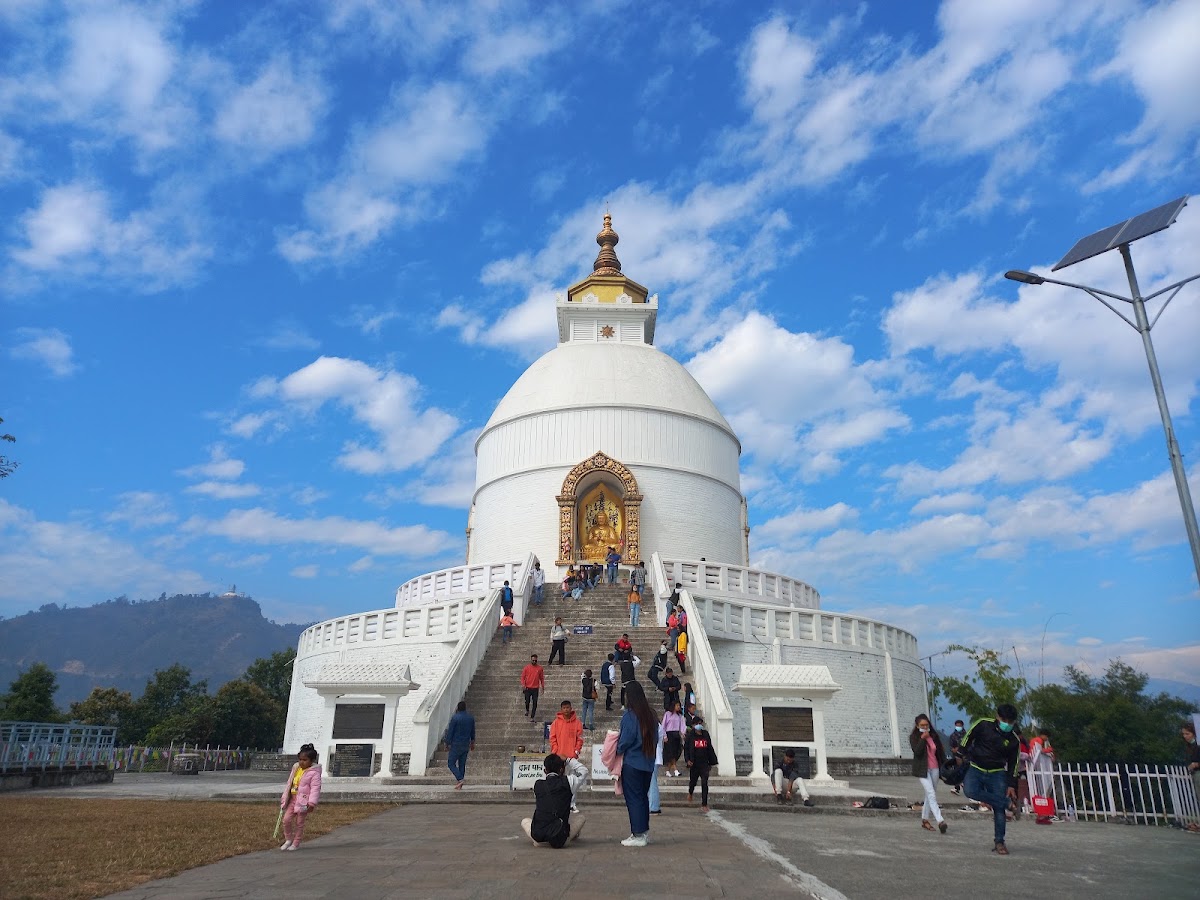
The World Peace Pagoda crowns a ridge on the far side of the lake, and getting there is half the fun. You can take a boat across Phewa and then hike up through the forest (about 45 minutes, steep but shaded), or taxi around; combining a boat out and a walk up is the classic route.
At the top, the brilliant white stupa holds four gilded Buddha figures, one for each stage of his life. Walk the circle slowly, then turn around: Pokhara, the lake, and on a clear day the Annapurna wall all stack up behind each other.
It's quiet up here, more contemplative than crowded. Easy to lose an hour just sitting in the shade.
Mountains Indoors, When You Want the Story Behind the View
Scale models of Everest and Annapurna, battered boots from real expeditions, and the faces of the Sherpas who made them possible.
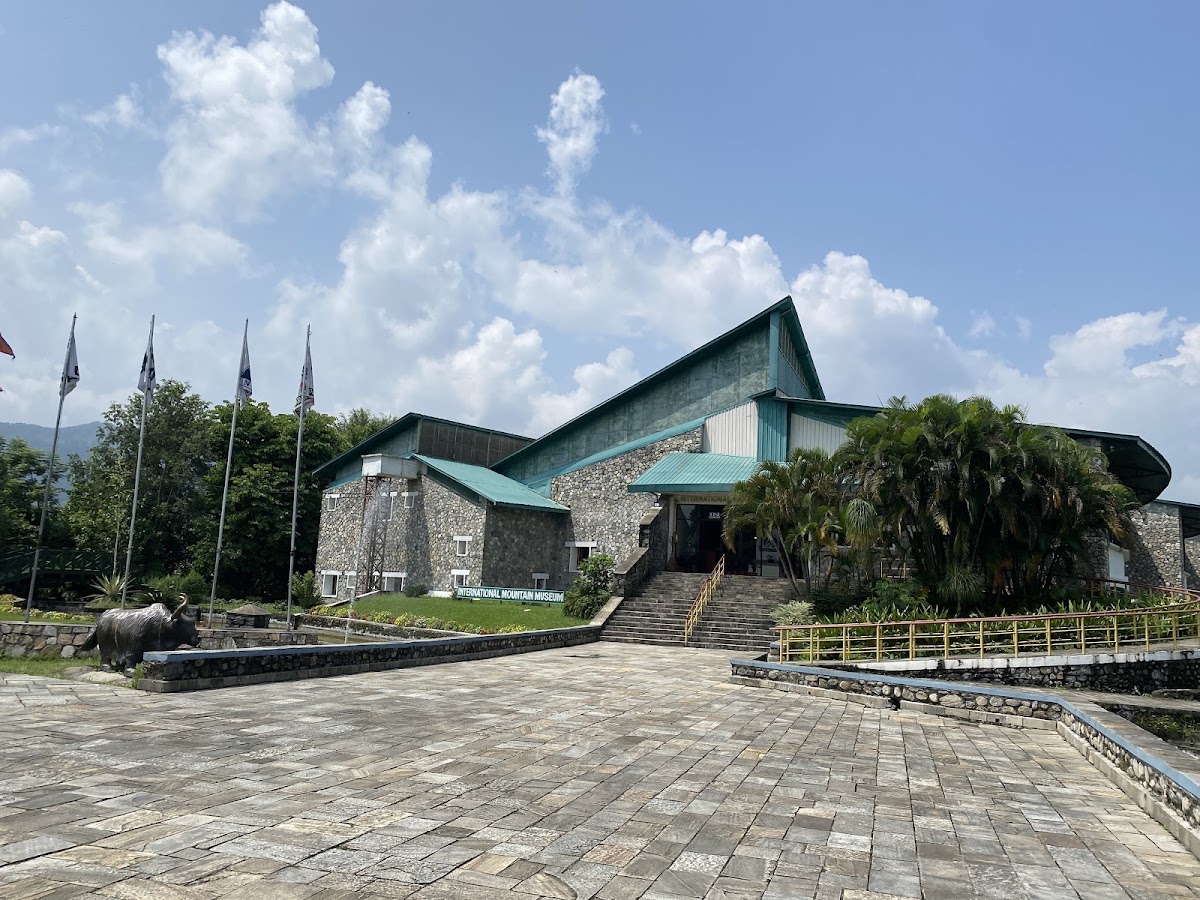
After days of staring at the peaks from a distance, the International Mountain Museum fills in the backstory. It covers the geology of the Himalaya, the cultures of the mountain peoples, and the history of climbing in Nepal, with gear and photos from the great expeditions.
Entry is around 500 NPR for foreign visitors, and it's an easy, flat visit on the south side of town, good for the heat of the day or a cloudy afternoon. There's even a model climbing wall in the grounds.
Pair it with a long, lazy lunch back at a Lakeside café afterward: a plate of momos or dal bhat with the lake breeze and no agenda. The free evenings here are a gift; wander the shops, find a rooftop, watch the light fade.
The Waterfall That Disappears Into the Earth
A river rushing straight down into a hole in the ground, mist rising back up, and the strange thrill of following it underground.
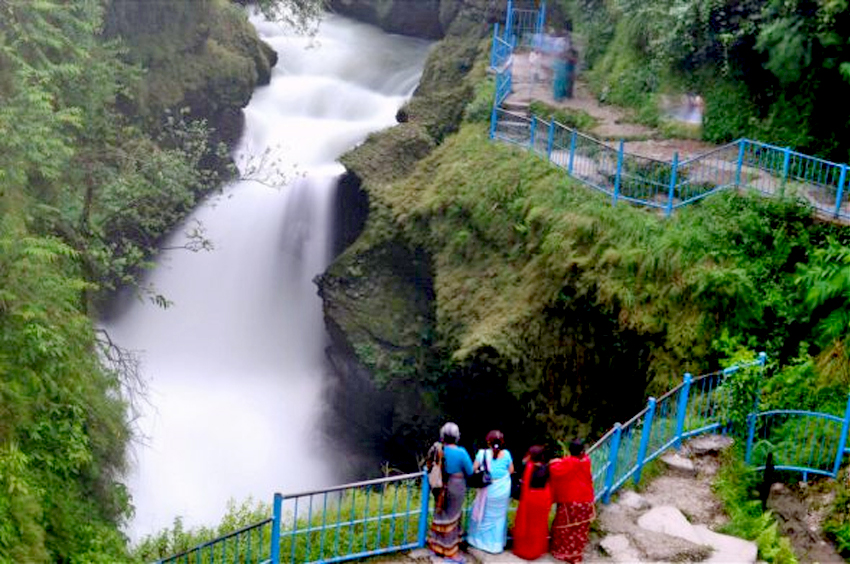
Devi's Fall is odd in the best way. The Pardi stream pours off a ledge and vanishes into a deep gorge, seeming to swallow itself into the earth. In monsoon it thunders; the rest of the year it's a steady, hypnotic rush. Entry is a token 50 to 100 NPR.
Right across the road, Gupteshwor Mahadev Cave takes you down into the rock to see the same water reappearing underground, past a revered Shiva shrine. The steps are damp and the ceilings low, so watch your head, but the payoff of standing beside that hidden waterfall deep in the cave is worth it.
Cap the day with a traditional Nepali dinner back in town: a thali of dal bhat, pickles, and curries, ideally somewhere with live folk music and madal drums.
Stepping Off a Ridge With the Whole Valley Beneath You
A running start off the Sarangkot slope, a sudden lift, and then the lake, the town, and the peaks spread out under your dangling feet.
If you do one splurge in Pokhara, make it this. Tandem paragliding launches from Sarangkot and glides out over Phewa Lake, often with hawks and eagles riding the same thermals beside you. Flights run roughly 8,000 to 11,000 NPR (around 60 to 85 USD) for 25 to 30 minutes, usually in the morning when the air is calm and the mountains are clear.
No experience needed; a certified pilot handles everything while you take in the view (and, yes, the GoPro footage). It's a gentle, floaty ride more than a stomach-drop one.
Afterward you've got a free afternoon to fill however you like, then one last mountain-view breakfast before the short flight back to Kathmandu. Pokhara has a way of making you promise you'll return.
Ready to book?
Book the rest of Pokhara, Nepal
Handpicked partner searches, dates pre-filled. Pricing is identical to going direct — the partner shares a small commission with Tabi so this guide stays free.
Frequently asked
How many days do you need in Pokhara?
Four days is a comfortable amount for the lake, Sarangkot sunrise, the Peace Pagoda, Devi's Fall, and a paragliding flight, with downtime built in. If you plan to trek the Annapurna foothills, add several more days on top of this.
When is the best time to visit Pokhara for mountain views?
October to early December offers the clearest skies and crisp Annapurna views after the monsoon. Spring (March to April) is also good, with rhododendrons in bloom. June to September brings heavy monsoon rain and clouds that often hide the peaks.
Should you fly or drive from Kathmandu to Pokhara?
Flying takes about 25 minutes and delivers stunning Himalayan views for roughly 30 to 45 USD. Driving takes 6 hours or more on winding roads. If budget allows, fly at least one way, ideally in the morning before clouds build.
Is paragliding in Pokhara safe for beginners?
Tandem paragliding from Sarangkot is beginner-friendly; a certified pilot controls the flight while you simply enjoy the ride. Choose an established operator, fly in the calm morning air, and confirm they carry current licenses and insurance.
Is Pokhara a good base for the Annapurna treks?
Yes. Pokhara is the main gateway for the Annapurna Base Camp and Annapurna Circuit treks, as well as shorter walks like Poon Hill. You'll find trekking shops, permits, and guides along Lakeside, making it an easy place to prepare.
Skip the planning
Your Pokhara, Nepal trip, ready to go
Adopt the day-by-day itinerary we built to match this guide. Every stop is a real place, every booking link is validated. Free forever, no card needed.
Open the Pokhara, Nepal itinerary