
Reykjavik, Iceland
Reykjavik in 4 Days: Golden Circle, Black Sand, and the Hot Dog You'll Crave
From volcanic lava fields to geothermal lagoons, Iceland's capital is the gateway to a world that feels like another planet.
TL;DR
The moment you land, Iceland hits you with wind, volcanic rock, and a sky that changes every five minutes. Here's what you'll remember most.
- Flybus across the mossy lava fields from Keflavik to Reykjavik
- Hallgrimskirkja's tower offering a 360-degree view of the colourful rooftops and mountains
- A hot dog at Baejarins Beztu Pylsur, topped with crunchy onions and remoulade
- Walking between tectonic plates at Thingvellir National Park's Almannagjá gorge
- Standing behind the curtain of Seljalandsfoss waterfall on the South Coast
- The hiss of waves on Reynisfjara's black sand beach, with basalt columns rising like organ pipes
- Floating in the milky blue water of the Blue Lagoon, smearing silica mud on your face
Have this trip planned in 60 seconds
We built the Reykjavik, Iceland itinerary that pairs with this guide, day-by-day with verified venues and one-tap booking links. Free to adopt, edit however you want.
The Flybus Ride into a Volcanic Wonderland
The landscape outside the window is grey and green, strewn with moss-covered lava fields that look like the surface of the moon.
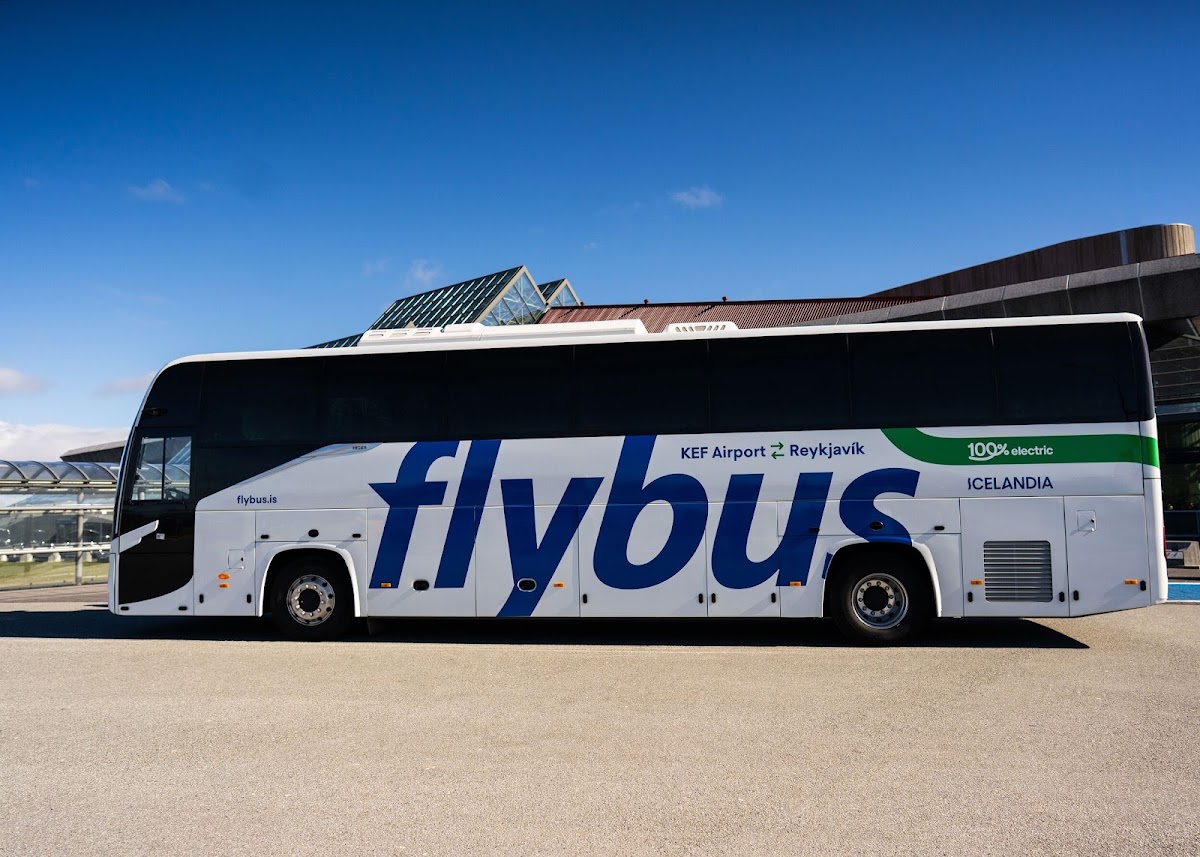
From Keflavik International Airport, the Flybus is your first taste of Iceland's otherworldly terrain. The 45-minute ride passes through vast stretches of volcanic rock, with distant mountains shrouded in low clouds. You'll see the iconic Hafnarfjörður harbour before the bus drops you at the central BSÍ bus terminal in Reykjavik.
A single ticket costs 3,499 ISK (about 25 USD). Book it online or grab one at the airport counter. The buses run every 30 minutes after arrivals, so you never wait long.
If you prefer a door-to-door transfer, consider the Flybus+ option that takes you straight to your hotel for a few extra kronur.
Hallgrimskirkja's Tower and the View That Stops You
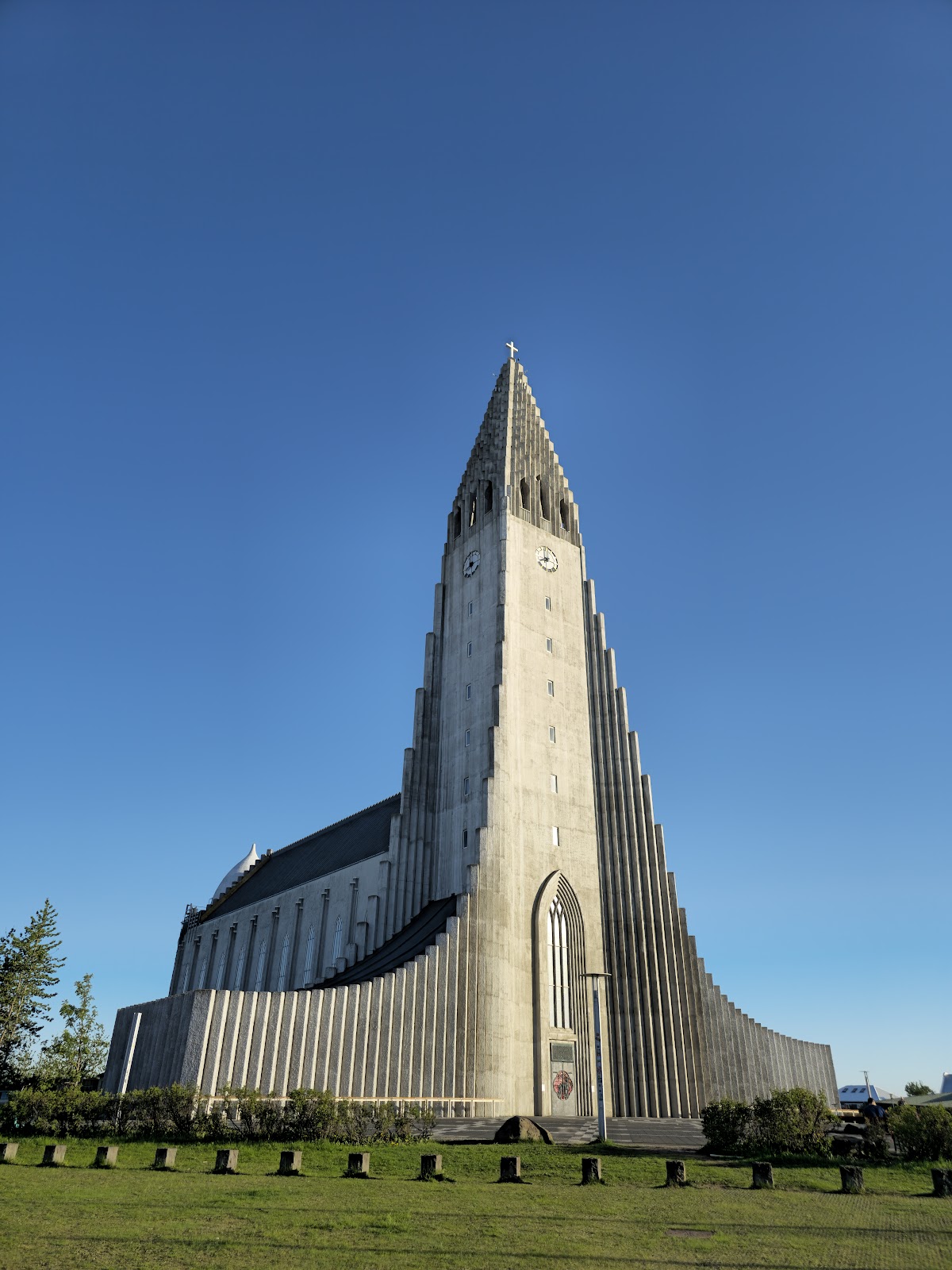
The concrete organ pipes of the church rise 74 metres above Reykjavik's low-rise skyline, a striking contrast against the grey sky.
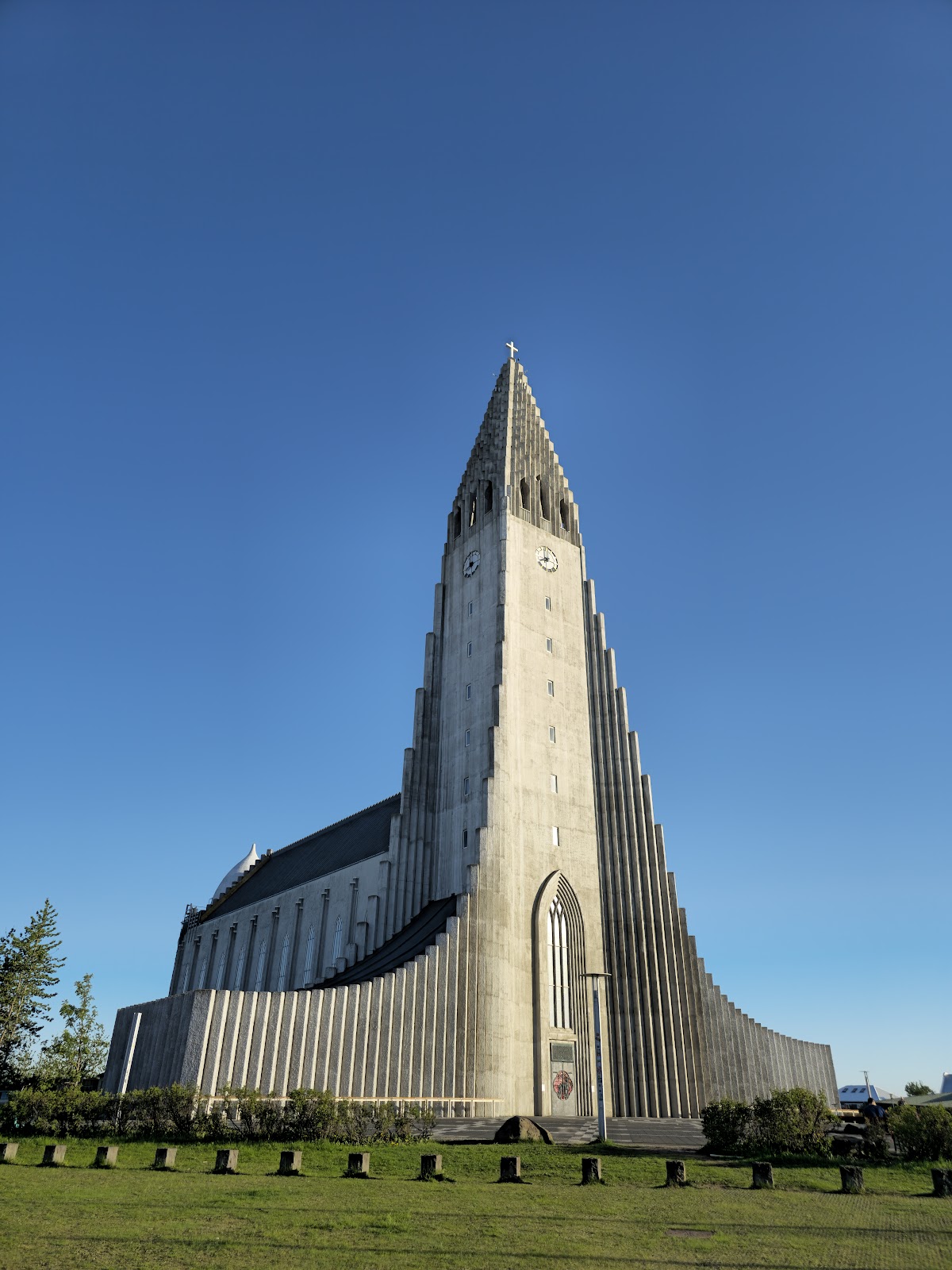
Hallgrimskirkja anchors the city at the top of Skólavörðustígur, a sloping street lined with colourful shops and cafes. The church's design is inspired by basalt columns, like those you'll see later at Reynisfjara. Take the elevator to the tower for a panoramic view: the colourful corrugated roofs of the old town, the Faxaflói Bay, and the snowy peaks of Snæfellsjökull in the distance.
Entrance to the church is free; the tower costs 1,300 ISK (about 9 USD). The light changes dramatically throughout the day, so go at different hours if time allows. Inside, the 5,275-pipe organ is a masterpiece of modern design.
Afterward, stroll down Laugavegur, the main shopping street, where you'll find Icelandic wool sweaters, art galleries, and coffee shops.
The Hot Dog That Defines Reykjavik
The steam rising from the small white stand on Tryggvagata smells of onions and lamb, drawing a line of locals and tourists alike.
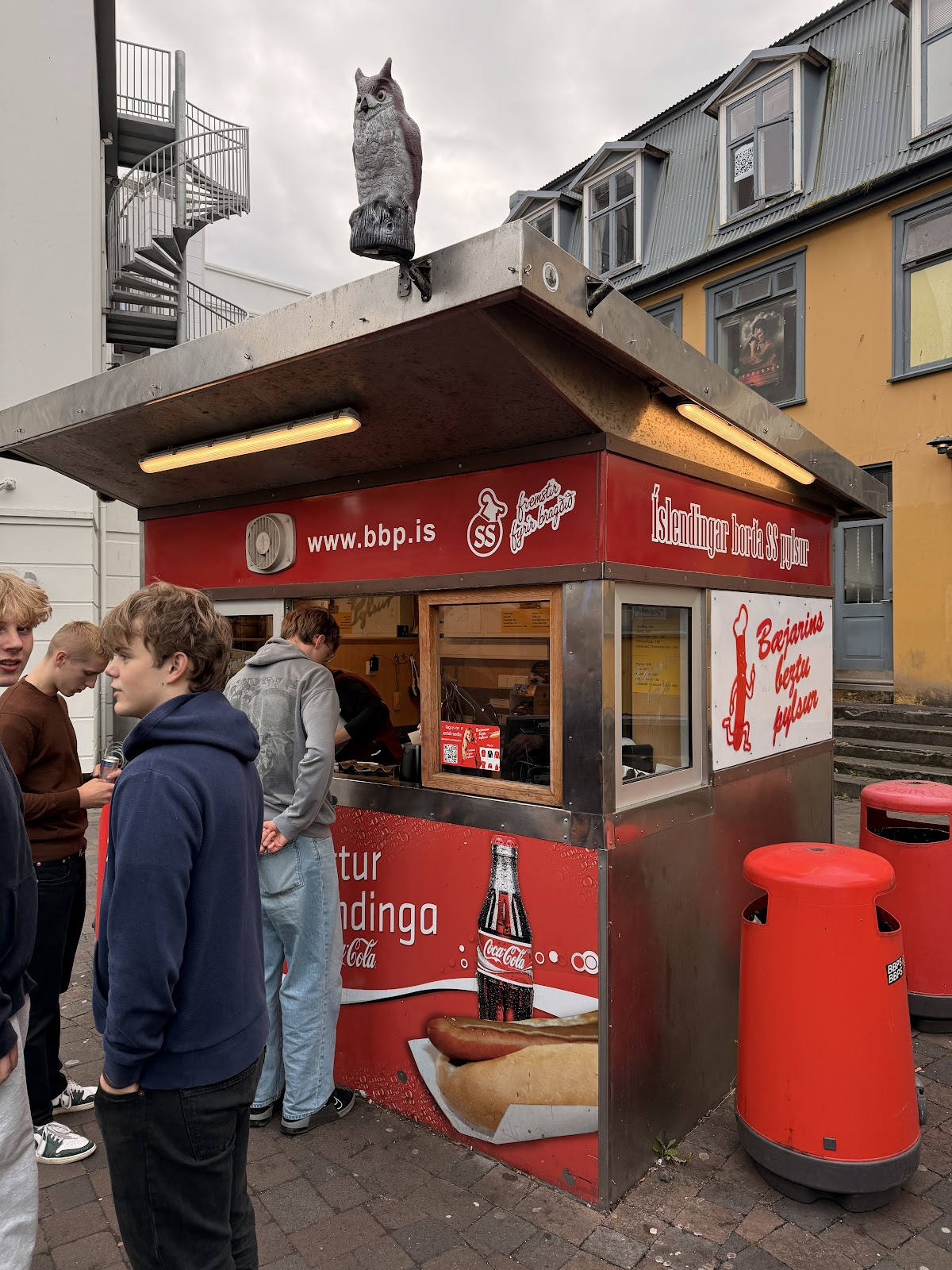
Bæjarins Beztu Pylsur has been serving hot dogs since 1937, and it's a Reykjavik institution. Order one "eina með öllu" (with everything): a lamb-based sausage in a steamed bun, topped with sweet mustard, ketchup, remoulade, raw onions, and crispy fried onions. It's messy, savoury, and costs around 700 ISK (5 USD).
Bill Clinton famously visited in 2004, and the stand now has a small plaque commemorating the event. The stand is open until the early hours on weekends, making it a perfect late-night snack after exploring.
Eat it standing up at the outdoor counter, watching the harbour and the Harpa concert hall shimmer under the low sun.
The Golden Circle: Where the Earth Splits Open
At Thingvellir, you walk through a rift valley where the North American and Eurasian tectonic plates are slowly pulling apart.
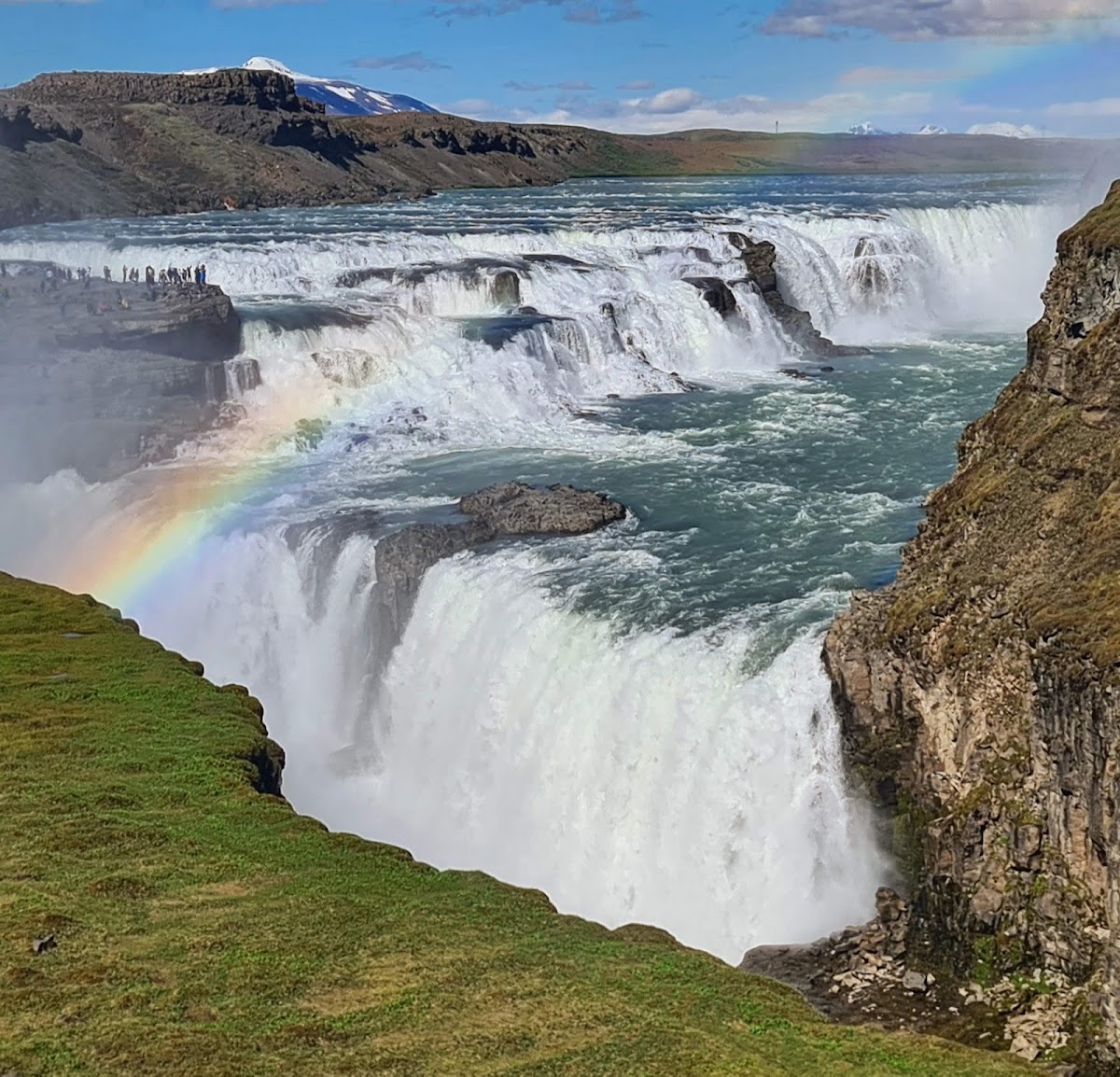
Rent a car or join a tour to circle Iceland's most famous route. Start at Thingvellir National Park, a UNESCO World Heritage site where Iceland's parliament was founded in 930 AD. The Öxarárfoss waterfall cascades over the rift, and you can walk between the plates through the Almannagjá gorge.
Next, the Geysir Geothermal Area. The original Great Geysir is mostly dormant, but its neighbour, Strokkur, erupts every 5, 10 minutes, shooting boiling water 20 metres into the air. The smell of sulphur hangs in the steam.
End at Gullfoss, a two-tiered waterfall that plunges 32 metres into a deep canyon. On sunny days, rainbows arc over the mist. Walk the path to the edge for a full view.
If you have time, detour to Kerið Crater, a volcanic crater lake with vivid turquoise water. Entry is 450 ISK (3 USD).
The South Coast: Waterfalls You Walk Behind and a Black Sand Beach
Seljalandsfoss lets you walk behind the thundering curtain of water, where the spray hits your face and the cliff echoes with sound.
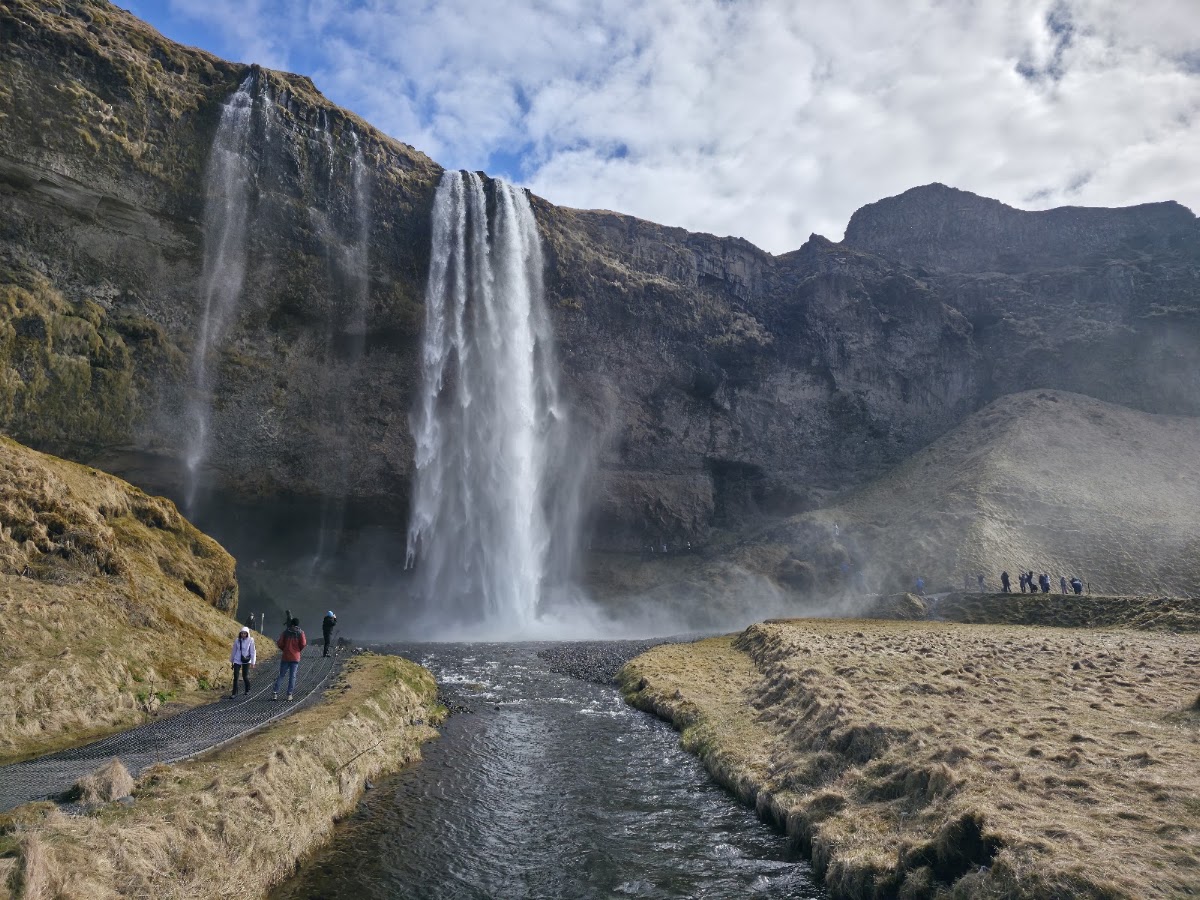
Drive two hours east from Reykjavik to the South Coast. First, Seljalandsfoss: you can walk a path that goes behind the waterfall. The footing is slippery, so wear waterproof boots and a jacket. Nearby, Gljúfrabúi hides inside a canyon, accessible through a small opening.
Twenty minutes further, Skógafoss drops 60 metres in a single sheet. On a sunny day, you'll almost always see a double rainbow. Climb the stairs to the top for a view of the coast and the river flowing from the glacier.
Continue to Reynisfjara Black Sand Beach near Vík. The basalt sea stacks of Reynisdrangar rise from the surf. Beware of "sneaker waves", they can be deadly. Never turn your back on the ocean. The basalt column cave is a photographer's dream.
Stop in Vík for a lamb soup at the Víkurbraut restaurant. The village is small but dramatic, with a church perched on the hill.
A Seafood Dinner by the Old Harbour
The harbour is quiet in the evening, with fishing boats bobbing in the dark water and the Harpa's glass panels glowing like a gem.
Reykjavik's Old Harbour has several excellent seafood restaurants. Try Sægreifinn (The Sea Baron) for a bowl of lobster soup and a skewer of grilled whale, or head to Fiskfélagið (Fish Company) for a modern twist on traditional fish dishes. And it's Icelandic: expect cod, haddock, langoustine, and arctic char.
A main dish at a mid-range restaurant costs about 5,000, 7,000 ISK (35, 50 USD). Reservations are recommended, especially in summer. Walk off dinner along the harbour promenade, watching the midnight sun (or northern lights, depending on season).
If you want something casual, grab a burger from Hlöllabátar on Laugavegur, a local fast-food favourite.
Blue Lagoon: Floating in Geothermal Milk
Steam rises from the milky blue water as you step into the 38°C pool, surrounded by black lava rocks that look like they belong on the moon.
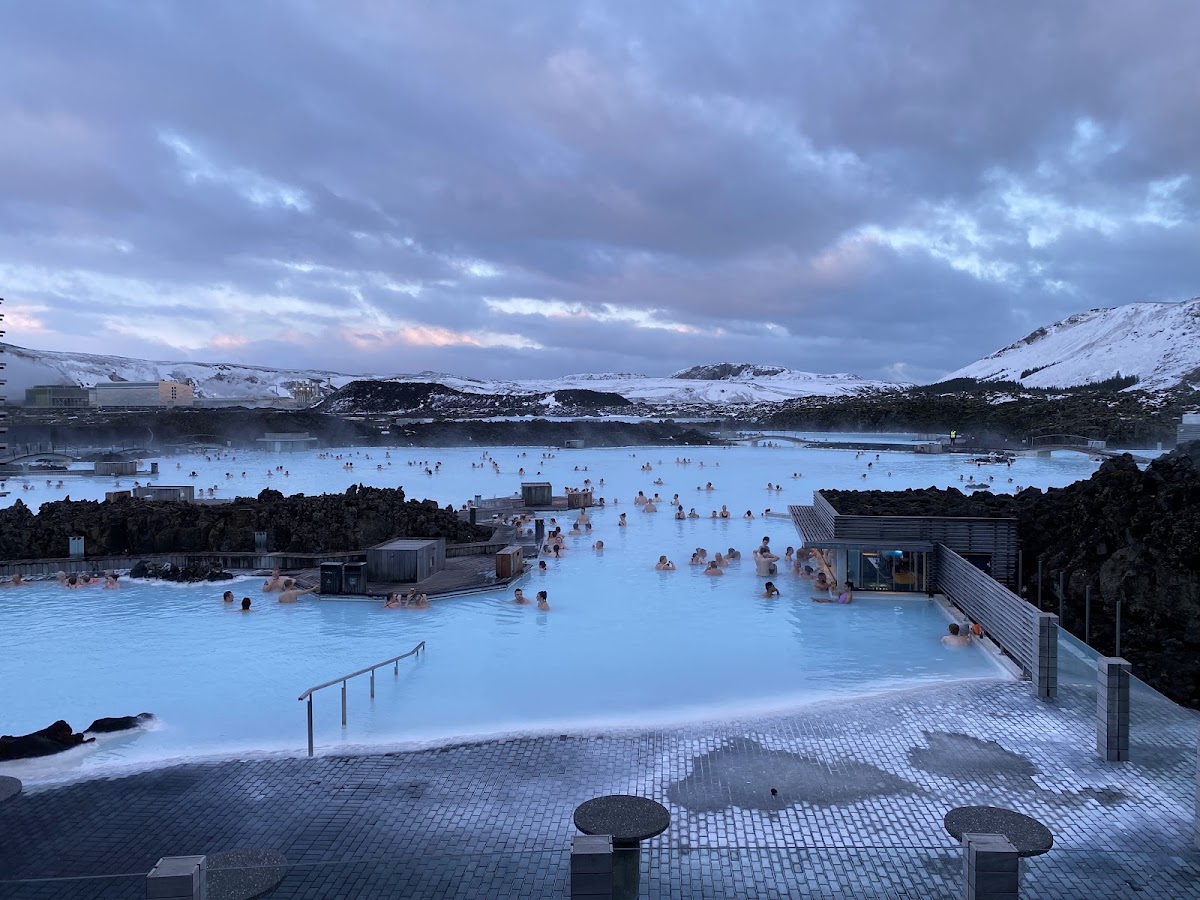
A geothermal lagoon set in a lava field, the Blue Lagoon is 50 minutes from Reykjavik. The water is rich in silica, algae, and minerals. Spread the silica mud from the buckets around the lagoon onto your face, and drink from the self-serve smoothie bar. In-water massage is available but books up weeks in advance.
Entry starts at 8,000 ISK (58 USD) for the standard Comfort package, which includes a towel, a drink, and a silica mud mask. The Premium package adds slippers, a robe, and a second drink. Book your slot ahead of time; they sell out days ahead.
After your soak, have lunch at the Blue Lagoon Cafe: a bowl of lamb soup or a salmon sandwich for about 2,500 ISK. Then take the shuttle back to Keflavik Airport for your flight home.
Ready to book?
Book the rest of Reykjavik, Iceland
Handpicked partner searches, dates pre-filled. Pricing is identical to going direct — the partner shares a small commission with Tabi so this guide stays free.
Frequently asked
What is the best way to get from Keflavik Airport to Reykjavik city centre?
The Flybus is the most convenient option. It costs 3,499 ISK (about 25 USD) and runs every 30 minutes from the airport to the BSÍ bus terminal. The ride takes 45 minutes. You can also book a Flybus+ that drops you at your hotel for a small extra fee. Private transfers are available but significantly more expensive.
How much does the Blue Lagoon cost, and do I need to book in advance?
Standard Comfort entry starts at 8,000 ISK (58 USD) and includes a towel, one drink, and a silica mud mask. The Premium package adds a robe, slippers, and a second drink. You must book online in advance; walk-up tickets are rarely available, especially in summer. Slots can sell out days ahead, so book as soon as your travel dates are firm.
Is it worth renting a car for the Golden Circle and South Coast?
Yes, if you want flexibility and don't mind driving in sometimes challenging weather (strong winds, rain). The roads are well-maintained but can be icy in winter. Renting a car gives you freedom to stop at Kerið Crater or other smaller spots. Alternatively, many tour operators offer comfortable bus tours that handle all logistics, which is ideal if you prefer not to drive.
What should I pack for a trip to Reykjavik and the surrounding area?
Layers are key. A waterproof and windproof jacket is essential, even in summer. Thermal base layers, a fleece or wool sweater, waterproof trousers, and sturdy waterproof boots with good grip are recommended. Pack a warm hat, gloves, and a scarf. In winter, add thermal leggings and a thicker insulated jacket. Sunglasses are useful any season because of the low-angle sun and reflections off snow or water.
Can I see the Northern Lights from Reykjavik?
Reykjavik has too much light pollution to see the aurora clearly. For the best views, join a northern lights tour that takes you outside the city, or rent a car and drive to a dark area with a clear forecast. The season runs from September to mid-April. Check the Icelandic Met Office website for aurora forecasts before heading out.
Skip the planning
Your Reykjavik, Iceland trip, ready to go
Adopt the day-by-day itinerary we built to match this guide. Every stop is a real place, every booking link is validated. Free forever, no card needed.
Open the Reykjavik, Iceland itinerary