
Riga, Latvia
What to Do in Riga in 3 Days: Old Town, Art Nouveau, and a Market in a Zeppelin Hangar
A three-day walking log through the prettiest capital on the Baltic, from the Blackheads' facade to sunset over the Daugava.
TL;DR
Three days on foot through a city where medieval gables give way to the wildest Art Nouveau street in Europe, all walkable from the river.
- House of the Blackheads, a facade so ornate it looks freshly iced
- Alberta iela, screaming stone faces and peacocks above your head
- Central Market, smoked eel and rye bread inside old Zeppelin hangars
- Latvian National Museum of Art, Baltic light in a restored palace
- Riga Castle at dusk, the Daugava turning pink behind it
Have this trip planned in 60 seconds
We built the Riga, Latvia itinerary that pairs with this guide, day-by-day with verified venues and one-tap booking links. Free to adopt, edit however you want.
The Ride In, Before You've Even Dropped Your Bag
Pine forest thins out, then suddenly there are tram wires, wet cobbles, and church spires the color of old copper.

Riga International Airport sits about 10km southwest of the center, so the drive in is short and gives you your first read on the city: leafy suburbs, then the grand 1930s apartment blocks, then the medieval core rising behind the Daugava.
A metered taxi runs roughly 15 to 20 EUR (about 17 to 22 USD) to Old Town, and the ride takes 20 to 25 minutes. Bus 22 does the same trip for a couple of euros if you're traveling light, but with luggage and jet lag, a pre-booked door-to-door pickup is the calmer move.
Aim to arrive with daylight left. That first walk out into the Old Town, before you know where anything is, is one you only get once.
The Facade That Looks Freshly Iced
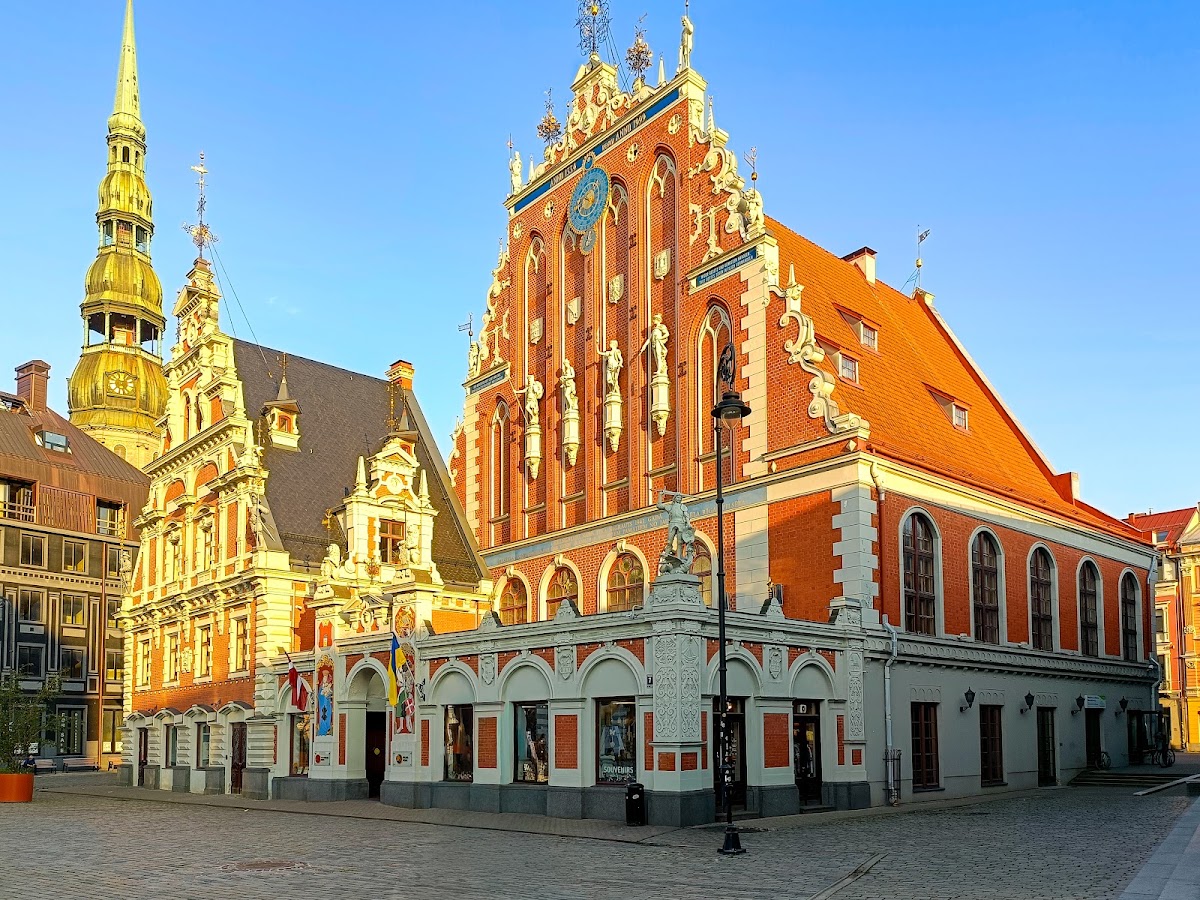
Step out into Town Hall Square and the House of the Blackheads stops you mid-stride: red brick, gold trim, a step-gabled front so detailed it looks piped from a pastry bag.
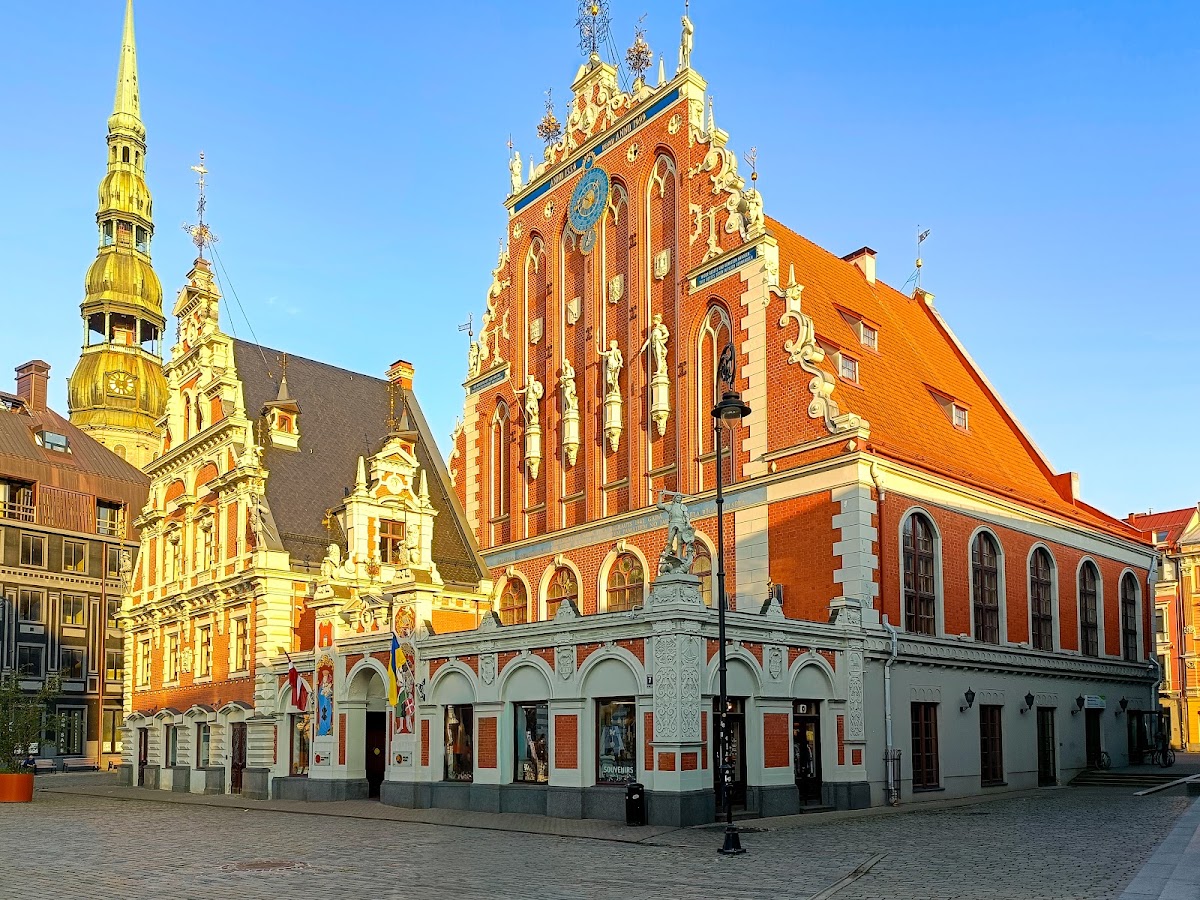
This is where a Riga walk should begin. The building's roots go back to the 14th century, home to a guild of unmarried merchants, though what you see now is a meticulous rebuild finished in 1999 after wartime destruction. Knowing that somehow makes it better, not worse; the city chose to put its own face back together.
From here the Old Town unspools in every direction: the crooked lane of the Three Brothers houses, the Cat House with its arched-back bronze cats on the roof, St. Peter's Church with a lift up its spire for the wide view. Distances are tiny. You can cross the whole medieval core in fifteen minutes, which is exactly why you should let yourself get lost in it instead.
A guided morning walk is worth it on day one just to pin the stories to the stones. After that, the streets are yours.
The Street Where the Buildings Have Faces
Look up on Alberta iela and stone faces look back: screaming masks, serene goddesses, peacocks and lions frozen mid-stretch across the facades.
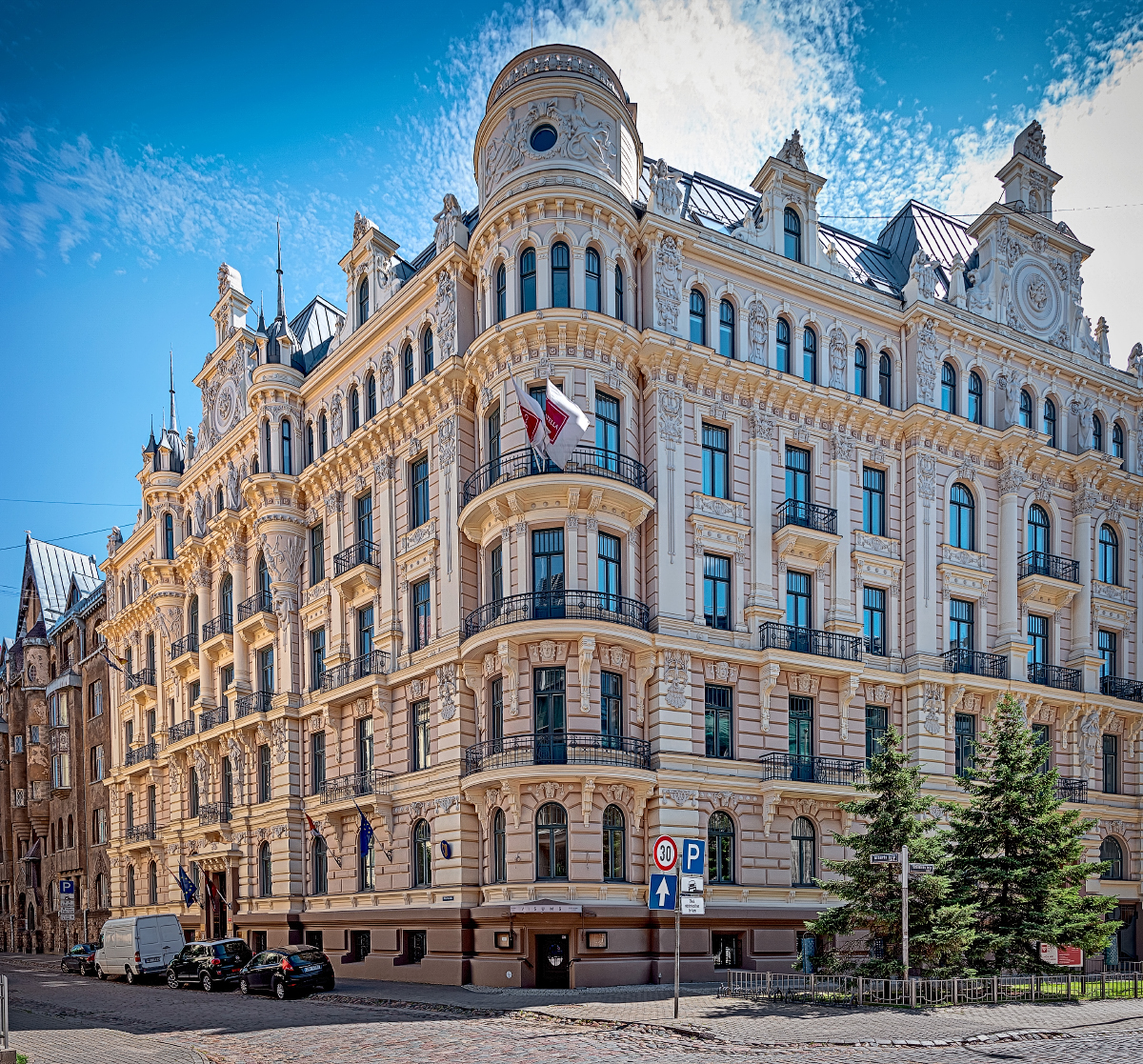
Riga holds one of the densest collections of Art Nouveau architecture on Earth, and Alberta iela is its showpiece. Walk it slowly with your chin up. The most theatrical buildings here came from Mikhail Eisenstein around 1904, and each one is a small argument about how ornate a wall can get before it tips into pure joy.
It's a short stroll north from the Old Town into the quieter Centra district, where the streets widen and the tourist crowds thin. Duck into the Riga Art Nouveau Centre on Alberta iela 12, a restored apartment you can actually walk through, complete with the original spiral staircase that everyone photographs.
This is a morning that rewards no plan at all. Pick a direction, follow the prettiest roofline, repeat.
Lunch Inside the Zeppelin Hangars
Smoked eel, sour rye bread, and a wall of pickles: the air in here smells like brine and woodsmoke, and it's coming out of five giant hangars once built for airships.
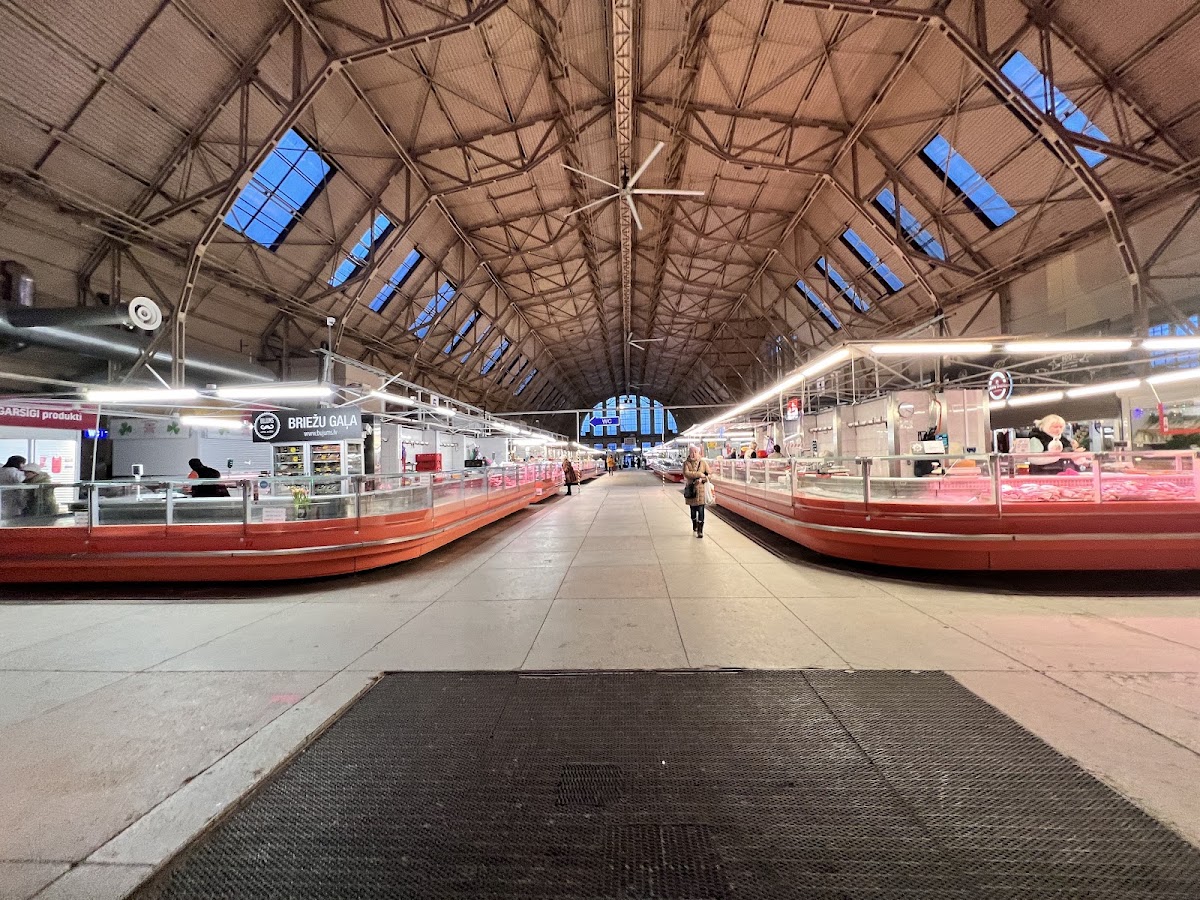
Riga Central Market is genuinely unusual. The five great pavilions started life in the 1920s as German Zeppelin hangars, then got repurposed into one of the largest markets in the Baltics. Each hall has a theme: one for meat, one for fish, one for dairy, one for produce, one for bread.
Eat like a local. Grab smoked fish and a hunk of dark rye, a scoop of farmer's cheese, maybe a jar of forest berries. Sit at one of the food stalls where grey peas with bacon (the unofficial national dish) go for just a few euros. Most stalls take cash, so keep some coins on you.
It's a five-minute walk behind the train station, on the edge of Old Town. Come hungry and let the vendors talk you into one more sample.
Baltic Light in a Restored Palace
Sunlight pours through the glass dome onto pale stone, and below it hang the seascapes and portraits that taught Latvia how to see itself.
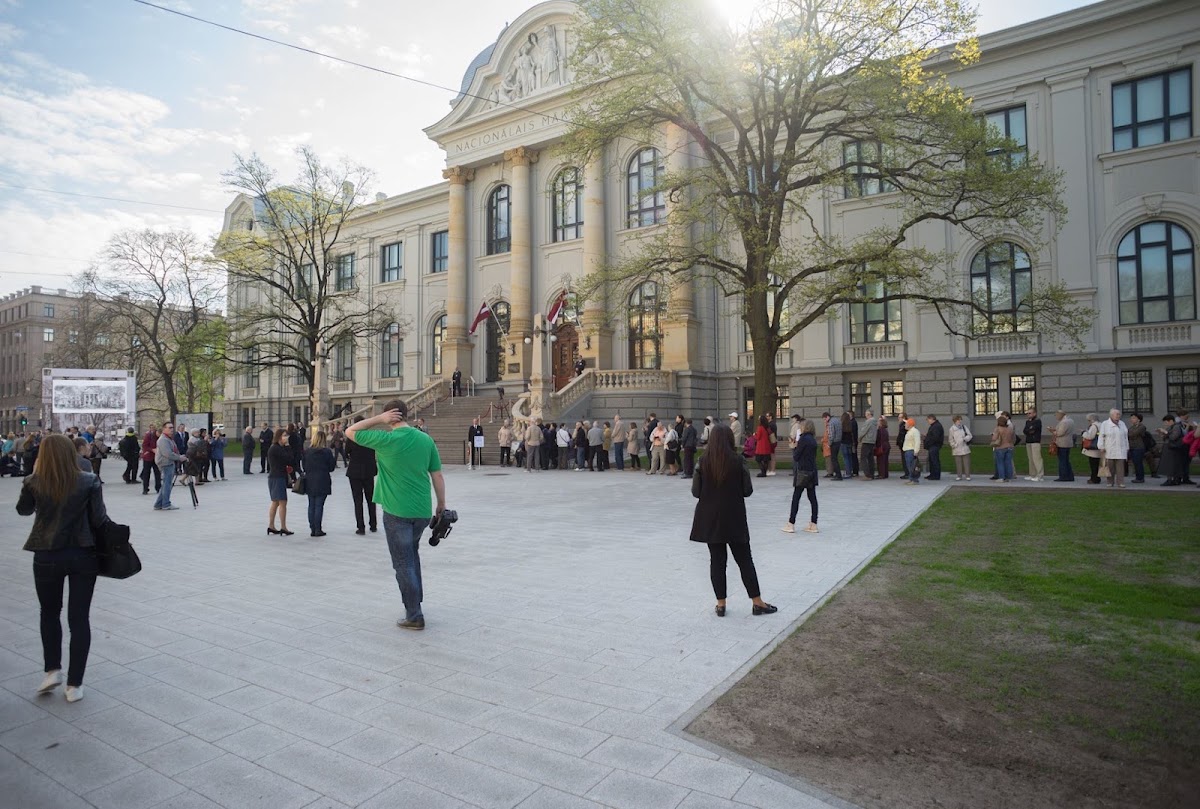
After the market's noise, the Latvian National Museum of Art is the perfect exhale. Housed in a grand 1905 building in the Centra district, it reopened after a deep renovation that added a luminous cupola hall and underground galleries you'd never guess were there from the street.
The collection leans into Latvian and Baltic painting, so this is your window into a visual culture most visitors have never encountered. The moody landscapes of Vilhelms Purvītis alone are worth the ticket, all silver birches and thawing rivers.
Entry is modest, around 6 EUR (about 7 USD), and an hour or two is plenty. Check current hours and ticketing before you go via the museum site (https://www.lnmm.lv/en).
The Dinner That Tastes Like a Latvian Forest
Candlelight on stone walls, a clay pot of slow-braised pork, and a rye bread soup for dessert that somehow works.
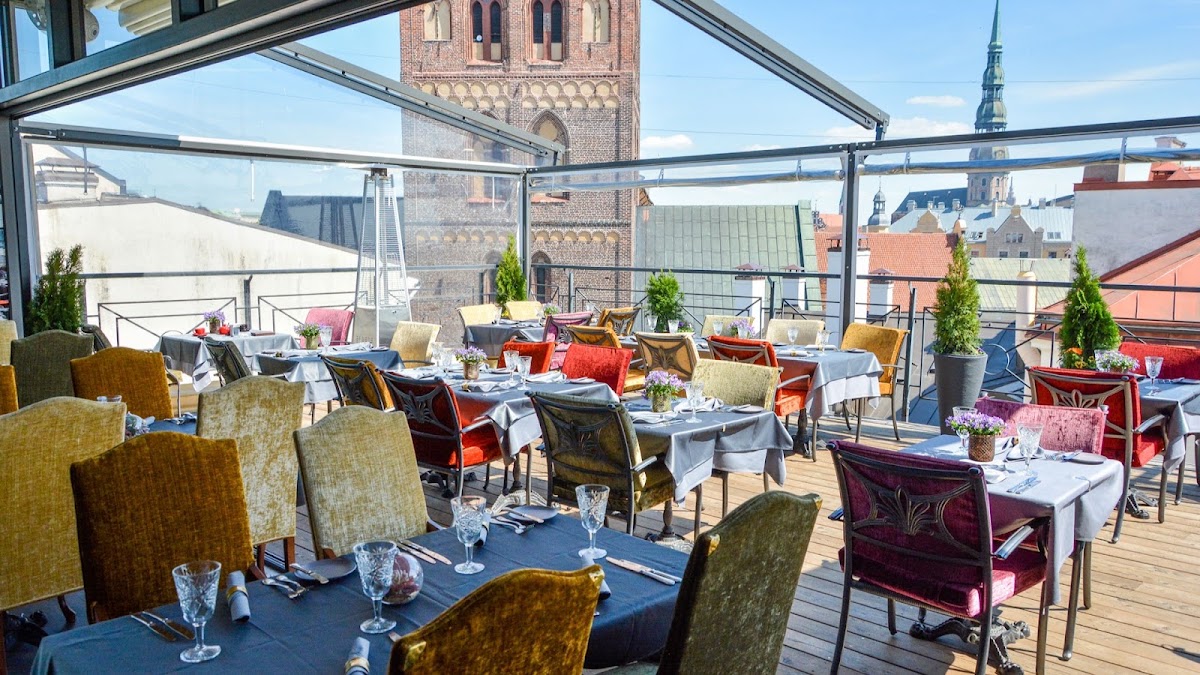
For your second evening, head to the little lanes off Miesnieku iela in the Old Town, where a cluster of traditional Latvian restaurants do the real thing: game, root vegetables, cured fish, and beer brewed within the country's borders.
Order something you can't get at home. Grey peas, cold beetroot soup in summer, or the dense dark rye that shows up in every form including a sweet pudding. A hearty main runs around 15 to 22 EUR (about 16 to 24 USD), and a local craft beer a few euros more.
The Old Town is at its best after dark, when the day crowds thin and the gas-lamp glow catches the cobbles. Take the long way back to your hotel.
Sunset Over the Daugava
The river goes wide and mirror-flat, Riga Castle glows pale on the near bank, and the whole sky over the Daugava turns the color of a peach.
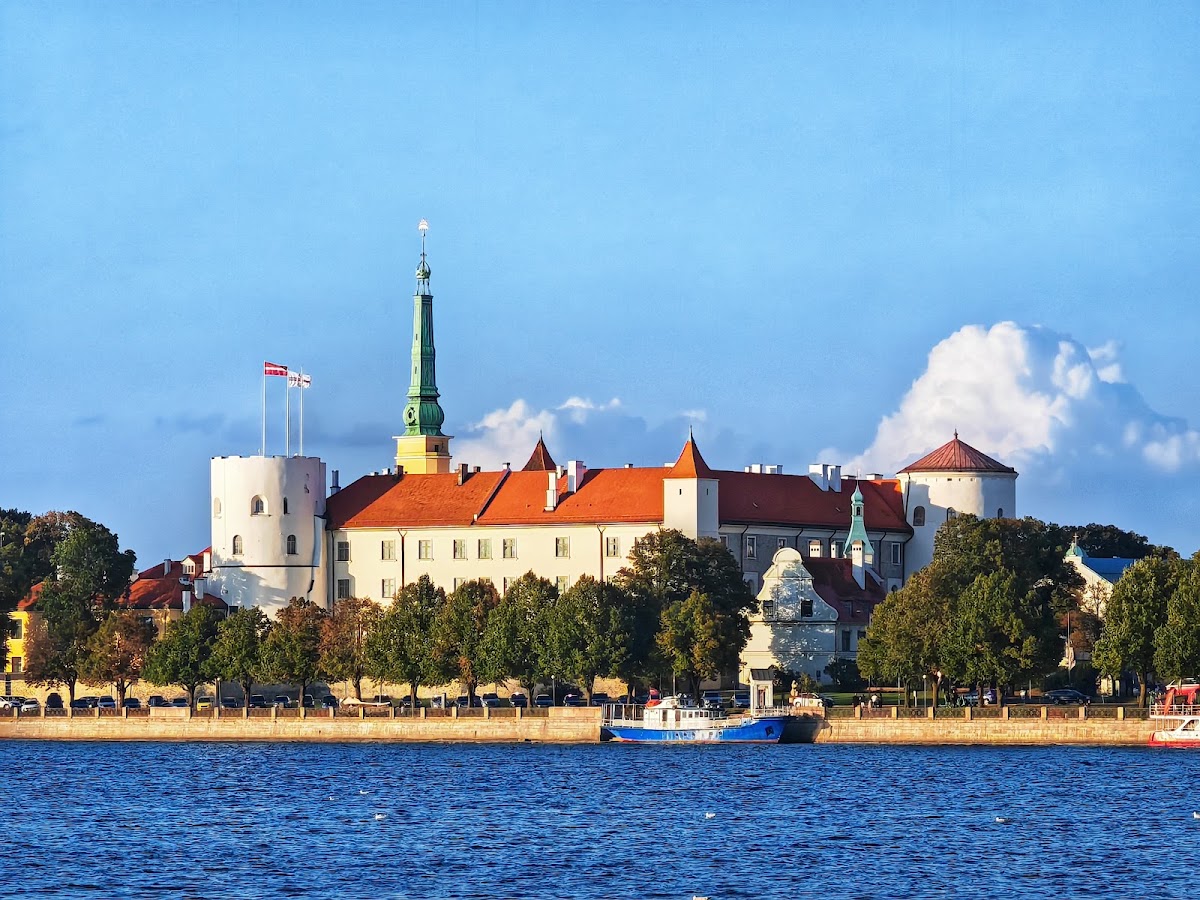
Save your last afternoon for the water. Riga Castle sits on the riverbank at the edge of Old Town, a 13th-century fortress that now serves as an official presidential residence, so you're mostly admiring it from outside rather than touring in. That's fine. The point is the setting.
Walk the Daugava promenade as the light drops. From here you get the full postcard: castle turrets, the spires of the Old Town stacked behind them, and the cable-stayed Vanšu Bridge sweeping across the water. It's flat, easy, and free, and it's the image of Riga you'll carry home.
Then it's the short 20-minute run back to the airport. Give yourself buffer, take one last look at the skyline from the car, and you're gone.
Ready to book?
Book the rest of Riga, Latvia
Handpicked partner searches, dates pre-filled. Pricing is identical to going direct — the partner shares a small commission with Tabi so this guide stays free.
Frequently asked
How many days do you need in Riga?
Three days is the sweet spot. It gives you a full day for the Old Town, a day for Art Nouveau architecture and the Central Market, and a relaxed final day along the Daugava river before flying out. Two days can work if you're tight, but you'll be rushing the museums.
Is Riga walkable?
Very. The medieval Old Town crosses in about fifteen minutes on foot, and the Art Nouveau district on Alberta iela is a ten-minute walk north of it. You'll only really need transport for the airport transfer. The main surface is cobblestone, so pack comfortable shoes.
What food should you try in Riga?
Go for grey peas with bacon (the national dish), dark sour rye bread in all its forms, smoked fish from the Central Market, cold beetroot soup in summer, and local craft beer. Traditional restaurants around Miesnieku iela in the Old Town are a reliable place to try them.
What's the best time of year to visit Riga?
Late spring through early autumn (May to September) brings long daylight, mild temperatures, and the riverside at its best. December is atmospheric for the Christmas market but cold and dark. Winter days are short, so plan indoor museums around limited daylight.
Do you need to book Riga Castle in advance?
Riga Castle is an official presidential residence, so it isn't a standard walk-in tourist attraction; most visitors admire it from the outside and the Daugava promenade. For interiors, focus your museum time on the Latvian National Museum of Art instead, where you can buy tickets on arrival or online.
Skip the planning
Your Riga, Latvia trip, ready to go
Adopt the day-by-day itinerary we built to match this guide. Every stop is a real place, every booking link is validated. Free forever, no card needed.
Open the Riga, Latvia itinerary