
San Francisco, United States
What to Do in San Francisco in 5 Days: Cable Cars, Fog, and the Best Sourdough
From the Golden Gate Bridge to Mission District murals, here's the San Francisco you'll taste, ride, and remember.
TL;DR
Clang your way through the city by cable car, then lose yourself in fog-draped bridges, sea lion barks, and the best burrito of your life.
- Cable car ride to Fisherman's Wharf, wind whipping your hair and bell clanging at every turn
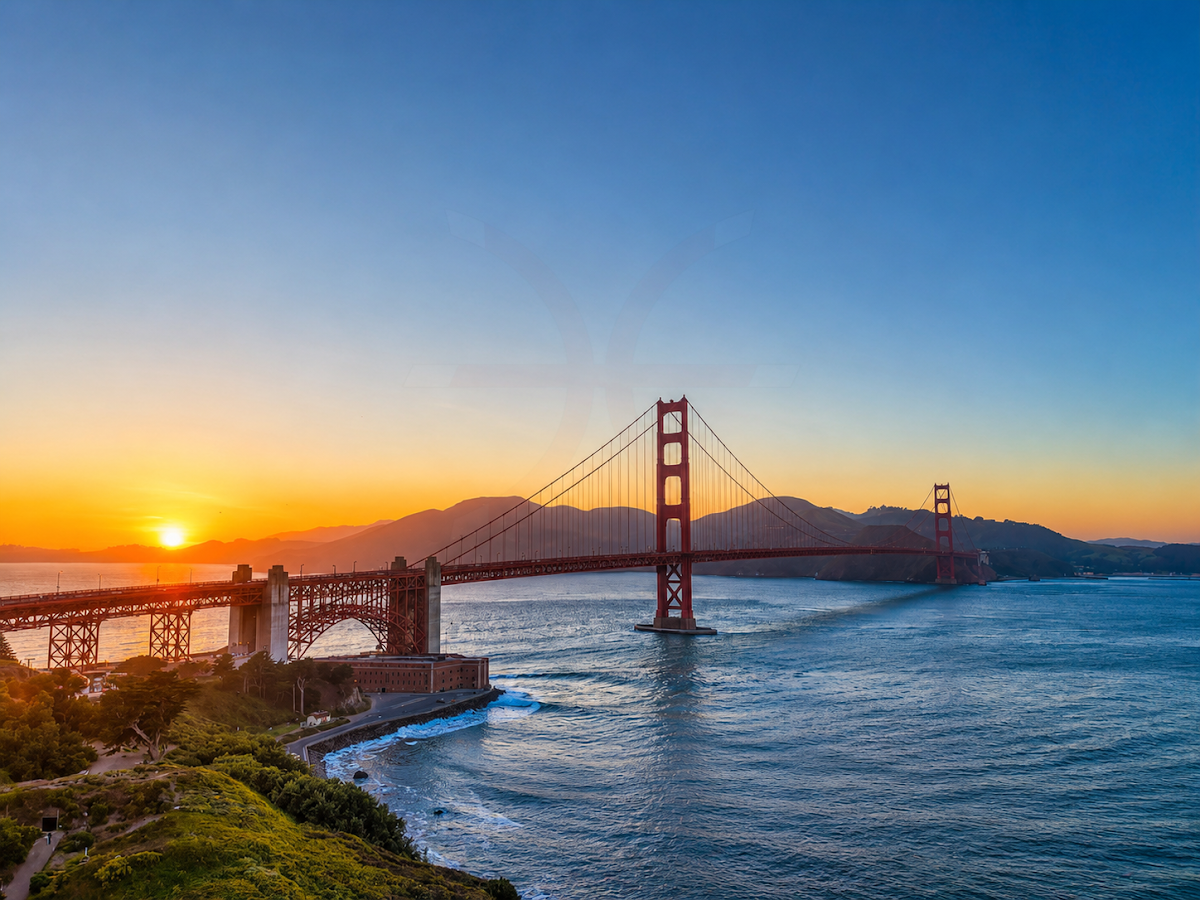
- Golden Gate Bridge emerging from morning fog, the orange towers glowing against gray sky
- Pier 39 sea lions barking at sunset, the salt air thick with their chorus
- Alcatraz's cold cell block echoing with history, the ferry ride giving you the best skyline view
- Mission District murals on Clarion Alley, every wall a story painted in vivid color
Have this trip planned in 60 seconds
We built the San Francisco, United States itinerary that pairs with this guide, day-by-day with verified venues and one-tap booking links. Free to adopt, edit however you want.
The Cable Car That Defies Gravity
The bell clangs, the gripman heaves the lever, and you're suddenly climbing a 21-degree slope with the wind in your hair and the bay opening up behind you.
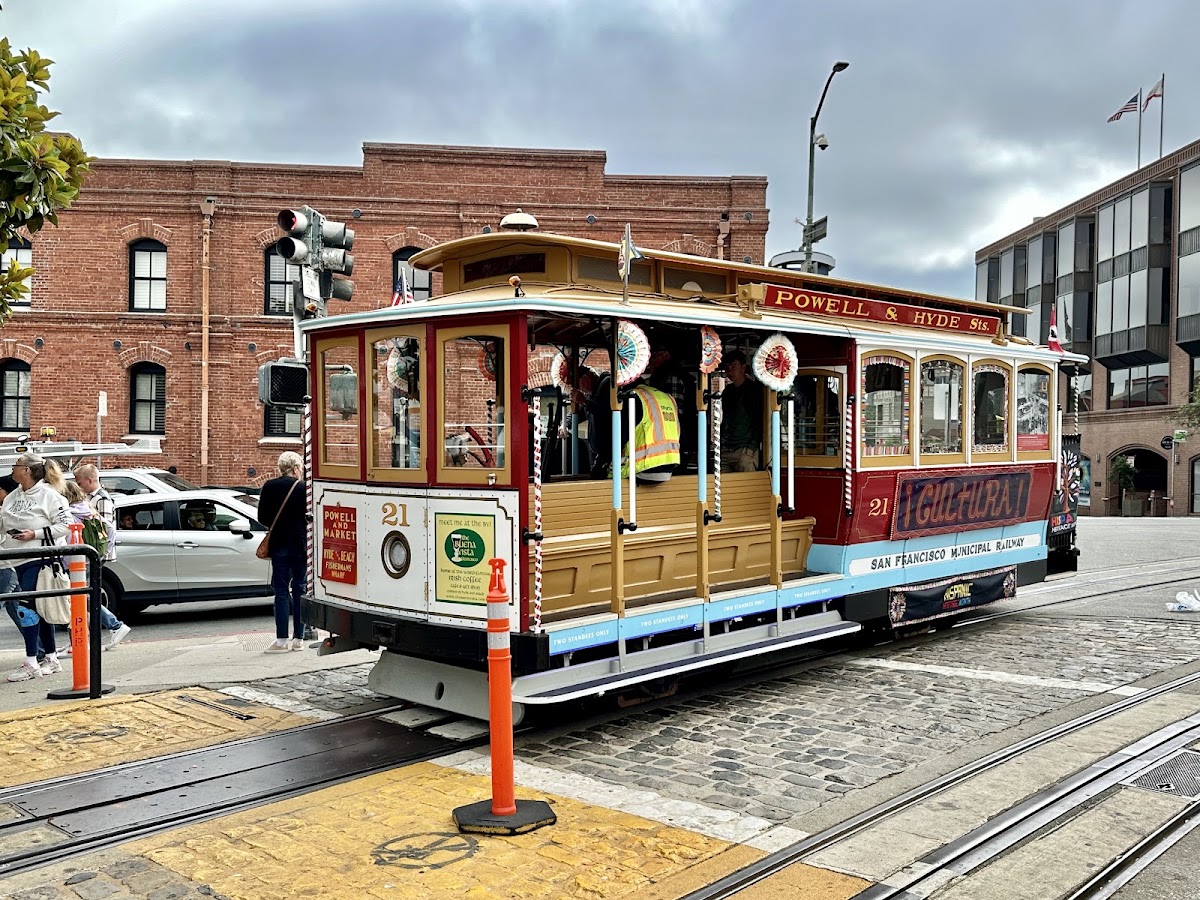
Start your San Francisco story the way it's meant to begin: aboard a rumbling cable car. The Powell-Hyde line is the classic route, winding from Market Street up over Nob Hill and down to Fisherman's Wharf. You'll grip the polished wooden pole as the car crests the hill and the Transamerica Pyramid pokes through the fog.
The whole ride costs $8 (USD) one way, or you can buy a day pass for $13 (USD) from the conductor. Don't bother sitting inside; stand on the running board and let the city rush past. The turntable at the end is a show in itself, with workers spinning the car by hand.
The Bridge in the Fog
The first sign of the Golden Gate Bridge is usually its tops rising above a blanket of white, like a dream materializing out of the Pacific.
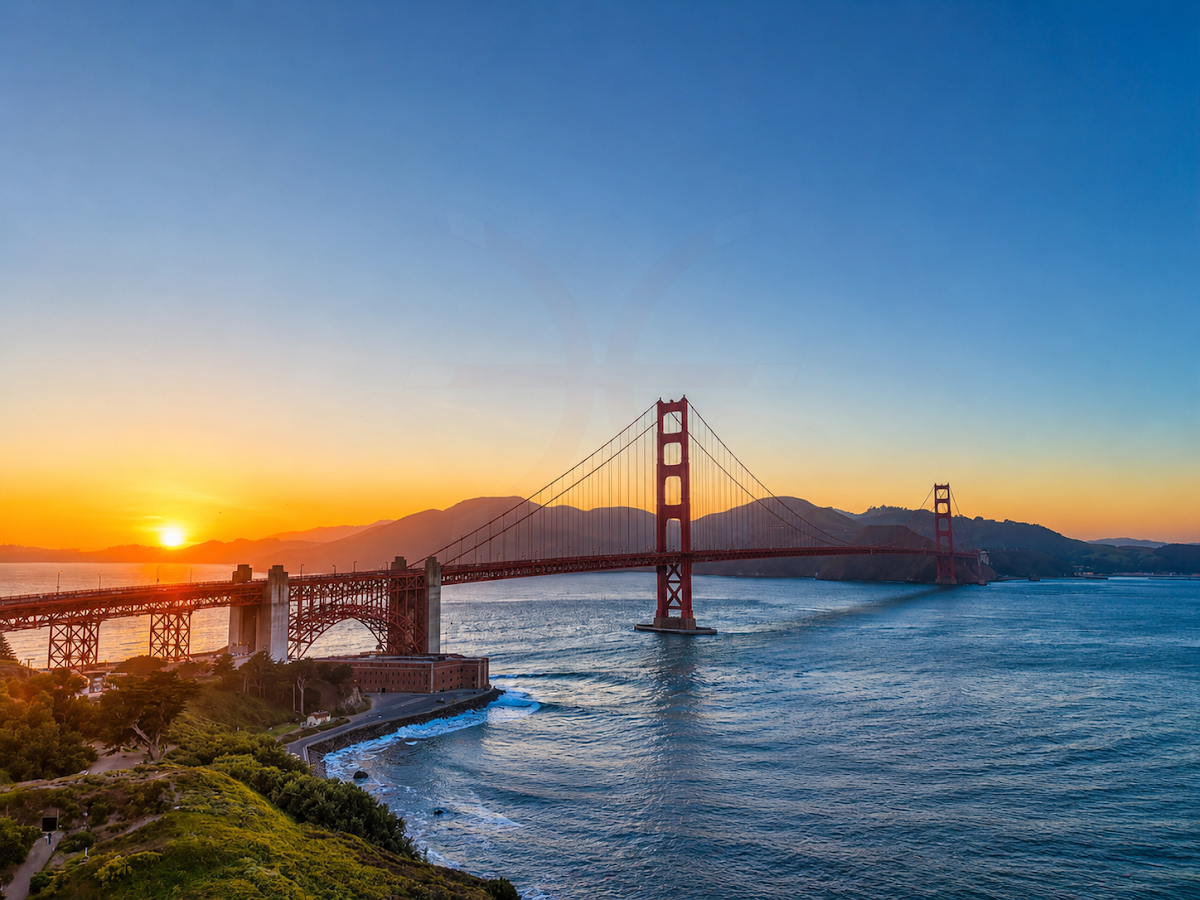
Hop off the cable car at Fisherman's Wharf and catch a bus or walk the flat stretch to the Golden Gate Bridge Welcome Center. The center sits right at the southeastern foot of the bridge, and you'll want to spend time on the promenade just east of the parking lot. This is where the classic postcard shot lives: the bridge soaring into the fog, with Fort Point below.
If the fog clears, walk out onto the bridge itself. The pedestrian path runs 1.7 miles across to the Marin County side. Round trip takes about an hour. You'll feel the bridge sway slightly under your feet, and the roar of traffic mixes with the cries of gulls. Free to access. For a deeper dive, the Welcome Center has exhibits on the bridge's construction ($10 USD suggested donation).
Sea Lions That Steal the Show
The barking starts before you see them, a chorus of wet snorts and belly flops that echoes off the piers.
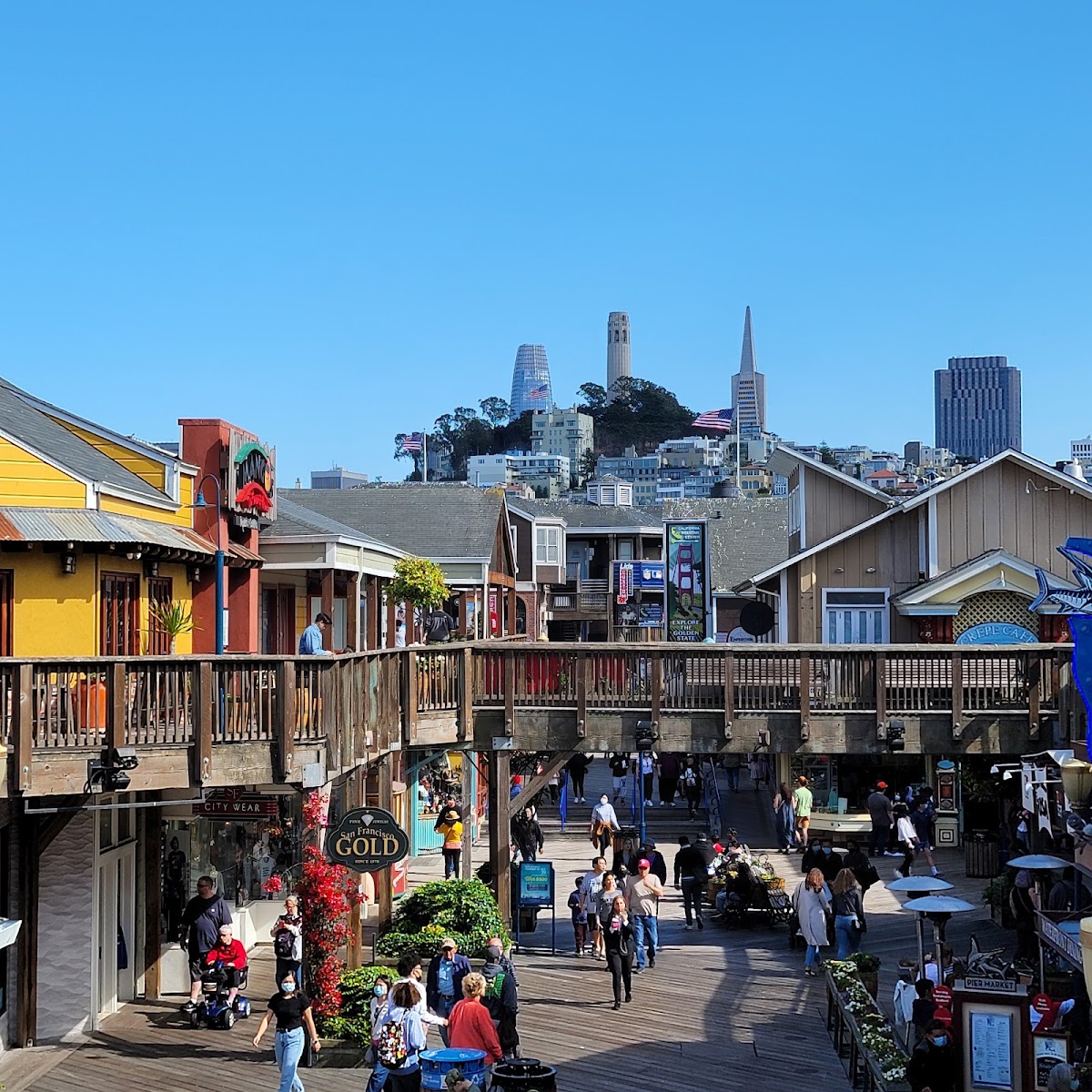
Pier 39 is touristy, no question, but the sea lions make it worth every selfie stick. They've taken over the floating docks on the western side of the pier, hauling themselves out of the water to sunbathe and bicker. Some weigh over 500 pounds. The best time to watch is late afternoon, when the light turns golden and the animals are most active.
Grab a clam chowder bread bowl from Boudin Bakery right there on the pier (it's a classic for a reason) and find a bench facing the bay. You can see Alcatraz across the water and the Golden Gate Bridge to your left. Free to watch. The sea lions are protected, so keep a respectful distance. The barking is part of the charm.
The Rock That Holds a Thousand Stories
The ferry cuts through the chop, and as Alcatraz looms closer, a chill that has nothing to do with the wind settles over you.
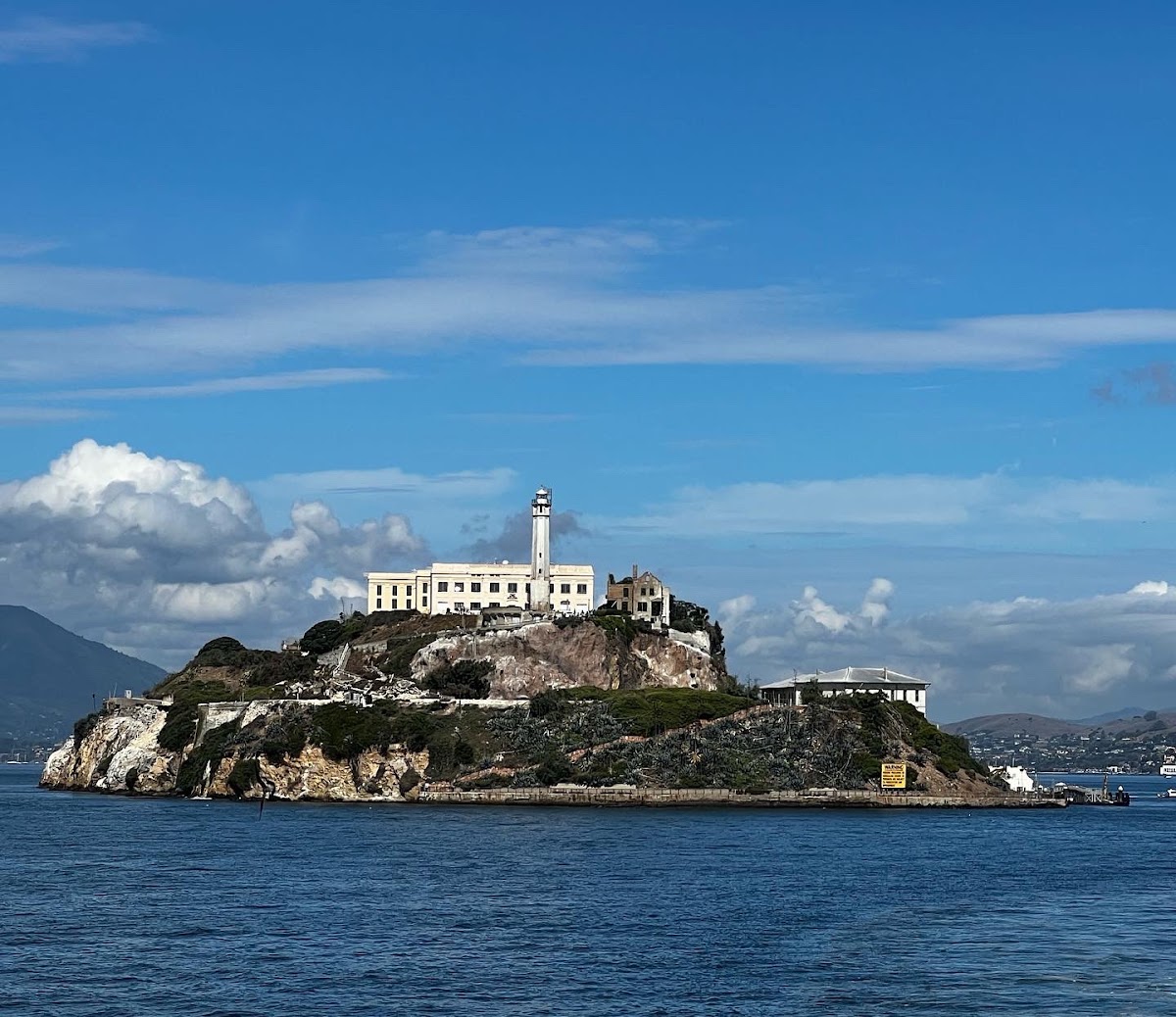
Alcatraz Island demands a reservation. Book at least two weeks ahead on the official site (nps.gov/alcatraz) or through GetYourGuide bundles. The ferry departs from Pier 33, and the ride takes 15 minutes. Once on the island, the audio tour of the cellhouse is your best friend. It's narrated by former guards and inmates, and you'll hear the actual sounds of doors slamming and keys jangling.
Stand in the tiny isolation cells and imagine the cold, the silence. The view of San Francisco's skyline from the island is surreal: so close, yet so unreachable. Plan for 2.5 to 3 hours total, including the ferry. Tickets start at $45 (USD) for adults. The first ferry of the morning is the least crowded.
The Ferry Building's Feast of Fresh Things
The smell of roasting coffee and baking bread hits you the moment you walk through the north arcade, pulling you past stalls of golden peaches and shining oysters.
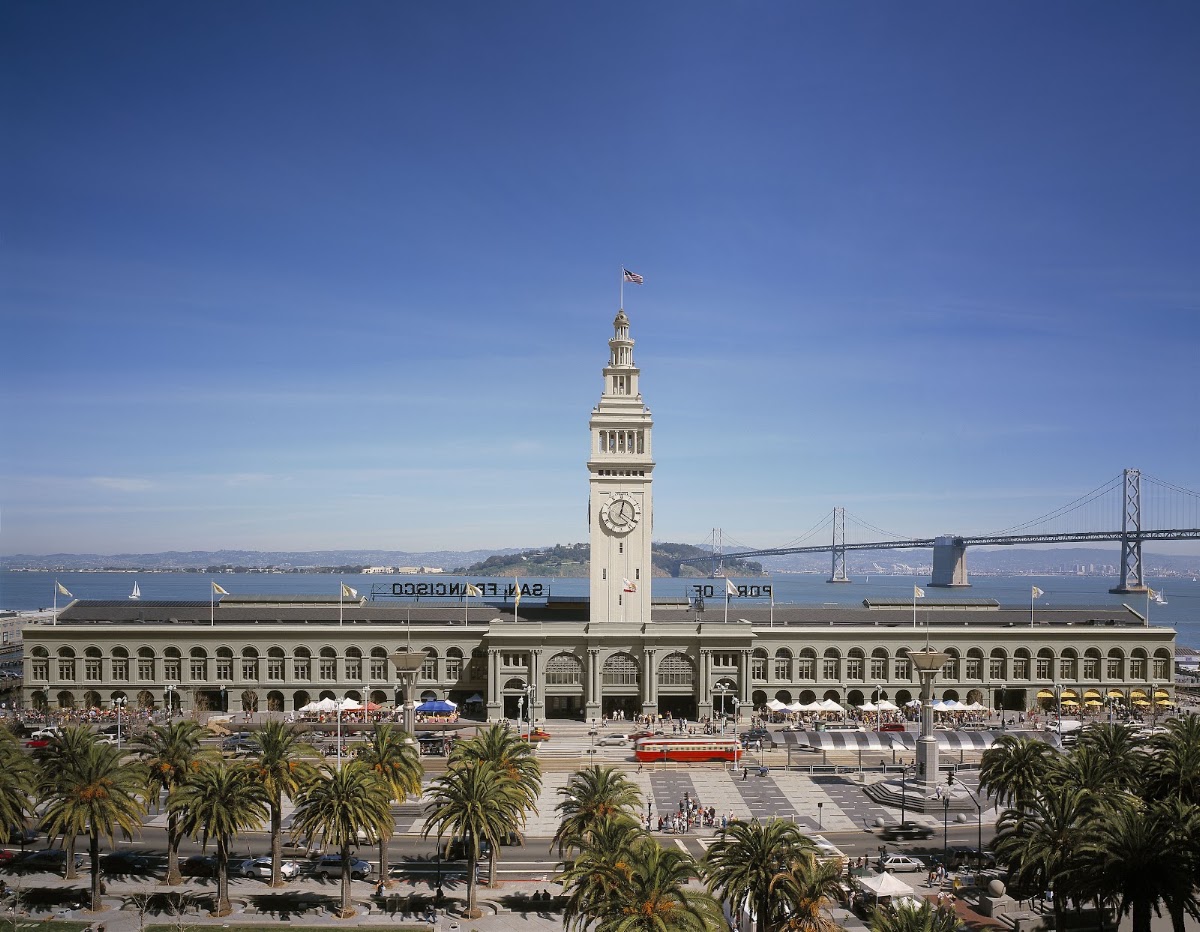
After Alcatraz, take the F-line historic streetcar or a short walk to the Ferry Building Marketplace. This is San Francisco's true food hall. Tuesday, Thursday, and Saturday mornings bring the farmers market to the front plaza, but every day the inside bustles with artisan vendors.
Grab a dozen oysters at Hog Island Oyster Co. (shucked right in front of you, with views of the bay) or a slice of sourdough from Acme Bread. Swan Oyster Depot, a classic counter-style spot, is just a block away on Polk Street. The line moves fast. Try the crab Louis salad. Prices vary; a full meal at Hog Island runs about $35 (USD) per person. The Ferry Building's grand clock tower marks the spot.
The Dragon's Gate and a Pizza for the Ages
The green-tiled dragon gate rises above Grant Avenue, and the streets fill with the click of mahjong tiles and the scent of roasting duck.
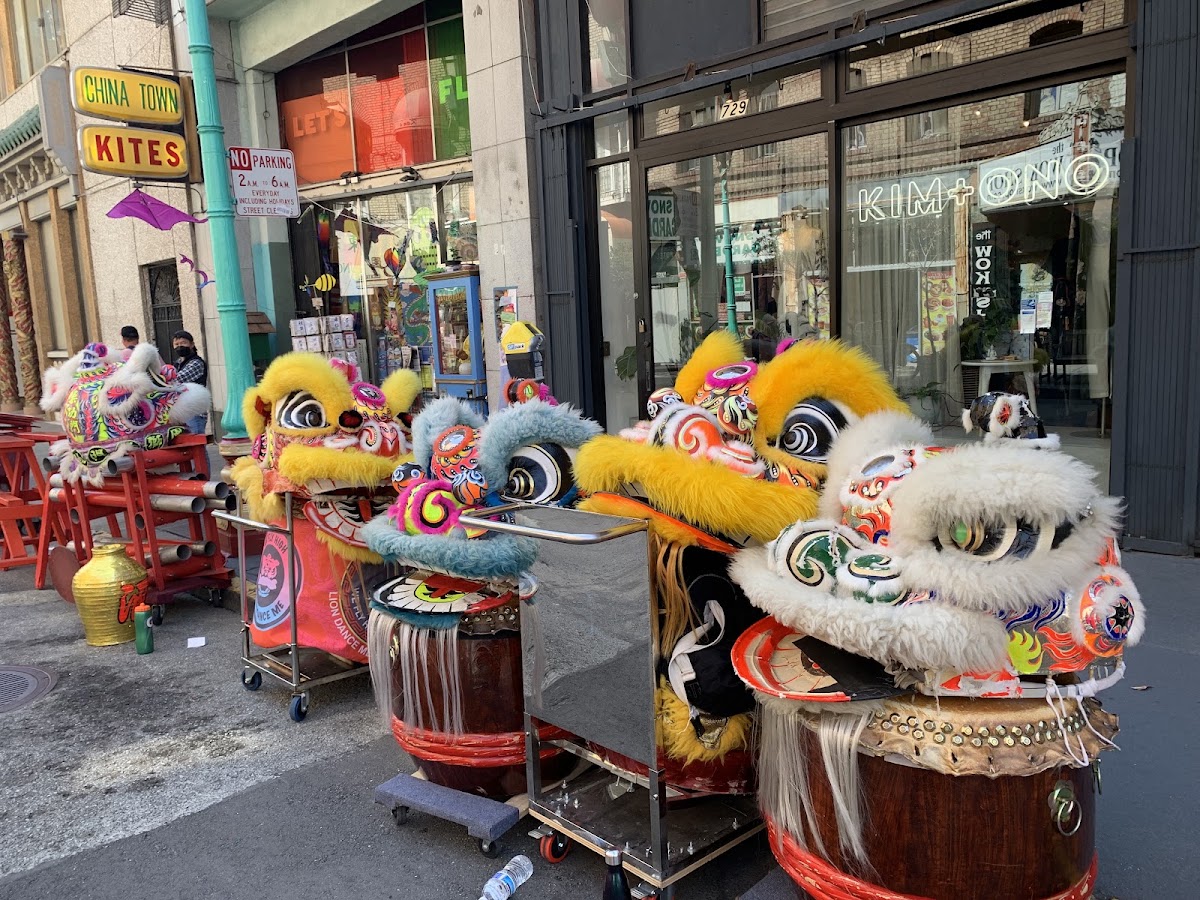
Chinatown in San Francisco is the oldest in North America, and it's alive. Walk through the Dragon Gate at Grant and Bush, then peel off into the side alleys. Waverly Place is lined with temples and colorful balconies. Stop by Z & Y Restaurant for Sichuan peppercorn chicken that makes your lips tingle (dinner for two around $45 USD).
For an unexpected twist, Tony's Pizza Napoletana on Stockton Street serves some of the best pizza in the country. Owner Tony Gemignani is a 13-time world pizza champion. Try the Margherita or the Calabrese. A whole pizza costs about $20 USD and is worth every calorie. Save room for a fortune cookie factory tour on Ross Alley; it's free and you get a sample warm from the press.
Murals That Speak Without Words
Clarion Alley's walls are a riot of color: a mural of a hummingbird next to a protest scene, a gold-rimmed portrait staring down at the cracked sidewalk.
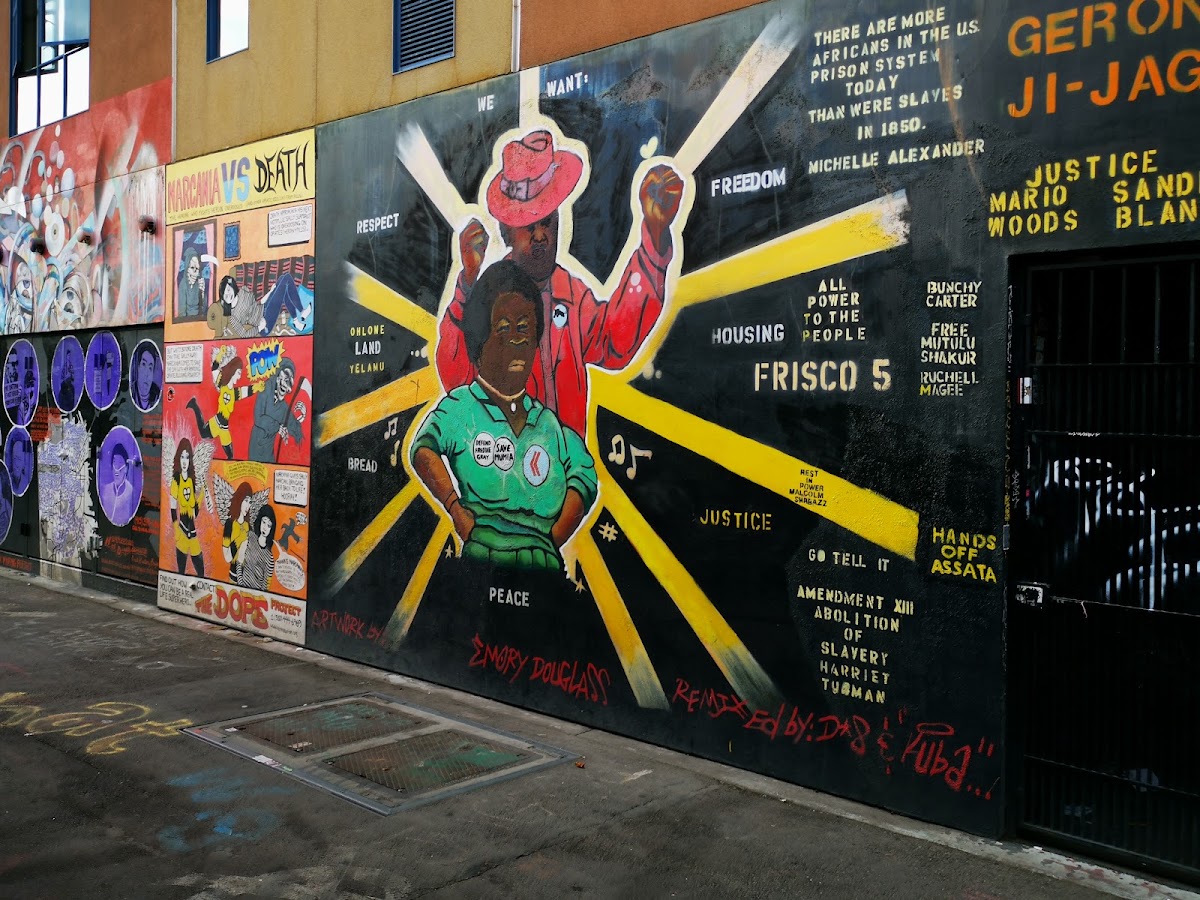
The Mission District is the soul of San Francisco. Start on Clarion Alley between 17th and 18th Streets, where the alley is a rotating gallery of community murals. Each one tells a story: immigration, gentrification, hope. The art changes often, so even returning visitors see something new.
From there, walk a few blocks to Dolores Park. On a sunny Sunday, the park is packed with locals picnicking, playing soccer, and arguing about the Giants. Grab a burrito from La Taqueria on Mission Street. The burrito here is a work of art: no rice, just perfectly grilled meat, beans, and salsa. It costs about $10 USD. Mission Street between 16th and 24th has dozens of taquerias, but La Taqueria is the king.
The Last Stop: Dungeness Crab at the Wharf
A paper boat of cracked Dungeness crab lands in front of you, the shell still warm, a wedge of lemon and a cup of melted butter on the side.
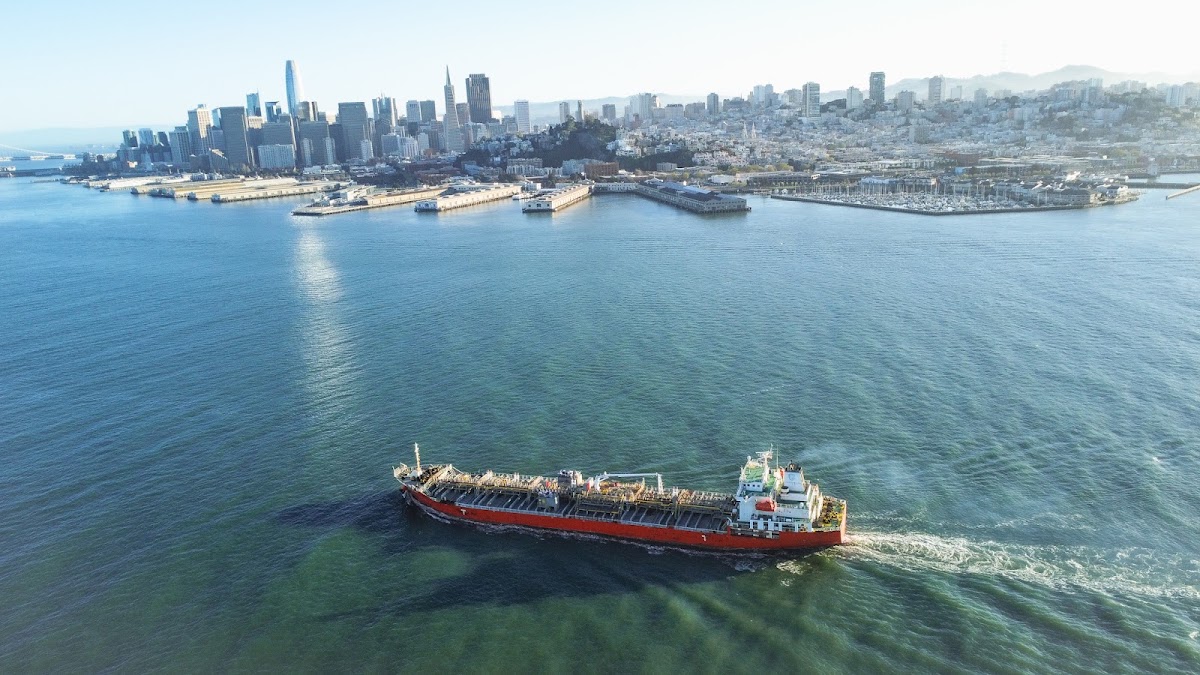
End your San Francisco crawl where it began: at the water. Fisherman's Wharf is lined with crab stands, especially from November to June when Dungeness season is in full swing. The best spot is at the Crab House at Pier 39 or a simple paper tray from a street vendor. The crab is cracked and cleaned for you. A whole crab runs about $18 USD.
Watch the fishing boats unload their catch. The sea lions will be barking their goodbyes. If you have time for one more view, walk to the Hyde Street Pier and catch the sunset behind the Golden Gate. This is the view you'll send home. The city's fog will roll in like a blanket, and you'll already be planning your return.
Ready to book?
Book the rest of San Francisco, United States
Handpicked partner searches, dates pre-filled. Pricing is identical to going direct — the partner shares a small commission with Tabi so this guide stays free.
Frequently asked
Do I need to book Alcatraz tickets in advance?
Yes, absolutely. Alcatraz tickets often sell out weeks ahead, especially in summer and on weekends. Book through the official NPS site (nps.gov/alcatraz) or a reseller like GetYourGuide at least two weeks in advance. The first morning ferry tends to be the quietest.
What's the best way to get around San Francisco?
For the classic experience, use the cable cars and historic streetcars (F-line). For longer distances, MUNI buses and BART cover the city well. Rideshares and taxis are plentiful but traffic can be heavy. Parking is expensive and scarce, so skip the rental car.
When is the best time to visit the Golden Gate Bridge for clear views?
Sunrise or early morning, before the marine layer rolls in. Summer fog is common but can burn off by late morning. If you want that iconic clear shot, aim for September or October when fog is less frequent. The Welcome Center opens at 9:00 AM.
Is the Mission District safe for walking?
Yes, the Mission is generally safe during the day and evening, especially around popular areas like Dolores Park, Clarion Alley, and the main commercial streets. As in any city, keep an eye on your belongings and avoid dark side streets late at night.
What should I eat besides sourdough and crab?
Don't miss the burritos in the Mission, especially from La Taqueria. Tony's Pizza Napoletana in Chinatown is a must. For a sit-down splurge, State Bird Provisions in the Western Addition serves inventive small plates. And Swan Oyster Depot for a classic seafood counter experience.
Skip the planning
Your San Francisco, United States trip, ready to go
Adopt the day-by-day itinerary we built to match this guide. Every stop is a real place, every booking link is validated. Free forever, no card needed.
Open the San Francisco, United States itinerary