
Santiago, Chile
What to Do in Santiago in 5 Days: Andes Views, Wine, and the City That Grows on You
A picture-first walk through Santiago, from the funicular up Cerro San Cristobal to the Maipo Valley vineyards and back down to a warm empanada.
TL;DR
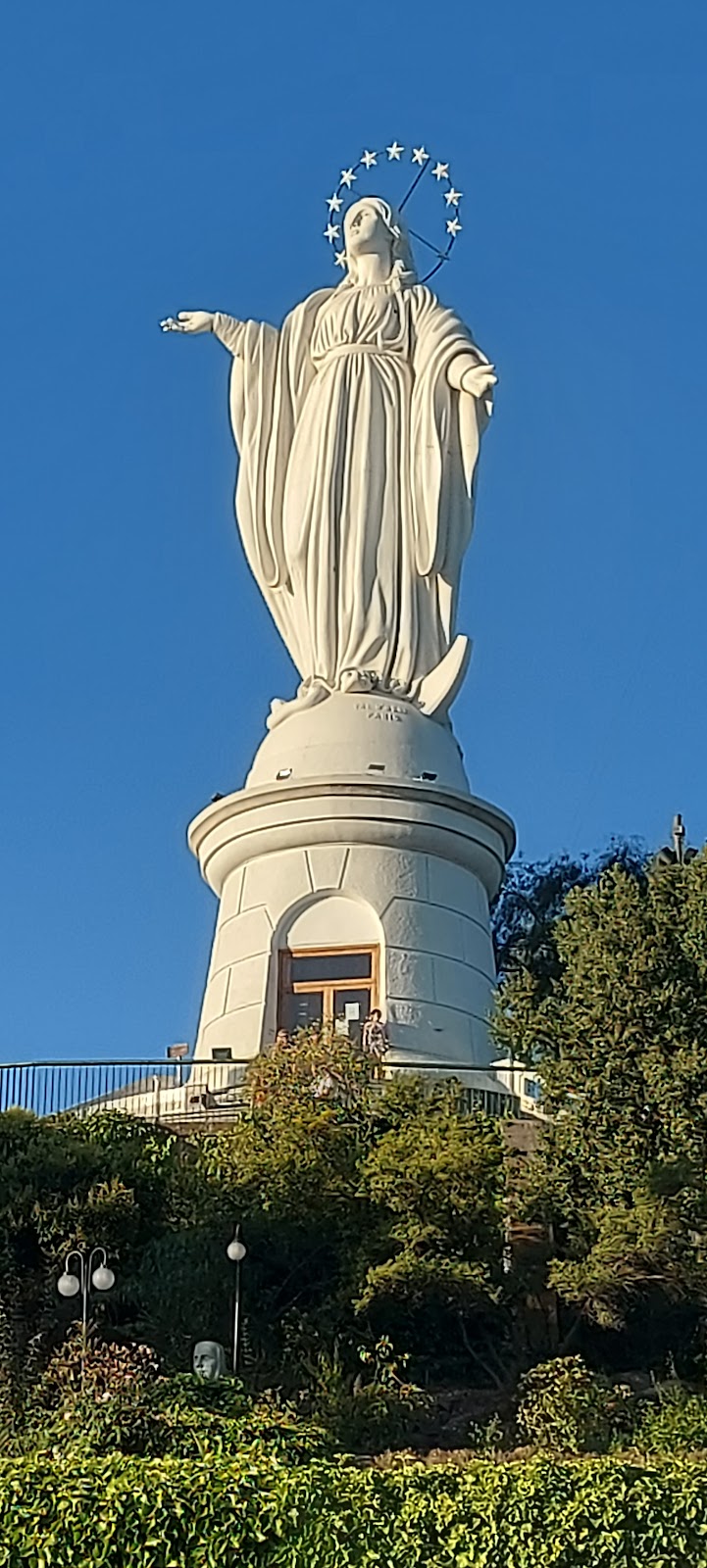
Santiago sneaks up on you: snow-capped Andes behind glass towers, tiled Lastarria courtyards, and a hillside Virgin watching over the whole thing.
- Ride the century-old funicular up Cerro San Cristobal at golden hour
- Trace jacaranda-lined Barrio Lastarria to a neoclassical fine arts palace
- Stand in Plaza de Armas as cathedral bells ring over card players
- Sip Carmenere among Maipo Valley vines an hour from downtown
- Watch the sun drop from Sky Costanera, 300 meters up
Have this trip planned in 60 seconds
We built the Santiago, Chile itinerary that pairs with this guide, day-by-day with verified venues and one-tap booking links. Free to adopt, edit however you want.
Dropping Your Bag in Bellavista, Where the City Feels Small
Bougainvillea spilling over a low wall, a mural of a poet's face two doors down, and the smell of coffee from a corner that opens at eight.
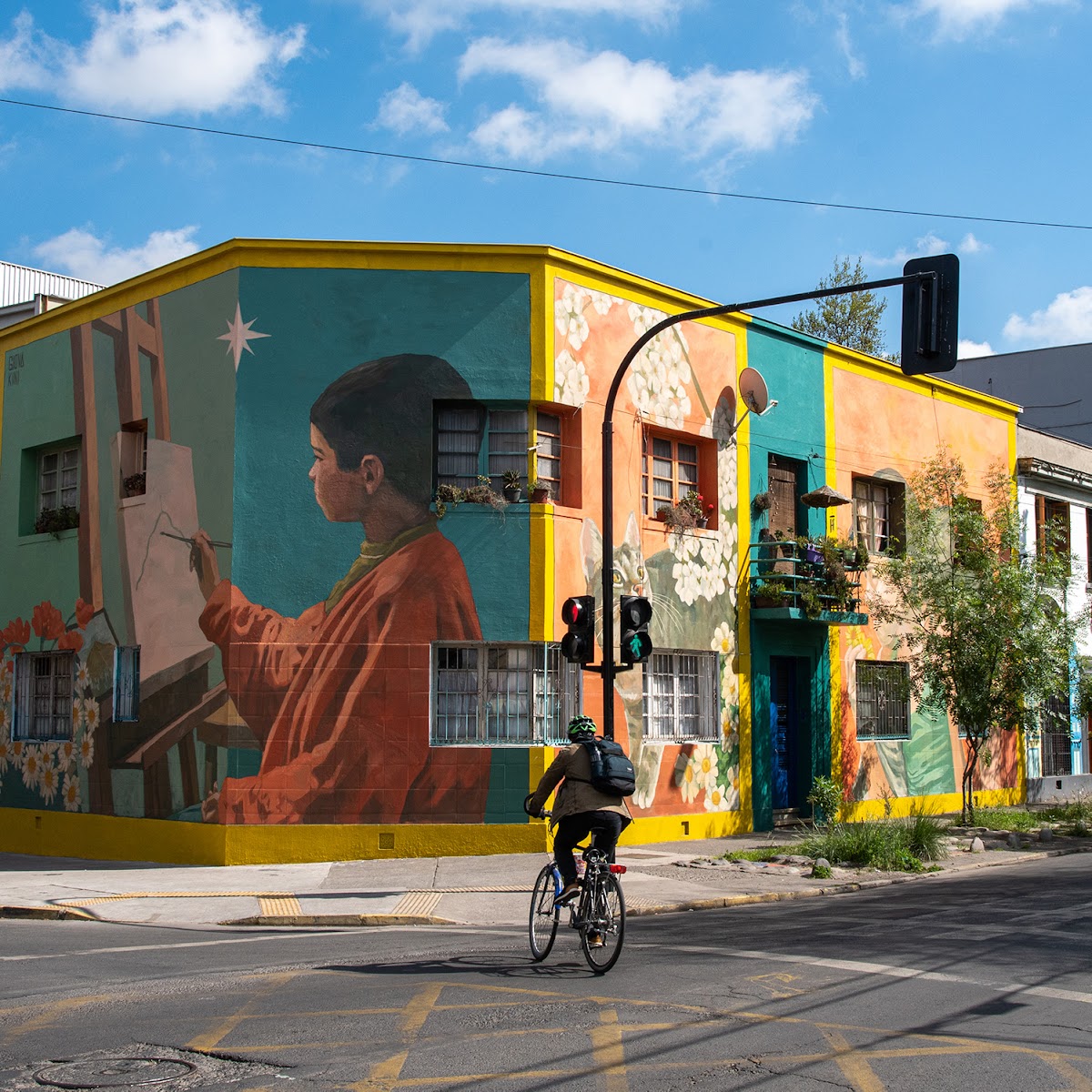
Start in Bellavista or Lastarria and everything else in Santiago is a short walk or a two-stop metro ride away. These are the neighborhoods where the streets are painted, the buildings are three floors tall, and you can hear other people laughing at dinner from your window.
Drop your bag, splash your face, and step out. You are ten minutes on foot from the funicular, fifteen from the fine arts museum, and about the same from a plaza that has been the center of the city for 480 years.
Bellavista sits right at the base of the hill you are about to climb, so this is the smart place to plant yourself for the first night. Book something small and locally run rather than a tower; the point of these blocks is that they still feel like a neighborhood.
The Funicular Up Cerro San Cristobal at Golden Hour
A wooden funicular car clanking up the slope, and then the whole valley opening below you with the Andes stacked up pink behind the skyline.
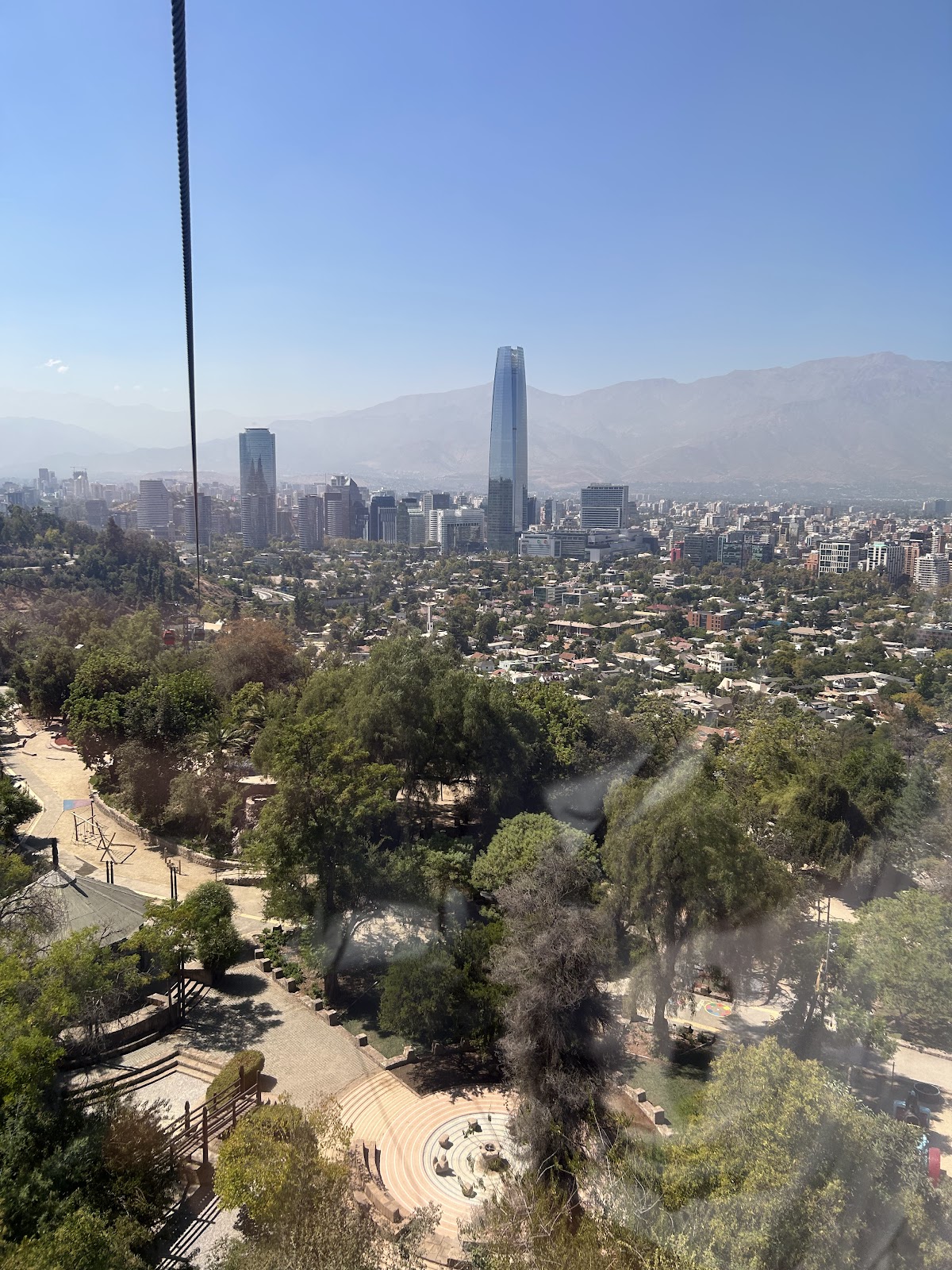
The funicular has been running up Cerro San Cristobal since 1925, and it is still the best entrance to the view. The car tilts back, the city drops away, and by the top you are standing beside a white Virgin statue with 360 degrees of Santiago at your feet.
Time it for late afternoon. As the light goes low, the glass towers of the business district catch fire and the snow line on the mountains turns rose. On a clear day (winter mornings are clearest) you can trace the whole basin the city sits in.
A round-trip funicular ticket runs about 5,000 CLP (roughly 5 USD). There is a small terrace with an ice cream cart and a chapel near the summit, so linger. Walking down through Parque Metropolitano afterward, with the lights coming on below, is one of the quietest half hours you will spend in a capital city.
Barrio Lastarria and the Palace Full of Paintings
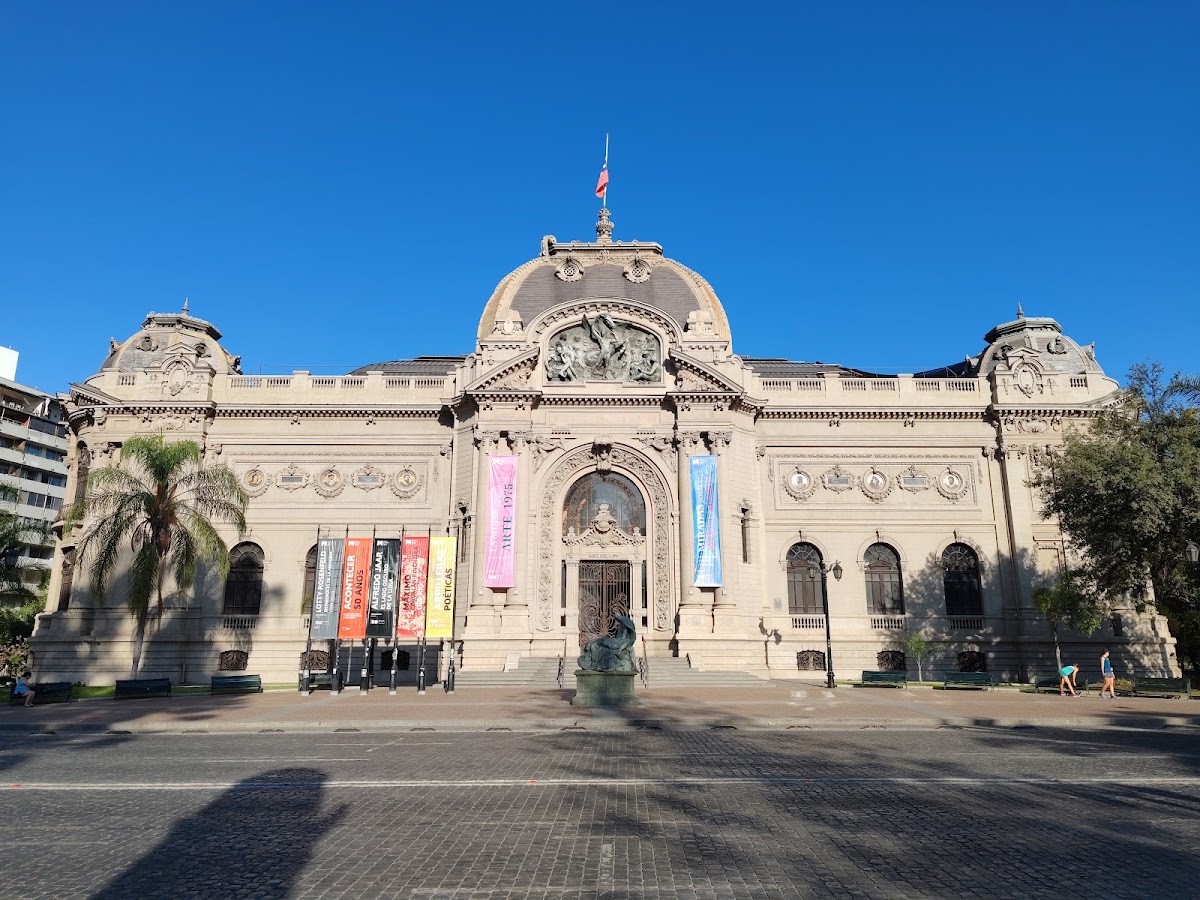
Cobblestones underfoot, a secondhand book stall, and then a cream-colored neoclassical facade with a glass dome that looks lifted out of Paris.
Lastarria is best walked slowly with no plan. Little squares, antique dealers, a couple of art-house cinemas, and cafes where the tables spill onto the sidewalk. On weekends there is an antiques and vintage market that is genuinely fun to poke through.
At the edge of it stands the Museo Nacional de Bellas Artes, Santiago's fine arts museum, opened in 1910 in a palace built for the country's centennial. Under that big glass dome you get Chilean painting and sculpture alongside rotating shows. General admission is free, which is a rare thing for a national gallery.
Give yourself an hour inside, then walk it off with an espresso in one of the Lastarria squares. This is also where you want to eat tonight: the neighborhood has some of the best small restaurants in the city, and everything is close enough to wander until a menu tempts you.
Plaza de Armas, Where Santiago Started
Cathedral bells over a chess game, a shoeshine chair, and a man selling roasted peanuts from a copper drum in the middle of it all.
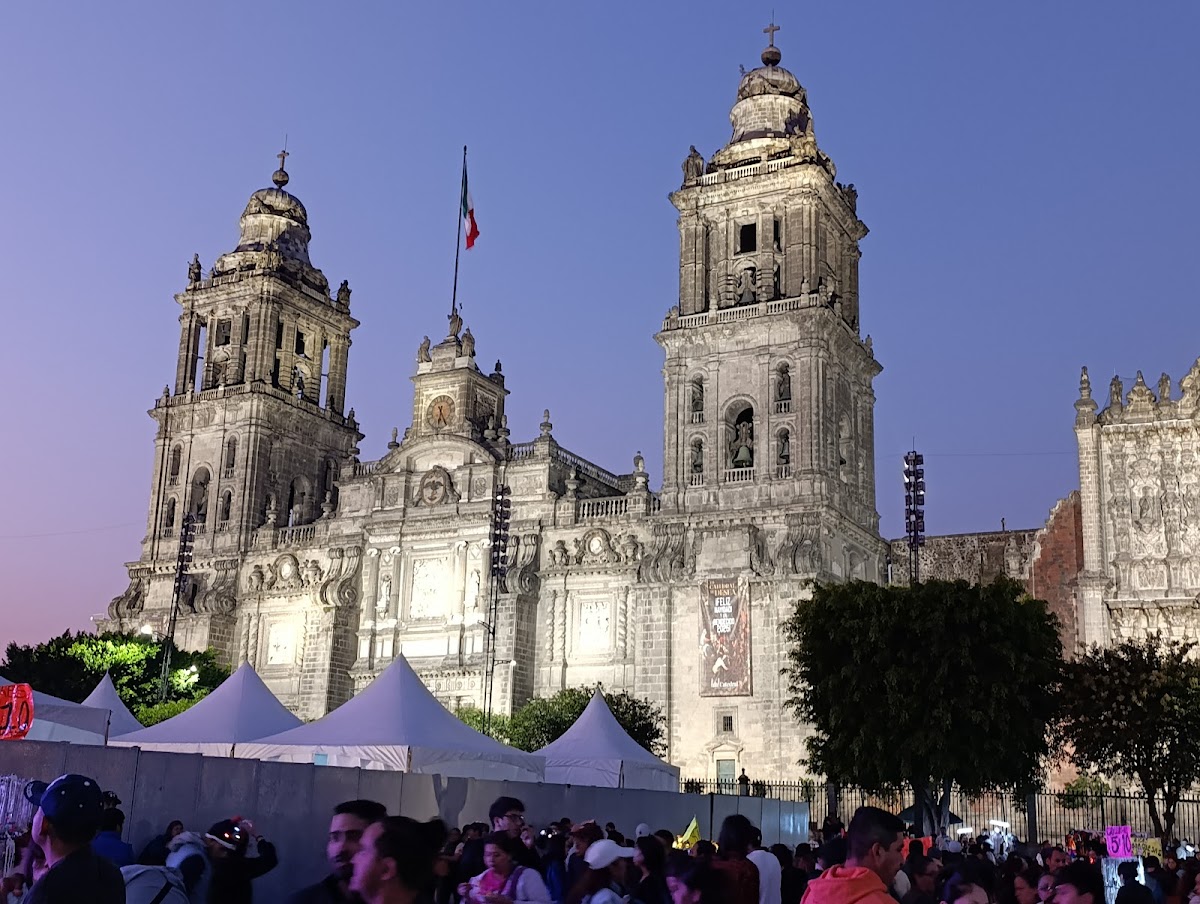
The Plaza de Armas has been the heart of Santiago since 1541. Today it is where the city comes to sit: retirees playing chess, buskers, portrait artists, pigeons, and the two-tower Catedral Metropolitana anchoring one whole side.
Step inside the cathedral for the cool and the quiet, the gilt altars and the echo. Then walk the arcades around the square, where the old post office and the national history museum face in.
Half a block off the plaza is the reason to plan this morning carefully: the Museo Chileno de Arte Precolombino. It is a small, beautifully lit museum of art from the peoples of the Americas long before the Spanish arrived, and it quietly reframes everything you thought this continent's history was. Entry is about 7,000 CLP (roughly 7 USD). Do not skip it.
An Afternoon in the Maipo Valley Vineyards
Rows of vines running straight at the mountains, a glass of deep-red Carmenere in your hand, and the smell of oak barrels in a cool cellar.
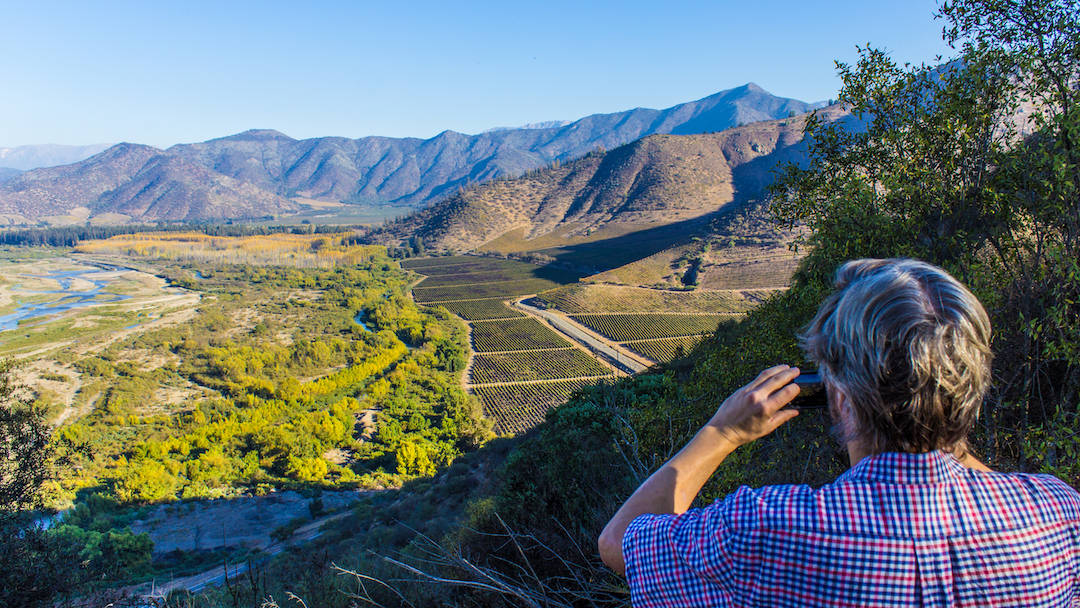
You can be standing among vineyards an hour after leaving downtown. The Maipo Valley, just south of the city, is Chile's oldest wine region and the home of Carmenere, the grape everyone thought had died out in Europe until it turned up thriving here.
A classic afternoon is one or two estates: a cellar tour, a tasting of four or five wines, and a slow lunch on a terrace with the Andes filling the horizon. Some of the historic wineries have vines that were planted more than 130 years ago.
Going on a small-group tour is the easy call here, because it handles the driving so nobody has to skip the tasting. Book one with hotel pickup, plan on being out roughly midday to early evening, and eat a real lunch on-site. Back in the city, dinner tonight can be light: a plate of empanadas and a glass of the wine you liked best.
Barrio Italia's Workshops and the Patio Bellavista Buzz
A converted mansion turned into a warren of design studios, the tap of a furniture restorer's hammer, and coffee brewing in a courtyard hung with plants.
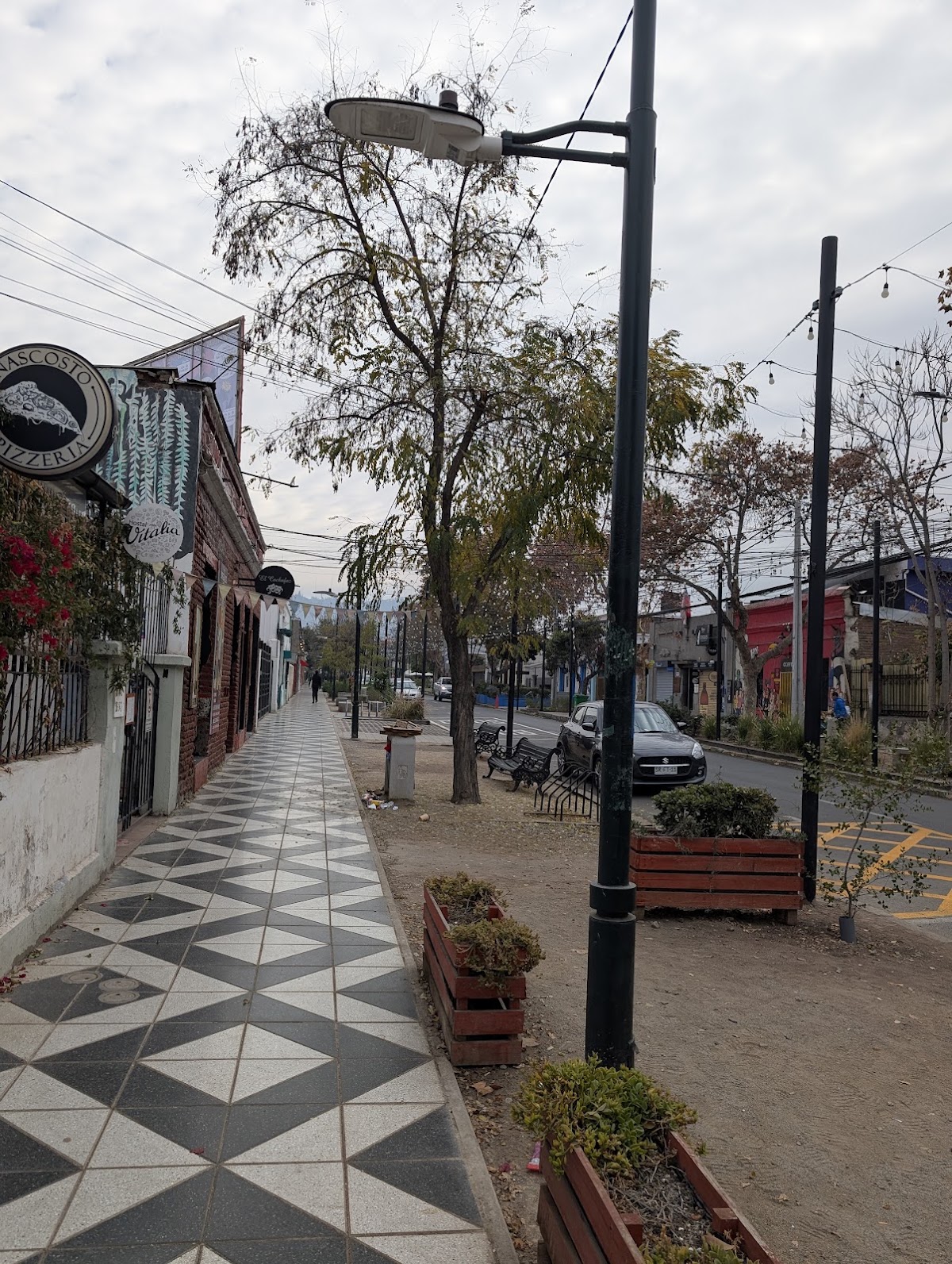
Barrio Italia is where Santiago goes to browse. Old houses have been carved into design shops, furniture restorers, tiny galleries, coffee roasters, and courtyard restaurants. It rewards aimless wandering; every doorway seems to open onto something.
Spend the morning drifting through the workshops, then swing back toward Bellavista for Patio Bellavista, a lively open-air cluster of craft stalls, bars, and restaurants at the foot of the hill. It is touristy in the good sense: easy, buzzy, and a solid spot to pick up lapis lazuli, the deep-blue stone Chile is known for.
If you have energy to burn instead, this is the day for the Cerro Manquehue hike on the city's northeast edge. It is a proper leg-burner up a dusty ridge, but the summit gives you the whole city spread against the mountains. Bring more water than you think you need.
Sunset From Sky Costanera, 300 Meters Up
An elevator that pops your ears, then a wall of glass with the entire basin below and the Andes going gold on the far side.
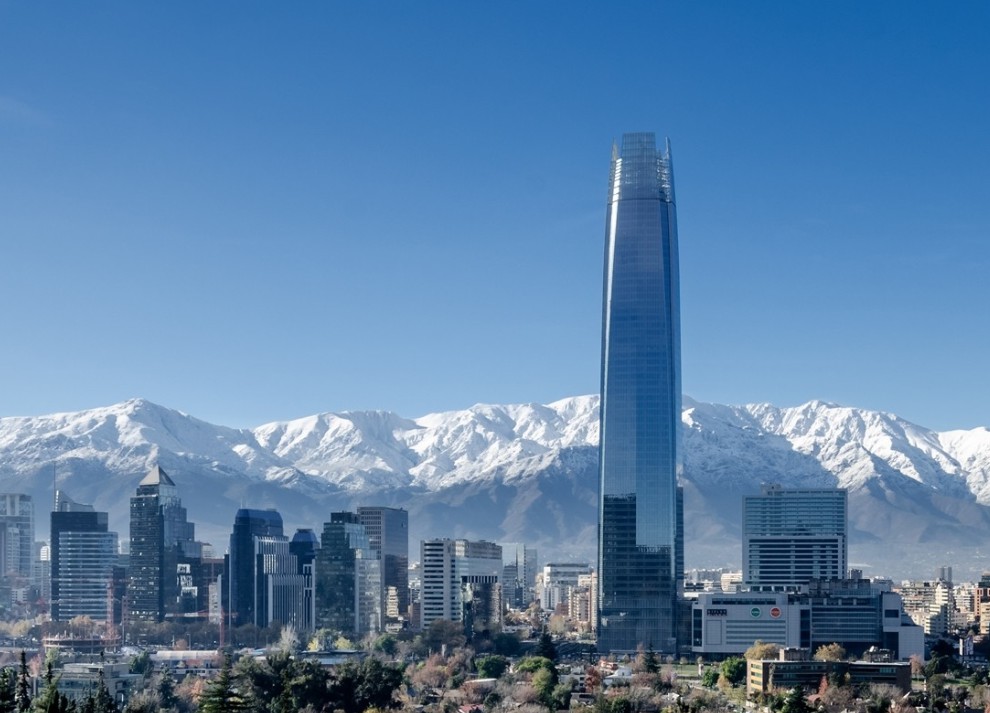
For your last big view, go up instead of out. Sky Costanera is the observation deck on top of the tallest building in South America, and the ride to the 61st and 62nd floors delivers a full 360 of the city.
The move is to arrive maybe 45 minutes before sunset. You watch the light drain off the snow, the streets switch on their lamps, and the whole valley shift from day to night from behind the glass. Tickets run around 15,000 CLP (roughly 16 USD).
The deck sits above a large shopping mall, so it is an easy, air-conditioned way to end an afternoon. Then head back to Providencia or Lastarria for a final dinner, somewhere with tables outside if the evening is warm.
One Last Café Morning Before the Airport
Fresh bread and a cortado at a corner table, the sun already warm on the sidewalk, one more slow hour before the ride out.
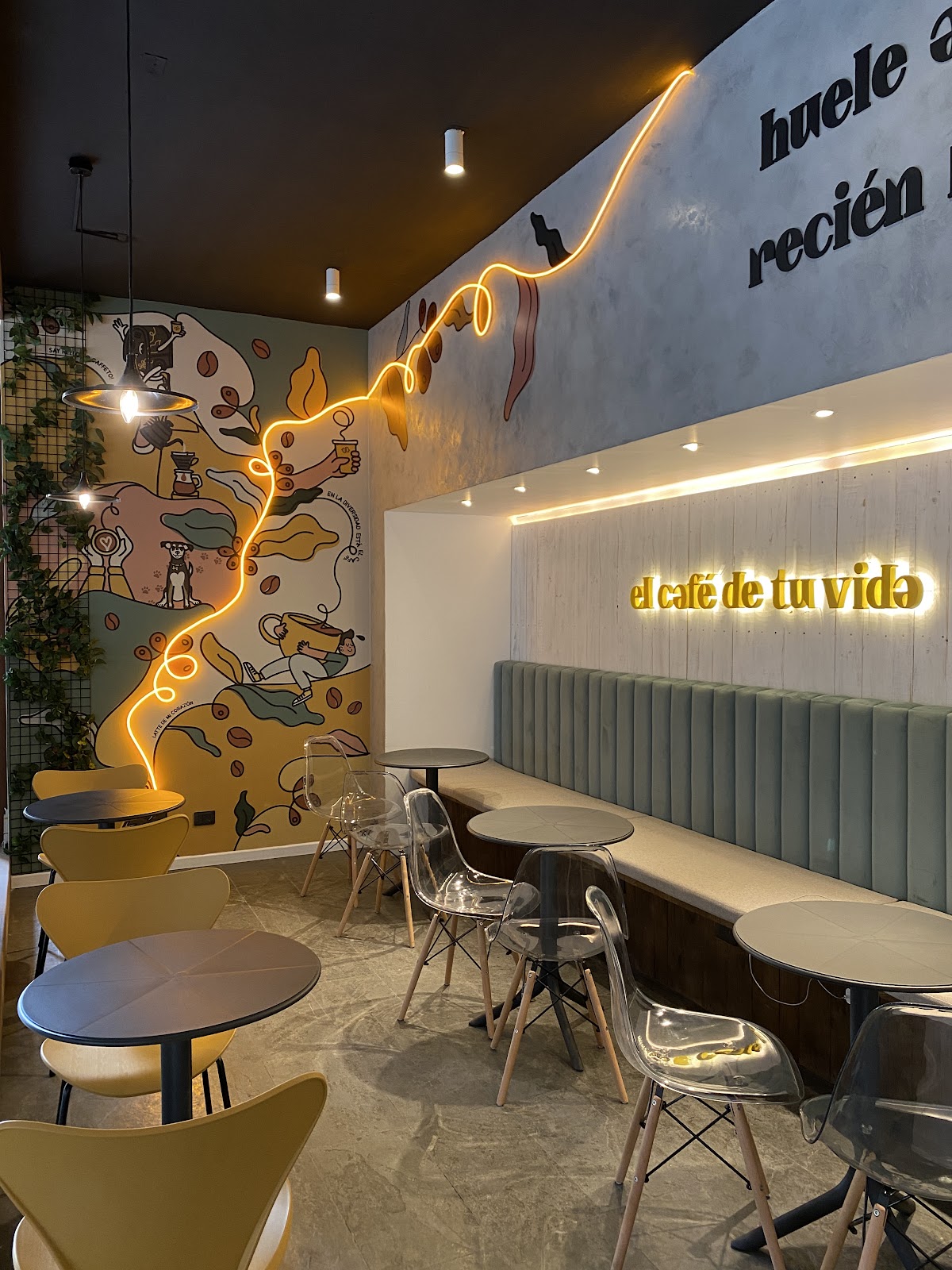
Save your last morning for nothing in particular. A neighborhood cafe, a flat white or a cortado, a piece of toast with palta (avocado, and Chileans take it seriously). Watch the street wake up one more time.
The airport sits northwest of the center, roughly 30 to 45 minutes away depending on traffic. Book a transfer or an airport taxi the night before so the morning stays unhurried; getting caught scrambling for a ride is the one sour note this easy city does not deserve.
Santiago is a place that gives you the mountains, the wine country, the museums, and the neighborhoods all within reach of a single base. Five days is enough to feel like you know it, and just short enough to leave you plotting a return.
Ready to book?
Book the rest of Santiago, Chile
Handpicked partner searches, dates pre-filled. Pricing is identical to going direct — the partner shares a small commission with Tabi so this guide stays free.
Frequently asked
How many days do you really need in Santiago?
Five days is the sweet spot. That gives you two days for the city center, hills, and museums, a full day in the Maipo Valley wine country, a day for the design neighborhoods or a Cerro Manquehue hike, and an unhurried departure morning. Three days is enough for the highlights if you skip the vineyards, but the wine day is the one most people are glad they kept.
When is the best time of year to visit?
For the clearest views of the snow-capped Andes, come in winter (June to August), when cold, bright days pull the smog away and the mountains look close enough to touch. For warm weather and the vineyards in full swing, spring (September to November) and autumn (March to May) are ideal, with mild temperatures and fewer crowds than the January to February peak.
Where should you stay in Santiago?
Base yourself in Bellavista or Lastarria. They are central, walkable, safe, and full of good small restaurants, and you are within a short walk or quick metro ride of the funicular, the fine arts museum, and the Plaza de Armas. Providencia is another solid, slightly quieter option that is close to Sky Costanera and Barrio Italia.
Is Santiago easy to get around without a car?
Yes. The Santiago Metro is clean, fast, and inexpensive, and it reaches almost everything a visitor wants. Get a rechargeable Bip! card for buses and trains. The main exception is the Maipo Valley wine country, where a guided tour with pickup or a hired transfer is far easier than trying to self-drive between estates.
How do you get from the airport into the city?
Santiago International Airport (SCL) is about 30 to 45 minutes northwest of the center depending on traffic. The simplest options are a pre-booked private transfer or an official airport taxi. There are also shared shuttle vans and public bus routes that connect to the metro if you are watching your budget. Booking a transfer the night before keeps your departure morning stress-free.
Skip the planning
Your Santiago, Chile trip, ready to go
Adopt the day-by-day itinerary we built to match this guide. Every stop is a real place, every booking link is validated. Free forever, no card needed.
Open the Santiago, Chile itinerary