
Sao Paulo, Brazil
What to Do in Sao Paulo: 4 Days of Art, Markets, and Rooftops
A picture-first walk through the city's boteco tables, museum ramps, and the market sandwich you'll still be thinking about on the plane home.
TL;DR
Come hungry, wear good shoes, and let Sao Paulo hit you street by street, because this city rewards the people who actually walk it.
- A cold chopp and a plate of coxinha at a Pinheiros boteco
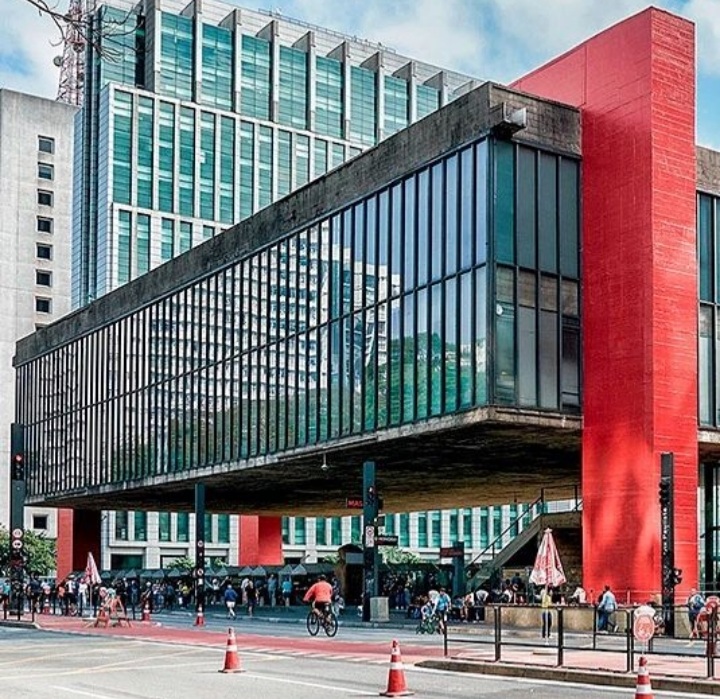
- MASP's paintings floating on glass, no frames, no walls
- The mortadella sandwich at Mercadao that defeats most appetites
- Red lanterns and gyoza steam down the lanes of Liberdade
- Sunset over Copan's concrete wave in the old center
Have this trip planned in 60 seconds
We built the Sao Paulo, Brazil itinerary that pairs with this guide, day-by-day with verified venues and one-tap booking links. Free to adopt, edit however you want.
First Stop: A Boteco Table in Pinheiros
Condensation running down a squat glass of chopp, the sizzle of a fresh coxinha hitting the counter, and a soundtrack of loud, happy Portuguese at the table next to you.
You start here because this is how Paulistanos actually unwind. Pinheiros is a grid of low buildings, graffiti murals, and open-front bars called botecos where the beer is poured cold enough to hurt your teeth (in the best way).
Grab a plastic stool on the sidewalk. Order a chopp (draft beer, around R$12, roughly USD 2.50) and a plate of pastel or coxinha, the teardrop-shaped chicken croquettes that are basically the national bar snack. Nobody rushes you.
Wander a few blocks afterward. Rua dos Pinheiros and the streets around the Largo da Batata fill up after dark, and the whole area is where you feel the city loosen its collar. This is your soft landing before the big sights.
The Museum Where the Paintings Float in Mid-Air
You round the ramp and there they are: Renoir, Van Gogh, a wall of European masters mounted on sheets of glass, floating with no frames, no partitions, just concrete pedestals and light.
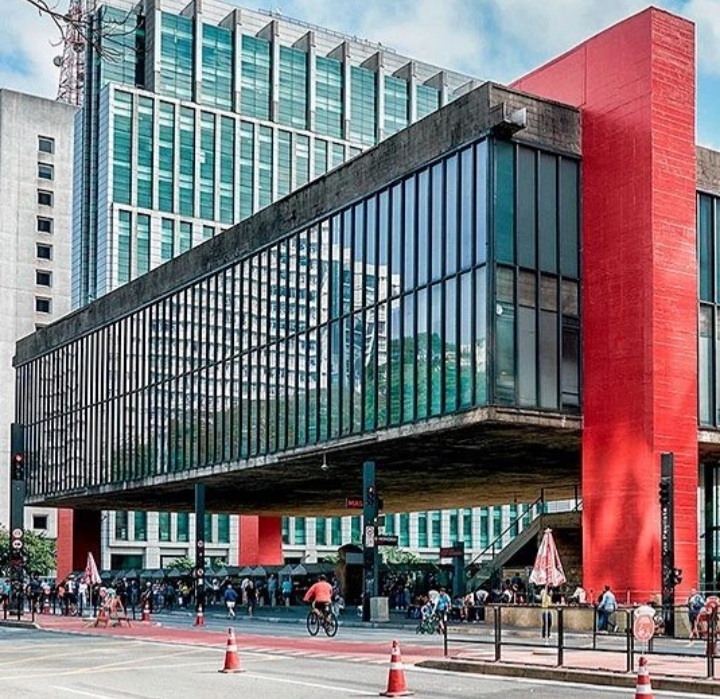
The Sao Paulo Museum of Art, everyone calls it MASP, is the building you've seen in photos: a bright red concrete box lifted off the ground on four columns, hovering over Avenida Paulista. The architect Lina Bo Bardi designed the glass easels inside so nothing separates you from the art.
Entry is around R$70 (roughly USD 14), and it's free on some days, so check the current schedule before you go (https://masp.org.br). Tuesdays the museum is closed, plan around that.
Afterward, cross to the open plaza under the building. On Sundays an antiques market sets up in that shaded gap, and the whole of Avenida Paulista turns car-free, filling with skateboarders, buskers, and families out for a stroll.
The Sandwich That Defeats Most Appetites
Stained-glass windows throwing colored light onto pyramids of mango and dragon fruit, and somewhere above the noise a vendor yelling that his mortadella sandwich is the best in Brazil.
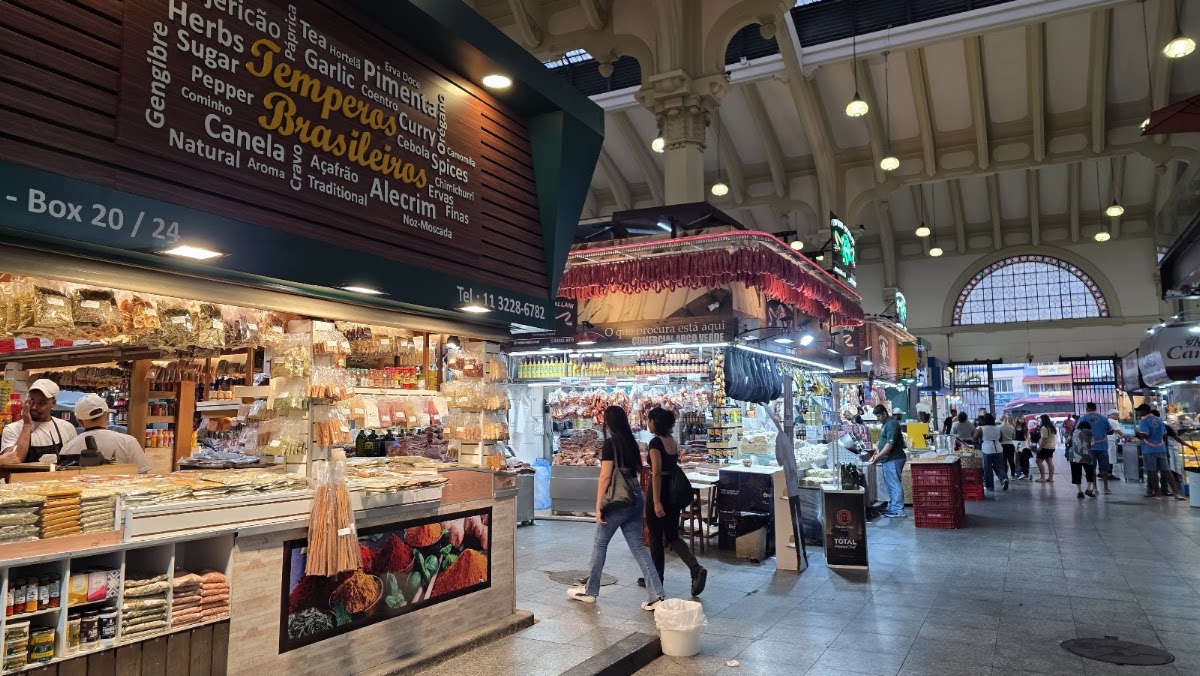
The Mercado Municipal, affectionately the Mercadao, is a 1930s hall of stained glass and iron down in the old center. Downstairs it's a working market: stalls of dried cod, wheels of cheese, and fruit vendors who will slice you a sample before you can say no.
Head upstairs to the mezzanine for the two legendary orders. The mortadella sandwich is a fistful of thin-sliced cured sausage stacked absurdly high (around R$45, roughly USD 9), and the pastel de bacalhau is a crisp fried pocket of salt cod. Split them. One person cannot finish both.
Go mid-morning on a weekday. Weekends the mezzanine queues get long, and the fruit vendors downstairs get pushier with the free samples.
Green Lungs and Modernist Curves at Ibirapuera
Joggers looping a mirror-flat lake, the whoosh of rollerblades on smooth paths, and a white Niemeyer canopy curving overhead like a frozen wave of concrete.
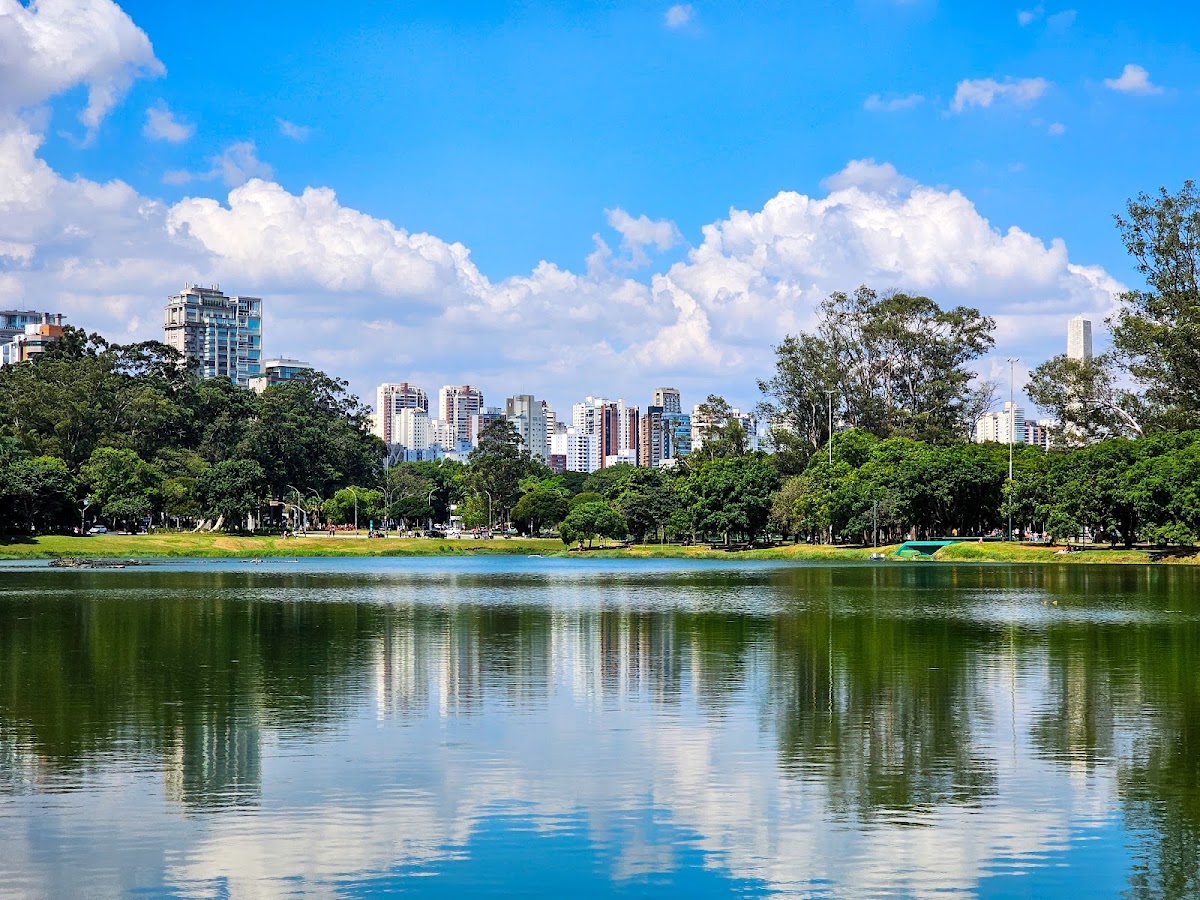
Ibirapuera is the park Paulistanos escape to, and on a clear afternoon it feels like the whole city came with you. Rent nothing, bring nothing, just walk the shaded avenues past the lake and the sculpture garden. The Oscar Niemeyer marquise, a long undulating concrete roof, ties the museums together and doubles as the city's favorite skate spot.
Tuck into the Afro Brasil Museum while you're inside the park. It traces five centuries of African presence in Brazil through art, textiles, and photography, and it's one of the most moving collections in the country (entry around R$30, roughly USD 6, free on Saturdays; check https://www.museuafrobrasil.org.br).
Stay until golden hour. The light through the trees and off the lake is the reason half the city's Instagram exists.
Red Lanterns and Gyoza Steam in Liberdade
Rows of red suspended lanterns glowing over the street, the hiss of dumplings on a griddle, and shop windows stacked with mochi in flavors you've never seen.
Liberdade is home to one of the largest Japanese communities outside Japan, and the neighborhood wears it proudly. Torii-style arches, lanterns strung down Rua Galvao Bueno, and bakeries selling both pao de queijo and dorayaki side by side.
Come hungry for dinner. Ramen counters, sushi spots, and yakisoba stalls line the main streets, most casual and reasonably priced (a good ramen runs around R$50, roughly USD 10). On weekends an open-air market fills the central square with street food and craft stalls.
It's a short metro hop from the center on the blue and green lines, so it slots easily onto the end of a market or museum day. Eat, wander, buy a strange snack you can't identify, and see where the night goes.
The Old Center on Foot, With Someone Who Knows It
The worn stone courtyard where the city was literally founded in 1554, church bells overhead, and a guide pointing out where the coffee barons built their fortunes.
The Centro Historico rewards a guided walk more than almost anywhere in the city. Start at the Patio do Colegio, the Jesuit mission site where Sao Paulo began, then thread through the pedestrian streets past grand old bank buildings, the cathedral, and the buzzing commercial chaos of Rua 25 de Marco.
Free walking tours (tip-based, so budget R$40 to R$60 per person) leave regularly and are the easiest way to make sense of the layers here, from colonial mission to coffee boomtown to modern megacity.
When your feet need a break, duck into Sesc Avenida Paulista nearby. It's a cultural center with a rooftop terrace, gardens, and one of the best free city views around, no ticket required.
Endless Grilled Meat at a Jardins Churrascaria
The soft thunk of a skewer landing beside your table, a waiter slicing off a ribbon of picanha still crackling from the fire, and the little green card you flip to keep it all coming.
You cannot leave Brazil without a proper churrascaria dinner, and the leafy Jardins district does it beautifully. Rodizio-style means waiters circle nonstop with skewers of picanha, sausage, chicken hearts, and cuts you'll want seconds of, carving straight onto your plate until you flip your card to red.
Expect a fixed price of roughly R$150 to R$250 per person (about USD 30 to 50) depending on the house, usually including the salad and hot buffet. Pace yourself: the picanha, the prime rump cut, is the star, so don't fill up on the early rounds.
Jardins is also the neighborhood for a post-dinner stroll. Tree-lined streets, designer shops, and quiet bars make it the softer, greener counterpoint to the roar of the center.
A Last Look Up at the Copan Wave
That famous S-curve of white concrete rising thirty-something floors above the old center, sun sliding along its ribboned balconies as the city hums below.
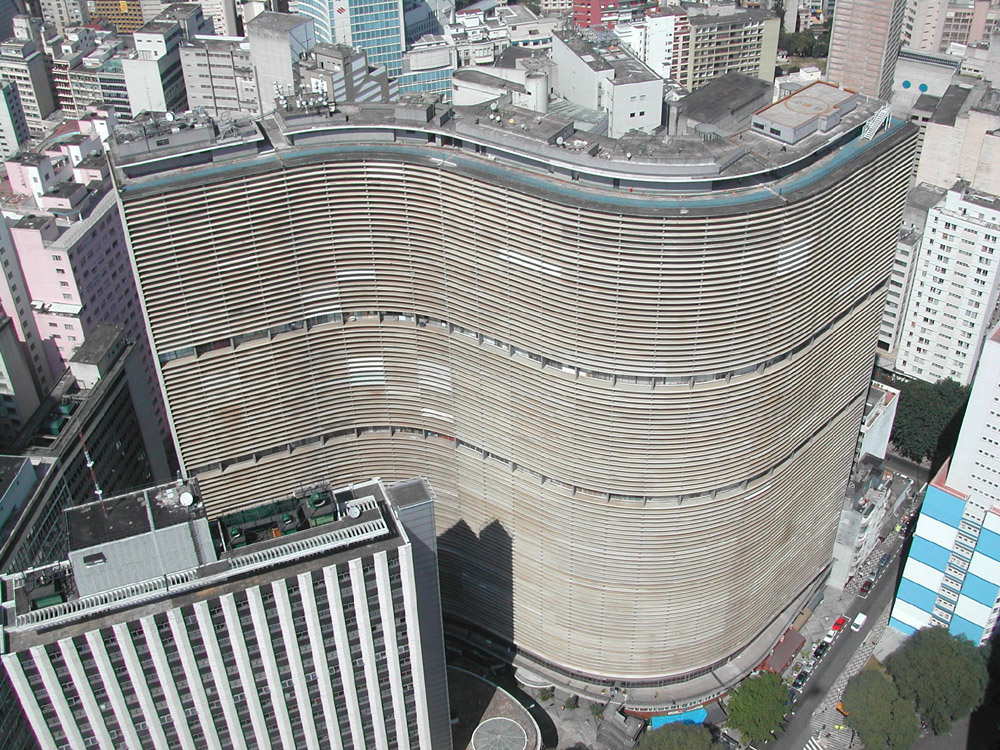
Save the Edificio Copan for your final morning. Niemeyer's serpentine apartment tower is one of the largest residential buildings in Latin America, and its sweeping curve is the shot that says Sao Paulo in a single frame. Even from the street it's jaw-dropping; if you can join a rooftop visit (occasionally arranged in advance), the view over the endless skyline is unreal.
Pair it with a final coffee and one last pao de queijo somewhere in the center before you head out. If you still have art in you, the Pinacoteca do Estado near Luz station holds a gorgeous collection of Brazilian painting inside a restored 19th-century hall (entry around R$40, roughly USD 8).
Then it's the run out to Guarulhos airport (GRU), about 40 to 60 minutes by car depending on traffic. Book the transfer ahead so your last Sao Paulo memory is the Copan curve, not a taxi haggle.
Ready to book?
Book the rest of Sao Paulo, Brazil
Handpicked partner searches, dates pre-filled. Pricing is identical to going direct — the partner shares a small commission with Tabi so this guide stays free.
Frequently asked
How many days do you need in Sao Paulo?
Four days is the sweet spot for a first visit. That gives you time for the Avenida Paulista museums, the Mercadao and Ibirapuera, a night in Liberdade, a walking tour of the historic center, and a proper churrascaria dinner without rushing. Add a day if you want to shop, catch live music, or take a coffee-farm or coastal day trip.
Is Sao Paulo safe for tourists?
Sao Paulo is a huge city and, like any megacity, calls for street smarts. Stick to busy areas, keep your phone and valuables discreet especially around the center and crowded markets, and use ride-hail apps at night rather than walking long distances after dark. Neighborhoods like Pinheiros, Jardins, and Vila Madalena are lively and popular with visitors. Check current advice on MOFA-style travel pages before you go.
What's the best way to get around Sao Paulo?
The metro and connected train lines are fast, cheap, and reach most major sights including Paulista, Liberdade, Luz, and the center. Buy a rechargeable Bilhete Unico card. During the day the metro beats sitting in the city's famous traffic; at night, switch to a ride-hail app for door-to-door convenience and safety.
When is the best time to visit Sao Paulo?
Sao Paulo is a year-round city, but April to September (autumn and winter) brings milder, drier weather that's pleasant for walking. December to February is warmer and wetter with short, heavy afternoon downpours. The city rarely has a bad month, so it comes down to your tolerance for heat and rain.
Do I need to book a churrascaria in advance?
For popular rodizio houses in Jardins on a Friday or Saturday night, a reservation saves you a wait. Midweek you can usually walk in. Go with an appetite, pace yourself through the rounds, and prioritize the picanha, which is the cut most Brazilians consider the highlight.
Skip the planning
Your Sao Paulo, Brazil trip, ready to go
Adopt the day-by-day itinerary we built to match this guide. Every stop is a real place, every booking link is validated. Free forever, no card needed.
Open the Sao Paulo, Brazil itinerary