
Sapa, Vietnam
What to Do in Sapa: A 3-Day Walking Log Through the Rice Terraces
An overnight train, a boutique base in the clouds, and three days walking from one hill-tribe village to the next.
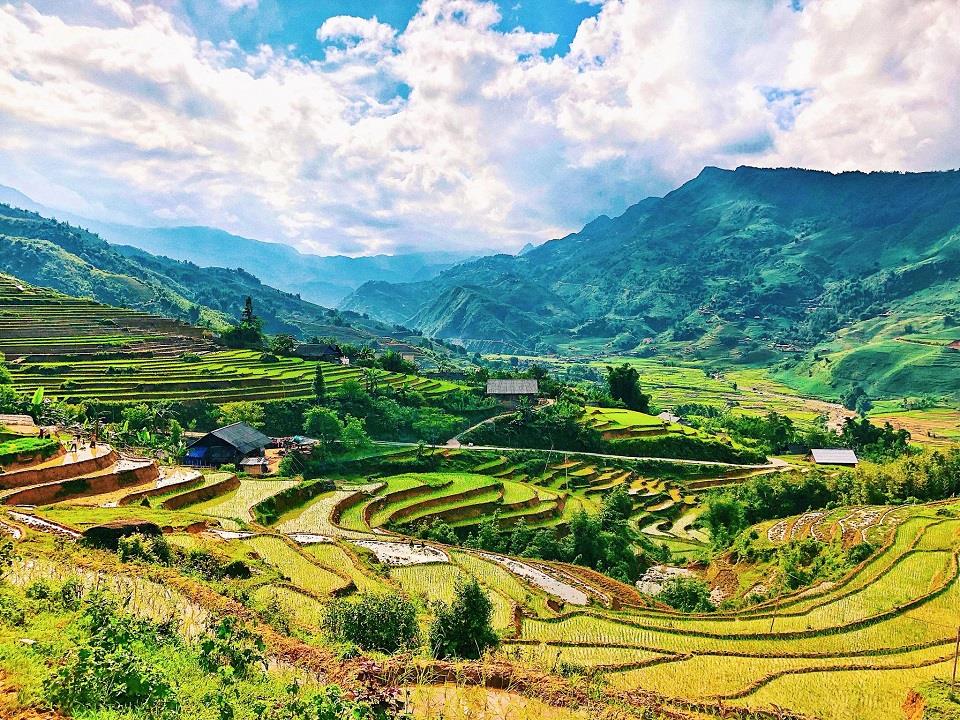
TL;DR
You ride a night train north, wake up in fog, then spend three days walking down a valley of rice terraces that drop like green staircases toward the river.
- Overnight sleeper from Hanoi to Lao Cai, then a minibus climb into cloud
- Muong Hoa Valley terraces glowing wet-green after the afternoon rain
- Lunch at a Ta Van homestay, woodsmoke and sticky rice over a river
- A bamboo forest and waterfall on the trail to Giang Ta Chai
- Bac Ha Market on Sunday, a riot of indigo, silver, and horse traders
Have this trip planned in 60 seconds
We built the Sapa, Vietnam itinerary that pairs with this guide, day-by-day with verified venues and one-tap booking links. Free to adopt, edit however you want.
The Night Train That Spits You Out in the Mountains
The carriage rocks, the fan hums, and you wake to window glass gone white with mist and the smell of diesel and wet pine.
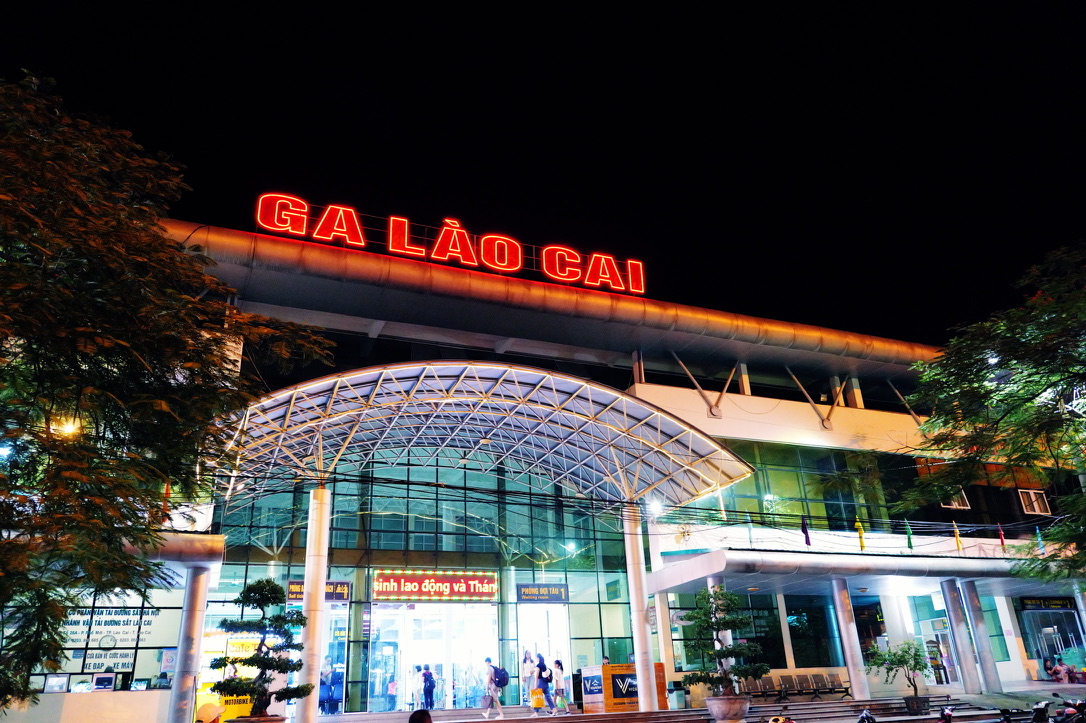
You start in Hanoi, boarding an overnight sleeper from the main station. The soft-sleeper cabins sleep four, with a little pot of green tea on the fold-down table and a thin blanket you will be glad of by 4am. Book a lower bunk if you can; the climb to the top in a swaying carriage is a comedy nobody needs.
The train pulls into Lao Cai around dawn. You are not in Sapa yet. Lao Cai sits in the valley near the Chinese border, and the town itself is still a winding hour higher up the mountain. Expect roughly 300,000 to 400,000 VND (about 12 to 16 USD) for a berth, and check current schedules on the official operator before you lock anything in.
Step onto the platform, grab a hot Vietnamese coffee from a station stall, and let the cold slap you awake. The real journey starts now.
The Hour-Long Climb Into the Clouds
The road switchbacks upward, the ears pop, and suddenly whole hillsides of terraces appear and vanish inside the fog like a slow magic trick.
From Lao Cai station, the easiest move is a shared or private minibus up to Sapa town. The drive takes about an hour and gains a serious amount of altitude, so the temperature can drop ten degrees between the valley floor and the ridge.
Ask your hotel to arrange the transfer in advance; it saves you haggling on a cold platform with a backpack on. A private minibus is inexpensive split between two or three people, and the driver knows exactly where your guesthouse hides in the maze of Sapa's steep little lanes.
Keep your camera on your lap. The views open up without warning, and the best one is usually around a blind corner you cannot stop at.
Your Base Camp With a Balcony Over the Valley
Hot shower, dry socks, and a balcony where the mist peels back just long enough to show you where you'll be walking tomorrow.
Base yourself in a small boutique hotel in Sapa town for the first night. You want somewhere with heating (genuinely, the nights are cold here from autumn through spring) and a balcony or terrace that looks out over the valley rather than into a neighbor's wall.
Drop your bags, repack a small daypack for the trek, and leave the big luggage at reception. Sapa town is walkable and a bit chaotic, with souvenir stalls, hotpot joints, and Hmong women selling embroidered pouches around the lake and the stone church.
Eat well tonight. Order the thang co or a grilled pork skewer platter and a bowl of something hot. Tomorrow you walk.
Walking Into Muong Hoa Valley
Wet earth underfoot, water trickling between terrace walls, and that deep green that only shows up after the afternoon rain.
This is the view you came for. Muong Hoa Valley fans out below Sapa in a cascade of rice terraces that farmers have carved and re-carved for generations. The light here changes by the minute, from flat silver haze to sudden shafts of gold hitting a single hillside.
Start your first proper walk here on the afternoon of day one, easing into the altitude and the gradient. The trails are red dirt and can turn slippery, so wear shoes with real grip, not fashion sneakers. Local Hmong and Dao guides often walk alongside you, and hiring one directly puts money straight into the village.
If you time your visit for May and June, you will catch the terraces flooded and mirror-bright. September gives you the golden harvest. Both are worth the trip for completely different photographs.
Y Linh Ho to Lao Chai, the Classic Trail
Buffalo in the mud, children racing barefoot along terrace edges, and the clack of a wooden loom drifting out of an open doorway.
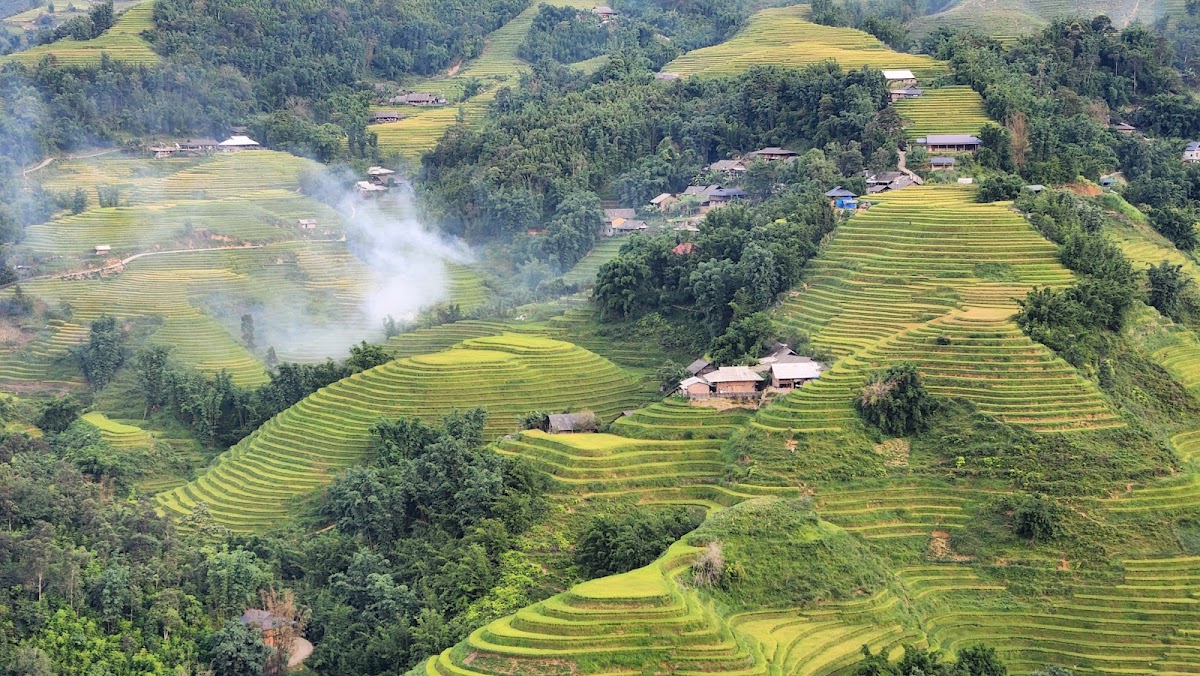
Day two is the heart of it. You descend from the road into Y Linh Ho, a scattered Black Hmong hamlet of wooden houses perched on the slopes, then follow the valley toward Lao Chai. The path narrows to a ribbon between terraces, crossing little streams on planks and stones.
This stretch is where the walking rhythm takes over. You stop talking, you watch your feet, and you look up every few minutes to a view that keeps outdoing itself. Guides point out the indigo plants dyeing hands blue, the hemp drying on racks, the shrines tucked into the fields.
It is a moderate trek, not a brutal one, but it is a full day on uneven ground. Carry water, a packed snack, and a light rain layer. Mountain weather here changes its mind fast.
Lunch and a Night in Ta Van
Woodsmoke, sticky rice steaming in a bamboo tube, and the river running loud just below the stilted house where you'll sleep.
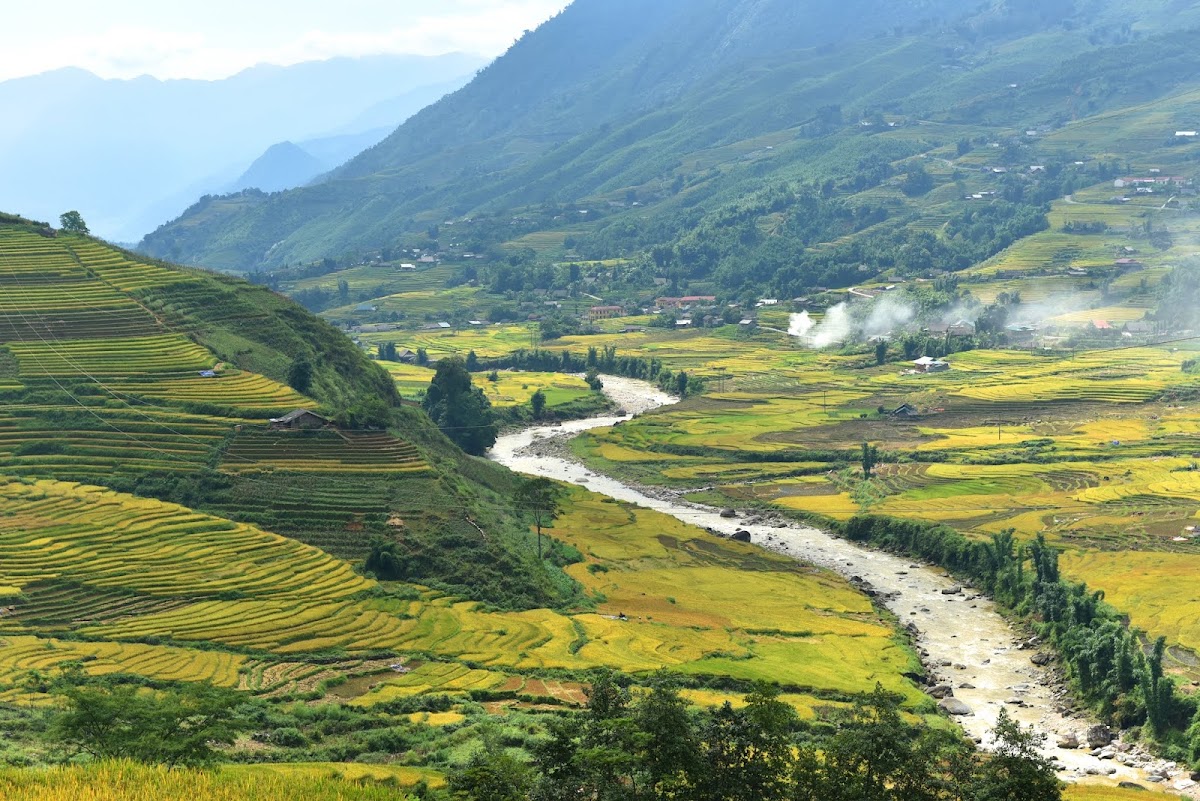
By midday you reach Ta Van, a Giay village strung along the Muong Hoa stream, and this is where you stop to eat. A local homestay lunch is usually a spread of fresh greens, tofu, grilled meat, and rice, cooked over a fire and served family-style on low tables.
Stay the night here instead of retreating to town. Sleeping in a Ta Van homestay means you fall asleep to running water and wake to roosters and mist over the fields, and your money goes to the family hosting you. Accommodation is simple, often a mattress under a mosquito net on a communal loft floor, and warm blankets are provided.
In the evening, there is usually rice wine, a shared dinner, and very little to do except talk and listen to the river. That is exactly the point.
Bamboo Forest and Waterfall at Giang Ta Chai
The light goes green and cool as you enter the bamboo, then the sound of water builds until a waterfall opens up through the stalks.
After breakfast you push on to Giang Ta Chai, a Red Dao village further down the valley. The trail here changes character, dipping through a stand of tall bamboo that filters the light into something soft and underwater before it reaches a tumbling waterfall and a swaying suspension bridge over the stream.
This is a gentler, more atmospheric leg than the exposed terrace walking of yesterday. The Red Dao women are known for their bright red headdresses and detailed embroidery, and you will likely be offered handmade textiles along the way.
From Giang Ta Chai, your guide or driver can meet you to loop back toward the road. Legs tired, boots muddy, memory card full.
Market Morning, Then the Train Home
Walls of indigo cloth, stacks of silver jewelry, horses tied in rows, and the hum of five hill tribes trading at once.
Save your last morning for a market. If it is a Sunday, make the effort to reach Bac Ha, roughly two to three hours away, where one of the most colorful highland markets in Vietnam unfolds. Flower Hmong women in dazzling layered skirts crowd the stalls, and the livestock section with its horses and buffalo is a show in itself. If your schedule misses Sunday, the Sapa town market still gives you textiles, mountain herbs, and street food.
When the timing suits a market trip, line up a tour or private driver the night before, since public transport out to Bac Ha is slow and infrequent.
Then it is back down to Lao Cai by minibus to catch the evening train to Hanoi. You board tired, a little sunburned, carrying an embroidered something you did not plan to buy, and you sleep the whole way back. For the full day-by-day version of this route, the curated Sapa itinerary lays it all out.
Ready to book?
Book the rest of Sapa, Vietnam
Handpicked partner searches, dates pre-filled. Pricing is identical to going direct — the partner shares a small commission with Tabi so this guide stays free.
Frequently asked
When is the best time to visit Sapa?
May and June give you flooded, mirror-bright terraces as the rice is planted. September brings the golden harvest. The winter months from December to February can be very cold and foggy, and occasionally see frost, though the mist has its own moody beauty. Avoid heavy rain months if you want reliable trekking footing.
How do I get from Hanoi to Sapa?
The classic route is an overnight sleeper train from Hanoi to Lao Cai (around 8 hours), then a one-hour minibus up the mountain to Sapa town. Direct sleeper buses also run from Hanoi in roughly 6 hours, but the train plus minibus combination is more comfortable and lets you sleep through the long leg.
Is the Muong Hoa Valley trek difficult?
It is moderate. The classic Y Linh Ho, Lao Chai, Ta Van, Giang Ta Chai route is a full day or two of walking on uneven red-dirt trails with plenty of up and down, but no technical climbing. Reasonable fitness and shoes with real grip are enough. The main challenge is slippery ground after rain.
Should I stay in a homestay in Sapa?
Yes, at least for one night. Sleeping in a Ta Van or nearby village homestay is simple (often a mattress and mosquito net in a communal loft) but it is the most memorable part of the trip, and your money supports the host family directly. Expect shared meals, rice wine, and the sound of the river at night.
Which market should I visit, Bac Ha or Sapa?
If your trip includes a Sunday, go to Bac Ha. It is two to three hours from Sapa but it is one of the most colorful hill-tribe markets in Vietnam, famous for Flower Hmong textiles and a lively livestock trade. On other days, the Sapa town market still offers textiles, herbs, and street food.
Skip the planning
Your Sapa, Vietnam trip, ready to go
Adopt the day-by-day itinerary we built to match this guide. Every stop is a real place, every booking link is validated. Free forever, no card needed.
Open the Sapa, Vietnam itinerary