
Serengeti, Tanzania
Serengeti Safari: 6 Days of Big Cats, Wildebeest, and the Ngorongoro Crater
Follow the dust trails through Tanzania's greatest wildlife theater.
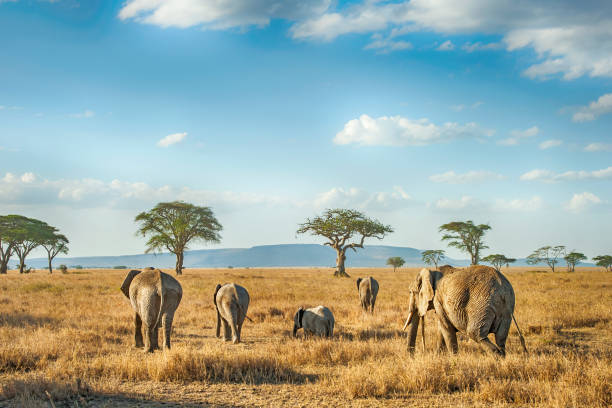
TL;DR
From the first lion sighting at sunrise to the last sip of gin and tonic at your tented camp, this is the safari you've been dreaming of.
- Walking with a ranger through the Serengeti bush, tracking zebra prints on damp soil
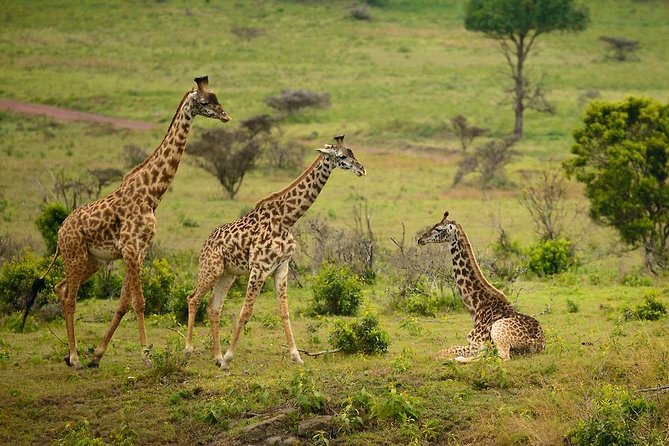
- A bush breakfast at a kopje as giraffes silhouette against the rising sun
- Afternoon game drive along the Grumeti River watching crocodiles slide into murky water
- Descending into Ngorongoro Crater where lions bask near a hippo pool
- Singing and dancing with Maasai women at a boma beneath the Great Rift Valley escarpment
Have this trip planned in 60 seconds
We built the Serengeti, Tanzania itinerary that pairs with this guide, day-by-day with verified venues and one-tap booking links. Free to adopt, edit however you want.
The First Colobus Call in Arusha National Park
The air smells of wet earth and wild sage, and a troop of colobus monkeys stares down from a fig tree as if you're the ones being watched.
Walking into Arusha National Park is like stepping into a primordial garden. The forest is dense and green, completely unlike the open plains you'll see later. Your ranger points out the tracks of a bushbuck, then stops to let you listen to the grunt of a distant buffalo.
This is a gentle warm-up. You're not rushing to find the Big Five. Instead, you're learning to read the landscape. The walking safari takes about two hours, winding past a waterfall and through a patch of montane forest where blue monkeys leap between branches. By the time you reach a clearing, Mount Meru's silhouette hangs above the treeline.
You'll stay tonight at a lodge just outside the park. Dinner arrives with a nightcap of Tanzanian gin, and the chorus of cicadas lulls you to sleep under a mosquito net.
The Drive That Shatters Every Postcard
The road bumps south from Lake Manyara, and then the acacias thin out, the horizon opens, and you realize the Serengeti is not a park but a universe.
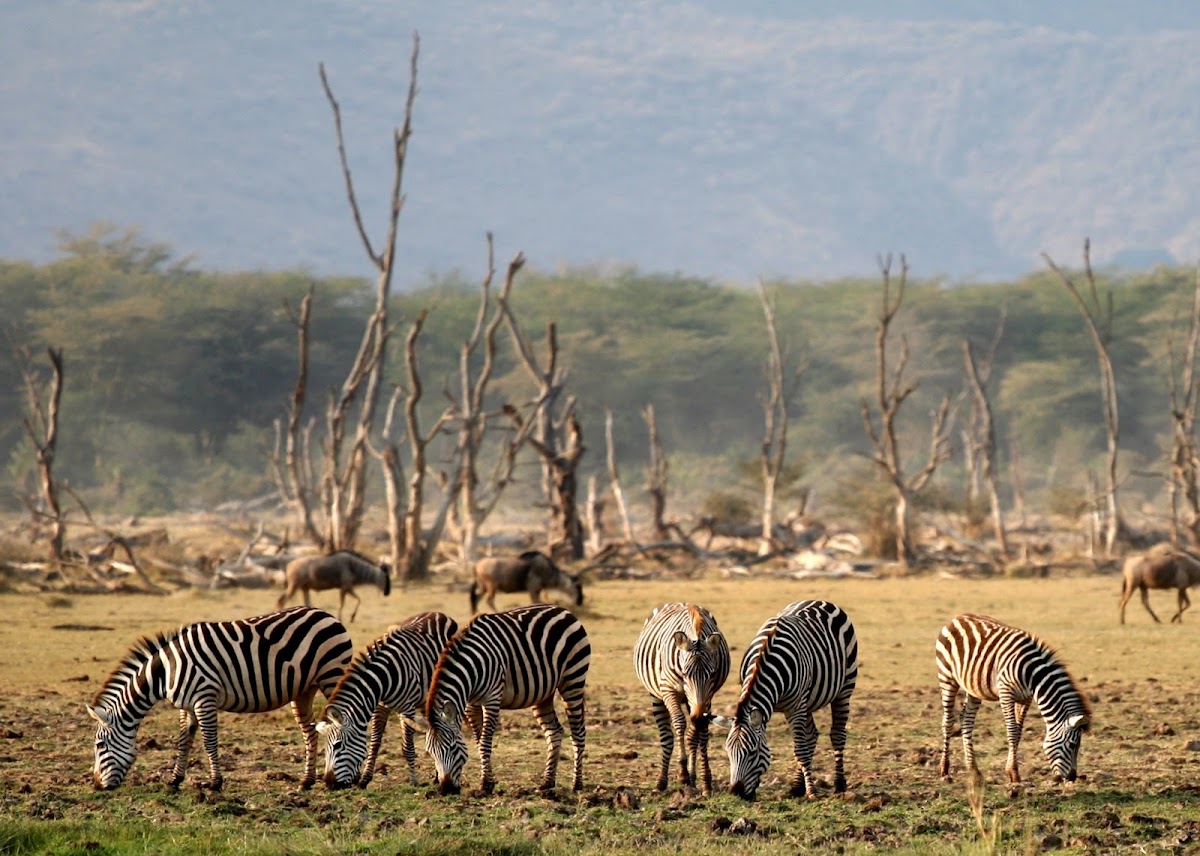
Your private 4x4 climbs above Lake Manyara for a last look at the pink rim of flamingos. Then it drops into the Rift Valley floor, where the asphalt ends and the dust begins. You stop for a picnic lunch at a shaded kopje, and a herd of zebra drifts across the plain as if choreographed.
The transfer itself is a game drive. By the time you reach the Naabi Hill Gate, you've already ticked off giraffe, warthog, and a solitary elephant. Inside the park, the landscape stretches to a hazy gold infinity. Your driver kills the engine near a lone acacia, hands you binoculars, and points at a cheetah lounging on a termite mound.
Tonight's tented camp is the kind you'd frame: canvas walls, a solar lamp, and the sound of hyenas whooping in the dark.
Golden Hour in the Serengeti Plains
The afternoon sun turns the grass to copper, and a dust cloud rises from a pride of lions moving toward a watering hole.
This is the game drive you'll replay inside your head for years. The vehicle bumps across the short grass of the central Serengeti, and every turn brings a new scene: a lone wildebeest, a jackal trotting with purpose, a family of warthogs trotting with less purpose.
Then you find them. Three lionesses under a sausage tree, one asleep, two watching a distant herd. They don't move. They don't have to. You sit for twenty minutes, engines off, just the buzz of flies and the occasional yawn of a big cat. It's the most patient and spellbinding hour of your life.
By the time the sun drips below the horizon, the sky is orange and pink, and your guide pulls out a flask of Amarula. The camp is a twenty-minute drive away, but you're in no hurry.
Bush Breakfast on a Kopje
The table is set on the top of a granite rock pile, and steam rises from a stainless steel coffee pot while a giraffe nibbles acacia leaves a hundred feet away.
Your guide wakes you before dawn. By the time the sky turns peach, you're bouncing over the plains toward a kopje that looks like a pile of dragon eggs. The vehicle climbs a slope, and there's a full breakfast spread: fruit, eggs, bacon, toast, and a hot thermos of coffee.
A rock hyrax suns itself on a nearby boulder. A secretary bird stalks through the grass below. You're eating a croissant while looking out at a landscape that hasn't changed in a million years. A breeze carries the scent of wild jasmine. This is not a meal. It's a ritual.
After breakfast, you hike down the kopje with your ranger, who points out ancient rock paintings in a shallow cave. The morning quiet is broken only by the chirp of a crowned plover.
Walking Where the Wildebeest Walk
Your boots press into the same dusty path that millions of hooves have worn, and a honey guide bird leads you toward an unseen hive.
The guided walking safari is the antidote to sitting in a vehicle. With an armed ranger ahead and a Maasai tracker beside you, every sense sharpens. You smell the dry grass, hear the crack of twigs, see the small things: a dung beetle rolling its ball, a chameleon on a thornbush.
You walk for two hours along a game trail. The ranger stops at a pile of dung and explains which herbivore left it. He mimics the alarm call of a dik-dik. Then he freezes. Twenty yards away, a rhino mother and calf browse in a thicket. You freeze too. She looks up, snorts, and ambles on. Your heart pounds.
This is the Serengeti you can't see from a car: intimate, detailed, unmediated. You return to the jeep with dust in your hair and a grin you can't wipe off.
The Grumeti River: Crocodiles and Hippo Grunts
The river is thick, slow, and prehistoric, with the head of a hippo rising like a submarine periscope and a crocodile lying motionless on a sandbar.
The western corridor is the Serengeti's wilder half, and the Grumeti River is its pulse. You arrive in the afternoon, when the sun is high and the hippos are wallowing in the shallows. Their deep grumbles echo off the banks. A fish eagle screams from a dead tree.
You park near a pool where a dozen crocodiles lie with jaws open, waiting for a thirsty wildebeest. The air smells of mud and rotting vegetation. A monitor lizard skims across the water. You watch for an hour, and nothing dramatic happens. That's the point. It's real.
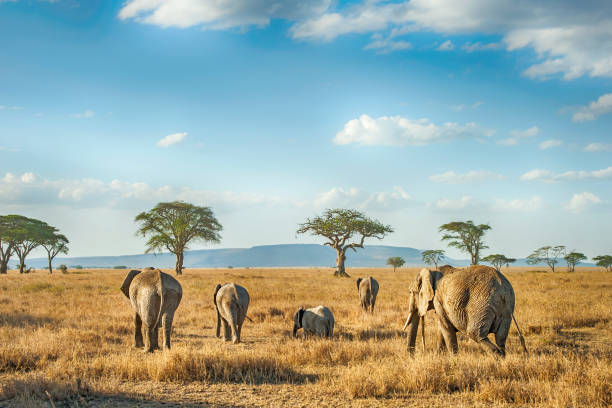
On the drive back, you pass a herd of elephants crossing the road. The matriarch stops and holds your gaze for a long, unblinking moment before she waves her trunk and moves on.
Descending into Ngorongoro's Crater Bowl
The road drops steeply, and the crater floor unfurls below like a lost world where animals live on their own terms.
You leave the Serengeti behind and drive to the Ngorongoro Conservation Area. The rim is cool and misty. You stop at a viewpoint for a picnic lunch: the crater floor stretches 100 square miles below, dotted with gazelles and a solitary black rhino.
Then the descent begins. The track is rutted and narrow. At the bottom, you enter a different ecosystem: open grassland, a salt lake, a fever-tree forest. Lions doze on the grass. A hyena lopes past with a bone in its mouth. You see four rhinos in one hour, so close you can count the ticks on their ears.
At the crater's center, a hippo pool teems with birds and mud-caked giants. You sit in silence as a flamingo sifts the water. Above you, the rim walls rise like a cathedral. This is the planet's most concentrated wildlife stage, and you have a front-row seat.
A Maasai Boma: Songs, Spears, and Smiles
A young warrior in red shuka holds out his hand, and behind him the mud huts stand against a backdrop of the Great Rift Valley escarpment.
On the last full day, you stop at a Maasai boma near Lake Manyara. Women in beaded collars sing a welcome, their voices rising in a call-and-response. The head elder invites you into a hut made of cow dung and mud, cool and dim inside. He explains how the boma is laid out, how the cattle are family, how the young men become morans.
Outside, a group of teenagers jump into a competition, leaping straight into the air with astonishing height. You try to jump with them. You fail. They laugh. Everyone claps.
The visit ends with a walk to a shaded market where women sell beadwork and woven bracelets. You buy a bracelet for 10,000 shillings (about $4). It feels like a fair exchange. Back in the car, heading toward Arusha, the plains fade in the rearview mirror, but the rhythm of the Maasai song stays in your head for days.
Ready to book?
Book the rest of Serengeti, Tanzania
Handpicked partner searches, dates pre-filled. Pricing is identical to going direct — the partner shares a small commission with Tabi so this guide stays free.
Frequently asked
What is the best time of year to visit the Serengeti?
The dry season (June to October) offers the best wildlife viewing, especially for the wildebeest migration. The calving season (January to February) is also excellent for predators. Avoid the long rains (March to May) when many camps close and roads become impassable.
Do I need a visa for Tanzania?
Most nationalities need a visa. You can get one on arrival at Kilimanjaro Airport for $50 (USD) as of 2025, but check the latest requirements on the Tanzania Immigration website (immigration.go.tz).
What should I pack for a Serengeti safari?
Bring neutral-colored clothing (khaki, olive, beige), a wide-brimmed hat, sunscreen, insect repellent, binoculars, and a camera with a zoom lens. Mornings and evenings are cool, so layers are essential. A light fleece or jacket works.
Is the Serengeti safe for solo travelers?
Safaris are almost always guided, which makes them very safe. Solo travelers can join group tours or hire a private guide. The camps are secure, and wildlife is respected from a distance. Tanzania is a stable, welcoming country.
Can I see the Big Five in 6 days?
Absolutely. The Serengeti and Ngorongoro Crater together offer excellent chances of seeing lion, leopard, elephant, buffalo, and black rhino. Your guide will know exactly where to look, and the curated itinerary maximizes your time in the best spots.
Skip the planning
Your Serengeti, Tanzania trip, ready to go
Adopt the day-by-day itinerary we built to match this guide. Every stop is a real place, every booking link is validated. Free forever, no card needed.
Open the Serengeti, Tanzania itinerary