
Seville, Spain
What to Do in Seville in 5 Days: Tapas, Tilework, and the Orange-Scented Walk You'll Remember
A picture-first walk through Seville's old town, from the Santa Cruz tapas maze to the horseshoe arches of the Alcázar.
TL;DR
Five slow days where every corner smells like orange blossom and someone, somewhere, is always clapping flamenco.
- Tapas crawl through Santa Cruz's whitewashed alleys after dark
- The Giralda climb: 34 ramps, one rooftop view of the whole city
- Alcázar tilework so intricate it looks stitched, not carved
- Plaza de España at golden hour, tiled bridges glowing amber
- Triana's ceramic market and riverside lunch across the Guadalquivir
Have this trip planned in 60 seconds
We built the Seville, Spain itinerary that pairs with this guide, day-by-day with verified venues and one-tap booking links. Free to adopt, edit however you want.
Landing in the City That Smells Like Oranges
You step out of Santa Justa station and the air already smells faintly of citrus and warm stone. Even in the taxi line, you can feel the city runs on a slower clock.
Seville is compact in the best way. The airport sits about 20 minutes northeast of the center, and Santa Justa train station is even closer, a 10-minute ride from most of the old town. If you're coming from Madrid, the AVE high-speed train gets you here in about 2.5 hours, which is the way most people arrive.
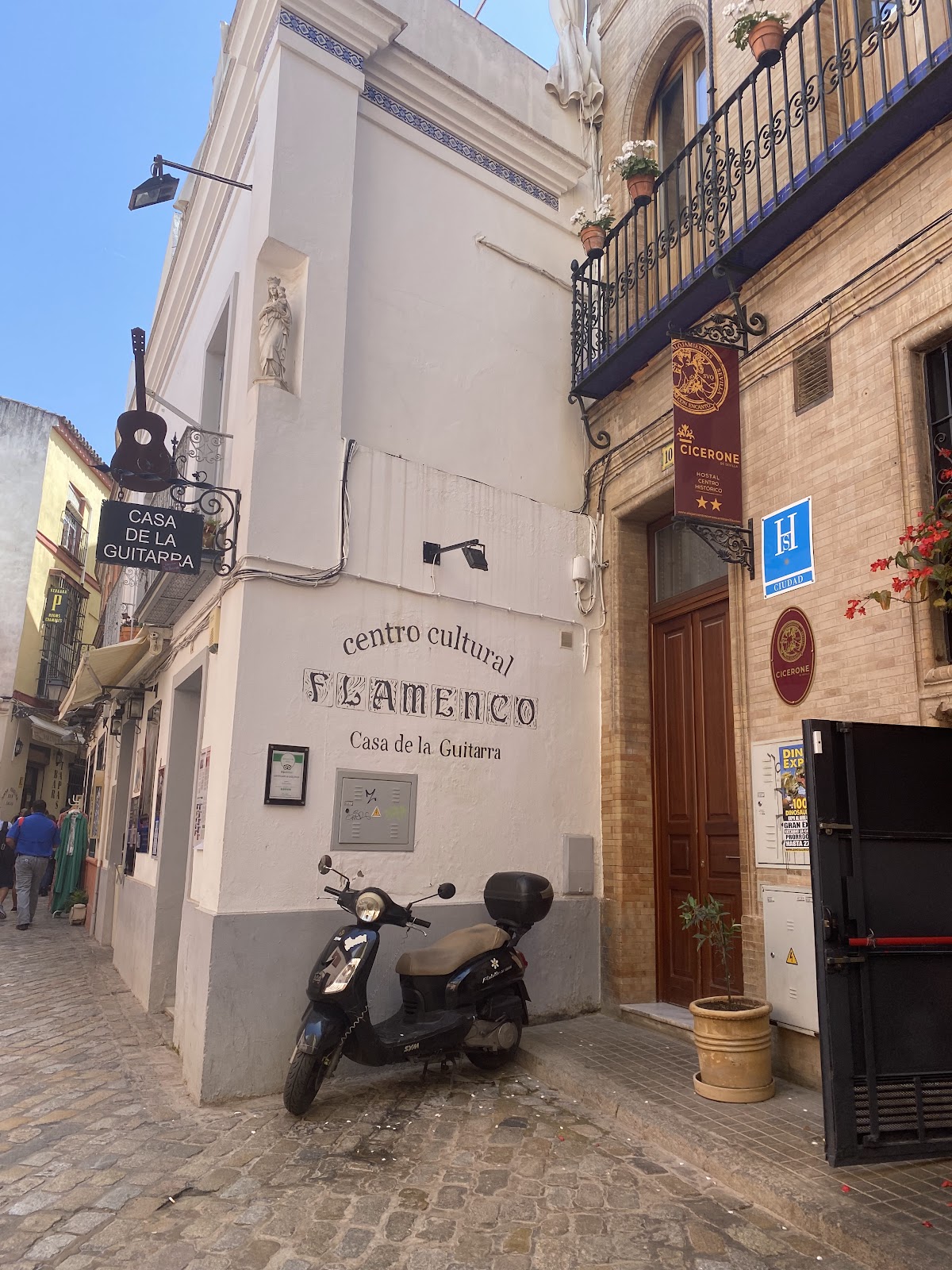
Drop your bags somewhere in or near the Santa Cruz quarter. This is the old Jewish neighborhood, a knot of narrow lanes where cars mostly can't fit and every wall is whitewashed and dripping with bougainvillea. Being able to walk out your door straight into the maze is worth more than any amount of square footage.
A fixed-rate taxi from the airport runs around 25 to 30 euros (roughly 27 to 33 USD) depending on the hour. If you'd rather skip the queue and have someone waiting with your name on a sign, a pre-booked transfer takes the guesswork out of the very first hour.
Your First Night, One Tapa at a Time
A tiny plate of jamón lands on the marble counter, then a glass of chilled fino sherry that tastes like salt and almonds. You're standing up, elbow to elbow with locals, and this is exactly right.
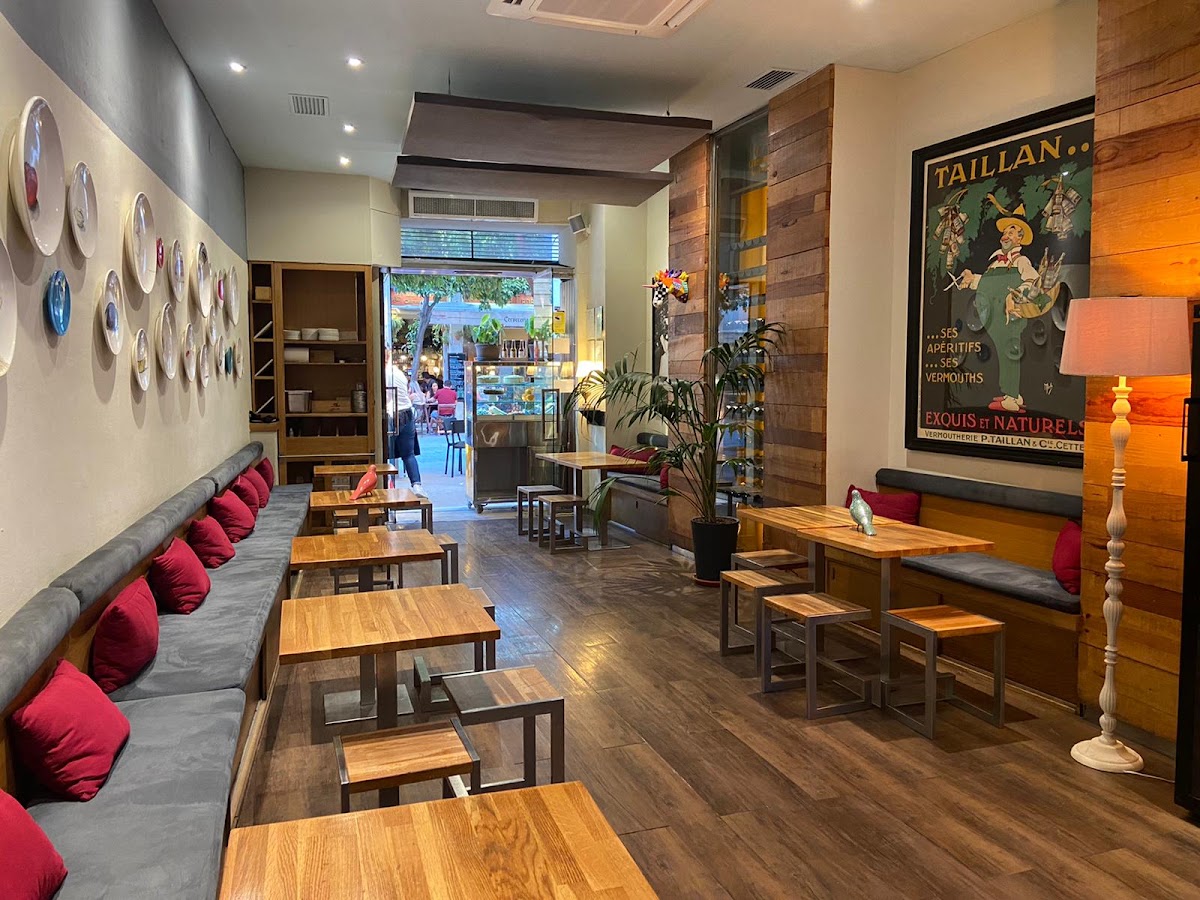
The rule in Seville is simple: you don't sit down for one big dinner, you graze. Order one or two things at each bar, eat standing at the counter, then walk 40 meters to the next place. The alleys around Santa Cruz are wall-to-wall with tiny tabernas doing this ritual every single night.
Go for the classics your first evening. Espinacas con garbanzos (spinach with chickpeas, a Moorish holdover). Solomillo al whisky (pork tenderloin in a garlicky sauce). A wedge of tortilla. Most tapas run 3 to 5 euros each (about 3 to 5.50 USD), so two people can eat and drink beautifully for around 30 euros.
Start around 9pm, which is early by Sevillano standards. The narrow lanes near Calle Mateos Gago and Plaza de los Venerables are your hunting ground. Don't overthink which bar. If it's crowded with people speaking Spanish, you've found it.
Climbing the Giralda for the Whole City at Once
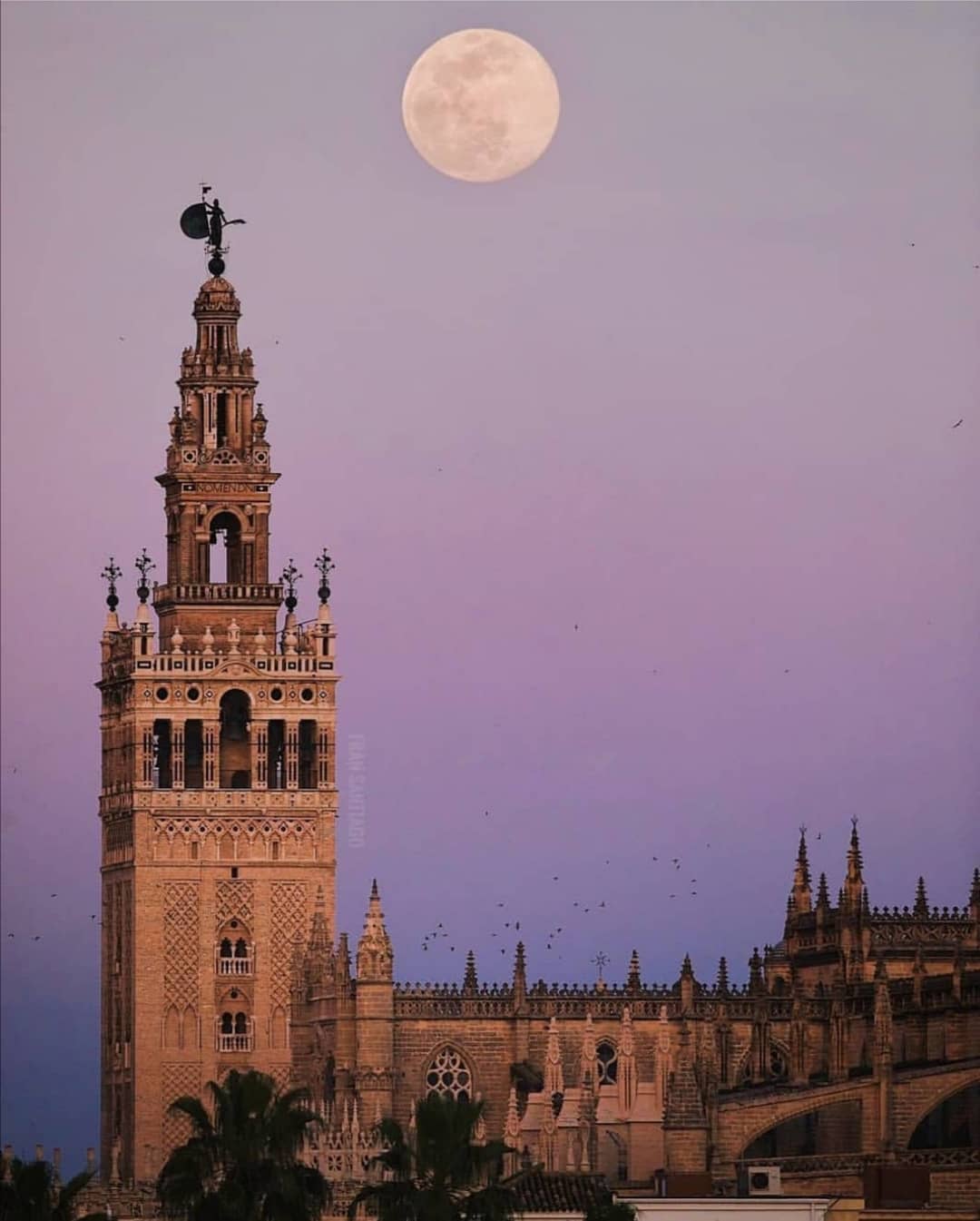
Instead of stairs, you walk up 34 gentle ramps, wide enough that a man once rode a horse to the top. Then the last flight opens onto the roofline of Seville, terracotta tiles rolling to the horizon.
Seville Cathedral is the largest Gothic cathedral in the world, and it swallows you whole the moment you step inside. It's dim, cavernous, and studded with gold. Somewhere in the gloom is the tomb of Christopher Columbus, hoisted on the shoulders of four stone kings.
The real prize is the Giralda, the bell tower attached to the cathedral. It was built as a minaret in the 12th century, which is why you climb ramps instead of steps. The 360-degree view from the top is the best free-standing look at the old town you'll get, with the Alcázar gardens on one side and the river on the other.
Tickets are around 12 euros (about 13 USD) and include the tower climb. Book online ahead of time; the walk-up queue in high season can eat an hour of your morning. Aim for opening time to have the ramps mostly to yourself.
The Alcázar, Where Every Wall Is a Puzzle
You pass under a horseshoe arch and the geometry begins: thousands of tiny tiles in green, cobalt, and ochre, plaster carved into lace, ceilings that look like frozen honeycomb. It's so intricate it seems stitched rather than built.
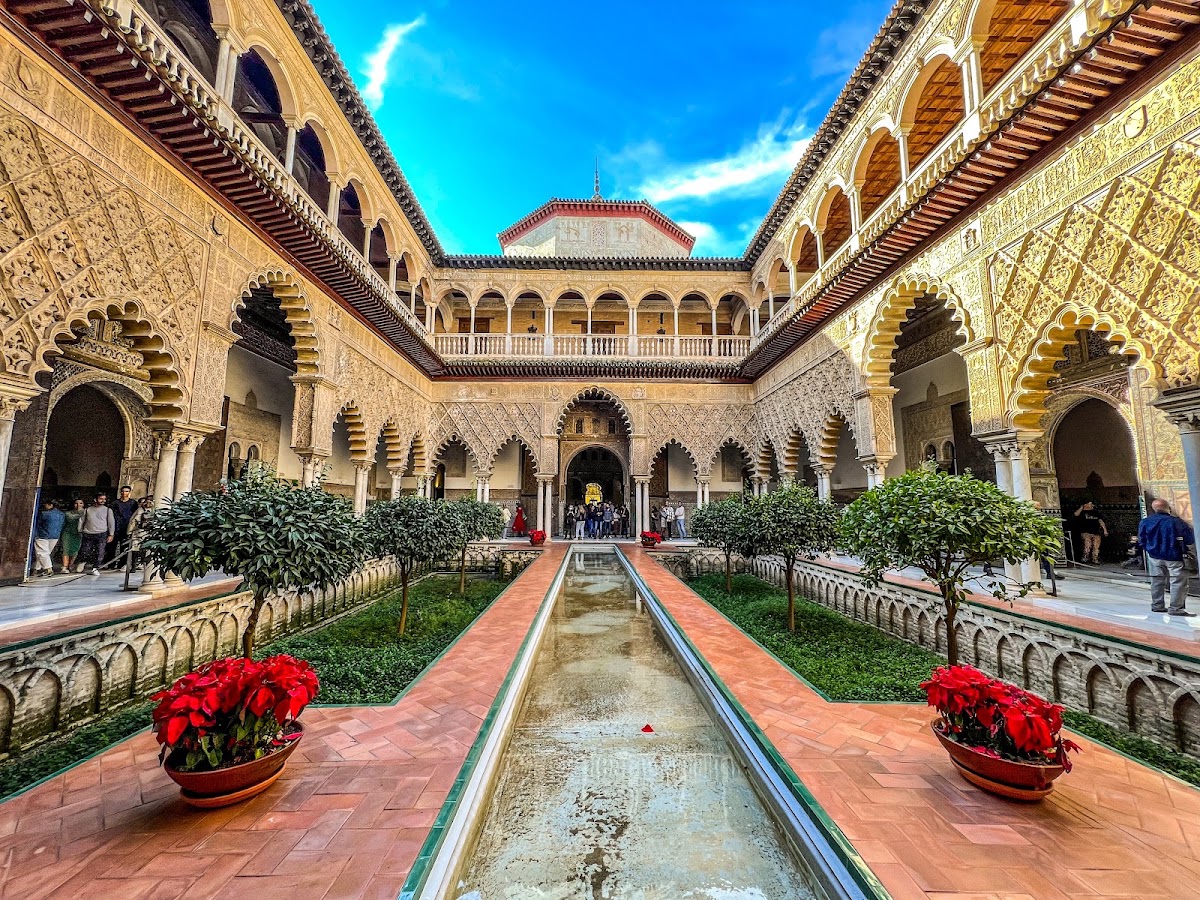
A five-minute walk from the cathedral, the Royal Alcázar is a working royal palace and the oldest one still in use in Europe. Its Mudéjar architecture, Islamic craft made for Christian kings, is the single most beautiful thing you'll see in the city.
Don't rush the Patio de las Doncellas, the sunken central courtyard with its long reflecting pool and arcade of scalloped arches. Then keep going into the gardens, which are enormous: hedge mazes, palm trees, peacocks strutting past fountains, and tiled benches tucked into shady corners where you can just sit.
Entry is around 14.50 euros (about 16 USD). This place gets seriously busy, so a timed ticket booked in advance is not optional in spring or summer. Give yourself at least two hours, more if the gardens catch you the way they catch most people.
Flamenco in a Room Small Enough to Hear the Breath
The guitarist starts, low and fast. Then the dancer's heels hit the wood like gunfire and stop dead. In a room this small you can hear the fabric of her dress snap when she turns.
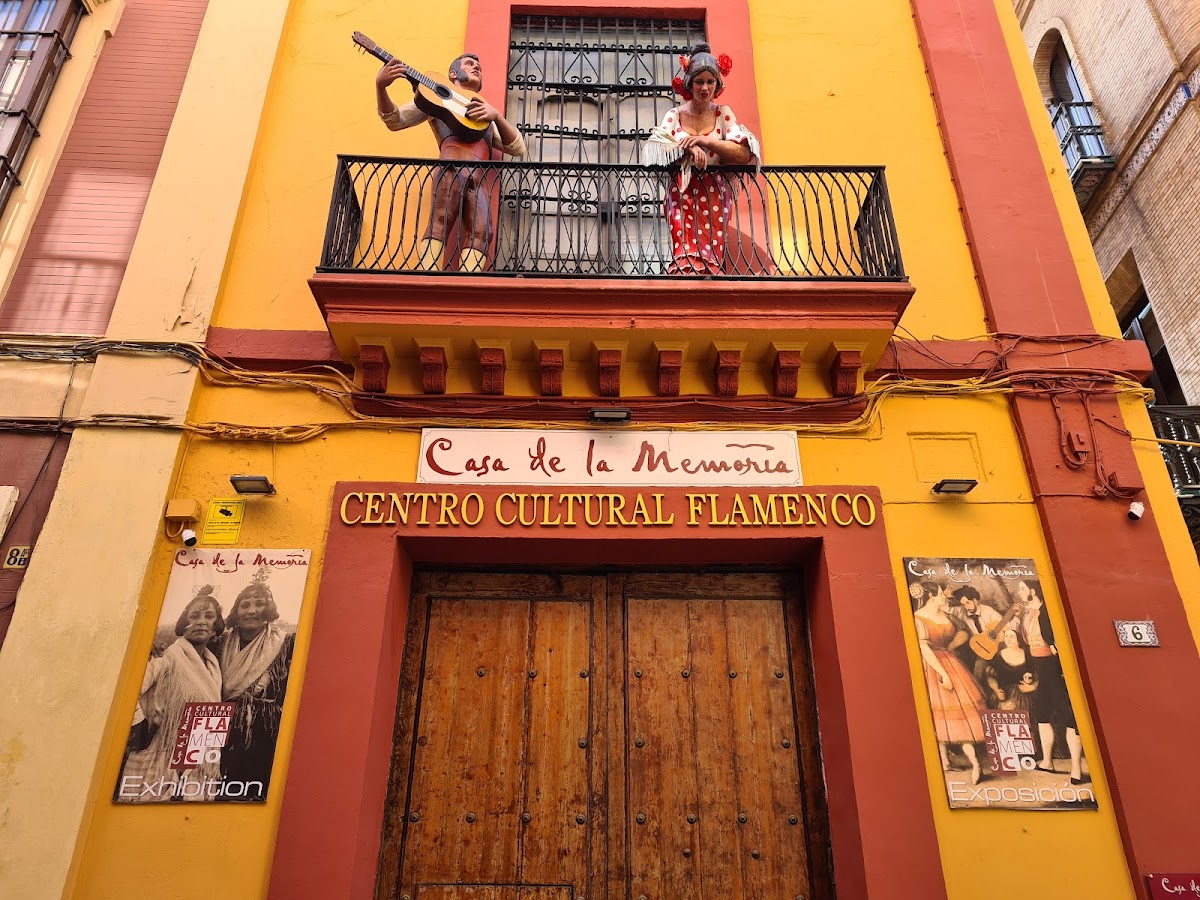
Forget the big dinner-show productions. Casa de la Memoria stages intimate flamenco in a candlelit courtyard, with maybe 80 seats and no amplification. It's raw, close, and the way this art is meant to be felt: the singer's cracked voice, the sweat, the sudden stillness between explosions of movement.
Shows are usually 55 minutes and cost around 20 euros (about 22 USD). Seats are unassigned and it sells out, so reserve online a day or two ahead and arrive 20 minutes early to grab a spot near the front. There's no bar service during the performance, which tells you everything about how seriously they take it.
If you want a second, slightly larger night of it later in your trip, Tablao El Arenal down by the river is the polished alternative. But start here, in the small room, where the emotion has nowhere to hide.
Plaza de España at the Exact Right Hour
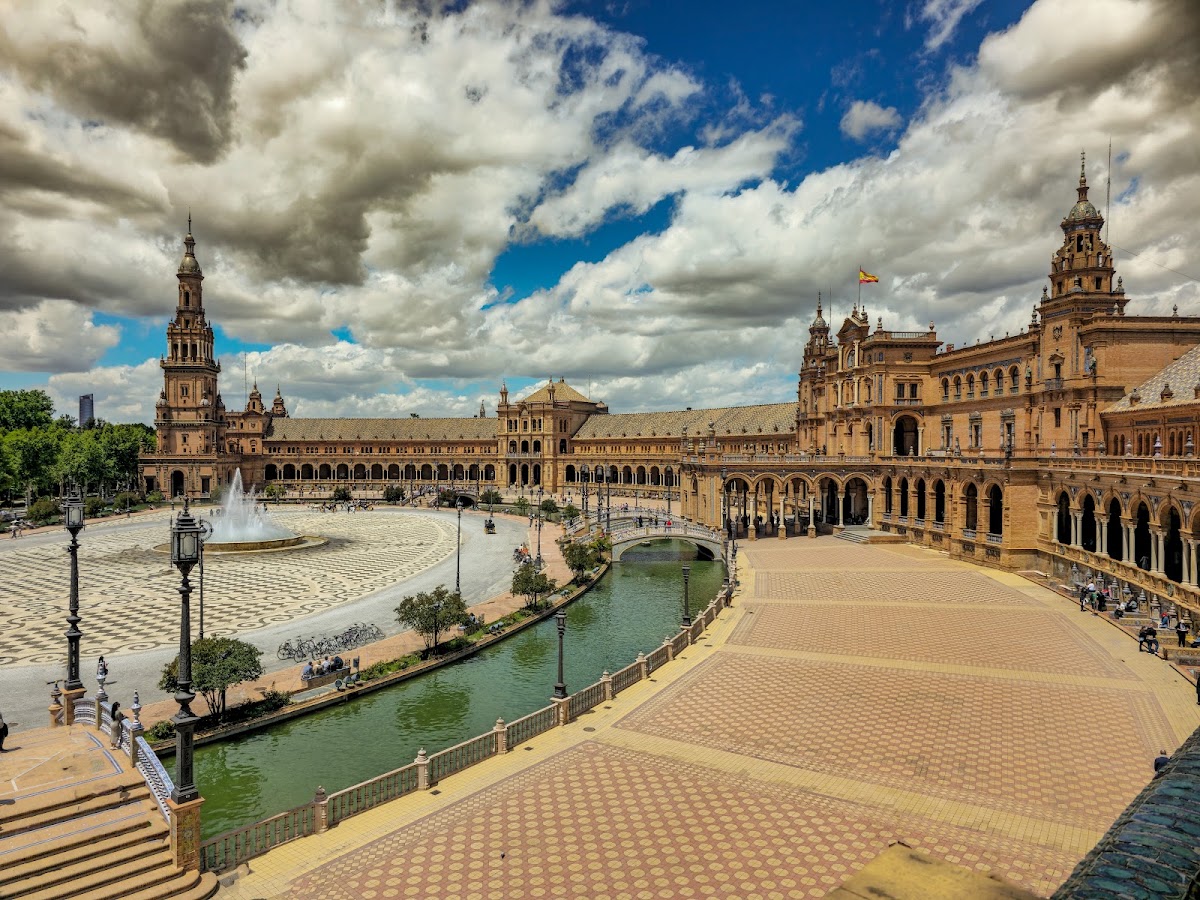
A half-moon of tiled bridges wraps around a canal where couples paddle little rowboats. As the sun drops, the whole facade turns from cream to warm amber, and every glazed tile lights up.
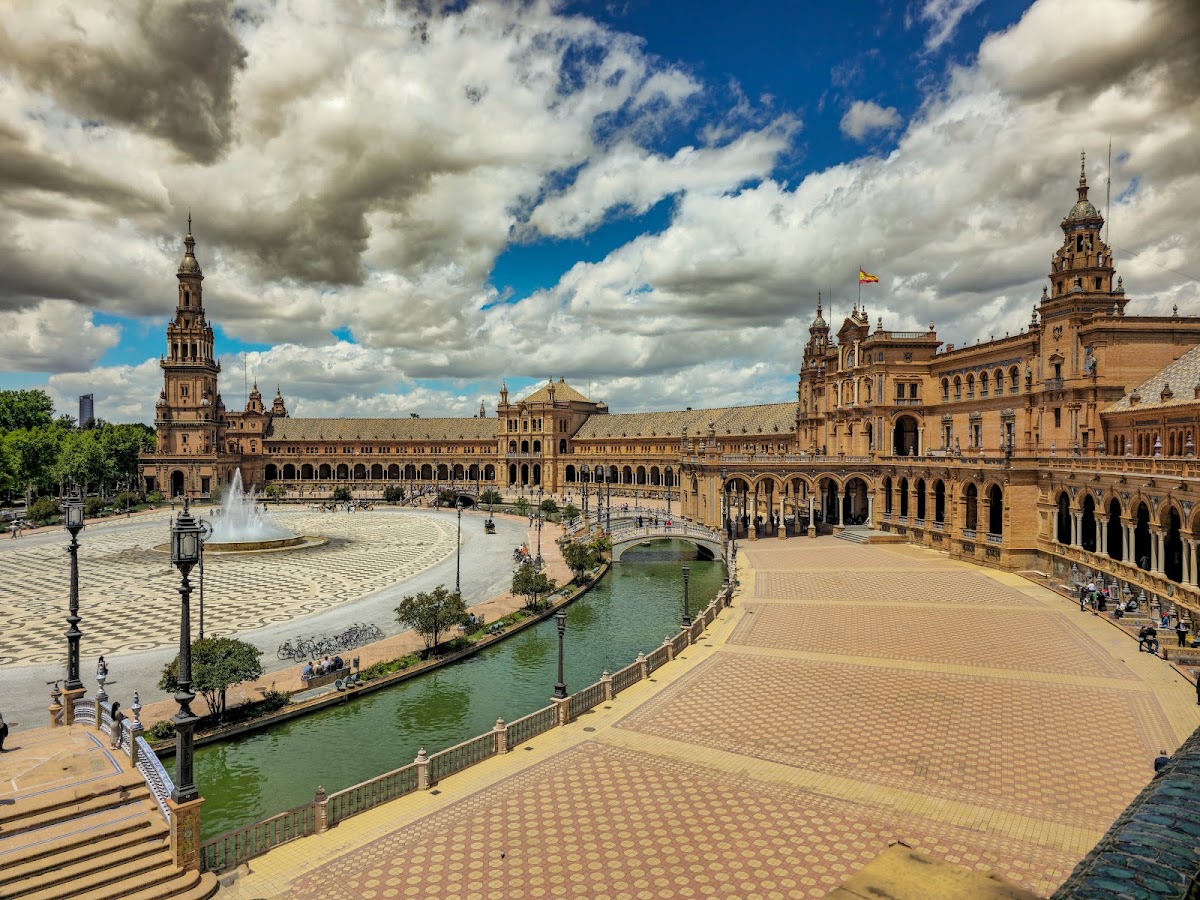
Built for a 1929 fair, Plaza de España is pure theatrical grandeur: a sweeping curved palace, a moat you can row across, and 48 tiled alcoves, one for each province of Spain, each with its own painted map and scene. You may recognize it; a couple of films used it as a stand-in for alien capitals.
Come in the late afternoon, an hour or so before sunset. The light does something ridiculous to the ceramics, and the morning crowds have thinned. Walk the full arc of the balcony, find your favorite province tile, then cross one of the four bridges just to hear your footsteps on the painted rail.
It's free and always open, sitting on the edge of the leafy María Luisa Park. Bring water, wear real shoes, and give yourself an hour to just wander. This is the photo you'll come home with.
Crossing the River to Triana
You cross the Isabel II bridge and the mood shifts. Ceramic shopfronts glazed in blue and yellow, the smell of frying fish from a market stall, and the río Guadalquivir sliding by wide and slow.
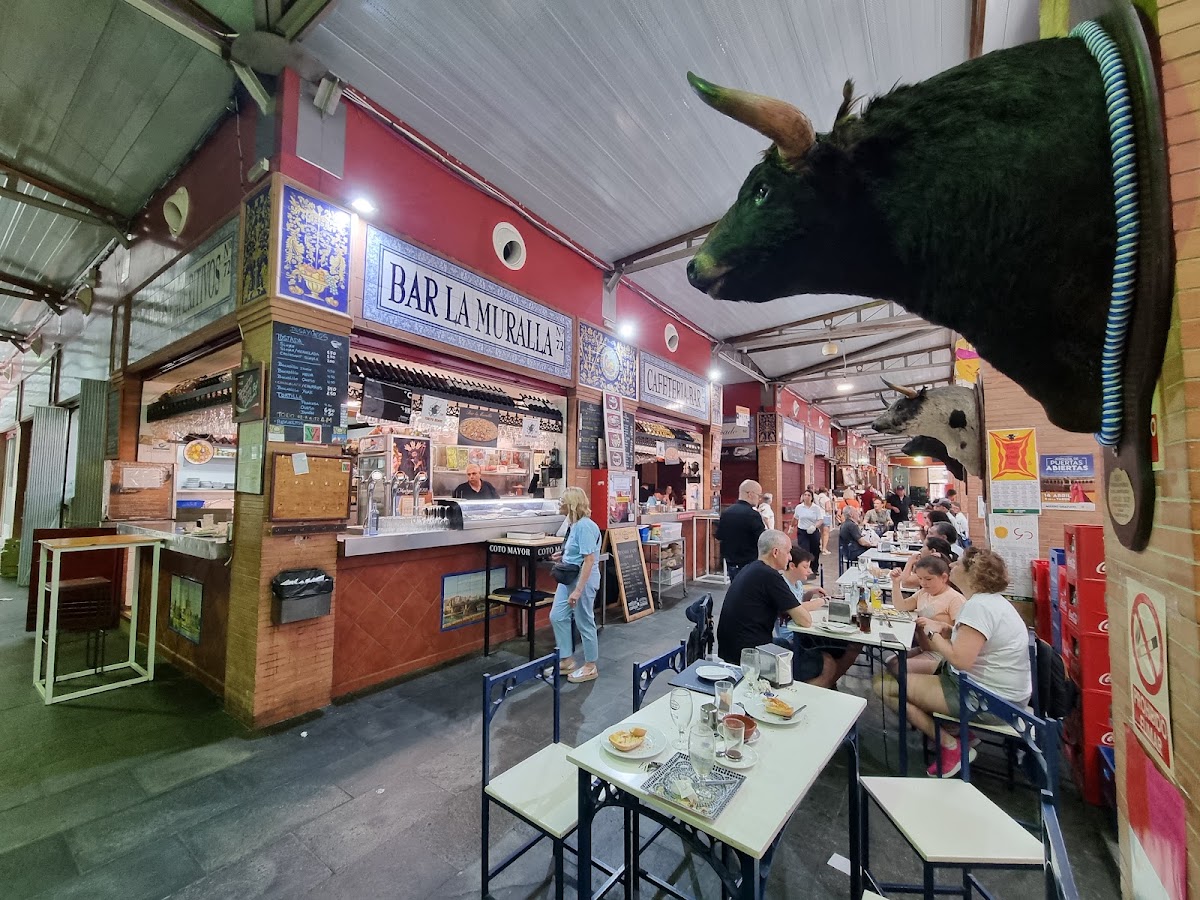
Triana is the old potters' and sailors' quarter on the far bank, and it feels like its own small town with its own fierce pride. This is the neighborhood that gave flamenco half its roots. Spend a free morning just drifting through it.
Start at the Mercado de Triana, built right on top of the ruins of a castle. Wander the stalls of olives, jamón, and painted tiles, then have an early snack of fried fish at one of the counters inside. Afterward, follow Calle San Jacinto and duck into the ceramic workshops that have been glazing tiles here for centuries.
When you're hungry for real lunch, grab a table at a riverside restaurant along Calle Betis. You'll be looking straight back across the water at the Torre del Oro and the cathedral, plate of grilled prawns in front of you, and the whole rhythm of the city on display.
Waffle Views and a Slow Goodbye
You ride the lift up onto a giant wooden lattice, curving overhead like a mushroom cap, and suddenly you're walking a boardwalk in the sky with the old town spread below and the Giralda poking up in the distance.
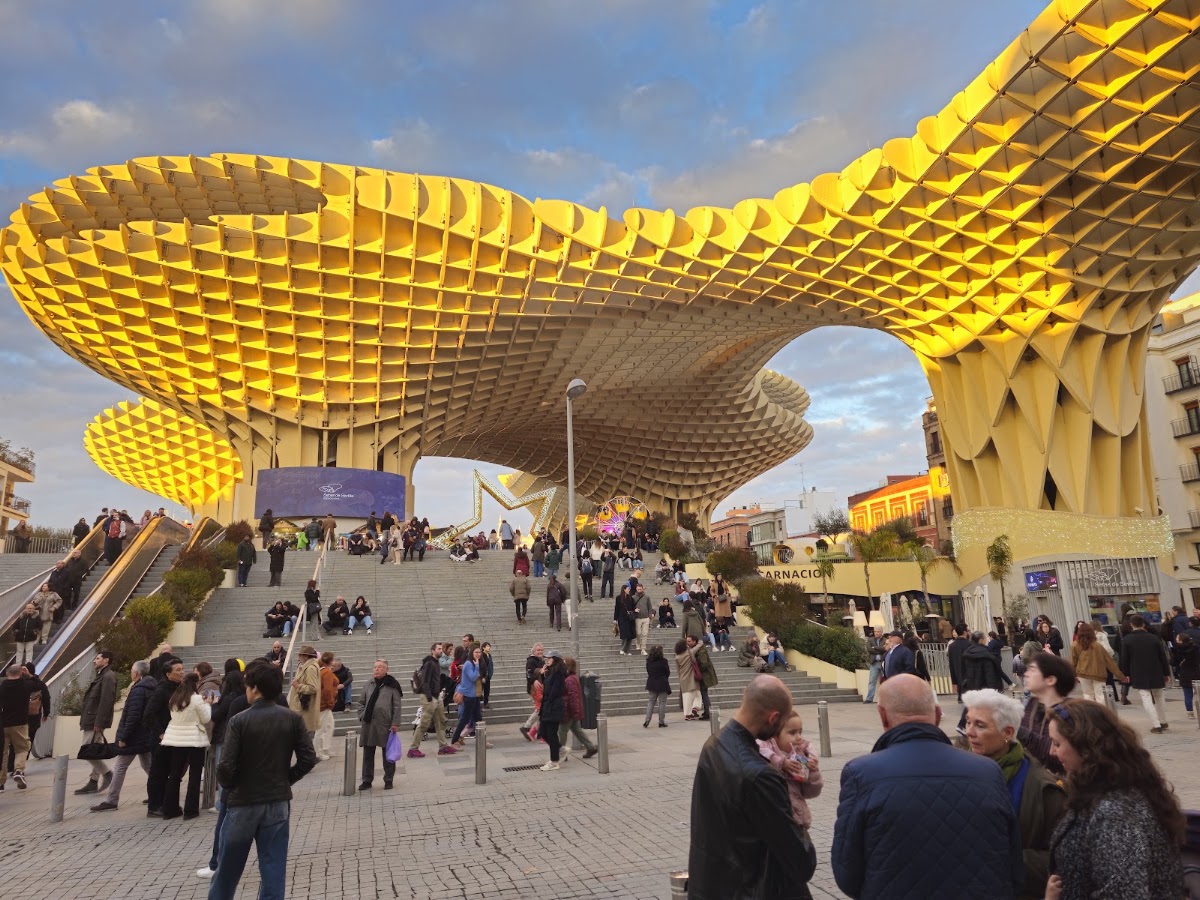
Before you leave, climb the Metropol Parasol, known to everyone as Las Setas (the mushrooms). It's the largest wooden structure in the world, all sweeping honeycomb curves, and the rooftop walkway is the best sunset perch in town that isn't a bell tower. Entry runs around 15 euros (about 16 USD) and often includes a drink.
Use your last full day for the gentler, quieter Seville: the shady Jardines de Murillo with its palm-lined paths, the paintings at the Museo de Bellas Artes (second only to the Prado for Spanish art, and blissfully uncrowded), and a final walk down to the Torre del Oro on the riverbank.
Then, on departure morning, do it the Sevillano way. Find a café, order a tostada with olive oil and crushed tomato and a strong café con leche, and eat slowly. The station and airport are both close, so there's no need to rush the last hour of a city built for lingering.
Ready to book?
Book the rest of Seville, Spain
Handpicked partner searches, dates pre-filled. Pricing is identical to going direct — the partner shares a small commission with Tabi so this guide stays free.
Frequently asked
How many days do you need in Seville?
Five days is the sweet spot. It covers the cathedral, the Alcázar, Plaza de España, a night of flamenco, and a full morning across the river in Triana, while still leaving unhurried afternoons to wander Santa Cruz. Three days is doable if you're tight on time, but you'll be rushing the two big palaces and skipping the neighborhoods that give Seville its character.
When is the best time to visit Seville?
Spring (March to May) and autumn (September to October) are ideal, with warm days, blooming orange blossom, and manageable crowds. Avoid July and August if you can, since daytime temperatures routinely exceed 40°C (104°F). If you do come in summer, plan indoor sights and siestas for the afternoon and save walking for early morning and evening.
Do you need to book the Alcázar and Cathedral in advance?
Yes, especially in spring and summer. The Royal Alcázar uses timed-entry tickets that sell out, and the cathedral's walk-up line can cost you an hour. Book both online a few days ahead. Aim for the first slot of the morning at each to beat the heat and the crowds.
What is the best flamenco show in Seville?
For an intimate, no-microphone experience, Casa de la Memoria in the center is hard to beat, with only around 80 seats in a candlelit courtyard. Tablao El Arenal near the river is a slightly larger, more polished option if you want a second show. Reserve either online, since good performances sell out and seating is often first-come.
How do you get from Seville airport to the city center?
The airport is about 20 minutes northeast of the old town. A fixed-rate taxi runs roughly 25 to 30 euros (about 27 to 33 USD), or you can pre-book a private transfer to skip the queue. There's also an airport bus (the EA line) into the center for a few euros. If you arrive by AVE train at Santa Justa station, you're just a 10-minute taxi ride from Santa Cruz.
Skip the planning
Your Seville, Spain trip, ready to go
Adopt the day-by-day itinerary we built to match this guide. Every stop is a real place, every booking link is validated. Free forever, no card needed.
Open the Seville, Spain itinerary