
Stockholm, Sweden
What to Do in Stockholm in 4 Days: Old Town, Islands, and a Warship
A picture-first walk through the city on the water, from Gamla Stan's cobbles to a Vaxholm ferry deck.
TL;DR
Stockholm spreads across fourteen islands, and the fun is hopping between them: cobbled old town, a warship that sank in 1628, a ferry into the archipelago, and a viewpoint most visitors miss.
- Gamla Stan's ochre lanes narrowing to Marten Trotzigs Grand
- The 226-foot Vasa warship, raised whole from the harbor mud
- A slow ferry deck out to red-cottage Vaxholm
- Monteliusvagen at golden hour, the whole city glowing below
- Cardamom buns and coffee at a tiled Sodermalm konditori
Have this trip planned in 60 seconds
We built the Stockholm, Sweden itinerary that pairs with this guide, day-by-day with verified venues and one-tap booking links. Free to adopt, edit however you want.
The Ochre Square Where the City Started
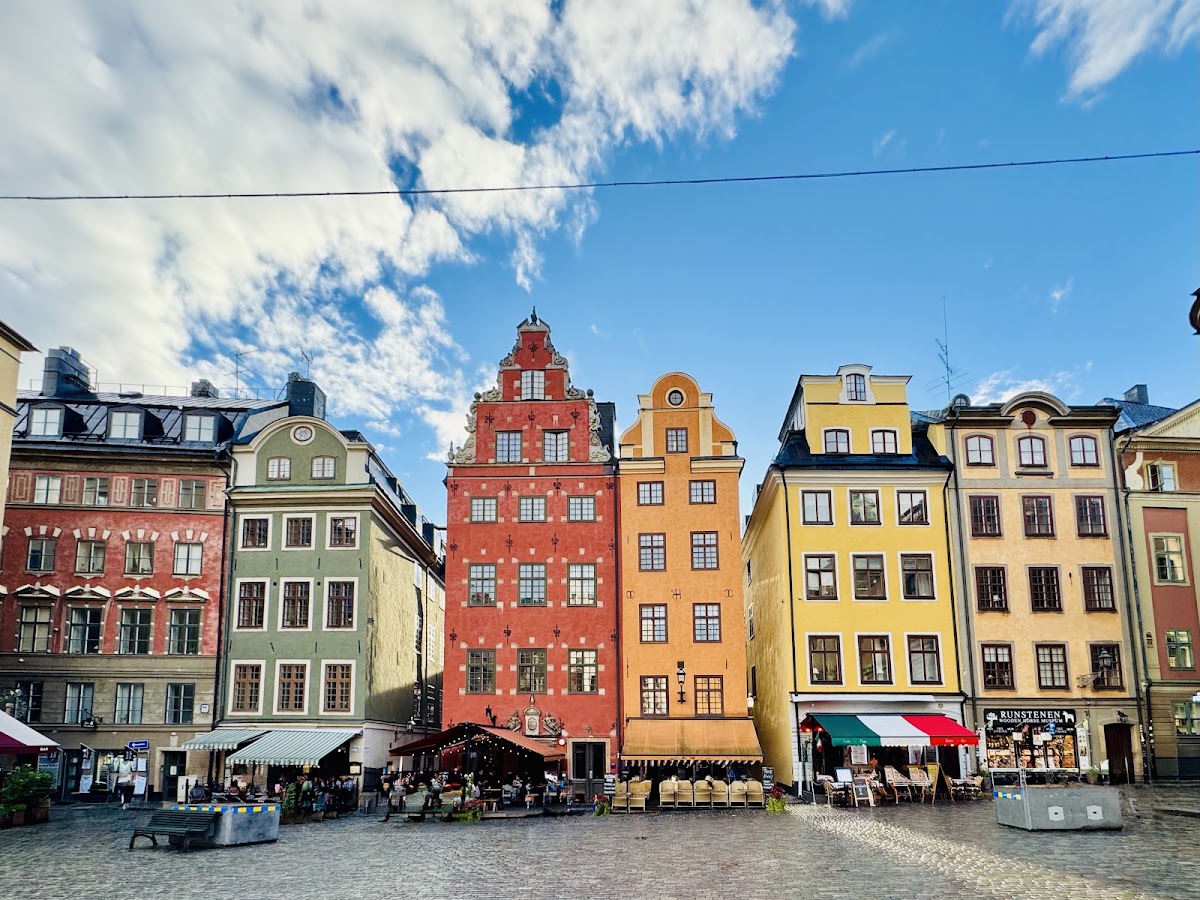
Four narrow townhouses in mustard, blood-red, and burnt orange lean over a cobbled square barely wider than a courtyard. Bicycle bells echo off the stone.
This is Stortorget, the oldest square in Stockholm and the postcard everyone comes for. Get here before 10am and you can stand in the middle of it almost alone, camera pointed at those crooked gabled facades.
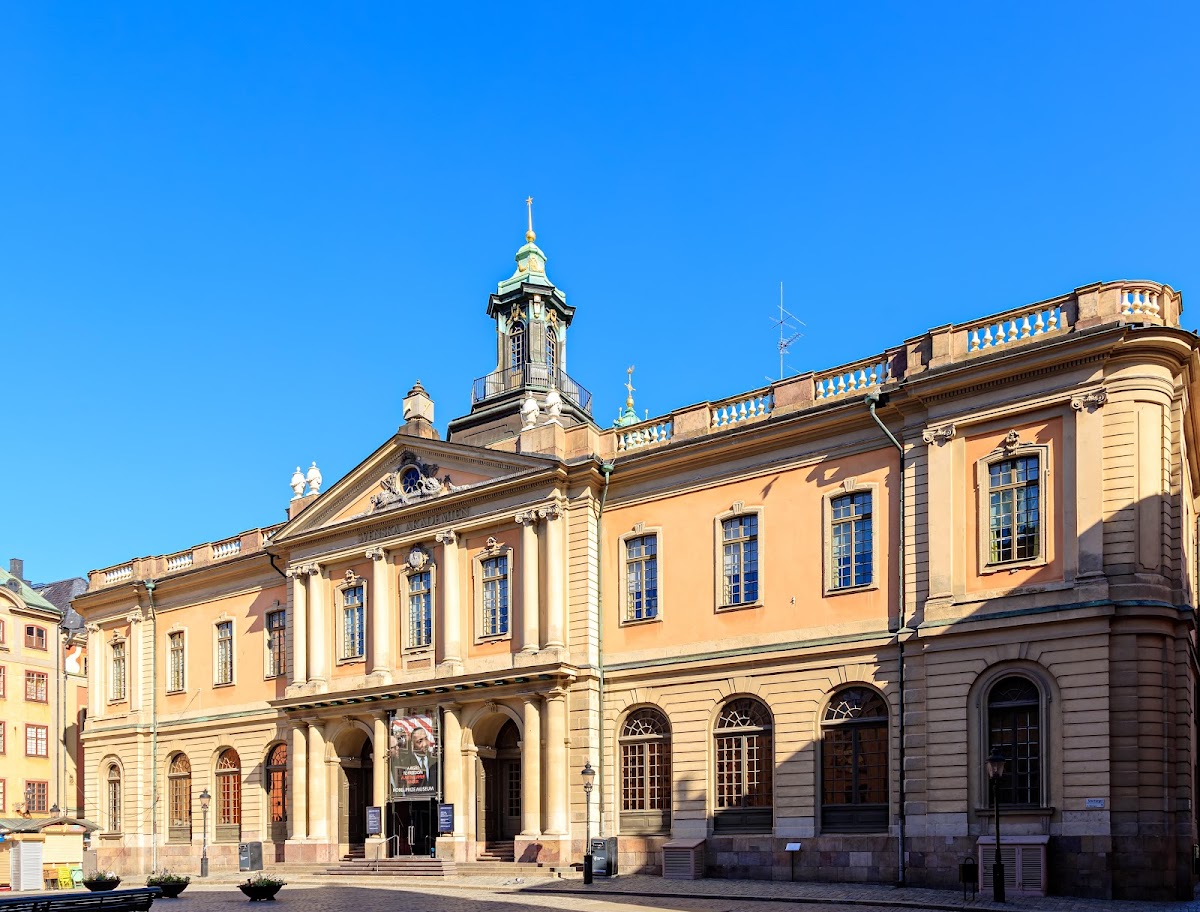
On the square's north side sits the Nobel Prize Museum, tucked into the old stock exchange building. Inside, tiny cafe chairs have signatures scrawled on the underside, one for each laureate who has passed through. Entry runs about 140 SEK (roughly 13 USD), and an hour is plenty.
Step back outside and let yourself get lost. Gamla Stan is a loop you feel more than plan: pick the alley that looks too small, and follow it.
Where the Alleys Get So Narrow You Turn Sideways
The cobbles turn slick underfoot, the buildings press in close, and suddenly you are standing at the mouth of a passage barely wide enough for your shoulders.
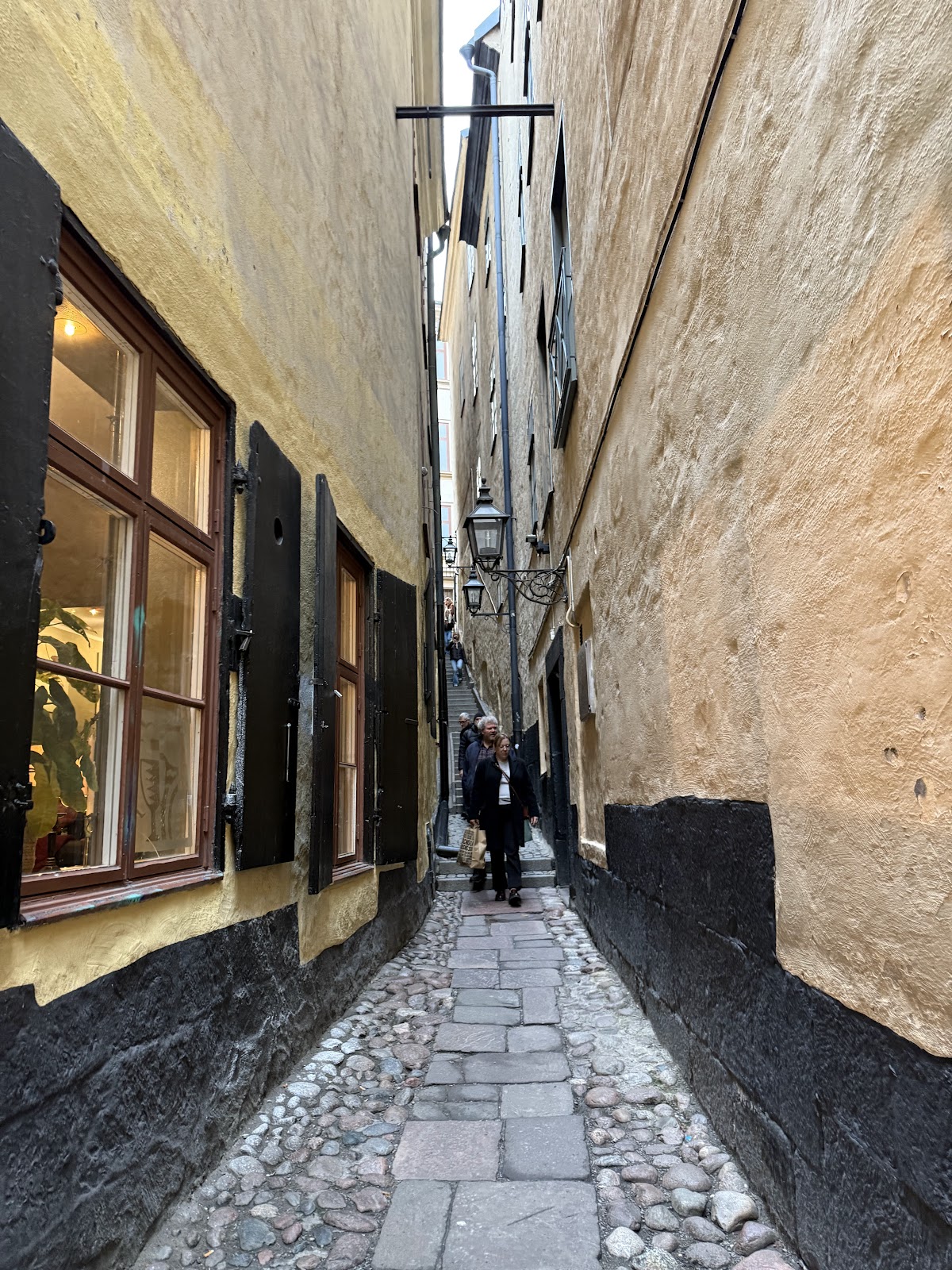
Marten Trotzigs Grand is the narrowest lane in the old town, about 90 centimeters at its tightest, worn stone steps climbing between two ancient walls. It photographs beautifully and takes twenty seconds to walk.
The rest of Gamla Stan rewards the same instinct. Osterlanggatan, the curving street on the eastern edge, is lined with cellar restaurants serving Swedish home cooking. This is the place for a plate of meatballs with lingonberry and cream sauce, or pickled herring three ways, for around 200 SEK (about 19 USD).
Duck into the courtyard of the Royal Palace on your way through. Guards in blue stand watch outside one of Europe's largest working palaces, and the changing of the guard happens most days around midday.
A Warship That Sank in 1628 and Came Back Whole
You walk into a dim, cavernous hall and there it is: a black oak warship the size of a building, still bristling with carved lions and gilded warriors.

The Vasa is the reason to cross over to Djurgarden island. This 226-foot warship capsized twenty minutes into its maiden voyage in 1628, sank in the harbor, and sat in the cold Baltic mud for 333 years. When they raised it in 1961, ninety-eight percent of the original timber was intact.
Seeing it in person does something photos cannot. You crane your neck up three levels and realize how absurdly top-heavy the thing was, which is exactly why it tipped over. Entry is around 190 SEK (about 18 USD), and the museum (vasamuseet.se) stays open late on Wednesdays.
Djurgarden is a green island, so plan to linger. Skansen, the world's oldest open-air museum, is a short walk away with historic Swedish farmhouses and Nordic wildlife, and ABBA The Museum sits nearby for anyone who wants to sing into a booth.
Lunch in a Working Garden
The smell of warm bread drifts out of a glasshouse, and long communal tables sit among apple trees and rows of vegetables.
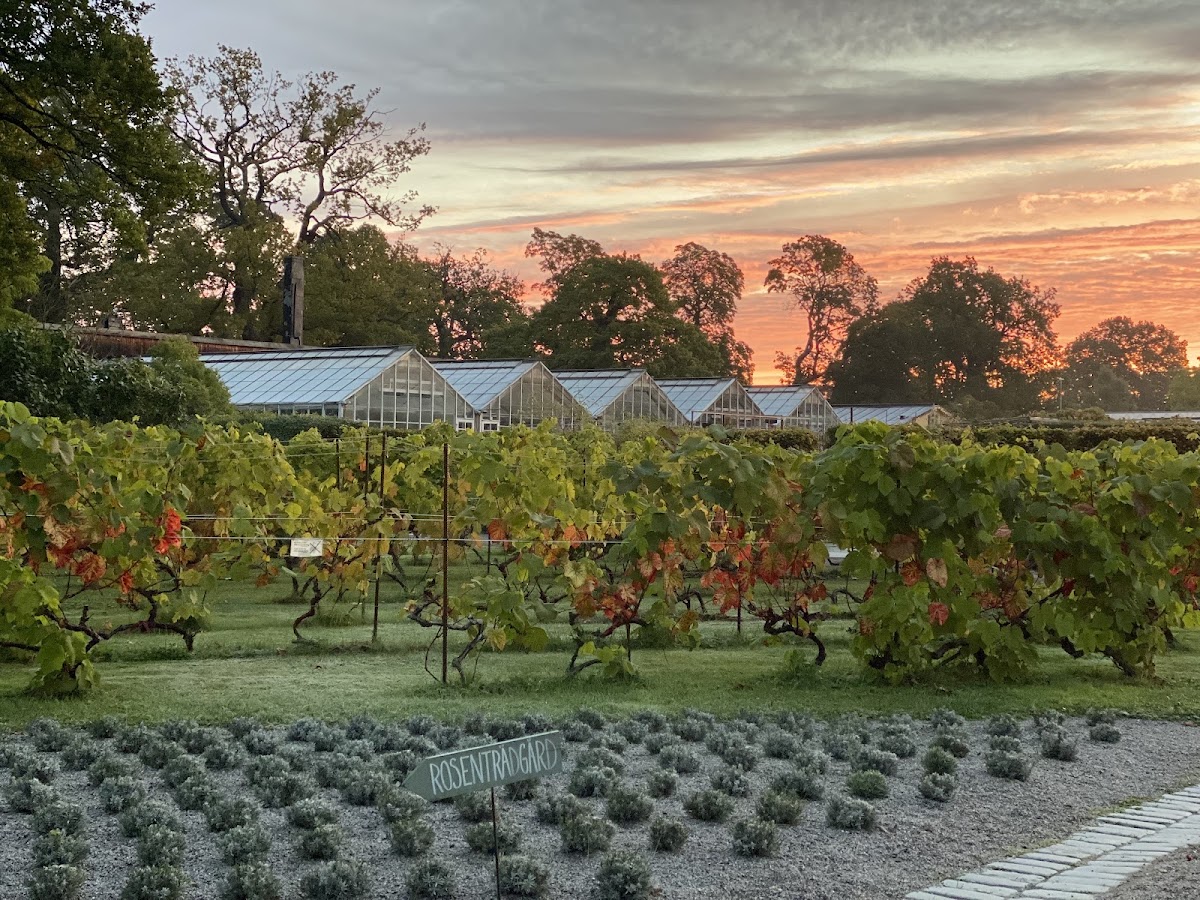
Rosendals Tradgard is a biodynamic garden on Djurgarden with a bakery and cafe built into the greenhouses. You queue with a tray, load up on a slice of seasonal quiche, a hunk of sourdough, and a cinnamon bun the size of your fist, then find a spot outside among the flowerbeds.
Expect to spend around 180 SEK (about 17 USD) for lunch. In summer the apple orchard is heavy with fruit; in autumn the whole place smells of woodsmoke and cardamom.
It is a fifteen-minute walk from the Vasa Museum, and the stroll through the parkland is half the pleasure. This is Stockholm slowing down, which the city does very well.
The Slow Ferry Out to the Red Cottages
The city drops behind the stern, pine-covered islands slide past on both sides, and the water turns from harbor-grey to deep open blue.
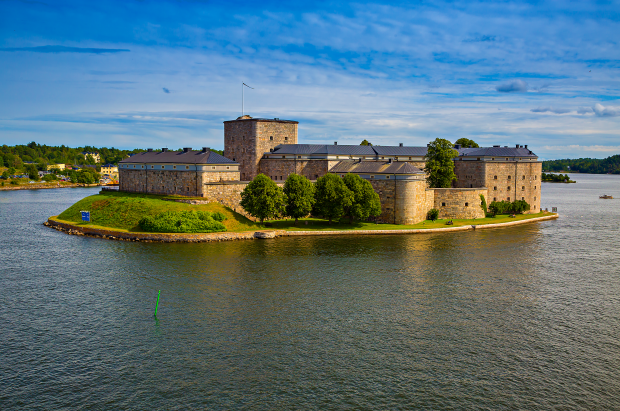
Stockholm's archipelago is 30,000 islands scattered across the Baltic, and the easiest taste of it is the ferry to Vaxholm. The boat leaves from Stromkajen near the Grand Hotel and takes about an hour, gliding past summerhouses and rocky islets the whole way.
Vaxholm itself is a small town of wooden houses in faded reds and yellows, with a stone fortress guarding the channel and cafes along the waterfront. Wander the lanes, buy an ice cream, watch the little boats come and go.
A return ticket runs roughly 150 SEK (about 14 USD), and Waxholmsbolaget (waxholmsbolaget.se) runs the timetable. Sit up on the open top deck if the weather cooperates. The ride out is the point.
The Viewpoint Most Visitors Walk Right Past
A narrow wooden walkway hugs the cliff edge, and below you the entire old town glows gold across the water: spires, copper roofs, the palace, all of it.
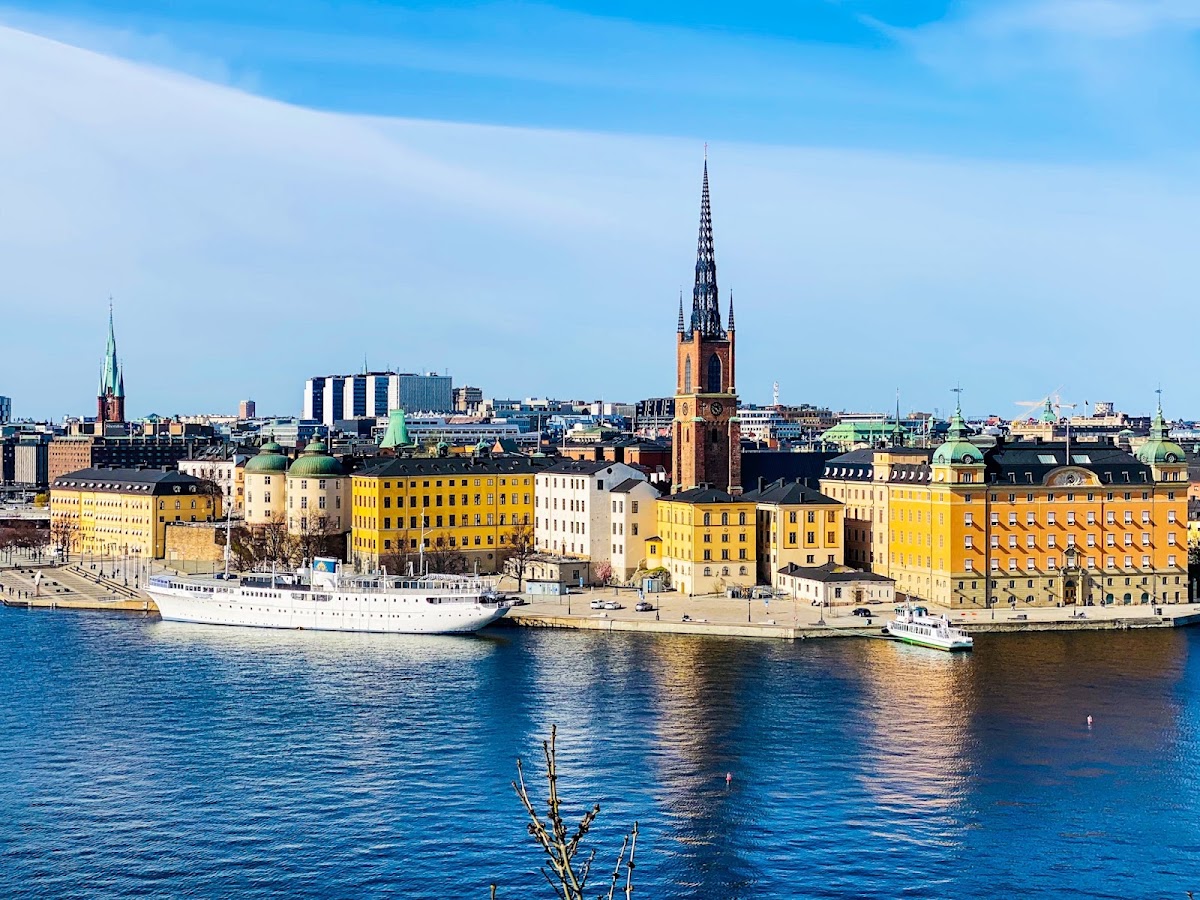
Monteliusvagen is a 500-meter path along the northern ridge of Sodermalm island, and it is the best free view in Stockholm. Come around sunset, when the low light sets Gamla Stan and City Hall glowing across the bay. Bring a coffee and claim a bench.
Sodermalm, or Soder, is the creative heart of the city. Below the ridge, the SoFo district (South of Folkungagatan) is full of vintage shops, record stores, and small bistros. Lunch here means a modern Swedish plate for around 175 SEK (about 16 USD).
As the evening settles, drift toward Mariatorget, a leafy square ringed with easygoing bars, for a drink before dinner. Soder does golden hour and beer-o'clock in the same breath.
A Photography Museum in an Old Customs House
Floor-to-ceiling windows frame the water, and the walls are hung with enormous prints from the biggest names in contemporary photography.
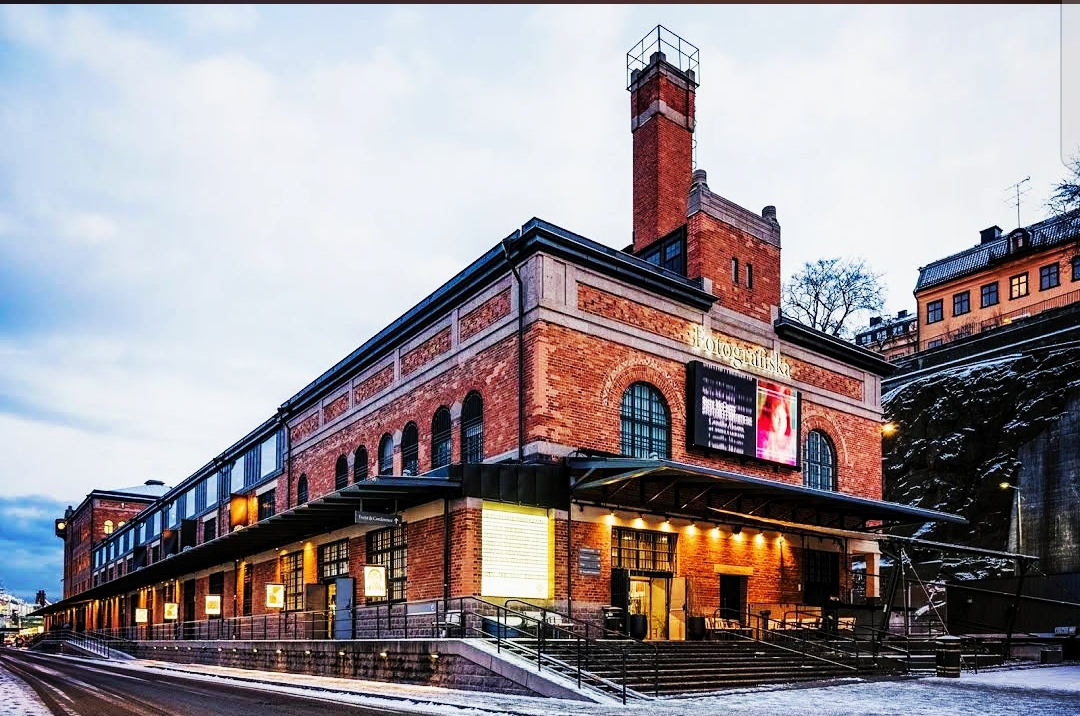
Fotografiska sits in a converted brick customs house on Sodermalm's waterfront, and it has become one of the most exciting photography museums anywhere. The exhibitions rotate constantly, so you never quite know what you will get, which is the fun of it.
Entry runs around 240 SEK (about 22 USD). Time your visit for late afternoon and finish up at the top-floor cafe, where the window seats look straight across the harbor to Gamla Stan and Djurgarden.
It stays open late most evenings, which makes it a good rainy-day or after-dark stop when the outdoor sights have closed.
The Tower Climb and a Last Cardamom Bun
Red brick, three golden crowns catching the light, and a step-lined tower that opens onto the whole watery city laid out below.
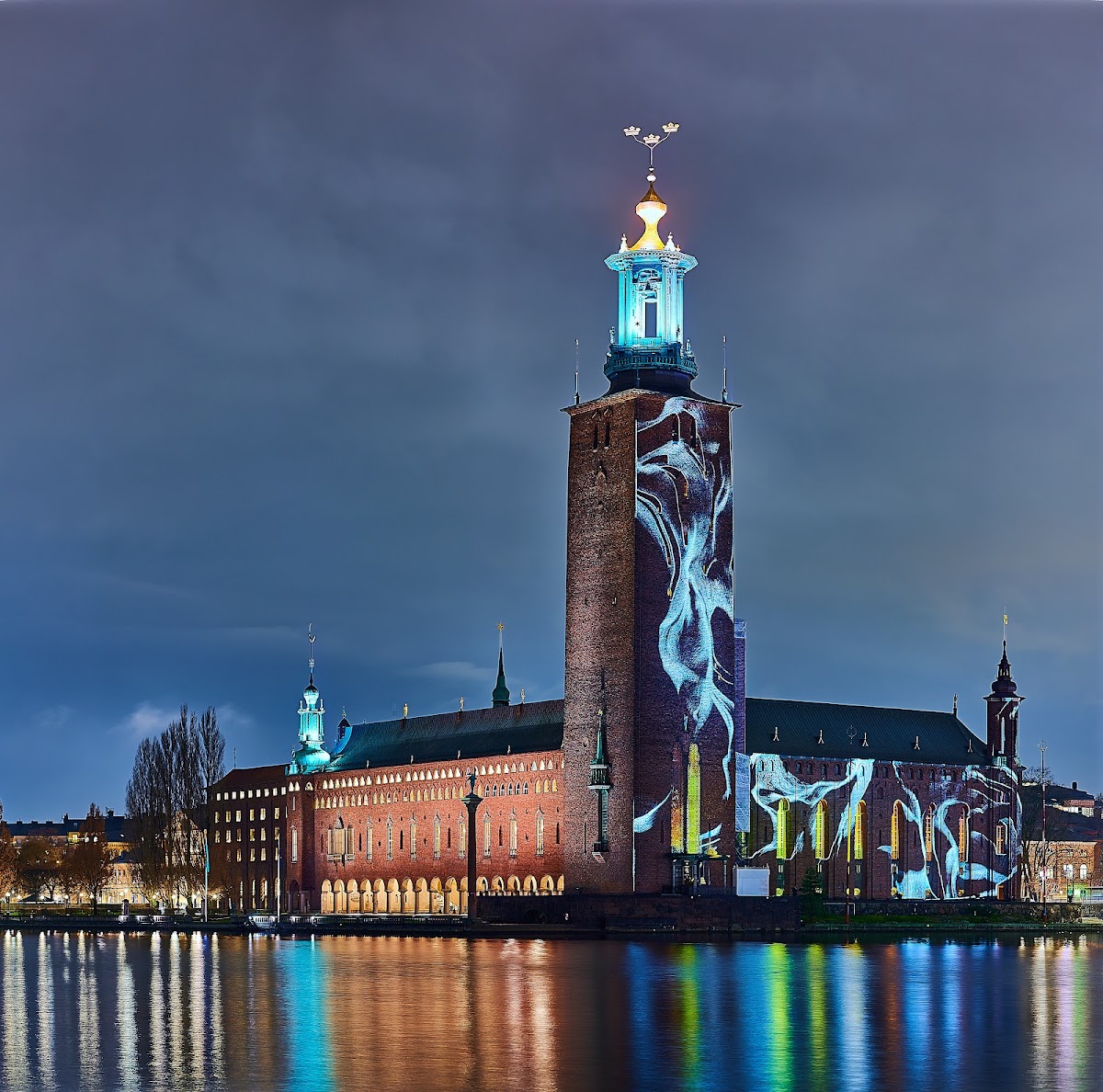
Stockholm City Hall on Kungsholmen is where the Nobel banquet is held each December, and its 106-meter tower gives you a final panorama across the islands. Tower tickets (around 90 SEK, about 8 USD) are timed and limited in summer, so book ahead. The interior Blue Hall and gold-mosaic Golden Hall are worth the guided tour too.
Before you leave, do the most Swedish thing there is: fika. Find a konditori, order a coffee and a kanelbulle or the cardamom version, and take your time. It is not a snack, it is a ritual, and it is how the city pauses.
If you have an hour to spare, Ostermalms Saluhall is a grand 1880s food market where you can graze on smoked salmon, shrimp sandwiches, and cheese, and the Hallwyl Museum nearby is a perfectly preserved aristocratic mansion frozen in 1930. A fitting, unhurried goodbye.
Ready to book?
Book the rest of Stockholm, Sweden
Handpicked partner searches, dates pre-filled. Pricing is identical to going direct — the partner shares a small commission with Tabi so this guide stays free.
Frequently asked
How many days do you need in Stockholm?
Four days is the sweet spot. It lets you cover Gamla Stan, the Djurgarden museums, a full day in the archipelago, and the Sodermalm and Kungsholmen sights without cramming. Three days works if you skip the ferry trip, but the archipelago is one of Stockholm's best experiences.
Is Stockholm expensive to visit?
It is one of Europe's pricier capitals, but manageable. Museum entries run 140 to 240 SEK (13 to 22 USD), a casual lunch around 175 to 200 SEK (16 to 19 USD), and the archipelago ferry about 150 SEK return. Free wins like the Monteliusvagen viewpoint and wandering Gamla Stan balance the budget.
What is the best way to get around Stockholm?
The SL network of metro, buses, and city ferries covers everything, and a single app handles tickets. The city is also very walkable island to island. For Djurgarden and the archipelago, the ferries are both transport and sightseeing in one.
When is the best time to visit Stockholm?
May through September brings long daylight, mild weather, and full archipelago ferry schedules, making it ideal for the outdoor and island parts of this trip. Winter is dark and cold but atmospheric, with candlelit cafes and Christmas markets; just expect shorter opening hours and fewer boats.
Do I need to book the Vasa Museum and City Hall tower in advance?
In peak summer, yes. The Vasa Museum gets busy midday, so aim for opening time or a late Wednesday evening. The City Hall tower has timed, limited-capacity tickets that sell out, so reserve ahead. Most other sights you can walk into.
Skip the planning
Your Stockholm, Sweden trip, ready to go
Adopt the day-by-day itinerary we built to match this guide. Every stop is a real place, every booking link is validated. Free forever, no card needed.
Open the Stockholm, Sweden itinerary