
Taipei, Taiwan
What to Do in Taipei: 8 Unmissable Moments in Taiwan's Capital
From the top of Taiwan's tallest building to the steamy alleys of Shilin, here's the Taipei you'll actually remember.
TL;DR
Taipei hits you with a sensory overload of shiny skyscrapers, temple incense, hot spring steam, and night market sizzle all in one day.
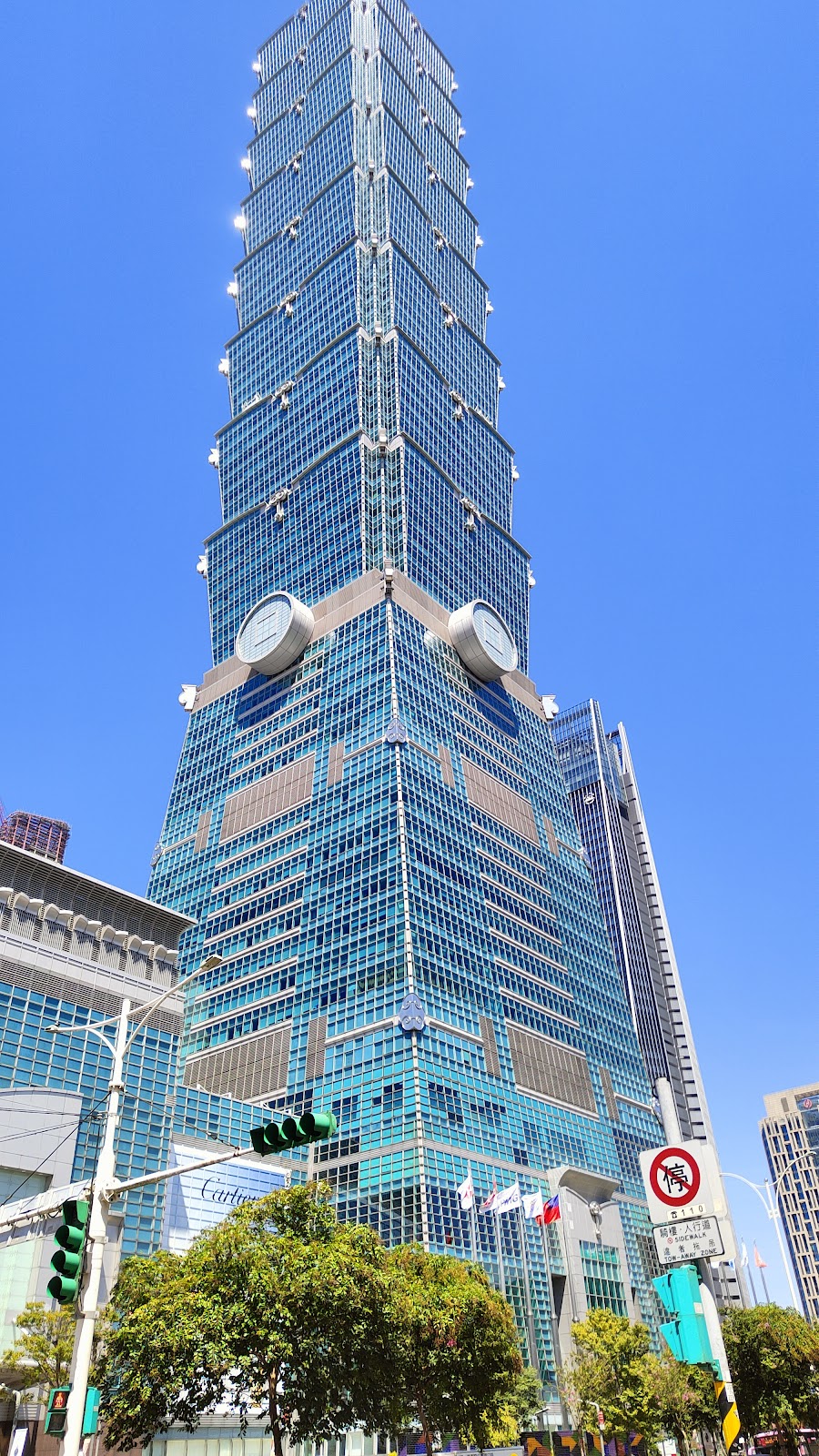
- Taipei 101's elevator whooshes you 89 floors up in 37 seconds to a view that never gets old
- Chiang Kai-shek Memorial Hall's Liberty Square opens up with a blue-and-white gate that feels like a movie set
- A bowl of red-braised beef noodle soup at Lin Dong Fang on Zhongxiao East Road is worth the line
- Shilin Night Market's sizzling stinky tofu and neon-lit alleys are the heart of Taipei after dark
- The Maokong Gondola lifts you over tea terraces for a sunset cup of oolong with the city far below
Have this trip planned in 60 seconds
We built the Taipei, Taiwan itinerary that pairs with this guide, day-by-day with verified venues and one-tap booking links. Free to adopt, edit however you want.
Riding the Egg of Light to the Top of Taipei
The elevator climbs in 37 seconds, your ears pop, and suddenly the entire basin of Taipei unfolds beneath you like a topographic map in green and gray.
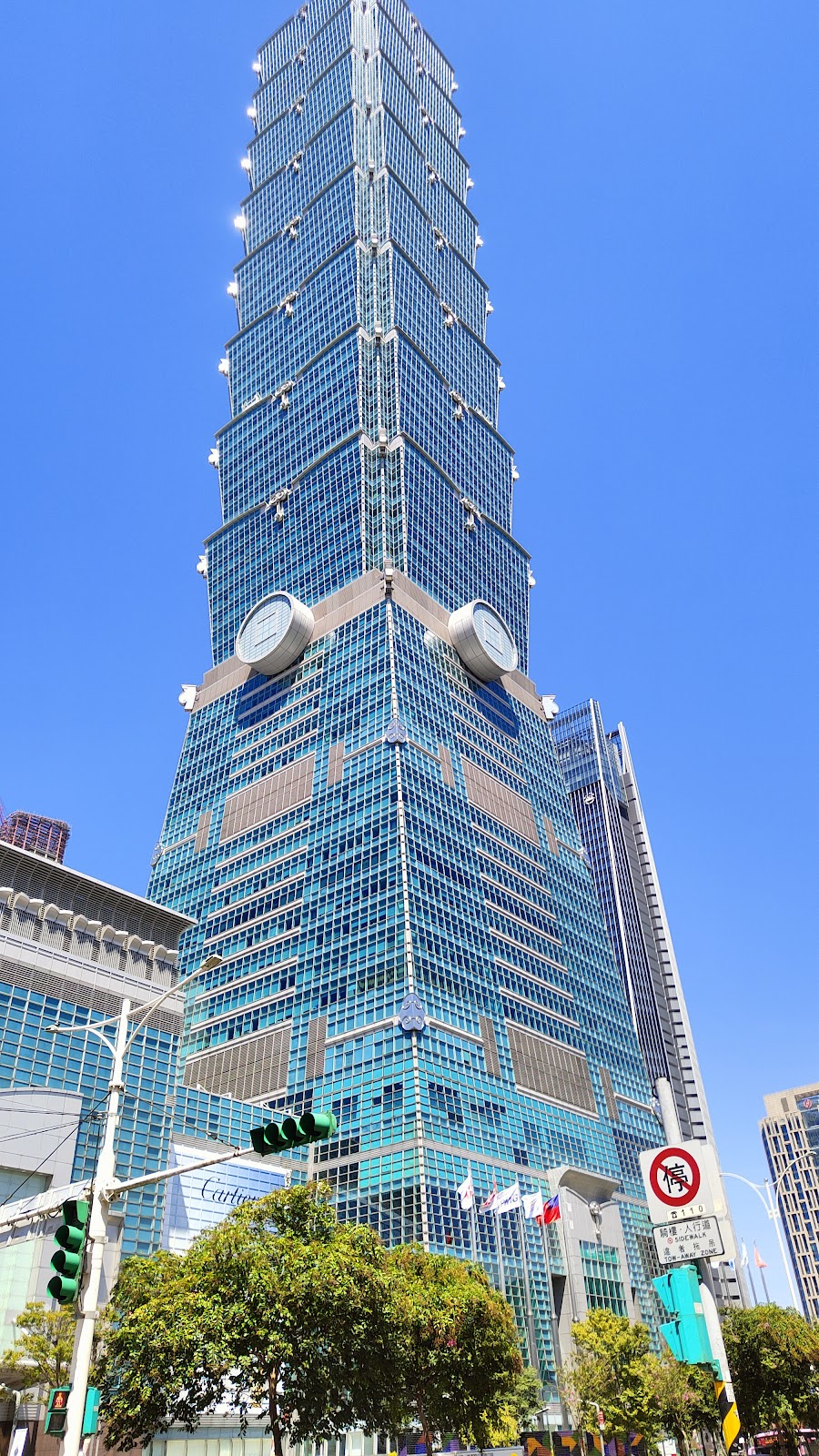
The observatory at Taipei 101 is the first thing you should do, even if your flight lands at noon. From the 89th floor, you can trace the Keelung River snaking toward the sea, spot the green hump of Yangmingshan in the distance, and watch the Xinyi district's malls and office towers shrink to Monopoly pieces. The building's damper, a giant gold ball suspended at the 92nd floor, is visible from an indoor lookout a few floors up.
A single adult ticket is NT$600 (about US$19). Buy it online to skip the ticket line, then take your time walking the ring and staring down at the city's grid. The gift shop has surprisingly good postcards.
Liberty Square at Dawn, Before the Crowds Arrive
The white pillars of the gate frame a blue sky and a massive hall that looks like a palace from a wuxia film, and you're standing at the center of a plaza that's all yours.
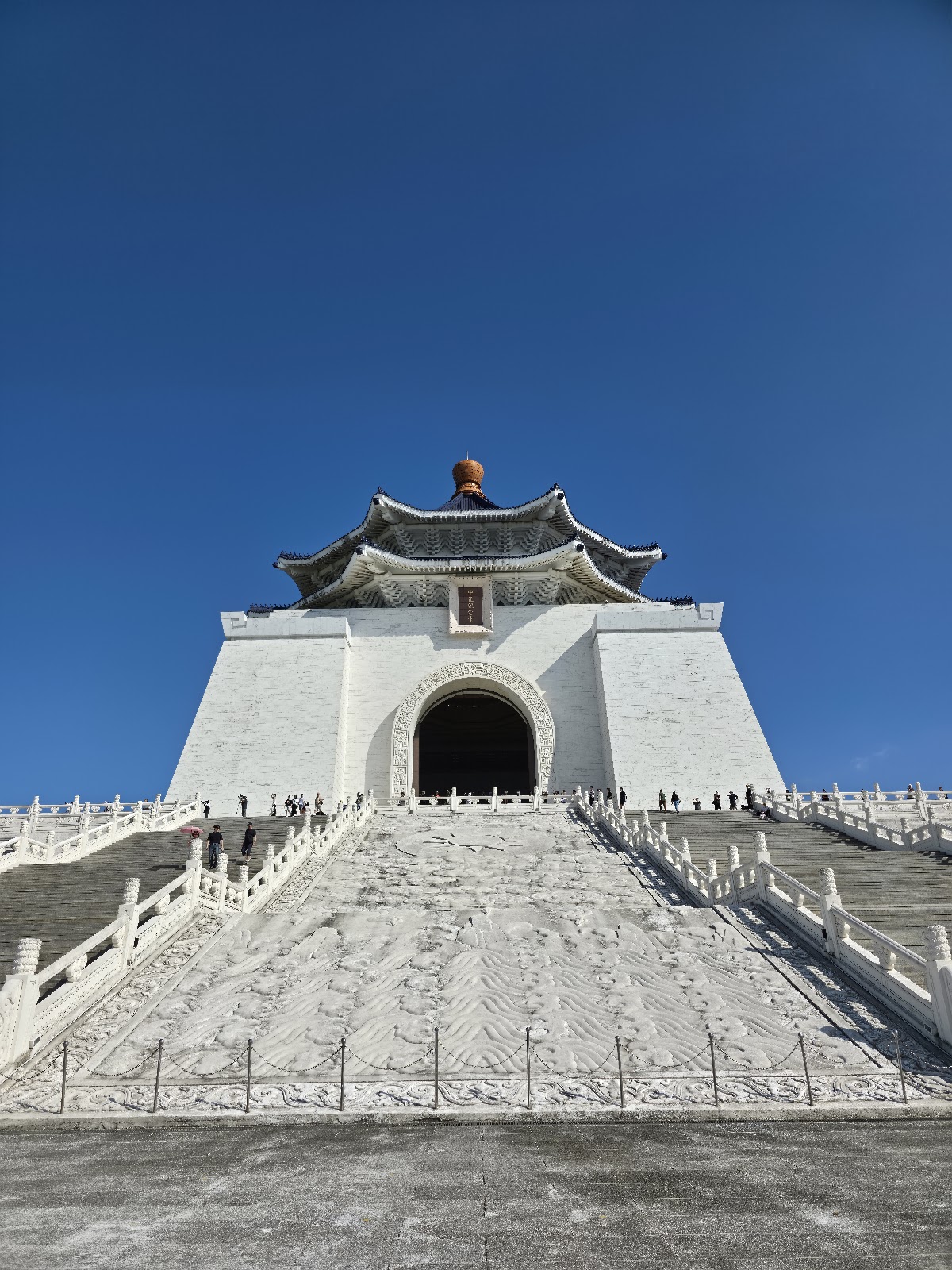
Chiang Kai-shek Memorial Hall sits at the eastern end of Liberty Square, an 82-meter-wide square flanked by the National Theater and Concert Hall. Show up early, around 7 a.m., and you'll share the space with tai chi groups, stray dogs, and a few photographers. The memorial hall itself is a white octagon with a blue-tiled roof, and inside, a large bronze statue of Chiang sits in a silent chamber. A changing of the guard happens every hour on the hour.
Walk around the back to catch the view of the presidential office building through the trees. The entire complex is free to enter, and the symmetry of the gates makes for an iconic photo.
The Museum That Holds an Emperor's Worth of Treasure
Glass cases line room after room with jade cabbages, bronze ding vessels, and scrolls so old they predate the Ming dynasty by a thousand years.
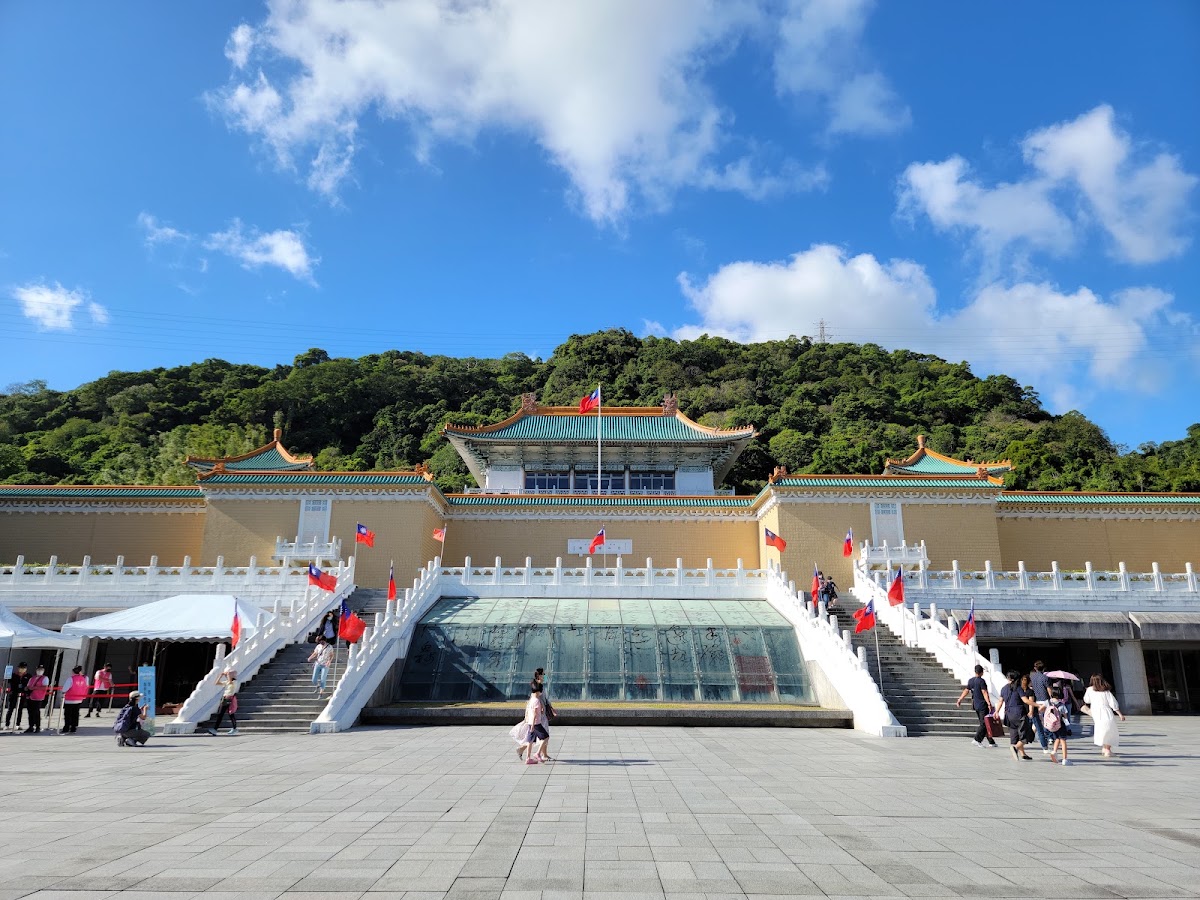
The National Palace Museum houses one of the world's greatest collections of Chinese art and artifacts, nearly 700,000 pieces that the Nationalist government carried out of the Forbidden City in the 1940s. Here you'll find the famous Jadeite Cabbage (a piece of jade carved to resemble a bok choy with a grasshopper), the Meat-shaped Stone (a piece of agate that looks exactly like braised pork belly), and countless ink paintings by masters like Huang Gongwang. It's easy to spend two to three hours here.
Admission is NT$350 (US$11). The museum is a 15-minute bus ride from Shilin MRT station or a short taxi ride. Arrive right when it opens at 9 a.m. to beat school groups. And yes, the gift shop sells mini jade cabbages for NT$200.
The Bowl of Beef Noodle Soup That Defines Taipei
The steam rising from the bowl carries the aroma of star anise and beef bone broth, and the first sip is so deep you feel it in your chest.
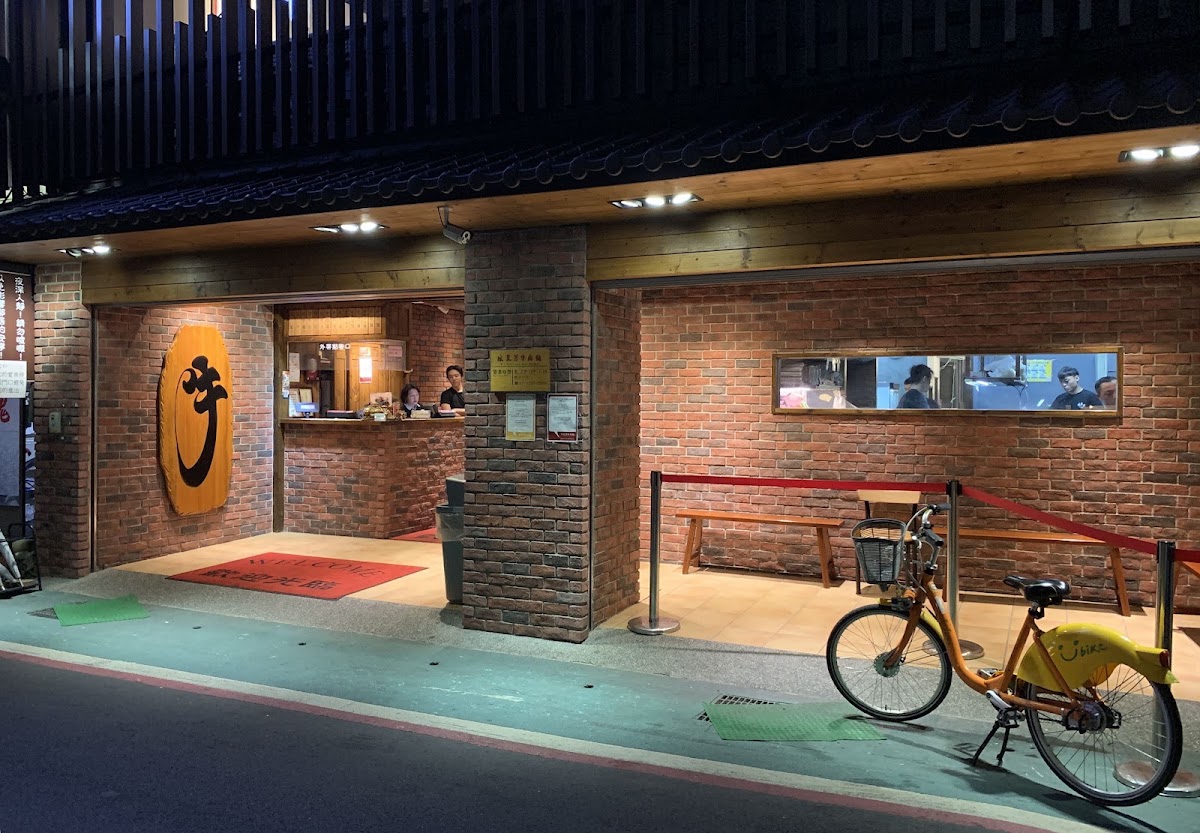
Taipei's beef noodle soup culture is legendary, and Lin Dong Fang on Zhongxiao East Road is the standard-bearer. The broth is simmered for hours with beef shank, tendons, and a secret spice mix. The noodles are thick and chewy, and the beef slices are so tender they fall apart. A bowl costs NT$200-250 (US$6-8). You can add a side of pickled mustard greens and a cold drink.
The shop opens at 11 a.m. and lines form by noon. It's a 10-minute walk from Zhongxiao Fuxing MRT station. Order the braised beef tendon soup if you want something extra luxurious.
Shilin Night Market: Where Taipei After Dark Sizzles
The air is thick with the smell of frying stinky tofu, pepper buns, and grilled squid; every stall has a neon sign shouting prices in Chinese and English.
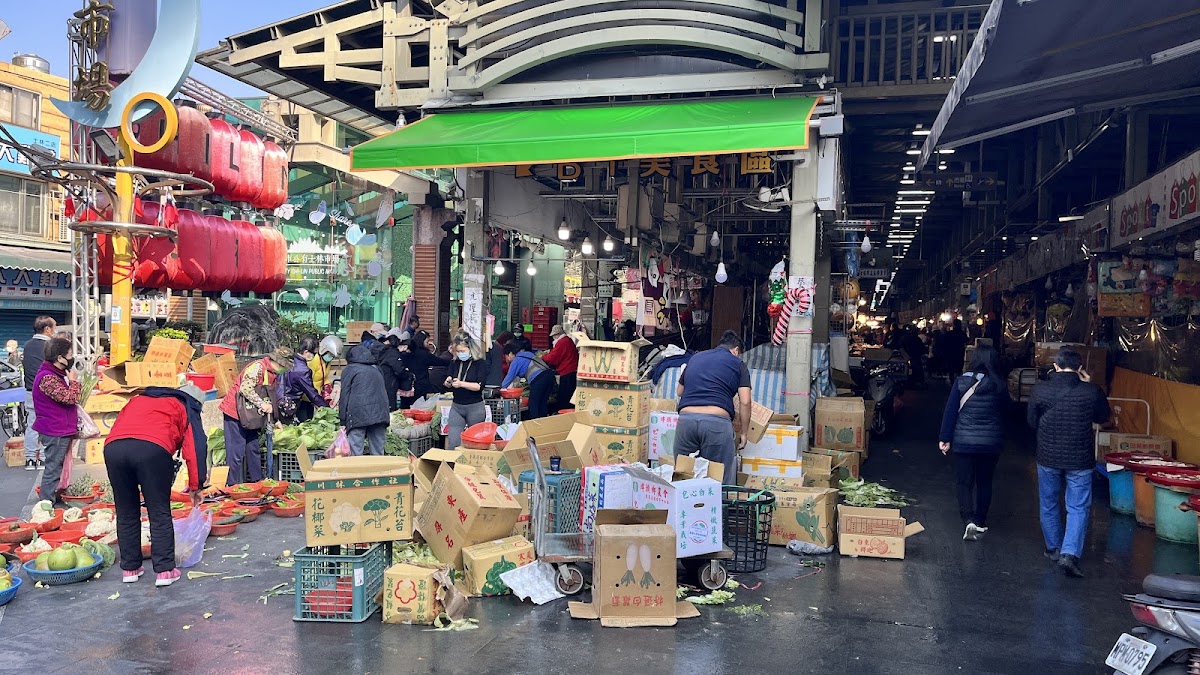
Shilin is Taipei's biggest and most famous night market, a labyrinth of alleys off Wenlin Road that explodes after 5 p.m. This is where you eat your way through Taiwanese street food classics: oyster omelets (NT$60), big sausages wrapped in sticky rice (NT$50), and deep-fried milk balls (NT$30). The pepper buns from the stand near the Yangming Theater are a must: flaky dough stuffed with pork and black pepper, baked in a clay oven.
Don't miss the food court area under the Jiantan MRT station viaduct, where you'll find sit-down stalls serving hot pot and noodles. The market stays busy until midnight. Bring cash in small bills.
Volcanic Vents Soaking in Beitou's Hot Springs
Sulfur steam rises from the riverbank, the air smells like hard-boiled eggs, and your feet find the edge of a public bathing pool heated by the earth itself.
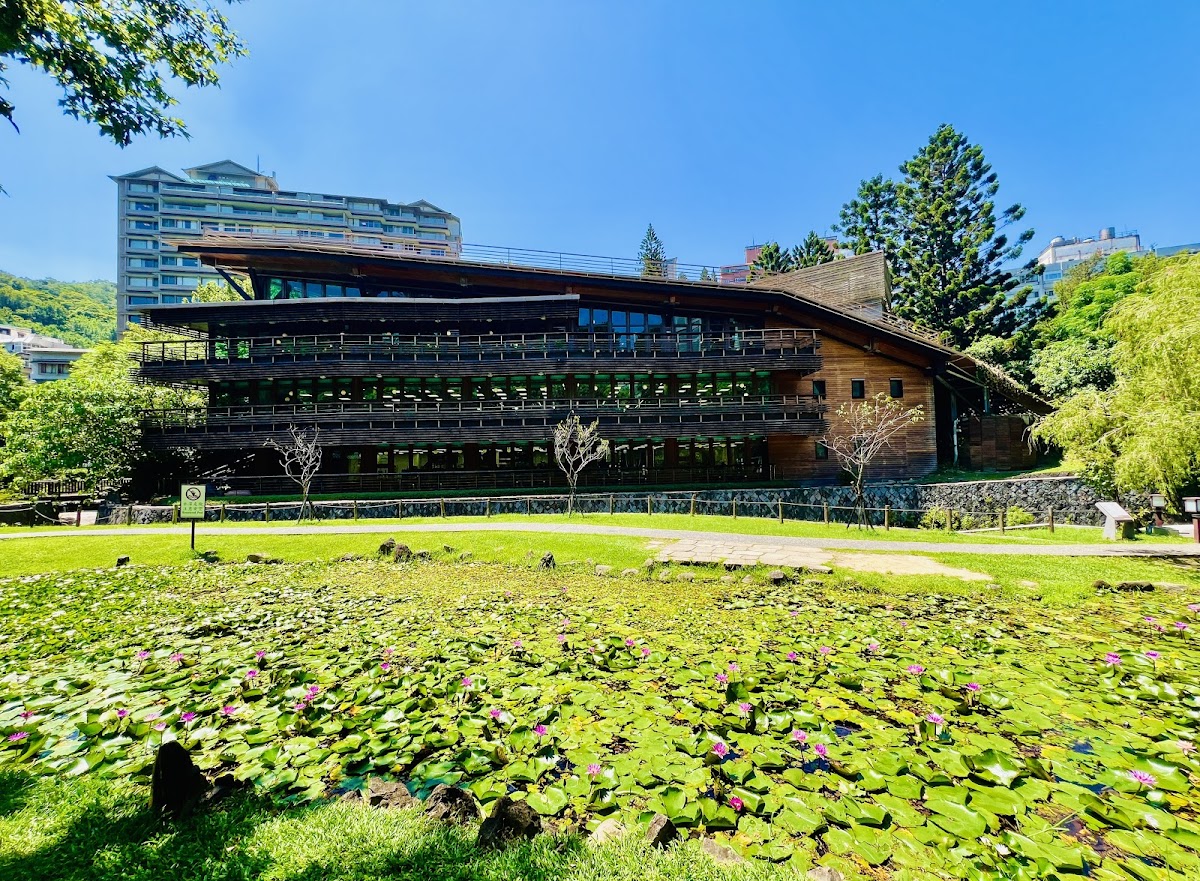
Beitou, at the northern edge of Taipei, sits on a geothermal hotbed. The Beitou Hot Springs Park contains the iconic Thermal Valley, a steaming turquoise pool that hits 80-100°C. You can't soak here, but you can walk the boardwalk around it and watch the steam dance. Then head to the Beitou Public Baths, a 1913 building with a mixed-gender pool (NT$100, swimsuit required) and the iconic red-brick bathhouse (closed on Mondays). For a private experience, many hotels offer day-use access.
After the bath, walk the few minutes to Yangmingshan National Park's entrance. The park has hiking trails that lead through fumaroles, sulfur vents, and grasslands. A short 30-minute walk gets you to the Seven Star Mountain trailhead, the highest peak in the Taipei basin.
Dihua Street: Dried Herbs, Old Medicine, and the Whiff of History
The scent of ginseng, dried scallops, and licorice root drifts from open storefronts that have stood here since the 1850s.
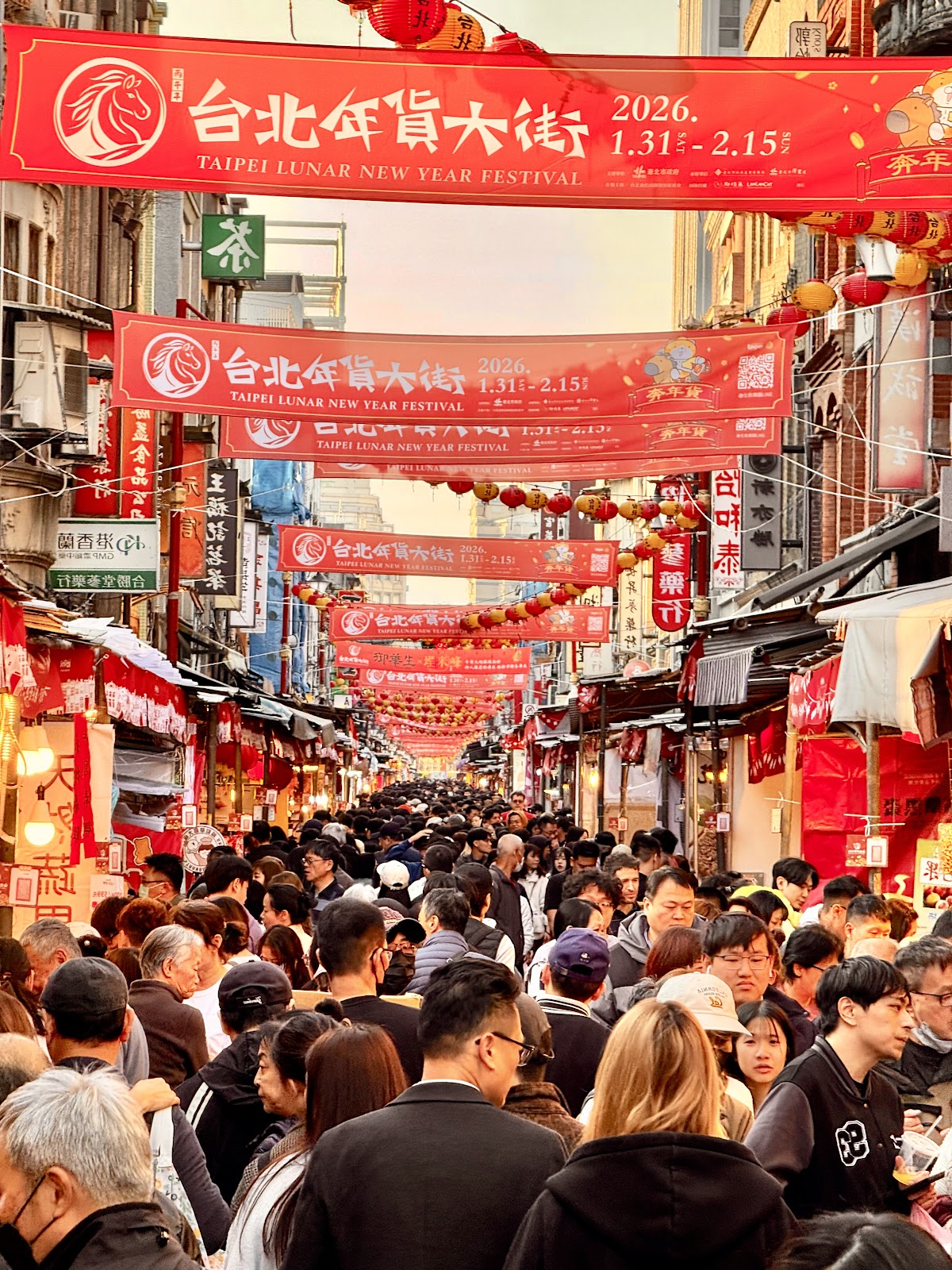
Dihua Street is Taipei's oldest commercial thoroughfare, a two-block strip of beautiful old shophouses with ornate facades and creaky wooden interiors. Here you'll find stores selling Chinese herbs, dried seafood, tea, and traditional pastries. Pop into a tea shop for a tasting (try the Tieguanyin oolong) or buy a bag of dried longan for NT$100. The street is especially lively during the Chinese New Year market.
At the end of the street, Dadaocheng Wharf opens onto the Tamsui River. Rent a YouBike and cycle along the riverside path toward the Guandu Temple, or just sit on the steps and watch the sunset over the mangroves.
Cable Car Over Tea Terraces to a Mountain Teahouse
The gondola rises 300 meters above the forest, revealing terraced hillsides of tea plants and the distant sprawl of Taipei shrinking below your feet.
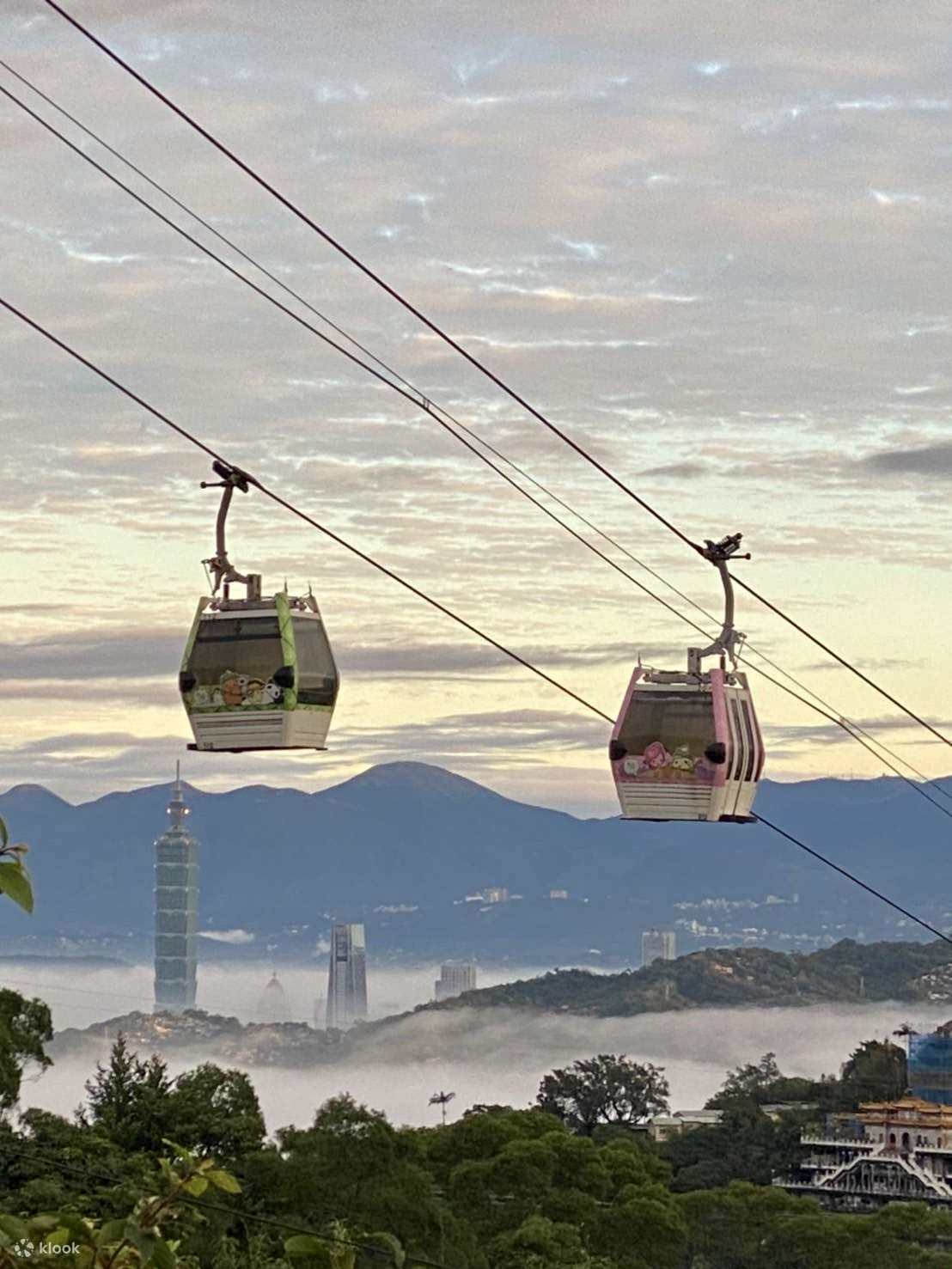
The Maokong Gondola is a 30-minute cable car ride from Taipei Zoo station up to Maokong, a hillside known for its tea plantations and stunning views. At a cost of NT$120 (US$4) one way, it's an affordable thrill. Once at the top, walk along the Tea Trail past rows of Tieguanyin bushes and into one of the dozens of teahouses. Pick a place with a deck overlooking the city: the view at sunset, when the city lights flicker on, is unbeatable.
Order a pot of oolong (NT$250-350) and a plate of tea-soy-marinated eggs. A common trick: ride the gondola down after dark to see Taipei's skyline twinkling from above.
Ready to book?
Book the rest of Taipei, Taiwan
Handpicked partner searches, dates pre-filled. Pricing is identical to going direct — the partner shares a small commission with Tabi so this guide stays free.
Frequently asked
What is the best time of year to visit Taipei?
October to December is ideal: cool, dry weather with clear skies. January and February are cooler (10-15°C) and sometimes rainy. Summer (June-August) is hot and sticky with typhoon risk, but you'll find smaller crowds.
Is it easy to get around Taipei without a car?
Yes. The MRT is clean, efficient, and covers all major areas. You can use an EasyCard (available at any MRT station) for trains, buses, and even YouBike rentals. Taxis start at NT$70 and are affordable for short trips.
Do I need cash or can I use credit cards?
Cash is king at night markets, small eateries, and taxis. Most convenience stores (7-11, FamilyMart) accept credit cards and have ATMs. Bring a card that doesn't charge foreign transaction fees.
How long do I need to see Taipei's highlights?
Three to five days is enough for the main attractions: Taipei 101, the National Palace Museum, a night market, a hot springs day, and a day trip to Jiufen or Maokong. The linked 5-day itinerary is a solid starting point.
Skip the planning
Your Taipei, Taiwan trip, ready to go
Adopt the day-by-day itinerary we built to match this guide. Every stop is a real place, every booking link is validated. Free forever, no card needed.
Open the Taipei, Taiwan itinerary