
Ubud, Indonesia
What to Do in Ubud in 4 Days: Rice Terraces, Temples, and Slow Mornings
A walking log through Ubud's green heart, from the monkey forest to the holy springs you can actually step into.
TL;DR
Ubud is the part of Bali that smells like frangipani and wet rice fields, where you trade beach bars for temple bells and slow mornings.
- Tegalalang's rice terraces stacked like green staircases into the valley
- Tirta Empul's holy springs where locals queue to purify under cold spouts
- The Monkey Forest's mossy stone bridges and watchful long-tailed macaques
- A Balinese dance at Ubud Palace, gamelan ringing into the night air
- Rolling lemongrass and chilli into base gede at a home cooking class
Have this trip planned in 60 seconds
We built the Ubud, Indonesia itinerary that pairs with this guide, day-by-day with verified venues and one-tap booking links. Free to adopt, edit however you want.
The Drive Up From the Coast
The air gets cooler and greener the higher you climb, and somewhere past Sukawati the billboards give way to walls draped in vines.
You land at Ngurah Rai in the heat and the horn-honking, and then the road just keeps rising. The hour or so from the airport to Ubud is the moment Bali shifts from beach-club postcard to something older and quieter. Watch for the roadside carving villages around Batubulan and Celuk; the stone gods standing at the workshops are all hand-cut.
Traffic in Bali is its own sport, so plan for 60 to 90 minutes depending on the time of day. A private transfer is the painless move here: fixed price, a driver who knows the back way into the Ubud center lanes, and no haggling after a long-haul flight. Expect roughly 350,000 to 450,000 IDR (about 22 to 28 USD) for a private car.
By the time you roll into the narrow streets near the palace, you will already smell the incense from the morning offerings left on every doorstep.
Ubud Palace and the Market Behind It
Gold-leaf carvings glint above the courtyard gates, and two streets over the market is a wall of color: sarongs, mango, woven baskets, bundles of marigold.
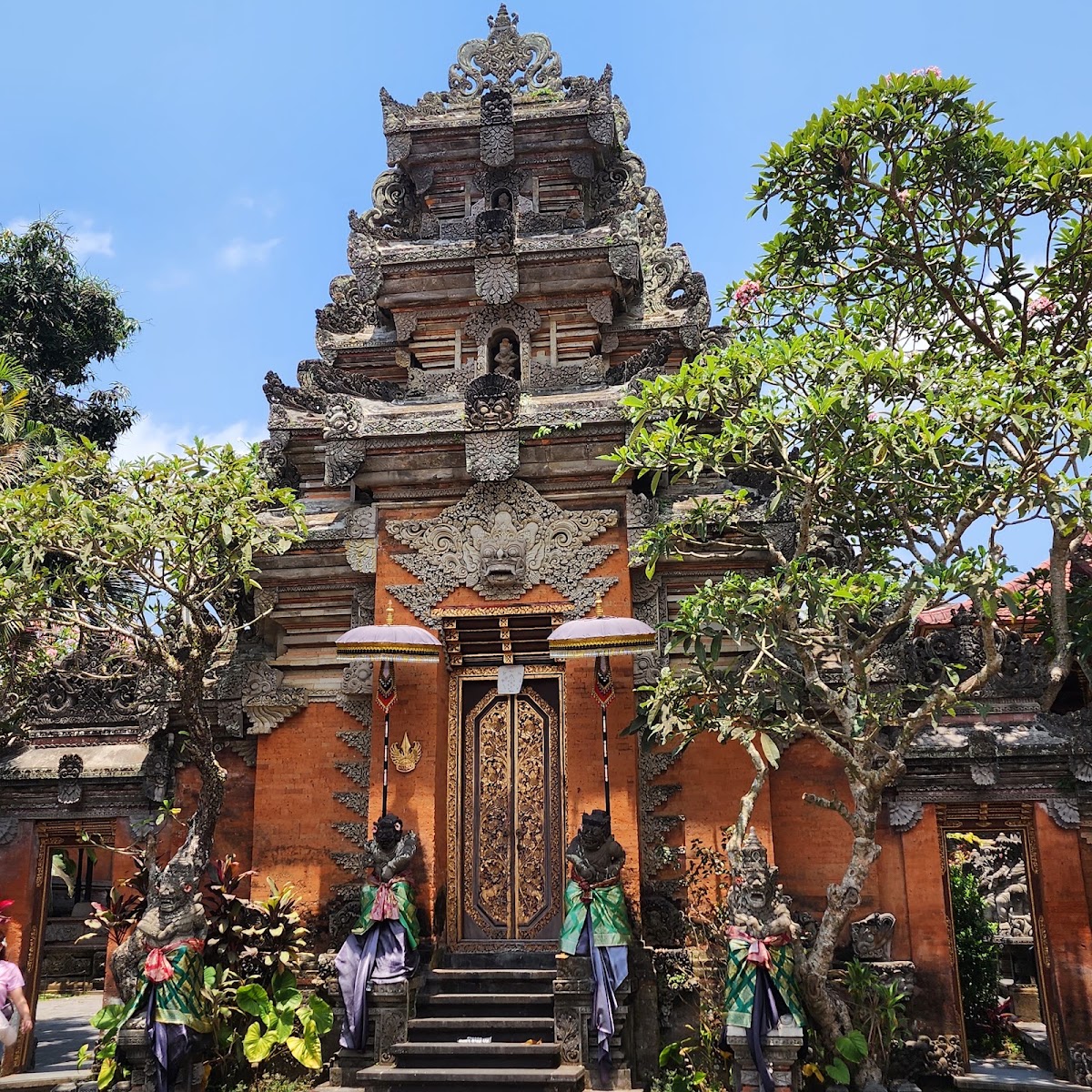
Puri Saren Agung, the Ubud Palace, sits right at the main crossroads and it is free to wander the front courtyards. The royal family still lives in parts of it, so you are literally walking through a working palace with its split gates and frangipani trees. Go early, before the tour coaches, when the stone is still damp with dew.
Across and down Jalan Raya Ubud is the Ubud Market. The ground floor near the entrance is the tourist-facing stalls (sarongs, keychains, rattan bags), but push deeper and upstairs in the mornings and you hit the real produce and flower section the locals use. Haggle gently and with a smile; starting around half the first price is normal.
This crossroads is your anchor for the trip. Almost everything in central Ubud is a flat 10 to 15 minute walk from here.
Into the Monkey Forest
The temperature drops the second you cross the gate, the canopy closes overhead, and somewhere below you a river rushes past moss-green statues.
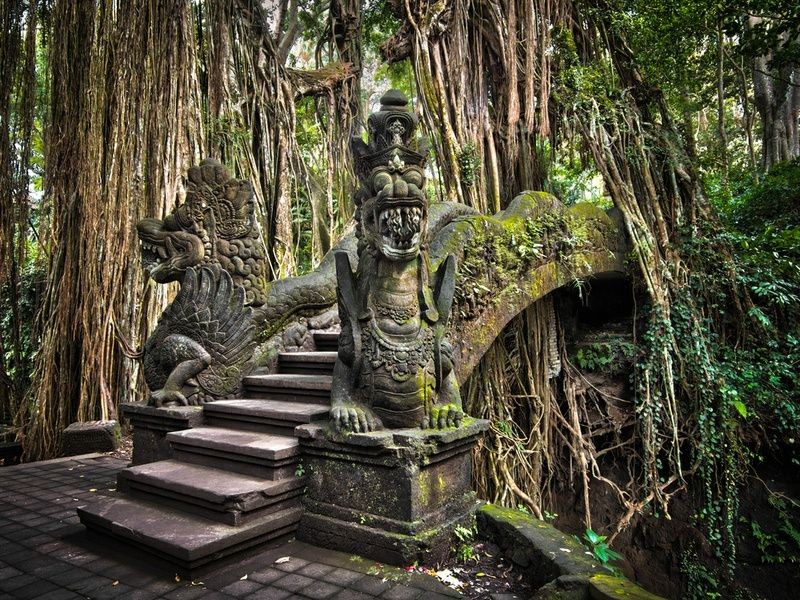
The Sacred Monkey Forest Sanctuary is a genuine Hindu temple complex that happens to be home to several hundred long-tailed macaques. The stone bridges, the dragon staircase, the banyan roots swallowing old shrines: this is the Bali your imagination promised. Entry runs around 80,000 IDR (about 5 USD).
The monkeys are clever and completely unafraid. The rules exist for good reason: no plastic bags, no loose sunglasses, no food in your hands, and do not try to pry anything back once they take it. Keep your water bottle zipped away and you will be fine.
Give yourself a slow hour here. The temple ravine in the far corner, where the Pura Dalem Agung sits above the stream, is the quietest and most atmospheric spot, and most day-trippers never make it that deep.
Tegalalang, Where the Valley Turns Into Stairs
Green terraces drop away in front of you like a giant pressed the land into steps, a farmer in a conical hat working one of the lower tiers.
Tegalalang Rice Terrace, about 20 minutes north of central Ubud, is the view everyone comes to Bali for and it genuinely delivers. The terraces use the old subak irrigation system, a cooperative water-sharing method that UNESCO recognizes as part of Bali's cultural landscape. You can read more about subak via UNESCO's listing for the cultural landscape of Bali Province (whc.unesco.org).
There is a small entry donation of around 25,000 IDR, and individual farmers may ask a little extra to cross into the prettiest sections or use the famous rope swings. Bring small cash. Go at sunrise or late afternoon; midday light flattens the depth and the heat is brutal on the climb back up.
It is a real walk down and back, steep in places, so wear shoes with grip rather than flip-flops.
The Holy Springs of Tirta Empul
Cold, clear water pours from a row of carved stone spouts, and one by one people bow their heads under each fountain in a line that has barely changed in a thousand years.
Tirta Empul, near Tampaksiring, is a water temple built around a sacred spring that Balinese Hindus have used for purification since the 10th century. The main attraction is the melukat ritual: you move down a line of spouts in the bathing pool, pausing to bow under each one. Visitors are welcome to join, but it is an active place of worship, not a swimming pool, so follow the lead of the locals around you.
You will need to wear a sarong (provided or rented at the entrance) and, if you bathe, a separate sarong over your swimwear. Keep a dry change of clothes in the car. Entry is around 75,000 IDR including sarong hire.
The pools are busiest mid-morning. Arrive early and you might get a few quiet minutes in the water before the lines form.
Gamelan, Firelight, and the Legong Dance
The gamelan orchestra crashes into life, dancers in gold headdresses lock their eyes wide, and every finger moves on its own beat.
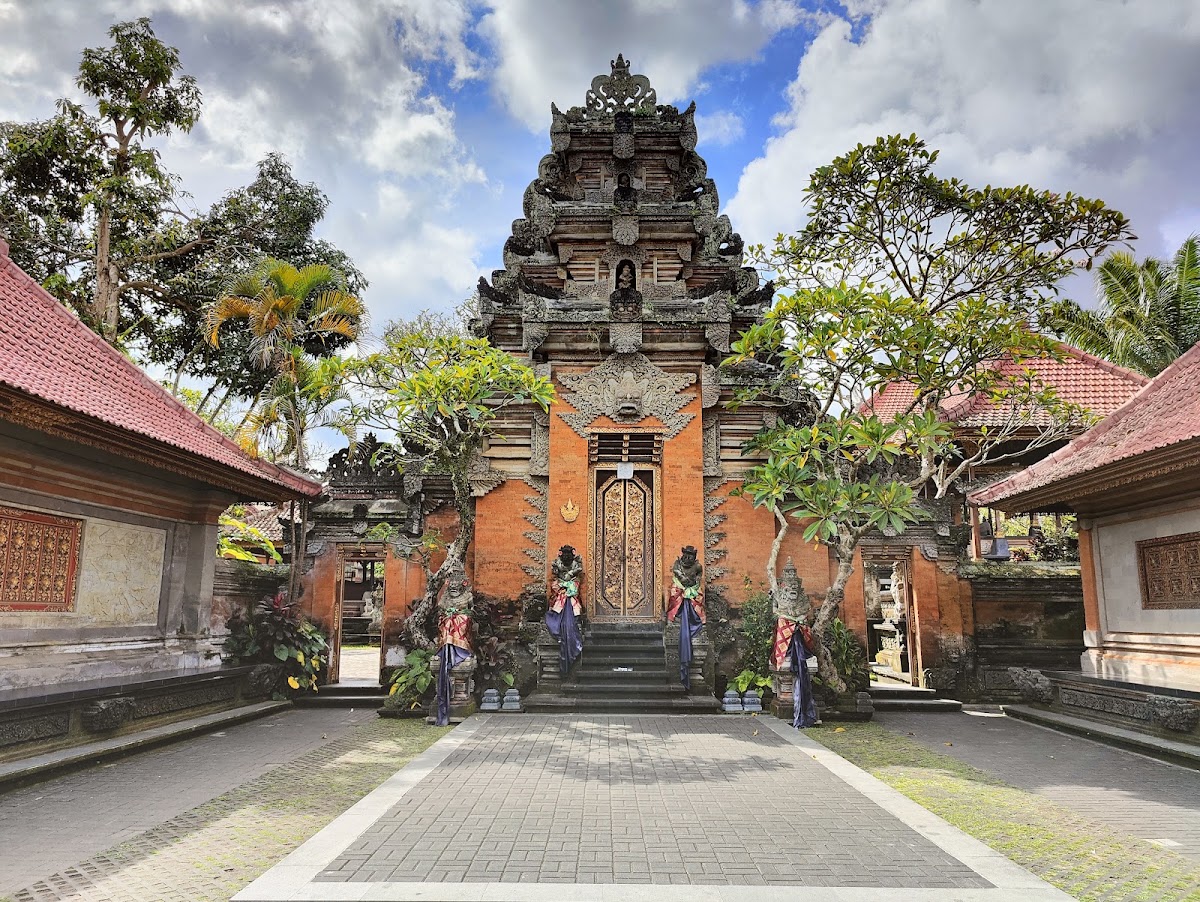
As the sun goes down, the palace courtyard you walked through in the morning transforms. Several nights a week, Ubud Palace hosts traditional Balinese dance, most often the Legong or a Barong performance, staged in the open-air front pavilion with a live gamelan ensemble.
The music alone is worth it: metallic, hypnotic, utterly unlike anything in the West. Tickets run around 100,000 to 150,000 IDR and are sold from a little booth at the palace or by sellers around the crossroads in the afternoon. Shows usually start at 7:30pm.
Seats are first-come, so turn up 30 to 40 minutes early for a spot near the front. The carved stone backdrop lit by lanterns is half the spectacle.
A Slow Morning: Paintings, Yoga, and a Kitchen
Mist still hangs over the garden at Puri Lukisan, incense curls up from a shrine, and from a studio down the lane you can hear someone counting breaths.
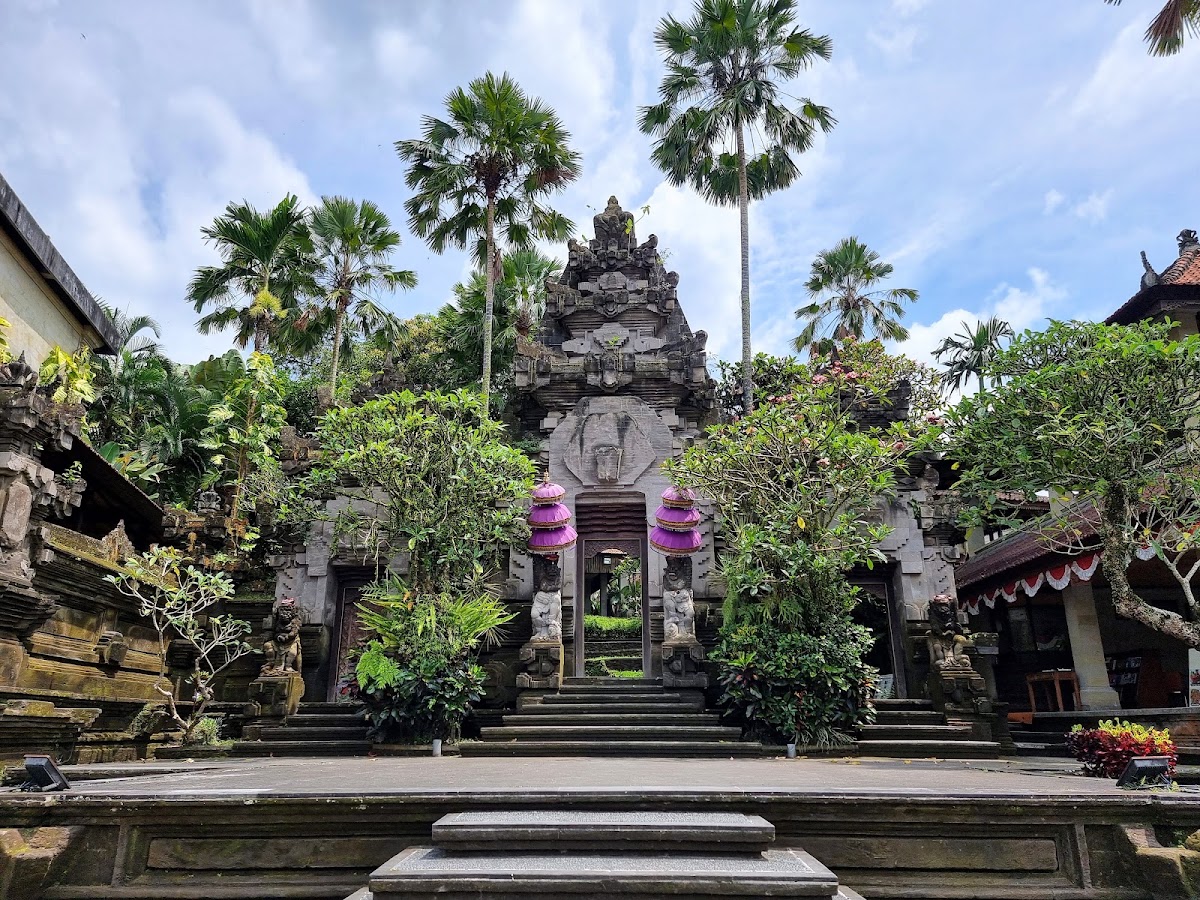
Ubud rewards a day with no schedule. Start at Museum Puri Lukisan, the oldest art museum in Bali, set in gardens full of lotus ponds. Its collection of Balinese painting and wood carving explains a lot of the imagery you have been seeing on temple walls all week. Entry is around 95,000 IDR and includes a welcome drink.
This is also the town that made yoga-in-the-rice-fields a thing, and for good reason. Drop into a class at one of the dedicated studios, then spend a few hours in a local home learning to cook. A proper cooking class starts at the market, picking out lemongrass, galangal, shallots and chilli, before you grind your own base gede paste and build a full Balinese meal from scratch.
Want it all sequenced so you are not stitching together taxis and bookings? The companion Ubud 4-day wellness and culture itinerary lays the mornings and transfers out hour by hour.
One Last Breakfast Before the Coast
Tropical fruit, strong Bali coffee, and the sound of running water from the pool, one last slow start before the road back down.
Your last Ubud morning is for a leisurely breakfast and nothing else. Most places lay out fresh papaya, dragon fruit, banana pancakes and proper local coffee, and there is no reason to rush it.
Then it is the drive back to Ngurah Rai. Build in a comfortable buffer: the same 60 to 90 minute transfer can balloon if you hit the Denpasar crawl, and the airport wants you there two to three hours before an international flight. Have your driver pick you up earlier than feels necessary.
A quick practical note for the whole trip: Indonesia uses the 230V European-style plug, and a prepaid eSIM saves you hunting for a SIM card on arrival, so you have maps and ride apps working from the moment you land.
Ready to book?
Book the rest of Ubud, Indonesia
Handpicked partner searches, dates pre-filled. Pricing is identical to going direct — the partner shares a small commission with Tabi so this guide stays free.
Frequently asked
How many days do you need in Ubud?
Three to four days is the sweet spot. That gives you one full day for the Tegalalang rice terraces and Tirta Empul temple, a day for the Monkey Forest and palace, and a slower day for the art museum, a yoga class, and a cooking class, without feeling rushed.
What is the best way to get around Ubud?
Central Ubud (the palace, market, and Monkey Forest) is walkable. For Tegalalang, Tirta Empul, and anything outside town, hire a private driver for the day, which is affordable and far less stressful than scooters on narrow, busy roads. Ride-hailing apps work but can be restricted in some village areas.
Can tourists do the purification ritual at Tirta Empul?
Yes, visitors are welcome to join the melukat purification in the bathing pools, but it is an active Hindu place of worship. Wear the required sarong, move respectfully down the line of spouts following the locals, and bring a dry change of clothes. Rent a separate sarong to wear over swimwear in the water.
Are the monkeys in the Monkey Forest dangerous?
They are wild and bold rather than aggressive. Keep sunglasses, water bottles, and loose items zipped away, never carry food or plastic bags in your hands, do not touch them, and avoid direct eye contact if one approaches. Follow the posted rules and incidents are rare.
When is the best time of year to visit Ubud?
The dry season, roughly April to October, brings the clearest skies and is ideal for the terraces and temple visits. The wet season (November to March) is greener and quieter with lower prices, but expect short, heavy afternoon downpours. Early mornings are best year-round for both light and smaller crowds.
Skip the planning
Your Ubud, Indonesia trip, ready to go
Adopt the day-by-day itinerary we built to match this guide. Every stop is a real place, every booking link is validated. Free forever, no card needed.
Open the Ubud, Indonesia itinerary